
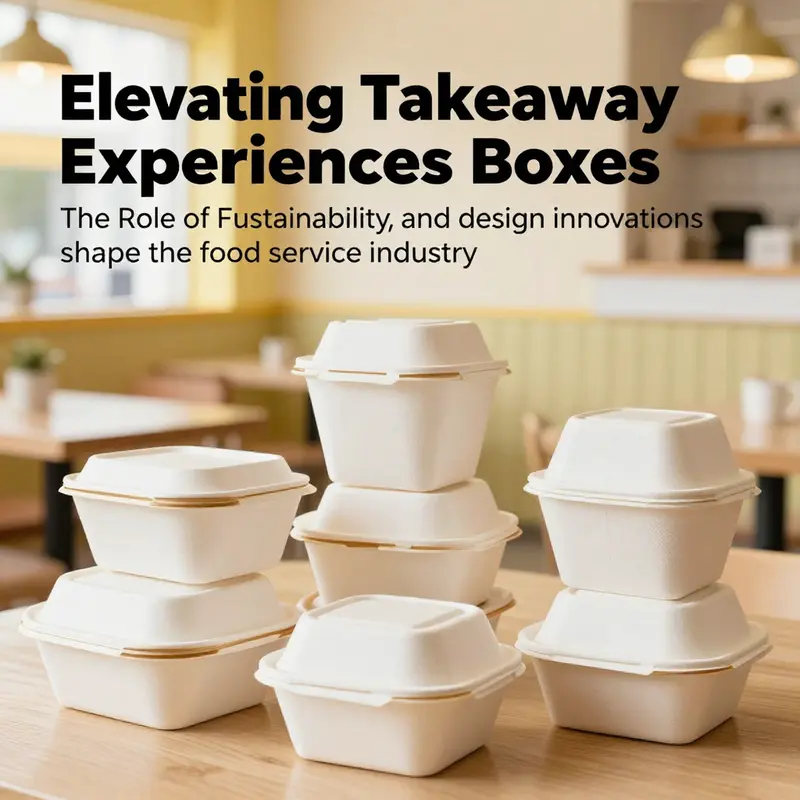
As the demand for takeout options surges, food grade disposable takeaway boxes have emerged as essential tools in the food service industry. These containers not only ensure food safety and hygiene but also reflect a growing commitment to environmental sustainability. This article delves into the security regulations governing these boxes, the environmental impact of their production, innovative design trends that enhance user experiences, market trends shaping their adoption, and consumer preferences. Each chapter offers insights that link safety, functionality, and environmental considerations essential for bubble tea shops, restaurants, food trucks, catering services, event planners, and procurement teams.
Guardians at the Gate: How Global Safety Standards Shield Food in Disposable Takeaway Boxes
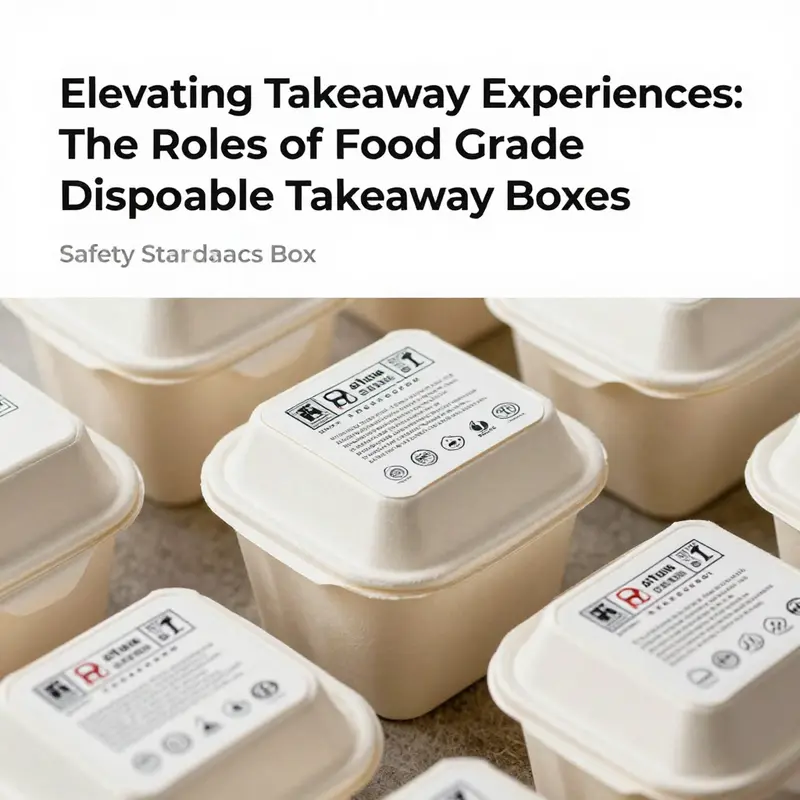
When a disposable takeaway box is picked up for the first time, the story begins long before the lid is opened. It begins in laboratories, in regulatory offices, and on the factory floor where raw materials meet strict rules. The chapter treats these boxes not merely as containers but as guardians of what people eat, how they experience convenience, and how the food system upholds public health. The promise behind a food-grade disposable box rests on a careful balance among safety, performance, and sustainability. To understand this balance, one must trace how safety standards shape every step in the life cycle of these boxes—from the choice of material and its composition to the testing that simulates real world use, and finally to how products are produced, certified, and audited for compliance across regions with divergent regulatory philosophies. In this light, the box ceases to be a simple packaging device and becomes a mediated interface between food safety science and daily life.
At the core of safety standards is a straightforward but exacting principle: materials that contact food must not transfer harmful substances in a way that could affect health, taste, or safety. In the United States, the FDA governs these questions through regulations organized under title 21 CFR, particularly in the sections addressing food additives, indirect additives, and packaging materials. The language is precise: food-contact surfaces must be made from food grade materials and must meet defined chemical and physical properties. This includes restrictions on substances that have raised health concerns in the past, such as certain monomers, residual solvents, and additives that might migrate into food under heat or fatty or acidic conditions. The practical consequence is that a box intended for hot soups, fatty curries, or acidic sauces must be designed with materials whose interaction with those foods is predictable and constrained. Recycled plastics, while favored for sustainability, must be processed under controlled conditions to prevent contamination with non-food materials. The regulatory framework binds recyclability to safety, ensuring that the environmental benefits do not come at the expense of consumer health.
Across the Atlantic, the EU organizes food-contact safety through Regulation EC No 1935/2004, with EFSA playing a central role in risk assessment and guidance. The EU framework emphasizes that materials and articles intended to contact food must be safe and must not transfer substances in quantities that could endanger health, or alter the food’s taste or odor. A key feature here is Specific Migration Limits, which set concrete thresholds for substances that could migrate from packaging into food. The regulatory language reflects a precautionary, harmonized approach that applies across a wide array of materials—from packaging films to biobased composites—encouraging innovations while maintaining a safety boundary that consumers can trust. For manufacturers, this means designing with clear migration profiles, selecting coatings and laminates that pass SML testing, and keeping detailed documentation about the origin and composition of each material layer.
In Canada, Health Canada and the CFIA align with international standards while placing additional emphasis on environmental considerations and biodegradability. The regulatory landscape here is attentive to evolving expectations about compostability and end-of-life management. Some jurisdictions have begun to phase out certain single-use plastics, pushing manufacturers toward compostable or reusable alternatives. The message for food-grade boxes is not merely be safe under heat but also be responsible throughout the lifecycle, including how the packaging behaves after it dispenses its contents. This broader stance feeds back into product design, encouraging the use of materials that are safe and compatible with composting streams or high recycling rates where appropriate.
Compliance and testing form the practical backbone of these standards. To prove safety, manufacturers conduct migration testing that simulates real-world scenarios—exposures to heat, fatty foods, and acidic dressings over times that approximate actual use. Tests may involve food simulants at elevated temperatures to reveal how substances migrate from packaging into foods under worst-case conditions. The goal is to ensure that under typical, realistic, and extreme conditions, any migratory substances stay within established limits. In addition to migration testing, manufacturers pursue recognized food-safety management systems such as ISO 22000 and the broader FSSC 22000 scheme. These frameworks require hazard analysis, preventive controls, supplier management, and traceability. They help ensure that a supplier’s entire chain—from resin suppliers to coating chemists and converters—operates with a shared standard for safety, quality, and consistency. A box becomes not just a product but a verified process, a record of safety practices that can be audited by regulators, customers, and retailers.
The materials themselves deserve attention. Food-grade takeaway boxes commonly use paper-based substrates, often with coatings that provide oil and moisture resistance. Unbleached or lightly treated paperboard with a food-grade coating can offer a natural aesthetic while meeting practical performance needs. Biodegradable or compostable plastics may supplement or substitute for traditional polymers, offering a path toward reduced environmental impact under appropriate waste management systems. Each material choice carries implications for heat resistance, moisture handling, and the potential for substance migration. For example, a box with a strong oil barrier must be validated to ensure that any barrier layer does not contribute hazardous monomers or additives to the food. When sourcing materials, manufacturers must verify that coatings and laminates used in contact with food comply with applicable food-contact regulations and do not introduce prohibited substances. In practice, this means a careful balance: selecting materials that perform well under hot and greasy conditions while remaining inert, non-toxic, and within migratory limits.
The intersection of safety and sustainability adds layers of complexity but also opportunity. Many boxes today are designed to be either recyclable or compostable, or to fit within programs that incentivize proper end-of-life management. The regulatory stance toward sustainability varies by region but is consistent in aiming to prevent environmental harms that could indirectly affect public health. For instance, while recycling reduces environmental burden, it must not introduce safety risks through contamination of the recycling stream with non-food-grade residues. Compostable materials must maintain integrity long enough to perform, yet break down under appropriate industrial composting conditions. This dynamic pushes packaging designers to collaborate with waste-management providers and certification bodies to ensure end-of-life claims are accurate and verifiable. In this sense, the safety standard becomes a living framework that must adapt as new materials, testing methods, and waste-management infrastructures emerge.
For those who design, supply, and operate takeaway services, the practical implications are clear but exacting. The labeling on boxes, the traceability of material batches, and the ability to demonstrate compliance during audits become everyday duties. Suppliers must provide documentation about resin types, additive packages, and the exact composition of coatings. Manufacturers may need to demonstrate conformance through third-party certification or regulator-approved testing laboratories. The result is a chain of accountability that helps restaurants and delivery platforms maintain consumer trust. In a market that prizes speed and convenience, the assurance that a box is safe to use, even after a long ride through varying ambient conditions, becomes a competitive differentiator. It signals to customers that safety is not an afterthought but the foundation of the experience, from the moment the lid is closed until the last bite.
The framework that governs these boxes is not static. It reflects ongoing dialogues between safety science, industry innovation, and public policy. Advances in materials science such as low-migration coatings, bio-based polymers, and more inert barrier technologies hold the promise of safer, more sustainable packaging. At the same time, regulatory bodies continually refine migration models, update permissible limits, and expand scope to address new substances and emerging technologies. The aim remains consistent: protect what people eat while enabling a packaging system that supports the efficiency and accessibility consumers expect from takeout and delivery. For stakeholders, the challenge is to translate regulatory texts into reliable, repeatable design choices that withstand audits, satisfy customers, and move with the pace of a fast-casual economy.
In the end, safety standards and regulations for food-grade disposable takeaway boxes work because they connect theory to practice. They insist that a box is more than a container; it is a controlled interface where chemistry, engineering, and ethics converge. They compel designers to think about heat, fats, and acids not as abstract properties but as real forces interacting with every layer of a packaging system. They require testing, documentation, and management systems that make safety auditable and transparent. And they create a shared vocabulary through which manufacturers, regulators, and retailers can describe risk, containment, and performance with precision. The result is a packaging paradigm that supports not just safe handling but also consumer confidence, environmental responsibility, and a resilient food supply chain.
For readers who want to explore regulatory details further, a practical starting point is the United States FDA’s guidance on Food Contact Materials, which outlines how packaging can be designed and tested to meet safety expectations. See the FDA’s resources here: https://www.fda.gov/food/food-contact-materials.
From Footprint to Future: Tracing the Environmental Toll and Untapped Potential of Food-Grade Disposable Takeaway Boxes
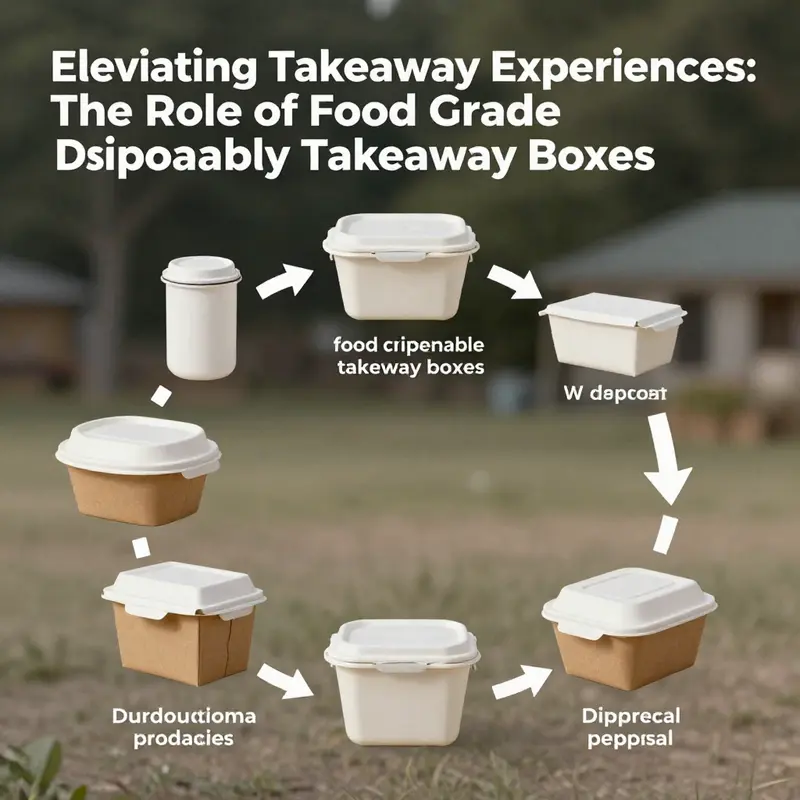
A disposable takeaway box sits in a brief moment of need, shielding hot meals from the world while offering convenience to millions of diners. Yet behind every empty carton lies a chain of materials, processes, and choices that cumulatively shape the environment we share. This chapter follows that chain, not merely to catalog what a single box costs the planet, but to illuminate how the box moves from resource to waste, and how that journey could bend toward lower impact without sacrificing safety or practicality. In doing so, the narrative moves beyond the box as a snapshot of packaging and toward an understanding of packaging as a system—one that connects raw material selection, manufacturing intensity, end-of-life fate, and the broader rhythms of consumption and disposal. The aim is to set a grounded, forward-looking frame for discussing how food-grade disposables can be redesigned and regulated to fit a leaner, cleaner food system while preserving the trust that makes them indispensable to modern dining.
Across recent life-cycle assessments, the production phase consistently emerges as a dominant contributor to the carbon footprint of disposable food-contact packaging. A targeted study in China examined commonly used takeaway lunch boxes and their viable alternatives, tracing emissions from cradle to grave. In this analysis, the manufacturing stage stood out as a major hotspot for energy use and associated greenhouse gas emissions, underscoring a critical truth: even before a box touches food, its footprint is largely set by what goes into making it and how it is made. This realization reframes the debate around sustainability from a focus on end-of-life management alone to a more integrated view that starts with material choice and process design. The takeaway is not that end-of-life is unimportant, but that meaningful reductions in impact are often secured earlier in the supply chain, where decisions are most constrained by material science and industrial engineering.
Material selection sits at the heart of this early-stage impact. In many food-grade disposable boxes, synthetic polymer coatings and other plastic-facing layers are central to performance, providing moisture resistance, heat stability, and barrier properties that protect food quality. However, these same materials become the stewards of environmental cost at production. Energy demands ripple through the manufacturing chain—from resin synthesis to coating application and curing—amplifying greenhouse gas emissions and, in some life cycles, obscuring the true cost of convenience. The carbon intensity associated with polyethylene-based coatings, for instance, has been highlighted as a notable factor in the overall footprint. This does not merely reflect the chemistry of plastics; it reflects the energy mix, processing efficiency, and upstream raw material sourcing that feed into the box long before it enters the consumer stream. When production dominates the lifecycle, the door opens to meaningful gains through smarter material design and cleaner manufacturing technologies.
End-of-life considerations compound these upstream realities. Single-use containers, particularly those relying on composite or coated structures, often face lower recyclability and greater post-consumer waste challenges. The material complexity that helps a box perform in a kitchen can impede separation and recovery at recycling facilities. In many markets, the result is a substantial and persistent stream of packaging waste with limited pathways for reuse or safe material recovery. The net effect is a global burden that reflects both the physical properties of the packaging and the systemic capacity of waste management to thread the process of recovery through production, distribution, collection, and processing. In this context, the environmental costs attributed to the production phase do not disappear after disposal; they migrate into the recycling stream, energy recovery facilities, and, ultimately, the ambient environment. The literature consistently shows that high rates of material loss and low recyclability amplify the environmental cost of single-use packaging, making optimization at the design and manufacturing stages all the more urgent.
Beyond these material and process dynamics, comparative analyses across packaging types deepen the picture. A study published in the Journal of Cleaner Production in 2019 evaluated several common single-use container types—aluminium, polypropylene, and extruded polystyrene—against reusable polypropylene containers. The findings were instructive: single-use options performed poorly across multiple environmental impact categories, with global warming potential being particularly sensitive. The takeaway is not merely an indictment of disposables but a prompt to consider how the same performance goals—food safety, barrier protection, and user convenience—might be achieved with less environmental cost through rethinking materials, manufacturing, and end-of-life management. The implication for food-grade takeaway boxes is clear: the path to lower impact runs through smarter design choices that preserve necessary performance while easing the burden born at production and at disposal.
A parallel thread in the literature traces the real-world scale of post-consumer packaging waste in food delivery systems. In South Korea, a study of online food delivery packaging waste for 2020 quantified 72.93 kilotons of plastic packaging consumption. More strikingly, the study found that 40.09% to 98.30% of total environmental impacts occurred during the production stage, underscoring that the majority of harm is set upstream, before the consumer even encounters the box. This insight sharpens the focus on pre-consumer design levers and the industrial systems that convert raw materials into finished containers. It also highlights a paradox at the heart of disposable packaging: high performance and convenience are achieved through material and process choices that ripple through the lifecycle, often before any consumer benefit is realized. Addressing this reality requires a dual strategy that tightens the loop on material use and strengthens the infrastructure for collection and recycling so that the production footprint is not merely offset at the other end of the chain.
Against this backdrop, mitigation strategies emerge not as abstract goals but as practical, interlocking steps. Scenario analyses point to a synergistic material replacement strategy paired with comprehensive recycling as a powerful lever for reducing the carbon footprint. In numerical terms, these strategies could cut emissions by as much as 68.15 percent, a figure that signals substantial room for improvement without abandoning the protective and hygienic standards that food-grade packaging must meet. Such potential gains rest on two pillars. First is the deliberate replacement of high-impact materials with those that carry lower production burdens, or with novel coatings that maintain barrier performance while reducing energy intensity. Second is the enabling of closed-loop recycling systems that can recover and reprocess materials with high efficiency. When production and recycling are designed to work in concert, the environmental costs associated with disposable takeaway boxes can be dramatically curbed, transforming a technology of convenience into a model of responsible stewardship.
These insights carry important implications for the industry. Designers and manufacturers are charged with balancing safety, cost, performance, and sustainability in every choice—from the type of fiber or polymer to the architecture of the box and its coatings. A shift toward sustainable material design does not end with the box’s surface properties; it extends into the entire manufacturing ecosystem, including energy sources, facility efficiency, and supply-chain logistics. It also invites a reimagining of end-of-life pathways: embracing recyclability, considering compostable alternatives where appropriate, and investing in systems that capture value from used packaging rather than letting it slip into landfills or incinerators. The consumer experience remains central, but the path to a healthier environmental profile hinges on upstream decisions as much as downstream actions. In practice, this means harmonizing regulatory expectations with materials science and industrial engineering so that safety and performance do not come at the expense of planetary health.
In translating these ideas into action, the chapter avoids a purely technocratic gaze. It recognizes that the shift toward lower environmental impact packaging is a collective enterprise, involving suppliers, manufacturers, waste management operators, retailers, regulators, and consumers. It invites a closer alignment among these actors through transparent material disclosures, standardized LCA benchmarks, and investment in recycling infrastructure that can handle the specific chemistries and formats of food-grade disposables. It also calls for consumer engagement that emphasizes proper disposal and separation, reinforcing the social contract of responsible consumption. The overarching narrative is not a call to abandon disposables but to reimagine how they are produced, used, and returned to the loop in ways that respect safety and hygiene while lowering the environmental cost per meal. In that sense, the environmental footprint of a simple box becomes a lens for assessing how well the food system translates appetite for convenience into a sustainable practice.
For readers seeking a deeper audit of the material and process choices shaping these outcomes, a foundational external study provides a rigorous, data-driven context. The study, available through a leading environmental science journal, outlines the comparative emissions profiles of various single-use container types and the potential emissions reductions associated with closed-loop recycling and material substitution. This external resource complements the synthesis offered here by detailing the numbers and modeling assumptions that underlie the broad conclusions about production phase dominance, the high costs of certain coatings, and the promise of integrated material strategies. Together, these strands of research build a clearer map for designers, policymakers, and business leaders who are charting a path toward more sustainable food-grade takeaway packaging. As the industry continues to evolve, the emphasis remains on concerted action across material science, manufacturing efficiency, and end-of-life infrastructure, so that the box serves its intended purpose with a lighter, more accountable footprint.
External resource for further reading: https://www.sciencedirect.com/science/article/pii/S095965261832098X
Designing Safe and Sustainable Food-Grade Takeaway Packaging
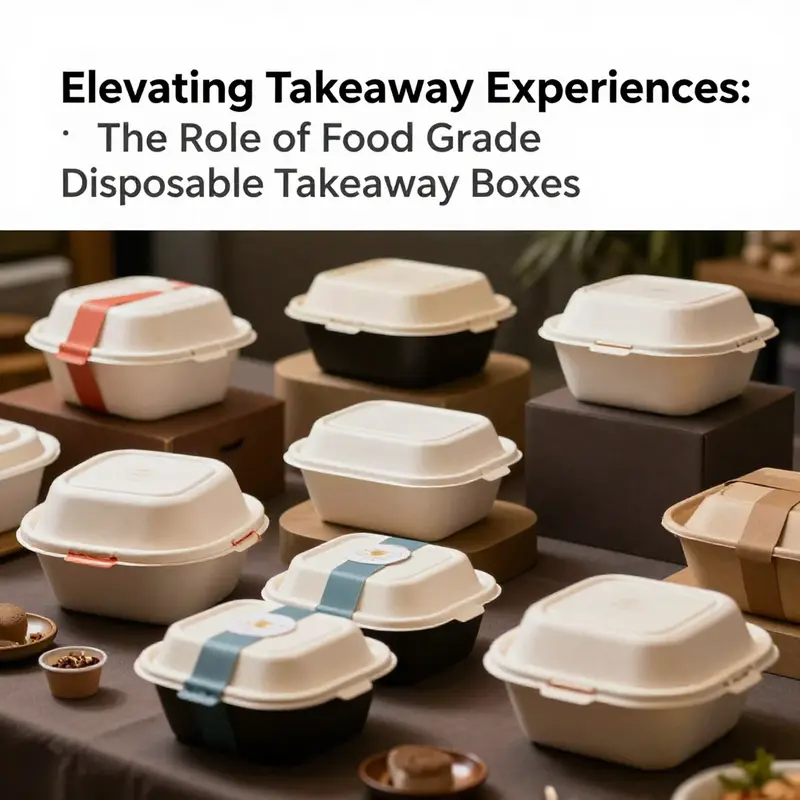
Designing safe and sustainable food-grade takeaway packaging requires a holistic approach. Containers must protect food from leaks and contamination while enabling safe heating, recycling, and composting where appropriate. Material choices balance barrier performance with environmental responsibilities, using coatings derived from renewable sources and considering end-of-life pathways. Structural logic—fold patterns, integrated closures, and modular compartments—supports versatile meals and reduces material use. Heat retention strategies stay mindful of recyclability, using slim insulating layers rather than heavyweight builds. Usability, brand storytelling, and digital printing intersect to communicate safety cues and sustainability values without clutter. Finally, ongoing innovation is guided by safety standards and environmental guidelines, ensuring that packaging performs reliably in kitchens, transit, and homes while contributing to a circular economy.
Shaping the Tray: Market Currents and Material Innovation in Food-Grade Takeaway Boxes
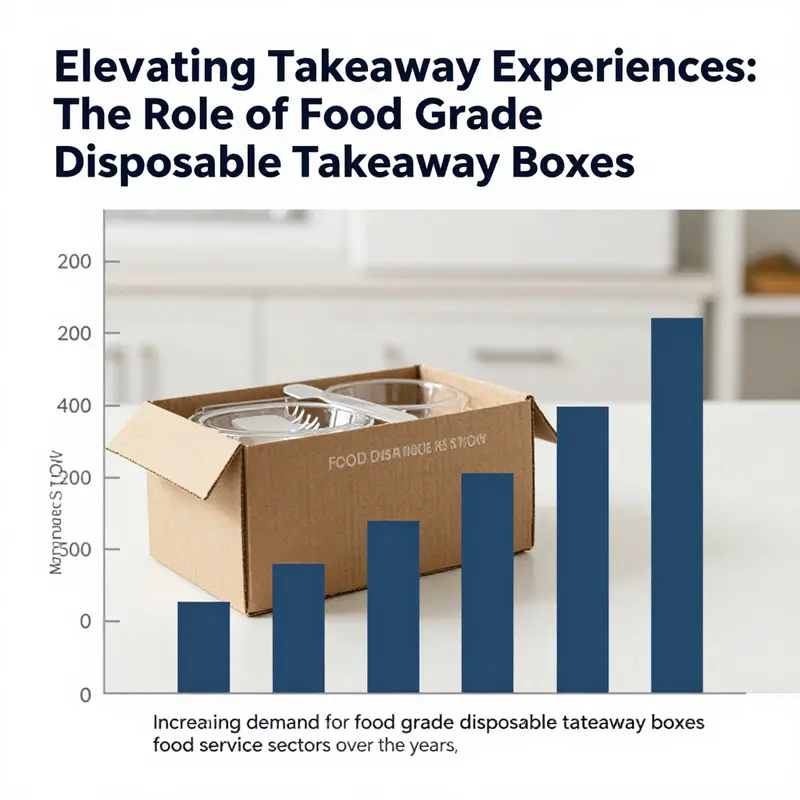
The landscape of food-grade disposable takeaway boxes has evolved from a simple, utilitarian commodity into a dynamic arena where sustainability, safety, and user experience converge. In this shifting market, operators across fast-food outlets, meal-prep services, and catering companies increasingly view packaging not merely as a container but as a strategic touchpoint with customers. The recent wave of data and industry observations makes clear that growth is powered by a trio of forces: rising demand for convenient, hygienic solutions; a broader push toward environmentally responsible materials and end-of-life stewardship; and rapid advances in packaging technology that keep performance on par with traditional plastics while expanding the boundaries of what is possible in terms of structure, aesthetics, and branding. Taken together, these factors shape not only what flavors travel in boxes, but how packaging itself helps define a brand’s integrity in a crowded, contact-sensitive marketplace. The numbers behind the trend reinforce a robust trajectory. Market analyses place the global food service disposable sector at around USD 70.2 billion in 2025, with projections scaling to roughly USD 116.6 billion by 2035. Such growth reflects a compound annual growth rate that remains attractive to manufacturers, materials scientists, and restaurateurs who must balance speed, safety, and sustainability as they scale operations across diverse geographies and demographics. This expansion is not a simple matter of more boxes out the door; it signals a broader rethinking of packaging as a multi-functional product that protects, communicates, and ultimately participates in the restaurant experience across hot, cold, and ready-to-eat formats. Across fast food, meal-prep services, and catered events, the takeaway box has become a platform for efficiency, safety, and alignment with consumer values that extend far beyond the plate it carries. \n\nThe most visible driver of this transformation is sustainability, a category that now encompasses not only the materials themselves but the entire lifecycle from sourcing and production to end-of-life disposal. Consumers are increasingly discerning about the origins of their packaging and the commitments brands make to reduce environmental footprints. In response, manufacturers are broadening material options beyond traditional plastics to renewable and compostable substrates such as sugarcane bagasse, bamboo fibers, and other fiber-based composites. Custom eco-friendly kraft options are widely adopted for their recyclability and lower environmental impact, and suppliers are rapidly expanding capabilities to deliver food-grade versions of these materials that meet rigorous safety standards. This shift is not mere trend chasing; it reflects a coherent consumer and policy signal that packaging decisions today will reverberate through supply chains for years, affecting procurement, pricing, and product development roadmaps. \n\nAlongside the sustainability imperative, performance remains non-negotiable. Food-grade boxes must resist oil, moisture, and heat while staying compatible with cooling, freezing, and reheating cycles common in diverse service contexts. Traditional materials—plastics like polypropylene (PP) and PET—continue to occupy a strong position because of their durable barriers, mechanical strength, and predictable behavior in microwaves and freezers. Yet, these advantages are increasingly questioned when regulatory frameworks and consumer expectations tighten around single-use plastics. The industry is responding with innovations that preserve, and in some cases enhance, functionality without compromising safety or convenience. This balancing act often leads to clever engineering: multilayer constructions that lock in moisture control while enabling compostable or recyclable disposal streams, surface treatments that repel grease without interfering with food contact, and lid-and-base configurations that minimize leaks without sacrificing stackability. The result is a nuanced ecosystem where the choice between traditional plastics and newer materials depends on application specifics, regulatory context, and the desired brand narrative. \n\nThe customization and branding dimension has grown from a practical add-on to a central competitive lever. Modern operators increasingly treat the takeaway box as a carrier of identity—an opportunity to reinforce taste, provenance, and care for the environment. Custom kraft and other fiber-based options enable enthusiastic branding, with options for color, imprinting, and ergonomic shapes that align with restaurant aesthetics and customer expectations. Customization extends beyond appearance; it encompasses functional design that improves the ordering and dining experience. A box with a wide mouth, accessible viewing window, or easily removable lid can elevate perceived value and reduce the friction of self-service or takeout assembly. For many operators, packaging is not an afterthought but a medium for storytelling—an opportunity to communicate commitment to quality, sanitation, and sustainability in a tangible, recyclable form. \n\nDesign harmony is perhaps the most intricate aspect of this market. The drive for user-friendly, efficient packaging pushes designers to reconcile several sometimes competing priorities: a box must be grease and oil resistant to perform in hot or fried foods; it must maintain structural integrity during transit without excessive weight; and it must offer sufficient barrier properties to preserve taste and texture while ensuring safe handling by staff and consumers. The current generation of food-grade boxes often employs clever lamination and barrier technologies that are compatible with compostable or recyclable streams. When hot meals are involved, heat retention and steam management become critical. A shallow, wide opening facilitates quick inspection and portioning, while a robust base prevents warping and enables stable stacking. Accessibility considerations are also at play; intuitive opening mechanisms and secure closures contribute to a frictionless consumer experience, particularly in drive-thru or high-volume pickup scenarios. These design choices reflect a sophisticated understanding that packaging touches every step of the customer journey, from ordering through consumption and disposal. \n\nFrom the perspective of supply chains and manufacturing, the market dynamics are shaped by technology that broadens the feasible material set while tightening quality controls. Biobased and recycled content strategies require refinements in processing and certification to ensure food contact safety. Coatings, barrier layers, and adhesive chemistries are evolving to deliver desirable performance without compromising compostability or recyclability. Innovations in printability and surface durability enable more vibrant branding without adding unnecessary complexity or cost. All of these advances support a multi-material approach in which the best features of each material are combined to satisfy specific use cases. The result is a more resilient and adaptable supplier ecosystem that can tailor packaging to local waste streams, regulatory regimes, and consumer expectations. \n\nA parallel development worth noting is the increasing emphasis on end-of-life stewardship. Companies that invest in clear labeling, compostability verification, and alignment with local recycling or composting infrastructures stand to gain not only regulatory compliance but also goodwill and market differentiation. Consumers, increasingly informed about proper disposal, reward brands that provide transparent guidance on how to dispose of packaging after use. However, challenges remain: consumer confusion about recycling streams and the limited availability of industrial composting facilities can hinder the practical realization of environmental claims. This tension between aspiration and reality underscores the need for robust certifications and third-party testing to avoid greenwashing and to ensure that claims about biodegradability or recyclability reflect actual environmental outcomes. The industry recognizes that credible sustainability requires measurable standards and ongoing communication with customers about what happens to packaging after it has fulfilled its function. \n\nAt the crossroads of demand, design, and policy lies a continuum of opportunity for those who can connect product performance with ecological responsibility and brand storytelling. The future of food-grade disposable takeaway boxes is not a single material story but a hybrid narrative in which intelligent design, material science, and consumer engagement converge. Expect continued experimentation with bio-based polymers, enhanced grease barriers, and smart coatings that resist staining while remaining compatible with established disposal streams. Expect brands to adopt more nuanced packaging strategies that balance cost with the value of a positive consumer experience and a clear environmental promise. And expect the conversation around safety standards, migration limits, and labeling to intensify, inviting closer collaboration among manufacturers, regulators, and restaurateurs to ensure that every box lives up to its promise—protecting food, protecting people, and protecting the planet. \n\nFor authoritative context on material standards and safety considerations, stakeholders can consult the FDA’s guidance on food contact substances, which outlines the framework for evaluating and approving materials used in packaging that comes into contact with food: https://www.fda.gov/food/food-contact-materials
Hygiene, Green Aesthetics, and Trust: Perceptions of Food-Grade Disposable Takeaway Boxes
A consumer gaze falls first on the seal of hygiene and the signature of safety before a single bite is taken. In the market for food-grade disposable takeaway boxes, safety is not a luxury but a baseline expectation. The materials, the processing, and the packaging’s handling all contribute to a sense of trust. When a customer sees a box labeled as compliant with food safety standards, their confidence is reinforced by the absence of toxic odors, the absence of leaks, and the clear, consistent quality of the box’s surface. This perception of cleanliness extends beyond the packaging itself. It becomes a signal about the entire food experience—the kitchen’s standards, the restaurant’s attention to detail, and the care with which the meal was prepared. In a world saturated by options, that sense of reliable hygiene often determines whether a consumer will choose one takeaway option over another. The top criterion, repeatedly cited by shoppers, is the hygienic status of the packaging. It is not merely a feature; it is the doorway to trust. Consumers want to know that the materials they touch and the surfaces that contact food are free from contamination and designed to minimize any risk of substance migration. The emphasis on safety translates into a preference for packaging that uses non-toxic, inert materials, and a design that reduces the opportunity for contamination during transit. The takeaway is simple: hygiene is not negotiable, and it should be evident at a glance. When packaging communicates cleanliness through uniform print quality, sealed closures, and clearly labeled safe materials, it anchors consumer confidence and reduces the cognitive load of decision making in a crowded marketplace. The consequence for manufacturers and restaurateurs is a duty to uphold and demonstrate safety with every box they sell.
Yet hygiene and safety do not exist in a vacuum. The broader vantage point for many consumers is environmental stewardship. The same customers who insist on non-toxic materials also prefer packaging that aligns with sustainable ambitions. Biodegradable or recyclable options have gained traction, signaling a shift from “dispose of it” to “dispose of it responsibly.” The appeal of natural materials, such as bamboo fiber or recycled pulp, lies not just in their end-of-life benefits but in the authenticity they convey. This pursuit of sustainability is not cosmetic. It is often framed as an alignment with a higher ethical standard, an “eco-luxury” proposition that resonates with diners who seek both indulgence and responsibility. For premium brands and subscription services, the packaging becomes part of the brand story—the natural textures, the subdued palettes, and the implication that the food inside is crafted with care for people and planet alike. As a result, consumers increasingly equate aesthetic with ethics. The visual language of packaging—its color, texture, and tactile feel—communicates environmental intent even before taste is savored. A box that looks and feels biodegradable, or at least clearly recyclable, carries a halo of virtue that can elevate the perceived value of the meal. In this sense, environmental considerations are not peripheral; they are central to how a brand is perceived and remembered.
Practicality sits alongside safety and sustainability as a decisive factor in consumer choice. The design of a takeaway box must support the real-world needs of busy people who crave convenience without sacrificing experience. A shallow, wide-opening box with a broad mouth is often preferred because it simplifies access to food and makes the contents immediately visible. This practical insight is particularly salient in bakery contexts or high-end takeaway brands where presentation matters as much as contents. A transparent window or a visually accessible interior can reduce the anxiety of buying unseen food and enhance trust. Customers are more likely to believe in the quality of what they order when they can glance at the product and see it as described. However, the allure of a transparent window is a double-edged sword. High-temperature steam can fog the surface, and if the underlying material is not fully recyclable or is made from plastics that are hard to recycle, the environmental promise weakens. The tension between visibility and sustainability requires careful material choices and innovative design exploration. Brands face a balancing act: preserve the ability to view the food while maintaining environmental integrity and ease of disposal.
Across the market, there is growing interest in packaging reuse. Market feedback indicates strong consumer appetite for reuse systems. Surveys have shown that a majority of respondents favor options that enable the return and reuse of the packaging itself. In practical terms, this means brands and platforms are experimenting with take-back programs, deposit schemes, or partnerships that support recycling and refill cycles. The figure cited in the research—about 73.2% of respondents supporting reuse—signals a clear market signal: the future of takeaway packaging is not merely about how we throw things away, but how we reimagine resource loops. Reusable systems can lower the long-term environmental footprint if implemented with user-friendly logistics, clear labeling, and strong incentives for participation. For consumers, the value proposition hinges on convenience. They are more likely to engage with reusable packaging when it is simple to return, when the materials are robust enough for multiple uses, and when the costs are transparent and fair. The design challenge, therefore, is to create packaging that remains hygienic and safe across cycles, without imposing burdens on the user or complicating the supply chain. The dialogue around reuse is not a mere trend. It is an invitation to rethink packaging as a durable product rather than a disposable commodity.
In this evolving landscape, the research grounded in empirical work offers a critical lens. The study “Consumer perceptions and behaviors toward take-out food,” published in the Journal of Retailing and Consumer Services in 2023, provides a structured map of how hygiene, sustainability, practicality, and reuse expectations interrelate. It shows that consumer attitudes are not static; they are continually reshaped by experiences with packaging, information about material safety, and the visible signals brands emit about environmental commitment. This scholarly work helps explain why some customers willingly pay a premium for eco-friendly designs, while others remain cautious about performance trade-offs or the reliability of recycling streams. The takeaway for industry players is to treat packaging as a comprehensive system rather than a standalone product. The system must deliver safety and hygiene, communicate credibility through sustainable choices, facilitate everyday practicality, and integrate with convenient reuse schemes. When the packaging speaks with a consistent and transparent voice across touchpoints—from the menu interface to the box’s physical form—it reinforces trust and loyalty, and it invites customers to participate in a broader, more sustainable dining culture.
To translate these insights into design strategy, brands should consider a few guiding principles grounded in consumer psychology and sustainability science. First, reinforce hygienic signaling through uniform packaging standards, clear labeling of food-grade materials, and tamper-evident closures. Second, invest in sustainable materials that do not compromise performance—materials that resist oil and moisture yet are fully recyclable or compostable. The aesthetic language matters here too; natural textures and earthy tones can evoke environmental responsibility without sacrificing the premium feel sought by upscale brands. Third, design for visibility without sacrificing environmental goals. The use of transparent windows can satisfy the appetite for visual assessment, but the choice of materials should minimize fogging and end-of-life complexity. Fourth, build simple, consumer-friendly reuse and recycling pathways. Clear instructions on how to participate, along with reliable take-back logistics, help meet the high expectations reflected in the 73.2% support rate for reuse schemes. Fifth, recognize that packaging is part of a larger brand narrative. Eco-luxury positioning, especially for premium dining and subscription services, can leverage material choice, texture, and presentation to create a coherent story about care for people and planet. In practice, this means aligning packaging decisions with dining concepts, culinary aesthetics, and the service model. A box becomes a storytelling device, signaling a brand’s commitment to hygiene, sustainability, and practical excellence from first glance to final bite.
For practitioners exploring sustainable packaging ideas, one may consider materials and design cues that echo the natural, tactile appeal of earth-inspired aesthetics. The notion of a nature-forward packaging experience resonates with consumers who equate beauty with responsibility. A box that feels as natural as the food inside—reminiscent of unbleached pulp, gentle embossing, and warm, matte finishes—can communicate a thoughtful, premium image without sacrificing recyclability. In environments where packaging is a key part of the brand experience, the box itself becomes a “proof point” of quality. This is especially relevant for high-end takeaway operations and subscription services where the packaging helps justify a premium price and a deliberate, curated dining ritual. The design language that supports this approach must, of course, be compatible with practical constraints such as stackability, insulation, and transport resilience. The challenge is to harmonize sensory appeal with functional reliability, ensuring that the packaging protects food integrity, communicates safety, and remains easy to dispose of or reuse. As consumer expectations evolve, the most successful operators will be those who weave safety, sustainability, practicality, and reuse into a cohesive packaging ecosystem rather than treating each attribute in isolation.
Looking ahead, the consumer voice continues to push packaging toward greater accountability and transparency. Brands that listen—who provide visible proof of safety, who demonstrate true environmental stewardship, and who offer seamless reuse options—will cultivate trust and loyalty in a crowded market. The synergy of hygiene assurance, environmental credibility, and user-centric practicality could define success in the category of food-grade disposable takeaway boxes. The consumer, after all, is not simply purchasing a container; they are purchasing a promise: that the food inside has been handled with care, that the packaging reflects a respect for the planet, and that the act of dining on the go remains convenient, delightful, and responsible.
For readers seeking to explore related themes around sustainable packaging cues and consumer perception, consider how natural textures and eco-conscious branding influence decision-making, and how these cues can be integrated with reusable packaging programs. Green cues—represented by earthy materials and natural aesthetics—can reinforce safety and environmental commitments while preserving the convenience that defines takeaway culture. Such alignment across hygiene, sustainability, and practicality is the cornerstone of the modern food-grade disposable box’s appeal. And when brands tell a cohesive story through packaging, the dining experience feels complete, trustworthy, and thoughtfully designed.
Internal link reference: For brands exploring sustainable, nature-inspired packaging cues, a related product page discussing natural aesthetics is worth a look: Green Soil Lotus.
External resource: For a broader, empirically grounded perspective on consumer attitudes toward take-out packaging, see the Journal of Retailing and Consumer Services study. https://www.sciencedirect.com/science/article/pii/S096372142300045X
Final thoughts
In conclusion, food grade disposable takeaway boxes represent a vital intersection of safety, sustainability, and user experience in the food service domain. As businesses adapt to changing consumer demands and increasing environmental concerns, these boxes not only fulfill practical needs but also resonate with the values of today’s eco-conscious consumers. By understanding the landscape of safety standards, environmental implications, design trends, market trajectories, and consumer preferences, businesses can enhance their offerings and drive success in a competitive market.