
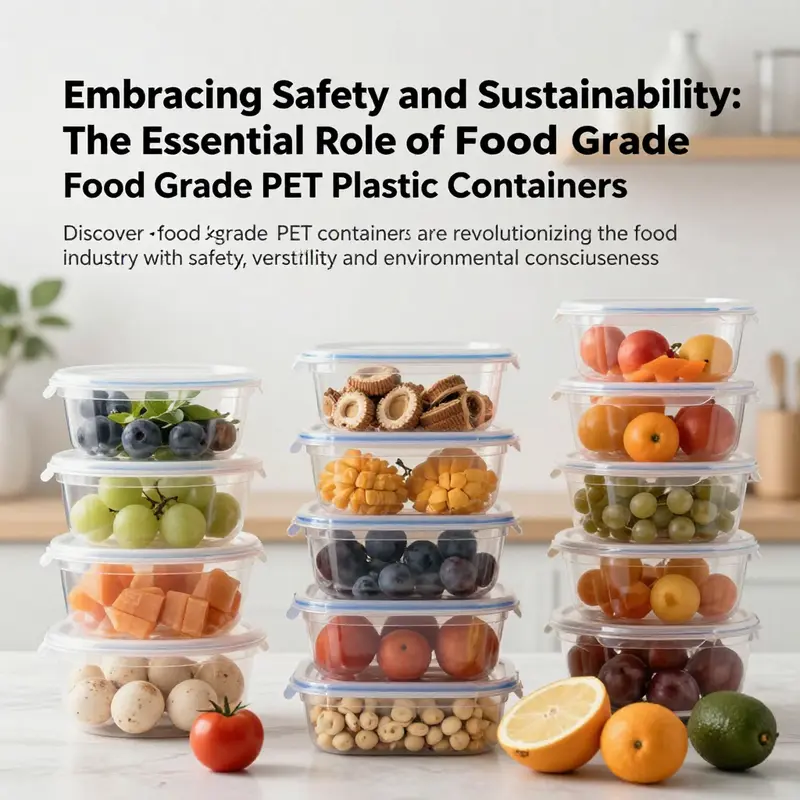
As the food and beverage industry continues to adapt to evolving consumer demands, the choice of packaging materials has become more critical than ever. Food grade PET plastic containers have emerged as a preferred solution for many, including bubble tea shops, restaurants, and catering services. This article explores the rigorous safety standards, diverse applications, key advantages over traditional materials, and the positive environmental impact of these containers. By understanding each aspect, businesses can make informed decisions to enhance product safety and sustainability.
Guardians of Freshness: Navigating Safety Standards for Food-Grade PET Containers
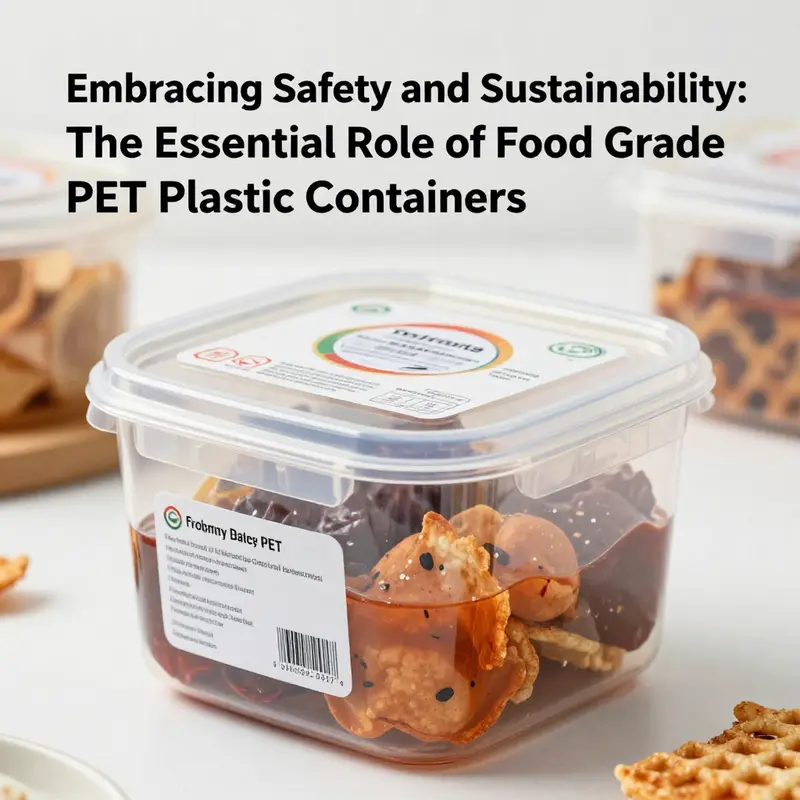
Food-grade PET containers stand at the crossroads of science, regulation, and everyday practicality. They are designed to be transparent, lightweight, and durable, yet their true value emerges only when safety is guaranteed across the entire lifecycle—from raw resin to finished package and, finally, to consumer use. The regulatory ecosystem that governs these containers is not merely a series of checkpoints; it is a coherent framework developed to protect public health while enabling efficient food storage and distribution. In this space, safety standards are not abstract ideals but concrete, testable requirements that shape how PET is formulated, manufactured, tested, labeled, and eventually recycled. The result is a material that earns consumer trust not by rhetoric but by demonstrable compliance with rigorous safety criteria set by esteemed authorities and validated through independent verification.
At the heart of these standards are regulatory bodies that define what is permissible for materials that will contact food. In many parts of the world, agencies such as the U.S. Food and Drug Administration and the European Food Safety Authority set the expectations for how PET can be used, what additives may be present, and what residual substances may migrate into food under various conditions. The reputation of PET as a safe material rests on clear stipulations about its behavior in contact with foods and beverages, and on assurance that any components introduced during manufacturing do not pose risks to health. The principle is simple in spirit: if a plastic will touch edible products, its safety profile must be validated through transparent, science-based criteria that can be independently assessed.
One of the most visible aspects of safety in PET packaging is regulatory compliance. The material must meet limits on the types and quantities of monomers, catalysts, stabilizers, and other additives that can migrate into food. A familiar concern is the migration of trace substances that could alter flavor, color, or safety. For PET, the migration of certain catalysts used in polymer production has been a focal point, and authorities have established strict thresholds to prevent any material from exceeding safe levels in typical storage scenarios. In practice, this means manufacturers must demonstrate that their PET resin and finished containers behave predictably when in contact with foods across a range of temperatures and storage times. When these demonstrations are backed by robust data, PET containers earn the designation of safe for food contact, and retailers and manufacturers can communicate that assurance with confidence.
Certification and testing form another pillar of the safety framework. Reputable producers submit their containers to third-party laboratories that verify compliance with established standards. These tests are not cursory; they simulate real-world conditions such as refrigeration, room temperature storage, and potential heat exposure during handling or transport. The testing often includes migration studies, where the container is in contact with food simulants under defined time and temperature profiles. The goal is to quantify any leaching of substances and confirm that it remains within acceptable limits. The presence of third-party certification provides a layer of accountability that is difficult to replicate with internal audits alone. It also gives buyers—from household kitchen users to large-scale manufacturers—a verifiable signal that safety criteria have been independently checked.
Material purity and traceability are essential to the credibility of food-grade PET. High-quality PET intended for food contact is typically produced using virgin resin to minimize the risk of contaminants that could compromise safety. The emphasis on purity creates a clear demarcation between food-grade PET and recycled or reclaimed materials, which may introduce impurities and variability that could affect performance. Traceability—the ability to identify the origin and composition of the resin and final container—further strengthens confidence. In practice, this means an unbroken chain from resin supplier to container fabricator to end user, with documentation that confirms compliance at every step. For consumers, this translates into a more predictable product behavior, especially when containers are stored for extended periods or subjected to practical handling conditions.
Not all PET applications are identical, and safety standards acknowledge this by defining application-specific limits. PET is particularly well suited for cold and room-temperature storage, but hot-fill applications push the material closer to its limits. When exposed to higher temperatures—temperatures that may occur during sterilization, hot pouring, or certain nuances of hot packaging—the potential for substance migration increases. Standards therefore emphasize appropriate use windows, such as avoiding hot fills beyond a practical threshold. This nuanced view helps prevent safety tradeoffs that might arise from overestimating PET’s resilience, preserving both safety and performance without imposing unnecessary restrictions on everyday use.
Even with strong safety assurances, the lifecycle of PET packaging invites consideration of recycling and reuse. PET’s recyclability is a significant environmental advantage, yet food-grade containers should not be reused indefinitely. Repeated washing, particularly with hot water or aggressive detergents, can degrade the polymer matrix, reduce barrier properties, and alter migration behavior. In some cases, degradation can lead to microplastics or the leaching of residual additives that were not initially problematic in a new container. The safety framework, therefore, encourages a balanced perspective: reuse can be acceptable within defined limits and with appropriate cleaning methods, but the most stringent safety assurances apply to new or properly certified recycled materials that meet food-contact specifications. This approach aligns safety with sustainability, ensuring that environmental gains do not come at the expense of consumer health.
Labeling plays a crucial role in translating regulatory compliance into practical consumer confidence. When a container is marketed as food-grade, the label should reflect compliance with recognized standards and, ideally, reference third-party verification. Clear labeling helps cooks, manufacturers, and retailers make informed decisions about storage conditions, reuse, and the applicability of the product to specific foods. Consumers benefit from knowing that the packaging they reach for has been subject to a rigorous safety regime, and that any restrictions—such as limitations on heating or extended storage—are communicated clearly. The emphasis is not merely on the material’s inertness but on the integrity of the whole system: resin quality, manufacturing controls, testing protocols, certification, and the handling of the container along the supply chain.
From a practical perspective, this safety landscape informs design decisions and procurement choices. For producers, it means selecting resins that are inherently aligned with safety requirements, working with suppliers who can document material purity and provide traceable lots, and partnering with labs that can perform the necessary migration and stability tests. For distributors and end users, it means seeking containers that carry explicit food-grade certification, understanding the constraints of use, and relying on reputable sources that can substantiate claims through documentation. The overarching message is that safety is a system property, not a feature that can be added after the fact. When all elements—from resin selection to end-use guidance—are aligned with safety standards, PET packaging can reliably preserve food quality while minimizing health risks.
This layered understanding of safety standards naturally informs how manufacturers present packaging choices to the market. A label that proclaims “food-grade” gains credibility when it is supported by regulatory compliance records, third-party test reports, and a transparent supply chain. It also invites a broader discussion about sustainable design: how to balance the use of virgin resin for safety with the ecological imperative to reduce waste through responsible recycling and reuse. In this light, a well-communicated safety profile does more than assure that a container is safe for holding honey, jam, peanut butter, or dry snacks; it signals a commitment to quality, trust, and responsible stewardship of resources. Suppliers that can articulate this story—rooted in regulatory precision, rigorous testing, and transparent traceability—offer a compelling value proposition to both home kitchens and commercial operations.
For those who seek concrete examples of how these standards translate into everyday packaging options, consider how practical design choices support compliance without sacrificing convenience. A well-engineered container will selectively combine high clarity with robust barrier properties, enabling easy content inspection while maintaining product integrity. It will employ a closure system designed to minimize leakage and contamination, even during rough handling in transit. It will specify appropriate temperature ranges and service recommendations that reflect safety research, so users know when hot temperatures should be avoided and when reheating is acceptable. It will also provide documentation that the container is suitable for the intended food category and storage scenario, reinforcing trust across the supply chain. In this way, the abstract language of safety standards becomes tangible actions—specifications that guide every decision from packaging line to kitchen shelf.
As a practical note for readers who plan to source PET containers, consider how the safety framework translates into real-world procurement. Look for explicit statements about food-grade status and independent certification, request documentation for resin purity and batch traceability, and inquire about migration data and testing conditions that reflect your intended use. If you need packaging with multiple compartments or specialized features, seek evidence that the entire system—the container, the cap, and any seals—has been evaluated for safe use under your storage and handling conditions. A robust safety program does not merely protect consumers; it also reduces risk for brands, manufacturers, and retailers by decreasing the likelihood of safety-related recalls and ensuring consistent performance across markets.
To connect these concepts to a concrete, real-world example of how safety considerations influence packaging choices, consider the broader ecosystem of food-grade packaging found in industry catalogs. A widely used solution highlights the importance of customer-facing documentation and the ability to customize labeling while maintaining safety assurances. This kind of option demonstrates how safety standards intersect with branding and packaging efficiency, offering a pathway for businesses to store a range of foods—from sweet spreads to baked goods—without compromising safety or aesthetics. The design philosophy still rests on the same core principles: use food-grade material, maintain strict control over processes, verify through independent testing, and communicate clearly about use and care. This is the practical heartbeat of the safety framework, turning regulatory rigor into reliable packaging that households and businesses can trust.
In this broader view, the story of PET safety is not a single decree but a continuous practice. It rests on a disciplined dialogue among resin producers, container manufacturers, testing laboratories, regulators, and end users. That conversation ensures that safety is not a one-time achievement but an ongoing standard, adaptable to new formulations, evolving detection methods, and shifting consumption patterns. It also creates a shared language for discussing risk and resilience in packaging—one that helps all stakeholders balance safety with performance and with the world’s growing demand for sustainable materials. The result is a packaging culture where transparency, accountability, and scientific integrity shape everyday choices, from the pantry shelf to the marketplace.
For those who want to explore practical design choices that align with these standards, a representative example in the industry emphasizes multi-compartment design alongside user-friendly features such as secure closures and easy labeling options. This approach illustrates how safety criteria influence even the cosmetic aspects of packaging, guiding decisions about wall thickness, sealing geometry, and surface finishes that do not jeopardize safety while enhancing usability. As consumers, the comfort comes from knowing that a simple jar or box carrying our daily foods has been scrutinized through multiple safety layers—material integrity, processing controls, testing, and credible certification—so that the act of storing jam, honey, or cookies becomes a trustworthy, low-risk routine. In short, safety standards do not constrain creativity; they channel it into packaging that is safer, more reliable, and better suited to modern life.
Wherever readers are in the supply chain—from product developers to store buyers—the core message remains consistent: prioritize food-grade PET containers that are supported by documented safety, independent verification, and clear use guidelines. This is how the material earns its place in kitchens and warehouses alike, not merely as a container, but as a steward of freshness, flavor, and health. Finally, when considering practical sourcing choices, remember that the best packaging decisions are those rooted in safety data and corroborated by third-party validation, with end-user guidance that communicates capabilities and limits without ambiguity. A product that embodies this standard is more than a container; it is a reliable partner in daily life, preserving the quality of foods while upholding the highest safety expectations across a global food system.
Internal resource for practical packaging choices: eco-friendly disposable 3-compartment food-grade packaging box for takeout. This example reflects how safety considerations intertwine with utility, branding, and supply-chain practicality, offering a pathway to design packaging that is as responsible as it is convenient.
External resource: An in-depth overview of food grade plastics, including PET, standards, and performance considerations, can be found in the guide titled “An In-Depth Guide to Food Grade Plastic Bottles: Standards, Grades, and Performance.” Access this external resource here: https://www.example.com/guide-food-grade-plastic-bottles
Clarity, Compliance, and the Circular Path: How Food-Grade PET Containers Shape Modern Food Packaging
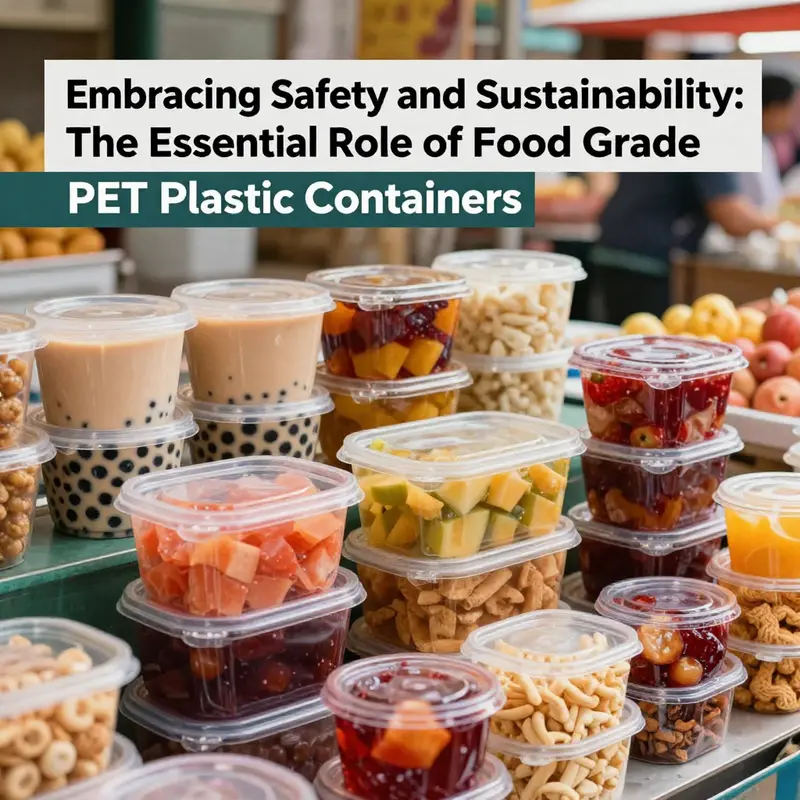
Food grade PET plastic containers have become a quiet backbone of contemporary food packaging. They marry safety with practicality in a way that supports a broad spectrum of products, from everyday spreads to premium confections, while also aligning with growing demands for sustainability. The core appeal lies in a combination of properties that matter to producers and consumers alike: high optical clarity, light weight, chemical resistance, and a robust recyclability profile. When these attributes come together in the context of strict food safety standards, the result is a versatile packaging option that can safeguard quality, simplify logistics, and reinforce brand narratives without compromising the environment. Across the food landscape, containers made from food grade PET meet direct contact requirements with a level of predictability that is essential for both kitchen routines and large scale distribution. Transparent PET allows product visibility to become a marketing and quality control tool at the same time, enabling retailers and households to assess condition and portion size without opening a lid. Visual inspection reduces guesswork and helps ensure that a product looks as appealing at the point of sale as it did when it left the production line. This visibility is particularly valuable for items such as honey, jams, nut butters, and confectionery where appearance communicates freshness and quality. In a market where consumer trust is closely tied to packaging integrity, the ability to observe content through a crystal-clear wall is not merely aesthetic; it is functional and reassuring. The material’s inherent moisture resistance and barrier properties play a complementary role, helping to preserve aroma and texture by limiting moisture ingress and controlling oxygen exposure. While no packaging solution is universally perfect for all products, PET containers built for food contact are engineered to minimize migration of substances into foods and to tolerate the daily rigors of storage without compromising safety or flavor. This makes PET containers a practical choice for a wide array of products, spanning sticky condiments, viscous spreads, and delicate baked goods alike. The scientific and regulatory framing behind food grade PET emphasizes a straightforward, testable premise: if the material is designed for food contact, and if it has been certified accordingly, it can reliably support product safety from shelf to table. In this light, a 320 ml clear PET container with a ribbed screw cap emerges as a representative example of how design and material science converge to deliver a reliable packaging solution. The volume is small enough to suit home use and sampling, yet large enough for everyday pantry staples, while the screw cap and ribbed texture bolster lid grip and leak resistance. The lid’s threading creates a secure seal, reducing the likelihood of accidental spills during transport and handling. In practice, this kind of cap design translates into tangible advantages for both households and small business operations, where quick access and dependable containment are essential for efficiency and hygiene. The choice of thread count and cap geometry also contributes to user experience; a well designed cap offers smooth opening and closing, minimizing the effort required for frequent use and ensuring that repeated access does not compromise seal integrity. The interplay between container geometry and lid design is, in essence, a study in reliability. This reliability matters most for products that demand consistent portion control or extended shelf life, such as peanut butter and fruit preserves, where a compromised seal can invite moisture, odors, or microbial intrusion. PET’s resistance to a wide range of chemical interactions further supports such applications. Oils, sugars, and natural extracts can be stored with less risk of interaction between content and container wall, provided the contact is within the limits defined by safety certifications. This compatibility is not merely theoretical; it translates into real-world benefits like reduced flavor transfer, diminished risk of staining, and minimized scent carryover that might otherwise skew consumer perception of a product’s quality. Beyond the specific case of spreads, PET containers prove adept for bulk storage and distribution, a domain that often demands a balance between ruggedness and weight. In catering and institutional kitchens, large format PET tubs and pails are valued for their durability and impact resistance. The lightweight nature of PET reduces transport costs and eases handling, a practical advantage when containers move through a chain that includes suppliers, distributors, retailers, and end users. The material’s resilience under typical handling, stacking, and transit scenarios reduces the probability of breakage and spillage, protecting both product integrity and personnel safety. In addition to physical durability, the consistency of PET under varied environmental conditions supports stable inventory management. Temperature fluctuations, vibration, and minor exposure to humidity are common in real world logistics. PET’s performance under these conditions contributes to predictable lead times and reliable replenishment cycles, which are crucial for businesses that operate on tight margins and just-in-time strategies. When considering ready-to-eat meals and prepared foods, the role of PET expands into processes that require even and controlled heating and distribution of heat. Some PET formulations are engineered to tolerate pasteurization and certain thermal processing steps while maintaining structural integrity and barrier performance. This compatibility broadens PET’s applicability to products that require heating or hot fill within consumer or retail settings. It is important to acknowledge, though, that thermal processing has limits. PET should be selected with attention to the specific thermal profile of the product, including temperature, duration, and whether venting is required. The overarching rule is to align the container with the processing step in a way that preserves safety, texture, and flavor. In addition to functional performance, PET containers offer opportunities for branding and organizational clarity within the retail and commercial environments. Silkscreen printing and color-coded or clearly labeled lids enable a concise, cohesive display language that supports shelf recognition and inventory management. A brand can leverage these customization options to communicate information such as product flavor, dietary notes, or production lot while maintaining a clean, uniform aesthetic across a line of products. The ability to tailor visual cues without sacrificing material performance makes PET containers attractive for both boutique operations and larger scale manufacturers seeking a flexible packaging strategy. The sustainability narrative around food grade PET is not merely about material recyclability; it encompasses the broader lifecycle of packaging that aims to reduce waste, conserve resources, and support circular economy goals. PET is one of the most widely recycled plastics, with established collection and processing streams in many regions. The recycling loop matters as much as the product itself because it turns a disposable packaging solution into a resource that can reenter the manufacturing cycle. This circular potential is complemented by the general efficiency of PET production relative to some other materials. The energy footprint of PET, when balanced with its long service life and recyclability, often compares favorably with alternatives that require heavier inputs or generate more waste. In practice, this means PET containers can help brands reduce total life cycle impact while still delivering the performance and clarity customers expect. From a procurement and supply chain perspective, choosing food grade PET hinges on a suite of considerations that align with quality assurance, regulatory compliance, and cost efficiency. Certifications such as food safety approvals provide assurance that the material is suitable for direct contact with consumables. In addition to the regulatory milieu, suppliers typically present documentation that confirms compliance with applicable standards, as well as information on batch traceability, surface finishes, and compatibility with cleaning and sanitation regimes used in food prep and service environments. The decision to adopt PET packaging also invites attention to practical operational concerns. For example, while PET is robust, managers must consider whether the containers will encounter high heat during processing or transport. Even within the same material category, formulations vary in heat tolerance, barrier performance, and compatibility with certain detergents or sanitizing agents. In a market that prizes speed and simplicity, the ability to source reliable stock keeping units with predictable MOQs and delivery timelines becomes essential. The value proposition of food grade PET containers extends beyond the product itself to the broader packaging ecosystem that supports food safety and efficiency. Suppliers can offer blank containers ready for customization or pre-printed options that integrate branding and regulatory labeling. For businesses looking to optimize space in storage, the modular shapes and stackable designs of many PET packaging options translate into improved warehouse density and easier inventory rotation. When a business considers expanding into new product lines, the flexibility of PET packaging is a decisive factor. The same container format can be adapted to new flavors, seasons, or line extensions with minimal tooling and investment. This adaptability reduces both risk and cost when exploring growth opportunities, allowing a brand to respond quickly to market trends while maintaining a consistent packaging language. Sourcing guidance traditionally emphasizes due diligence: verify certifications, request product samples, and assess performance under representative storage and handling conditions. In this regard, the consumer-grade practicality of PET aligns well with supplier practices that emphasize transparency around material composition, processing methods, and compatibility with standard cleaning and sanitation protocols. For readers who are exploring procurement, a practical starting point is to examine product pages that describe food grade PET and its packaging variants. A representative option can provide a tangible sense of how design choices influence user experience, storage efficiency, and brand presentation. To connect practice with procurement details, consider exploring a sample catalog that features a round of container shapes and lid configurations, and note how the labels and finishes interact with the product inside. This kind of exploration helps buyers translate material properties into concrete packaging decisions that support safety, usability, and sustainability in equal measure. For those who want direct access to product specifications and a concrete example of contemporary food grade PET containers in action, a detailed product listing can offer a hands-on reference. It presents information on capacity, wall thickness, closure type, threading, and visual clarity, all of which influence performance in real-world scenarios. Such a resource also highlights practical aspects like leak resistance, compatibility with a range of food products, and the feasibility of labeling or silk-screening to support brand identity. When it comes to applying these insights in a real operation, the integration of PET containers into existing processes should be approached with a plan that considers safety, efficiency, and environmental stewardship. The packaging selection should complement the product’s sensory attributes, preserving aroma and texture while reducing the risk of contamination. Operationally, this means aligning the container’s material properties with the sanitation protocol and ensuring that storage conditions, including temperature and humidity, do not compromise the container or its contents. The end-to-end value chain benefits from PET’s recyclability, which creates a pathway for waste reduction if the containers are properly collected and processed after use. The circular narrative depends on consumer participation and robust recycling infrastructure, but industry momentum supports ongoing improvements in bottle-to-bottle and container-to-container recycling streams. In sum, food grade PET containers fulfill a broad mandate. They offer transparency that enhances product storytelling, mechanical resilience that reduces handling risk, and a lifecycle that aligns with sustainability goals. They support a range of applications from daily pantry staples to commercial scale operations, while also accommodating branding imperatives through customizable finishes. They are a practical solution for households that want reliable, leak-resistant containers and for businesses that need scalable packaging options with clear regulatory footing. When evaluating packaging for food products, it is worth recognizing the subtle balance PET strikes between performance and responsibility. The objective is to select a container that preserves the sensory profile of the product, reduces waste through efficient storage and recyclability, and communicates care for both consumers and the environment. For readers seeking practical steps, a straightforward path is to examine container options that match the product’s viscosity, fat content, and storage conditions, then consider the total cost of ownership, including material safety, cleaning compatibility, and end-of-life options. As the chapter draws toward its practical implications, the focus remains on how PET packaging can harmonize with the realities of modern food production and consumption. The material’s clarity and resilience render it suitable for a wide spectrum of products, while its recyclability and potential for customization support a responsible, design-minded approach to packaging. This combination of properties and possibilities positions food grade PET containers as more than a vessel. They are enablers of safe storage, efficient distribution, and thoughtful branding within a packaging ecosystem that continues to evolve toward greater sustainability and consumer confidence. To those sourcing or designing packaging, the message is clear: embrace the reliability of PET where appropriate, leverage its visibility to tell the product story, and pursue a circular approach that keeps materials moving through the economy rather than ending as waste. For a closer look at real-world options and supplier considerations, readers may explore relevant product listings that illustrate current capabilities in food grade PET packaging, and consider how a 320 ml class of containers might fit into a product line while preserving safety, integrity, and brand consistency. See the linked practical reference for a tangible example of what is available in the market today and how such containers are positioned within the broader packaging landscape. For an external resource and hands-on specifications, refer to the dedicated product listing linked at the end of this chapter.
External resource: https://www.alibaba.com/product-detail/Food-Grade-320ml-PET-Plastic-Container_1600547871396.html?spm=a2700.details.you-may-like.1.1b5d6c8fVpKtOw
Internal link reference: Take-away Food Packaging Boxes
Internal link for related reading: Take-away Food Packaging Boxes
Clear, Lightweight, and Secure: Redefining Food Storage with Food-Grade PET Containers
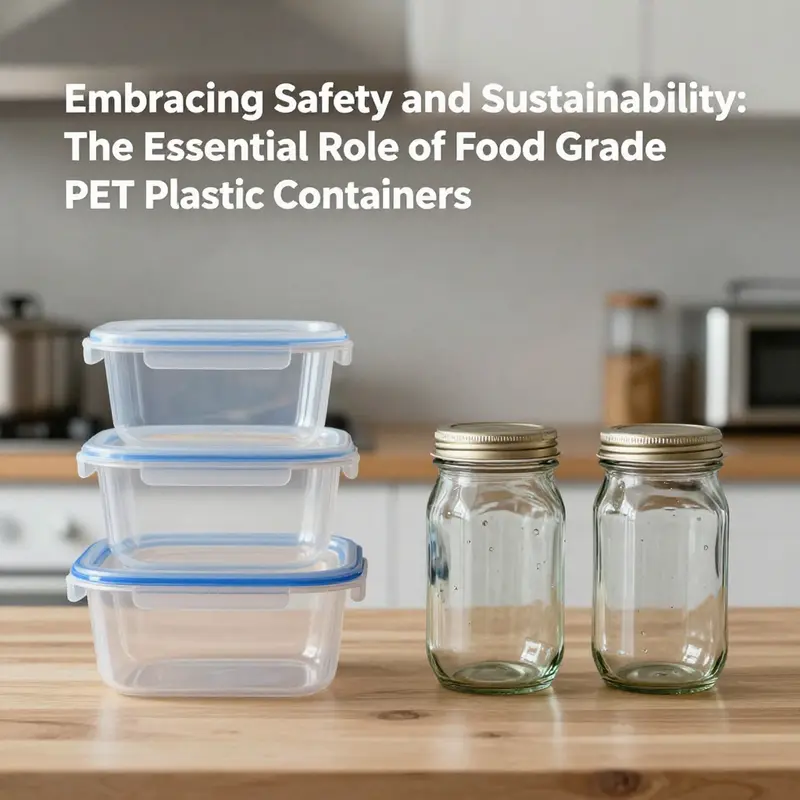
The story of modern food packaging is, in many ways, the story of materials evolving to meet evolving needs. Among the materials that have reshaped how we store, transport, and display food, food-grade PET has emerged as a standout for its balanced blend of safety, practicality, and sustainability. This chapter follows that journey from material science to everyday use, weaving together the practical realities of daily kitchens and the demands of commercial storage. It also considers how a single, well-designed container can influence everything from product integrity to consumer trust, and it points toward the broader shift in packaging toward lighter, clearer, and more resilient solutions.
At the heart of PET’s appeal is its ability to combine transparency with strength. In the realm of food storage, visibility matters. Consumers want to know what sits inside a container without having to open it, and brand owners benefit from the ability to showcase product quality at a glance. Food-grade PET delivers crystal clarity that remains stable across typical storage temperatures, allowing the content’s color, texture, and surface characteristics to speak for themselves. This clarity is not merely cosmetic; it is a practical trait that improves inventory management, reduces the need for excessive labeling, and supports tamper-evident designs while preserving the product’s appearance over time. For foods like honey, jams, peanut butter, candies, cookies, and baking goods, this visual access is especially compelling. When you can see the goods inside, you can assess settling, separation, and freshness at a glance, which reduces the guesswork for both retailers and home cooks.
Beyond transparency, the light weight of PET is a foundational advantage that ripples through the supply chain. Heavier packaging—glass jars and metal tins—imposes higher handling risks, increased shipping costs, and greater energy use in transportation. PET’s lighter profile translates into lower freight expenses, easier handling for workers, and less fatigue for end users, particularly when sized for family use or for bulk shopping scenarios. The weight difference grows even more meaningful as containers scale up in capacity. A 320 ml or similar modest capacity bottle or jar becomes a convenient, user-friendly option that still keeps the costs and energy requirements down across the lifecycle of the product.
Chemical compatibility and durability are the next pillars supporting PET’s appeal. Food-grade PET resists corrosion and does not react with a broad spectrum of foods—oily, acidic, or sugary products—unlike some metals that can corrode or require protective linings, and unlike lower-grade plastics that may leach additives under certain conditions. The result is a packaging option that not only protects flavor and texture but also maintains safety margins across storage and handling steps. This durability is reinforced by smart closure designs. A ribbed screw-top cap with a textured, anti-slip surface, for instance, creates a reliable seal that deters leaks and minimizes contamination during transport and household use. The seal is easier to achieve and more robust than some alternative closures, which is why it has become a popular choice in both home kitchens and commercial settings.
In practical terms, the benefits of PET become visible in real-world packaging configurations. Consider a 320 ml transparent PET container designed for spreads such as honey or jam. The transparent body allows the product’s color and viscosity to be observed at a glance, which helps both consumers and shop staff assess product quality without opening the container. A secure, ribbed screw cap further secures freshness by providing a tight seal that resists accidental spills during handling or shipment. The combination of clarity and leak resistance is a powerful selling point, particularly in busy retail environments where quick visual checks can influence purchase decisions and reduce product waste due to compromised seals.
Another dimension of PET’s value emerges when we look at customization and branding. PET containers are well suited to silk-screen printing and other decorative methods, enabling brands to imprint logos, labels, or color-coded lids directly onto the container. This capacity for customization not only reinforces brand identity but also aids in pantry organization and product differentiation. For small bakeries, home-based sellers, or larger food service operations, the ability to tailor packaging to a brand’s color palette or messaging without sacrificing performance is a meaningful competitive edge. In this way, PET packaging transcends mere containment and becomes a canvas for storytelling and consumer engagement.
A parallel development worth noting is the entry of square or rectangular PET packaging variants into the market. For baked goods, confectionery, and prepared foods, such shapes maximize storage efficiency and stability during stacking and transport. A well-engineered PET cake or dessert box, for instance, can incorporate detachable elements like an included fork or ergonomic handles to enhance user experience. The flat, stackable geometry of these designs minimizes wasted space in both retail display and warehouse racking, allowing more units to be stored or displayed within a given footprint. The combination of form and function—clear walls, secure closures, and thoughtful ergonomics—reflects a broader design philosophy that treats packaging as an active participant in the consumer journey rather than a passive wrapper.
From a safety and regulatory perspective, PET’s credentials extend beyond the material itself. Food-grade PET containers that meet recognized international safety standards provide reassurance to retailers, food services, and households alike. Certification frameworks help ensure that the materials used in contact with food are appropriate for their intended applications, reducing the risk of unexpected interactions with foods and simplifying quality assurance processes for manufacturers and distributors. In practice, this means a packaging choice that aligns with the growing demand for traceable, standards-compliant packaging across the supply chain. When combined with robust testing for heat and cold tolerance, these certifications reinforce the container’s suitability for a wide range of environments—from a refrigerator shelf in a family kitchen to a freezer in a bustling bakery.
The consumer experience is at the core of PET’s appeal. The clarity, lightness, and reliability translate into tangible benefits at home. A jar that is easy to grip and easy to open reduces friction for users who are often juggling tasks in a busy kitchen. The leak-resistant closure, paired with a sturdy body, minimizes the risk of messes that spoil food or damage surfaces. The ability to see the product helps individuals monitor quality and portion control, which is especially useful for sticky or viscous foods. And because PET can be recycled, conscientious households and businesses can close the loop through responsible disposal and sorting, further reducing environmental impact compared with single-use alternatives or non-recyclable packaging.
An example of how these features translate into market-ready solutions can be found in the recent emphasis on 320 ml PET containers that emphasize safety, transparency, and customization. These products are marketed as ideal for a spectrum of foods, including honey, fruit preserves, and nut spreads, and they emphasize clear visibility, light weight, and easy handling. The packaging often includes a screw-top design with anti-slip features, a transparent body to showcase the product, and the option for silk-screen customization to reflect branding or labeling needs. Such configurations illustrate how PET packaging can be tailored to specific product profiles while maintaining the core advantages of the material. For practitioners exploring supplier options, a representative example is available on supplier pages that highlight a Food Grade 320ml PET Plastic Container with a transparent body and ribbed, leak-resistant lid. This kind of listing underscores how the material and design work together to create a packaging solution that is both practical and visually appealing. For a direct look at such a solution, see the supplier listing mentioned here: Food-Grade-320ml-PET-Plastic-Container.
At this point, it is useful to acknowledge the broader ecosystem that supports these packaging choices. The PET containers described here align with a growing category of food-grade packaging that emphasizes recyclability, reusability, and performance under varying temperature conditions. The X205 square cake packaging example, while not identical in design, epitomizes the same principles: a material that is safe for food contact, structurally robust to protect delicate contents during transport, and engineered to maximize efficiency in storage and handling. In the baking and confectionery sectors, these attributes translate into reduced product damage, better shelf presentation, and enhanced consumer confidence. The integration of features such as an included utensil, ergonomic handles, and stackable geometry demonstrates how packaging design can optimize both operational workflows and consumer satisfaction without compromising safety or sustainability.
In considering the practical choices for procurement, it is important to cross-check material certifications and compatibility with the intended food products. For instance, products that routinely encounter high-fat or high-sugar contents require packaging that remains stable and non-reactive over the product’s expected shelf life. PET’s resilience in such contexts helps ensure that flavors remain unaltered and that packaging remains intact during typical home or retail conditions. This reliability is particularly valuable for products where visible quality is a central selling proposition, since any degradation in appearance or seal performance can quickly erode consumer trust. Moreover, the capacity to customize with branding elements, add batch codes, or integrate tamper-evident features provides practical tools for quality assurance and traceability across the supply chain.
The conversation about packaging choices would be incomplete without considering the environmental imperative. PET containers are recyclable, and when designed for durability and reuse, they contribute to reduced waste and a lower carbon footprint relative to breakable glass or heavy metal tins. While glass is recyclable, its weight and fragility demand more energy-intensive logistics, especially for larger distributions or e-commerce deliveries. In contrast, PET’s light weight and compatible recycling streams offer a pragmatic path to sustainability that does not force compromises on product protection or user convenience. This balance between performance and environmental responsibility resonates with contemporary consumer expectations and regulatory trends that reward products and packaging that minimize lifecycle impacts.
The practical takeaway from these reflections is not a single, universal prescription but a design philosophy. Food-grade PET packaging embodies a convergence of clarity, lightness, chemical resistance, and adaptability. It enables brands to present products with confidence, supports efficient storage and transport, and aligns with sustainability goals through recyclability. For households, it offers a reliable, convenient, and visually appealing way to store a wide range of foods—from everyday spreads to baking components. And for the broader food industry, PET containers support streamlined operations, consistent quality, and consistent brand presentation across multiple touchpoints, from specification sheets to retailer shelves. As the market continues to evolve, the compelling combination of safety, usability, and environmental consideration will likely keep PET at the forefront of packaging innovations.
For readers seeking concrete examples of how these advantages translate into real-world packaging options, a representative case can be explored through supplier pages that emphasize Food Grade PET containers, including transparent bodies, secure closures, and customization options. One such example demonstrates the practical features that make these containers attractive for both home cooks and professional kitchens. While each product line may vary in capacity or design details, the underlying principles—clarity, reliability, and adaptability—remain consistent across this category of packaging.
External resource: https://www.alibaba.com/product-detail/Food-Grade-320ml-PET-Plastic-Container_1600589724522.html
Internal reference for further exploration: eco-friendly-takeout-boxes-for-food-packaging-stylish-food-containers-safe-microwave-craft-paper-lunch-boxes-leak-grease-resistant
Clear Paths to Sustainability: The Environmental Journey of Food-Grade PET Plastic Containers in Food Packaging
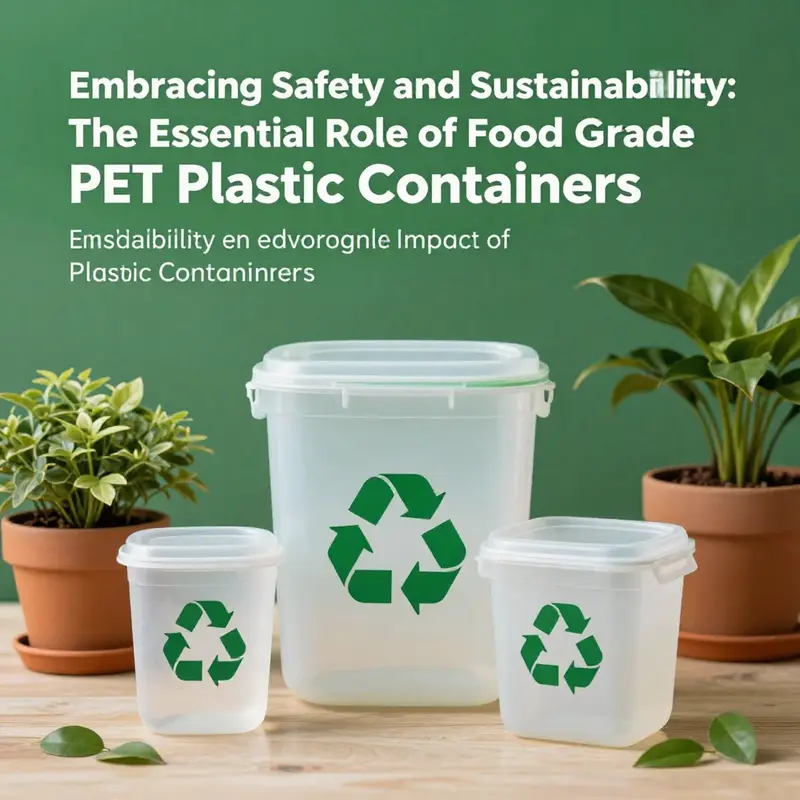
PET, or polyethylene terephthalate, has become a central material in modern food packaging not merely because it keeps foods fresh and visually appealing, but because it offers a pathway toward sustainability when the system around it is designed for end of life recovery. PET is a durable thermoplastic with good barrier properties against moisture and gases, enabling lightweight packaging that can reduce transportation emissions while protecting product quality. Importantly, PET can be recycled into food grade resin, enabling a circular loop when collection, cleaning, and decontamination processes are effective. This alignment between material performance and system design helps reduce waste and preserve safety for food contact.\n\nRecyclability is a defining attribute that shifts PET from a disposable choice to a material designed for recovery. In many regions, PET is part of robust recycling streams and can re-enter the production cycle as high quality input for new containers. Using recycled PET (rPET) typically lowers energy use and material demand compared with virgin PET, supporting a smaller environmental footprint across the life cycle.\n\nBeyond recycling, design and governance matter. Clear labeling, minimal mixed material layers, and packaging that is easy to sort and decontaminate can preserve resin quality. Contamination and poor sorting can degrade recyclate and hinder its suitability for food contact, underscoring the need for coordinated standards among brands, recyclers, and regulators.\n\nPotential risks exist, including microplastic concerns and performance changes with repeated use or exposure to heat. Ongoing research, transparent labeling, and adherence to regulatory guidelines help ensure safety while expanding the circular economy, including the use of higher PCR content and emerging chemical recycling approaches that convert used PET back to its monomers.\n\nUltimately, PET’s environmental promise depends on the interplay of materials science, policy, and consumer behavior. When product design, waste management infrastructure, and consumer action align, PET packaging can deliver energy savings, reduced material intensity, and reliable safety—keeping containers in productive use rather than sending them to landfills.
Final thoughts
As the food industry continues to evolve, the choice of safe and sustainable packaging becomes paramount. Food grade PET plastic containers stand out not only for their safety and versatility but also for their positive environmental implications. By adopting these containers, businesses can modernize their packaging solutions while prioritizing consumer health and sustainability. Investing in food grade PET containers means investing in a brighter future for both your business and the environment.