
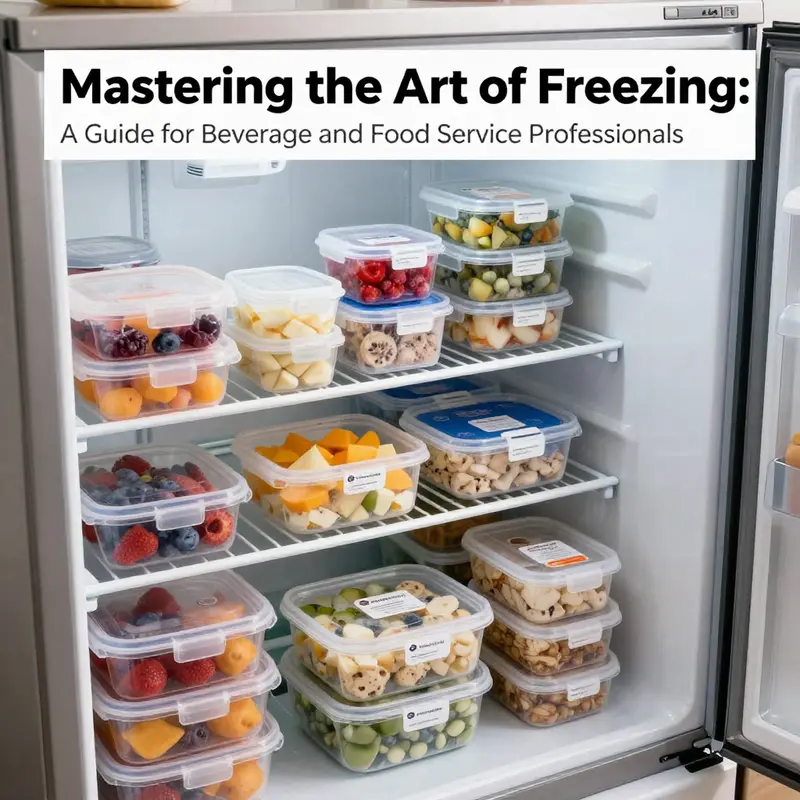
Freezing food effectively is crucial for beverage shops, restaurants, food trucks, catering services, and event planners. By selecting appropriate plastic containers and understanding the nuances of freezing practices, you can maintain the quality and safety of your products. This guide provides essential insights into selecting the right containers, safety considerations, alternatives for long-term preservation, and best practices. Each chapter will help your operation stay ahead of the curve and ensure top-quality service to customers.
Freezer-Proof Plastics: Choosing Safe Containers for Frozen Food
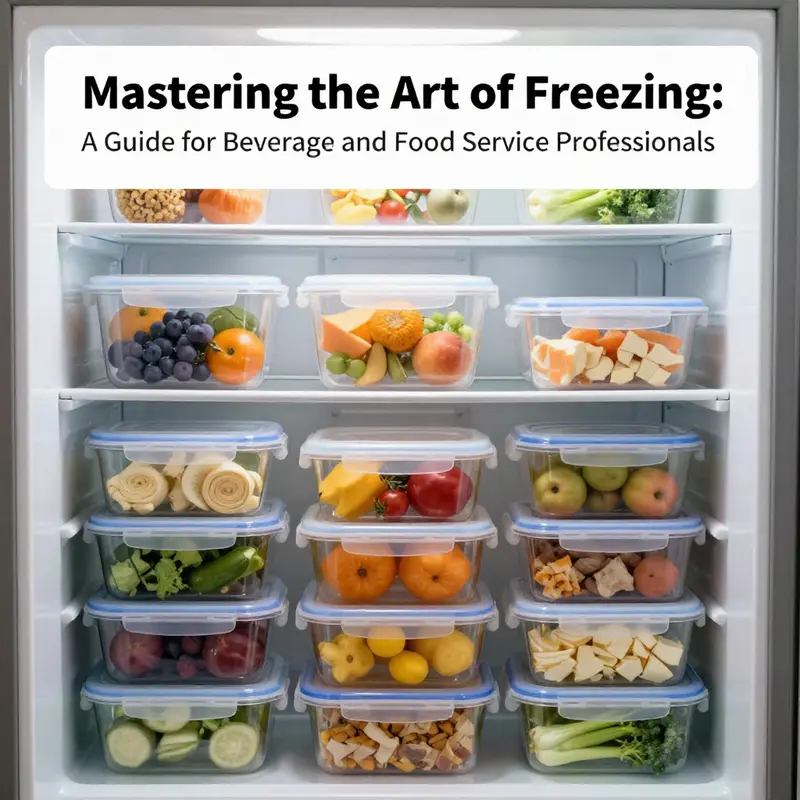
Selecting the right plastic container for freezing food is more than a label check. It is a decision that affects food quality, safety, and how long meals stay fresh. Understanding materials, seals, and appropriate use keeps food tasting good and reduces waste. This chapter explains what to look for, what to avoid, and how to use freezer-safe plastics with confidence.
Plastic types matter. Not all plastics behave the same at low temperatures. Two types stand out for freezer use: polypropylene (PP) and polyethylene (PE). Polypropylene is rigid and retains strength at cold temperatures. It resists cracking and keeps lids fitting tightly, even when items expand. Polyethylene is more flexible and is commonly used for bags and wraps. It works well for short-term freezing and for items that benefit from compression, like berries or chopped vegetables. When shopping, check the container for a clear freezer-safe symbol or label. If a container lists its resin type, PP or HDPE (a form of polyethylene) is usually the safest choice.
Labels like “BPA-free” can be reassuring, but they do not guarantee complete safety. “BPA-free” only confirms the absence of bisphenol A. Other chemical additives may still be present. For higher confidence, look for containers with third-party food contact approvals. Certifications or approvals from recognized regulatory bodies suggest the materials were tested for food safety and stability under use conditions. Airtight lids with strong seals and silicone gaskets are another practical marker. They help prevent freezer burn and stop odors from transferring between foods.
Think about how you will use the container. Rigid PP containers excel at holding soups, stews, casseroles, and portions. They stack easily and offer good protection for long-term storage. Flexible PE bags or pouches suit loose or oddly shaped items. They let you remove excess air and lay flat for efficient stacking. For batch-cooking, choose containers with wide mouths for easy filling and cleaning. If you freeze liquids, leave room at the top. Liquids expand when frozen and need headspace to avoid warping lids or making spills.
Avoid plastics that are not clearly marked as safe for freezing. Containers made from lower-quality recycled plastics can become brittle and crack. Thin or flimsy containers may break, leaking food and allowing contamination. Also avoid using single-use containers designed for one-time meals unless they are explicitly rated for freezer use. They often lack durable seals and can fail in a deep freeze.
Temperature tolerance is critical. Polypropylene often resists temperatures down to -20°C (-4°F) or lower, making it suitable for typical household freezing. Polyethylene is tolerant as well, but it is less rigid. Very low temperatures can make some plastics brittle. If you regularly use deep-freeze settings, select materials and lids tested for colder conditions. Some containers will state an operating temperature range on the packaging. That range is a reliable guide.
Safety also depends on how you thaw and reheat frozen contents. Only use plastic containers labeled microwave-safe if you plan to reheat in them. Heating a non-microwave-safe plastic can cause melting or chemical migration. When thawing, transfer food to a microwave-safe dish if reheating in a microwave. Thaw slowly in the refrigerator when possible. Rapid temperature changes stress plastics and can degrade their integrity over time. Repeated freeze-thaw cycles can also weaken containers. If a lid warps or a container cracks, replace it.
Seal quality determines how well your container protects food from freezer burn and odors. A tight-fitting lid with a silicone gasket or snap-lock mechanism keeps moisture in and air out. For liquids, pressure-fit lids are preferable to simple snap-on covers. For solid foods, containers with integrated venting can help when reheating in an appliance, but the vent should be closed during freezing. Clear containers offer a practical advantage: you can identify contents without opening lids, reducing the number of times a container is exposed to air.
Size and shape affect efficiency. Choose containers that fit your freezer shelves and stack neatly. Rectangular containers use space better than round ones. Flat, stackable containers allow you to organize frozen meals and maximize storage. Small, portion-sized containers reduce waste and speed thawing. If you batch-cook, freeze meals flat in resealable PE bags and then transfer portions to rigid containers for long-term storage.
Labeling frozen food is often overlooked but crucial. Always write contents and date on containers with a waterproof marker or use adhesive freezer labels. This practice prevents keeping food past safe storage times. It also helps with rotation: older items should be used first. For foods you freeze raw, note whether they were blanched or pre-cooked. Those details affect freezer life and thawing instructions.
Cleaning and maintenance extend container life. Wash freezer-safe plastics by hand or in a dishwasher if they carry dishwasher-safe labels. Warm, soapy water removes food residues that attract freezer odors. Avoid abrasive cleaners and scouring pads that scratch surfaces. Scratches can trap bacteria and make plastics more likely to absorb odors. Dry containers and lids completely before sealing and freezing to reduce ice crystals forming inside.
Consider alternatives when appropriate. Glass containers with airtight lids are a durable substitute for freezing. Glass is chemically inert, resists odor absorption, and handles temperature changes well when tempered. However, glass is heavier and can break if handled roughly. Use glass only with adequate headspace and avoid sudden temperature changes. For single-use or takeout-style items intended for quick freezing and disposal, high-quality eco-friendly packaging can offer convenience. If you want such options, see this example of eco-friendly takeout boxes for food packaging that balance convenience with safer, compostable materials: https://ecocupbowl.com/product/eco-friendly-takeout-boxes-for-food-packaging-stylish-food-containers-safe-microwave-craft-paper-lunch-boxes-leak-grease-resistant/.
Storage time is also influenced by the container. Properly sealed containers slow moisture loss and preserve texture and flavor. Most cooked foods stored at 0°F (-18°C) remain safe indefinitely, but quality declines with time. Use airtight freezer-safe plastics for preserves, soups, and casseroles that you plan to eat within several months. For longer storage, inspect containers occasionally for damage or frost buildup. If frost accumulates inside, it signals a seal breach or temperature fluctuation.
Finally, adopt simple habits that protect both food and containers. Cool hot foods before freezing to reduce condensation and protect lid seals. Portion meals to match usual serving sizes. Keep an inventory and use older items first. Replace containers that show cracks, discoloration, or persistent odors. When in doubt about a container’s freezer suitability, choose a product explicitly designed for freezing or switch to glass for long-term storage.
For guidelines on freezer storage times and food safety recommendations, consult the official freezer storage guidelines. They summarize safe storage durations and handling tips for frozen food. https://www.fsis.usda.gov/food-safety/safe-food-handling-and-preparation-tips/freezer-storage-guidelines
Safety and Seal: Navigating Plastic Freezer Storage to Keep Food Safe and Flavorful
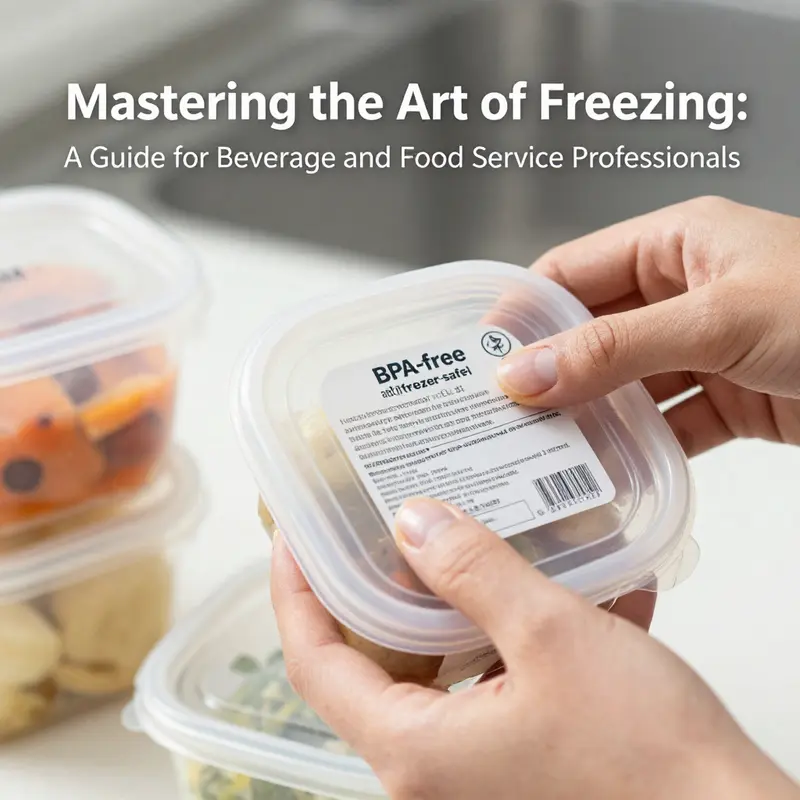
Storing food in the freezer is a practical act of preservation, yet it is not a passive one. The moment you decide to freeze a portion, you set in motion a series of interactions between cold, food, and container. The container is not just a vessel; it is an active participant in safeguarding safety, preventing freezer burn, and preserving flavor and texture. When done thoughtfully, freezing becomes a reliable ally in reducing waste and enabling convenient meals. When done carelessly, it becomes a source of off flavors, uneven textures, and, in the worst case, risks to health. The heart of this practice lies in choosing plastic containers that are truly freezer-safe and food-safe, recognizing that not all plastics behave the same way once temperatures dip well below freezing. The materials you select matter as much as the timing and the manner in which you seal and store the contents.
Material choice is the foundation. Plastic containers labeled as freezer-safe or food-safe are designed to stay sturdy in cold environments. Among the materials commonly considered stable at low temperatures are high-density polyethylene (HDPE), low-density polyethylene (LDPE), and polypropylene (PP). These polymers retain their shape and resist becoming brittle as the mercury falls, reducing the risk of cracks, leaks, or compromised seals. In contrast, other plastics may become less predictable when frozen, and the long-term migration of substances from the container into fatty foods remains a concern that should not be ignored.
A cautious approach extends beyond temperature compatibility. The label “BPA-free” has become almost a default reassurance, yet it is not the whole story. Endocrine-disrupting chemicals can lurk in plastics even when BPA is absent. The safest route is to seek containers that carry third-party certifications for food contact, such as recognized regulatory approvals and independent testing. Certifications provide a layer of assurance that the material has undergone evaluation for safety in contact with food, including during freezing. For households aiming to balance safety with sustainability, this is an important step that complements choosing sturdy freezer-safe plastics.
Labels and markings are more than simple trivia. A clear freezer-use designation, the recycling symbol with the appropriate resin code, and a note about food contact safety all serve as quick checks before you fill a container. In practice, polypropylene—a material identified by the familiar recycling symbol with the number 5—is often a dependable choice for freezing. It offers a good balance of rigidity and flexibility at low temperatures, and it tends to maintain a more predictable barrier to moisture and air when compared with some other plastics. A quick scan of the markings can spare you from unknowingly boxing up fatty leftovers in containers not designed for long-term cold.
Beyond the material itself, the way you prepare and seal the container matters just as much as the container’s makeup. Cleanliness is the first line of defense; a container should be thoroughly washed and completely dried before use. Moisture trapped in a container can contribute to ice crystal formation, which affects texture and perceived quality once reheated. The lid should seal tightly, forming an airtight boundary that minimizes exposure to air and moisture. Airtight seals play a key role in preventing freezer burn, a condition that saps moisture and flavor, leaving foods dull and dry. A good practice is to leave a little space at the top of the container to accommodate the natural expansion of liquids and foods as they freeze. Overfilling not only invites leaks but also reduces the effectiveness of the seal and invites cross-contamination with neighboring items in the chest freezer.
The question of how long food can safely reside in the freezer is nuanced. Freezing slows spoilage by halting microbial growth, but it does not render all foods immune to quality loss over time. For optimal quality and safety, many guidelines suggest consuming frozen foods within one to three months, with the understanding that some items may tolerate longer storage if they are packed with care. The composition of the food itself matters; fatty foods interact more readily with certain plastics over extended periods, which raises the possibility of chemical migration in theory, even though modern freezer-safe plastics are designed to minimize such risk. This is a reminder that the container and packaging are not neutral backdrops to frozen foods; they participate in preserving or diminishing flavor, texture, and safety.
In some scenarios, glass containers with airtight lids are a compelling alternative, especially for long-term storage or for households that prioritize inert materials. Glass is chemically inert and less prone to leaching substances into foods, a trait that contributes to a perception of greater safety for sensitive recipes or highly flavored items. It also shines in terms of flavor preservation and odor control, which can be a practical advantage when reheating or repurposing leftovers. Of course, glass has its own considerations, including weight and the potential for breakage if handled carelessly. When choosing between plastic and glass, many cooks weigh the trade-offs between convenience, durability, and long-term safety, recognizing that both can play a legitimate role depending on the context and the food being stored.
Practical storage routines can help bridge theory and daily use. Ensure containers are clean and dry, seal them tightly, and avoid exposing them to fluctuating temperatures during loading. When freezing, aim for compact, uniform portions that chill evenly, which supports faster, more uniform freezing and helps maintain texture upon thawing. Labeling with dates can be a simple but powerful habit that curbs the sense of time blurring in the freezer and helps you rotate stock so nothing lingers beyond its best quality. The simple act of organized packing reduces the temptation to excessively thaw and refreeze, a pattern that can degrade both texture and safety. For fatty foods or sauces, a two-step approach can be practical: portion into individual servings and then freeze flat to maximize surface area for quick freezing, and subsequently stack upright as needed. This approach also helps keep a diverse menu accessible in minutes, which in turn reduces the temptation to re-freeze.
Your choice of container should align with the goal of maintaining a stable, inert barrier between food and the cold environment. The migration risk tends to be more theoretical for well-made freezer-safe containers, but it is a factor worth acknowledging, especially for long-term storage. Continuous improvements in material science have reduced such risks significantly, yet the guidelines still emphasize choosing certified products, using appropriate container types for fat-rich foods, and respecting the limits of storage time. In this context, even a well-sealed container benefits from mindful handling: cool foods before sealing, avoid placing hot or steaming items directly into a container, and allow air to escape as needed to preserve a proper seal.
To signal a path for readers who want to explore options without venturing into uncertain territory, consider approaching storage as a conversation between form and function. The container must be sturdy enough to survive the cold and flexible enough to seal cleanly. It must be food-safe and ideally carry third-party verification. It should also be practical in daily use, whether you are freezing a week’s worth of lunches or saving leftovers for a future dinner. In short, the right container does more than hold food; it protects it, preserves its flavor, and reduces waste.
As you refine your routine, you may wish to broaden the context of what you consider acceptable packaging. For instance, a resource on safer, eco-conscious takeout packaging demonstrates how packaging choices can reflect a broader commitment to safety and sustainability in a modern kitchen. This resource highlights containers designed to be leak-resistant and microwave-safe, reinforcing the idea that packaging integrity matters not only at the moment of purchase but throughout the lifecycle of frozen storage and reheating. See more on this approach here: eco-friendly takeout boxes for food packaging.
When considering the regulatory framework that governs what touches food, a reliable external reference is essential. The FDA maintains guidelines and regulations for plastic food packaging, addressing materials, safety testing, and appropriate use in contact with foods. These standards are designed to help consumers and professionals alike ensure that packaging materials perform safely from production through storage and beyond. For readers who want a formal, authoritative overview, the FDA’s plastic food packaging guidance provides a comprehensive foundation: FDA guidelines.
In the end, the practice of freezing food in plastic containers calls for a thoughtful blend of chemistry, practical know-how, and disciplined habits. The aim is simple: protect the integrity of the food, preserve its taste and texture, and minimize any risk that accompanies long-term cold storage. By choosing freezer-safe materials, verifying appropriate labeling, sealing properly, and honoring storage timelines, you build a freezer routine that reliably supports healthier meals and less waste. When a recipe hinges on delicate flavors or when a batch of soup represents a week of meals, the container becomes more than a box; it becomes a steward of quality. The right stewardship—one that respects material safety, appropriate storage times, and mindful handling—ensures that every frozen bite remains as trustworthy as the moment it was sealed.
Durable, Safe, and Eco-Friendly Long-Term Food Preservation: Alternatives to Plastic
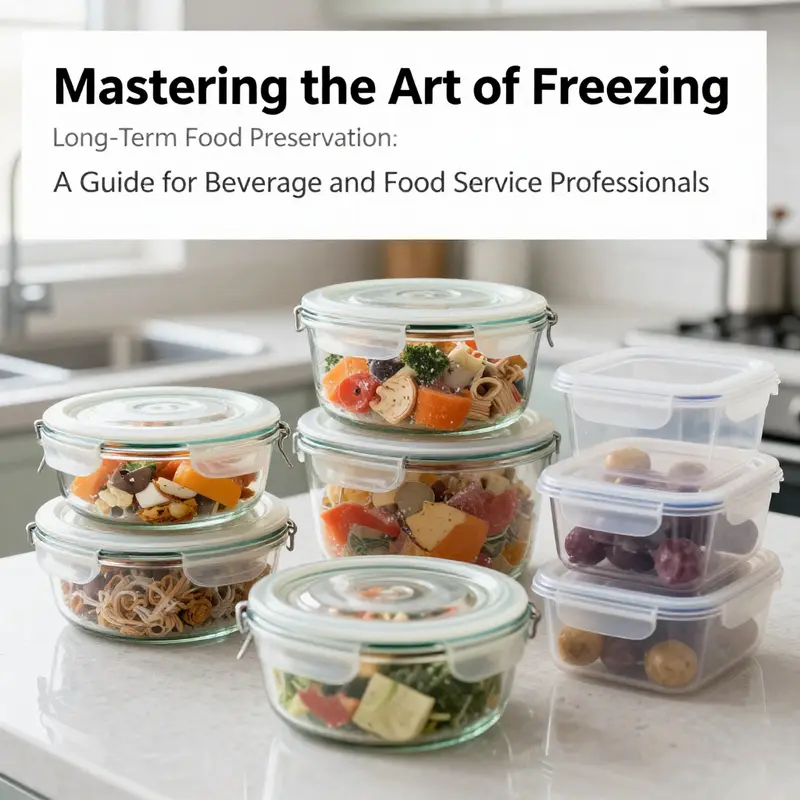
Long term freezing requires a plan that balances safety, flavor, and environmental impact. The container you choose matters as much as the method you use. In this guide we explore non plastic options that perform well in the freezer and reduce waste.
Glass containers stand out for long term storage. Glass is non toxic inert and non porous so it does not absorb odors or flavors. When made for freezing glass can be tempered or reinforced and fitted with tight lids. Look for freezer safe labeling and allow space for expansion to avoid cracks.
Stainless steel offers durability and chemical neutrality. It resists dents and does not leach. It handles deep freezes and keeps odors from migrating. Drawbacks include lack of visibility and heavier weight and microwave inapplicability. Choose dishwasher safe designs with secure lids.
Silicone freezer bags provide flexible semi rigid options. They seal well and can be used for liquids and sauces. They are reusable and stackable but require good cleaning to avoid lingering flavors. Verify food grade certification and repeated use suitability.
Beeswax wraps and fabric bags can reduce plastic use for short and semi long term storage but are less suited for very long term freezing. They can cover bowls or wrap dry goods and nestled items to minimize air exposure.
Safety and certifications matter. Look for third party testing and clear food contact approvals. BPA free is not a guarantee of safety; seek materials that are certified for freezing and repeated use and that show inert behavior with foods.
Environmental argument emphasizes durability and reuse. Glass and stainless steel can outlast many plastic pieces. Silicone can last for many cycles if cared for properly. Proper cleaning drying and storage extends the life of containers and reduces waste.
Practical practices. Start with clean fully cooled contents. Leave headspace to allow for expansion. Seal tightly to minimize freezer burn. Label with contents and date for rotation. Store flat to maximize space and reduce cracking.
Conclusion: a mixed set of containers is often best. Weight visibility and food type influence choice. By combining glass stainless steel and silicone with mindful practices you create a resilient freezer system that supports flavor safety and sustainability.
Preserving Freshness in the Cold: Thoughtful Practice for Freezing Food in Plastic Containers
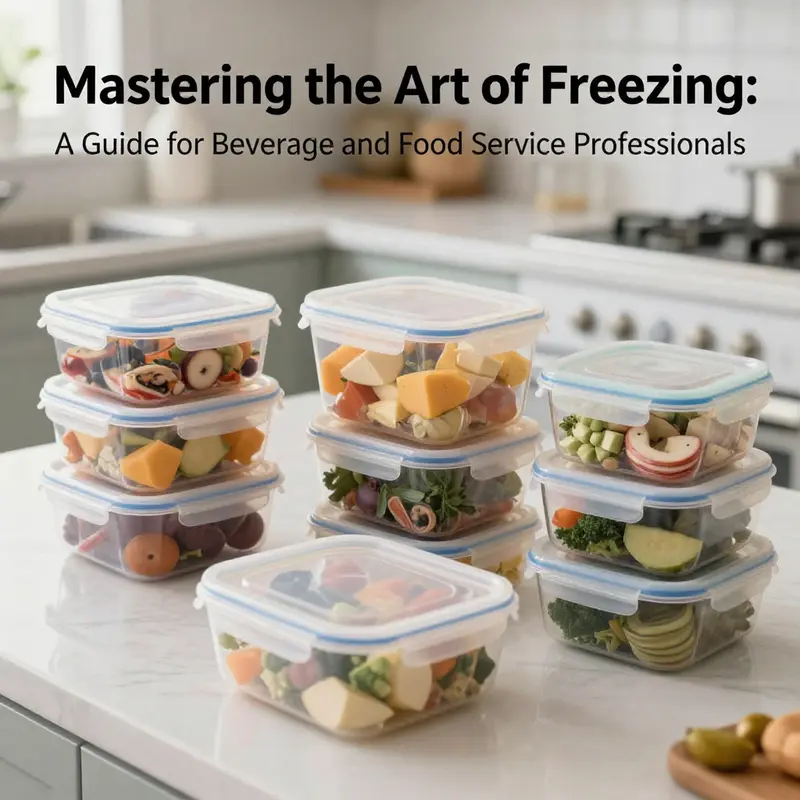
Freezing food is a straightforward way to extend shelf life, but the containers you choose and the habits you adopt determine how well the food retains flavor, texture, and safety. When we talk about freezing with plastic, we are not simply choosing a shape or a lid. We are selecting a system that keeps water in the right place, minimizes air exposure, and prevents the migration of scents or contaminants into the parts of the meal that matter most. The best practice, therefore, begins with a basic but crucial distinction: only freezer-safe plastic containers should be used for long-term cold storage. Materials designed for the freezer can withstand repeated temperature shifts without becoming brittle or cracking, and they tend to be more resistant to the pressure changes that occur as food expands when it freezes. In practical terms this means looking for containers made from high-density polyethylene (HDPE), polypropylene (PP), or other plastics labeled as freezer-safe or BPA-free #7 varieties. These materials have a track record for maintaining integrity in cold environments, unlike some other plastics that may crack or warp under the chill. The labeling matters because a container that isn’t clearly freezer-safe risks leakage, contamination, or simply a compromised seal over time. The science behind this is not merely about preventing a breakage; it’s about preventing micro-leaks and micro-fractures where bacteria can hide and thrive once thawed. A well-chosen freezable plastic creates an enduring barrier against such risks while preserving the food’s original moisture and structure.
In practice, this approach also means inspecting containers before use. Cloudiness, unusual discoloration, or fine scratches can be early signals that the material has degraded enough to harbor bacteria or impart off-flavors. If you notice damage, retirement and replacement are prudent steps. The goal is not perfection in appearance but reliability in performance. When forming a freezing plan, transition from “just pop it in” to “assess every container as you would a patient with a small, invisible crack.” Such vigilance pays off in the long run, reducing waste and safeguarding food safety across multiple meals.
Another seemingly small, but highly consequential habit concerns headspace. Food expands as it freezes, and containers that are filled to the brim leave little room for this expansion. The guidance is simple: leave at least an inch of headspace. That spacing helps prevent the lid from popping open or the plastic from bulging, which in turn minimizes exposure to air and the risk of freezer burn. Freezer burn is not a food safety issue per se, but it does rob the meal of flavor, texture, and moisture. A little extra carefulness at the filling stage can preserve the quality of soups, stews, sauces, and even chopped vegetables and fruit for months.
A tight, airtight seal is another cornerstone. The lid should fit snugly, without gaps that invite frost and air infiltration. If the container has an airtight mechanism or a steam-vent feature, use it correctly. These features can prevent pressure build-up during freezing and re-release it during thawing, which helps maintain structural integrity. For added protection in situations where long-term storage or multiple freezing cycles are anticipated, consider additional precautions. Double-bagging the container (placing the sealed container inside a secure bag) or wrapping it with freezer paper or aluminum foil can provide an extra layer of insulation and protection against odors and moisture migration. This is particularly valuable in crowded freezers that see frequent movement and where air pockets can form around items.
Labeling, while often overlooked, serves as a practical safeguard against waste and confusion. A label with the date of freezing and a brief contents description helps track how long the meal has been stored and reduces the chance of inadvertently discarding something still usable. The best labeling is durable and legible in the freezer environment, so you might opt for waterproof, freezer-safe markers or labels that adhere well to the container’s exterior.
The conversation around plastic versus other materials also deserves nuance. The phrase “BPA-free” has become common, yet it does not automatically mean the container is free from all chemical concerns. Many plastics contain other compounds that can act as endocrine disruptors or leach under certain conditions. For this reason, third-party certifications such as NSF or FDA approval for food contact provide additional assurance of safety, especially in households that rely on freezing as a routine food-preservation strategy. The notion of safety here is layered: it is not merely about a single chemical in isolation, but about the overall chemistry of the container material, the integrity of the seal, and the stability of the container over time in a frozen, sometimes fluctuating environment.
In households that routinely freeze a lot of meals or in professional kitchens with heavy freezing flows, glass containers with airtight lids also present a viable, if different, approach. Glass is chemically inert, meaning it does not interact with food to alter flavors or aromas, and it can be microwave, oven, freezer, and dishwasher friendly, depending on the design. For long-term storage, glass can be an attractive option because it minimizes odor retention and preserves the original taste profile of foods when reheated. The choice between plastic and glass hinges on weight, stacking convenience, dishwasher accessibility, and how often the food will be reheated directly from the freezer. Plastic remains popular for its lightness and resilience in stacks, while glass offers a more inert profile for those seeking the purest flavor preservation.
The practicalities of storage also include how we manage the freezer environment itself. Containers should be arranged so that warm air can circulate during freezing; this helps ensure a uniform, quick freeze, which locks in moisture and reduces the chance of ice crystal formation that damages texture. As a rule of thumb, avoid overloading shelves in a way that blocks airflow. If you can, place foods with higher moisture content toward the back of the freezer where the air is more stable and cold air flows consistently. A calm, organized approach to freezer organization reduces the risk of food being partially thawed during retrieval, which in turn decreases the likelihood of uneven texture changes and quality loss.
For those seeking reliable, flexible options, the conversation often turns to containers designed with user-friendly lids and leak-resistance in mind. While the market offers a spectrum of choices, the key criteria remain consistent: freezer-safe labeling, robust material, airtight caps, intact seals, and a history of safe food contact. And while the plastic option remains convenient for many families, consider mixing approaches based on storage duration and meal type. Short-term freezing of raw ingredients or prepped dishes can work well with sturdy plastic, especially when paired with careful headspace management and a reliable seal. For more extended storage cycles or delicate items, a glass option or a hybrid approach—using microwave-safe, reusable plastic components for everyday portions and glass for longer-term, flavor-sensitive storage—can be a balanced solution.
A practical, real-world cue lies in how we handle labeling and inventory. If you are stacking multiple meals, a small, consistent labeling system helps prevent mystery containers and minimizes waste. A simple, durable marker or sticker indicating the contents along with the date can work wonders over a busy week. This simple discipline keeps freezer organization manageable and helps ensure that you use items within their best quality window.
It is also worth noting the broader packaging ecosystem when making these choices. Some households are turning to eco-friendly packaging solutions that align with broader sustainability goals. For example, there are accessible options that emphasize leak resistance, microwave safety, and reusability. Such choices can complement the practical goals of freezing with plastic by reducing waste and offering durable, reliable storage solutions. eco-friendly takeout boxes for food packaging can illustrate how thoughtful design enhances containment and reusability without compromising safety. This connection between practical storage and responsible packaging reinforces a broader philosophy: freeze with care, store with intention, and move forward with a system you can trust.
As with any safety-conscious practice, documentation and ongoing assessment matter. If you notice a pattern of frequent lid loosening, unusual odors after thawing, or unexpected changes in texture, reassess your containers and seals. Sometimes the issue is not the material itself but wear and tear on the lid gaskets, which can degrade after repeated use. Replacing worn components and rotating containers can preserve the overall integrity of your freezing process. The aim is not only to prevent freezer burn or leaks but to sustain the food’s taste, texture, and nutritional value across the lifecycle of the frozen meal.
In sum, freezing food in plastic containers can be an efficient, safe, and economical choice when approached with intention. Prioritize freezer-safe materials, inspect for damage, respect headspace, secure airtight lids, and consider enhanced protections for long-term storage. Acknowledge that BPA-free labeling is not a blanket guarantee of safety, and value third-party certifications as an extra layer of assurance. When long-term storage is a recurring need, view glass as a competent alternative, but recognize the ongoing convenience plastic offers for daily meal prep and quick reheating. With careful selection, diligent inspection, mindful filling, and precise labeling, plastic containers can reliably preserve the integrity of frozen meals. For authoritative guidelines that complement these practices, you can consult official food-safety resources online. External resource: FoodSafety.gov – Freezing Food Safely: https://www.foodsafety.gov/food-safety-charts/freezing-food-safely
Preserving Flavor and Form: Understanding Quality and Safety When Freezing Food in Plastic Containers
Freezing food in plastic containers offers undeniable convenience, but safety and quality depend on container design, material, and storage time. Temperature suppresses microbial activity but does not erase the delicate balance between a container’s performance, the food’s composition, and how long storage lasts. The result is a nuanced picture: freezing can preserve, but only when the container and process align with safety and quality expectations. In this light, the choice of container matters as much as what goes inside it and how long it stays there. A simple, widely used plastic might seem adequate for short-term freezing, but over months the risks of container failure or texture, aroma, and flavor loss grow. Structural integrity matters as much as chemical safety, because both shape the end result in every freezer.
The most immediate physical concern centers on the container’s ability to withstand repeated freezing and thawing cycles. Repeated cold exposure can make plastic brittle; tiny fractures may appear and allow air and moisture to move more freely between container and contents. The result can be freezer burn: dry patches that rob moisture and dull texture and flavor. Beyond the surface, punctured or compromised seals invite freezer air to mingle with the food’s surface, accelerating dehydration and oxidation. The food’s profile–whether a delicate sauce or a fatty mash–responds differently, but the overall pattern is texture loss and flavor dulling. The plastic’s endurance in cold storage thus directly shapes your meal’s mouthfeel after retrieval.
Chemical safety adds a second layer of complexity. Freezing itself is not a heat source, but some plastics carry additives that can migrate into food under stress conditions, including prolonged storage or exposure to fatty or acidic foods. The caution is not about a single chemical label but about the broader chemistry of plastics used for food contact. Even plastics marketed as BPA-free may not be truly risk-free. Some substitutes can behave similarly in the body and may leach under stress conditions. This is not a critique of a brand; it’s a reminder that chemical stability during long-term freezer storage remains a concern, especially if the container is not explicitly labeled as freezer-safe. The practical implication: when storing for months, favor materials and designs that minimize chemical migration and look for independent safety assurances beyond labeling.
Against this backdrop, material choice becomes central. Experts often recommend rigid plastics such as high-density polyethylene (HDPE) or polypropylene (PP) that are explicitly marked as freezer-safe. These materials resist degradation better in cold environments and are less prone to leaching than softer plastics that can deform or become permeable over time. Labels matter: freezer compatibility is a functional claim about performance under freezing conditions. In many kitchens, the practical approach is to pair the right container with careful storage habits—for example, avoiding cracked or warped containers, which can compromise seals and invite freezer burn or microbial exposure. When long-term storage is anticipated, consider transferring contents to glass or stainless steel containers. Glass is chemically inert, resists leaching, and remains stable across a wide range of temperatures; it also tolerates reheating better in many cases, which helps when thawing and reheating a frozen dish. This is not a wholesale dismissal of plastic but a recognition that, for some preservation goals, glass offers a compelling complement or alternative, especially for foods that will be heated or kept for extended periods.
Practical storage guidelines translate material knowledge into daily habits. Always seal containers tightly to minimize air exchange, and leave space at the top to accommodate the expansion of liquids and gases as water freezes. Avoid overfilling; expansion can loosen lids or fracture containers. Label containers with a date to reduce the chance of long-term storage that gradually degrades quality. When in doubt about freezer suitability, store shorter periods in plastic and longer periods in glass or stainless steel. If you cook in batches and freeze for later, portion the contents for single-meal servings to minimize total storage time and preserve texture and flavor upon thawing.
For readers with constraints, plastic storage remains common. The broader packaging landscape now emphasizes freezer-safe options with recognized safety credentials. Containers designed for freezer storage, with robust seals and rigid bodies, help reduce mechanical risk and chemical exposure. The choice between plastic and glass reflects safety, environmental, and operational considerations, and the right balance depends on storage duration and the nature of the food.
To ground these considerations, recall that safety standards for food contact materials exist to govern behavior under defined conditions. The FDA’s guidance on food contact materials notes that approved plastics are generally safe when used as directed and when users avoid extreme temperature fluctuations or mechanical stress. The takeaway is practical: follow manufacturer’s freezer-use labeling, inspect for damage, and choose materials that match storage time and reheating plans. When long-term storage or frequent reheating is needed, leaning toward glass or other inert materials can reduce potential risk and help maintain flavor and texture.
For readers seeking a concise reference to official safety frameworks, consult the FDA’s guidance on food contact materials. The agency’s Q&A offers context about regulation and safety for food contact materials.
Final thoughts
Incorporating the right strategies for freezing food in plastic containers not only maintains quality and safety but also enhances the efficiency of operations for beverage shops, restaurants, and catering services. By following the insights and best practices shared in this guide, you can ensure that your frozen products meet the highest standards. Remember, the choice of containers and adherence to safety protocols can significantly impact customer satisfaction and your business’s success.