
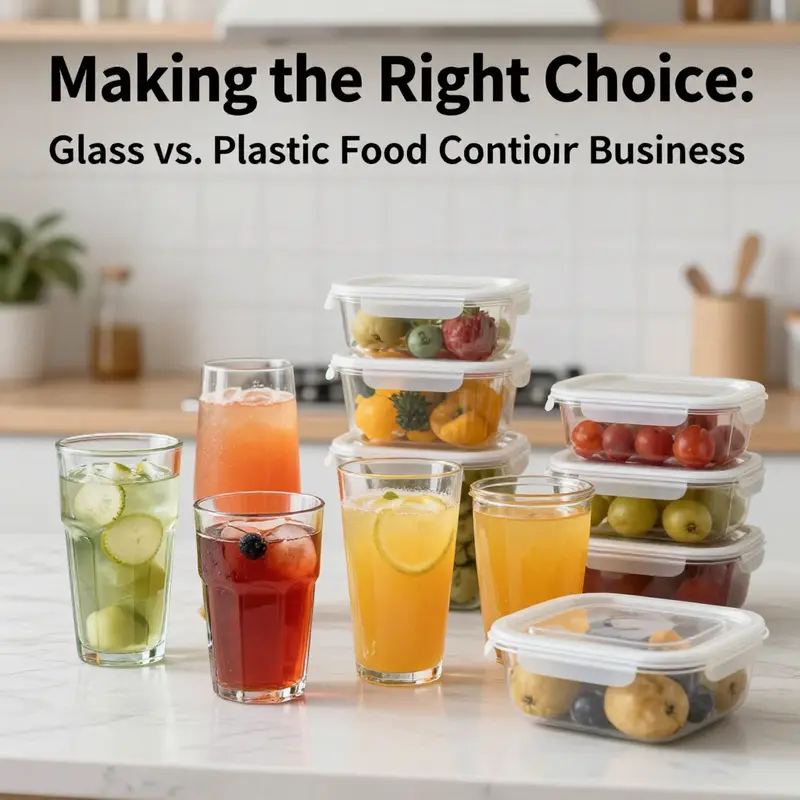
In the dynamic world of food service, every choice counts—from the ingredients you use to the containers in which you serve your products. Selecting the right food containers is vital for maintaining quality, ensuring safety, and aligning with your business’s environmental goals. This article will delve into the nuanced comparison between glass and plastic food containers, addressing safety, environmental impact, cost-effectiveness, durability, and health considerations. Whether you run a bubble tea shop, a restaurant, or a food truck, understanding these factors will equip you to make informed decisions that resonate with your brand standards and customer expectations.
Glass versus Plastic: A Thorough, Real-World Look at Safety, Stability, and Everyday Storage
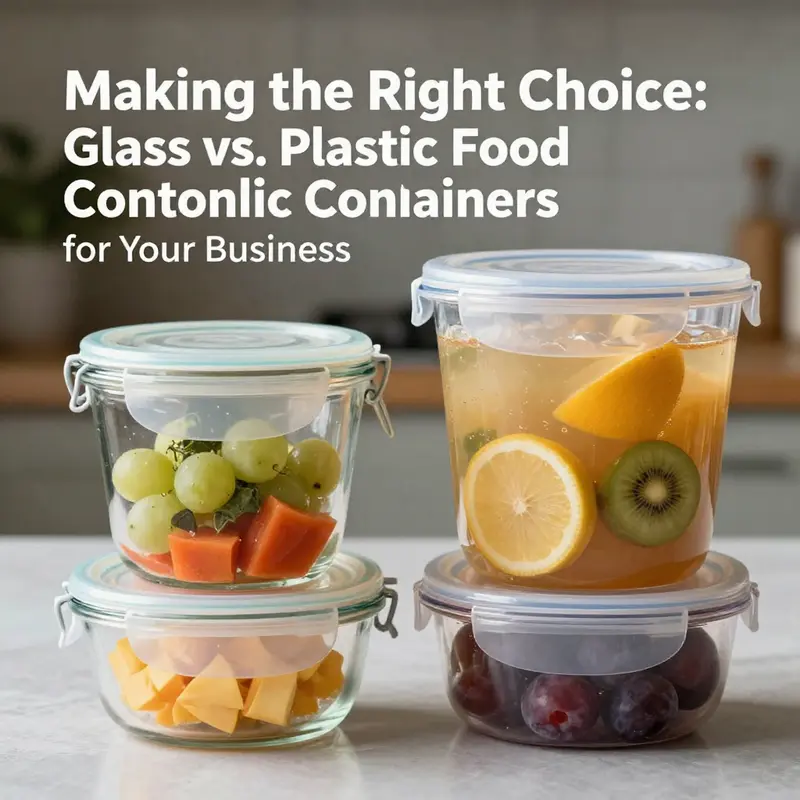
Storing food is not merely about keeping things out of sight; it is a quiet negotiation between safety, practicality, and the hopes we have for a healthier, cleaner kitchen. In this negotiation, glass and plastic containers stand as two common instruments, each tuned to different aspects of daily life. The question of safety and stability cuts to the core of how we perceive these materials. It is not only about what happens to food on day one, but what can happen after weeks of use, under different temperatures, and across varying storage conditions. When health concerns are weighed alongside convenience and cost, glass frequently emerges as the more reliable long-term choice, particularly for items we store for extended periods or heat before eating. Yet life demands flexibility, and plastic—especially high-quality food-grade variants—still holds important, practical value for many households. The challenge, then, is to understand how each material behaves under real-world conditions and to translate this understanding into storage habits that optimize safety, minimize risk, and reduce waste over time.
Safety is the strongest argument for glass. Glass is chemically inert, which means it does not react with most foods or beverages, regardless of acidity, temperature, or duration of contact. This inertness translates into a fundamental protection: once a glass container is filled and sealed, the food’s flavor, color, and nutrient profile remain less likely to be altered by the container itself. Acidic foods like tomatoes, citrus, or vinegars, which can challenge other materials, tend to stay purer in glass with less concern about leaching. In contrast, plastics have historically carried concerns about the migration of additives such as plasticizers or stabilizers into food, especially when heat is involved or when storage is extended. While many modern plastics are designed to be safe for contact with food, the underlying chemistry of polymers and additives makes their behavior more complex and context-dependent. The regulatory framework around food-contact plastics is robust, but complexity remains. The variability between polymer types, manufacturing practices, and aging effects means that some plastics can, under certain conditions, release trace chemicals into food. Glass, by comparison, offers a simpler, more predictable safety profile. In discussions among experts, food-grade glass is often cited as a standard for avoiding leaching entirely, which is a compelling advantage when long-term storage or reheating is part of the use case.
Stability and durability present a more nuanced picture. Glass holds its shape, clarity, and chemical integrity over many years of use. It resists changes in flavor and odor and does not degrade in the same way plastics can, particularly with repeated washing and exposure to strong detergents. For those who routinely freeze, thaw, or reheat, glass—especially borosilicate varieties or tempered options—offers stable performance across a range of temperatures. It remains resistant to UV light, moisture, and most oxygen-related processes that can dull the quality of stored foods. On the downside, glass is heavy and inherently fragile. A dropped jar or bottle can shatter, creating safety hazards and loss of contents. The risk of thermal shock—pouring boiling liquid into a cold container or placing a cold dish into a hot oven—remains a real consideration. Manufacturers address this with tempered glass and borosilicate formulations designed to withstand higher thermal stress, but the fundamental trade-off persists: durability in daily handling versus vulnerability to impact and sudden temperature changes. Plastics, for their part, excel in everyday resilience. They are lighter, less likely to shatter, and often molded to fit tightly into lunch bags or backpack compartments. Over time, however, plastics can become scratched, cloudy, or brittle. Scratches may harbor bacteria and harbor microplastics, and cumulative wear can alter how well a container seals and how heat or detergent affects surface integrity. Importantly, microplastic shedding is an area of active inquiry. While the best-grade plastics minimize this risk, the long-term stability profile of plastics remains more variable than that of glass. Even with heat resistance claims, aging plastics under repeated microwaving or high-temperature storage can lead to changes in mechanical properties, minor leaching, or surface degradation that complicate a straightforward safety assessment.
Environmental and lifecycle considerations reinforce the idea that there is no one-size-fits-all answer. Glass can be recycled infinitely, and its recycling infrastructure is well established in many regions. The lifetime of a well-used glass container can easily exceed a decade or more, depending on how often it is dropped, chipped, or otherwise damaged. Although the production of glass generally requires higher energy input than the manufacture of plastics, its durability and recyclability often balance the equation over a full lifecycle. Plastic, particularly the common food-grade variants, tends to present more challenging end-of-life outcomes. While some plastics are widely recyclable, the process is technically and logistically complex, and a large fraction ends up in landfills or informal recycling streams. The potential environmental cost of plastic waste—especially when it escapes proper collection systems—cannot be ignored. In daily practice, this means that a kitchen that uses glass for long-term storage and reheating can minimize exposure to potentially leachable chemicals and reduce reliance on plastics, while still recognizing that plastics have a valid role in portability and short-term use.
Practical use scenarios illuminate how to translate safety and stability into everyday decisions. For most home cooks, glass shines when food is stored in the fridge or pantry for longer periods, or when reheating in a microwave or oven is anticipated. The inert nature of glass helps preserve the taste and color of foods that could otherwise interact unfavorably with certain polymers. For hot beverages or meals that require travel, high-quality plastic containers designed for food contact offer a pragmatic balance of weight, cost, and resilience. The key, however, is choosing containers that meet stringent safety standards and maintaining them well. Regular inspection for cracks, cloudiness, or compromised seals cannot be ignored. A scratched or warped container may harbor bacteria, even if it remains leak-free for a time. As the day-to-day reality of kitchens evolves toward a more sustainable ethos, many households begin to view glass as the backbone of safe, long-term storage, while reserving plastic for transient use or portability. This approach aligns with a broader strategy: maximize the use of glass where stability and safety are paramount, and leverage the strengths of plastic precisely where lightness and convenience are most valuable.
Putting these considerations together yields a practical framework for choosing and using containers. Glass is our anchor for safety and long-term reliability, with the added benefit of transparent contents that reduce waste by making contents visible. When we need to heat, we should verify that the glass container is rated for the intended oven or microwave use, and always avoid sudden temperature shifts. For everyday portability and lower-cost options, high-quality plastics remain a reasonable choice, provided we stay mindful of heat exposure, cleaning methods, and the product’s regulatory status. The ideal approach may be to combine both materials in a complementary system: glass for kitchen storage and reheating, plastics for on-the-go meals or temporary storage, and a consistent habit of inspecting containers for wear. The movement toward safer packaging also echoes this philosophy. For instance, a growing segment of packaging products emphasizes safety, durability, and reusability—an alignment with the glass-first mindset while still acknowledging plastic’s practical niche. If you seek options that fuse safety with convenience, consider exploring the broader range of eco-conscious, reusable packaging solutions, such as those marketed as eco-friendly takeout boxes, which exemplify an effort to balance health concerns with everyday needs. eco-friendly takeout boxes.
The science of materials informs our choices, but the daily kitchen also reflects habits and values. A well-run cupboard that prioritizes safety will naturally favor glass for long-term storage and heating, while maintaining a pragmatic set of plastic options for quick meals, transport, or non-food uses where appropriate. In a world increasingly attentive to health and environmental impact, this blended approach helps reduce risk, extend the life of food, and minimize waste. By recognizing the strengths and limitations of each material, we empower healthier routines, smarter shopping, and clearer decisions about what we store in our homes. External resource: https://www.ccn.
Weight, Waste, and Lifecycles: An In-Depth Look at Glass vs. Plastic Food Containers
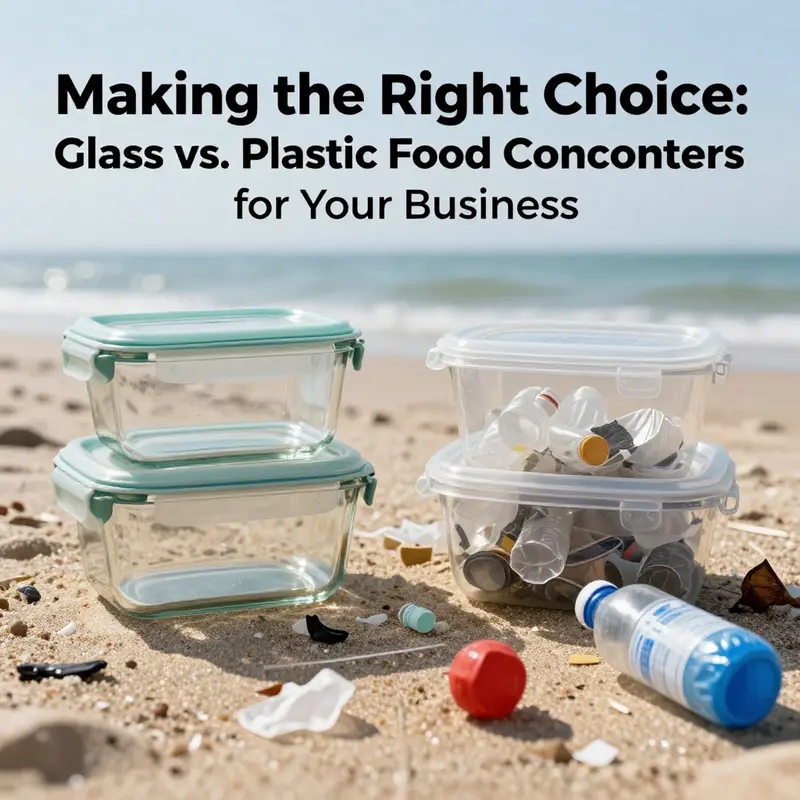
The environmental story of glass and plastic food containers is not a simple tally of good and bad; it is a delicate balance of where the materials come from, how much energy is used to shape them, how long they last, and what happens at the end of their useful life. When we compare these two common vessel types, we must move beyond intuitive judgments about breakability or price and examine the full life cycle—from raw material extraction to manufacturing, through use, and into disposal or recycling. In doing so, the trade-offs become clearer and more actionable for households seeking to reduce their footprint without sacrificing safety or practicality.
Glass begins with familiar raw materials: silica (sand), soda ash, and limestone. These resources are abundant, and, unlike many plastics, they are not fossil-fuel derivatives. Yet the process of turning sand into glass demands exceptionally high temperatures—often well above 1,500°C. That heat requirement translates into substantial energy consumption, frequently powered by fossil fuels, which in turn drives significant CO₂ emissions during production. The environmental consequence extends beyond the factory walls: the mining of sand and other minerals can alter local ecosystems if not managed with care. In this respect, glass production embodies a paradox. The inputs are plentiful and non-fossil-based in origin, but the energy intensity and potential for ecosystem disruption during extraction complicate the overall impact.
Plastic, by contrast, traces its origins to crude oil and natural gas. From the moment raw hydrocarbons are extracted, there are emissions tied to extraction, processing, and transport. The subsequent synthesis of plastics typically requires less energy than glass in shaping the resin into containers, which looks favorable at first glance. However, the broader narrative shifts when considering resource security and long-term emissions. Plastic’s reliance on finite fossil fuels poses ongoing environmental and geopolitical challenges, even as it offers lighter weight and a lower initial energy footprint per unit produced. The nuance becomes especially evident when discussing a common outcome: durability and end-of-life fate.
Durability is where the two materials diverge in everyday life. Glass containers are renowned for their longevity. With careful handling, they can survive years of use, through occasional heating, and multiple wash cycles without compromising the integrity of the stored contents. This durability translates into a potential environmental advantage if a glass container is kept in regular, long-term use. Plastic containers, especially lower-cost options, often face wear from repeated washing, heat exposure, and ultraviolet light. Over time, that wear can increase the likelihood of micro-cracking and chemical migration, particularly when containers are used for heated or acidic and fatty foods. These subtle processes can degrade performance and shorten the usable life of the container, nudging households toward more frequent replacements and higher cumulative waste.
End-of-life considerations magnify the contrast between the two materials. Glass is infinitely recyclable in principle; melted glass can re-enter the production cycle without a loss in quality. When recycling rates align with efficient collection and separation, glass waste becomes a resource rather than a burden. Yet the weight of glass imposes higher transport emissions and energy costs during collection, especially in densely populated areas with dispersed users. Plastic recycling presents a more complex picture. Although certain plastics can be recycled, the process is often hindered by contamination, sorting challenges, and fluctuating market demand for recycled resin. These barriers mean that a notable portion of plastic waste ends up in landfills or the natural environment, persisting for centuries. Even when plastics are recycled, the quality of the material can degrade, limiting the number of times it can re-enter the loop. The overall recycling story for plastic is thus less robust in practice, despite its lower initial energy demand and lighter transport weight.
Beyond recycling rates, the transport dynamics of each material shape their environmental profiles. Heavier glass increases transportation energy and emissions per container moved, especially over long distances or when distributed to remote locations. In contrast, lighter plastic reduces transport energy and can lower the carbon cost of supply chains that serve dispersed populations. These differences underscore a central truth: the most sustainable choice is not a universal label for glass or plastic but a decision rooted in how the containers are used, how frequently they are reused, and how the waste is managed in a given community.
The practical implications for households become clearer when we translate these lifecycle insights into everyday choices. If a household primarily stores and heats foods at home, a glass container used repeatedly for many years can be environmentally favorable, provided it is not subjected to repeated breakage and is disposed of through an effective recycling stream. For quick snacks, non-heated storage, or convenience-focused households, high-quality, food-grade plastic containers may offer advantages in portability and resilience. The critical caveat is to prioritize containers that minimize chemical exposure and facilitate proper end-of-life handling. The initial safety considerations—glass’ chemical inertness and plastic’s potential for additive migration—remain important, but they gain depth when viewed through the lifecycle lens. When a consumer contemplates replacing a worn plastic container, for example, the environmental calculus should weigh the frequency of replacement against the option of upgrading to a more durable, high-quality plastic or switching to a glass alternative for long-term storage.
In thinking about how to apply these insights, many households arrive at a complementary approach. Use glass for routine kitchen storage, for foods that will be heated, and for long-term containers where durability and inertness minimize chemical interactions. Reserve plastic for temporary uses, non-food applications, or situations where portability and lightness reduce practical risk. This mixed strategy aligns with an overarching goal: to reduce both material waste and environmental impact without compromising safety or everyday convenience. A practical mindset shift also emerges in how we use and maintain containers. For glass, the emphasis should be on durable, well-fitted lids and careful handling to prevent breakage, while for plastic, attention should focus on choosing high-quality, food-grade variants and avoiding heating in non-approved plastics. By extending the lifespan of each container through mindful use and by maximizing recycling opportunities where available, households can achieve meaningful reductions in waste and emissions over time.
For readers seeking to deepen their understanding of lifecycle considerations, a broader perspective from environmental agencies and researchers can illuminate the path forward. The life cycle assessment framework helps quantify impacts across stages—from extraction to end-of-life—across packaging materials. It reminds us that the most sustainable choice depends on local recycling infrastructure, energy sources, and consumption patterns. While glass may carry a higher upfront carbon cost due to energy-intensive production, its long lifespan and indefinite recyclability often yield favorable outcomes when used persistently and recycled effectively. Plastic’s lower production delta can be offset by its shorter lifespan and the challenge of achieving high recycling rates in many regions. As households and communities invest in better recycling systems, the environmental case for glass strengthens, especially when combined with practical reuse strategies that keep containers in circulation for as long as possible.
An internal resource that complements these reflections is a practical overview of eco-friendly takeout and reusable packaging options, which can guide choices in non-home settings as well. For readers curious about how real-world packaging choices translate to daily life, a vetted option focuses on durable, recyclable, and microwave-safe designs that balance convenience with environmental responsibility. The link below offers context on how modern packaging choices can align with thoughtful use, reuse, and recycling behaviors. eco-friendly takeout boxes for food packaging.
External resource for broader context: https://www.epa.gov/sustainable-management-packaging/life-cycle-assessment-packaging-materials
Long-Term Value: Why Glass Often Beats Plastic on Total Cost
Balancing Upfront Price with Long-Term Value
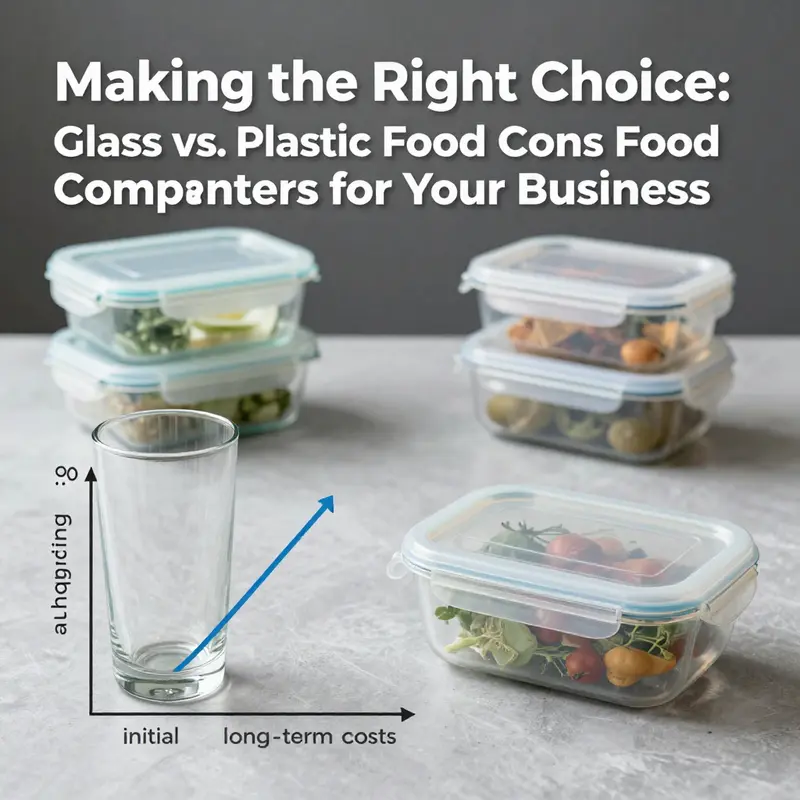
Choosing between glass and plastic food containers is rarely just about the sticker price. A container’s economic value depends on lifespan, replacement frequency, hidden health risks, and environmental costs that eventually translate into real expenses. When these factors are weighed together, glass often emerges as the smarter investment for most households and small businesses. This chapter explores how durability, maintenance, disposal, and risk translate into dollars over time, and how practical choices can shift the balance in everyday use.
A basic plastic set looks appealing due to a low entry cost. Many food-grade plastics are inexpensive and available in assorted sizes. That initial affordability fits tight budgets. Yet plastics commonly show wear within a few years. Heat exposure and dishwashing cause warping and micro-scratches. Staining and persistent odors from foods like curry or tomato sauce reduce perceived value. Those signs often push buyers to replace plastic more frequently than they planned.
Glass starts with a higher price tag. High-quality glass sets and airtight lids cost more at purchase. But glass resists staining, retains clarity, and keeps seals effective for years. Unlike many plastics, glass does not warp under heat. A well-cared-for glass container can last a decade or more. Because glass is non-porous, it does not retain flavors, helping users avoid premature replacement driven by odor or discoloration. When the same container serves reliably for many years, that higher upfront cost is amortized across a long service life. The result is a lower cost per use.
Beyond direct replacement costs, hidden health risks affect long-term economics. Some plastics contain additives such as bisphenols or phthalates. Under heat or extended use, these chemicals can migrate into food. The potential health consequences raise indirect costs: greater medical expenses, lost productivity, and the intangible value of reduced wellbeing. While regulation and industry changes have reduced certain risks, uncertainty remains. Glass is chemically inert and does not off-gas or leach additives. This stability reduces risk over time and removes a set of potential future expenses tied to health outcomes.
Environmental externalities also affect cost-effectiveness. Plastic production relies heavily on fossil fuels. Many plastics are recyclable in principle, but low recycling rates and contamination often consign them to landfill or incineration. Over time, communities bear the cleanup and health costs of plastic pollution. Glass requires more energy to produce and transport due to its weight. However, glass can be recycled indefinitely without quality loss. When used repeatedly, the lifecycle carbon and waste burden of glass tends to shrink relative to frequently discarded plastics. For households aiming to reduce long-term environmental liabilities, glass is an investment with compounding benefits.
Total Cost of Ownership (TCO) clarifies this trade-off. Consider a simple model: a $20 plastic set replaced every three years versus a $50 glass set that lasts 15 years. Over a 15-year span, you buy five plastic sets for $100 versus one glass set for $50. The glass option saves money outright, besides reducing waste and replacement hassle. Add in health-risk mitigation and environmental benefits, and the effective advantage grows.
The practical picture is not absolute. There are circumstances where plastic remains the pragmatic choice. For on-the-go meals, travel, or households with small children, the light weight and shatter resistance of plastic reduce accident and replacement costs. For uses where containers face frequent drops or rough handling, plastic minimizes breakage expense and safety risks. High-quality food-grade plastics such as polypropylene and HDPE offer reasonable safety under normal use and are often sold at accessible prices. For these scenarios, using durable plastics for certain tasks and reserving glass for others can provide the best balance between cost and utility.
Maintenance habits also influence cost-effectiveness. Glass benefits from straightforward care: handwashing or dishwasher use without chemical degradation, and occasional replacement of silicone seals when needed. Properly maintained lids and seals extend airtight performance. Plastic longevity depends more on use patterns: avoid microwaving older plastics, limit exposure to strong UV, and replace containers showing cracks or deep scratches. A mindful approach reduces waste and stretches the useful life of either material, improving the cost-per-use ratio.
Disposal choices matter. Recycling glass locally often yields tangible benefits. Many regions offer robust glass recycling that returns material to new containers. Some communities accept mixed-color glass, while others require separation. Plastics face more complex sorting and lower global demand for recycled feedstock. When selecting containers, factor in local recycling infrastructure. If glass is recycled reliably in your area, that improves its environmental and economic case further. If local recycling systems are weak, prioritize reusability and reduce single-use plastics.
For households looking to optimize spending without sacrificing convenience, a hybrid strategy often works best. Use glass for refrigerator storage, reheating in ovens or microwaves, and storing acidic or oily foods. Reserve light, durable plastics for outdoor meals, lunchboxes, and short-term transport. This combination leverages glass’s longevity while containing costs where plastic’s strengths pay off.
Finally, consider non-plastic alternatives that reduce reliance on either material. Paper-based or compostable containers can serve one-off needs without adding to plastic waste. For reusable options, stainless steel complements glass by offering durability and lightness in some use cases. If single-use packaging is unavoidable, choosing compostable or recyclable options can lower the longer-term environmental cost.
Choosing between glass and plastic is a question of priorities, use patterns, and long-term thinking. Glass often wins on total cost when durability, health safety, and recyclability are valued. Plastic still has clear advantages in portability and initial affordability. By matching material to task and accounting for replacement, health, and environmental costs, households can make decisions that save money and reduce waste over time. For an example of alternative, low-waste single-use options, see this resource on eco-friendly takeout boxes: eco-friendly takeout boxes.
External reference: European Environment Agency life-cycle analysis supports the long-term benefits of reusable glass containers: https://www.eea.europa.eu/publications/eea-report-2023-20
Built to Last or Built for Convenience: How Durability Shapes Your Choice Between Glass and Plastic
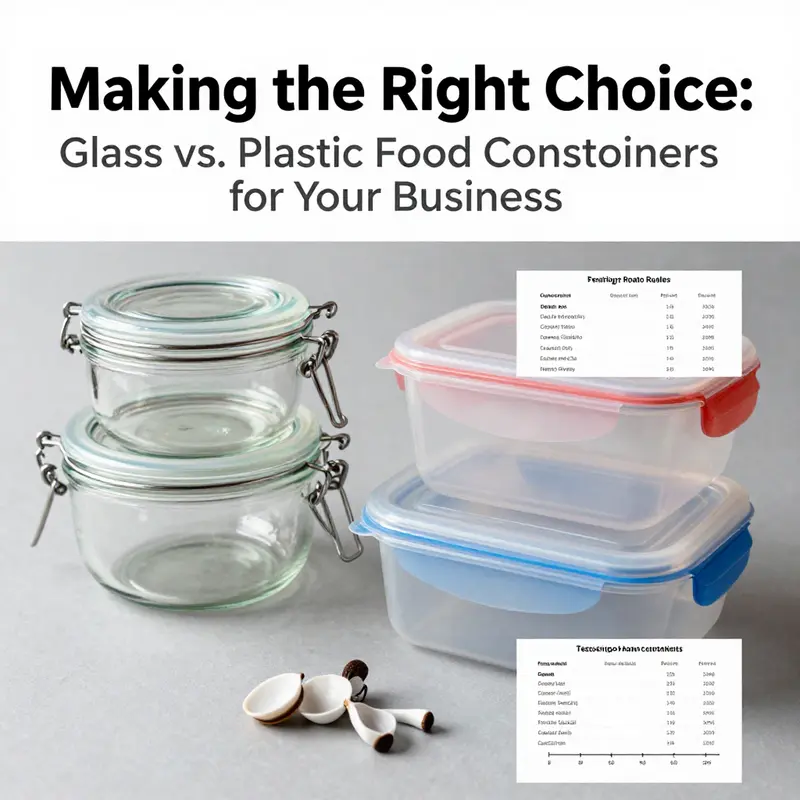
Durability and longevity form the backbone of any decision about food storage. When you compare glass and plastic containers, you are weighing two distinct kinds of resilience: material integrity under heat and chemical exposure, versus physical toughness against drops and everyday knocks. Understanding how each material performs across typical kitchen routines helps you choose wisely for meals, storage, transport, and long-term value.
Glass stands out for its resistance to change. Tempered borosilicate and soda-lime glass retain their shape, clarity, and chemical inertness through thousands of cycles of heating, cooling, and washing. They do not warp or soften under hot conditions. Acidic sauces, oily leftovers, and acidic fruit will not prompt chemical reactions. That means no flavor transfer, no staining, and—importantly—no leaching of plasticizers or other additives. Glass also handles thermal stress far better than many plastics. A quality glass dish can move from freezer to oven or microwave with minimal risk, provided you follow manufacturer temperature guidelines and avoid sudden extreme thermal shock.
This stability translates into predictable long-term performance. A single glass container, properly cared for, can serve for years without losing function. Its transparency helps you quickly identify contents, reducing food waste. It withstands abrasive cleaners and scrubbing without turning cloudy. Over time, glass retains both appearance and safety in a way plastics often cannot.
But glass has a clear Achilles’ heel: fragility. A hard impact on tile or cement can cause shattering. For households with young children, active pets, or frequent outdoor meals, the break risk is not just inconvenient; it may pose safety hazards. Heavier than plastic, glass also increases the effort to carry and store multiple containers. Shipping and transport consume more energy when glass is involved, increasing its embodied carbon during distribution. Practicality sometimes limits glass’s reach despite its superior material longevity.
Plastic offers the opposite trade-off. High-quality food-grade plastics such as polypropylene (PP) and modern copolyesters like Tritan focus on impact resistance and lightness. They shrug off drops and bumps. Containers made from these polymers remain usable in mobile situations: packed lunches, picnics, school bags, and car trips. Their low weight and lower cost make it simple to stock multiple sizes and replace a single damaged unit. For high-traffic, on-the-go lifestyles, plastic’s physical durability often beats glass in day-to-day practicality.
Yet plastics degrade differently. Heat exposure from microwaving or hot dishwasher cycles accelerates molecular breakdown in many polymer types. Repeated heating can cause warping, surface clouding, and tiny fissures. These changes not only reduce the container’s structural integrity, but also create microscopic crevices where residues linger. Scratches from utensils or abrasive cleaners trap food particles and bacteria. Some lower-grade plastics may absorb odors or stains from tomato sauces, curry, or spices. Over time, this reduces usability and can prompt earlier replacement.
Chemical safety intersects with durability. Glass does not release additives into food as it ages. Many plastics are formulated to be BPA-free and food-safe, but degradation can increase the risk of migration of residual additives into food, especially when combined with heat or fatty foods. Choosing higher-grade, certified food plastics reduces this risk. Still, prolonged heavy use tends to favor glass for safety that lasts.
Longevity is also a function of maintenance. Glass tolerates harsh cleaners and high-heat dishwashers far better. That makes sanitizing simpler and more reliable. Plastic often benefits from gentler care: lower dishwasher racks, cooler cycles, or handwashing extend service life. Regular inspection for cracks, warping, and persistent stains is a practical habit for any plastic-user. Discarding visibly worn plastic is prudent to avoid hidden contamination risks.
Environmental considerations tie back to durability. Glass is infinitely recyclable and, because a single item can last years, its lifecycle impact often becomes smaller across long use. Plastics are lighter to transport and use fewer resources per item initially. But many plastics are down-cycled at best, and persistent single-use culture reduces long-term environmental benefits. From a longevity perspective, investing in glass for frequently used, heat-exposed tasks can reduce waste over time.
Practical guidance emerges when you map container properties to real-world habits. For home-based meal prep, batch cooking, and reheating, glass is the reliable choice. Use glass bowls and lidded dishes for soups, sauces, casseroles, and leftovers destined for reheating. Their heat tolerance and inertness preserve flavor and safety. For portable meals, school lunches, and rugged outdoor use, choose durable food-grade plastics. They withstand drops and rough handling without putting anyone at risk.
There is also a middle path. Use glass as your kitchen workhorse and plastic where mobility matters. Store staples, marinated foods, and long-term leftovers in glass. Reserve lightweight, shatter-resistant plastic for travel and short-term storage. Consider stacking strategies: heavy glass for stable shelving, light plastic for backpacks or picnic baskets. This functional pairing leverages each material’s strengths while minimizing their weaknesses.
Small choices extend lifespan. Avoid metal utensils inside plastic containers to reduce scratches. Don’t microwave plastic on high for long intervals; transfer to a glass dish for extended heating. Handle glass with care at edges and corners, where chips start. Replace plastic containers if they show deep scratches, persistent odors, or warping. Label glass lids and store vertically where possible to reduce drop risk.
Finally, think lifecycle cost. A pricier glass container amortized over many years often costs less per use than repeatedly replacing worn plastic. If disposal is unavoidable, glass’s recyclability supports circular material flows better than many plastics. Still, high-quality, food-grade plastics have their place. They prevent breakage, lower injury risk, and suit active households.
For a clear, impartial comparison of performance under repeated use, consider authoritative tests and reviews that measure thermal cycling, impact resistance, and chemical migration. These analyses highlight how glass maintains integrity under heat and how modern plastics win on impact. For a detailed consumer-side comparison, see this comprehensive review from a trusted testing organization: https://www.consumerreports.org/food-storage-containers/glass-vs-plastic-2026-a123456789
Choosing between glass and plastic ultimately comes down to how you use containers. Match material to task, maintain items properly, and adopt a mixed approach where appropriate. The result is a kitchen that balances safety, convenience, and long-term value.
If you occasionally need lightweight disposable solutions for events or takeout, pairing your reusable glass and plastic with sustainable single-use options can work too. For an example of eco-minded packaging alternatives to use alongside your reusable containers, see eco-friendly takeout boxes for food packaging.
Health First: How Glass and Plastic Containers Affect What You Eat
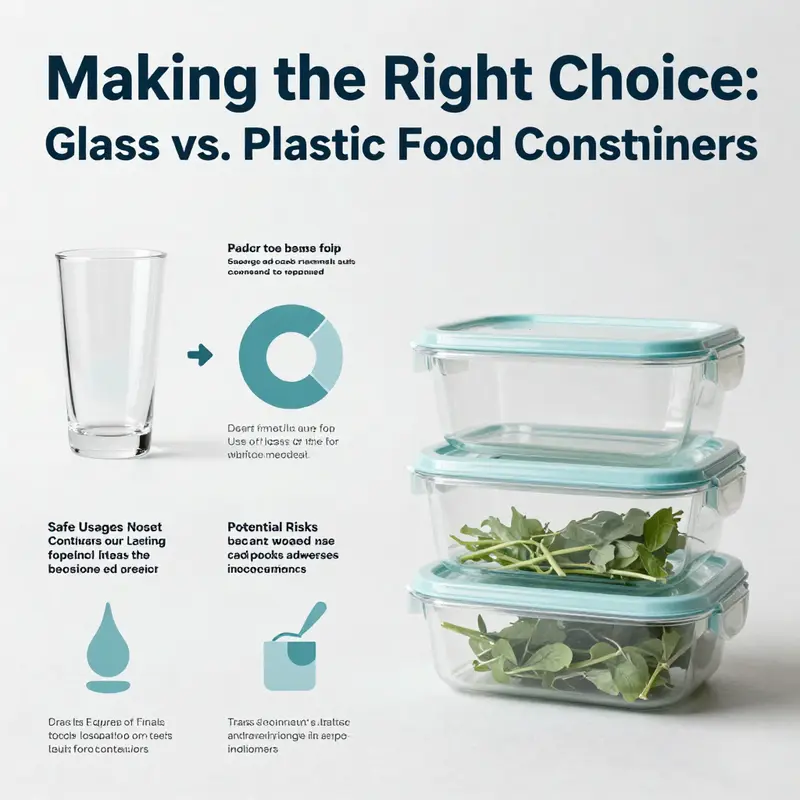
Choosing between glass and plastic for food storage is a decision about more than convenience. It shapes what actually reaches your plate. Chemical migration, microbial safety, durability, and the subtle buildup of particles all influence health. This chapter unpacks those risks and offers practical guidance so your choice supports wellness without sacrificing everyday needs.
Plastic containers often win on weight and resilience. Yet they carry important health caveats. Many plastics contain additives such as bisphenol A (BPA) and phthalates. These chemicals can behave as endocrine disruptors when they migrate into food. Exposure has been associated with hormonal imbalance, reproductive problems, and links to chronic conditions when intake is repeated over years. Migration increases with heat, acidic foods, oily contents, and over long storage times. Scratches, cloudy surfaces, and repeated dishwasher cycles accelerate degradation and increase chemical release.
Microplastics present another emerging concern. When plastic degrades, tiny particles can flake into food and beverages. Early research shows these particles can pass through the digestive tract and may trigger inflammation or cellular stress. The long-term health consequences remain under study, but the presence of microplastics in food shows that degradation is not only a material problem; it is a direct exposure pathway.
Not all plastics are equal. Some modern food-grade polymers, like polypropylene (PP) or high-density polyethylene (HDPE), are more stable and less prone to leaching than older polycarbonates. Labels and recycling codes provide clues. Yet even food-grade plastics can weaken with high temperatures or UV exposure. For those who rely on plastic, cautious use matters: avoid heating plastic unless explicitly labeled microwave-safe, do not store hot or highly acidic foods long-term, and replace containers that show wear.
Glass containers, by contrast, are chemically inert and non-porous. They do not release the organic additives found in many plastics. Acidic tomato sauce, citrus dressings, or oily leftovers will not provoke chemical migration from glass the way they can in some plastics. Glass resists staining and odor retention, which reduces bacterial niches and helps maintain food hygiene. Its transparency also helps avoid keeping forgotten leftovers, reducing spoilage-related risks.
Durability and performance diverge in other ways. Glass withstands repeated wash cycles and temperature changes better without losing seal integrity. Empirical testing shows plastic seals may lose their effectiveness after repeated thermal stress, increasing the risk of air and microbial contamination. Glass maintains structural stability under comparable use, making it more reliable for preserving freshness and limiting spoilage-related foodborne risks.
Safety is not absolute. Glass is heavier and breaks into shards when dropped. Chips and cracks create hazards and weak points where contamination can begin. Tempered glass and good lids reduce this risk, but households with young children or mobility concerns may prefer the shatter- resistant profile of certain plastics. Even then, choosing high-quality, food-grade plastic and monitoring its condition remain essential.
Real-world practice often requires compromise. For kitchen storage and reheating, glass is the safer long-term choice. It minimizes chemical exposure, resists bacterial buildup, and keeps food tasting true. For transport, outdoor meals, or situations where breakage poses a safety concern, sturdy food-grade plastic still plays a valuable role. Pairing glass at home with plastic for on-the-go needs achieves balance: health advantages meet practical realities.
Cleaning and maintenance matter for both materials. For plastic, avoid abrasive scrubbers that create micro-scratches. Handwashing extends life, but if you use the dishwasher, choose top-rack placements and gentle cycles where possible. Replace plastic containers that become cloudy, warped, or have persistent stains or odors. For glass, watch for chips near rims. Even a small crack can hide bacteria and increase the risk of breakage under thermal stress. Use silicone sleeves or insulated carriers to protect glass during transport.
Selecting safer plastics means reading labels and using them appropriately. Look for containers marked as food-safe and free of BPA. Prefer polypropylene (often marked PP or recycling code 5) over polycarbonate. Avoid heating plastics that are not microwave-safe. When in doubt, transfer hot food to glass before reheating. For acidic or fatty foods, default to glass whenever possible.
Household context shapes the optimal choice. Families with small children or older adults may prioritize unbreakable containers to limit injury, but they can still reduce chemical exposure by selecting BPA-free plastics and limiting microwave use. People preparing long-term meal preps or storing large batches should favor glass for its inertness and seal reliability. Those who carry lunches on a commute can combine a lightweight thermal carrier with a glass container to protect against breakage.
Beyond individual health effects, the issue ties into broader patterns. Frequent replacement of single-use plastics increases the volume of degraded materials that can leach chemicals into land and water. Choosing reusable glass where practical reduces the long-term load of microplastics in the environment, which indirectly benefits public health by lowering collective exposure.
Practical checklist: Prefer glass for refrigeration, long storage, reheating, and acidic or oily foods. Use durable food-grade plastic for transport and situations where breakage risk is primary. Avoid microwaving non-microwave-safe plastics. Replace any container that is scratched, warped, or discolored. Favor containers with reliable seals and check them periodically. When replacing plastics, choose those labeled food-grade and BPA-free.
These health considerations guide a pragmatic approach. Glass minimizes chemical migration and maintains seal integrity over time. Certain plastics remain useful where safety and portability are more important. By using each material where it performs best, you reduce your exposure to harmful chemicals and microplastics while keeping everyday routines manageable. For detailed empirical findings on container degradation, sealing performance, and chemical migration, see the Journal of Food Science study: https://www.sciencedirect.com/science/article/pii/S002364382500217X
For a paper-based alternative in single-use contexts, consider eco-friendly takeout boxes as a lower-plastic option to reduce short-term reliance on disposable plastic containers: https://ecocupbowl.com/product/eco-friendly-takeout-boxes-for-food-packaging-stylish-food-containers-safe-microwave-craft-paper-lunch-boxes-leak-grease-resistant
Final thoughts
Choosing the right food container—glass or plastic—is more than just a matter of preference; it can significantly impact your business’s operations, customer satisfaction, and environmental footprint. Glass containers offer superior safety, durability, and sustainability, making them an excellent option for businesses focused on quality and longevity. On the other hand, high-quality plastic containers provide safety and affordability, especially in environments where breakage may be a concern. By understanding each material’s unique advantages, you can strategically implement a versatile packaging solution that aligns with your operational needs and ethical commitments, enhancing both your brand’s image and your customers’ experience.