
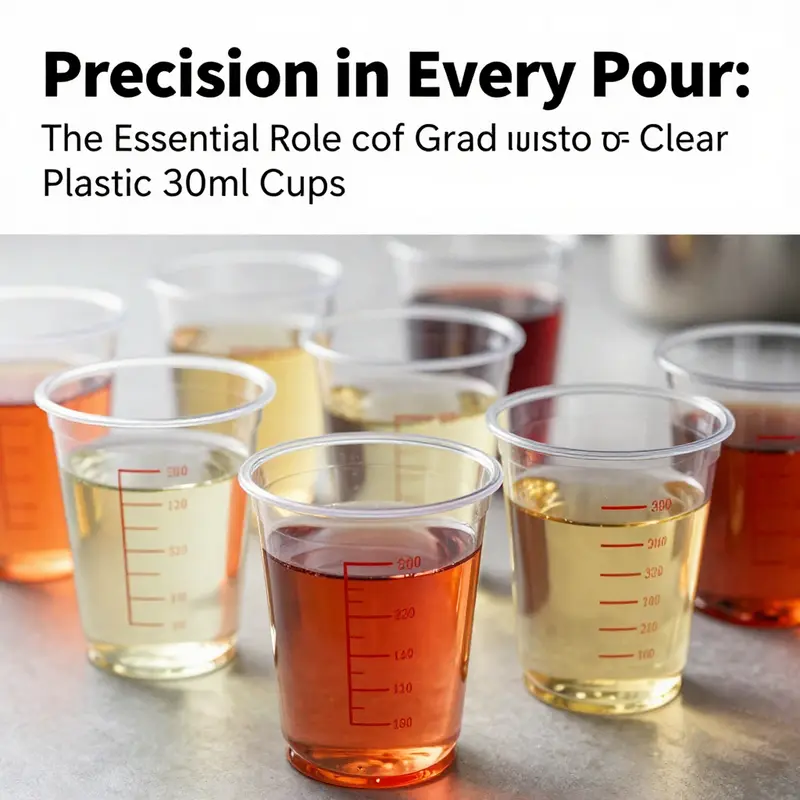
Graduated clear plastic 30ml cups are more than merely disposables; they are precise tools that play a critical role in various operational settings such as bubble tea shops, restaurants, and catering services. Their design ensures accurate measurement, making them indispensable for portion control and ingredient preparation. This article unpacks the materials that form these cups, explores their applications in food and beverage as well as in laboratory settings, discusses environmental impacts, and analyzes current market trends shaping their use. Each chapter aims to equip business owners and procurement teams with a comprehensive understanding of these versatile containers, enhancing their efficiency and operational standards.
Materials Shaping Precision: The Polystyrene, Polypropylene, and LDPE Backbone of Graduated Clear 30ml Cups
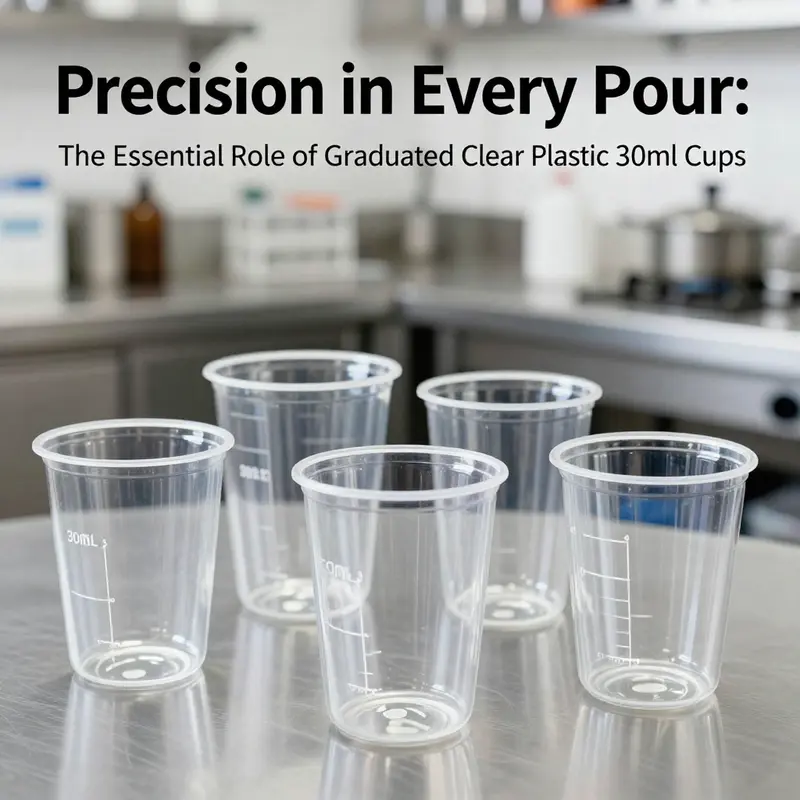
The visual clarity of a graduated clear plastic 30ml cup does more than merely present its contents; it communicates precision. In contexts where tiny volumes dictate outcomes—whether it is a microbiology assay, a culinary tasting, or a cosmetic sampling event—the material that forms the cup becomes a silent coauthor of accuracy. The choice among polystyrene (PS), polypropylene (PP), and low-density polyethylene (LDPE), with occasional nods to polycarbonate (PC) in special environments, threads through every benefit the cup can offer: crisp visibility, reliable graduations, and predictable behavior under temperature and chemical exposure. The graduations themselves—commonly marked in 1ml or 2ml increments—rely on a surface that remains legible under repeated handling and dispensing. When the cup is part of a workflow, the material sets the stage for how faithfully a measured volume will be read, how easily it can be opened and closed, and how safely it can interact with the contents. For users, that means the material is not just a shell but a measuring partner that must balance clarity with resilience, cost with compatibility, and rigidity with practical usability across a range of environments.
Polystyrene stands out for its remarkable clarity and stiffness at a low cost. It is a staple in settings where visual inspection of a sample is paramount—think microbiology labs where a specimen’s appearance can reveal qualitative clues before a quantitative result is obtained. PS cups offer excellent transparency, which makes the graduations highly legible against the contents. This is particularly valuable when the cup serves as a quick verifiable check in a multi-step process, or when the cup is handed between hands in a controlled sequence of measurements. Yet PS has clear limitations: its heat resistance is limited, and it can become brittle when exposed to cold or stressed by sudden impacts. In practice, this means PS works superbly for cold beverages, chilled samples, or room-temperature solutions, but it is less forgiving in high-temperature workflows or in environments where cold storage is extreme. To users, that translates into a straightforward rule of thumb: PS is a good fit for light, transparent, non-thermally demanding tasks where cost-efficiency and display clarity are at the top of the list. The material’s rigidity helps maintain a clean, upright form, which further supports accurate volume reads from the graduations.
Polypropylene offers a different balance of properties that often makes it the preferred material in more demanding service scenarios. PP’s blend of toughness and heat tolerance makes it well suited to hot and cold applications alike. It can withstand temperatures around 130°C, a capability that permits brief exposure to heat during sterilization processes or to hold warmer samples without flaring the risk of deformation. The clarity of PP is consistently strong, though it may not match PS in absolute optical perfection; the trade-off is a cup that remains structurally stable when users are handling it with wet or oily contents. In medical and laboratory contexts, the ability to endure sterilization reinforces hygiene and process integrity. In food service, PP’s resistance to oils and acids makes it a versatile choice for sauces or hot samples that require a precise, measurable container while still remaining safe and easy to recycle in appropriate streams. The thermoplastic’s durability translates to longer-use scenarios or repeated handling in busy service lines, which in turn preserves the reliability of graduations without frequent reprinting.
LDPE brings still another set of strengths to the table. Its flexibility and soft, pliant texture provide sealing advantages and a better feel when a cup is gripped or squeezed during dispensing. This quality matters in settings where users need to gently control a viscous liquid or a viscous semi-solid, ensuring that the cup can accommodate the pressure of a squeeze without warping or leaking. LDPE also offers excellent chemical resistance and moisture barrier properties, which can be critical when samples are sensitive to humidity or when contents interact with the container walls. Perhaps most importantly for some applications, LDPE cups are highly impact resistant and can be more forgiving under rough handling than harder plastics. They are commonly chosen for squeeze sample cups, personal care rinses, or discretionary dispensers where the soft texture and sealing capability contribute to product integrity. From an environmental standpoint, LDPE is recyclable, adding a note of practicality for facilities mapping waste streams and reusing or reprocessing materials where feasible. When a project demands both a flexible grip and reliable compatibility with a broad range of substances, LDPE can be the most fitting option among the trio.
Although PS, PP, and LDPE dominate the landscape, there are contexts in which polycarbonate (PC) enters the discussion. PC is renowned for its durability and shatter resistance, with high thermal stability and remarkable clarity. In demanding industrial or laboratory environments where cups may be dropped or exposed to higher heat or more aggressive chemicals, PC can offer an extra margin of protection for the contents and the measurement marks. Yet PC’s advantages come with trade-offs: higher cost, potential for greater rigidity that might not suit every dispensing action, and differences in recycling streams. The material choice then becomes a negotiation among several priorities—clarity, physical resilience, and compatibility with the intended liquid or semi-solid. With each option, the responsibility is to align the cup’s performance with the precise expectations of the measurement task, from the accuracy of the graduations to the ease of handling, to the safety and cleanliness of the dispensing process.
The scope of use for graduated clear plastic 30ml cups reflects the varied needs of modern operations. In food and beverage contexts, these cups serve portion control, tasting events, and condiment dispensing where a uniform exposure to a sample is essential for consistency. In laboratory and medical settings, they play a role in specimen handling, pharmaceutical mixing, and sample prep where precision and hygiene are non-negotiable. In broader industrial and educational environments, they function as portable measuring tools for small batches of chemicals, adhesives, or ingredients—often as reusable components in a carefully designed process rather than disposable items. The common thread across these applications is the demand for a container that reveals the content at a glance, supports precise dose control, and withstands the specific environmental conditions of the use case. The instrumentation of measurement—gradations etched or printed on a transparent wall—must persist through routine handling, cleaning, and potential sterilization without losing legibility. This is where material science truly informs practice: the surface chemistry, the thermal behavior, and the mechanical durability of the cup converge to preserve accuracy in real-world workflows.
A practical reminder of how these materials translate into everyday use can be seen in dessert service, where clarity is not merely aesthetic but functional. Clear cake cups designed for desserts offer an index of how a measured portion can be both visually appealing and precisely controlled, delivering a straightforward, repeatable experience for guests and staff alike clear cake cups packaging. In the tasting context, where a 30ml cup might be used to present a single sample, the glass-like visibility of PS or the neutral clarity of PP ensures that color, texture, and surface sheen are all observable in one glance. Even the finish of the graduations—whether marked in ink or on a shrink-sleeve or etch—depends on the interaction between the contents and the wall of the cup. A slippage in readability can occur if the material shows fogging under repeated wash cycles or when oil-based contents spread over the scales, emphasizing once again why material choice is not a trivial matter but a critical determinant of measurement fidelity.
Manufacturing choices also shape how these cups perform after the moment of measurement. PS cups are frequently molded to highlight sharp, evenly spaced graduations that remain legible under lighting conditions typical of labs and display counters. PP cups often benefit from advanced molding techniques that produce a more uniform wall thickness, contributing to predictable thermal behavior during brief heat exposure and more consistent volume perception when the cup is filled to a predetermined graduation. LDPE, with its pliability, can present unique challenges for engraving or printing graduations, but modern techniques have largely overcome early readability issues by using high-contrast inks and precise surface treatments that resist smearing. These subtleties matter when the cups are used in fast-paced environments where staff are required to read and transfer volumes quickly and accurately. The bottom line is that the combination of material properties and manufacturing methods must be chosen in concert with end-use demands to maintain the integrity of the graduations and the reliability of the measurements they represent.
In the broader conversation about sustainability and waste, the material selection for graduated cups cannot be viewed in isolation from end-of-life considerations. The recyclability of PS, PP, and LDPE depends on local streams and infrastructure, and the push toward circular economy models pushes manufacturers to design for easier separation and recycling. While plastic cups provide undeniable convenience, their environmental footprint invites ongoing innovation in material formulations, barrier properties, and post-consumer processing options. The decision to use a particular material is, therefore, a balance among measurement fidelity, user safety, temperature compatibility, and the realities of waste management in the facility where the cups are deployed. In practice, procurement teams and lab managers weigh these factors against cost, supply stability, and regulatory requirements for food contact or medical use, crafting a decision matrix that keeps precision at the forefront without sacrificing practicality.
External resource: https://www.fda.gov/food-packaging
External resource aside, the nuanced choice among PS, PP, LDPE, and, in select scenarios, PC, demonstrates that even something as simple as a 30ml graduated cup is the product of careful material science. The cup’s job—to deliver a precise, observable dose in a compact, stackable package—depends on a trustworthy interface between contents and container. The material’s clarity, its resistance to heat and chemicals, its tactile and sealing properties, and its compatibility with established waste streams all converge to determine whether a cup will be a reliable instrument or a fragile prop in a measurement sequence. As industries continue to demand faster workflows, safer handling, and more consistent results from minute volumes, the dialogue between material choice and measurement accuracy will only deepen. In that context, a modest graduate-level cup becomes a compact case study in how materials engineering translates into everyday utility, enabling accuracy to travel from the factory floor into the hands of professionals who rely on every milliliter.
Measured Perfection: The Subtle Influence of 30ml Graduated Clear Cups on Food and Beverage Service
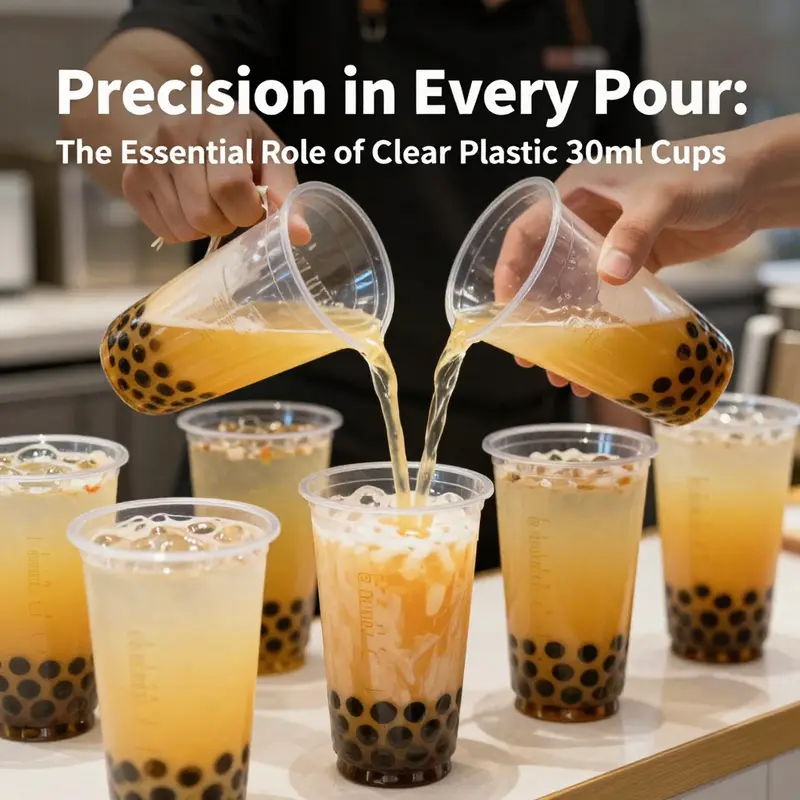
In professional kitchens, bars, and tasting rooms, the smallest tools often wield outsized influence. The 30ml graduated clear plastic cup is one of those quiet workhorses that aligns precision with presentation. Its transparent body invites immediate visual assessment, while the scale etched along its side translates into reliable portion control. These cups are not about flashy features; they are about reliable, repeatable outcomes in environments where speed and hygiene matter as much as aesthetics. The appeal lies in their simplicity: a compact, rigid vessel that makes the act of measuring a fraction of a fluid effortless and reproducible, whether the setting is a crowded cocktail bar or a quiet tasting room where guests scrutinize every detail of a sample before making a choice. The combination of clarity, mark accuracy, and single use or reusability makes them versatile for a wide spectrum of applications, from the most fast-paced service to more deliberate demonstrations of technique and flavor.
The material science behind these cups is not incidental to their function. Polystyrene brings exceptional optical clarity and low cost, which makes it a natural choice for cold applications and for occasions where the cup’s visibility is paramount. Polypropylene adds a layer of resilience, with heat resistance that expands where hot or warm samples are encountered. The tradeoff between rigidity and flexibility becomes a practical decision in menu design and service flow: PS can offer crisper edges and a scintillating display of color and texture when used for chilled elements, yet it can be brittle in extremely cold conditions. PP, on the other hand, delivers better tolerance for temperature variation and a more forgiving handling experience during busy service periods. In some cases, low-density polyethylene offers a soft, squeezable option with strong sealing capabilities, which is particularly useful for squeezable samples or ready-to-dispense sauces that appear on tasting stations. For more demanding lab or industrial settings, polycarbonate cups provide high durability and shatter resistance, ensuring that even a bustling prep area does not compromise the integrity of the sample. Each material brings a distinct set of advantages and constraints, and choosing the right one often depends on the precise context of use, including the temperature range, the type of liquid, and the handling pattern in the service flow.
In cocktail bars and mixology settings, these cups become an indispensable ally for standardizing portions. A 30ml capacity aligns with traditional shot concepts and pre-measured ingredients that keep bartenders aligned as orders move quickly along the line. The graduations enable staff to replicate exact quantities with little hesitation, preserving consistency from the first pour to the last drop of service. The clear cup doubles as a mini stage for mise en place: a tray of pre-measured modifiers, tinctures, and syrups can be arranged so that each component is visible and precisely dosed. Guests benefit too; the transparency adds a visual cue that helps both servers and guests gauge the portion at a glance, reinforcing perceptions of fairness and accuracy in a setting where perception matters as much as substance. While some bars rely on uniform shot pours to maintain speed, others use the cups for pre-dispensing exact amounts of complex infusions, allowing bartenders to focus on technique and finish while the cup handles the arithmetic. The result is a smoother service rhythm, reduced drift in portion sizes, and a reliable baseline that supports creative exploration within a controlled framework.
Catering events and banquet services shed a different kind of light on the value of these cups. In tasting menus and canapé stations, small samples convey complex ideas about flavor and technique without overwhelming guests. The clarity of the cup highlights color and layering in sauces, reductions, and dessert components, making the dish visually intelligible even before a single bite is taken. Graded markings prove their worth when staff must dispense sauces or gels with speed and accuracy under pressure. The cups also function as discrete, hygienic vessels for condiments, allowing guests to sample dipping sauces or dressings without sharing utensils or risking contamination. In this context, the 30ml cup supports a dining experience that is both precise and elegant. The staff can move with confidence, knowing that each portion corresponds to a clear measurement, which translates into predictable costs and more consistent plating across multiple service times. The visual appeal of transparent cups, paired with the discipline of measured portions, helps elevate the overall presentation of a tasting-focused menu, where guests judge not only the flavor but the craft behind portion control.
In food tasting events and culinary demonstrations, the ability to portion with precision becomes more than a practical advantage; it becomes a core element of the narrative surrounding a dish. Demonstrators rely on the graduations to lay out precise amounts of sauces, oils, or reductions, enabling observers to track how a small adjustment can shift balance and texture. For frozen dessert stations, layering and portioning at the scale of a few milliliters matter when chefs aim to create delicate strata of flavor and color. The clear cups keep the attention on the product, not on the vessel, which is essential when showcasing new recipes or techniques. The cups thus support a transparent pedagogy: guests learn by seeing exact measures, understanding how variations in quantity influence aroma, mouthfeel, and finish. The design thereby becomes a visual extension of culinary technique, a tool that translates theory into practice with repeatable clarity.
Hygiene and safety are fundamental, particularly in environments that handle a high volume of samples or servings. The single-use nature of many of these cups is a practical response to cross-contamination concerns, a constant in both medical-adjacent food testing and high-volume catering. The lightweight construction makes them easy to handle in crowded setups and reduces the risks associated with breakage in outdoor or temporary venues. Even when used in longer cooking demonstrations or tasting events, the disposable design lends speed to cleanup and disposal, enabling staff to redirect attention to the guest experience rather than post-event washing and sanitization. Of course, there are tradeoffs to consider. While the single-use format supports hygiene standards, it contributes to waste, which is a critical consideration for operators aiming to balance efficiency with environmental responsibility. Some facilities address this by selecting materials that offer a longer service life or by implementing robust recycling streams where feasible. Others lean into reusable configurations in controlled environments, provided that washing and sanitation protocols preserve the readability of graduations and maintain the cups’ optical clarity for repeated use. In all cases, operational choices are guided by risk assessments, cost considerations, and the specific demands of the event or station.
Beyond the practicalities of pouring and plating, the cups contribute to a broader aesthetic and workflow logic. The generous clarity allows staff and guests to evaluate color, texture, and viscosity at a glance, turning what could be a mere measurement into a moment of sensory confirmation. This is particularly valuable at tasting stations where multiple samples are offered in quick succession. The graduations serve as a quiet, dependable calendar for the staff—every line a reminder of the quantity in play, every fill a promise of uniformity. Confining the visual focus to the product rather than the vessel helps keep the emphasis on flavor and technique, a subtle but meaningful distinction in settings that prize both precision and artistry. In these moments, the cup ceases to be an inexpensive container and becomes a facilitator of culinary storytelling, enabling chefs, sommeliers, and servers to articulate a careful balance between control and creativity.
The practicalities of storage, transport, and stacking also shape how these cups perform in real-world settings. Their stackable form saves precious space in crowded backstage areas, catering trucks, or compact dining rooms. This efficiency translates into faster restocking and less bottleneck during service surges. When it comes to display, the cups can be arranged in a manner that invites guests to observe the graduations and perhaps even interact with the measuring ritual during demonstrations. The tangible link between measurement and display reinforces a sense of care and discipline around portioning, a value that resonates with guests who are paying attention to the craft as much as the taste. Ultimately, the choice of cup material, the precision of the graduations, and the service context all contribute to a cohesive system where measurement enhances presentation, speed, and hygiene.
As service models evolve, operators increasingly weigh the balance between single-use practicality and sustainability. The 30ml graduated clear cup sits at the intersection of this debate. In environments that demand rapid turnover and strict hygiene, the single-use approach offers clear benefits. In settings that prioritize waste reduction, staff may implement reuse policies where feasible, provided that washing protocols preserve the readable graduations and the clarity of the material. The decision is never about a single attribute alone; it is about how the cup integrates with the menu, the service flow, and the guest experience. In this sense, the cup is less a product than a system component that supports precise dosing, visual appeal, and reliable handling. It is a small but significant enabler of quality and consistency across a wide range of food and beverage contexts.
For practitioners seeking reliable sourcing and detailed technical specifications, the guiding principle remains safety and compliance. Ensure that chosen cups meet relevant food contact and safety standards, and verify that the material choice aligns with the temperature ranges encountered in service. While the graduation marks help with accuracy, the real value emerges when staff can operate with confidence, moving quickly from pour to plate without compromising cleanliness or presentation. The 30ml graduated clear cup, in its understated efficiency, supports a culinary and service philosophy that honors precision, clarity, and care at every step of the guest journey. It is in these small, repetitive acts—measured pours, clean presentation, and disciplined workflow—that the broader art of food and beverage service is most powerfully expressed.
Internal resource for practical context: disposable clear plastic cup for outdoor picnics and parties.
External guidance on safe practices for plastic materials in contact with food remains essential as service operations scale. For a comprehensive overview, refer to the FDA resource on food contact materials: https://www.fda.gov/food/food-safety-modernization-act-fsma/food-contact-materials.
Precision and Hygiene: Graduated Clear Plastic 30ml Cups in Clinical and Laboratory Practice
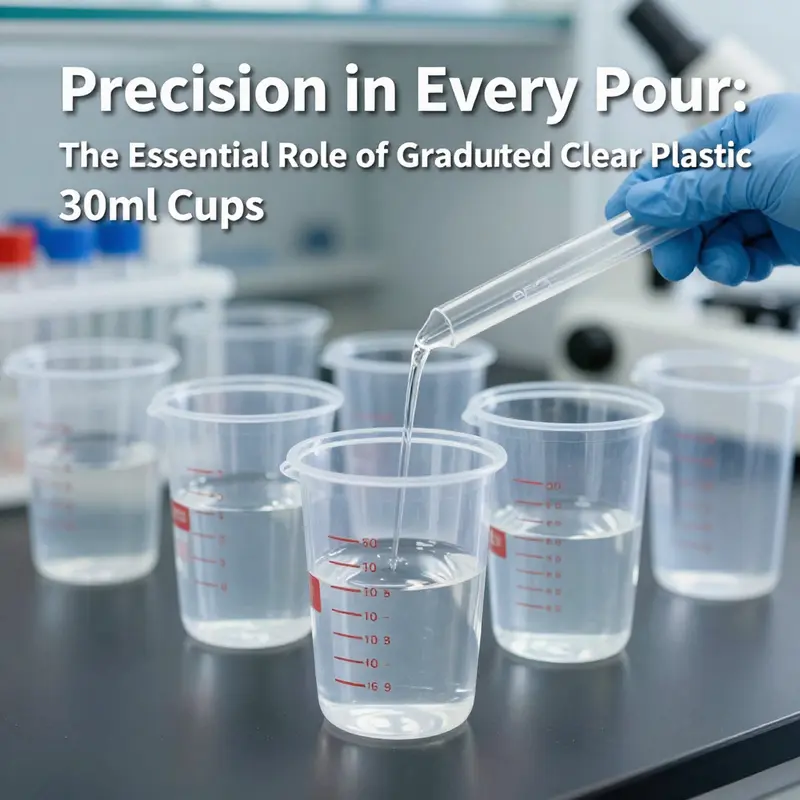
Graduated clear plastic 30ml cups provide a reliable bridge between practical convenience and the strict demands of medical and laboratory environments. Their transparent walls and precise markings allow users to measure small volumes repeatably. That repeatability matters when a few milliliters can change an assay, a dose, or the outcome of a clinical procedure. In busy clinics, diagnostic labs, and research benches, these cups reduce the gap between rough estimation and controlled measurement.
The physical design of a 30ml graduated cup is deceptively simple. A clear sidewall presents a lined scale, often in 1ml increments. The cup’s form factor is small and stackable. It supports single-handed handling and fast visual checks. These attributes shorten the time needed to prepare samples, mix reagents, or administer oral medication. For nurses, technicians, and researchers, that time saving compounds across many repeated tasks.
Material choice defines performance. Polystyrene yields glass-like clarity. It works well for cold samples and visual inspection. Polypropylene offers thermal resilience and chemical resistance. It tolerates autoclave temperatures in some cases and resists common solvents. Low-density polyethylene brings flexibility and improved sealing for squeeze-dispense needs. Polycarbonate provides the highest impact resistance for repeated use and rough handling. Each polymer influences how the cup performs in sterilization, chemical exposure, and temperature extremes.
Accuracy in liquid handling starts with clear graduation marks. Well-printed scales avoid parallax error by providing a thin, dark reference line. Graduations in 1ml steps encourage precise dosing. When cups are nested or when meniscus behavior matters, careful design mitigates misreading. A subtle lip or internal ridge at the rim helps guide pouring and reduces drips. Such small features improve routine precision without changing user workflow.
Sterility and contamination control are central in clinical environments. Single-use graduated cups reduce cross-contamination risk in specimen collection and medication dispensing. They remove the need for complex cleaning protocols between uses. Reusable cups, when selected, must withstand validated sterilization cycles. Polypropylene variants often survive autoclaving, while some polycarbonate grades tolerate repeated chemical disinfection. Material compatibility with sterilization methods should match institutional protocols.
Sample integrity depends on chemical compatibility. Biological specimens, buffers, and solvents can interact with cup materials. Lipophilic solvents may extract plasticizers from some polymers. Acidic or basic solutions can stress others. When working with sensitive assays or trace analysis, selecting a cup with low extractables and leachables is crucial. Manufacturers often provide compatibility charts and regulatory certifications. Labs should consult those resources when choosing cups for specialty applications.
Traceability and documentation are part of best practice. Many cups include writable surfaces or adapt well to labels. A technician can mark a cup with a sample ID using waterproof ink or an adhesive label. That simple action helps maintain chain-of-custody and reduces sample-mix errors. For high-throughput settings, preprinted barcodes on cups or compatible label holders simplify integration with laboratory information systems.
Ergonomics matter in repeated dispensing tasks. A 30ml cup should feel balanced when half-full. The rim needs to be comfortable for pouring and for syringe aspiration. A flared rim improves pour control and helps reduce splatter. Slight tapering allows for secure stacking. Lightweight construction minimizes operator fatigue. These factors are especially important in settings where staff perform repetitive measurement and dosing across long shifts.
Volume precision relies on user technique as much as on the cup. Reading the meniscus at eye level, placing the cup on a flat surface, and allowing liquid to settle before reading are simple habits. When transferring fluid to syringes, slow controlled pours and the use of a pipette or syringe tip to catch residual drops improve accuracy. Standard operating procedures that describe these steps help maintain consistency across staff and shifts.
Integration with other clinical tools expands the utility of 30ml graduated cups. They serve as convenient reservoirs for diluents during specimen preparation. They provide small-volume containment during point-of-care tests. They can be used to aliquot reagents, hold swabs, or safely transport small quantities of non-hazardous fluids between stations. Their clear walls make visual checks and colorimetric assessments quick and reliable.
Waste handling and environmental concerns are unavoidable considerations. The convenience of single-use cups must be balanced with waste management policies. Many facilities segregate biohazardous disposable plastics for regulated disposal. Where environmental impact is a priority, facilities may opt for reusable materials and validated cleaning protocols. Some programs explore recycling streams for certain plastics, but contamination often limits recycling options. When environmental considerations are present, selecting reusable, durable materials and tracking life-cycle costs is prudent.
Regulatory compliance and quality assurance guide procurement decisions. Cups destined for clinical use should meet food-contact and medical-grade standards when applicable. Certifications or supplier documentation that demonstrate compliance with material safety and manufacturing controls reduce risk. Lot traceability, inspection reports, and stability data for printed graduations are helpful. Facilities should require documentation to ensure materials match the intended use and regulatory framework.
Cost efficiency must reflect total cost, not just unit price. Single-use cups lower labor and reprocessing costs, but they add to waste disposal expenses. Reusable cups reduce material consumption but increase cleaning and quality control workloads. A balanced approach evaluates how often cups are used, the costs of sterilization, and the consequences of potential contamination. In many settings, a mixed strategy—single-use for high-risk tasks and reusable for low-risk tasks—yields optimal results.
Training and routine checks preserve accuracy. Visual inspection for scratched or faded graduations should be part of inventory routines. Damaged cups can introduce reading errors. Periodic validation of measured volumes against calibrated pipettes or cylinders confirms that the cup population is still fit for purpose. Simple checklists help teams identify when to retire cups from clinical use.
Finally, small innovations in ancillary design improve daily performance. Lids that snap securely reduce spill risk during transport. Tamper-evident options support specimen integrity. Slip-resistant bases minimize accidental knocks in crowded workspaces. Manufacturers that incorporate subtle user-focused features create measurable benefits in busy environments.
For applications that call for small sauce or condiment containment, related clear disposable containers demonstrate similar design priorities. For an example of compact transparent sauce cups suitable for foodservice applications, see disposable sauce cups.
For a specific product example that illustrates common features found across clinical-grade options, refer to the external product listing provided in the research materials: https://www.amazon.com/dp/B0BQV4K6XH?th=1
Balancing Precision and Planet: Environmental Choices for Graduated Clear Plastic 30ml Cups
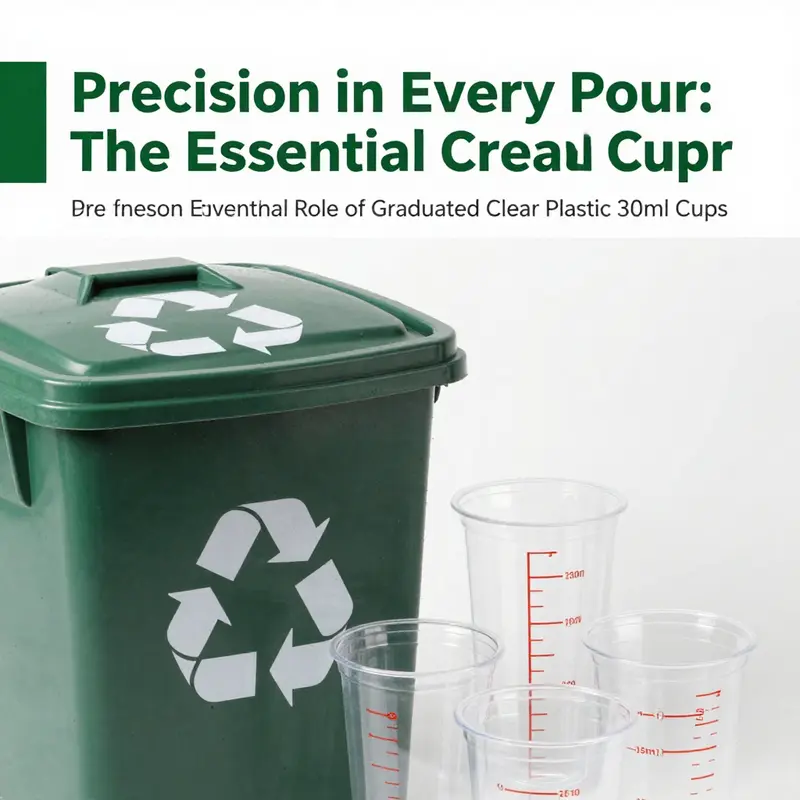
Material choices set the stage for environmental impact. Graduated clear plastic 30ml cups are prized for accuracy and visibility, but the material underpinning that performance determines their fate after use. Polystyrene (PS) yields excellent clarity and low cost, which is why it appears in many sample and tasting applications. Yet PS is often not accepted in municipal recycling streams and, when littered, can persist for centuries. Polypropylene (PP) presents a better recycling profile and higher heat tolerance, making it a pragmatic middle ground for many food-service and lab contexts. Low-density polyethylene (LDPE) offers flexibility and chemical resistance, which suits squeeze-style dispensers and personal-care samples, and it often has a clearer path to recycling when collected properly. Polycarbonate (PC) is durable and clear but raises concerns about chemical safety in food-contact uses, and its recycling is less standardized. Compostable alternatives such as polylactic acid (PLA) bring promise, yet they depend entirely on industrial composting infrastructure to deliver climate benefits.
Decisions made at the point of purchase ripple outward through the product lifecycle. A facility that chooses PP cups for hot-sample compatibility must also commit to sorting and contamination management that preserves recyclability. A food-tasting event that picks PLA cups to signal environmental concern must verify access to municipal or industrial composting. Without that infrastructure, the theoretical advantage of compostables can turn into a real-world liability: compostable items placed in landfills degrade anaerobically and produce methane, a potent greenhouse gas. The real environmental win comes from aligning material selection with the disposal systems that exist in the use community.
Disposal behavior is the hinge on which impact swings. Even widely recyclable materials lose value when contaminated by food residues. A single batch of rinsed, clean PP cups is far more likely to enter a recycling stream than an equivalent volume caked with sauces. In medical and laboratory settings, contamination risk and infection control often rule out the possibility of recycling entirely. There, single-use options remain necessary, and mitigation must take the form of upstream choices: selecting cups made from the most recyclable resin available, buying from manufacturers that mark resin codes clearly, and prioritizing suppliers with take-back or closed-loop programs. In less restrictive settings, clear signage and simple rinsing stations at events can materially increase recovery rates. The difference between a rinsed cup sent to recycling and a contaminated cup destined for landfill is a matter of a few seconds of user action and a small amount of organizational planning.
Infrastructure shapes outcomes more than individual consumer virtue. Municipal recycling programs vary widely in which resins they accept. PP (resin code 5) has become more commonly accepted in recent years, while PS (resin code 6) remains limited. LDPE film is often accepted through store drop-offs rather than curbside bins, complicating recovery for small, thin cups or lids. Composting infrastructure also varies: industrial composting facilities require steady feedstock, predictable contamination profiles, and appropriate temperatures to break down PLA-based products. When procurement teams select compostable cups, they should confirm local composting capacity and the rules for acceptance. Without that confirmation, a compostable cup might be treated just like a conventional plastic cup, erasing its intended advantage.
Design choices can reduce environmental cost without sacrificing function. Graduations molded or printed in contrast colors help users pour accurately and reduce waste from over-served liquids. Embedding resin identification on the cup base in an accessible, machine-readable format supports downstream sorting. Minimizing multi-material constructions—such as laminated coatings or attached labels that resist separation—keeps recycling streams cleaner. Thicker walls increase durability and the potential for reuse in controlled environments; thinner walls save material but may end up single-use more quickly. Reusable program design, such as returning cups for washing in food-service venues or sterilizing and reusing in lab contexts, multiplies the environmental benefits of higher-energy, higher-resin-intensity materials like PC when reuse is practical and safe.
Procurement policies are a leverage point. Institutions that buy graduated clear plastic 30ml cups in volume can demand post-consumer recycled (PCR) content, clearer labeling, and take-back commitments from suppliers. Specifying PP with a minimum PCR percentage encourages market demand for recycled polymer. For applications that must remain single-use, stipulating that cups be compatible with existing local recycling streams or accepted by industrial composters reduces the chance of materials being mismanaged. Contracts can require supplier transparency: lifecycle assessments, resin sourcing statements, and end-of-life recommendations tailored to the buyer’s location. Small changes in specification—for example, rejecting multi-layer coatings or insisting on a single resin type—can ripple into substantial increases in the proportion of cups that are actually recycled.
Behavioral nudges and on-site systems make sustainability practical. Events that rely on small measured servings can pair graduated cups with visible waste stations: separate bins clearly labeled for recycling, compost, and landfill, along with volunteers or staff who encourage proper sorting. Providing rinse stations or allocating a short grace period to empty and stack cups before disposal increases recycling quality. In retail or healthcare settings where hygiene is critical, marked receptacles for potentially recyclable materials can be integrated into workflow so that compliance does not add time or complexity.
Beyond operational fixes, broader industry shifts reduce systemic impact. Manufacturers can move toward mono-material designs, increase the share of PCR in production, and implement visible resin coding. Investment in catalytic and chemical recycling technologies may offer pathways to recover mixed or contaminated plastics that mechanical recycling cannot handle. Certification schemes and third-party verification for compostable products guard against greenwashing and provide buyers with confidence that claims match local infrastructure needs. Policy interventions, such as extended producer responsibility regulations, can incentivize manufacturers to design for circularity and fund collection and recycling systems—particularly important for small format items like 30ml cups that can be overlooked by bulk recycling initiatives.
Practical guidance for different use cases helps match material to end-of-life realities. For food-service tasting events in regions with strong municipal recycling, PP cups with clear resin codes and a pre-rinse protocol offer a balanced solution. For on-site clinical sampling where recycling is not feasible, choosing products with the lowest embodied carbon and clear disposal instructions is sensible. For demonstration or promotional sampling where return systems are plausible, investing in reusable graduated cups with robust markings and a sanitation plan can cut lifetime impact dramatically. When compostable cups are considered, procurement must verify access to industrial composting and account for contamination risks; otherwise, compostable materials may not deliver the intended climate or waste benefits.
The environmental story of graduated clear plastic 30ml cups is not binary. It depends on material chemistry, product design, procurement policy, user behavior, and the public waste-management network. Each link in that chain either reduces or magnifies impact. Choosing the right material matters, but aligning that choice with end-of-life realities matters more. Small actions—clear labeling, rinse stations, and procurement specifications—add up. Systems actions—better municipal programs, chemical recycling innovation, and producer responsibility—scale that effect.
For practical resources on reducing plastic waste and aligning material choices with local systems, consult the U.S. Environmental Protection Agency’s guidance on sustainable plastic management: https://www.epa.gov/sustainable-management-plastic-waste. For a supplier option that complements a low-waste service model, consider offering disposable sauce cups as an alternative to bulk dispensers to simplify sorting and portion control: disposable sauce cups.
Careful selection, clear labeling, and systems thinking allow graduated clear plastic 30ml cups to deliver precise dosing with less environmental cost. When decisions account for how materials travel after use, the measurable convenience these small cups provide need not come at the expense of a healthy planet.
Small Measures, Big Markets: The Economic Pulse of Graduated 30ml Cups
The smallest containers can carry the largest implications. Graduated clear plastic 30ml cups sit at a curious intersection of economy, hygiene, and precision. They are more than mere vessels; they are tangible markers of how modern industries manage risk, optimize processes, and respond to evolving consumer expectations. In the broad panorama of packaging and product handling, these compact cups encapsulate a recurring narrative: a relentless push toward accuracy at scale, balanced by the relentless pressure to reduce waste and lower costs. When one looks at their economic footprint, the focus shifts from a single-use convenience to a complex value proposition that touches procurement, manufacturing, distribution, and end-use experiences across several pivotal sectors.
Across the food service and hospitality landscapes, the appeal of 30ml graduated cups lies in their ability to enable precise portioning without slowing service. Banquet events, tasting sessions, and beverage stations rely on a predictable, repeatable measure that helps control inventory and maintain quality. The visual clarity of the cup, coupled with graduations etched into the material, allows staff and customers to verify volume at a glance. This visual feedback is not merely cosmetic; it reduces measurement errors, minimizes waste, and supports consistency in flavor, texture, and presentation. In practice, this translates to lower over-portion costs, fewer spoilage incidents, and a steadier supply chain for venues that operate on short lead times and high turnover. The market response to these capabilities has been steady demand growth, driven by the need for fast, hygienic, single-use or easily disposable solutions in high-traffic environments.
In laboratories and clinical settings, precision is the currency of reliability. The 30ml size is well-suited for small-batch reagent mixing, specimen aliquoting, and micro-sample handling. Here, the value proposition extends beyond convenience to traceability and hygiene. The graduations enable consistent dilution and measurement, while the transparent plastic minimizes the risk of cross-contamination when used with clean-transfer techniques. As healthcare and diagnostics continue to tighten regulatory expectations around accuracy and reliability, these cups become a practical anchor for standard workflows. Supply chains in these environments demand materials that can withstand routine autoclaving or, at minimum, tolerate repeated handling under stringent cleanliness protocols. The economic impact, therefore, includes not just unit price but total-cost-of-ownership considerations—ease of cleaning, risk mitigation, predictable performance, and compatibility with common labware and sterile packaging practices.
In the realm of consumer research, product sampling, and retail testing, the 30ml format offers a precise, attractive way to present mini portions. Marketers and product developers rely on consistent volumes to compare formulations, flavors, or textures across samples. The clear material and marked graduations facilitate rapid visual confirmation of portion size, which helps in maintaining experiment integrity and consumer perception. The market economics here hinge on the balance between the cost of producing highly precise, laser-etched graduations and the premium customers are willing to pay for reliability and branding opportunities. In many cases, brands seek to position these cups as premium sampling aids, leveraging stackable designs and clear, glossy finishes to reinforce quality impressions at the moment of first contact with a product.
A core driver behind the rising adoption of graduated cups is the emphasis on hygiene and containment. In foodservice and clinical contexts alike, single-use or easily disposable cups reduce cross-contact risks and simplify waste management. As turnover in service environments accelerates, the benefits of quick cleanup and reduced sanitary concerns become a meaningful portion of operating budgets. The economics of this dynamic extend beyond the per-unit price. They encompass time saved by staff, lower labor costs for cleaning and sanitizing reusable alternatives, and the potential for diminished liability related to handling of potentially contaminated consumables. In markets that value speed without sacrificing safety, these cups present a compelling balance between operational efficiency and consumer confidence.
Material choices underpin much of the economic story. Polystyrene offers clarity and economy, making it a common choice for cold-service applications and test servings where heat resistance is not a critical requirement. Polypropylene, with its higher temperature tolerance and chemical resistance, broadens the use-case envelope to include hot samples, sauces, and laboratory applications where exposure to oils or acids is possible. LDPE adds flexibility and impact resistance, supporting squeeze applications or more pliable handling in rapid-service settings. Polycarbonate provides exceptional durability and shatter resistance, important for demanding environments or where longer reusability is desired alongside high clarity. Each material choice carries its own cost profile, performance envelope, and lifecycle considerations, and buyers increasingly weigh these factors against the total value delivered by a given cup in a specific use scenario.
Beyond raw materials, the market is increasingly influenced by innovations aimed at improving measurement fidelity and consumer appeal. Laser-etched graduations, for instance, hold up better over repeated handling and cleaning than printed marks. They deliver milliliter-level precision that is crucial for microbiological sampling or chemistries where exact volumes matter. The ability to read measurements easily under varied lighting conditions or when contents are opaque is another subtle yet important performance feature. Advances like double-wall insulation or thermochromic inks that reveal temperature changes add functional and aesthetic value, enabling brands to offer cups that not only measure but also communicate state—helpful for temperature-sensitive tests or for consumer-facing demonstrations at tastings and events.
Sustainability trends are increasingly shaping both the market and the manufacturing choices behind graduated cups. Traditional materials remain cost-effective and familiar, but there is a clear shift toward biodegradable and compostable alternatives, including those derived from renewable resources such as PLA. The appeal is clear: reduced environmental impact, which resonates with eco-conscious consumers and venues seeking to align with sustainability goals. Yet the transition is not purely environmental; it must also contend with performance trade-offs. Biobased materials can face challenges in thermal stability, barrier properties, and end-of-life processing, complicating the decision matrix for healthcare facilities or food service operators who require dependable performance in varied conditions. The economic implications of this shift include higher material costs, potential changes in shipping weights, and adjustments to waste-management infrastructure at the point of disposal.
From a production perspective, these trends are reshaping the cost architecture of graduated cups. The push for precision and reliability compels manufacturers to invest in more sophisticated tooling, tighter quality control, and sometimes longer cycle times to ensure graduations are accurate and legible across batches. This translates into higher upfront capital expenditures and ongoing maintenance, but it is offset by stronger product consistency and lower rejection rates downstream. For buyers, the result is a broader spectrum of options that can be tailored to risk tolerance and total-cost-of-use. In environments where the difference between a correct and an incorrect measurement can cascade into significant waste or safety concerns, the premium on precision can be a prudent business decision rather than a luxury.
The regulatory backdrop adds another layer to the economics. In healthcare and diagnostics, standards for sterility, packaging integrity, and labeling accuracy can drive specification choices and testing requirements. The need for reliable, traceable packaging that supports compliant workflows pushes suppliers toward higher-grade materials and validated production processes. As standards tighten, the value proposition of high-quality graduated cups grows, because they offer both practical measurement fidelity and traceability that professionals rely on for audits and quality assurance.
A nuanced challenge in this market is the delicate balance between performance and sustainability. While the appeal of recyclable or compostable cups is strong, end-of-life outcomes depend on local waste streams and processing capabilities. In some regions, curbside recycling may be viable, but others may lack appropriate facilities, making compostable options more attractive despite higher costs. This dichotomy often informs procurement decisions, especially for venues and institutions that must demonstrate environmental responsibility while meeting stringent performance criteria. In this context, lifecycle thinking—assessing energy use, material sourcing, and end-of-life impact—becomes essential to cost-benefit analyses at scale. The economics of scale can favor standardized cups that fit across multiple applications, reducing inventory complexity and enabling bulk purchasing that mitigates unit cost while delivering uniform performance.
The market’s future trajectory hinges on several converging forces. One is the continued emphasis on hygienic, single-use solutions in settings with high turnover and strict cleanliness expectations. Another is the escalating demand for precision in measurement across research, diagnostics, and food testing. A third is the growing appetite for sustainability that does not force concessions on performance. Companies that can reconcile these factors—providing reliable, precise cups at a competitive cost while offering eco-friendly options or clear end-of-life pathways—will be well positioned to capitalize on expanding demand in both established and emerging markets. In practical terms, this means investing in high-clarity materials, durable graduations, and flexible designs that support both disposability and reuse where appropriate, alongside transparent sustainability data for buyers who seek accountability.
For readers who want to explore technical specifications and industry standards in more depth, a leading industry resource provides detailed insights into material compliance, performance benchmarks, and case studies that illuminate how graduated cups perform under real-world conditions. This external reference complements the practical perspective outlined here, offering data that can inform procurement strategies and quality assurance protocols. External resource: https://www.sleplastic.com/graduated-cups
Within the broader context of packaging ecosystems, these small cups are part of an interconnected system of equipment, workflows, and values. The choice of a 30ml graduated cup is rarely made in isolation; it is weighed against the broader portfolio of containers, the precision needs of the operation, and the environmental commitments of the organization. The conversations around whether to favor PS for cost efficiency or PP or LDPE for durability and chemical resistance reveal a pragmatic calculus: operators want predictable performance, defined compatibility with their existing labware and utensils, and a supply chain that can reliably scale with demand. They also want clarity—literally in the form of visible graduations and translucence—that supports confident decision-making at the moment of service or analysis.
In sum, the economic impact and market trends of graduated clear plastic 30ml cups reflect a broader shift toward precise, hygienic, and responsible packaging solutions. The cups themselves are small, but the decisions surrounding their design, material composition, and end-of-life management ripple through budgets, workflows, and sustainability programs. The market rewards those who can deliver consistent measurement, maintain high standards of cleanliness, and offer options that align with environmental priorities without sacrificing performance. As industries continue to tighten regulatory expectations and as consumers demand greater transparency about packaging, these cups will remain a telling barometer of how small measures can influence large, systemic outcomes. For practitioners seeking practical guidance on sourcing and application, the internal reference to disposable clear plastic cups for events and everyday use can illuminate how these decisions play out in real-world settings: disposable clear plastic cup for parties and events.
Final thoughts
Graduated clear plastic 30ml cups are not just tools for measurement – they represent a synergy of utility, design, and market demand across diverse sectors. Whether they’re aiding in precise ingredient measurements in bubble tea shops or serving critical functions in laboratories, their relevance is clear. Understanding their manufacturing materials, applications, environmental impacts, and market trends equips businesses to make informed decisions—as well as to enhance operational efficiency and customer satisfaction. These cups are a small investment that can lead to significant returns in quality and precision.