
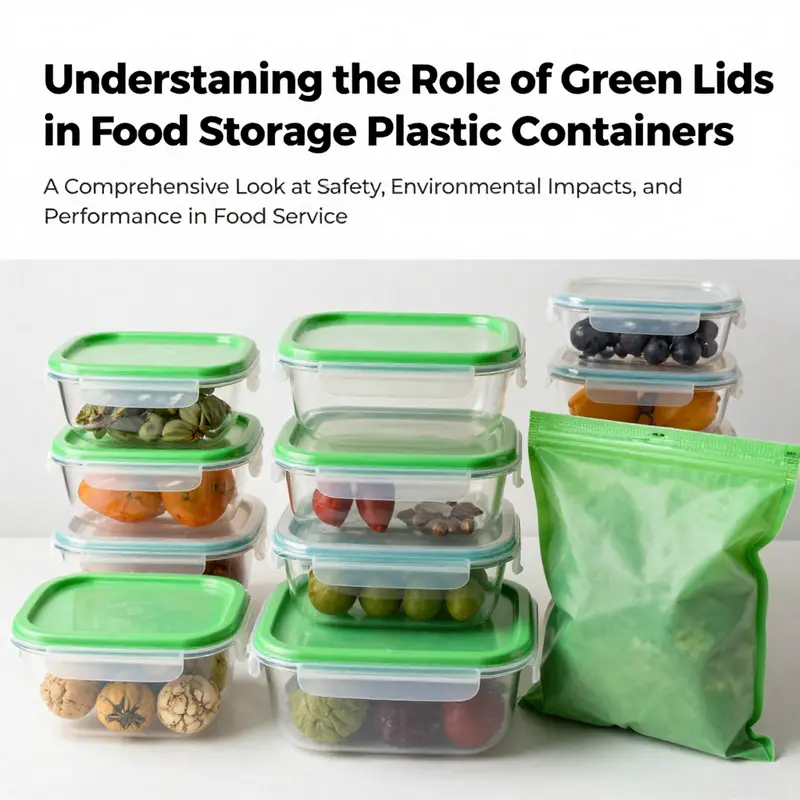
In the competitive landscape of food service, ensuring food safety, sustainability, and performance is crucial for producers and event planners alike. This guide explores the implications of using green lids on plastic food storage containers, touching on their safety concerns, environmental ramifications, and performance alternatives. Each chapter focuses on these aspects, providing insights pertinent to bubble tea shops, restaurants, food trucks, and corporate procurement teams. By the end, readers will find clarity in making informed choices that align with both operational efficiency and environmental responsibility.
Green Lids, Real Concerns: Safety, Sustainability, and the Long View on Plastic Food Storage
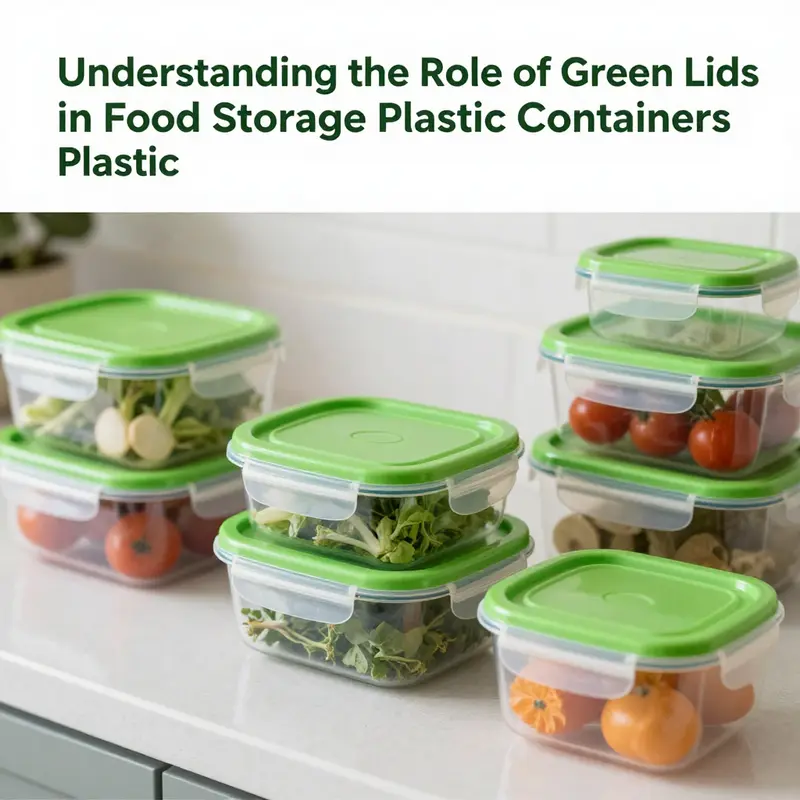
The glossy green of a lid can draw the eye and promise a tidy kitchen, but beneath that cheerful surface lies a web of questions about safety, use, and the broader footprint of plastic food storage. Green lids are not merely a stylistic choice; they symbolize a family of containers that most households reach for daily, turning food from pantry to plate with a simple snap and seal. To understand what they truly offer, we must weave together the threads of material science, health considerations, and environmental fate. The result is a more nuanced picture of how a familiar kitchen staple can influence everyday health and the planet, and how shoppers can make choices that align with both immediate safety and long-term sustainability.
First, the safety considerations begin with the basic chemistry of plastics used to produce lids. In many modern food storage systems, green lids are fashioned from commonly used food-grade plastics such as polypropylene (PP) or polyethylene (PE). These materials are chosen for their rigidity, resilience in the freezer, and compatibility with dishwashers and microwaves under the right conditions. The safety narrative, however, is not as simple as a single label on a box. A key point many consumers encounter is the labeling of products as “BPA-free.” The rationale is straightforward: bisphenol A has been implicated in endocrine disruption in some studies, and removing it from consumer food contact plastics seemed a prudent compromise. Yet the search for a truly risk-free solution did not end with BPA. Subsequent shifts toward BPA substitutes such as BPS and BPF revealed a related set of concerns: laboratory studies and observational data suggest these alternatives may carry their own, albeit different, risks for health and hormonal balance, particularly with repeated heating or long-term exposure. Regulatory authorities have deemed many plastics safe when used according to labeled instructions, but researchers emphasize that safety is not a static verdict. It depends on the material, the temperature, the age of the container, and how frequently it is used with certain types of foods.
This is where the everyday reality of kitchen use comes into play. The most practical safety caveat is the importance of using lids and containers within their specified heat and chemical exposure ranges. A green-lidded plastic cap that tolerates microwave use, if properly labeled, can be a convenient component of meal storage and quick reheating. But heating a container beyond its rated limit, or leaving it in contact with highly acidic or fatty foods for extended periods, can accelerate the aging process of plastics. Aging is not just a question of wear and tear; it is a question of how well the material maintains its barrier properties and how likely it is to migrate chemicals into food. When a container ages, micro-scratches and micro-deformations can emerge on the lid’s surface, potentially increasing contact between the container and its contents. Under such circumstances, the risk of trace migration—whether from additives used to stabilize and plasticize the polymer or from the polymer itself—can rise, even if the lid has never been dropped or visibly damaged.
These nuances matter because the health conversation around plastics is not monolithic. The Food and Drug Administration (FDA) has established safety standards for food-contact plastics, and many green-lidded products are designed to meet those standards. Yet independent researchers caution that safety judgments can change as more is learned about long-term exposure, especially in vulnerable groups such as pregnant people or young children who may use these containers repeatedly over the course of years. The takeaway is not to abandon plastics altogether, but to bring a critical eye to how these lids are used, how they are cleaned, and what kinds of foods are stored in them. For instance, repeatedly heating with oil-rich, acidic, or highly salted foods may stress the polymer’s integrity more than storing simple, cool, non-acidic leftovers. In practice, this means paying attention to the labeling—“microwave safe,” “dishwasher safe,” or “freezer safe”—and respecting these guidelines as part of a broader strategy to minimize chemical exposure.
In addition to health considerations, the broader environmental footprint looms large in every kitchen decision. Even if a green lid is part of a reusable plastic system, the lifecycle from production to disposal cannot be ignored. Plastic production relies on virgin fossil fuels, energy, and water, and the emissions associated with manufacturing contribute to greenhouse gas totals. Recycling rates for plastics globally remain stubbornly low. The environmental narrative of green lids thus invites a more complete assessment: a container might look eco-friendly because of its color or labeling, but its end-of-life fate—whether it can be recycled, how many times it can be reused, and whether it ends up in a landfill or incinerator—shapes its true environmental value.
The contrast with alternatives is instructive. Glass containers, for example, provide a near-absolute barrier to oxygen and moisture and do not have the same risk of chemical migration into food. They maintain the freshness of stored items and do not impart any polymer-derived compounds to the contents, even after repeated heating (assuming appropriate glassware labeling and use). Of course, glass is heavier, more prone to breakage, and generally less convenient for certain kinds of daily routines. But its durability and chemical inertness give it a long-term edge in some households, particularly for long-term storage of leftovers, sauces, or pantry staples that benefit from extended shelf life.
Another durable option is food-grade silicone bags. While not a perfect substitute for rigid containers, silicone offers excellent reusability and a degree of flexibility for different portion sizes and shapes. Silicone’s heat tolerance makes it versatile for reheating in some cases, albeit with careful attention to the manufacturer’s guidance. The material is primarily derived from silica, which aligns with a broader environmental strategy of reducing single-use plastics. Yet even silicone has an environmental footprint tied to its non-biodegradable nature; the environmental calculus becomes about reuse frequency and lifecycle rather than a simple comparison of recyclable versus non-recyclable. Stainless steel containers bring another layer to the discussion: they are highly durable, fully recyclable, and chemically inert for most food types. They can last for decades with proper care, reducing waste in ways that plastic containers often struggle to achieve. Each of these alternatives presents its own trade-offs between convenience, cost, weight, and environmental impact, and they sit alongside plastic containers with green lids as part of a practical spectrum of choices.
To ground these considerations in everyday decision-making, it helps to think holistically about what a kitchen needs. A family that routinely packs lunches with hot foods may benefit from a glass or stainless steel option for reheating and long-term storage, paired with a silicone bag for flexible, space-efficient packing. A stock of BPA-free plastic containers with durable green lids can still play a role for short-term storage, especially when containers are correctly used within their temperature and food-type guidelines. The critical actions are to verify labeling, avoid mixing high acidity or oil-rich foods with containers not rated for such conditions, and replace containers showing signs of wear, including cracks, deep scratches, or a lid that no longer seals effectively.
In this landscape, the color of the lid—green or any other hue—becomes a symbolic cue about how a household interprets safety and sustainability. Color can indicate a design intention or branding signal, but it does not automatically guarantee health or environmental superiority. Consumers should examine the specifics behind the color: the plastic type, the presence or absence of BPA or its substitutes, the stated heat tolerances, and the recycling or disposal information. The most reliable path is to treat green-lidded containers as one tool among many, chosen for the right use cases and maintained with mindfulness about the limits of plastic materials. The decision to use plastic lids should be paired with ongoing evaluation of how often the containers are used for reheating, what kinds of foods are stored, and how well the containers are cleaned and dried between uses to minimize the potential for chemical migration and bacterial growth.
Consider a different way of looking at the kitchen ecosystem. A consumer’s storage choices can reflect broader values about waste, energy use, and the resources required to produce and transport different materials. A green lid might be part of a compact, space-saving system that reduces the need for multiple different storage solutions. Yet if that system demands frequent replacement due to wear or if it complicates recycling because of composite materials or unclear labeling, its net impact may be less favorable than an alternative approach that emphasizes durability and recyclability. The environmental calculus, then, is not simply about the color or the convenience of a lid; it is about the entire material system—how a container is made, how many times it can be reused, and what happens at the end of its life.
For readers who want to explore practical pathways beyond plastic, a broader perspective on packaging and storage can be illuminating. Some households may find value in adopting a blended approach: using glass for long-term storage in the fridge and pantry, silicone for flexible, reusable packing, and stainless steel for take-along containers. This approach aligns with a cautious stance toward plastic migration risks while maintaining the convenience that busy kitchens demand. It also invites everyday experimentation: testing how well glass or stainless steel handles the foods you typically store, how easy it is to clean, how much space these options occupy, and how they bear up to the rigors of family life. In this sense, the green lid becomes not a verdict on safety in isolation but a doorway to a more deliberate, health-conscious, and sustainable way of thinking about food storage.
From a consumer education standpoint, clear labeling and honest information about heat tolerance, dishwasher safety, and material composition are essential. A widely understood set of guidelines would help families avoid the trap of assuming that a green lid is a universal safety badge. Instead, shoppers benefit when product descriptions explicitly state the polymer type, conditioning for second-life use, and any known substitutes for BPA and related substances. In practice, this means looking for terms like “food-grade,” “microwave safe,” and “recyclable,” while paying attention to whether the product is designed for long-term reuse in a busy household environment. It also means recognizing the limits of what a lid can and cannot do. A lid is a mechanical barrier; it cannot completely mitigate all chemical risks associated with every food type, duration of storage, or heating method. The responsibility for safe use rests with a combination of product design, consumer behavior, and appropriate disposal.
To close the loop between health and sustainability, many readers may be curious about how to balance immediate food safety with long-term environmental goals. The central message is pragmatic: prioritize products that offer verifiable safety certifications, support durable reuse, and have transparent end-of-life plans. When in doubt, reduce reliance on single-use plastics, favor containers that can be cleaned without harsh scrubbing that would degrade seals, and consider investing in a smaller set of high-quality options that cover common use cases. The green lid can be part of a thoughtful system—but only when used with awareness of its material realities, its limits under various cooking and storage scenarios, and its place within a broader strategy to minimize chemical exposure and waste.
As you navigate these choices, it helps to see the topic not as a binary debate between plastic and non-plastic but as a spectrum of design, use, and lifecycle thinking. The color of a lid, the brand-on-label promise, and the plastic chemistry all contribute to a complex picture. The more informed the decision, the more confident a household can be about keeping food safe, preserving flavor and texture, and limiting environmental impact. The goal is a kitchen where storage solutions are chosen with both science and daily life in mind—where a green lid is a deliberate cue in a broader, conscious approach to food, health, and home.
For readers who want to consult a broader scientific view alongside practical guidance, a comprehensive resource synthesizes the concerns around plastics in food contact and helps frame material choices within the current state of knowledge. While this discussion has focused on practical usage and general cues, understanding the science behind these materials remains important as more data emerge and as regulations evolve. The evolving landscape means that today’s best practice may shift with new evidence, but the core principles—minimize unnecessary exposure, favor durable and non-reactive materials for long-term storage, and maintain transparency in labeling—will remain central to making sound decisions in a busy kitchen.
External resource: https://www.ncbi.nlm.nih.gov/pmc/articles/PMC10482956/
Within the realm of practical consumer guidance, it can also be helpful to explore related packaging discussions that cover eco-friendly and safe storage options. For example, one accessible overview highlights how packaging choices intersect with heat tolerance, chemical migration risk, and life-cycle considerations, offering a useful frame for evaluating green-lidded plastics against glass, silicone, or metal options. This broader context helps shoppers move beyond color cues to assess what storage solutions truly protect health and minimize waste in daily routines. And for those who want a direct example of how packaging options are described and marketed in the real world, consider the broader category discussions around eco-friendly takeout packaging and the kinds of materials and designs that are being promoted as part of sustainable food service practices. If you’re curious about how such packaging choices translate into everyday kitchen decisions, the following resource provides a concrete link to the kinds of products that illustrate a comprehensive approach to safe, reusable, and sustainable food storage. eco-friendly takeout boxes for food packaging.
Beyond the Green Lid: Tracing the Environmental Footprint of Plastic Food Storage and the Quest for True Sustainability
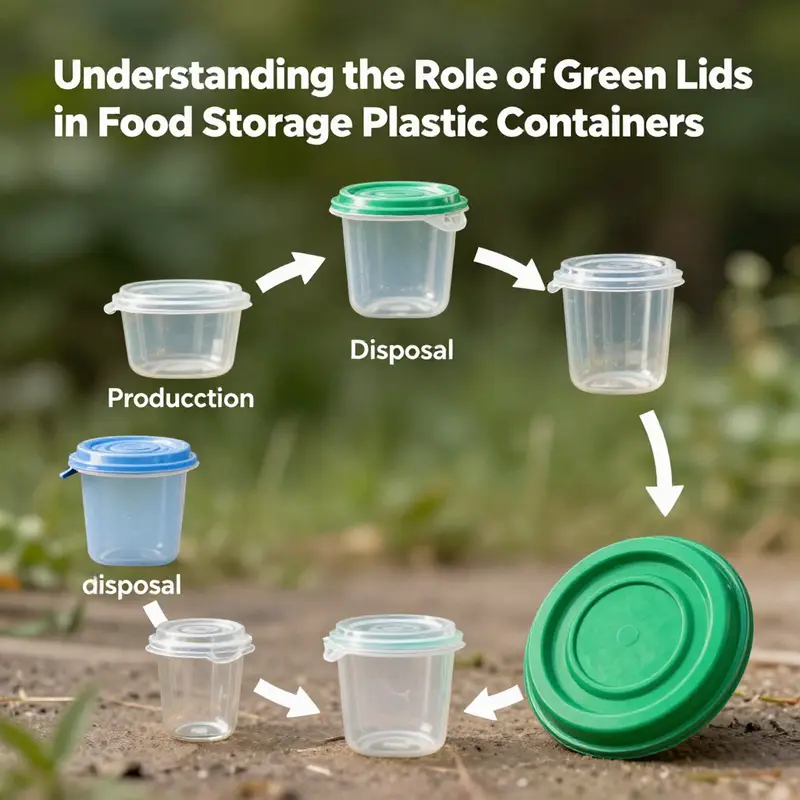
The green lid on a plastic food storage container is more than a splash of color on a practical object. It signals accessibility and convenience, yet it masks a deeper conversation about how everyday choices ripple through production lines, consumption patterns, and the many places where waste ends up. When we pull a lid from a shelf, we are not simply selecting a container; we are selecting a probability distribution of energy use, chemical exposure, and end-of-life outcomes. This chapter explores that complexity in a cohesive arc, threading together life cycle thinking, material options, and the practical decisions that shape what ends up in the atmosphere and in landfills. The discussion does not attempt to demonize plastic lids or to elevate any single material as flawless. Instead, it invites a nuanced view: the environmental performance of green-lidded plastic containers is a product of material chemistry, design for reuse, the strength of recycling systems, and the behavior of consumers across years of use and disposal.
A life cycle perspective helps reveal why a seemingly simple item—the lid—can have outsized implications. At cradle, the journey begins with fossil fuels or biobased feedstocks, depending on the polymer type. Polypropylene, one of the common choices for food storage containers, requires energy-intensive processes to extract, refine, and polymerize the base materials. The color and additives used to produce a green lid are not merely aesthetic; they influence processing characteristics, safety certifications, and the stability of the final product. The production phase, in many assessments, shows notable environmental footprints, including emissions associated with non-carcinogenic toxicity and resource use. Yet the story cannot end there, because the use phase—the period of everyday storage and repeated handling—offers opportunities to reduce heat, moisture, and oxygen exposure that would otherwise drive food waste and associated environmental costs.
What follows is not a simple binary of good versus bad plastics. It is a nuanced assessment of how different materials perform along the lifecycle and how policy and consumer behavior can tilt the balance toward lower overall impact. A central finding from comprehensive life cycle analyses is that polypropylene containers, including those with green lids, often exhibit higher initial environmental burdens during production. This burden reflects the energy and material inputs required to extract and refine fossil fuels, to polymerize polypropylene, and to incorporate colors and additives that meet safety standards and consumer expectations. However, this production-side disadvantage can be offset by robust recycling when the systems exist to collect, sort, and reprocess PP into useful new products. In cradle-to-grave terms, recycling PP can yield substantial benefits—studies suggest reductions in total environmental impact by as much as about 73 percent when recycling replaces waste-to-energy pathways. The real hinge, therefore, is the infrastructure and the social behavior that drive recycling rates. Without effective recycling programs and widespread participant engagement, the potential gains from recycling do not materialize, and the environmental case for reusable plastics weakens.
The organization of this life cycle conversation also turns on the availability and performance of alternatives. In regions where recycling infrastructure is underdeveloped or where consumer participation rates are low, certain biodegradable or low-order-impact options may appear attractive at first glance. For example, plant-derived or compostable alternatives—such as polylactic acid (PLA) coatings or PLA-coated kraft paper—can, in some circumstances, reduce emissions linked to landfilling or energy use during disposal. Yet these alternatives are not a universal remedy. PLA and similar biopolymers still rely on production chains that consume energy and resources, and their end-of-life outcomes hinge on the presence of industrial composting facilities or specific waste separation streams. In other words, a lower burden in one stage of the life cycle can be offset by higher burdens in another stage or by a lack of appropriate end-of-life processing. The environmental math, therefore, is sensitive to local contexts and to the configuration of waste-management networks that determine whether a given material actually cycles back into new products.
The argument for reuse adds another layer of clarity to the discussion. Reusable plastic containers, when designed for repeated use, demonstrate clear environmental advantages over single-use equivalents. A growing body of evidence suggests that the environmental benefits of reuse multiply with the number of times a container is employed, provided it remains functional and safe for repeated food contact. Design features that support longevity—such as robust seals, durable walls, and stackable forms that minimize space during storage and transport—help maximize the per-use environmental savings. In this sense, the green-lidded container can be part of a sustainable loop if it is used consistently over time and if the product’s lifecycle design prioritizes durability and safe reuse. Certifications that attest to food-grade safety, while essential for health, also signal that longevity and reusability are compatible with regulatory expectations, rather than being mutually exclusive goals.
From the consumer standpoint, material choice matters, but it is not the sole determinant of sustainability. BPA-free labeling has become a common practice in the industry, reflecting concerns about chemical migration under heat and with fat or acidic foods. Yet recent research cautions that replacing BPA with chemically similar substitutes, such as BPS or BPF, may not eliminate risk entirely. The takeaway is not to abandon plastic lids but to understand that safety and environmental performance are intertwined. For those seeking a balance between performance and environmental responsibility, the options converge on a few principle themes: selecting materials that are clear about their safety certifications; emphasizing designs that enable long-term reuse; and supporting systems that close the loop through efficient collection, sorting, and recycling. This trio—safe chemistry, durable design, and effective end-of-life management—defines a more sustainable pathway for green-lidded containers.
The external environment in which these products exist also shapes their ultimate impact. Waste management policy plays a critical role in determining how much of the plastic used in green-lidded containers returns to the economy as a feedstock for new products rather than ending up in landfills or incinerators. Extended producer responsibility (EPR) policies, for instance, can incentivize manufacturers to invest in more recyclable designs and to establish take-back schemes that make recycling convenient for consumers. In tandem with consumer education about sorting and recycling, such policy measures can lift recycling rates and, in turn, enhance the cradle-to-cradle potential of plastic food storage systems. In the absence of these systemic improvements, the perceived eco-friendliness of a green lid is often more about branding than about material performance and lifecycle outcomes.
With these considerations in mind, it is helpful to frame the green lid debate not as a repudiation of plastic entirely but as a call to align material choice, product design, and waste-management infrastructure with real-world reuse and recycling opportunities. When consumers opt for containers designed for durability and safe reuse, and when municipalities provide reliable collection and processing, the environmental costs associated with the production phase can be meaningfully offset by end-of-life gains. Conversely, if recycling systems are weak, or if reuse is impractical due to design flaws or store-age policies, the same plastic can impose a heavier burden over time than more inherently recyclable or compostable alternatives. This nuance informs a practical approach to sustainable storage: choose materials with proven safety credentials and a track record of reuse, and advocate for stronger recycling and waste-management infrastructures that can convert those materials from potential waste into valuable secondary materials.
To illustrate how this theory translates into real-world choices and policy considerations, consider the availability of alternative packaging designs that prioritize recyclability and reduced environmental impact. For example, there is growing interest in packaging formats that reduce single-use plastic through stackable, space-efficient designs, or by shifting to materials that are widely accepted by curbside recycling programs. While many green-lidded containers rely on polypropylene due to its chemical resistance and clarity, regions facing limits in PP recycling capacity can still realize environmental benefits by selecting designs that facilitate separation and processing of materials. In areas with robust recycling streams, PP’s environmental advantage may be significant once the cradle-to-grave footprint is evaluated. In places lacking such infrastructure, though, the balance may tilt toward alternatives that are more easily processed or that yield lower emissions in end-of-life phases, such as certain forms of paper-based packaging or reusable silicone-based solutions.
For readers seeking to connect theory with practical options, it is useful to explore the broader ecosystem of eco-conscious packaging as a companion to plastic containers. One avenue for broadening the lens is to consider packaging designs that are explicitly oriented toward reuse and recyclability across a range of products, including takeout and home-storage contexts. The idea is not to abandon plastics outright but to reimagine how containers are produced, used, and disposed of so that each lifecycle stage contributes less environmental burden. This approach acknowledges the realities of consumer habits and municipal waste systems while still pushing for technical improvements in materials, processing, and product architecture. When you encounter a green-lidded plastic container, you are witnessing a nexus point where chemistry, engineering, policy, and daily practice meet. The better we understand that intersection, the more effectively we can steer toward outcomes that minimize harm while preserving the benefits of convenient, safe, and sanitary food storage.
An important practical implication of this analysis is how to communicate about environmental performance without oversimplifying. Consumers deserve clear signals about what their choices mean in the context of their local waste systems. Manufacturers and retailers, in turn, bear a responsibility to disclose the lifecycle implications of different lid and container designs, including the recyclability of the materials and the expected performance in actual use. In this shared space, one constructive path is to emphasize design-for-reuse principles: improve seal durability, enable easy cleaning, and ensure compatibility with stacking and storage that reduce space and resource use. These design choices, when paired with reliable recycling and consumer participation, can shift the environmental balance in meaningful ways. They also help reconcile the tension between aesthetic appeal—often the reason a lid color like green is chosen—and long-term ecological accountability.
Finally, while this discussion centers on the environmental dimension of green lids and plastic containers, there is a broader narrative about how we measure value in packaging. Environmental performance, food safety, convenience, and cost are all part of a complex equation. The best outcomes arise when all stakeholders—consumers, manufacturers, policymakers, and waste-management professionals—collaborate to align these dimensions. In practice, that means promoting recyclable designs, supporting robust recycling infrastructure, and encouraging reuse when feasible. It means recognizing that a green lid is not inherently sustainable but that it can participate in a sustainable system if its life cycle is carefully managed. It also means acknowledging regional differences in waste-management capabilities and tailoring expectations to local realities rather than applying a one-size-fits-all standard. The overarching aim is not to vilify or sanctify any material but to illuminate how material choices, product design, and societal systems interlock to shape the true environmental footprint of green-lidded plastic containers.
For readers who want to explore the material and lifecycle trade-offs in greater depth, a detailed methodology and dataset are available in the Environmental Engineering Research study linked in the references. This external resource provides a rigorous cradle-to-grave comparison that underpin points raised here, including the quantified potential reductions from recycling and the nuanced performance of PLA-based alternatives under different disposal scenarios. See the full study for a technical treatment of the assumptions, boundaries, and sensitivity analyses that define these conclusions. https://doi.org/10.4491/eer.2023.729
To connect these ideas to a broader ecosystem of packaging, consider exploring packaging designs that emphasize recyclability and reuse across different product categories. For instance, the packaging landscape includes a variety of container formats and materials—some designed to minimize single-use waste, others crafted to be reused many times with consistent performance. A relevant example in the ecosystem of sustainable takeout and home-storage solutions is a line of eco-conscious packaging options that prioritizes user-friendly disposal streams and materials with well-established recycling pathways. This broader context helps situate the green lid within a spectrum of choices, highlighting that meaningful environmental gains are achievable when design, policy, and behavior align across multiple touchpoints.
Ultimately, the environmental footprint of green lids on plastic food storage containers is not fixed. It is dynamic, shaped by how the product is produced, used, reused, and finally recycled or disposed of. The most compelling path toward sustainability combines durable, safe materials with effective end-of-life management and a cultural commitment to reuse and responsible disposal. In that convergence lies the potential for a future where the simple green lid remains a practical ally in food storage while contributing to a healthier planet rather than to a crowded waste stream.
Internal link: For a broader look at sustainable packaging options that align with reuse and recyclability, see the article on eco-friendly takeout packaging and containers. eco-friendly takeout boxes for food packaging.
Beyond Green Lids: High-Performance Alternatives for Safer, More Sustainable Food Storage
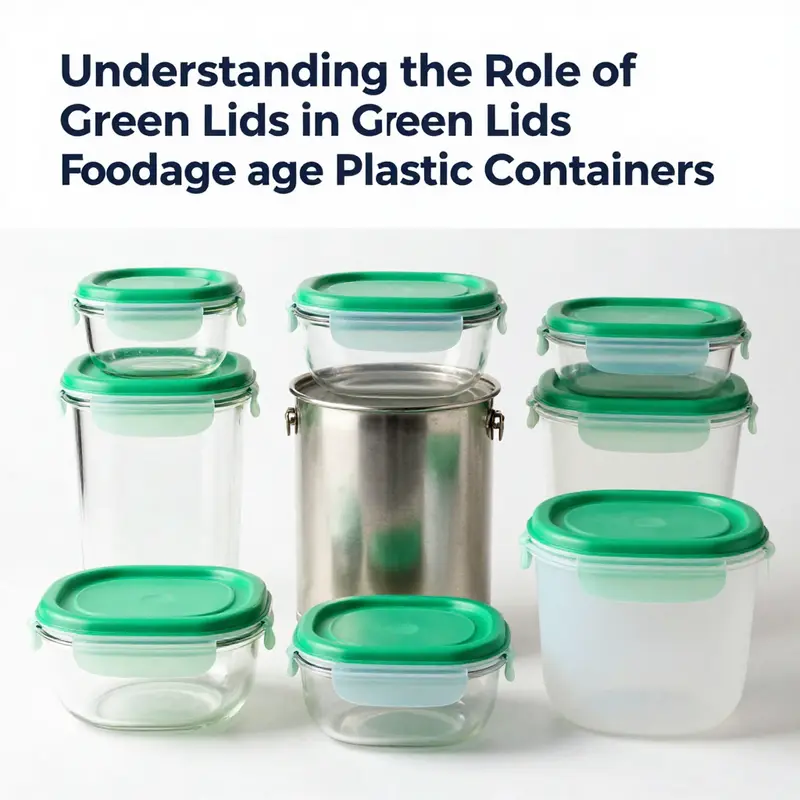
A practical look at storage materials goes beyond color cues to focus on safety, durability, and end-of-life impact. This chapter compares glass, silicone, plant-based plastics, and stainless steel as durable options that support healthy, waste-conscious kitchens. Glass offers inert storage and flavor neutrality, though is heavier and breakable. Silicone provides flexible seals and broad temperature tolerance, with careful consideration of disposal. Plant-based or recycled-content plastics can reduce fossil-fuel use when used within their design envelope and recycling options. Stainless steel delivers rugged durability and easy recyclability, but is not microwave-safe. The chapter emphasizes matching each material’s strengths to real-life routines—long-term storage, reheating, travel, and daily use—so families can assemble a resilient, low-impact system rather than chase a single “green” label.
Final thoughts
Understanding the implications of using green lids in plastic food storage containers is vital for businesses committed to safety and sustainability. As we explored, safety concerns regarding chemical migration, the significant environmental impact of plastic, and high-performance alternatives highlight the importance of selecting appropriate materials. Transitioning to glass, silicone, or stainless steel containers can enhance safety and reduce environmental burdens, aligning with sustainable practices in food service. This knowledge aids in making informed decisions that not only protect customers but also promote a healthier planet.