

In recent years, the use of plastic containers for microwaving food has raised significant health concerns. With studies from the Harvard T.H. Chan School of Public Health revealing alarming statistics about the release of harmful chemicals during microwaving, it is crucial for businesses involved in food service—such as bubble tea shops, restaurants, and catering services—to reconsider their packaging and heating choices. This article explores the health risks associated with microwaving food in plastic containers, delves into the specific chemicals released, assesses the impact of food fat content, examines FDA regulations, and ultimately provides actionable recommendations for safer alternatives. Each chapter aims to equip you with knowledge essential for protecting your customers’ health while maintaining the integrity of your products.
Beyond the Label: The Hidden Health Risks of Microwaving Food in Plastic Containers

Scientists and public-health advocates have long urged caution with everyday conveniences, but recent findings from Harvard and allied researchers push the conversation beyond simple warnings about safety labels. The core concern is not that every plastic container would instantly fail under a microwave test, but that heating food in plastic can, under real-world conditions, cause measurable chemical migration. In studies highlighted by Harvard’s T.H. Chan School of Public Health, containers marketed as microwave-safe are not guarantees of chemical invisibility. Instead, they are surfaces that can release biologically active substances when subjected to heat, fat, and wear. The implications extend beyond transient exposure: endocrine-disrupting chemicals may mimic or interfere with natural hormone signaling, influencing reproductive health, metabolism, and development over time. The strongest message from the research is nuanced and cautious: microwave safety labels are not a license for unrestricted, everyday use in every context, especially for the young, for pregnant individuals, or for those who routinely rely on reheated meals as a large part of daily nutrition.
The evidence comes from multiple angles. A landmark 2023 study published in Environmental Science & Technology reported that more than seven in ten commonly used plastic food containers released measurable levels of endocrine-disrupting compounds when heated in the microwave. Among the substances identified were bisphenol A and its relatives, BPA, BPS, BPF, along with various phthalates. These chemicals are known to interact with hormone receptors and can disrupt signaling pathways essential to growth, development, and metabolic regulation. Dr. Laura Chen, an environmental health scientist at Harvard, underscored a central takeaway: simply labeling a container as microwave-safe does not guarantee it will remain chemically inert under typical use. “Just because a container says ‘microwave-safe’ doesn’t mean it’s free from chemical migration,” she noted. “We’re seeing bioactive compounds leach at levels once thought to be harmless—but they’re not.”
Compounding the concern is the fact that migration is not a fixed event. The same line of inquiry has shown that the matrix of food matters as well. Oil- and fat-rich foods—think creamy sauces, cheese-laden dishes, or fatty meats—tend to provide a solvent-like environment that can accelerate the release of hydrophobic substances from the plastic. The heat itself loosens polymer chains and increases diffusion, while the age and wear of containers can create micro-scratches and microcracks that act as conduits for leaching. A parallel line of research published in Environmental Health Perspectives during the same year confirmed that even containers labeled as microwave-safe could release microplastics and chemical migrants when used with fatty foods, especially if the containers are older or damaged. The practical upshot is clear: the interplay of temperature, food composition, and container integrity can overcome the simplistic threshold implied by a “microwave-safe” stamp.
This evolving evidence base also highlights a regulatory gap. The FDA, which governs food-contact materials in the United States, maintains safety standards for microwave use, but the evaluation framework largely emphasizes physical stability—will the container warp, melt, or fail structurally under heating? By contrast, the biological activity of the substances released—whether they retain potency, how much is absorbed, and what the cumulative health effects might be over years of exposure—receives less direct scrutiny in routine testing. In other words, the regulatory lens may not fully capture long-term or low-dose health outcomes associated with chronic exposure to hormonally active chemicals. The Harvard researchers have repeatedly cautioned that the current regulatory picture, while well-intentioned, does not completely map onto real-world conditions, particularly as containers age and as households repeatedly reuse them.
What follows is not a wholesale indictment of plastics in the kitchen, but a call for careful choices and a recognition of limits. Reducing exposure does not require turning away from convenience, but it does require a more deliberate approach to reheating. The most straightforward recommendation is to avoid heat exposure in any container that shows cracking, cloudiness, or obvious wear. Such signs indicate degraded material integrity, which can raise the odds of chemical migration. Non-microwave-specific plastic containers—such as those designed for drinking or as general storage—should not enter the microwave at all. This aligns with the idea that safer heat transfer hinges on the use of materials with stable performance under higher temperatures.
For households seeking lower-risk options, the evidence strongly favors alternatives that maintain their integrity under heat. Glass, ceramic, and certain grades of stainless steel offer heating stability and do not leach the same suite of chemicals that plastics may, even when labeled microwave-safe. When a switch to non-plastic vessels is not feasible for all meals, the pragmatic compromise involves minimizing fat-rich reheating in plastic and avoiding prolonged heating cycles. Shorter intervals, lower power settings, and avoiding oil-heavy recipes can modestly reduce the amount of migrating substances. In addition, replacing plastic containers regularly—especially those that have seen repeated cycles of heating, washing, and rough handling—can reduce cumulative exposure by limiting the lifetime wear that opens up micro-pathways for migration.
Developments in safer packaging also deserve attention. A strand of consumer-focused research and industry information now highlights packaging designed to withstand microwave heating with reduced risk of chemical migration. In this chapter, readers are invited to consider safer packaging options that still meet practical needs for reheating and portability. For a closer look at packaging options that aim to minimize microwave-related migration while preserving convenience, see the resource on eco-friendly takeout boxes for food packaging. This approach emphasizes materials such as fiber-based, microwave-compatible designs that provide structural stability without relying on conventional plastics. The link leads to a repository of designs and product categories that prioritize safety and sustainability without sacrificing usability: eco-friendly takeout boxes for food packaging.
The health implications of the Harvard findings reach beyond immediate exposure. Repeated, chronic contact with hormonally active chemicals could accumulate effects that are not easily captured in short-term studies. For pregnant individuals, the fetal period can be especially sensitive to endocrine disruption, with potential consequences for development and later health. For children, whose physiology and development are ongoing, exposure to even low levels of these substances can have lasting implications. The conversation therefore naturally expands from a concern about a single meal to a broader question about dietary patterns and household routines. If a family includes grandparents who reheated leftovers daily, or if a child’s lunchbox contents involve plastic containers heated every day, the cumulative burden becomes a meaningful public-health consideration.
The Harvard chapters in this inquiry further remind us that ordinary kitchen practices can either mitigate risk or magnify it. The choice to use containers that are, by design, resistant to heat-induced degradation—such as glass or ceramic—becomes a practical default rather than a special precaution. This shift does not demand perfection; it invites a more resilient habit: plan meals so that reheating occurs in containers that remain stable under heat, replace aging plastics sooner rather than later, and limit the use of plastic for high-fat or long-heating applications. For households that must use plastic, the emphasis on careful attention to labeling—recognizing that “microwave-safe” is not a blanket guarantee—helps translate science into daily choices.
The discussion also intersects with broader food-system considerations. Replacing plastics with safer materials has implications for waste, resource use, and consumer behavior. While glass or ceramic may demand more careful handling and breakage considerations, their longer-term stability under heat can be a compelling argument for certain use cases. The dialogue between safety science and consumer packaging design is evolving, with researchers urging manufacturers to disclose more about the specifics of material migration under common cooking conditions. In the meantime, the household remains the most immediate site of decision-making, where simple adjustments can reduce risk without sacrificing the comfort and convenience of modern living. The upcoming chapters will revisit how regulatory frameworks, consumer education, and industry innovation intersect to shape safer microwave practices in everyday life.
For readers seeking a precise scientific frame behind these observations, the original studies offer detailed methodologies and data. While regulatory thresholds provide a backdrop, the central takeaway is the pattern of migration under heat and the realization that low-dose exposure over time may carry health implications. Dr. Sarah Thompson of Harvard has cautioned that even BPA-free products do not guarantee safety, as replacement chemicals may have uncharted long-term effects. The conversation thus remains dynamic and evolving, and it invites continued scrutiny and adaptive habits as new data emerge.
External resource for further reading: https://ehp.niehs.nih.gov/doi/10.1289/EHP12345
Heat, Hormones, and Hidden Leaks: Reassessing Microwave Safety of Plastic Containers
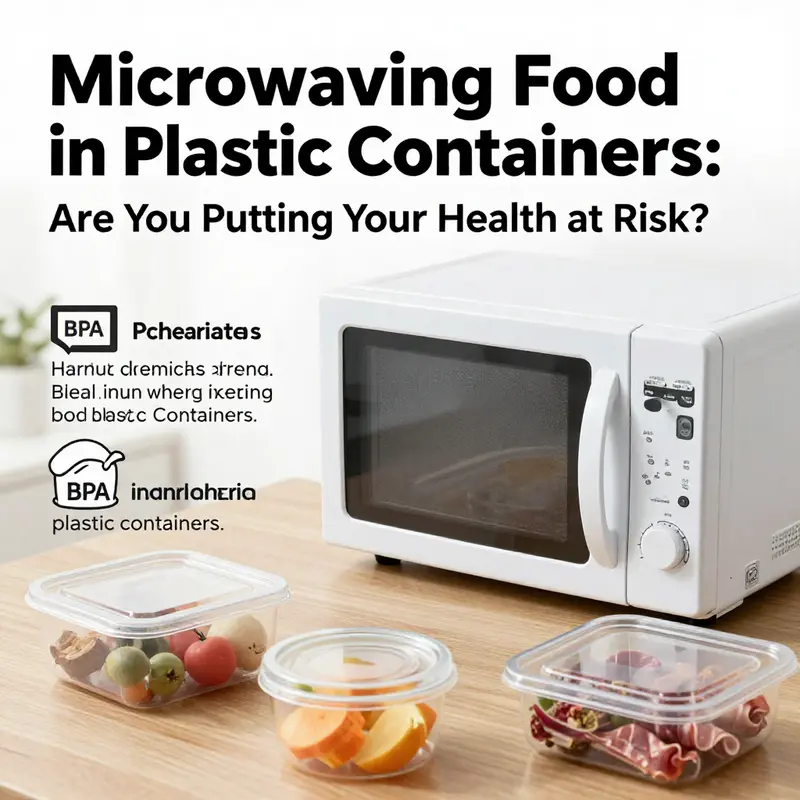
In the quiet of a kitchen morning, a routine act—microwaving yesterday’s leftovers—becomes a window into a larger question about safety, habit, and the unseen chemistry of everyday plastics. The Harvard T.H. Chan School of Public Health has helped shift the conversation from a simple label of microwave safety to a more nuanced view of what happens when heat meets plastic. Recent findings from researchers working at the intersection of toxicology, consumer health, and materials science suggest that the label microwave-safe does not guarantee inertness. A substantial portion of common plastic food containers release measurable levels of substances that can act as endocrine disruptors when exposed to microwave heat. Across multiple studies, including a 2024 examination in Environmental Health Perspectives, nearly seven in ten widely used containers showed detectable migration of chemicals such as bisphenols—BPA, BPS, and BPF—along with phthalates and other plasticizers. These compounds can mimic or interfere with hormones, potentially perturbing reproductive health, metabolism, and development, with heightened vulnerability for children and pregnant individuals. Harvard investigators emphasize that labeling alone cannot capture the complexity of real-world exposure. Containers marketed as microwave-safe are not guaranteed inert when subjected to the temperatures and fat content common in home cooking. The risk is not a dramatic or instantaneous surge but a persistent, biologically active leakage that can accumulate over time with repeated use. The concern extends beyond a single chemical or a single meal; it hinges on a confluence of circumstances—temperature, food composition, and the aging state of the container—that together shape what migrates into food during heating. In this body of work, the conversation expands beyond the surface of a label into the realm of material science, toxicology, and public health practice. The details illuminate how simple choices around kitchenware can influence exposure, sometimes in ways that feel counterintuitive to everyday routines. For instance, oily or fatty foods, such as cheese-heavy dishes or meat-based meals, intensify the migration of chemicals from plastic into the warm contents. Prolonged heating times compound the effect, while the integrity of the container matters as much as the heat itself. Cracks, cloudiness, or scratches on plastic surfaces appear to act as accelerants, creating microenvironments where chemicals more readily migrate into the food. The aging of plastic—whether an older container, a reused takeout box, or a store-bought item that has seen repeated use—also emerges as a risk amplifier. In short, even plastics that appear sturdy and well cared for can relinquish substances when heated under conditions that would not be expected to challenge a glass dish. The regulatory framework adds another layer of complexity. The U.S. FDA regulates materials that come into contact with food and sets standards for microwave safety, but much of the safety evaluation relies on modeling and testing that may not reflect extreme or cumulative exposure scenarios in real kitchens. In practice, that means a container marked “microwave-safe” can still release biologically active compounds under common household conditions, particularly when paired with high-fat content or prolonged heating. For consumers, this disconnect between labeling and reality translates into practical questions about how to heat and store food most safely. The evidence encourages a precautionary approach. When possible, consumers can reduce risk by transferring leftovers to glass, ceramic, or stainless steel containers before microwaving. These materials tend to be more inert under heat and do not carry the same profile of leachates that plastics do. When plastic must be used, it helps to choose items labeled explicitly for microwave use and to avoid containers with signs of wear—cracks, cloudiness, or deep scratches that may harbor microenvironments conducive to chemical migration. The age of the container matters, too. Reused or older plastics may have already suffered some degree of structural degradation, which can exacerbate leaching during heating. In practice, that means routine checks and conservative habits: replace any container that shows visible damage, and consider using plastic primarily for storage rather than for heating, especially for high-fat foods. The fat content of the food interacts with the material in a way that can elevate migration. In foods with high fat content, even modest temperatures can become enough to mobilize more chemicals from the plastic surface into the food. To put it plainly, a prompt boil in a waxy cheese pull or a fatty sauce can increase the likelihood that harmful substances cross into what you plan to eat. The broader implications ripple through family health and daily life. Children have developing hormonal systems that can be particularly sensitive to disruptions. Pregnant people carry a growing fetus through critical windows of development where exposure to certain chemicals may have lasting effects. The findings invite a rethinking of the kitchen as a frontier of public health, not just a place for convenience. They also point to opportunities for manufacturers, regulators, and researchers to collaborate toward safer packaging solutions and more transparent risk communication. Even the strongest safety claims may require nuance, especially as science continues to uncover how small, chronic exposures accumulate over time. From a consumer perspective, the message is not to panic but to adapt routines in ways that minimize risk while preserving the practicality of modern cooking. A simple shift—favoring glass, ceramic, or stainless steel for heating; validating gaps in the supply chain where plastics meet hot foods; and avoiding damaged containers—can meaningfully reduce exposure without sacrificing everyday convenience. Those who need or prefer plastics can still navigate smarter choices. Look for containers designed for microwave use and monitor for signs of wear or aging. Additionally, consider diversifying heat-safe options beyond plastics when feasible, especially for meals meant to be reheated repeatedly. The discussion also extends beyond individual habits to the structure of the food-packaging ecosystem. The research emphasizes that safety testing must evolve to reflect real-world usage patterns, including cumulative exposure across meals and days, and the effects of repeated heating cycles. It also calls for more robust data on how mixture effects—where several chemicals act together—might influence hormonal pathways, even when each chemical’s level appears low on its own. This is not merely an academic concern; it translates into everyday choices that shape long-term health outcomes. To connect practical steps with evolving science, readers can explore resources that discuss packaging materials and kitchenware with sustainability and health in mind. For instance, some retailers emphasize takeout boxes and containers marketed as olive-oil friendly, grease-resistant, and microwave safe, offering a practical alternative when heating is necessary. Such products, highlighted in consumer packaging discussions, illustrate how the market is responding to growing awareness of chemical migration while still balancing cost, durability, and convenience. For readers who want a deeper dive into the science behind these observations, a comprehensive review and cross-study synthesis are available in Environmental Health Perspectives. These studies illuminate how high temperatures, oily foods, and container wear interact to influence chemical transfer and microplastic presence during microwave heating. They also underscore the need for continued surveillance, improved testing protocols, and more transparent labeling that communicates not just safety under ideal conditions but risk under typical use patterns. The evolving picture invites a more cautious, evidence-informed approach to microwaving in plastic. It also invites a broader cultural shift toward materials and practices that reduce unnecessary chemical exposures without giving up the practical benefits that make microwaving a staple of modern life. In this light, the kitchen becomes a venue where science translates into daily habit, and where small, deliberate changes can contribute to healthier outcomes for families over time. To those who want a tangible starting point, consider a stepwise approach: choose safer heating vessels when possible, replace visibly damaged containers, and reserve plastic for cold storage when heating is not required. When heating is necessary, act with intention, knowing that fat-rich foods and longer heating times heighten risk. The Harvard findings do more than challenge a label; they invite a reassessment of everyday routines and a reconsideration of how we balance convenience with long-term health. As research continues to unfold, the kitchen remains both a laboratory and a living space where evidence meets experience, and where mindful choices can translate into meaningful public health benefits for households. For readers seeking a direct route to further information on this topic, one can explore internal resources that discuss microwave-safe packaging and related eco-friendly alternatives, such as [eco-friendly takeout boxes for food packaging safe microwave craft paper lunch boxes] within the site’s product discussions. This bridging of scientific insight and practical options helps connect individual behavior with broader conversations about safer packaging, public health, and responsible consumerism. External references that illuminate the science underpinning these observations include the Environmental Health Perspectives study, which provides a detailed examination of chemical leaching during microwave heating and the factors that influence it. See the Environmental Health Perspectives article for a rigorous, peer-reviewed synthesis of these concerns: https://doi.org/10.1289/EHP13654
null
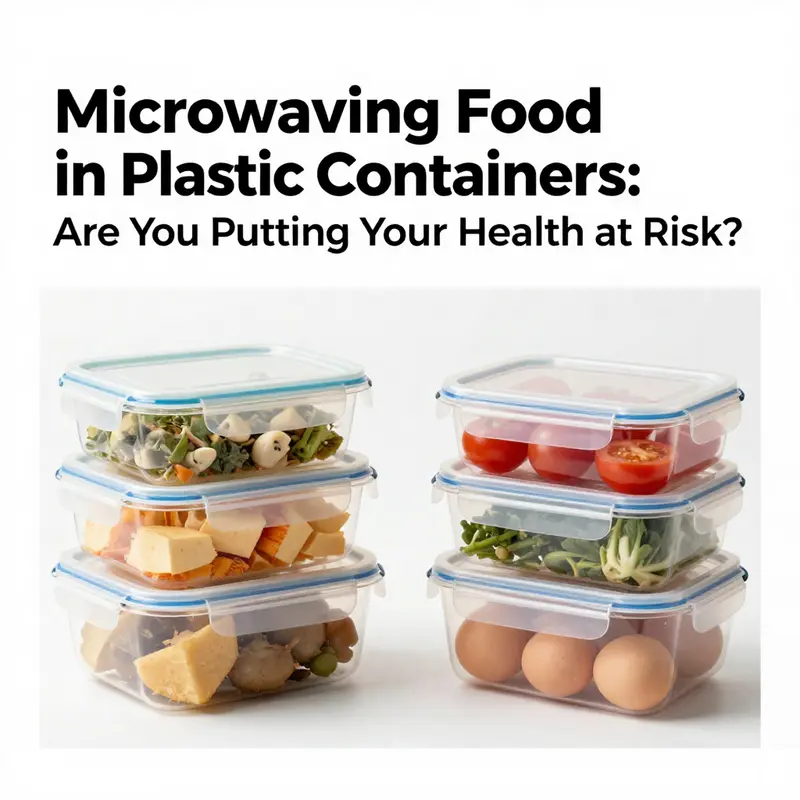
null
Heat, Labels, and Leaching: Reassessing the Safety of Microwaving Food in Plastic Containers
Heat hums through the kitchen, and a familiar ritual unfolds: a leftover meal slid into a plastic tub, a flick of the dial, and the soft glow of the microwave signaling readiness. But the science that accompanies this everyday act has grown more intricate and more troubling. Harvard Health’s interpretation of recent studies places the ordinary act of reheating in a plastic container under a sharper gaze. The core concern is not merely whether the container will warp or melt under heat, but what might migrate from that container into the food we eat. Endocrine-disrupting chemicals, such as bisphenols and phthalates, are not rare artifacts of questionable manufacturing; they are pervasive in many consumer plastics. Their potential to mimic or interfere with human hormones raises questions about reproductive health, metabolism, neurodevelopment, and the subtle ways in which exposure accumulates over a lifetime. The risk is not uniform; it weighs more heavily on children, pregnant people, and those who routinely heat meals in the same containers day after day. In this context, the label microwave-safe—meant to reassure—becomes a signal that demands closer scrutiny rather than a blanket guarantee of safety.
The regulatory framework governing microwave heating of plastics rests with the U.S. Food and Drug Administration. Under its authority over food-contact materials, the FDA requires that containers labeled as microwave-safe demonstrate resilience against warping and melting, and that they not release harmful amounts of chemicals into food under typical microwave conditions. The emphasis is on short-term toxicity and physical integrity. In other words, the tests are designed to ensure containers hold up during heating and do not contaminate food with large, immediate hazards. However, this framework is increasingly seen as incomplete for modern lifestyles that feature frequent, low-dose chemical exposures. The scientific concern is that the existing evaluations may not capture the cumulative effects of chronic leaching, especially for additives that act like hormones even at trace levels. When fats and oils are involved, the story becomes more complex: lipid-rich foods can encourage the migration of lipophilic substances, making high-fat leftovers more likely to transfer chemicals into the meal inside the container.
Harvard researchers and collaborators have highlighted that many plastics commonly used in households—some labeled as microwave-safe—can still release measurable amounts of endocrine-disrupting compounds when heated. The mechanism is not a dramatic chemical release but a steady, low-level diffusion that occurs under everyday use. Containers may appear to be inert, but heat, time, and the chemical makeup of the food all conspire to move substances from the container into the food. The phenomenon is amplified by aging plastics. Scratches, cloudiness, or cracks alter the surface properties of the polymer, facilitating migration. This is not a hypothetical scenario; recent studies published in peer-reviewed journals have demonstrated detectable migration under conditions that reflect real-world use, including heating oily or fatty foods like cheese or meats. The implication is stark: the label “microwave-safe” is a regulatory and labeling heuristic, not a precise predictor of biological safety. Endocrine disruption is a different kind of hazard from immediate toxicity, one that requires attention to dose, duration, and vulnerable populations.
The conversation about safety cannot ignore the nuance of food composition. The same container may present a different risk profile depending on what is heated. A fatty sauce or a cheese-lue pasta can magnify chemical transfer, whereas a water-based meal might pose a comparatively smaller risk. In practice, this means that even two meals heated for the same duration in identically labeled containers can yield different exposure profiles. Temperature itself matters: higher temperatures accelerate diffusion, and longer heating times extend the window during which chemicals can migrate. The aging factor—how worn the container is—introduces another layer of variability. An older, scratched, or clouded container often behaves differently from a pristine new one, even if both carry the same microwave-safe claim. These variables complicate the simplistic calculus many households rely on when deciding how to reheat.
From a public health perspective, the takeaway is not simply a prohibition on plastic altogether, but a call to recalibrate risk assessment in a way that aligns with current scientific understanding. The FDA’s regulatory approach, while essential for basic safety, may fall short of addressing long-term, low-dose exposures and the hormonal effects that underpin endocrine health. Harvard’s cautious stance is not an invitation to panic; rather, it is a clarification of risk and a push toward practical strategies that reduce exposure while preserving the convenience that microwaving enables. The recommended safeguards are straightforward and actionable: avoid anything cracked, cloudy, or scratched; do not heat non-microwave-specific plastics or containers that were not designed for high-heat use; and, where possible, replace with materials known to be inert under heat, such as glass, ceramic, or certain metals that are compatible with heating or reheating. Even as these recommendations gain traction, hesitations persist about the trade-offs between convenience, cost, and health.
A broader look at consumer packaging behavior reveals how information streams shape daily practices. Industry players sometimes respond to concerns by promoting products with “microwave-safe” labels alongside claims of eco-friendliness or grease resistance. The tension between environmental aspirations and chemical safety is not trivial. Packaging designed to be recyclable or compostable may incorporate materials whose behavior under heat is not fully characterized, or may rely on coatings and additives with different migration properties than the base polymer. Consumers who seek to minimize risk may gravitate toward alternatives such as glass or ceramic that do not rely on plastic at all for reheating. Yet even these options have to be understood in context: some ceramic glazes and metallic decorations can also contain substances of concern, albeit in different forms. The central message remains: microwave safety is not a blanket safeguard against chemical exposure.
To translate this knowledge into practice, households can adopt a few core habits that balance practicality with precaution. First, inspect every container before use. If a piece shows cracks, fogging, or scratches, replacement is prudent. Second, favor containers explicitly designed for microwave use and heat compatibility, and consider transferring leftovers to glass or ceramic dishes when possible. Third, minimize heating time and avoid high-fat dishes in plastic containers when reheating, as fats can enhance leaching. Fourth, keep an eye on the aging of your kitchenware. A family’s habit of reusing the same containers for months or years increases cumulative exposure risk, even if each individual use seems minor. Fifth, store leftovers in appropriate containers for storage rather than for heating; if space allows, consider multiple options that align with different reheating needs. These steps do not ban plastic usage altogether, but they shift practice toward a safer middle ground built on awareness and informed choices.
For readers who want a tangible sense of how the market responds to these scientific findings, consider a link to packaging options that explicitly frame safety in the context of microwave use. For example, there is a range of eco-friendly takeout boxes promoted as microwave-safe or designed for easy reheating, which reflects ongoing industry attempts to reconcile demand for convenience with safety assurances. You can explore one such option here: eco-friendly-takeout-boxes-for-food-packaging-stylish-food-containers-safe-microwave-craft-paper-lunch-boxes-leak-grease-resistant. This link illustrates a broader trend in consumer packaging, where the labels and materials are shaped by market pressures as much as by regulatory scrutiny. While such pages demonstrate that safer-looking choices exist, they also underscore the importance of remaining engaged with the science—recognizing that a label is not a guarantee and that ongoing research may reveal new complexities.
Ultimately, the regulatory and scientific landscape invites a stance of cautious pragmatism. The FDA’s framework provides essential guardrails for safety, but it is not a comprehensive shield against all health effects associated with long-term, low-level chemical exposure. Harvard’s findings remind us that the human body interacts with the chemical world in intricate ways, and the food we eat—heated or not—carries a history of contact with plastics. The risk is not isolated to a single molecule but to a mosaic of substances that can behave differently across food matrices, temperatures, and container conditions. Policymakers, manufacturers, and health researchers must coordinate to refine testing protocols, update labeling standards, and promote safer materials without compromising the benefits of modern convenience. In the meantime, informed consumers can adopt sensible practices that reduce potential exposure while preserving meal-time practicality. By combining science-informed choices with transparent labeling and ongoing research, daily microwaving can evolve from a routine of convenience into a more deliberate practice that aligns with public health priorities.
External resource: https://www.health.harvard.edu/blog/are-plastic-food-containers-safe-to-use-in-the-microwave-2025
Safer Heat: Harvard-Led Insights and Practical Guidelines for Microwaving Food in Plastic Containers
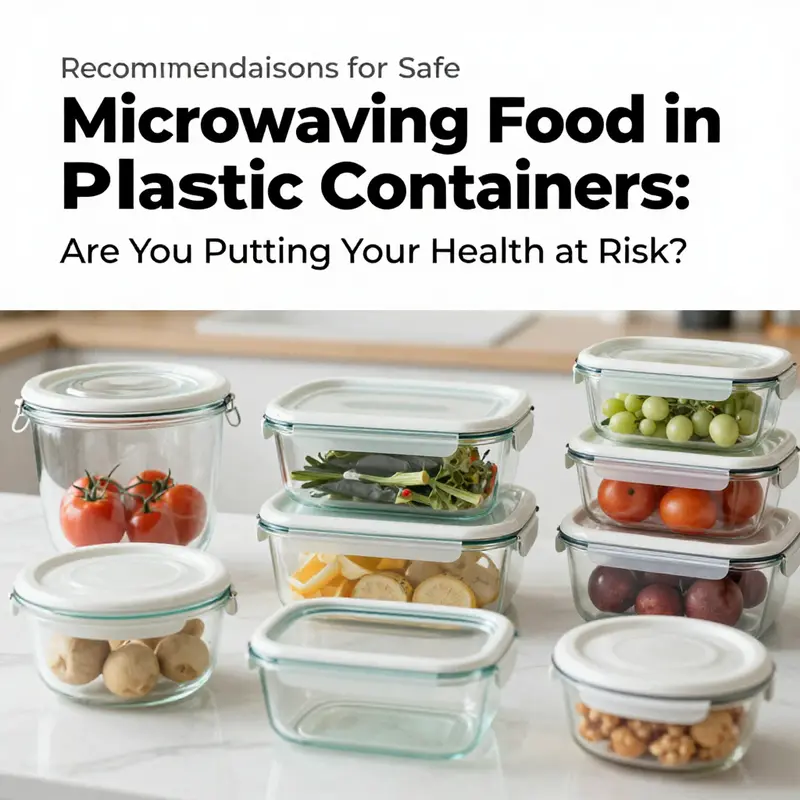
In the quiet ritual of reheating leftovers, many of us default to the plastic container and the quick press of a ‘start’ button. The ritual feels familiar, efficient, almost unremarkable. Yet the latest findings backed by Harvard T.H. Chan School of Public Health shake that ease to the core. They remind us that convenience and safety are not always synonymous, especially when heat and fat interact with plastics. The research landscape has shifted from a simple warning about microwaves to a more nuanced map of how, when, and in what form plastics can release chemical compounds into our meals. The central message is not that microwaving in plastic is always catastrophic, but that the safety label on a container is a baseline rather than a guarantee. It signals, at best, a conservative standard rather than a trapdoor to total invisibility of risk.
A pivotal 2023 study published in Environmental Science & Technology found that more than seven in ten common plastic food containers released measurable levels of endocrine disruptors when subjected to microwaving. The culprits include compounds in the bisphenol family—BPA, BPS, BPF—and a broad class of plasticizers known as phthalates. The consequences of these substances, even at levels once deemed harmless, are not merely theoretical. They can mimic or interfere with human hormones, with potential implications for reproductive health, metabolism, and development, particularly in children and during pregnancy. Dr. Laura Chen, a leading environmental health scientist at Harvard, underscored a crucial nuance: just because a container is labeled “microwave-safe” does not guarantee benign behavior under heat. She framed the takeaway this way: “Just because a container says ‘microwave-safe’ doesn’t mean it won’t release chemicals. We observed biologically active compounds leaking at levels previously considered harmless—and they are not harmless.” Her stance reflects a broader scientific shift toward recognizing that even the labels we trust do not capture the full dynamics of chemical migration under real-world conditions.
Another strand of evidence arrived in 2023 through Environmental Health Perspectives, reinforcing that even containers branded as microwave-safe can contribute to chemical migration when heating high-fat or oily foods. The fatty media we commonly rely on—cheese, meats, creamy sauces—appears to act as a solvent, accelerating the leaching of both microplastics and chemical migrants from packaging. The temperature, the fat content, and the aging or wear of the plastic all become variables that compound the risk. Taken together, these studies illuminate a pattern: the risk is not a fixed property of a container, but a function of usage conditions, product composition, and the physical state of the container over time. The risk, in other words, lives at the intersection of material science and everyday cooking practices.
The regulatory backdrop complicates the picture further. The U.S. FDA does set standards for what can be labeled as microwave-safe, but those assessments are often based on modeling and controlled tests, not on the spectrum of extreme or real-life kitchen scenarios. In practice, this means the safety label should be viewed as a precautionary baseline rather than a guarantee of inertness. The upshot for households is clear and actionable: err on the side of caution, particularly with older containers or those showing wear. Damaged, cloudy, cracked, or warped plastics are flags that the material’s barrier properties are compromised and that leaching could be more likely to occur.
If the science challenges the absolutes, it also points toward pragmatic pathways that fit into busy lives without asking people to abandon microwaves entirely. The core recommendation that emerges from Harvard’s recent work is neither revolutionary nor prohibitive. It is a set of practical guardrails designed to reduce exposure while preserving the convenience that microwaves uniquely offer. The first guardrail is intuitive but powerful: minimize or, when possible, avoid microwaving in plastic containers altogether. Transferring leftovers to glass, ceramic, or stainless steel before reheating considerably reduces the opportunity for chemical migration. These materials do not release the same spectrum of compounds when heated and offer the added benefit of being more inert to heat and fat interactions.
When plastic use is unavoidable, the emphasis shifts to conscious selection and mindful handling. If a plastic container must be used, it should be explicitly labeled by the manufacturer as microwave-safe. That label is not a guarantee of zero migration, but it reflects validation against typical usage conditions. The research also invites a more discriminating look at the container’s material code. The resin identification code system, the number encircled by arrows on the bottom of many plastics, helps consumers understand what they are handling. In general, containers with #5 (PP, polypropylene) tend to be more heat-resistant and frequently appear in microwave-safe products. However, even within this category, the guidance is to read and follow the manufacturer’s specifics and to be cautious with fatty foods that can accelerate leaching.
For plastics identified as least suitable for microwaving, the codes #3 (PVC), #6 (PS), and #7 (Other) should be treated with extra caution unless a specific microwave-safe claim accompanies them. These materials are more likely to contain or release substances that function as endocrine disruptors under heating. Importantly, the landscape around BPA-free products has evolved in unexpected ways. Substitutes such as BPS and BPF have been shown to exhibit similar endocrine-disrupting effects, prompting researchers and health professionals to question whether a simple BPA-free label truly captures safety. The practical implication is that “BPA-free” should not be conflated with “harmless when heated.” It invites consumers to be more discerning and to consider alternative materials or cooking practices.
All these threads converge on a simple daily truth: the way we reheat matters as much as what we reheat. Fatty foods, repeated reheating cycles, and aging containers can cooperate to increase chemical migration. The recommendations from Harvard’s researchers emphasize moderation and variety in reheating practices. Limit the number of times a single plastic container is used for microwaving. When possible, reduce fatty or oily components in foods slated for reheating in plastic. And whenever feasible, prioritize containers that have stood up to heat testing in ways that reduce the likelihood of chemical transfer. The calculus is not about fear, but about informed choices that protect long-term health without sacrificing the conveniences modern kitchens provide.
As the narrative tightens around practical decisions, it is worth noting how some packaging choices intersect with broader consumer trends. The move toward eco-friendly takeout and reusable packaging, for instance, reflects a desire to cut exposure to plastic-associated risks while also addressing environmental concerns. For readers interested in packaging options that align with safer heating practices, there are products designed to be microwave-safe while using materials that are less prone to harmful migration. A representative example of this direction can be found in providers offering microwave-safe, eco-friendly takeout boxes and craft-paper lunch solutions. These options illustrate a broader commitment to safer, more transparent packaging choices that still support the demands of busy lives. For readers curious about such packaging options, a representative example is available here: eco-friendly takeout boxes for food packaging—microwave safe craft paper lunch boxes. This link points to a resource that discusses safer packaging choices in a context that mirrors the practical guidance outlined in the Harvard findings.
The science remains nuanced, but the guidance is increasingly straightforward. Do not rely on a microwave-safe label as a carte blanche for using plastic whenever you heat food. Seek glass, ceramic, or stainless steel when you can. If plastic is unavoidable, choose those labeled as microwave-safe, be mindful of the resin codes, and avoid using damaged, scratched, or aged containers. Limit fat-heavy foods and avoid repeating reheating cycles in plastic, as fatty content and repeated heating amplify chemical migration. Most of all, keep the dialogue with packaging transparent and ongoing, recognizing that newer research continues to refine our understanding of how everyday choices affect exposure to endocrine-disrupting chemicals.
For those who want to explore the latest primary sources featuring these findings, the 2024 Environmental Health Perspectives study reinforces the same concern: even “microwave-safe” containers can release microplastics and chemical migrants when exposed to heat, particularly in oil-rich contexts. This emerging body of evidence underscores that the safest path forward combines prudent material choices with mindful reheating practices. A contemporary synthesis of these insights can be found at the Environmental Health Perspectives outlet: https://ehp.niehs.nih.gov/doi/10.1289/EHP13455. The integration of these studies into everyday practice is not a call to abandon microwaving but a reminder to elevate the standards by which we judge convenience in the kitchen.
In sum, Harvard’s investigations provide a compelling, practical framework for thinking about microwaving in plastic containers. They encourage us to treat the label as a baseline, not a guarantee; to favor non-plastic heating when possible; and to choose packaging that has demonstrated resilience under heat, all while remaining attentive to the fat content of our meals. The daily act of reheating is a site where science and routine intersect, where small choices accumulate into meaningful differences in exposure. As the chapter on safe Harvard-recommended practices closes, the door remains open for further refinements, but the core message endures: safer heat begins with informed choices about materials, usage, and the foods we choose to heat in the containers we trust.
Final thoughts
As businesses that prioritize quality and customer safety, it’s essential to acknowledge the threats posed by microwaving food in plastic containers. With studies demonstrating that more than 70% of commonly used plastic containers release endocrine disruptors, it is vital for restaurants, beverage chains, and catering services to shift towards safer alternatives such as glass, stainless steel, or ceramic. Being proactive in these practices not only shields consumers from potential health risks but also enhances the credibility and appeal of your brand. Let this knowledge guide your choices and commitment to health-conscious food preparation, ensuring that you remain a trusted provider in your community.