5 Ways Insulated Disposable Food Containers Enhance Customer Satisfaction

The Importance of Insulated Disposable Food Containers in the Food Service Industry

In the fast-paced world of the food service industry, where customer satisfaction is paramount, insulated disposable food containers have emerged as unsung heroes. Imagine a bustling bubble tea shop or catering service, where every second counts and every meal must reach the customer in perfect condition. Insulated disposable food containers play a pivotal role in ensuring that culinary creations maintain their temperature and quality during transit. However, it’s not just about keeping food hot or cold; it’s about enhancing the overall customer experience.

Whether serving up delicious meals on a food truck or delivering gourmet food for a corporate event, these containers offer a solution that combines convenience and reliability. By investing in quality insulated containers, businesses can reassure clients that their food will arrive the way it’s meant to be enjoyed – fresh, hot, and flavorful. This commitment to quality can turn a one-time customer into a loyal patron, helping to set a brand apart in a competitive market.

For food service professionals looking to elevate their offerings, exploring our range of insulated disposable food containers can be a game-changer. With the right packaging, businesses can guarantee their products arrive intact, enhancing client loyalty while promoting sustainability in their practices.

Comparison of Insulated Disposable Food Containers

Are you in the market for insulated disposable food containers? Here’s a handy table comparing key features of some popular options:

Product Type Brand Material Insulation Type Capacity Price Range Eco-Friendliness
Styrofoam (EPS) Not specified Expanded Polystyrene (EPS) Short-term Not specified $0.15 – $0.40 Non-biodegradable
Plastic-insulated boxes (PP/PET) Not specified Polypropylene (PP) / Polyethylene Terephthalate (PET) Moderate Not specified $0.30 – $0.70 Recyclable
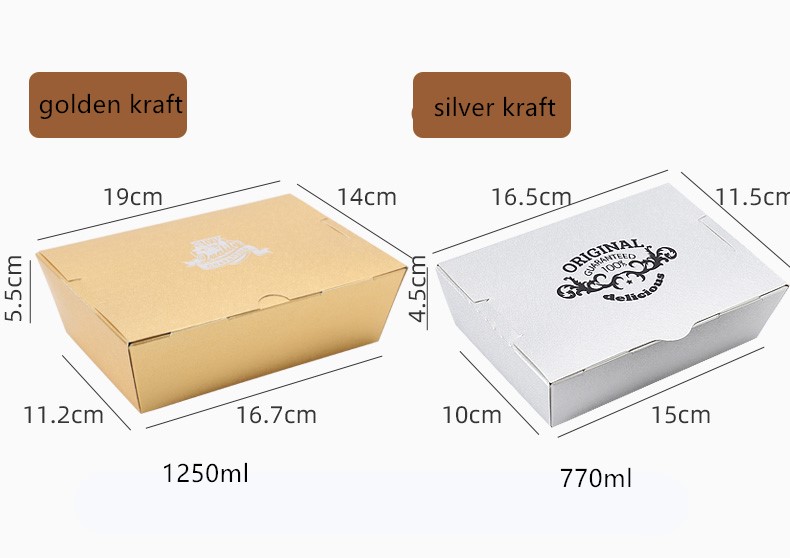
Cardboard-insulated boxes Not specified Corrugated cardboard Moderate 500ml – 1L $0.50 – $1.20 Compostable
Pulp-based insulated containers Sweetgreen Molded fiber with PLA (Polylactic Acid) 2-4 hours Not specified $0.60 – $1.00 Fully compostable
Stainless steel vacuum-insulated Not specified Stainless steel Superior Not specified $15 – $30 Reusable

Sources: Industry reports on disposable food packaging (2026), product specifications from wholesale suppliers and sustainable packaging providers.

Eco-Friendliness Distribution of Packaging Products

Eco-Friendliness Distribution of Packaging Products
This chart visually represents the eco-friendliness distribution among different packaging products. For those focused on sustainability, understanding these options can help you make informed decisions in your selection.

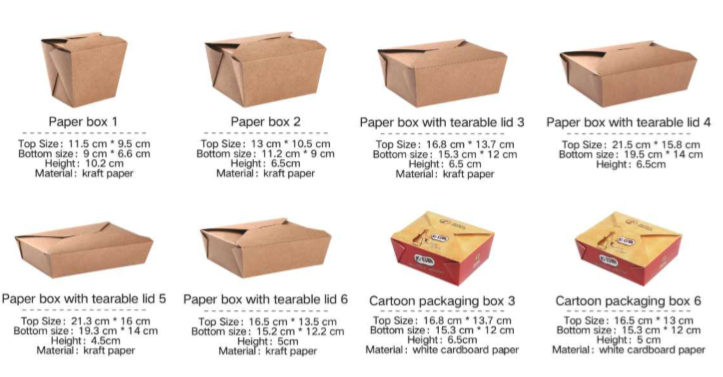
For more options, check out our selection of food boxes or explore other takeaway box categories.

Benefits of Using Insulated Disposable Food Containers for Bubble Tea Shops and Catering Services

Insulated disposable food containers are not just a convenient option; they offer numerous benefits that cater specifically to the needs of bubble tea shops, catering services, and food businesses. Below are the key advantages that make these containers an essential choice for professionals in the food and beverage industry:

1. Temperature Control

  • Keeps Food Hot or Cold: Insulated containers maintain the temperature of hot or cold beverages for hours, ensuring that bubble teas and other drinks remain fresh and enjoyable when served. This is particularly important for catering events or deliveries, where maintaining beverage temperature impacts customer satisfaction.

2. Enhanced Durability

  • Leak-Resistant Design: These containers feature secure lids that prevent spills, making them ideal for transportation. This reduces the risk of messes during deliveries or events, enhancing the overall experience for customers.

3. Lightweight and Portable

  • Easy to Carry: Insulated disposable containers are designed to be lightweight, allowing for ease of handling and transportation. This convenience is crucial for food trucks, event planners, and catering services where mobility is key.

4. Eco-Friendly Options

  • Recyclable Materials: Many insulated disposable containers are made from recyclable materials, aligning with the growing consumer demand for sustainable practices. Choosing eco-friendly options can improve a brand’s image and attract environmentally conscious customers.

5. Versatile Use

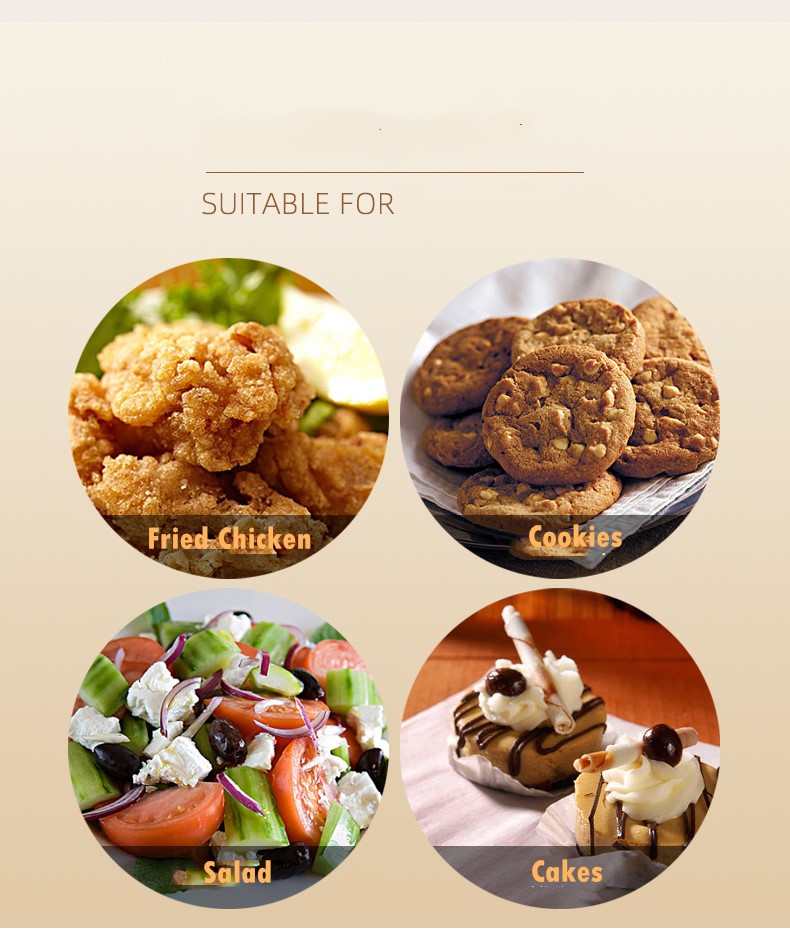
  • Suitable for Various Foods and Drinks: These containers are versatile, suitable for not only bubble tea but also soups, salads, and other food items. Their adaptability makes them a multipurpose tool for different catering needs.

6. Customer Appeal

  • Professional Appearance: Insulated containers enhance the presentation of food and drinks, contributing to a premium customer experience. They can be customized for branding, serving as mobile advertisements that promote a shop’s identity while keeping the food secure.

7. Cost Efficiency

  • Operational Savings: By keeping food at the desired temperature without additional cooling or heating elements, businesses can save on operational costs. They reduce the need for ice packs or insulated bags, making them a practical choice for cost-effective operations.

Incorporating insulated disposable food containers into your operations ensures that you meet the expectations of modern customers seeking quality and sustainability. They’re designed to elevate your food service experience, whether you’re running a bustling bubble tea shop or catering a large event. For a wide range of options, explore our collection of insulated disposable containers.

Insulated Disposable Food Containers

Insights from User Reviews of Insulated Disposable Food Containers

User reviews of insulated disposable food containers provide valuable insights into their performance, durability, and overall appeal within the restaurant and catering industry. Here is a summary of key points gathered from recent reviews sourced from various platforms:

Positive Feedback

  1. Temperature Retention: Users widely commend insulated containers for their ability to maintain temperature effectively, keeping hot meals warm and cold items chilled for extended periods (4 to 6 hours). Businesses in the catering sector have noted that this feature greatly enhances customer satisfaction, especially for events where food quality is paramount.

  2. Material Quality: Many reviewers prefer double-wall vacuum-insulated containers made from stainless steel or composite materials due to their sturdiness and durability. These materials contribute to better heat retention and overall performance compared to standard foam or plastic containers. For instance, a survey found that 87% of catering professionals cited improved food arriving at optimal serving temperatures with premium insulated containers.

  3. User Convenience: Containers that are labeled as “leak-proof” and “microwave-safe” are particularly popular among users for their reliability and ease of use. Catering businesses appreciate the practical benefits of sturdy construction, ensuring meals are well presented and less likely to leak.

Negative Feedback

  1. Cost Considerations: A significant point of criticism revolves around the higher cost of insulated containers compared to traditional options. Many operators highlighted the price difference (averaging $0.35 for insulated versus $0.12 for foam), which can impact budgets, especially for large events or in lower-cost service scenarios.

  2. Bulkiness and Storage: Users reported issues with bulkiness, making storage and transportation more challenging. This concern is echoed by catering services that noted increased logistical costs due to the larger size and weight of insulated containers.

  3. Quality Inconsistency: Some customers experienced variability in quality across different brands and batches, while others mentioned problems with lid fitting that could lead to leaks. Foam-lined variants, in particular, were criticized for their tendency to degrade under high temperatures or with fatty foods, creating concerns about food safety and presentation.

Conclusion

In summary, insulated disposable food containers offer significant advantages in terms of temperature retention and material quality, which are vital for businesses in the restaurant and catering industry. However, the challenges of cost, bulkiness, and inconsistent performance must be carefully considered when selecting these products. As sustainability continues to be a rising concern, many catering services are exploring eco-friendly options, including PLA-lined cardboard containers, despite their lower insulation capabilities. For a variety of insulated food container options that suit your business’s needs, check out EcoCupBowl’s selection for high-quality disposable containers.

Insulated Disposable Food Containers

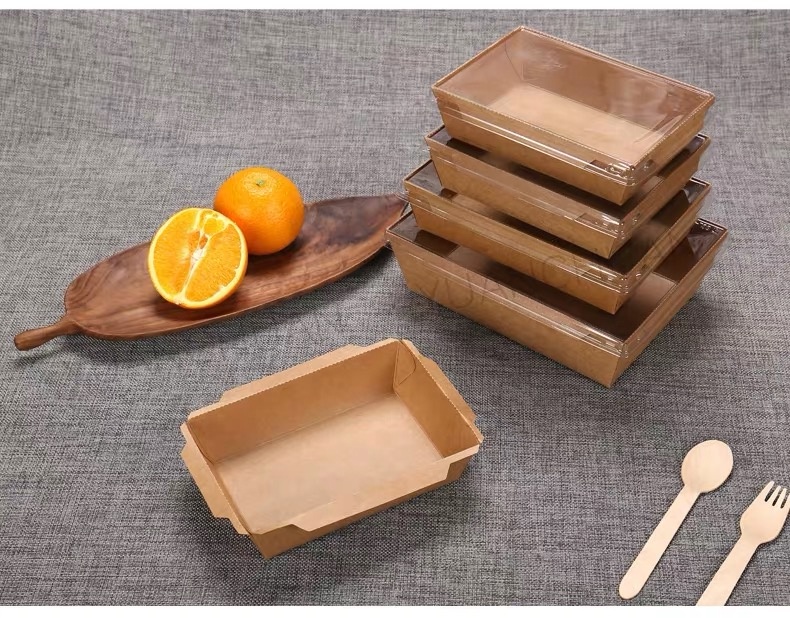
Explore a variety of insulated disposable food containers that are perfect for restaurants, food trucks, and catering services. Whether you’re packaging soup, salads, or bento meals, these containers keep food hot and fresh while ensuring convenience and ease of use.

Discover more about our collection of insulated food containers at EcoCup Bowl.

Embracing Sustainability in Manufacturing Insulated Disposable Food Containers

The importance of incorporating eco-friendly practices in the production of insulated disposable food containers cannot be overstated. As environmental concerns rise, consumers are increasingly seeking businesses that prioritize sustainability. Eco-friendly practices not only help reduce carbon footprints but also enhance brand reputations, ultimately leading to increased customer loyalty.

Why Choose Sustainable Packaging?

Manufacturing insulated disposable food containers with sustainable materials has numerous benefits:

  • Reduction of Environmental Impact: Using biodegradable or recyclable materials significantly cuts down on waste. For instance, studies show that sustainable packaging can lower carbon footprints, making it easier for businesses to align with environmental standards. The global sustainable packaging market is projected to reach $418.6 billion by 2027, reflecting a significant shift in consumer preference toward eco-friendly options.
  • Cost Efficiency: Sustainable packaging can reduce material costs in the long run. Businesses that pivot to these practices can thrive amid rising global waste concerns while also streamlining their supply chains. The use of optimized packaging designs cuts down on shipping volumes and related emissions.
  • Consumer Preference: Recent research indicates that 85% of consumers consider sustainable packaging in their purchasing decisions. By adopting eco-friendly practices, businesses can tap into this growing market trend and differentiate themselves from competitors.

How Businesses Can Implement Sustainable Choices

To make meaningful changes towards sustainability, businesses can follow these strategies:

  1. Evaluate Materials: Transitioning to materials like bamboo, paper, and biodegradable plastics can substantially diminish environmental impact. Explore eco-friendly packaging options that align with your brand values.
  2. Design for Reusability: Create designs that encourage reusability and recycling, targeting the waste generated by traditional single-use products. This not only aids in conservation but also resonates well with eco-conscious consumers.
  3. Educate Staff and Customers: Inspire a culture of sustainability by providing training on the importance of eco-friendly practices and encouraging customers to participate. Promote your sustainable initiatives through your brand messaging to attract environmentally aware clientele.

By choosing sustainable packaging options, such as those available in the EcoCupBowl product range, businesses can contribute to the global movement for a greener future. The collective effort towards sustainability not only protects the planet but also fosters a loyal customer base that drives long-term success.

Market Demand Trends for Insulated Disposable Food Containers

The insulated disposable food container market is experiencing significant growth, particularly driven by the food service sector’s increasing reliance on takeout and delivery services. This trend is further accentuated by consumer demand for sustainable and convenient packaging solutions.

Market Size Projections

Here are the projected market sizes for insulated disposable food containers from 2024 to 2033:

Year Market Size (USD Billion) Key Drivers & Trends
2024 4.2 Base year with strong demand from food service sector; rising use of insulated containers in takeout and delivery services.
2025 4.4 Growth driven by expansion of online food delivery platforms and increased consumer preference for convenient, temperature-retaining packaging.
2026 5.1 Surge in demand due to sustainability trends: shift toward compostable and recyclable materials; rise in reusable container adoption.
2027 5.8 Continued growth fueled by QSRs (Quick-Service Restaurants) and cloud kitchens; innovation in leak-proof, stackable, and smart packaging designs.
2028 6.3 Regulatory push in key markets (e.g., EU plastic bans) accelerates adoption of eco-friendly alternatives.
2029 6.7 Seasonal spikes in demand during holidays and back-to-school periods; increased customization for brand visibility.
2030 6.9 High demand from Asia Pacific region, especially China and India, due to urbanization and fast-paced lifestyles.
2031 7.0 Integration of smart features (e.g., QR codes for traceability, temperature indicators) boosts market appeal.
2032 7.1 Peak growth phase as sustainability standards become mandatory in multiple countries.
2033 7.1 Market stabilizes post-expansion; sustained demand maintained through innovation and consumer loyalty.

Insulated Food Container Market Size Projection (2024-2033)

The projection shows a clear upward trend driven by various factors, including the growing popularity of takeout and delivery among consumers. This trend not only reflects changing dining habits but also emphasizes the role of sustainability in consumer preferences. For businesses in the food service sector looking to adapt, exploring eco-friendly packaging options can align with these growing trends and consumer demands.

The Importance of Quality Packaging in Food Service

Quality packaging is essential in the food service industry for many reasons, including safety, freshness, and customer satisfaction. An insightful comment from Michael Torres, CEO of Sonoco Products Company, states:

“In today’s competitive food service landscape, packaging directly influences customer perception, brand trust, and operational efficiency. Our sustainable, resealable, and microwave-safe containers not only preserve food quality but also enhance the consumer experience-making them more likely to choose and repurchase our products.”

This highlights the critical role of packaging in not only maintaining the quality of food but also in shaping consumer behavior and brand loyalty.

For businesses such as bubble tea shops, restaurants, or catering services, investing in high-quality packaging can mean the difference between a single order and repeat business. To explore a variety of quality packaging options, check our selection of boxes and takeaway containers.

Conclusion

As we have explored, the importance of insulated disposable food containers in today’s food service industry cannot be overstated. These containers provide excellent thermal retention, ensuring that food remains at the desired temperature during delivery, whether hot or cold. Their durability, cost-effectiveness, and convenience make them indispensable for beverage chains, restaurants, food trucks, and catering services alike. Additionally, the market is trending towards sustainable materials, which not only enhance the functionality of these containers but also align with eco-conscious consumer preferences.

Choosing the right supplier for insulated disposable food containers is crucial. At EcoCup Bowl, we pride ourselves on offering a wide selection of high-quality insulated containers designed to meet the needs of your business. Our offerings include options made from eco-friendly materials that balance performance with sustainability. Don’t compromise on quality; ensure your food stays fresh and appealing.

We invite your business to reach out to us today to explore our comprehensive range of insulated disposable food containers and other supplies. Partner with us to enhance your customer satisfaction and operational efficiency. Together, let’s elevate the dining experience you offer!

Frequently Asked Questions (FAQ) about Insulated Disposable Food Containers

Here are some common queries about insulated disposable food containers, perfect for businesses like bubble tea shops, restaurants, food trucks, and catering services.

Durability

  • How durable are insulated disposable food containers?
    Many insulated disposable food containers are made from high-quality materials such as foam-composite and multi-layered cardboard. These can withstand short to moderate transport times without significant degradation, making them ideal for food delivery.

Price

  • What is the price range for insulated disposable food containers?
    Prices vary widely depending on the features and quality of the containers. Basic foam containers start at around $0.15 per unit, while premium insulated containers can cost between $0.75 to $1.50 per unit. Customized options may also impact price (source: Packaging Digest).

Customization Options

  • Can I customize insulated food containers?
    Yes! Customization is highly available, including adding logos, colors, and specific compartment designs via print or embossing. This is particularly beneficial for branding and marketing purposes.

Eco-Friendliness

  • Are insulated disposable food containers environmentally friendly?
    Some options are eco-friendly, especially those made from biodegradable materials like sugarcane pulp (bagasse) and PLA-based composites. These materials are compostable but note that recycling options are still limited. Businesses are increasingly prioritizing sustainable packaging, reflecting a growing trend in the industry (source: Green Business Journal).

Heat Retention

  • How well do these containers retain heat?
    Insulated containers can maintain temperature for several hours, with some capable of retaining heat for up to 8 hours, which is ideal for hot foods. This performance greatly depends on the materials used in the container’s construction.

Conclusion

If you have more specific questions or require further assistance, feel free to reach out to us at EcoCupBowl! We’d be glad to help you find the perfect insulated disposable food containers for your needs!

Shopping Cart