
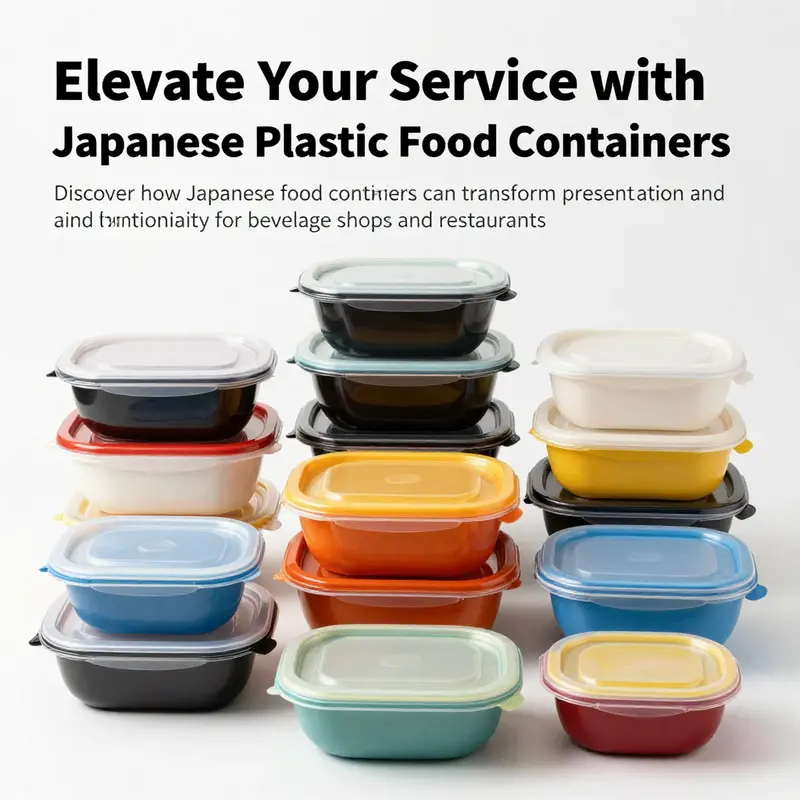
Japanese plastic food containers are more than just packaging; they embody a blend of tradition, functionality, and aesthetic appeal. For businesses in the beverage and food industry, particularly bubble tea shops, restaurants, food trucks, catering services, event planners, and corporate procurement teams, investing in high-quality Japanese containers can significantly enhance customer experience. With chapters detailing design and functionality, market trends, manufacturing insights, cultural significance, and safety regulations, this article will guide you in making informed choices that not only elevate your food presentation but also align with modern sustainability practices.
Elegance in Everyday Utility: The Design and Functionality of Japanese Plastic Food Containers
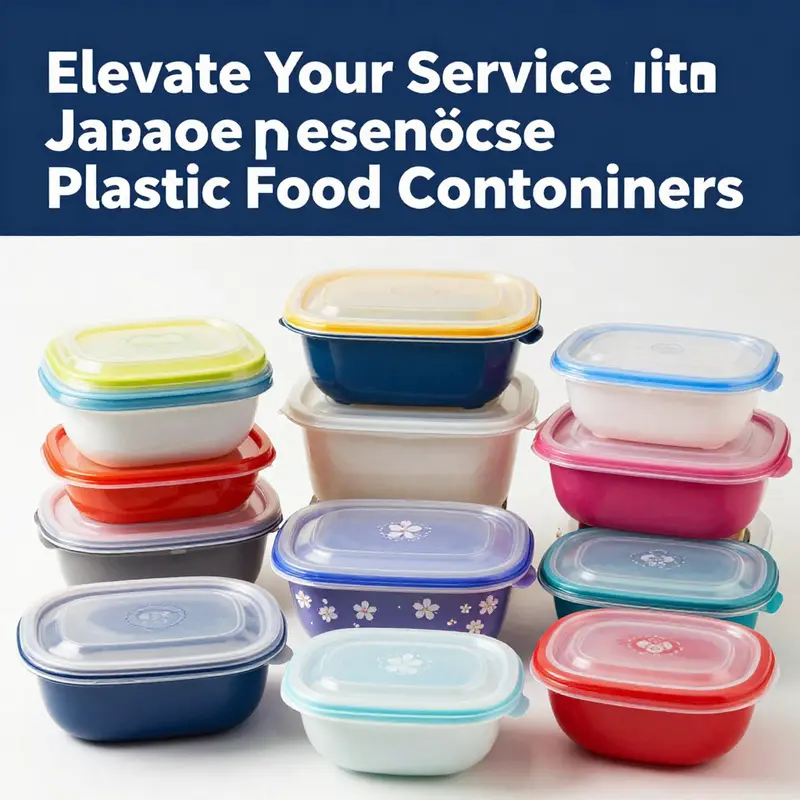
Japanese plastic food containers embody a rare blend of restraint, practicality, and visual clarity. They are not merely boxes for holding food; they are tools that shape everyday routines, from a home lunch to a bustling restaurant kitchen, from a school desk to a courier’s dashboard. The chapter that follows turns on two ideas that are inseparable in Japanese design philosophy: form and function. In this domain, a container’s beauty arises not from ornament but from how well it performs, how easily it integrates into work and life, and how confidently it communicates safety and cleanliness to the user. The result is a family of vessels that looks quiet and precise while delivering a steady, reliable experience across settings, cultures, and continents. The best way to understand these containers is to consider how their design responds to the practices they serve: the choreography of meal preparation, the discipline of portion control, and the demands of rapid, hygienic service.
At the heart of their effectiveness lies modularity. The modular design turns storage constraints into opportunities. Edges interlock with predictable geometry, allowing containers to stack securely without shifting or toppling. The dimensions are uniform enough to fit typical refrigerators, shelves, and transport trays, yet flexible for a wide range of contents. This space-saving logic echoes a broader aesthetic that values efficiency and order. When a kitchen or a lunchroom adopts such containers, it can transform clutter into calm. The visual consequence is also meaningful: a clean, orderly array of containers communicates care, which in turn encourages careful handling of food, waste reduction, and easier inventory management. The result is not only practical but psychologically reassuring, a subtle invitation to treat food with respect and attention.
Material choices further define the character and capabilities of these containers. Commonly, food-grade polymers such as PET, PP, and HDPE are selected for their clarity, resilience, and safety with heat and moisture. PET provides transparency that helps users identify contents at a glance, a boon in fast-paced environments where time is precious and misreads are costly. PP offers excellent thermal stability, enabling safe reheating and frequent cycles of washing. HDPE adds impact resistance, particularly in rigid, robust designs that need to withstand daily handling. Together, these materials support a lifecycle that includes display, storage, heating, and cleaning, without compromising food safety or structural integrity. The transparency not only aids in reducing waste by preventing misplacement or spoilage but also elevates presentation. In premium presentations, the colors and textures of the food become part of the visual narrative, which is a valued feature in both domestic and commercial use.
A close look at the sealing mechanisms reveals further distinctions that define everyday usability. Modern Japanese containers often rely on snap-on lids equipped with silicone gaskets that create an airtight, leak-proof seal. This design is crucial for transporting liquids such as soups or sauces, and it also preserves freshness by limiting air ingress. It is common to find built-in dividers or modular compartments inspired by traditional bento boxes, allowing separation of different items within a single container. For example, a rectangular container might feature a removable divider that creates two or more zones, enabling portion control and a clean separation of flavors. The interplay of sealing efficiency and compartmental flexibility contributes to a sense of control for the user. It reduces spill risk during transit and helps diners manage leftovers without compromising texture or aroma. Such features are particularly valued in busy service environments where quick, reliable packaging supports consistency and quality.
Yet the appeal of these containers extends beyond their functional prowess. Aesthetics—rooted in a minimalist, precise sensibility—are an intentional part of their identity. The emphasis on clean lines, tight tolerances, and uniform surfaces aligns with broader cultural ideals of neatness and order. Even the most utilitarian vessels carry an understated elegance that mirrors the domestic rituals of Japanese life, where presentation matters as much as practicality. The visual clarity of the materials, the subtle glow of polished surfaces, and the restrained silhouettes all signal a respect for food and for the recipient. In a café or a takeaway counter, such design cues are not merely decorative; they contribute to trust. A well-made container communicates that the food has been handled with care, that hygiene standards have been considered, and that the experience will be consistent from one customer to the next.
From a functional standpoint, the capability to withstand heat and repeated cleaning processes is essential. polypropylene, in particular, is celebrated for its thermal stability, enabling microwave reheating and dishwasher cleaning without degrading or warping. This reliability translates into practical advantages for households and food service operators alike. It reduces the need for multiple types of containers, simplifies inventory, and lowers long-term costs. Of course, these capabilities come with cautions. Prolonged exposure to very high temperatures can cause some plastics to warp or release trace contaminants if misused. Manufacturers meet this challenge by providing detailed usage guidelines, such as microwave-safe temperature ranges and explicit warnings about boiling water or prolonged contact with hot oil. Informed users who follow these guidelines can maximize safety while extending the container’s usable life. The design, then, embodies a careful balance between capability and caution, a practical compromise that supports both everyday routines and professional expectations.
Another dimension of these containers is their role in sustainability and waste management. The choice of materials, the ease of cleaning and reuse, and the potential for recycling all influence the environmental footprint of daily packaging. In many cases, containers are designed for multiple uses before disposal, a life cycle that aligns with a growing consumer preference for durable, high-quality packaging. At the same time, the rise of recyclable and biodegradable options highlights the industry’s ongoing response to ecological concerns. The pragmatic approach—where a product is designed for reuse but also clearly labeled for recycling—helps consumers navigate complex waste streams. This pragmatic design ethos resonates with broader social expectations about responsibility, efficiency, and respect for resources. It underscores that aesthetics and function do not exist in a vacuum; they are embedded in decisions about sustainability, safety, and supply chain stewardship.
The global reach of these containers speaks to a broader narrative about cross-cultural exchange in packaging. What begins as a domestic standard for neatness and efficiency travels to kitchens and service counters around the world, often adapted to local needs and regulations. The same design principles—modularity, clarity of content, reliable seals, and a restrained aesthetic—translate well across markets. In professional contexts, practitioners seek containers that can be customized for logos, colors, and even eco-friendly materials, allowing brands to communicate quality and consistency at a glance. For buyers who want to test a design’s suitability before large commitments, flexible sourcing platforms offer sample orders and secure payment protections. In practice, these channels help ensure that cultural values around hygiene, presentation, and efficiency are preserved even as products move into new climates, cuisines, and service models. The result is a packaging ecosystem that respects tradition while embracing global versatility.
In this context, a practical example of customization illustrates how a three-compartment approach can harmonize portion control with a single-serve convenience. The concept is simple: a main compartment supports a substantial item while two smaller zones accommodate sides or sauces. The result is a balanced, meal-ready solution that travels well and reduces the need for multiple containers. Suppliers offer variations in size, color, and even logo placement, enabling operators to align packaging with their brand and their menu. This flexibility does not erode the purity of the design; it enhances it by enabling a coherent user experience across products and channels. For instance, a widely used three-compartment model exists as an option in bulk catalogs, marketed to operators seeking reliable, leak-proof performance with space for branding. eco-friendly disposable 3-compartment packaging box for fast food demonstrates how a well-considered configuration can meet safety, usability, and marketability goals in a single package.
As this discussion unfolds, one fundamental takeaway remains constant: the best Japanese plastic food containers are less about flashy novelty and more about dependable design language. They communicate clearly through their materials, their seals, and their geometry. They invite careful handling and easy maintenance while supporting a disciplined approach to food safety and presentation. They are designed to endure the rough-and-tumble of daily use, yet they retain a quiet elegance that underscores a cultural respect for order and care. They are, in short, tools that make everyday meals feel composed, predictable, and trustworthy. For professionals navigating materials, standards, and sourcing, the story of these containers is a reminder that good design is not an impostor of practicality but its most faithful companion. It is a narrative of how physical form and human practice can coexist with minimal fuss and maximum reliability, enabling a shared experience that is as much about confidence as it is about convenience.
For authoritative technical details on materials and safety standards, see the ISO 9001 certification documentation. This certification underscores the quality controls that help ensure consistent performance across production batches and applications. The broader point remains: when choosing packaging, practitioners should evaluate not only color and shape but also how the container behaves under heat, how easy it is to clean, and how well it supports the meal’s integrity from kitchen to consumer. The best designs anticipate real-world use, document guidelines clearly, and offer a predictable, repeatable experience that keeps food safe, appealing, and ready to enjoy. The result is a packaging system that respects limits—of time, space, and resources—while elevating everyday meals into moments of precise, reliable care.
Neat, Safe, and Sustainable: Market Trends Shaping Japanese Plastic Food Containers
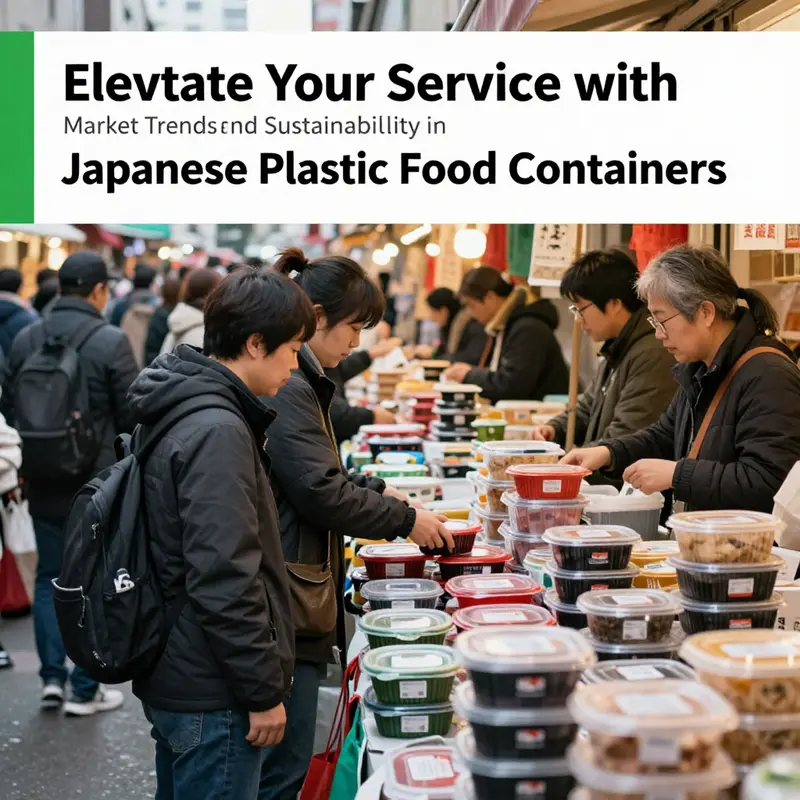
The Japanese plastic food container market blends precision, presentation, and responsible stewardship. Growth is driven by convenience and quality, with bulk-order economics improving cost efficiency while sustainability gains shape design choices. Consumers want sturdy, leak-proof containers that preserve a meal’s appearance and support safe reheating. Transparent or near-transparent materials speed decision making, and space-efficient shapes fit neatly into refrigerators, desks, and schoolbags. Reuse and recyclability are increasingly prioritized, with options that enable washing, multiple uses, and easier end-of-life processing. Certifications such as ISO 9001 and food-safety testing reassure buyers across cafes, takeout chains, and households. Manufacturers respond with scalable customization–sizes, colors, branding, and materials–while pursuing eco-friendly options that balance performance with recyclability. Globally, premium, eco-conscious packaging drives demand, but domestic Japanese innovations continue to optimize waste reduction and reuse without compromising neatness and convenience. The practical takeaway is to seek containers that combine reliable heat tolerance and leak resistance with clear recycling or reuse guidance, supported by quality management documentation.
The Manufacturing Tapestry Behind Japanese Plastic Food Containers: Materials, Craft, and a Global Sustainability Thread
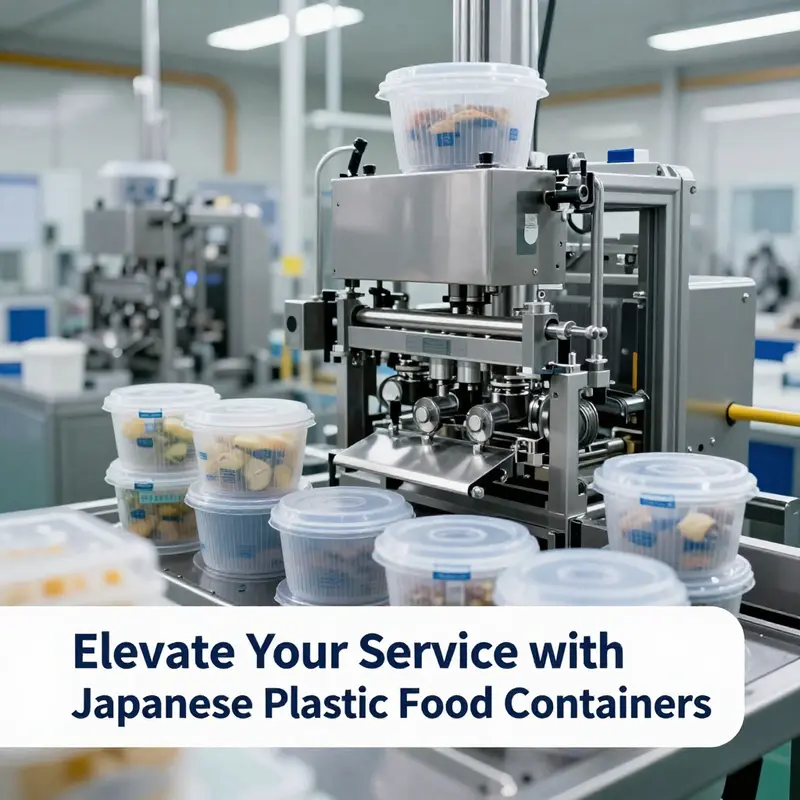
The manufacturing web behind Japanese plastic food containers is a carefully woven tapestry that extends far beyond the moment a consumer peels back a lid. It begins with material science, flows through mold design and production, and travels onward to packaging design, end‑of‑life considerations, and the smooth choreography of global supply chains. This chapter traces how Japan’s packaging ecosystem translates cultural values of neatness, efficiency, and presentation into a durable, safe, and increasingly sustainable line of containers that find homes in homes, offices, and eateries around the world. It is a story of precision and collaboration, where every link—from resin chemistry to the final, leak‑proof seal—is calibrated to protect food, preserve taste, and honor safety standards that customers trust. At its core lies a philosophy that packaging should be as functional as it is aesthetically pleasing, as cleanly designed as it is environmentally responsible, and as reliable in a bustling kitchen as it is in a home freezer or a sushi takeaway line.
Among the anchors of this system is Nihon Chuo Chemical Co., Ltd. (often referenced as Nihon Chuo), a company that has built an integrated system spanning raw material procurement, processing, and end‑of‑life management. Since its inception in 1957, Nihon Chuo has pursued a comprehensive model that treats the entire lifecycle of plastic packaging as a single continuum. The company has invested in advanced technologies like sandwich injection molding, which enables precise layering and barrier properties while reducing waste. This is not merely about stronger boxes; it is about smarter resource use, which is essential when exporting to markets that demand consistent performance across millions of units. The organization’s footprint is extensive: 12 factories and 16 sales offices across Japan, plus nine production bases in China. In Japan, annual sales climbed to 89.3 billion yen by 2005, underscoring its scale in domestic manufacturing, while a workforce of more than 3,000 underscores its role as a major employer in the industry. A four‑partner recycling system—encompassing consumers, wholesalers, government agencies, and manufacturers—processes roughly 4,000 tons of discarded plastic packaging each year, turning waste streams into feedstock for new products. Its product range includes food boxes, trays, and containers manufactured from proprietary CT composite materials and certified under ISO 9001 for quality and safety. The company’s prominence was further evidenced in 2023 when it ranked first on China’s disposable tableware list, signaling a leadership position in both technology and global market reach. This is not just a tale of a single brand; it is a representation of how a vertically integrated approach—covering material development, manufacturing discipline, and recycling—shapes the standards and capabilities that buyers expect across continents.
This ecosystem is complemented by a cadre of resin suppliers that supply the raw materials shaping container performance. Sumitomo Electric Industries, Ltd., operating through its subsidiary Sumitomo Chemical Co., Ltd., plays a pivotal role even though its core identity is not solely confined to food containers. The company provides high‑performance plastics, including polypropylene and related polymers, which underpin the rigidity, clarity, and heat resistance demanded by modern packaging. In food contact applications, these resins must endure exposure to hot contents, resist cracking under load, and maintain shape during stacking and transport. The reliability of such materials is essential for brand confidence, especially in high‑volume settings like takeout and meal kits, where the containers must perform consistently every day. Mitsubishi Chemical Holdings Corporation is another essential pillar, offering a portfolio that includes polypropylene, PET, and increasingly bio‑based or recyclable materials. Their focus on sustainability aligns with the rising consumer and regulatory emphasis on circular packaging and reduced environmental impact. By supplying materials that can be recycled or reprocessed with minimal loss of performance, Mitsubishi Chemical supports manufacturers who want to extend the lifecycle of their packaging without compromising safety or usability. Tokuyama Corporation, known for its high‑purity resins and specialty chemicals used in food‑grade applications, contributes to the purity and safety standards that define food contact plastics. While Tokuyama may not directly own a line of containers, its materials—chosen for low impurities and consistent performance—serve as the chemical backbone that helps ensure that containers meet stringent food-safety requirements and maintain stability across varying storage and heating conditions.
The supply network’s reach extends into international manufacturing hubs that scale production and keep costs viable for mass markets. Chinese distributors and importers serve as crucial conduits for Japanese resin grades, connecting Japanese material innovation with Chinese converters who produce in large volumes. In this cross‑border flow, the emphasis is not simply on price but on preserving resin characteristics—such as melt flow, impact strength, and heat resistance—across thousands of production runs. This arrangement enables Japanese brands to maintain consistency while leveraging the manufacturing efficiencies of Asia’s vast production ecosystems. Within this landscape, specific resin grades commonly find use in food container production, and buyers increasingly demand traceability to source materials from reputable suppliers. The result is a resilient supply chain that can respond to spikes in demand, new regulatory requirements, and evolving consumer preferences for sustainability and design.
Pricing and customization are central to the market’s dynamics. The container sector benefits from economies of scale, but premium options remain essential for premium food concepts. Bulk orders—ranging into the thousands or tens of thousands of units—can yield favorable unit costs, with margins improving as customization options multiply. Brands can request variations in size, shape, color, or even branding elements such as logos and window designs. More recently, there is a growing interest in incorporating eco‑friendly materials or higher recycled content, aligning packaging with the sustainability narratives that increasingly influence consumer choices. The design vocabulary of Japanese plastic food containers often blends practicality with visual clarity: clear lids to show the contents, modular compartments for portion control, and shapes engineered for efficient stacking in both kitchen storage and in delivery vans. And because these containers are frequently designed for microwave reheating and dishwasher cleaning, material choices and wall thicknesses must balance heat tolerance and mechanical durability without compromising safety or aesthetics.
The cultural dimension cannot be overlooked. Japanese customers expect packaging that communicates neatness and care—packaging that presents food as an extension of the meal rather than as a disposable afterthought. This has driven a market where efficiency and presentation go hand in hand. The result is a family of products that, while built to be disposable in many contexts, carries the aura of premium design and responsible manufacturing. The interplay of material science with visual design is no accident; it reflects a broader ethos that treats everyday objects as embodiments of craft. This is also why packaging leaders emphasize features such as leak resistance, built‑in utensil options, and clear lids that preserve the sensory experience of the food inside. When a consumer looks at a takeout box and sees crisp edges, precise folds, and a lid that seals reliably, they experience the quiet assurance that their meal is protected from the moment it leaves the kitchen until it arrives on the desk or at the door.
Amid these technical and cultural threads, a practical note about sourcing and sourcing strategies helps connect the chapters in this article. For professionals seeking reliable ways to explore options, many platforms highlight verified suppliers, sample orders, and secure payments. An internal resource illustrating contemporary takeout packaging—often featuring trend-forward, leak‑proof, and microwave‑safe designs—offers a helpful gateway to understanding how today’s packaging blends form and function. This kind of resource demonstrates how a brand can align its packaging with both corporate identity and consumer expectations, while still meeting the practical demands of food service. The emphasis on secure, quality-controlled supply chains, combined with the push toward recycled content and responsible disposal, marks a clear evolution in how Japanese producers approach container design and manufacture. The result is a robust, adaptable system capable of supporting diverse markets—from local convenience stores to global restaurant networks—without sacrificing the hallmarks of Japanese manufacturing excellence.
In sum, the chapter’s landscape is one of interconnected strength. Nihon Chuo Chemical anchors the lifecycle with integrated material science and recycling know‑how; Sumitomo Chemical, Mitsubishi Chemical, and Tokuyama provide the polymer and resin sciences that enable durable, safe containers; Chinese distributors translate this capability into scalable production in Asia; and customers benefit from a wide range of choices, from highly customized, brand‑shaped options to practical, eco-oriented designs. The story continues to unfold as packaging evolves toward higher recycled content, more recyclable resins, and smarter waste management. The packaging product, once merely a carrier for food, becomes a carefully engineered interface that protects safety, enhances presentation, and aligns with a global push toward sustainable, responsible consumption. The next chapter will explore how these products move from factory floors into kitchen tables, delis, and delivery routes, analyzing the logistical choreography that keeps Japanese plastic food containers readily available to markets near and far. Internal reference: eco-friendly takeout boxes for food packaging.
External resource: Nihon Chuo Chemical Co., Ltd. official site: https://www.ncc.co.jp/
Elegance in a Small Package: The Cultural Craft and Everyday Function of Japanese Plastic Food Containers
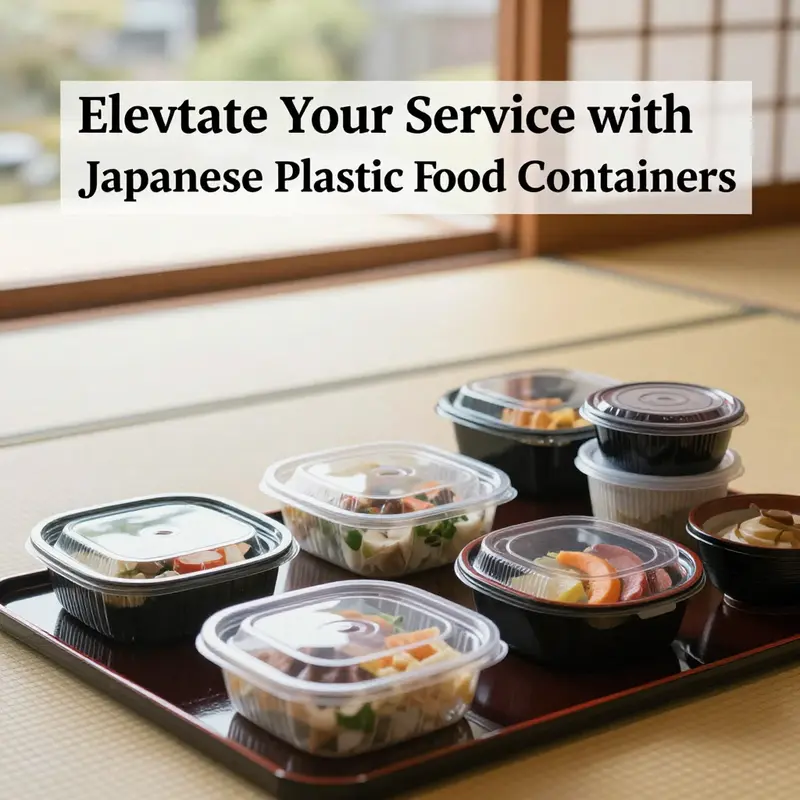
In Japanese kitchens, takeout counters, and desks that double as lunch spots, the humble plastic food container occupies a quiet, almost ceremonial space. It is not merely a vessel for food; it is an extension of a broader cultural project that prizes efficiency, cleanliness, and the visual order that makes daily life feel manageable in compact spaces. The containers themselves—rectangular, square, or bento-inspired in shape—are designed to disappear into the rhythm of the day, offering just enough form to protect, reveal, and transport a meal with minimal fuss. They embody a balance between practicality and subtle beauty, a balance that Japanese designers have learned to refine over decades of urban living, where every square centimeter of kitchen real estate counts and every movement counts as well. This is not mere packaging; it is packaging that respects the meal, the person who eats it, and the space in which it will be stored or served.
Material choice plays a decisive role in this quiet philosophy. The standard workhorse of many Japanese plastic containers is a food-grade plastic that blends safety, transparency, and resilience. Clear or lightly tinted plastics offer visibility—an important feature in both home fridges and display cases—without sacrificing the container’s structural integrity. While glass and ceramic remain preferred for certain preservation or presentation tasks, plastic containers have become indispensable for the everyday, where weight, breakage risk, and ease of cleaning matter just as much as aesthetics. In settings like patisseries or confectionery shops, a transparent plastic display enables customers to appreciate the intricate work inside the case—from delicate pastries to seasonal sweets—without compromising hygiene or ease of handling. This transparency is not purely utilitarian; it also signals cleanliness and care, two values that are central to Japanese notions of food culture.
Beyond the surface, the design of these containers speaks to a deeper cultural logic. The principles of wabi-sabi—finding quiet beauty in simplicity and the honest trace of use—resonate in the way plastic forms are kept clean, uncluttered, and unostentatious. The surfaces are smooth, the edges are softened, and the lines are clear enough to communicate function at a glance. Yet there is also a sense of ma, the intentional use of negative space, that guides how these containers sit in a kitchen cupboard or a lunchbox. They are engineered to stack neatly, to nest within one another, and to occupy only as much space as the meal requires. In small urban apartments where every shelf must do double duty, the stackable geometry of these containers becomes part of the daily choreography. A bento-style box, with its built-in compartments, is a compact orchestra: each section holds a different flavor, color, or texture, yet together they present a balanced whole that is visually appealing as well as practically convenient.
Aesthetics do not stop at shape; color and pattern matter, too. The Japanese design language often embraces restrained palettes, but it can also evoke seasonal motifs through subtle patterns on lids or rims—gentle sakura blossoms, crisp geometric lines, or the soft sheen of a lacquer-like finish. These touches are not luxury embellishments; they function as signals of care and attention, inviting the user to view everyday meals as occasions rather than chores. Even the built-in features—leak-proof seals, microwave-friendly materials, and dishwasher-safe durability—are presented as quiet assurances that the meal will travel well and be reheated safely, whether at home, in the office, or on a crowded street corner after a long day. In this sense, the container becomes a silent partner in the act of eating, elevating ordinary nourishment through thoughtfully designed usability and restraint.
The practical realities of contemporary life shape what makes a container “fit for purpose” in Japan. A single-use mentality still coexists with a strong emphasis on reuse and resource stewardship. Many containers are designed to be reusable, easily washed, and compatible with modern kitchen routines. In other cases, disposable options are chosen for convenience in takeout contexts, where speed and reliability trump the desire for permanence. Yet even disposable designs reflect a cultural eye for order: standardized sizes and shapes simplify storage, transport, and disposal, while the materials chosen aim to minimize harm to people and the environment. The shift toward BPA-free plastics is a telling example of this ongoing recalibration of safety and trust. Consumers glimpse a system in which material science and culinary culture intersect, producing products that are not only safe but also reassuringly familiar to a broad range of users.
The everyday use of these containers also reveals how deeply aesthetics and practicality are woven into social rituals. At home, parents pack lunches for children in clear, durable boxes that withstand the bumps and tumbles of school life. Office workers choose sleek, compact options that fit neatly into a tote or briefcase, turning a simple lunch into a moment of calm in a busy day. In shops and restaurants, the containers are engineered to enhance service efficiency: lids seal securely to prevent leaks during transit, compartments keep sauces separate, and the overall weight is kept low to reduce fatigue for staff who handle dozens of packages each shift. These small efficiencies accumulate, shaping how meals are bought, stored, reheated, and enjoyed. The result is a packaging ecosystem that supports a pace of life that is fast, orderly, and inherently respectful of the food that arrives at the table.
The global market for Japanese-style plastic food containers reflects these cultural preferences in broader ways. Demand for premium presentation and reliable performance has expanded beyond Japan’s borders, inviting a diverse array of producers to replicate, adapt, or reinterpret the design language. Prices, of course, vary with quantity and customization, and buyers who order large runs can secure significant cost advantages per piece. Yet even as the market scales, many producers emphasize safety certifications and quality controls, underscoring a shared commitment to food safety and consumer trust that mirrors domestic practices. The openness to customization—size, color, logo, and even eco-friendly materials—speaks to a global appetite for packaging that can convey a brand’s values while still delivering the quintessential Japanese aesthetic of order, clarity, and quiet refinement.
This interplay between form, function, and philosophy is perhaps most visible in contexts where presentation matters most, such as when a dessert gains a second layer of meaning from its container. A patisserie may choose transparent plastics that showcase the work inside while maintaining a clean, hygienic presentation. The shapes and lids are engineered to support precise portioning and easy sampling, inviting customers to engage with the product before purchase. The effect is cumulative: the right container elevates the perceived value of the food, aligns with cultural expectations around neatness and care, and reinforces a dining experience that is both efficient and aesthetically satisfying. In these moments, the container ceases to be mere packaging and becomes an integral part of the sensory story surrounding the food.
For readers seeking a closer look at the materials and applications that underpin these containers, a recent industry overview provides useful context about how such packaging functions in practice and how it continues to evolve in response to consumer expectations. It highlights the emphasis on safety, durability, and presentation that defines contemporary design in this space while noting the ongoing exploration of sustainable materials and recyclable options. As the narrative around packaging moves toward even greater accountability and transparency, these containers stand as testaments to a culture that treats everyday objects as an extension of care, order, and respect for food. The same attention to detail that informs a perfect chop of sushi rice or a precise glaze on a pastry informs the shape, the latch, and the translucence of the plastic that carries the meal to its destination. In this way, the seemingly modest container embodies a philosophy that has long guided Japanese design: small, well-made things can carry meaning far beyond their size.
The conversation around these containers is not limited to how they look or how they perform in kitchens. It also encompasses concerns about sustainability and waste. A significant portion of modern discourse around packaging in Japan and worldwide centers on how to reconcile convenience with environmental responsibility. In this light, even reusable plastics are examined for lifecycle impact, recyclability, and the feasibility of reuse across multiple meals and users. The tension between disposability and reuse is navigated through thoughtful engineering, such as designing lids that can withstand repeated cycles of heating and washing, or selecting materials that degrade in environmentally conscious ways when disposal becomes necessary. The resulting approach honors a long-standing cultural preference for restraint and efficiency, ensuring that the container serves the meal and the diner with minimal fuss and maximum reliability.
Into this layered narrative steps an expectation that containers do more than merely hold food. They should also offer a sense of continuity—between home, workplace, and the moment of consumption; between tradition and modern life; between the meal’s appearance and its nourishment. The design stories behind these boxes—how they stack, how they seal, how they allow a dessert to gleam in a display case—are, in fact, stories about how a culture negotiates space, time, and care in everyday life. The result is a form of culinary minimalism: efficient, quiet, and steadily elegant. It is not a revolution in packaging, but a quiet evolution that respects the delicate balance between function and beauty, between safeguarding a meal and inviting a person to savor it. And so, when one slides a lid shut, places a fork inside, or slides a box into a bag for the commute, there is a sense of alignment with a broader cultural trajectory—one that continues to shape how meals are prepared, presented, and appreciated in the compact urban landscapes that define modern Japan.
For readers curious about how these design principles translate into real-world sourcing and practical use, consider exploring a resource that highlights eco-friendly takeout packaging as a current option for shops and households. It offers a concrete sense of how sustainability is being integrated into everyday containers while maintaining the familiar ease of use that people rely on daily. https://ecocupbowl.com/product/eco-friendly-takeout-boxes-for-food-packaging-stylish-food-containers-safe-microwave-craft-paper-lunch-boxes-leak-grease-resistant/
External perspectives beyond this chapter can be illuminating as well. A recent explainer from a well-regarded publication delves into the materials, safety standards, and evolving practices around Japanese-style food containers, offering a broader lens on how tradition and modernity converge in today’s packaging landscape. It notes the ongoing balance of aesthetic refinement, practical performance, and environmental responsibility that characterizes contemporary packaging culture. https://www.japantimes.co.jp/life/2025/11/25/food-drink/japanese-food-container-explained/
Guardians of Freshness: How Japan’s Safety Standards Shape Plastic Food Containers for Everyday Meals
In the steady rhythm of daily life, the plastic food container is more than a box; it is a promise of safety. In Japan, that promise rests on a framework of regulation that blends scientific scrutiny with practical everyday use. The result is packaging designed to keep food safe from first seal to last bite while remaining easy to handle, clean, and reliable. To understand how Japanese containers earn that trust, one must trace the regulatory currents from materials to the marketplace. The story here is not only about compliance; it is about turning precaution into practical choices for homes, schools, and workplaces.
At the heart of this framework is the Food Sanitation Law, which defines how plastic containers may contact foods. It creates a Positive List System, a controlled registry of substances that may be used in food contact materials. Only ingredients on the list may appear in products that touch edible goods, and they must meet migration criteria that quantify transfer into food under typical use. This system is alive, adapting to science, new materials, and evolving expectations.
Migration limits are a concrete expression of safety. They quantify exposure so that cumulative contact remains within healthy margins. A commonly cited figure in discussions of Japanese safety is a maximum migration limit for certain polycarbonate plastics of 2.5 micrograms per milliliter. While this specific value depends on material and usage, it embodies the idea that safety is built into resin, additives, and surface finishes. Tests simulate months of use, repeated washing, and typical reheating to ensure performance in real life.
The Ministry of Health, Labour and Welfare, or MHLW, coordinates rulemaking and enforcement. MHLW issues notifications that translate high level principles into practical test methods and criteria. Compliance is verified through documented testing and accredited laboratories, with exporters navigating these standards to gain access to markets. The emphasis on testing is proactive, aiming to prevent issues before products reach consumers, and a robust documentation trail supports accountability.
Beyond compliance, design and process control matter. Many producers adopt quality management systems such as ISO 9001 and rely on independent verification through accredited laboratories. Traceability across the supply chain makes it possible to link a lot to its production history, enabling quick corrective actions if problems arise. Cultural expectations of neatness, efficiency, and reliability steer packaging toward clear labeling, leak resistance, microwave compatibility, and recyclability, all without compromising migratory safety.
For exporters and buyers, the practical takeaway is that safe packaging is a passport to global markets. Understanding and documenting migration data, certifications, and testing protocols is essential, as is working with reputable laboratories and insightful suppliers who can demonstrate traceable performance. The result is packaging that not only preserves food safely but also supports efficient service, good presentation, and consumer trust across borders.
In this way, Japanese plastic containers illustrate how safety, design, and culture collaborate to turn everyday meals into reliable experiences. The framework may be strict, but it is ultimately oriented toward enabling convenience without compromise, helping kitchens everywhere keep meals safe and appetizing.
Final thoughts
In the culinary world, presentation and functionality are paramount, and Japanese plastic food containers excel in both areas. Their thoughtful design caters to the needs of restaurants, catering services, and event planners, while their cultural roots resonate with traditional Japanese values of aesthetics and efficiency. Furthermore, understanding current market trends toward sustainability and knowing the regulatory landscape are crucial for any business looking to utilize these products effectively. By choosing the right containers, you not only enhance your food presentation but also align your operations with eco-friendly practices, ensuring a brighter future for your business and the planet.