
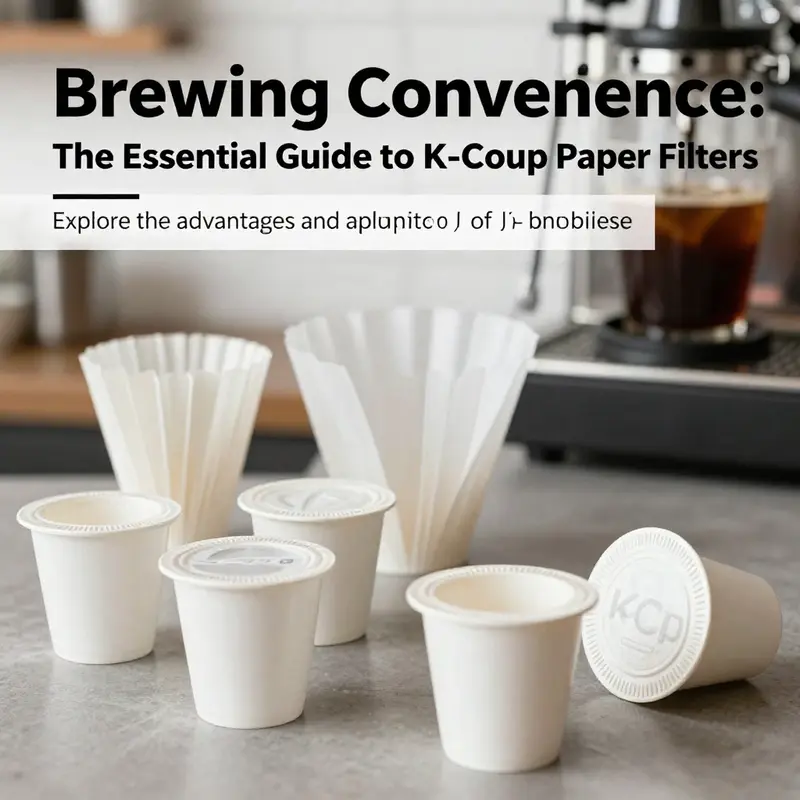
In the dynamic beverage industry, efficiency and quality are paramount. K-Cup disposable paper filters present an innovative solution for bubble tea shops, restaurants, food trucks, and catering services looking to enhance their coffee offerings. These filters cater to the modern consumer’s demand for both convenience and hygiene, making them a crucial component in any beverage service. This article will delve into the benefits of using K-Cup disposable filters, their compatibility with various coffee makers, current market trends, sustainability factors, and commercial production options. By understanding these aspects, beverage entrepreneurs can make informed decisions to improve their operations and meet customer expectations effectively.
null

null
Matching Filters to Machines: Ensuring Disposable Paper K‑Cup Filters Fit Every Single‑Serve Brewer
Compatibility as a Design Principle
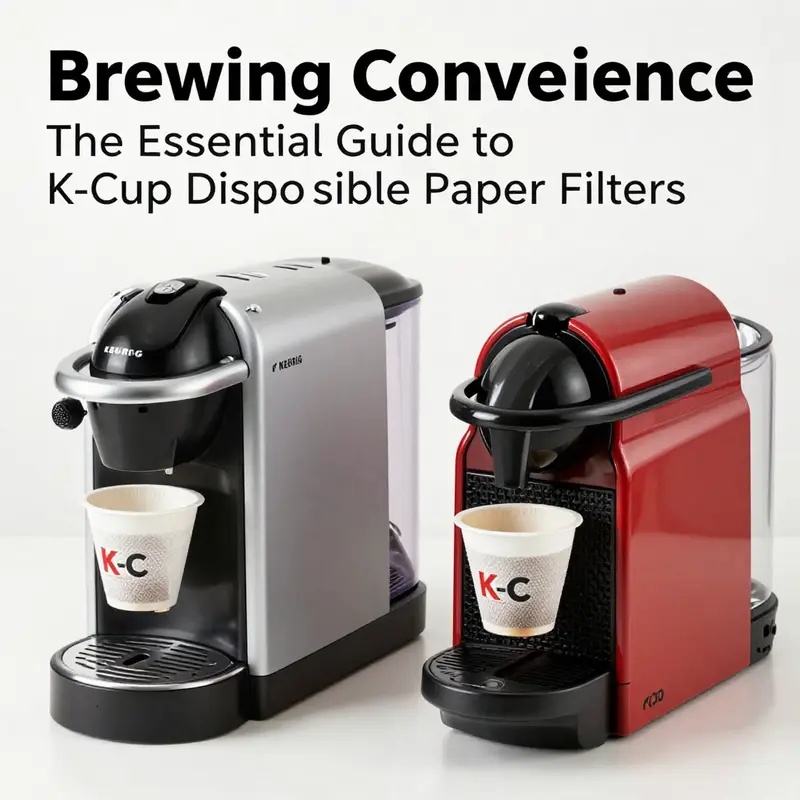
Disposable paper liners designed for single‑serve pods are more than convenient extras. They are engineered components that interact with a machine’s brew chamber, water flow, and pressure system. A correct match between filter and brewer ensures grounds stay contained, water flows evenly, and extraction stays consistent. When those elements line up, the result is a clean cup and predictable flavor. When they do not, the outcome can range from slow drips to messy overflow.
Most disposable K‑cup style paper filters are built to a standard diameter and height that fit the majority of reusable single‑serve pods. They are formed from food‑grade, BPA‑free paper and trimmed so the rim sits snugly against a pod’s internal wall. That rim must support the brewing pressure and resist collapsing. In practice, a well‑fitting paper liner creates a stable chamber for grounds to swell and release oils. It also acts as a microporous barrier, allowing hot water to pass through while keeping fines out of the cup. The filter’s porosity shapes extraction and controls flow rate, so paper quality matters as much as size.
However, single‑serve ecosystems are not uniform. Some machines use shorter, wider pods. Others require taller or tapered liners. A filter tailored for a common reusable pod will typically slide into the pod’s cavity and rest at the correct height. But if the pod shape differs—even slightly—the filter can slip down or bunch up. That misalignment can change water pathways and create channeling, where water finds a path of least resistance. The result is uneven extraction and a weaker or over‑extracted cup. For that reason, fit checks matter. When trying a new brand of disposable liners, place an empty filter inside the reusable pod and close the lid. The pod should seal without forcing the filter out of position.
Flow rate and extraction dynamics also differ between single‑serve machines. Some models push water through the pod at a higher pressure. Others rely on gravity‑assisted flow. Paper filters with tight pore structures complement lower‑pressure systems. They slow the flow slightly and extend contact time. Conversely, very dense papers can choke high‑pressure machines, producing underfilled cups or triggering brew errors. Choosing a liner with medium porosity is a safe compromise for most standard machines. Manufacturers’ descriptions usually indicate compatibility with broad single‑serve platforms. When such guidance is unavailable, look for liners described as fitting “standard reusable pods” or “K‑cup style” containers.
Beyond physical fit, the interaction between the filter and the pod’s lid matters. Many single‑serve brewers puncture the pod top before brewing. A filter that sits too high may contact the puncture apparatus and tear. Alternatively, a filter sitting too low can leave a gap at the top where grounds migrate. The correct placement keeps grounds centered and prevents contact with sharp puncture needles. When testing a new liner, inspect the pod after a trial run. A clean interior and a dry brew exit indicate successful alignment.
Compatibility extends to multi‑cup single‑serve options as well. Some machines use larger pods for carafe or travel mug sizes. These larger pods often have a different geometry and handle a greater flow volume. Using a standard small cup liner in a larger pod may result in overflow or channeling. Manufacturers and suppliers sometimes offer larger liners or adaptable liners that fold to size. If a liner claims universal fit, verify its dimensions against the pod you own.
Another compatibility factor is filter material and treatment. Bleached white papers give a pristine appearance, but unbleached options can appeal to sustainability priorities. Both types should meet food safety standards. Some liners include a thin food‑safe coating to resist collapsing in high heat. That coating can change how quickly water moves through the grounds. If you prefer a brighter extraction profile, choose papers with moderate hydrophilicity—a balance that invites water in without saturating instantly.
Users occasionally try to adapt K‑cup style liners to other pod systems. While improvisation works sometimes, proceed carefully. Proprietary pod shapes, different puncture mechanisms, and unusual chamber sizes can all block compatibility. For example, capsule systems that rely on rigid shells and pressurized extraction rarely accept a soft paper liner. If you own a less common single‑serve machine, measure the pod interior first and compare those measurements with the liner’s listed dimensions.
Practical tips reduce guesswork. Keep a sample liner pack on hand for fit testing. Before loading grounds, push an empty liner into a reusable pod, close the machine’s head, and run a short rinse cycle. Observe the water flow and listen for any unusual sounds. After the run, open the pod and inspect the liner for tears or displacement. If the liner shifts, try a different brand or style. Many suppliers publish dimension charts and compatibility notes. Cross‑reference those carefully.
For business buyers and cafés that buy large volumes, compatibility takes on a logistical layer. Bulk suppliers may offer customization, such as adjusted diameters, printed surfaces, or slightly altered heights. Customization helps align liners with specialized pods used in commercial brewers. When ordering custom liners, request a small test run first. Small sample orders reveal how liners behave under real operational conditions.
Maintenance habits also influence compatibility in everyday use. When loading grounds, avoid overfilling the liner. Excess grounds press against the filter wall and increase the chance of rupture. Gently tamp the grounds to achieve an even bed, but do not compact them tightly. Seal the pod according to the machine’s instructions and use the recommended water volumes. These steps help ensure that the liner functions as intended and that the machine’s puncture mechanism does not damage it.
Finally, consider how liners affect waste and cleaning routines. The convenience of a single‑use liner cuts down on rinsing or scrubbing reusable mesh filters. That single‑use approach is especially helpful in shared environments or busy offices. Because paper liners are disposable, they also reduce the risk of cross‑contamination between different coffees. For those seeking an eco‑minded option, look for liners that are compostable or made from unbleached fibers.
For readers seeking a related filtration type, consider checking product options for disposable V‑shaped coffee filter bags. These can provide alternative brewing styles for small batch manual brews and may inspire ideas for liner materials and porosity levels that suit your machine and taste preferences: disposable coffee filter paper bag product page.
For an example of measurements and claimed compatibility, review a standard listing that details size and fit recommendations. The listing linked below shows a pack labeled for broad single‑serve system compatibility and includes dimensional details useful when comparing liners to your pods.
Between Convenience and Craft: The Rise of K-Cup Disposable Paper Filters, Flavor Fidelity, and Market Currents

The rise of single-serve coffee systems has reshaped morning rituals and the way people think about brewing. Instead of grinding, measuring, and cleaning a full pot, many busy households, small offices, and busy cafés now reach for a pod and a swift, predictable cup. Yet within this convenience lies a quieter evolution: disposable paper filters used inside reusable pods. These liners offer a clean brewing barrier that keeps grounds from drifting into the cup while preserving the integrity of the extraction process. They bridge two worlds—reusability and single-use hygiene—by providing a simple, hygienic one-time liner that can be discarded after every brew. The core appeal is practical: you get a quick, consistent cup with less mess and less post-brew cleanup, while still enjoying the control that a reusable pod affords over grind size, coffee-to-water ratio, and freshness. This hybrid approach reflects a broader shift in the coffee landscape, where customers seek both convenience and quality without sacrificing environmental or sensory considerations.
Consumer preferences in this segment reveal a nuanced balancing act. Convenience remains king, but sustainability is no longer an afterthought. People are increasingly asking for materials that are biodegradable or compostable, and for filters that are unbleached and food-safe. The rise of refillable pods—those that can be loaded with ground coffee rather than pre-packaged capsules—has intensified interest in disposable paper liners that can fit those pods cleanly and reliably. The aim is to maintain the original flavor profile and aroma by providing a consistent barrier that does not impede water flow or extraction. In practice, that means a design that resists tearing, resists leakage, and allows water to pass through evenly so the grounds meet the water in a predictable way. The preference for unbleached, food-grade paper aligns with broader health-conscious trends, where consumers want to minimize potential chemical exposure and opt for materials that feel natural and trustworthy first thing in the morning.
Market dynamics in this space ride on a spectrum. At one end, bulk options offer affordability and value, especially for households or office settings that brew daily and want to minimize ongoing filter maintenance. Large-pack offerings, such as six-hundred-count options, target cost-sensitive buyers who still expect reliable performance. At the other end, brands differentiate through performance details—how well the filter supports even extraction, whether it prevents clogging, and how consistently it fits across a range of pod formats. The best-performing filters are noted for their ability to hold ground securely, enabling a clean, leak-free brew that preserves the coffee’s body and aroma. The reviews rarely hinge on price alone; they emphasize reliability, taste retention, and ease of use. A consumer who values flavor fidelity will often cite a filter that maintains a bright acidity, balanced body, and a clean aftertaste without muddy notes. It becomes clear that this product category sits at the intersection of technology, materials science, and consumer psychology: how a simple sheet of paper can influence the taste experience and the overall satisfaction of the daily coffee ritual.
In addition to the home user, business buyers—cafés, offices, and beverage brands seeking consistency—have a growing role. For commercial buyers, the ability to source customizable options matters. Some manufacturers offer tailored sizing, color branding, and packaging to create a branded filtration program that fits a cafe’s or brand’s aesthetic while maintaining the clean, predictable flow required for consistent extraction. There is a clear incentive to pursue supply arrangements that combine reliability with scalability, especially for outlets that want to deliver a uniform coffee experience across multiple machines and locations. The supply chain here is shaped by geography, capacity, and the willingness to accommodate small trial runs before committing to full production. The market responds to this demand with a mix of mainstream, high-volume options and more premium, filtration-focused propositions that stress purity and performance. Even in environments where the flavor profile is paramount, the tangible benefits of a simple liner—less cleanup, reduced cross-contamination between batches, and faster service times—can tilt decision-making toward disposable paper filters.
From a design standpoint, the success of disposable filters rests on several key attributes. Material purity and food-safety credentials are foundational. Filters must be made from paper that is safe for hot water contact, free of greases or contaminants that could leach into coffee, and compatible with a wide range of brew temperatures. Bleaching processes matter to health-conscious buyers, driving interest in unbleached options that reduce chemical exposure and align with sustainable preferences. Another critical factor is compatibility. Filters have to fit inside reusable pods across different generations of machines without tearing or shifting during the brew. If a liner slips or collapses, it can alter water distribution and compromise extraction, leading to uneven flavors or muddier cups. That is why manufacturers emphasize mechanical integrity, a uniform pore structure, and precise sizing to maintain a steady flow rate. Flavor fidelity is not just a matter of the coffee itself; it also depends on how the filter interacts with the grind, the dose, and the water. A well-engineered liner minimizes interference with aroma release and flavor clarity, ensuring the cup tastes as the roaster intended, even when the consumer is juggling a busy morning.
The environmental dimension of this product category is increasingly central to consumer decision making. Disposable filters offer the hygiene and convenience of single-use, but with an eye toward sustainability that resonates with today’s eco-conscious users. Innovations in paper formulations favor compostable or biodegradable options, along with packaging that reduces waste. Some filers advertise chlorine-free processes, and many are designed to be compatible with home composting systems. The goal is to deliver a single-use solution that leaves a smaller environmental footprint than a traditional disposable capsule while offering the user the comfort of a clean, disposable liner inside a reusable pod. Consumers expect this balance: the excitement of a quick, reliable cup without feeling they have added waste they cannot easily manage. In practice, the best-performing filters succeed because they align ease of use with responsible materials and packaging choices, creating a compelling value proposition in a market where sustainability is increasingly a differentiator.
The technology and logistics behind these filters also deserve attention. On the manufacturing side, Chinese suppliers and other global manufacturers supply the market with both standard and customized filtration solutions. Custom sizing, branding, and trial orders—even with high minimums for full production—are part of the landscape. The capacity to tailor a filtration program to a brand or venue allows buyers to project a consistent image and quality across diverse points of sale. For a café or hotel cellar, the ability to standardize a filtration approach across dozens of machines can translate into operational efficiencies, from inventory management to waste reduction. This is where the conversation around disposable paper filters transcends the kitchen and touches the broader topics of supply chain resilience and sustainability commitments. The conversation isn’t just about the cup that lands in a customer’s hand; it’s about the lifecycle of a small but consequential component that sits inside a pod and plays a crucial role in the daily grind.
Guidance on the interface between filter design and environmental considerations can be found at disposable coffee filter paper bag—environmentally friendly V-shaped filter. This resource offers a closer look at how a liner’s shape, materials, and construction can influence the user experience and the product’s environmental profile. While it is one practical touchpoint, the bigger picture remains clear: the disposable paper filter category sits at a crossroads of convenience, taste, and sustainability. The consumer’s mood in the morning—time-pressed, seeking a clean cup, mindful of waste—drives choice. Brand narratives that emphasize purity, compatibility, and environmental responsibility tend to resonate more deeply with today’s buyers, whether they brew at home, in an office, or in a public-facing café.
As the market evolves, the trajectory points toward greater alignment among convenience, quality, and stewardship. The filters will likely become more adaptive to a wider range of machines and grind sizes, all while maintaining the core benefits customers expect: a reliable barrier against grounds, a faithful extraction, and a consumable that can be disposed of quickly and cleanly. For the reader charting a path through this space, the decision is less about choosing between disposable and reusable options and more about selecting a filtration approach that complements the user’s values, workflow, and taste. The next chapters will trace how these preferences shape product design, retailer strategies, and the evolving standards that govern what qualifies as a high-quality disposable filter in a world that increasingly prizes sustainability without sacrificing the ritual of a great cup of coffee.
External reference: https://www.walmart.com/ip/Simple-Cups-Disposable-Coffee-Filters-600-Replacement-Filters-for-Keurig-K-Cups-Reusable-and-Convenient/578982538
Paper-Lined K-Cups: Balancing Environmental Trade-Offs and Practical Sustainability

Single-use paper filters designed for K-Cup style reusable pods promise a simpler, cleaner cup and a smaller plastic footprint. They act as a disposable liner inside a reusable pod, trapping grounds while permitting hot water to flow and extract flavor. On the surface, that single piece of paper looks like an obvious environmental win. A closer look, though, reveals a network of trade-offs that determine whether switching to paper filters truly reduces overall impact.
Paper filters are typically made from food-grade, BPA-free paper that is designed to be 100% biodegradable. That material choice eliminates one of the biggest problems of traditional rigid pods: plastic and foil layers that resist breakdown and clog landfill space. When used and discarding happens correctly, the paper can break down faster than plastic, and in compost systems it can return to soil. That benefit explains why many people choose paper-lined disposable filters: they want the convenience of a single-use liner without the long-lived waste of plastic capsules.
Yet the lifecycle of a paper filter begins long before it reaches the kitchen. Paper production requires energy, water, and often chemical processing. Trees or recycled fibers must be harvested, pulped, dried, and formed into the thin, food-safe sheets used as filters. Each of those steps consumes resources and produces emissions. In some cases, the environmental cost of producing a paper filter can approach that of a simpler plastic liner, particularly when filters are produced at scale with low recycling content. The net impact hinges on manufacturing practices, transportation distances, and whether the paper is sourced from certified sustainable forestry or recycled feedstock.
Disposal method is the second critical determinant. Paper filters only deliver clear environmental benefits when they avoid landfill and enter composting streams. In industrial composting facilities, the layered materials and inks used in food-grade paper filters can break down quickly under controlled heat and moisture. In backyard composts, breakdown is possible but slower, particularly if filters retain a lot of wet coffee grounds. If paper filters are thrown in the trash and sent to landfill, they face the same fate as many organics: restricted oxygen, slow decomposition, and potential methane release. That undermines much of the expected advantage over plastic.
Practical use by consumers matters. A paper-lined reusable pod is intended to be a sanitary, no-scrub solution: after brewing, remove the filter and grounds and toss both. That behavior reduces the water used for rinsing and scrubbing a mesh basket. It also prevents built-up oils and grounds that can affect flavor in reusable pods. But consumer habits vary. If many users still rinse filters or place them in mixed recycling streams, contamination can create additional processing burdens at sorting facilities. Clear, simple disposal guidance on packaging makes a measurable difference in ensuring the filters follow the right end-of-life path.
For businesses and bulk purchasers, manufacturing options further influence sustainability. Some suppliers offer custom sizing, printing, and material choices for volume orders. Those capabilities can reduce waste by matching filters precisely to pod dimensions and by using uncoated, ink-free paper where possible. However, large minimum order quantities and overseas production can raise the embedded carbon footprint through shipping. Purchasing decisions by cafes or offices should weigh local production and composting infrastructure as much as per-unit cost.
Beyond production and disposal, performance affects environmental outcomes. A filter that improves extraction efficiency can mean that less coffee is needed for the same cup strength. Consistent filtration prevents fines and oils from reaching the cup, enhancing clarity and preserving flavor. Filters that tear or clog during brewing may force users to run additional cycles or switch to alternative brewing methods, which increases energy and water use. So the right design and material strength are part of the sustainability story.
When evaluating paper filters against reusable metal or silicone pods, the comparison is not one-dimensional. Stainless steel reusable pods provide a near-zero waste solution over time. They eliminate the need for any disposable component and can last for years. Yet they require cleaning between uses, which uses water and time. For some users, the trade-off favors reusable pods; for others, the hygiene and convenience of a disposable liner keeps paper filters attractive. The best choice depends on personal habits, household size, and access to composting.
A helpful approach for responsible consumers is to view paper filters as part of a system. Start by confirming local composting options. Many municipalities accept food-soiled paper in curbside composting or at community facilities. If curbside composting is unavailable, some workplaces or cafes maintain commercial composting collections. Where neither exists, consider whether the paper is truly uncoated and free of non-compostable inks; if so, backyard composting can still be effective with smaller batches and a well-managed pile.
Another practical step is to reduce waste in aggregate. Buy filters in bulk to minimize packaging waste and transportation frequency. Choose filters made from recycled fiber or from suppliers that disclose sustainable sourcing. Match filter size to your reusable pod to avoid overhang and material waste. When disposing, separate the grounds for compost and place the paper liners in industrial composting or a well-maintained backyard pile. Small changes in how filters are bought and discarded add up quickly across months and years.
For businesses, the calculus includes customer expectations and operational realities. Offering both reusable pods and disposable paper liners allows patrons to choose based on convenience and conscience. If a business supplies disposable liners, pairing them with clear signage about composting collections improves diversion rates. Bulk buyers should ask suppliers about production footprints and seek material certificates. Where possible, favor regionally produced filters to reduce transport emissions and support local composting networks.
Policy and infrastructure also shape the effectiveness of paper filters as a green option. Expanded industrial composting capacity makes compostable products more viable. Clear labeling standards help consumers and waste managers identify which items belong in compost bins. Producers who avoid plastic coatings and stick to simple, unbleached papers reduce downstream sorting problems and improve compost quality.
Ultimately, paper-lined disposable filters can reduce plastic pollution and simplify brewing. Their sustainability rests on a chain of choices: material sourcing, manufacturing efficiency, shipping, consumer disposal habits, and local composting infrastructure. The most responsible adoption combines thoughtful purchase decisions with correct end-of-life handling. For readers seeking more on the broader environmental trade-offs of single-serve coffee systems, a recent analysis explores these issues in detail: https://www.theguardian.com/environment/2026/feb/02/pod-coffee-vs-drip-machine-is-the-convenience-worth-the-plastic-waste. For those interested in related paper brewing products and compostable filters, consider this supplier page on disposable coffee filter paper bags as a reference for material and form factors: https://ecocupbowl.com/product/disposable-coffee-filter-paper-bag-environmental-friendly-v-shaped-paper-coffee-filter-coffee-brewing-filter-hourglass-bag/.
null

null
Final thoughts
K-Cup disposable paper filters represent a perfect blend of convenience, hygiene, and sustainability for beverage businesses. By incorporating these filters into your service offerings, whether you’re a bubble tea shop, restaurant, or catering service, you can enhance your coffee experience while minimizing environmental impact. Understanding their compatibility with various machines, the growing market preferences, and commercial production options can empower your business to flourish in a highly competitive landscape. Embracing K-Cup disposable filters isn’t just a choice for quality; it’s a step towards a more eco-friendly and efficient beverage operation.