
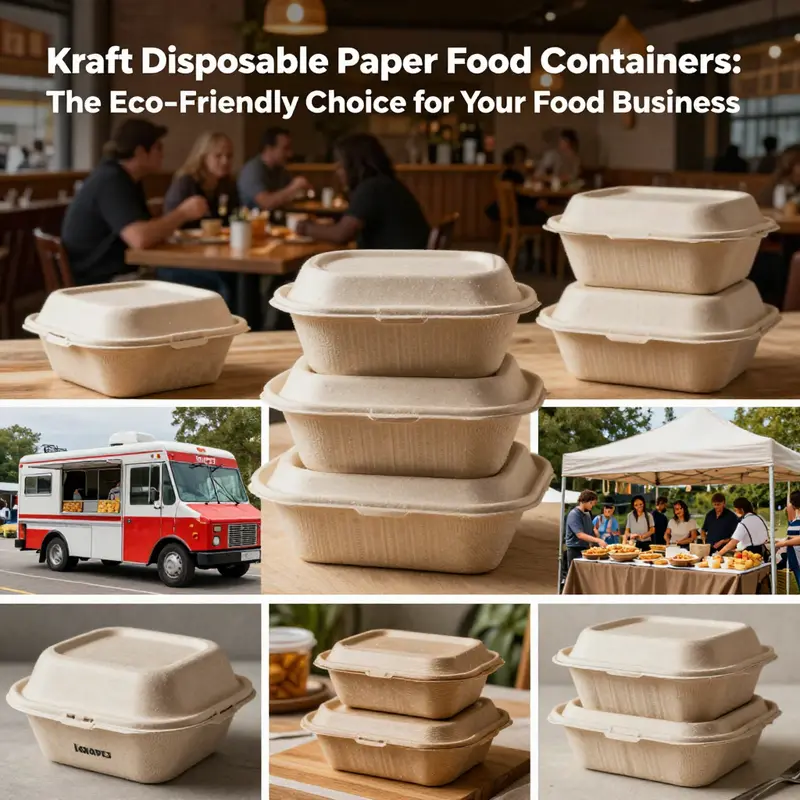
As the demand for sustainable packaging solutions grows, kraft disposable paper food containers emerge as an essential choice for restaurants, bubble tea shops, food trucks, and catering services. Their versatility accommodates a variety of foods while promoting eco-friendliness. This article delves into the unique varieties of these containers, their sustainability aspects, customization options for branding, pricing strategies, and key performance characteristics. Each chapter is designed to help businesses like yours understand the full potential of integrating kraft paper food containers into your operations, ultimately enhancing customer experience while contributing to environmental stewardship.
null
null
Greener by Design: The Sustainability Promise of Kraft Disposable Paper Food Containers
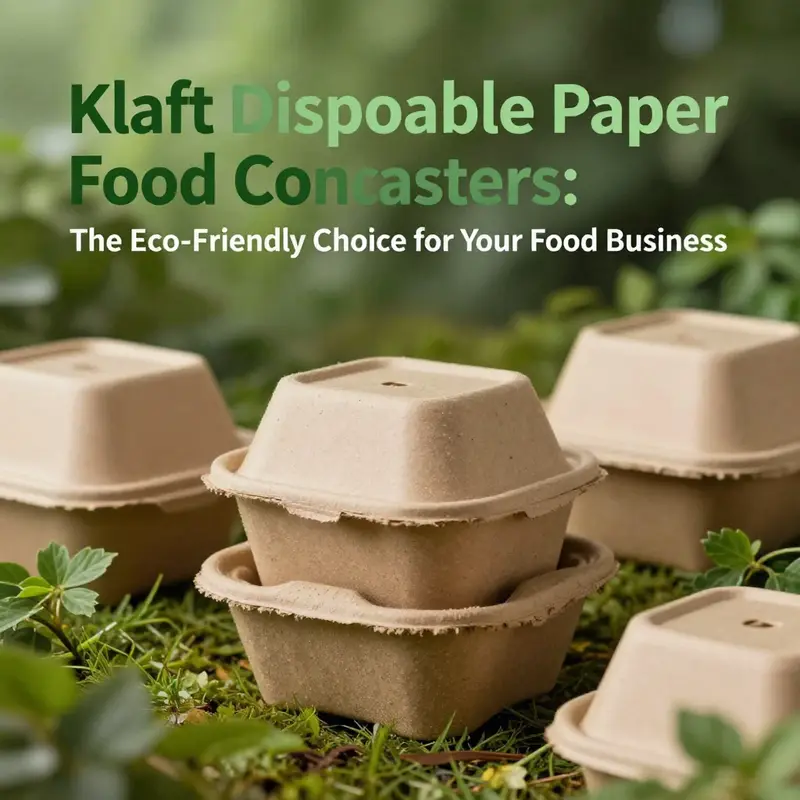
Sustainability is no longer an afterthought in food packaging; it has become a design criterion that shapes how containers are sourced, manufactured, used, and disposed. Kraft disposable paper food containers sit at a pivotal intersection of performance and responsibility. They promise a rethink of single-use packaging by leaning on renewable materials, recyclability, and the potential for lower life-cycle impacts when paired with proper end-of-life infrastructure. To understand their sustainability story is to trace a chain from responsible forest management and fiber processing to the realities of composting facilities and recycling streams, where the ultimate fate of the packaging is decided not just by its material but by the systems that handle it after it leaves a restaurant or takeout counter.
At the heart of kraft paper’s sustainability claim is its renewable, biodegradable raw material base. Kraft pulp comes from wood fibers, a resource that can be replenished through well-managed forests when forests are protected, replenished, and rotated under robust stewardship. This renewability matters because it offers a pathway away from fossil-based plastics toward a material that, in principle, can re-enter natural or industrial cycles. When kraft paper containers are disposed of in the right facilities, they can biodegrade or be composted into organic matter with substantially less residual toxicity than many conventional plastics. Yet the practical outcome hinges on the surrounding infrastructure. Industrial composting facilities, capable of breaking down kraft with coatings that enable moisture resistance, are not uniformly available everywhere. The result is a nuanced sustainability picture: the material itself can be inherently greener, but the environmental benefit depends on local capabilities to process the waste appropriately.
Recyclability provides another crucial piece of the puzzle. Kraft paper containers are fundamentally compatible with standard paper recycling streams, preserving the potential for closed-loop reuse of the fiber. This recycling pathway can significantly reduce the demand for virgin wood fiber and lower energy use relative to producing new plastic packaging. The greenness of this option, however, can be affected by the coatings and finishes used to improve grease resistance or moisture barrier properties. When a container relies on traditional petroleum-based coatings, recyclers may struggle to sort or repurpose the material efficiently. Conversely, plant-based coatings—such as those derived from polylactic acid (PLA)—are designed to preserve compostability while supporting the paper’s barrier needs. These coatings illustrate how ongoing material science works to retain performance without sacrificing end-of-life options. In practice, the best-case scenario aligns the material’s recyclability with coatings that either do not interfere with paper recovery streams or are compatible with composting under industrial conditions. For operators seeking to balance performance with sustainability, the alignment between fiber, coating, and waste processing is a decisive design choice that requires careful consideration of regional facilities and policies.
Carbon footprint considerations reinforce kraft paper’s appeal as a more climate-conscious option. The production of kraft paper generally imposes a lower carbon footprint than the manufacture of many synthetic plastics. In addition, replacing single-use plastics with paper-based alternatives reduces the emissions linked to plastic packaging waste over time. But carbon accounting must account for the full life cycle: from forest management and pulping energy to coating chemistry, transportation, and end-of-life processing. Localized sourcing can further reduce emissions by cutting transport distances and supporting responsive waste systems. When a packager couples responsible sourcing with efficient logistics, the cumulative effect can be meaningful for a business footprint and for consumer perceptions of environmental stewardship. This dynamic encourages brands to invest not only in the container itself but in the network of collection, sorting, and processing that determines whether the life cycle actually tilts toward sustainability.
Sustainable sourcing and certifications offer another lens through which to evaluate kraft-based packaging. Reputable suppliers increasingly align fiber origin with recognized standards such as Forest Stewardship Council (FSC) or Programme for the Endorsement of Forest Certification (PEFC). These certifications signal that the raw material comes from forests managed with ecological balance, social responsibility, and long-term productivity in mind. In some markets, Extended Producer Responsibility (EPR) frameworks further push producers to design for end-of-life, ensuring packaging waste is treated as a resource rather than a disposal burden. For businesses aiming to communicate credibility, certification marks provide a transparent, third-party verification of claims and can help customers make informed choices about what they buy and how the packaging is disposed of.
Design innovation in coatings represents a practical frontier for balancing performance with sustainability. Kraft paper’s intrinsic porosity and absorbency pose challenges for certain foods, particularly those with high moisture or oil content. To address these limitations without compromising compostability, manufacturers have developed plant-based coatings that improve grease resistance and liquid barrier properties. PLA-based coatings, for example, can offer a renewable alternative to conventional plastics while still enabling compostability in suitable facilities. The result is a container that preserves its structural integrity during transport and use, even with hot or oily foods, while remaining more compatible with composting or recycling streams than many traditional plastic boxes. Yet coatings are not a panacea; their adoption requires attention to the overall end-of-life system. If a coating complicates recycling streams or renders the packaging noncompostable, the sustainability advantage can erode. This reality underscores a central theme in modern packaging: the best environmental outcome arises when material choice, processing technology, and waste infrastructure are aligned with local capabilities and consumer behavior.
Beyond materials and processes, the social and economic dimensions of sustainability—cost, accessibility, and brand impact—shape adoption. For small eateries and large kitchens alike, the appeal of kraft containers lies not only in their environmental potential but in their compatibility with branding and service expectations. The ability to customize—print logos, messaging, or dietary cues—enhances brand recognition while signaling a commitment to responsible packaging. As with any sustainability upgrade, however, this requires a careful return on investment. The cost per unit, the required minimum orders, and the availability of coatings and certification labels all factor into decision-making. When the total ownership cost considers waste management outcomes, regulatory requirements, and customer expectations, kraft-based packaging can emerge as a competitive, responsible choice rather than a mere ethical preference.
Operational decisions also influence sustainability outcomes. Restaurants and caterers must design packaging to minimize waste and to maximize the proportion that is recoverable by recycling or composting. This includes selecting containers with reliable lids, secure seals to prevent leaks during delivery, and coatings that perform under typical transport conditions. It also means educating customers about disposal options and encouraging participation in local composting or recycling programs. A well-designed system extends beyond the physical container; it includes clear labeling, accessible drop-off points, and partnerships with waste processors that understand how to treat paper-based packaging in their particular jurisdiction. When these elements come together, the environmental story of kraft disposable containers becomes more than theoretical—it becomes a practical pathway to reduce pollution and conserve resources in everyday food service.
For practitioners seeking concrete examples of where sustainability and performance converge, the evidence points to a thoughtful combination of renewable fiber, responsible sourcing, and science-driven coatings. The trajectory is toward packaging that can be both barrier-strong and end-of-life friendly, even in mixed-use settings like takeout and delivery. The chapter on sustainability, in this sense, is less about a single property and more about the coherence of a system: fiber origin, processing choices, coating technology, and waste management all working in concert. This coherence is what empowers brands to claim real environmental value rather than invoking broad, ambiguous assurances.
As readers explore this topic, a practical takeaway is to consider not only what a container is made from, but how it is produced and how it is disposed of. The best outcomes arise when the packaging is designed with its end-of-life in mind, when coatings support performance without compromising recyclability or compostability, and when the waste system in a given locale can actually process the material in a timely, efficient manner. In that sense, kraft disposable paper containers offer a compelling sustainability narrative, one that evolves with advances in forest management, recycling technology, and waste infrastructure. They invite businesses to think holistically—about sourcing, processing, use, and disposal—so that the packaging contributes to a lower-impact food system rather than simply shifting footprints from one area to another.
For readers seeking a broader synthesis of standards and performance, a detailed external resource provides additional context on eco-friendly kraft packaging and best practices in this field. It offers complementary perspectives on how coatings, certifications, and processing choices intersect with end-of-life options in real-world settings. To explore these ideas further, see the external reference below. And for a concrete example of how a specific kraft-based option can be positioned within a takeaway program, you can examine a relevant product category that emphasizes grease resistance, lid integrity, and convenient handling, such as kraft paper soup containers with lids, which illustrate the balance of practicality and sustainability in action. This balance—between material innovation and waste-system readiness—defines the evolving sustainability profile of kraft disposable paper containers.
Internal reference for practitioners seeking practical context: kraft paper soup containers with lids.
External reference: https://www.ecoflexpackaging.com/blog/comprehensive-overview-of-eco-kraft-paper-food-container-round-standards-performance-and-best-practices/
Kraft as a Canvas: Customization and Branding that Turn Eco-Friendly Containers into Brand Assets
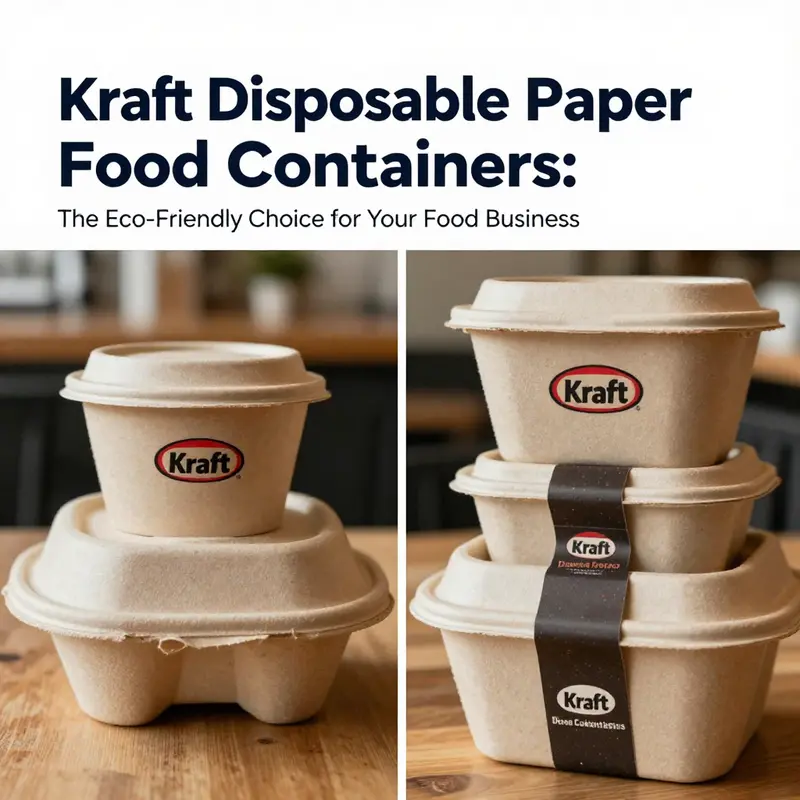
Kraft disposable paper food containers have long lived as reliable workhorses in the fast-paced world of takeout and delivery. Yet beneath their functional exterior lies a powerful capability: they can be a canvas for a brand’s story, values, and promise. When a restaurant or cafe chooses a container made from sturdy kraft paper, they are not merely selecting a vessel for soup or salad; they are choosing a surface that communicates sustainability, quality, and attention to detail. The brown, natural tone of kraft offers a warm, earthy backdrop that can amplify bold brand colors or quiet, premium hues. On this surface, ink becomes more than marking—it becomes a bridge between the business and the customer. High-quality printability means crisp logos, legible taglines, and distinctive design elements that stand up to the glare of a storefront or the glare of a phone screen during a late-night delivery. In practice, that translates into packaging that feels cohesive with a brand’s broader identity, from the color palette used in signage and menus to the texture and weight customers associate with the meal itself.
The core advantage of kraft containers in branding lies in their ability to balance visibility with environmental storytelling. The material’s natural appearance already signals sustainability; when brands pair it with clear, well-contrasted printing, the packaging communicates both function and conscience. The result is a packaging experience that resonates beyond the food. A well-designed kraft container can cue customers to trust the product inside, reinforcing perceptions of freshness, care, and responsible sourcing. This is not just about logo placement; it is about crafting a cohesive customer journey—from first glance to unboxing to disposal—and aligning each touchpoint with a message about responsible consumption.
Designing for print on kraft requires strategic choices. Dark, saturated tones can pop against the light brown surface, while white space can give the brand room to breathe and convey elegance. The right typography—clean, legible, and scaled for different bag sizes or lid configurations—helps the brand stay recognizable across a crowded marketplace. Because kraft is a porous, textured material by nature, designers often favor inks that maintain legibility on uneven surfaces and consider the impact of folds, seams, and closures on visibility. When done thoughtfully, the container becomes a portable advertisement that travels with the customer, both in transit and in memory.
The opportunity for customization extends beyond color and logo. Shapes and formats offered by producers open avenues for brand storytelling. A fast-food chain might opt for a compact, leak-resistant rectangular container whose lid locks securely, signaling reliability and convenience. A boutique bakery could choose a round, windowed cake box that invites a peek at the product while still preserving freshness. Salad boxes, sushi containers, and fry boxes each carry different connotations, and the choice of form can reflect a brand’s culinary focus and service model. This is branding through function: the packaging not only carries food but also reinforces how the brand thinks about its diners—whether as value-driven, premium, eco-conscious, or playful.
From a business perspective, the customization process is designed to be accessible and scalable. Suppliers in this space typically offer flexible options for shapes, sizes, and printed designs tailored to specific needs. An important practical detail is the possibility of free product samples before committing to a bulk order, which allows a brand to verify print quality, color accuracy, and overall compatibility with their menu items. Minimum order quantities (MOQs) can range from roughly ten thousand to a hundred thousand pieces, depending on the supplier and the complexity of the design. While that range may seem high, it mirrors the realities of commercial packaging where consistency, color fidelity, and a reliable supply chain matter just as much as the initial artwork. In many cases, the economics favor the per-piece cost of bulk orders, with bulk pricing cited in the broader market as low as a few cents per piece, depending on volume and finish.
Design choices are not made in a vacuum. They intersect with safety, performance, and sustainability—the very attributes that influence consumer trust. Kraft paper used for food containers is typically food-grade and designed to withstand hot or cold foods without compromising integrity. The material’s grease resistance and structural strength help ensure that branding elements stay intact through handling, transit, and occasional microwaving where permitted by the product. For brands that want to promote sustainability as part of their value proposition, kraft packaging offers a tangible proof point. If the brand promises eco-friendly practices, the packaging becomes a visible extension of that promise, rather than a hollow claim. This alignment between environmental values and brand messaging strengthens consumer confidence and can foster loyalty over time.
The power of customization also extends to the packaging’s ability to tell micro-stories. A single container can reference a seasonal menu, a local supplier, or a charitable initiative, turning packaging into a storytelling device. Limited-edition prints, QR codes to access curated recipes, or a simple in-house design update for a holiday menu can all be accommodated on kraft containers without sacrificing durability. The tangible nature of printed design—feelable ink on a sturdy surface—adds a sensory layer to the brand experience that digital channels alone cannot replicate. It invites customers to engage with the brand not just through taste, but through a sense of ownership and participation in a shared narrative.
For brands seeking partners to bring these concepts to life, the option to explore dedicated customization services is a practical path. Some suppliers offer a spectrum of design capabilities that align with a brand’s identity and marketing calendar. A key consideration is ensuring that the customization process upholds safety standards while delivering consistent print quality across batches. Food-grade kraft paper is non-negotiable for safety, yet the printing process must also be compatible with the temperatures and handling conditions typical of food service. When done well, the result is a packaging system that looks premium, communicates clearly, and supports operational efficiency in the kitchen and front of house.
A concrete example of how customization translates into tangible branding benefits can be seen in the integration of packaging with promotional campaigns. For seasonal promotions, a brand can swap in limited-edition artwork that highlights a new menu item or a sustainability message for a specific period. Because kraft containers are adaptable to various shapes and sizes, the campaign footprint can expand without compromising the core brand identity. Customers experience the same tone and quality, whether they order a burger, a salad, or a dessert, and the uniformity across product lines reinforces brand recognition. The cohesion between packaging and menu design also streamlines in-store operations. Staff interact with containers that already reflect the brand’s color and typography, reducing confusion and helping to ensure that the unboxing experience is consistent across channels.
From a digital marketing perspective, the ability to imprint logos or brand colors directly onto packaging simplifies the omnichannel journey. When customers share photos of their meals on social platforms, the packaging becomes a visible banner for the brand. A striking kraft container with bold branding and a subtle nod to sustainability can generate organic reach, opening opportunities for user-generated content and social proof. The value proposition widens beyond the physical container: the branding work invested in these packages can fuel brand equity and increase the likelihood of repeat orders.
In evaluating the total value of customized kraft packaging, it is important to consider practical fulfillment details. The same material that carries a brand story must support reliable shelf-life, maintain structural integrity during transport, and remain compatible with the food items it holds. This requires a careful balance between aesthetics and functionality. Printed surfaces should be resistant to smudging, and the edges and lids must lock securely to prevent leaks. The combination of durability, printability, and eco-friendliness makes kraft containers a compelling choice for brands aiming to differentiate themselves in a crowded market while remaining aligned with sustainability goals.
To explore these opportunities further, some suppliers provide dedicated options for theme-based packaging and custom takeout solutions. For example, businesses can access specialized offerings that emphasize brand storytelling through design, packaging forms, and printed textures that echo the restaurant’s concept. These options enable brands to tailor their packaging to specific campaigns, seasonal menus, or partnership programs—without sacrificing the performance that customers rely on in everyday orders. For brands that want to test and refine their approach, the ability to obtain samples and to iterate on designs before committing to full-scale production is a practical, low-risk path to achieving a distinctive look.
In sum, kraft disposable paper food containers are more than containers. They are strategic branding assets that can reinforce a brand’s promise, support sustainability narratives, and elevate the customer experience from the moment of purchase to the moment of disposal. Through thoughtful customization and careful collaboration with suppliers, businesses can transform ordinary packaging into a distinctive, memorable part of the dining experience. The canvas is natural, the possibilities are active, and the impact on brand perception can be substantial when design, safety, and performance work together in harmony. To see how one can navigate these options in practice, consider exploring dedicated customization offerings such as custom-takeaway-packaging-supplies-disposable-tableware-for-theme-party, which illustrate how form, print, and function converge to create packaging that feels purposeful and aligned with modern sustainability goals.
External resource: For broader context on the future of kraft paper food containers and their role in brand storytelling, see https://www.ecofriendlypackaging.com/blog/why-kraft-paper-food-containers-are-the-future.
Pricing as Packaging: How Cost, Customization, and Scale Shape Kraft Disposable Paper Containers
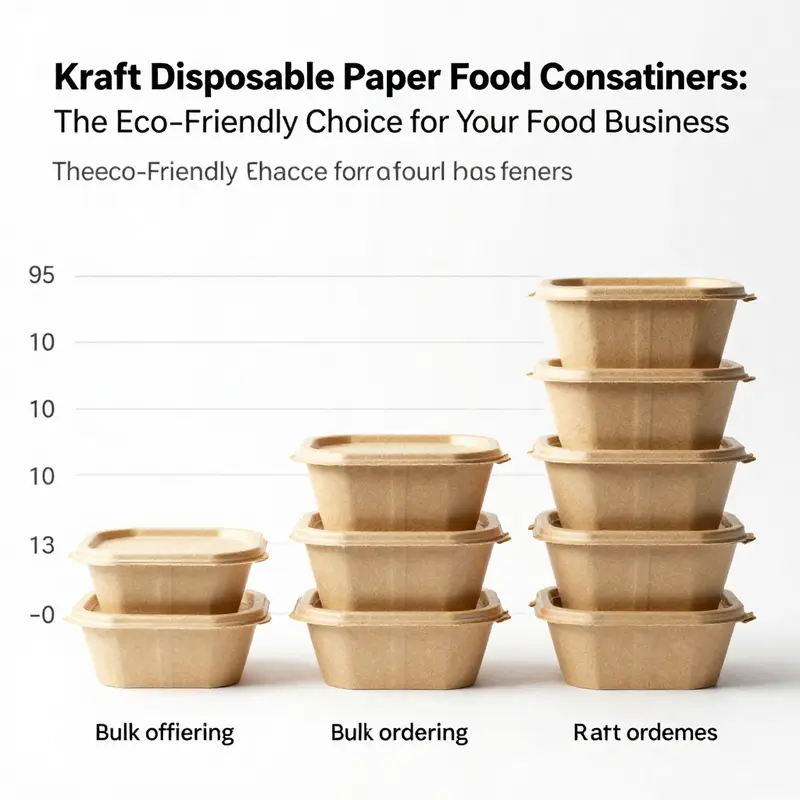
Kraft disposable paper food containers sit at a quiet crossroads between responsibility and practicality. They are not just wrappers for meals; they are the interface between a business’s operating costs and a customer’s perception of value. In a market where sustainability is increasingly a selling point, price remains a decisive factor. The way a supplier prices these containers—how they balance volume, customization, and the nuances of size and application—tells a broader story about accessibility, quality, and brand trust. For buyers, pricing is not simply a sticker on a box. It is a budgeting tool, a signal of reliability, and a catalyst for strategic decisions about menu design, takeout volume, and even marketing investments. Understanding how price is constructed helps operators plan the life cycle of their packaging from procurement through to the table, carryout bag, or delivery box, all while staying aligned with environmental commitments.
Among the clearest patterns in kraft container pricing are tiered volumes, customization options, and how product specifications drive cost. The tiered structure is almost universal. Suppliers commonly reward bulk purchases with lower per-unit costs, a logic born from manufacturing economics: higher volumes spread fixed costs over more units, reducing the amount paid per container. In practice, the numbers tell a story of scale. For example, as orders rise past 100,000 units, some suppliers drop the unit price substantially. A typical threshold shows prices around four cents per piece for very large runs, while mid-tier bulk orders—roughly 50,000 to 99,999 units—often land closer to six and a half cents per piece. Standard or smaller lots may sit around seven and a half cents per unit. These figures are not universal constants, but they reflect a common arithmetic: more units harvested from the same production line mean lower cost per unit. This dynamic matters because it creates a corridor of affordability for high-volume takeout operators, enabling promotions, menu testing, and expansion without an equivalent rise in packaging expenses.
Customization is the other major price influencer. Custom printing, branded lids, or specialized shapes can transform a plain container into a brand touchpoint. The added value of visibility—logos, color schemes, and consistent typography—can justify higher unit costs, especially for outlets seeking a cohesive, premium customer experience. Suppliers frequently confirm their ability to accommodate branding requests, and buyers often accept a modest premium for this differentiation. The degree of customization matters here. A simple logo might add a small surcharge; more elaborate branding, color matching, or a full set of printed elements may push the price up more noticeably. Importantly, customization links directly to perceived value. In markets where packaging is part of the brand, that value can translate into customer loyalty, repeat business, and even willingness to pay a little more for an end-to-end sustainable experience. When evaluating quotes, it is wise to request samples and to weigh the incremental cost of branding against the expected lift in brand equity and customer satisfaction. For teams exploring theme-driven or event-specific packaging, the added cost can be a worthwhile investment, especially if it supports higher takeout volumes or premium offerings.
Product specifications and application offer a further lens on price. Container size and form factor directly influence material usage and manufacturing complexity. Larger containers—think lunch boxes in the 800 ml to 3,000 ml range or substantial soup or pasta cups—consume more kraft fiber and may require sturdier constructions to maintain structural integrity under heat or cold. That extra material and engineering work naturally elevates the price. Conversely, smaller items such as modest salad bowls or compact snack containers can be priced toward the lower end of the spectrum, reflecting lighter production requirements. Beyond size, performance features like grease resistance, leak-proof lids, and microwave compatibility factor into pricing as well. When a container can safely handle both hot and cold foods, or when its lid locks securely to prevent leaks during transit, those capabilities are not merely convenience; they are added value that can justify a higher price point, particularly for operators who must minimize returns or complaints from frayed packaging during delivery.
The retail and wholesale landscape adds another layer of nuance. In wholesale contexts, price signals are anchored by expected order volumes and delivery terms rather than consumer-facing checks at checkout. In contrast, retail marketplaces and bulk listings show how per-unit prices trend downward with larger packs, but the context changes. A pack of 25 brown kraft paper soup cups might be priced around £4.99, equating to about £0.20 per cup. A larger multi-pack, such as 50 cups of a 16 oz size, can run around £6.99, or roughly £0.14 per cup. These figures illustrate two realities. First, per-unit costs often fall as pack size increases, reinforcing the logic of buying in bulk for operators with steady takeout or delivery demand. Second, the total cost of ownership remains sensitive to shipping, handling, and any customization fees, so price comparisons must consider all elements of the transaction, not just the unit price.
For teams evaluating suppliers, the path to a fair price is not simply chasing the lowest per-unit quote. It is a balancing act that weighs production realities, material quality, and the strategic value of branding. The most accurate way to gauge true cost is to request formal quotes and samples. A sample can reveal how the container performs under real-world conditions—whether it nests well, tolerates heat and grease, and closes securely without leaks. Quotes should cover not just per-unit price but also setup fees for customization, any plate or plate-run charges for logos, and the cost implications of different lid designs or locking mechanisms. Shipping terms also matter. Incoterms, lead times, and payment terms can tilt the economics in subtle but meaningful ways, especially for smaller buyers who must align procurement with cash flow and inventory cycles.
The pricing conversation for kraft containers is inseparable from the functional expectations of the buyer. A cafe that pivots to greater takeout volume needs reliable, cost-efficient packaging that can scale; a restaurant that emphasizes a premium, eco-conscious experience may justify higher packaging costs if the containers reinforce brand messaging. In both cases, the mathematics of pricing supports strategy: bulk orders reduce unit price, customization reinforces differentiation, and the right size and feature set deliver the performance customers expect. The operator’s task is to map these levers to their business model. How many meals are taken out weekly? What level of branding resonates with the target audience? How critical is moisture resistance, heat tolerance, and leak prevention to customer satisfaction? The answers shape not just a single purchase, but a chain of decisions that begins with price and ends with a coherent, sustainable brand experience.
Within this framework, it is useful to consider a few practical questions. How aggressively should a business negotiate bulk pricing? What is the value of a branded lid in a crowded delivery zone? Does the prospect of a larger, more robust container justify paying a little more when it reduces spill rates, returns, and complaints? And how should a company plan for cost volatility in raw materials or currency fluctuations? The answers will vary by market, by supplier, and by the anticipated life cycle of a given packaging program. A cautious but informed buyer might press for tiered discounts aligned with forecasted demand, request a mix of sizes to optimize box-to-meal fit, and bundle customization with a long-term sourcing agreement to secure favorable terms.
This is where the supplier’s perspective, often not visible at the first price quote, becomes critical. A supplier aiming for long-term partnerships will consider not only the immediate margin on each piece but the cumulative revenue generated by consistent monthly orders, the reliability of returns and replacements, and the branding value generated when customers associate a specific container with a positive takeout experience. The economics of kraft packaging thus hinge on a delicate balance: maximize volume efficiency, preserve material quality and performance, and nurture the branding potential that can convert a practical necessity into a competitive advantage. For operators, the payoff is a packaging system that supports not only today’s sales but also the planned growth of tomorrow.
In sum, pricing for kraft disposable paper food containers is best understood as a spectrum rather than a single number. It spans volume-driven economics, customization-enabled differentiation, and the broad variety of sizes and performance features that customers expect. The most successful buyers treat price as a strategic instrument, not a barrier. They negotiate for scale, prioritize options that bolster brand perception, and choose container configurations that align with menu design, delivery logistics, and sustainability goals. As costs shift with production realities and market conditions, the disciplined buyer maintains agility—revisiting quotes, testing samples, and recalibrating orders to preserve both profitability and purpose. For teams pursuing theme-driven or high-visibility packaging, the extra margin attached to customization can be well worth the investment, provided it is anchored by solid volume planning and a clear view of the value delivered to customers.
To explore a specific example of how customization can be integrated with packaging strategy, teams can look at providers that specialize in theme-driven takeaway packaging. For those seeking design-forward, customizable solutions, see custom-takeaway-packaging-supplies-disposable-tableware-for-theme-party.
External resource: https://www.amazon.co.uk/dp/B0CQVJXWZS?psc=1
Performance in Practice: How Kraft Disposable Paper Containers Balance Reliability, Recyclability, and Real-World Use
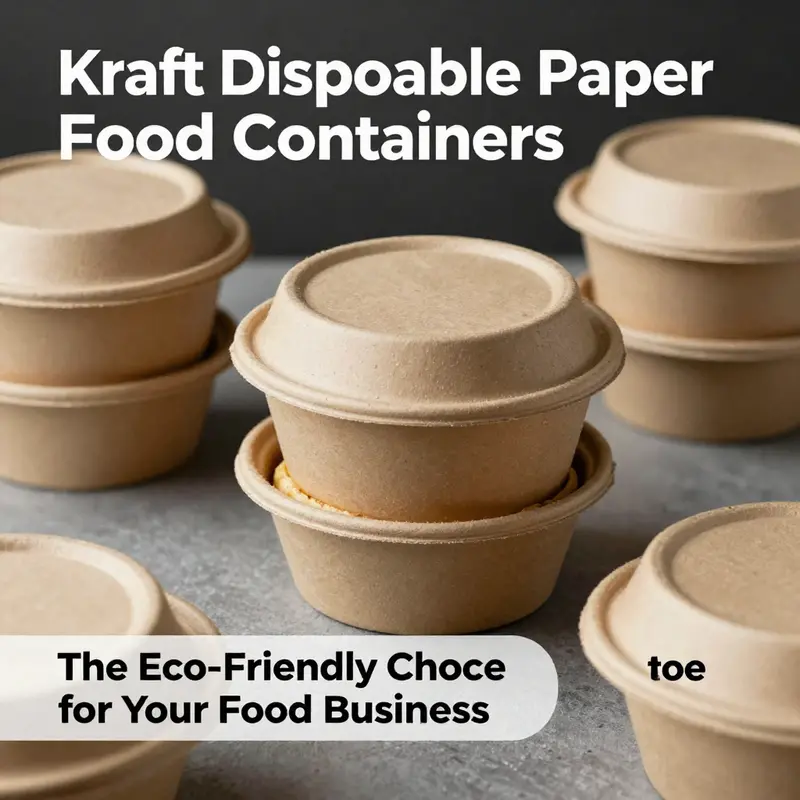
Kraft disposable paper containers have moved beyond simple packaging by becoming a reliable workhorse in kitchens, takeout windows, and delivery fleets. They embody a careful balance of strength, heat management, and protection against leaks, all wrapped in a material that is easier to recycle or compost than many plastics. When a restaurant or catering operation chooses these containers, the decision is not only about a single tray or box; it is about a system that preserves the integrity of hot and cold foods, supports efficient logistics, and communicates a brand’s commitment to stewardship. The performance story behind kraft paper containers rests on a few core design choices that engineers and suppliers have refined over time. Foremost is the choice of base material—thick kraft paper that provides natural stiffness and a warm, earthy aesthetic that resonates with sustainability. This paper is typically paired with a barrier layer, either a biodegradable coating such as PLA or a more conventional PE, to guard against moisture and grease. The combination creates a robust, double-wall construction in many forms, even for containers intended to hold steaming soup, saucy noodles, or oily fried items. The barrier technology—whether a PLA-coated layer or a grease-resistant polymer coating—serves as a prodigious line of defense. It prevents leaks and wicks away moisture from the interior so that the container remains structurally sound even as heat and condensation build up. In practice, this means a container can carry a hot broth without staining the exterior or compromising the lid’s seal, a crucial attribute for takeout and delivery where transit time is variable and temperatures can vary along the route. The result is a decisive improvement over single-layer paper options, which frequently struggle with seepage and deformation when faced with wet or fatty foods. The precise performance hinges on the thickness of the paper and the density of the barrier coating. A higher-density kraft paper—often around 250 g/m2 or more—paired with a well-applied coating delivers a reliable barrier without sacrificing the container’s flexibility. This is essential in a kitchen where menu items range from soups and stews to salads with sauces and hot items that must be kept separate from their packaging and still travel securely. The interplay between liquid resistance and structural integrity also influences how containers are stacked and transported. In the real world, space in delivery vehicles and storage cabinets is at a premium. The stackable design common to many kraft containers offers tangible operational benefits. When containers can nest and stack without buckling, warehouses can store more items in the same footprint, and drivers can load more product in each run. The efficiency gain can be substantial—industry observations often estimate space improvements of up to about thirty percent compared with non-stackable options. For a restaurant that builds long daily routines around pack-outs and multi-stop deliveries, those space gains translate into shorter loading times, reduced fuel consumption, and fewer trips required to fulfill a day’s orders. The stacking behavior is not merely about packing density; it intersects with how lids and vents function during use. Lids with secure locking mechanisms provide an engineered balance between a snug seal and the ability to reclose easily during transit. In hot-service cases, a vented lid can play a crucial role by allowing steam to escape in a controlled manner. This modest venting prevents condensation from pooling on the lid or inside the box, which helps maintain the presentation of hot meals and reduces risks of sogginess for items like fried foods, rice bowls, and noodle dishes. The practical sweet spot seems to be a system that supports hot and cold items alike, with containers designed to tolerate a stretch of time in the customer’s hands and in transit without compromising safety, aroma, or texture. Across the variety of sizes—from compact 330 ml portions to generous 2100 ml capacities—the same fundamental design logic applies: a durable core, a protective barrier, and an outer shell that preserves form under heat, moisture, and the occasional jostle of movement. This versatility makes kraft paper containers suitable for a wide spectrum of foods: salads that rely on crispness, sandwiches and wraps that demand a sturdy base, fried sides that generate grease, and desserts that need a clean, leak-free package. The breadth of sizes also supports menu engineering. A restaurant can design a coherent packaging system that aligns with course structure, portion size, and even promotional formats. A small, grease-resistant rectangular box may serve as a perfect home for a compact lunch, while a larger, vented container can accommodate a noodle bowl with room to mix sauces at the table. In practice, the material’s performance is not isolated from the service context. It is shaped by how the container is used—from how it is filled in the kitchen, to how it is carried by staff, to how it is opened by a customer who expects a clean, simple experience. This is where the brand-building potential intersects with functional performance. Kraft containers are often customizable, enabling brands to print logos, slogans, or promotional messages directly onto the surface. The result is a packaging medium that reinforces identity while still delivering the necessary barrier properties and mechanical strength. The customization options, while delivering a marketing edge, do not compromise the integrity of the container. Instead, they are calibrated to work with the chosen materials and coatings so that brand imprinting remains legible even when the container is hot, greasy, or wet. Alongside branding, cost remains a practical consideration. For businesses that process large volumes, the per-piece cost can be compelling, with bulk pricing ranges frequently cited in the low single digits per piece depending on order size and configuration. This affordability, coupled with the performance characteristics described, makes kraft disposable containers a compelling option for both smaller independents and larger operations. Yet sustainability remains at the heart of the conversation. The eco-friendly credentials of kraft containers are anchored in the use of recycled or responsibly sourced paperboard, along with coatings that enable compostable or biodegradable end-of-life outcomes where local systems permit. Safety for direct food contact is addressed through food-grade certifications that accompany many products, ensuring that the packaging remains inert in contact with edible items while preserving performance during storage and transport. The lifecycle implications matter to operators and customers alike. When consumers see a packaging choice that aligns with environmental values, it reinforces trust in the entire food experience. And when those same containers perform reliably in the hot kitchen, during long drives, and on busy countertops, the perceived value of the packaging becomes part of the dining experience itself. In this sense, the performance of kraft disposable paper containers is a balancing act—between heat resistance and moisture protection, between stackability and lid integrity, between physical durability and recyclable end-of-life options. The design ethos is practical, not ornamental: build strength into the core, shield contents with a resilient barrier, and offer flexibility for a wide range of foods and service styles. For operators, this translates into fewer damaged shipments, clearer presentation, and more consistent customer satisfaction. For customers, it means a dependable meal experience—whether they are grabbing a quick lunch, ordering a family meal for delivery, or enjoying a takeaway dessert. The optimization of these attributes also interacts with logistics and supplier ecosystems. A well-made kraft container can reduce the need for additional barrier layers or extra packaging, which translates into lighter total packaging weight and potentially lower packaging waste. The ability to reuse or recycle more of the container aligns with broader sustainability goals and can influence procurement strategies as businesses seek reliable, scalable solutions. To explore the latest options and to view related product configurations, readers can consult supplier catalogs that spotlight disposable kraft paper bowls with lids, which provide a practical reference for how a coordinated system can look in a real kitchen. For instance, a dedicated page focusing on kraft paper bowls with lids for takeaway demonstrates how lid-secure designs and interior barriers work together with the paper body to maintain quality across transfer and service. disposable kraft paper bowls with lids for takeaway Beyond the product pages, the broader ecosystem—coatings, barrier chemistries, and consumer-facing packaging choices—continues to evolve toward more sustainable and efficient configurations. As material science advances, the barrier layers may become thinner or greener, while maintaining or even enhancing heat and moisture resistance. This ongoing evolution promises to preserve the practical advantages of kraft containers while sharpening their environmental profile. In the end, the value of kraft disposable paper containers lies not only in what they hold but in how they carry it. They support a wide range of culinary formats, they travel with confidence through complex logistical networks, and they present a consistent, brand-conscious experience to customers. They are a tangible example of how material choices in packaging can influence operations, customer perception, and sustainability outcomes in a tightly integrated system. For readers looking to deepen their understanding of the market, the detailed technical specifications and product options available from major suppliers provide a practical doorway into how these characteristics translate from paper and coating chemistry into everyday use. External resources can offer a broader view of the industry landscape and a sense of scale for how these containers fit into global packaging strategies. For further reading on technical specifications and product options, see Alibaba’s catalog of kraft paper containers: https://www.alibaba.com/showroom/kraft-paper-food-containers.html
Final thoughts
Kraft disposable paper food containers not only support the trend toward sustainability but also provide a robust solution for businesses seeking to enhance their offerings. With various sizes and styles available, they cater to diverse culinary needs while allowing for meaningful branding opportunities. Their eco-friendly nature, cost-effective pricing, and superior performance characteristics make them an ideal choice for bubble tea shops, restaurants, food trucks, and catering services alike. Incorporating these containers can elevate your brand’s image while contributing positively to the planet, ensuring your business stands out in a crowded market.