
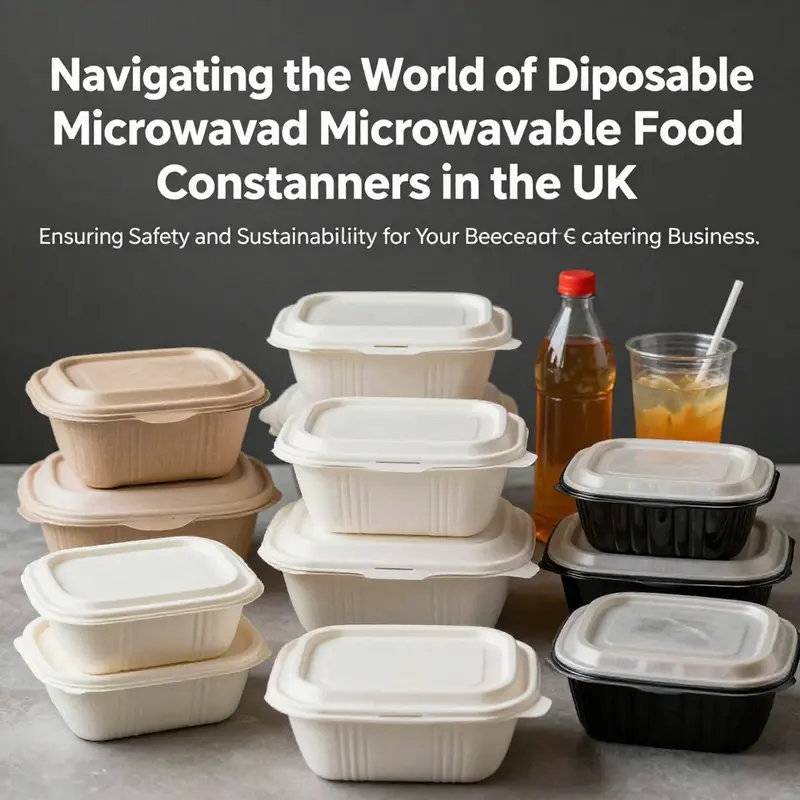
As food providers such as bubble tea shops, restaurants, and catering services seek convenient and efficient packaging solutions, the importance of understanding disposable microwavable food containers cannot be overstated. With rising consumer awareness about safety and environmental impact, businesses need to choose wisely. This article delves into key considerations, such as material safety, regulatory compliance, and the selection process for these containers, while also pondering the critical twin themes of sustainability and environmental responsibility. Each chapter explores these elements in depth, aiming to equip businesses with the knowledge to make informed choices.
Nanoplastics, Standards, and Safer Choices: Navigating the Material Safety of Microwavable Disposable Containers in the UK

When we heat food in disposable containers, the material itself becomes part of the cooking process. In the United Kingdom, a quiet but growing focus on material safety for microwavable disposable containers has emerged from science, regulation, and consumer experience. This chapter follows that thread, tracing how high-temperature microwaving alters plastic structures, how different coatings behave under heat, and what this means for everyday meals. It is a narrative about science meeting kitchen pragmatism, about the gap between a label that says microwave safe and the real-world health implications of nanoplastics and chemical migrants. It also points toward practical choices that reduce risk without sacrificing convenience or accessibility in the UK market.
A central fact anchors the discussion: microwaving acts as a catalyst that can dramatically increase the release of tiny plastic particles from packaging. A 2023 study, conducted under controlled heating conditions, reported that three minutes in a microwave could release billions of nanoplastic particles per square centimeter from certain plastic containers, alongside millions of microplastics. This finding underscores a broader mechanism: heat and fat-rich foods create a solvent-like environment that mobilizes additives and fragments from the container material into the food itself. While the precise figures have to be interpreted with attention to experimental conditions and the specific materials tested, the direction is clear—microwave heating can markedly elevate the potential exposure to plastic-derived particles. In the UK context, this reinforces why prudent choices matter even when packaging bears a microwave-safe label.
A second layer of complexity comes from the coatings and polymers used in disposable meal containers. A widely cited line of research draws a stark contrast between different surface finishes. Containers with a polylactic acid (PLA) coating, commonly found on some compostable or biodegradable paper-based cups and sleeves, showed dramatically higher nanoplastic release in microwaving tests compared with those coated with low-density polyethylene (LDPE) or similar durable plastics. In quantitative terms, the PLA-coated variants could exhibit release magnitudes tens of thousands of times higher than their LDPE-coated counterparts under equivalent heating profiles. Even when the total energy input remains the same, the distribution of heat and the interaction with the coating material can change the migration dynamics substantially. The practical takeaway is not to demonize all “biodegradable” or PLA-inclusive options, but to recognize that a higher risk profile can accompany certain coatings when subjected to microwave conditions. For consumers, the implication is straightforward: when choosing disposable containers for microwaving in the UK, prioritize products clearly labeled as microwave safe with LDPE or traditional plastic bases rather than PLA-coated finishes. This subtle distinction can meaningfully reduce nanoplastic exposure during routine meals.
In the UK regulatory landscape, a well-defined framework guides what can be sold and how it should be labeled. Since 2023, the UKCA mark has taken the place of the CE mark for products sold in Britain, covering safety assessments across a wide range of goods, including food contact materials. Alongside this, the governance of materials intended to come into contact with food is anchored in standards that address the total migration of substances from packaging into food. The UK Food Contact Materials Regulations 2023 impose criteria intended to prevent harmful chemicals from migrating into foods, with particular attention paid to substances like bisphenols and phthalates that have drawn scrutiny in public health discussions. For a consumer, the practical upshot is that products bearing the UKCA mark and compliant with the relevant food-contact standards provide a stronger assurance of safety in principle. That said, the label alone cannot eliminate risk entirely, especially when high-temperature, high-fat microwave scenarios come into play.
A further nuance concerns the interaction between container labels and real cooking practices. Industry literature and regulatory guidance warn that the label “microwave safe” does not automatically mean risk-free under all conditions. Food composition matters. Oils and fats can facilitate the leaching of plasticizers and stabilizers, a phenomenon explained in part by the similar-solvent principle—where oil acts to dissolve or mobilize additives embedded in the polymer matrix. The British nutrition and food-safety discourse echoes this caveat, emphasizing that even with a microwave-safe designation, users should be mindful of heating high-fat dishes in certain plastics. A practical consequence is that, whenever possible, high-fat or highly seasoned dishes should be heated in glass or ceramic containers and then transferred to a microwave-safe vessel if necessary. The goal is to minimize direct contact between highly permeable plastics and hot, fatty foods during the heating process.
Beyond the immediate risk of nanoplastics, the broader lifecycle and usage patterns of disposable packaging matter. Freezing and thawing introduce additional risk vectors. While freezing can slow some migration processes, it does not eliminate them. When foods previously in contact with plastic packaging are later heated, the thermal shock and rapid rise in temperature can re-activate migration pathways and sometimes magnify them. In practice, many households combine convenience with a habit of microwaving directly from the freezer, a habit that increases the potential for chemical migration. Public guidance urges caution: avoid direct microwaving of frozen foods in non-glass, non-ceramic packaging, and plan to repackage into safer vessels before reheating.
These insights naturally lead to safer, more durable alternatives for many UK households. For those who wish to minimize single-use plastic exposure altogether, reusable options warrant serious consideration. Glass containers and stainless steel options—especially those with vacuum insulation or tempered glass—offer robust resistance to high-temperature migration and are less likely to introduce nanoplastics into meals. Silicone, as a heat-tolerant, reusable material, presents another pathway for households seeking versatile, microwave-safe options, though users should still verify that silicone products are specifically labeled for microwave use and food contact safety. The overarching message is not to abandon microwaving altogether but to distinguish between single-use convenience that carries embedded risks and reusable, safer containers that align with a longer-term, health-conscious approach to food heating.
For readers who continue to rely on disposable options, some materials and packaging formats pose a comparatively lower risk profile. Containers with thicker walls and those designed for multi-use purposes tend to exhibit less rapid degradation under heat and may reduce the rate at which additives migrate into food. In contrast, slender-walled designs or those with PLA-rich coatings can exhibit higher susceptibility to nanoplastic release when exposed to microwave energy, particularly with petroleum-based coatings or older formulations. In short, thicker-walled, non-PLA-coated packaging can be a safer middle ground when disposal is a likely end-of-life scenario, though the safest strategy remains a shift toward reusable systems whenever feasible.
To help consumers navigate the market, a few practical heuristics can be applied in the moment of purchase. First, scrutinize the packaging for a clear microwavable claim and, if present, check the stated maximum temperature. Labels that specify a temperature ceiling—such as a maximum of 120°C—provide a tangible guardrail. Second, beware of terms like biodegradable or compostable as marketing labels that may not translate to safe microwaving in home conditions. The reality is that many of these materials require industrial composting or specific conditions to perform as advertised, and under household microwaving they may release nanoplastics or other migrants at unexpected levels. Third, consider the container’s material base. If the container lists LDPE, PP, or a standard plastic polymer traditionally used in food-contact applications, it generally presents a lower risk in microwaving contexts than PLA-based or PLA-coated products. Fourth, when in doubt, transferring food to a glass or ceramic dish before reheating offers a straightforward, low-tech way to minimize direct exposure to potential migrants from disposable packaging.
This pragmatic approach aligns with regulatory expectations too. The UK food-contact framework emphasizes that materials are assessed for safety in terms of migration, and manufacturers bear responsibility for ensuring that products meet those migration thresholds under typical usage. Consumers who read the packaging with an understanding of these principles will be better prepared to distinguish between a label that merely indicates a product’s intended purpose and the real-world conditions that drive chemical and particle migration during microwaving. It is a subtle but important distinction that translates into practical choices at the point of purchase and during daily meal preparation.
For those seeking a concrete example of how packaging choices intersect with safety narratives, consider the broader ecosystem of takeout packaging. The UK market offers a spectrum of packaging formats, from simple one-off containers to more complex, multi-compartment systems designed to separate components of a meal. The latter can be advantageous not only from a convenience standpoint but also from a safety perspective, because they may reduce cross-contact with fatty sauces and oils in a single, cohesive structure. Even so, the same heat-driven migration logic applies: the inner surface, wall thickness, and coating composition determine the level of interaction with the food during microwaving. It is not enough to rely on appearance or conventional wisdom; informed selection matters.
As consumers weigh these aspects, a broader question emerges: how can the market respond to legitimate safety concerns without sacrificing accessibility or increasing waste? One answer lies in promoting safer, reusable options alongside transparent labeling and robust regulatory oversight. In parallel, the industry can invest in safer coating technologies and polymer matrices that exhibit lower propensity for migration when heated. The long-term goal is a packaging ecosystem where convenience does not come at the cost of incremental exposure to nanoplastics or other migrants. This is a shared objective among regulators, manufacturers, and consumers who seek to balance public health with everyday practicality.
From a consumer education standpoint, the conversation around microwavable disposable containers should emphasize that a label is a guide, not a guarantee. The science shows that the act of microwaving itself drives nanoplastic release more than any single label can promise, and that material choices—particularly PLA-containing versus LDPE-based systems—play a decisive role in the magnitude of that release. The UK’s regulatory framework provides a scaffold for evaluating safety, but individuals must still exercise informed judgment. When cooking for families or for guests, opting for safer, reusable containers or heat-safe glass or ceramic alternatives can reduce exposure without sacrificing the efficiency of a quick meal. In those moments, the ethical dimension of consumption—minimizing potential health risks while addressing environmental considerations—becomes part of daily decision-making rather than a distant regulatory concern.
For readers who want a quick synthesis that translates science into action, the essential guidance is this: avoid heating PLA-coated or compostable-looking disposables in microwaves; favor LDPE or other traditional plastic bases when a disposable option is necessary; opt for thicker-walled, multi-use designs when feasible; and consider transferring to glass, ceramic, or stainless steel for regular reheating. If you must rely on disposable packaging, prioritize products that carry the UKCA mark and comply with UK food-contact standards, and always be mindful of the food’s fat content, which can amplify migration. Where safety concerns persist, leaning toward reusable containers remains the strongest safeguard.
For readers interested in delving deeper into the scientific underpinnings of these observations, an external resource that captures the experimental realities of nanoplastic release during microwave heating offers a rigorous foundation for these conclusions. External reference: https://www.nature.com/articles/s41467-023-40984-w
Internal reading and related considerations are also embedded in the ongoing conversation about safer packaging. A practical, consumer-facing resource available within the broader ecosystem discusses eco-friendly packaging options designed for takeout while aiming to minimize environmental impact. To explore an example of a safer, multi-compartment disposable option that maintains a user-friendly format, you can consult this representative case: eco-friendly disposable 3-compartment packaging for fast-food takeout. This link provides a lens into how packaging design can balance convenience, safety considerations, and environmental goals in current UK and global markets. The broader aim remains clear: empower consumers with the information to reduce exposure while supporting packaging innovations that minimize risk and waste.
From Convenience to Caution: Safety Standards and Nanoplastics in UK Microwavable Containers
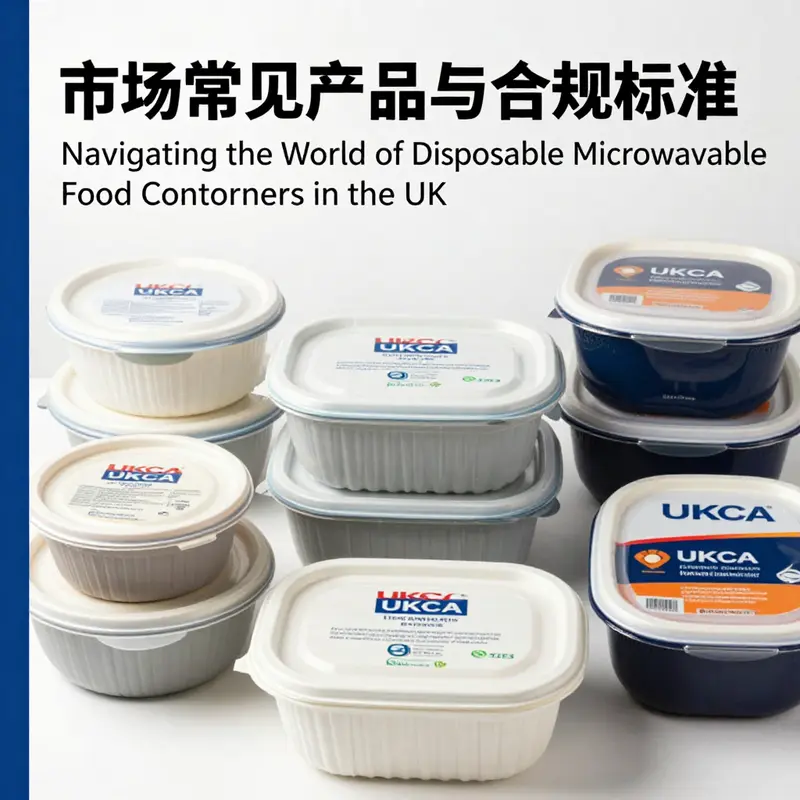
In the United Kingdom, heating a meal in a disposable microwavable container has become a test of trust. Emerging research shows that coatings and materials used in takeout packaging can influence the release of nanoplastics when heated. Regulators emphasize not only microwave safety labels but also the material class and thickness, guiding shoppers toward LDPE or PP based containers with clear temperature limits. The UK Food Contact Materials Regulations set migration and labeling requirements to minimize risk while preserving convenience. Consumers are encouraged to verify material composition, prefer thicker, more robust designs, and consider reusable options when possible. The market is moving toward safer, more transparent packaging and away from ultra-thin single-use designs, balancing safety, sustainability, and convenience.
Choosing Safe Disposable Microwavable Containers in the UK: Materials, Regulation, and Environmental Realities
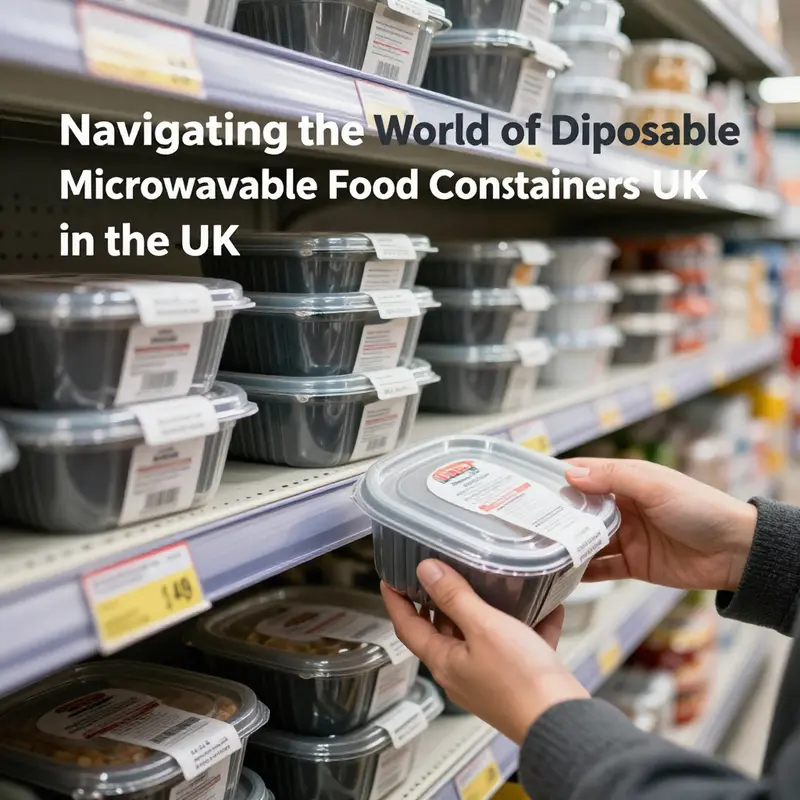
When households in the United Kingdom heat meals in disposable containers, a quiet tension unfolds between convenience and public health. The visible benefits of ready-made portions, sealed lids, and a quick zap in the microwave clash with concerns that arise when heat and packaging interact. The latest science makes one point clear: the material composition and the temperature regime of microwaving matter as much as the food itself. In the UK, where policy trajectories toward reduced plastic use and stricter safety requirements are shaping consumer choices, understanding what to look for in a microwavable disposable container is essential. This chapter threads together material safety, regulatory standards, and practical guidance so that readers can navigate a market that presents both opportunity and risk. It also foregrounds a broader shift in the packaging landscape, where environmental considerations increasingly align with health and regulatory expectations, rather than competing with them. The central thread is not simply what is convenient to buy, but what sustains food safety, consumer confidence, and environmental responsibility in a changing regulatory environment.
A key concern that has emerged in recent research is the release of nanoplastics when containers are subjected to microwave heating. The comparison across coatings reveals a stark gradient. Disposable paper cups and microwavable containers that carry a polylactic acid (PLA) coating show markedly higher nanoplastic release under heat than those with low-density polyethylene (LDPE) coatings. In some verified measurements, the nanoplastic release from PLA-coated cups exceeded that of LDPE-coated containers by tens of thousands of times under similar heating conditions. Even when the total energy input remains the same, the higher microwave power amplifies the amount of nanoplastic that can migrate into the food. These findings should shape consumer expectations and vendor practices in the UK, where food contact materials face rigorous scrutiny under both EU-derived and post-Brexit regulatory frames. The practical takeaway is straightforward: when shopping for microwavable disposable containers in the UK, prioritize products that are clearly marked as microwavable and specify LDPE or traditional plastic materials on the packaging. This simple designation—paired with temperature guidance—serves as a proxy for lower nanoplastic risk and aligns with a growing evidence base that links material composition to health-relevant outcomes.
Beyond the nanoplastic narrative, the UK market operates under a well-defined regulatory umbrella designed to protect food safety and restrict environmentally problematic plastics. Since 2023, the UK has implemented a conformity framework that replaces some CE-related processes with the UK Conformity Assessed (UKCA) marking for products sold domestically. For disposable microwavable containers, this marking, alongside compliance with UK Food Contact Materials Regulations 2023, provides a baseline assurance that a product is tested for food safety and for the absence of harmful migrants under normal use. The regulations require documentation that the materials used in food contact packaging will not transfer hazardous substances to food, even after repeated use in the context of single-use or limited-use products. The practical implication for consumers is to look for packaging that carries the UKCA mark where applicable, and to verify that the product is labeled as suitable for food contact and microwaving within the specified temperature range. In an era of tightening controls on plasticizers and migration-prone substances, such labels serve as a crucial first filter for safe consumption.
Within this regulatory milieu, several material pathways compete for prominence in the disposable microwavable category. LDPE and PP (polypropylene) are common plastics used in microwave-safe containers because they exhibit favorable heat resistance and relatively predictable migration profiles when used within recommended temperature limits. LDPE coatings, in particular, can provide a barrier that reduces direct interaction between the food and the container, thereby mitigating the risk of leaching while maintaining flexibility and heat resilience. Polypropylene, widely recognized for its chemical stability and higher melting point, is another widely accepted option for microwave-safe packaging. In contrast, some packaging choices emphasize “biodegradable” or “compostable” credentials without always delivering a straightforward path to safe microwaving. The science indicates caution: many products labeled as biodegradable or compostable rely on PLA or other natural fiber composites that may not perform as predictably under prolonged microwave heating. In家庭-use terms, this means that a biodegradable designation is not a universal guarantee of microwave safety, particularly if a product is intended for household composting rather than industrial facilities. For consumers, the practical upshot is clear: when selecting single-use containers intended for microwaving in the UK, prioritize explicit statements of microwavability, confirm the material as LDPE, PP, or food-grade silicone (when applicable), and be wary of coatings or labels that imply environmental virtue without addressing microwave performance.
The typology of products available to UK shoppers is anchored in both domestic regulations and international design practices. In general, a sturdy, thicker-walled container is associated with reduced nanoplastic release relative to a thinner-walled, single-use specimen. A thicker wall can slow heat transfer in ways that modulate the interaction between the heating process and the coating or liner. This has led to a broader pattern: multi-use or thicker-wall designs are often marketed as safer options in the context of nanoplastic considerations, even though they may not fit the strictest definition of “one-time use.” The tension between single-use convenience and multi-use safety remains a live debate for manufacturers and policymakers alike, particularly as consumer demand for sustainable packaging accelerates. In practice, the safest approach for most UK consumers is to select products that are clearly designed for single-use microwaving with robust labeling, favor materials with established safety records (such as LDPE or PP), and consider alternatives that extend beyond disposable formats when possible.
To translate these insights into practical buying steps, consider the following guiding principles. First, always verify the packaging label. Look for explicit language such as “Microwave-safe” and an explicit temperature range, for example up to 120 degrees Celsius. This is not merely a matter of consumer confidence; it is a practical check against materials that might migrate under heat or those that are not designed to withstand repeated heating. Second, interpret biodegradable or compostable claims with care. In the UK, many products marketed as biodegradable rely on PLA or other bio-based coatings that may not dissolve or deconstruct in home composting conditions, and some coatings may increase nanoplastic release when heated. If the product is sold as compostable, read the fine print to determine whether home composting suffices or whether industrial composting is required. The literature suggests favoring conventional plastics such as LDPE or PP for microwaving, unless a non-plastic alternative provides clear, proven performance in heat and baby-safety tests. Third, consider the container’s wall thickness and overall design. A more substantial, multi-use architecture can mitigate some of the risk associated with thinner, single-use configurations and may offer a longer horizon of safety when used for heat-and-serve meals. Fourth, confirm compliance with UK-specific standards. A product that carries the UKCA mark and references UK Food Contact Materials Regulations 2023 is more likely to meet current safety expectations. This is especially relevant as the UK continues to refine its post-Brexit regulatory landscape, including enforcement of restrictions on certain plastic additives and migrants.
In parallel with safety considerations, there is also a clear environmental imperative that informs consumer choices in the UK. The government’s ongoing plastic reduction agenda and its emphasis on sustainable packaging practices push the market toward alternatives that are either lighter in environmental impact or designed for reuse. Some families interpret these trends as a reason to move away from disposable containers altogether, choosing instead to rely on reusable silicone or glass containers for microwaving. Silicone containers, in particular, offer durability, broad temperature tolerance, and a distinct advantage: they are designed for repeated use rather than one-off disposal. When safety and sustainability converge in a practical decision, the reusable option often emerges as the most coherent long-term strategy for households that frequently microwave meals. Nonetheless, for occasions when disposable solutions are needed, the guidance remains: select products with transparent material disclosures, avoid PLA-coated options for microwaving, and prioritize designs that emphasize thickness, reliability, and conformity to regulatory standards.
For readers who want to explore packaging options that align with these principles, there is a growing ecosystem of suppliers that emphasize environmental responsibility without compromising food safety. A representative path is to investigate packages marketed as eco-friendly disposable options that are designed for quick-service contexts or takeaway meals. These offerings often include packaging made from natural fibers, bagasse (sugarcane pulp), or other renewable resources that maintain microwaving compatibility within specified limits. A representative example in the broader market categories is the availability of disposable boxes and compartments that explicitly advertise microwave safety along with a commitment to environmental stewardship. To illustrate how such options are positioned within a UK-friendly framework, consider a category described as eco-friendly disposable 3-compartment packaging boxes for fast food. These products typically advertise a separation of food compartments, microwave compatibility, and a stewardship claim aimed at reducing plastic usage overall. A single example of this type can be explored through an internal resource that provides a sense of the design and usability features that accompany these products, including the ability to withstand typical takeaway meal contents and maintain structural integrity under heat. eco-friendly disposable 3-compartment packaging boxes for fast food. This link serves as a touchpoint for readers seeking a concrete illustration of how some suppliers frame safety, usability, and environmental concerns in a single product narrative, without implying endorsement of any particular brand.
A broader takeaway emerges when these strands are considered together. UK consumers are navigating a rapidly evolving market where safety science, regulatory discipline, and environmental priorities intersect. The central decision framework is not merely about choosing a microwavable container but about evaluating the entire lifecycle risk and regulatory compliance of each option. For the everyday shopper, this means looking beyond base price or convenience to interrogate the material composition, the label language, and the presence of a credible compliance narrative. The practical steps—checking for microwavable labeling, confirming material identity, reviewing temperature guidance, and verifying regulatory marks—are not arcane bureaucratic rituals. They are a set of guardrails that reduce exposure to nanoplastic migration and align purchasing with both health safeguards and environmental responsibility.
As readers move from the page to the pantry, the choices they make about disposable microwavable containers will shape the safety of meals today and the sustainability of packaging tomorrow. The science points toward caution with high-temperature heating of PLA-coated products and toward a preference for LDPE, PP, or silicone-based options when microwaving is routine. The regulatory environment in the UK supports these safer pathways by privileging clearly labeled, compliant products and encouraging reductions in single-use plastic where feasible. Yet the market is not monolithic, and consumers will encounter a spectrum of practices, from highly transparent labeling to marketing that emphasizes biodegradability without addressing microwaving safety. In this landscape, informed shoppers become agents of change by rewarding clear, evidence-based claims and responsible packaging choices. The chapter’s synthesis is therefore not an endorsement of a single material or a single pathway. Instead, it is a navigational map for making choices that simultaneously protect health, respect regulatory expectations, and advance environmental progress in the UK.
For those who want to go deeper into the science and the regulatory texts that shape these decisions, the external research landscape offers robust resources. A pivotal study in ScienceDirect, published in late 2025, compares nanoplastic release from disposable paper cups and microwavable containers across different coatings. The findings illuminate how material choices translate into different exposure profiles when containers are heated. While the study is a global cross-section, its implications resonate in the UK market, where consumers routinely rely on microwavable disposables for meals and takeaways. Understanding such research helps readers interpret labels, assess risk, and push for packaging that minimizes nanoplastic generation while maintaining practical usability. For a direct engagement with the scientific arguments, the study is available at: https://www.sciencedirect.com/science/article/pii/S235294072500456X
In short, the journey to safe microwavable disposable containers in the UK begins with material literacy, proceeds through regulatory literacy, and culminates in an environmental literacy that values reuse and responsible design. Consumers who internalize these layers can reduce potential health risks while supporting a packaging ecosystem that aligns with the UK’s regulatory trajectory and its evolving environmental goals. The future of microwavable packaging is not a single perfect material or a single policy; it is a conversation that continuously translates science into safer everyday practices, and policy into practical product choices that households, retailers, and manufacturers can implement.
External resource: Nanoplastics from disposable paper cups and microwavable food containers.
Rethinking Convenience: Environmental and Sustainability Considerations for Microwavable Disposable Containers in the UK
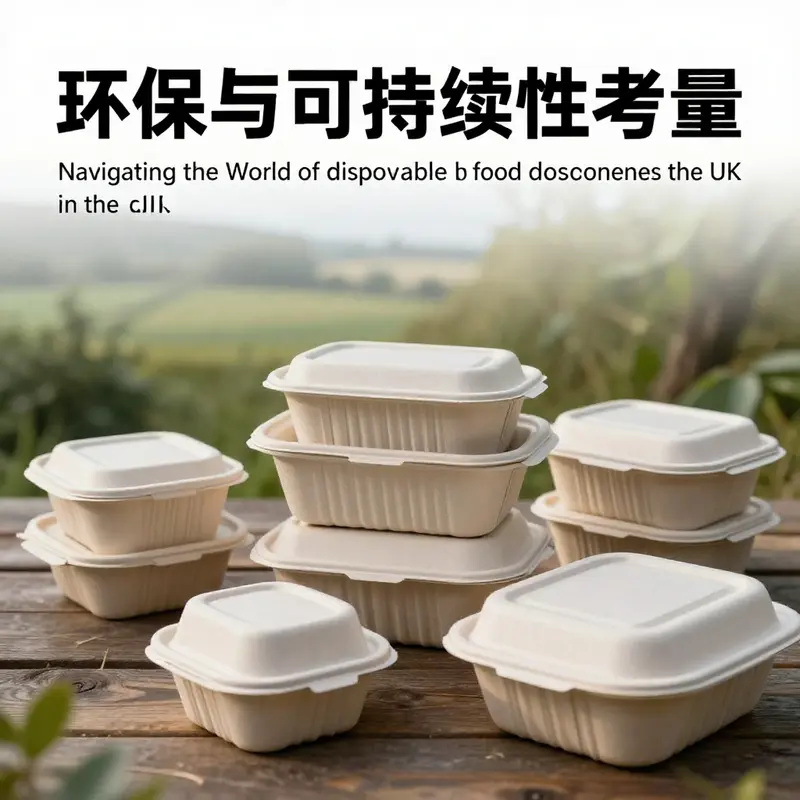
The appeal of microwavable disposable containers in the UK lies in their promise of ease, speed, and uniformity across home kitchens, offices, and takeaway counters. Yet convenience often travels with a hidden cost—one that lands not only on the consumer’s plate but also on land, water, and air. In the chapters that precede this one, the arc traced by these containers moved from a simple enablement of hot, ready meals to a broader conversation about safety, regulation, and now, an urgent sustainability calculus. The present moment asks two intertwined questions: how safe are these disposables when heated in microwaves, and what is the longer arc of their environmental footprint in a country that prizes both food safety and responsible resource use? The answer requires looking beyond label claims and into the materials, the life cycle, and the policy scaffolding that governs what can be sold and how it should be disposed of in the United Kingdom.
At the heart of the environmental concern is not only plastic waste but the micro- and nano-scale particles that can be released when these products are heated. A 2025 study, widely cited for its rigorous comparison of coating materials used in disposable packaging, drew a stark line between different approaches to making a container usable in a microwave. Paper cups and microwavable containers coated with polylactic acid, or PLA, released a dramatic amount of nanoplastics when subjected to microwave heating. Quantitatively, the study found that the nanoplastic release from PLA-coated paper was up to tens of thousands of times higher than that from containers coated with low-density polyethylene, LDPE, under comparable conditions. The number of particles released also swelled when the microwave power rose, even if the total energy input remained the same. These findings are not merely academic; they carry practical implications for UK shoppers and businesses alike. In a market where product labels often shout about “biodegradable” or “compostable,” the science invites a more nuanced reading than a single word can convey. The takeaway is clear: if a disposable container has a PLA coating, it carries a higher potential for nanoplastic release under microwave conditions than LDPE-coated alternatives or sturdier, multi-use designs.
This science aligns with a broader regulatory and consumer safety frame in the UK. Since 2023, products sold in Britain that are intended for contact with food, including disposable microwavable containers, are expected to comply with the UKCA marking and the UK Food Contact Materials Regulations 2023. The aim is to ensure that the materials do not introduce harmful chemicals into food during typical use—temperature, duration, and consumer handling included. In practice, this means looking for packaging that explicitly states it is microwavable and that the material family is known to be food-safe, without involving substances of concern such as certain phthalates or bisphenols. The regulatory environment thus reinforces a cautious consumer approach: read the label, verify the temperature rating, and be mindful that a product marketed as “biodegradable” or “compostable” does not automatically translate to safe behavior in a microwave or to easy disposal in the home.
In the UK market, materials commonly seen in disposable microwavable containers include LDPE and polypropylene, PP, with PLA-coated papers appearing in some lines marketed for eco-friendliness. The practical implication for buyers is not to assume that “green” messaging equates to safe microwaving. A container may be marketed as environmentally conscious while still releasing nanoplastics if the coating is PLA and the user heats the contents at relatively high power or for extended periods. By contrast, thicker-walled multi-use containers—often made of food-grade silicone or glass with appropriate microwave safety labels—offer a different sustainability profile. Although not disposable, such designs reduce the frequency of replacement and the cumulative environmental burden associated with single-use plastics. The contrast is instructive: in a country with strong recycling and waste-management infrastructures, repeated use can outpace single-use convenience over time, particularly when the alternative is a container that fails to balance microwaving performance with safe, predictable disposal.
The sustainability conversation cannot ignore the lifecycle realities behind disposable packaging. Production, transport, and end-of-life handling all contribute to a container’s carbon footprint and its environmental persistence. Even when a product claims compostability, the real-world pathways depend on consumer behavior and local facilities. Some PLA-based products are not readily compostable in home setups and require industrial composting—an infrastructure that is not universally available across the UK. When such facilities are limited, the intended end-of-life pathway collapses into a landfill or an incinerator, where the benefits promised by the manufacturer may not be realized. The narrative, therefore, shifts from simply labeling a container as “biodegradable” to asking how the material actually behaves in the real UK waste system. In practice, consumers face a choice that weighs immediate meal-time convenience against longer-term environmental stewardship, and the choice often comes down to the perceived reliability of those disposal routes and the infrastructure that supports them.
The consumer’s decision matrix becomes more nuanced when considering the safety assumptions built into a microwave-ready claim. If a container is not designed to withstand high-temperature heating or if its coating can release nanoplastics under the specific heating regime used by a household, then the safety proposition is not as straightforward as it might appear. This is where the research emphasis on the materials themselves intersects with everyday practice: the safest path for health and the environment is to minimize reliance on single-use disposables for microwaving, especially those with PLA coatings. The safer long-term option is clear for many households and food operators alike: favor materials that have demonstrated lower nanoplastic release in microwave contexts or, better yet, shift toward reusable designs that maintain heat performance without generating waste at every meal.
What does this mean for the UK shopper who wants a pragmatic balance between convenience, safety, and sustainability? First, examine the packaging for explicit microwaving guidance and material declarations. A safe, straightforward heuristic is to prioritize LDPE or PP-based containers or, where possible, silicone-based microwavable options that are designed for repeated use. Avoid products that rely on PLA coatings for microwave use, especially if the packaging lacks transparent disclosures about temperature limits and the specific coating chemistry. Second, consider multi-use containers where the thickness and construction reduce the likelihood of rapid material degradation and nanoplastic release. In other words, the physical heft of the container can be a proxy for a safer heating experience and a slower pace of waste generation. Third, be mindful of the label promise versus the actual end-of-life story. If a product is marketed as compostable in a home setting but lacks robust industrial facilities nearby, it may not deliver the environmental gains anticipated by the consumer. The reality is that, in the UK, a sustainable choice is often nuanced and requires aligning personal practices with what the local waste system can support.
To connect these threads back to purchasing behavior, the consumer’s aim should be to minimize unnecessary use of disposable microwavable containers while maximizing safe and practical choices when disposal is unavoidable. This means, in practice, seeking containers that can be safely heated within reasonable timeframes, with materials that have well-established safety records, and with packaging that clearly communicates the appropriate end-of-life option. It also means recognizing the value of durable, reusable alternatives for regular meal preparation or takeout, particularly for households and workplaces with high meal traffic. The stability offered by thick-walled, reusable designs translates not only into reliability during microwaving but also into substantial reductions in waste generation over months and years.
For practitioners in the sector—caterers, retailers, and manufacturers—the implications are equally direct. Regulatory compliance, risk management, and consumer trust hinge on clearer information about what happens inside a microwave and what occurs after use. Communicating clearly about the material family, the temperature limits, and the intended end-of-life path can help retailers avoid misaligned expectations. Moreover, supply-chain decisions about whether to offer PLA-coated options or LDPE-based alternatives should weigh the nanoplastic studies alongside the practical realities of UK waste infrastructure and consumer behavior. A thoughtful approach may involve providing both microwavable, safer LDPE/PP lines and reinforced guidance on using reusable options for everyday meals, while ensuring that any disposable line aligns with UKCA and FCM standards and reflects the evidence base on safety and environmental impact.
The chapter’s core message—one that ties this discussion to the larger article about microwavable food containers disposable in the UK—centers on balancing convenience with health and planetary stewardship. One clearly traceable path emerges: in the face of compelling evidence about nanoplastic release from PLA-coated disposables, the safer and more sustainable route for many households is to reduce reliance on single-use containers for microwaving and to adopt reusable, heat-safe options where possible. When disposables must be used, prefer materials with proven safety records, and be mindful of the packaging’s stated end-of-life instructions and the local infrastructure for recycling or composting. This is not a call to reject all disposables but a call to choose wisely, informed by science, regulations, and the practical realities of life in the UK.
To further illustrate practical options in the marketplace while maintaining a careful eye on sustainability, consider this representative example of the kind of packaging that aligns with safety and responsible use in the UK. While it may resemble a standard takeout container in shape and function, its labeling reflects the critical distinctions described above, emphasizing microwavable suitability and a material family that minimizes nanoplastic risk. For readers seeking concrete references to practical packaging alternatives in real-world settings, an example resource from a reputable supplier offers a window into how modern packaging can combine usability with a more considered environmental profile. See the internal resource linked here: eco-friendly-disposable-3-compartment-food-grade-packaging-box-for-fast-food-high-quality-takeout-boxes-for-fried-chicken-french-fries-packaging.
Ultimately, the shift toward more sustainable microwavable packaging in the UK will depend on a combination of consumer vigilance, robust labeling, and investment in reusable alternatives that deliver the same level of convenience without compromising safety or the environment. The evidence on nanoplastics invites deeper scrutiny of what we heat and how we heat it, and it invites policymakers, manufacturers, and shoppers to align practices with a shared goal: to protect both public health and the integrity of the environment as everyday routines evolve around the microwave.
External reference: Nanoplastics from disposable paper cups and microwavable food containers. https://www.nature.com/articles/s41598-025-87935-6
Final thoughts
In a world increasingly conscious of health and environmental impacts, making informed choices about disposable microwavable food containers is essential for businesses like bubble tea shops and catering services. From understanding the implications of material safety and regulatory compliance to the necessity of choosing sustainable options, this article highlights crucial insights for consumers and businesses alike. Embracing consciously chosen packaging not only ensures the safety of your products but also showcases your commitment to sustainability, ultimately enhancing your brand image and consumer trust.