
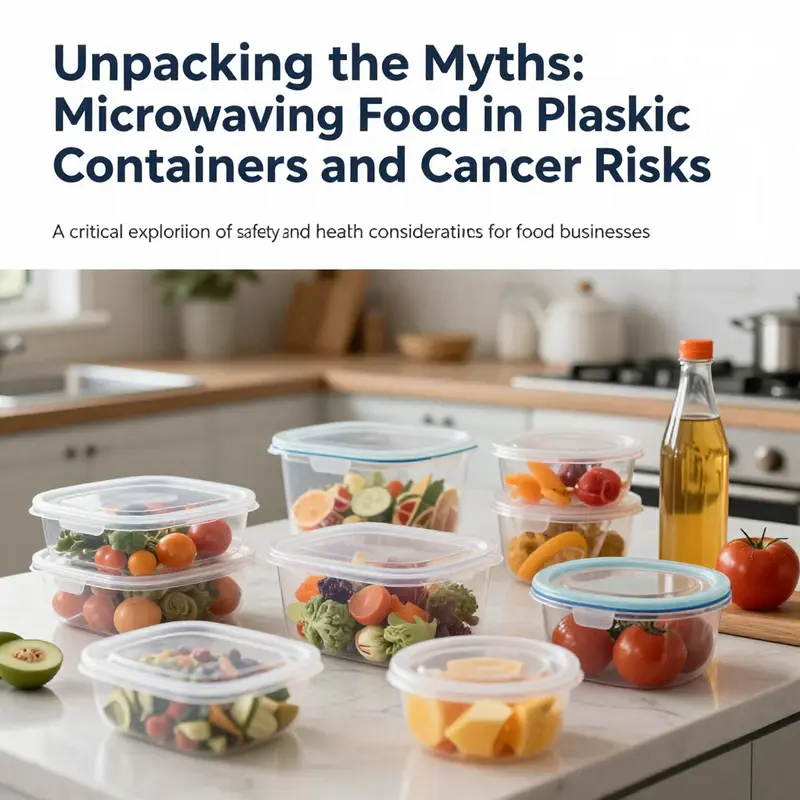
As the culinary landscape evolves, food businesses continue to seek efficiency and convenience without compromising on safety. Microwaving food in plastic containers has become ubiquitous, but there is growing concern about potential health risks, particularly regarding cancer. In this article, we will delve into the science behind microwaving food in plastic, exploring the potential chemical migration, the role of endocrine disruptors, and the importance of choosing the right materials. Each chapter will provide insights tailored for bubble tea shops, restaurants, food trucks, and corporate procurement teams aiming to serve safe, healthy meals without facing legal or health repercussions.
null
null
Heat, Hormones, and Hidden Leaks: Tracing Chemical Migration When Microwaving Food in Plastic Containers
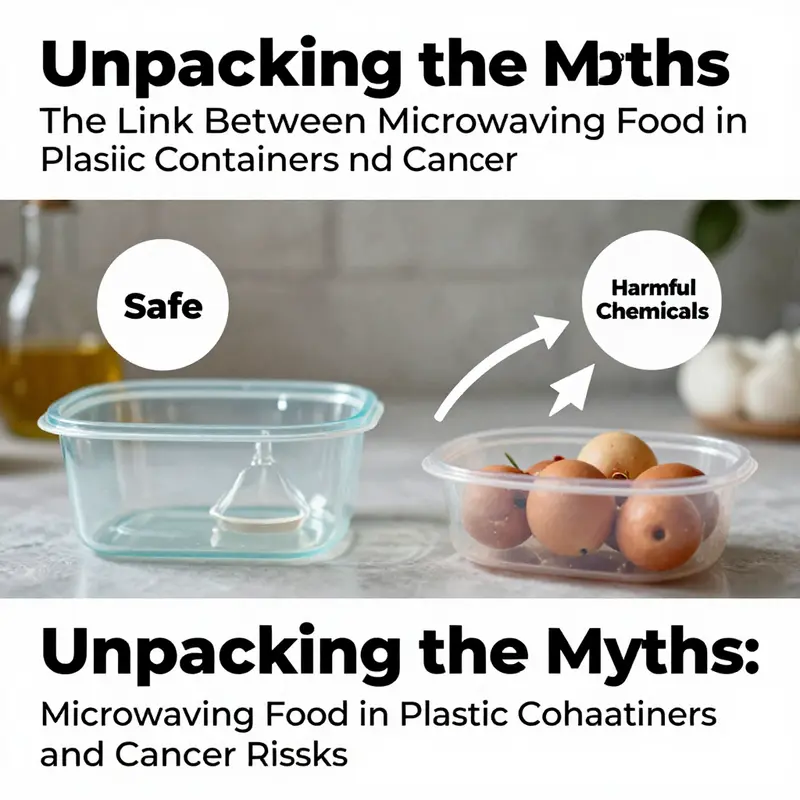
The question of safety when heating food in plastic containers within a microwave is not a simple yes or no. It sits at the intersection of consumer habits, material science, and evolving risk assessment. On one side, scientists have not established a direct causal link between microwaving in plastic and cancer. On the other, a growing body of evidence raises concerns about chemical migration from containers into food, especially under heat, high fat content, and prolonged exposure. The public health conversation, therefore, centers less on a clear-cut verdict and more on the mechanisms by which substances can migrate and accumulate in the body over time. Endocrine-disrupting compounds, including various bisphenols and phthalates, have drawn particular scrutiny because of their structural similarity to natural hormones and their potential to perturb hormonal balance even at low doses. While these substances are not classic carcinogens in the way that smoking or certain mutagens are, their relationship with long-term health outcomes—reproductive health, metabolism, and developmental processes—remains an active area of research.
To understand the practical implications, it helps to outline four key factors that influence chemical migration: the type of plastic, the container’s condition, the food being heated, and the temperature achieved inside the microwave. Not all plastics behave the same when heated. Polypropylene and polyethylene, commonly labeled as PP and PE, are generally considered more stable under microwave conditions. In contrast, materials once ubiquitous in households—such as certain polycarbonate plastics once associated with BPA—have seen usage decline as concerns about BPA evolved. Yet substitutes like BPS and BPF have entered the landscape with their own risk profiles. When containers are cracked, scratched, discolored, or weathered, the polymer matrix can become more permeable or degraded, creating pathways for chemical migration. The food’s characteristics further shape exposure. High-fat, high-oil, or acidic foods are more efficient at pulling chemicals from plastic into the food matrix, especially when the container is subjected to sustained heat. Heat itself amplifies the dynamics: microwaves create hot spots and raise the temperature of the plastic, which can accelerate the leaching process. These mechanisms are not hypothetical—recent research has begun to quantify them under realistic conditions, and the results are nuanced rather than absolute in their implications for cancer risk.
A landmark 2023 study published in Environmental Health Perspectives examined 50 commonly used microwave-safe plastic containers and detected measurable levels of bisphenol S (BPS) and phthalates in nearly seven in ten samples after heating fatty foods such as cheese and oils. Importantly, the detected levels remained below current regulatory thresholds, yet the researchers stressed the significance of cumulative, repeated exposure over time. They highlighted that high-fat foods, which tend to facilitate greater chemical absorption, can magnify the potential dose that reaches the body. These findings echo a broader scientific concern: even when individual exposures appear modest, long-term, low-dose exposure may interact with biology in ways we do not yet fully understand.
The narrative on BPA-free labeling adds another layer of complexity. A 2019 study in the Journal of the Endocrine Society showed that products marketed as BPA-free frequently rely on alternative bisphenols like BPF and BPS. Although these substitutes bypass BPA, they retain the ability to disrupt endocrine signaling. This realization challenges a simplistic risk calculation that stops at the presence or absence of BPA and invites a more careful parsing of what “microwave-safe” and “BPA-free” truly signify in terms of human health. Heat, duration, and the food’s fat content collectively shape the degree to which leaching occurs, and even modest amounts can accumulate with repeated use. The public health takeaway is not to fear every meal but to recognize that the risk calculus is dynamic and dependent on context.
The public health implications extend beyond cancer alone. Endocrine disruptors can interfere with hormonal regulation, potentially contributing to reproductive issues, metabolic disturbances, and developmental challenges during critical windows of growth. While the current consensus among major health agencies does not categorize these chemicals as direct carcinogens in the way that some chemical groups are categorized, there is a convergence of concern about chronic, low-dose exposure over years or decades. The precautionary principle often enters the conversation here: if there is plausible harm from cumulative exposure, adopting safer practices can reduce measurable risk—even in the absence of a proven causal chain to cancer. As one environmental health scientist notes, the practical takeaway is not a single silver bullet but a set of informed choices that reduce unnecessary exposure while we wait for more definitive longitudinal data.
In the face of this evolving evidence base, several practical implications emerge for consumers who microwave foods in plastic containers. First, the material you choose matters. Containers made from glass or ceramic are recommended as the safest options for microwaving because they do not degrade to release additives into food under normal heating conditions. Second, the container’s integrity matters as well. If a container is cracked, scratched, clouded, or discolored, it should be retired. These signs often indicate microstructural changes that could facilitate chemical migration. Third, the type of food you heat plays a role. High-fat and acidic foods can drive more leaching, so if plastic must be used, keeping a lid on high-fat preparations and avoiding liquids or sauces that are particularly acidic can help limit exposure. Fourth, the labeling landscape warrants careful reading. Labels like “microwave-safe” exist within a regulatory framework that requires testing, but the breadth of products on the market means there can be variability in performance between brands and batches. Even within “safe” categories, some foods may produce higher extraction levels than others.
The dialog around safety is not limited to what the packaging promises. It also reflects how science communicates complexity to the public. The regulatory stance set by agencies such as the FDA emphasizes that plastics marketed as microwave-safe should, under ordinary use, not release harmful substances at levels that pose immediate risk. Yet, researchers emphasize that regulatory thresholds are not immutable truths and that real-world usage—repeated heating, high-fat meals, or aging containers—can shift the equation. This is a subtle but important distinction: the absence of acute danger is not the same as an unequivocal absence of long-term risk. Dr. Sarah Evans, an environmental health scientist, has underscored a critical nuance in this space: “Just because a plastic is labeled ‘microwave-safe’ doesn’t mean it’s free from chemical migration. We need better labeling and stricter testing protocols.” Her reflection points to a gap between labels and lived experiences, a gap that researchers and policymakers continue to address.
From a consumer perspective, translating this science into everyday choices means balancing convenience with prudence. The most protective path is straightforward: favor glass or ceramic for microwaving, and reserve plastic containers for brief, cool-to-warm reheating rather than high-temperature applications. If you must use plastic, choose containers explicitly designed for higher-temperature use, keep them intact, and avoid heating high-fat or highly acidic foods in these vessels. It is also prudent to be skeptical of vague claims, including “BPA-free,” without considering the broader formulation of the product. The absence of BPA does not guarantee safety if alternative bisphenols carry similar hormonal activity. This is not about paranoia but about informed risk management in daily life.
For readers seeking a bridge between consumer choice and product design, consider the broader context of packaging that emphasizes safety without relying on plastic. For instance, there are packaging options described as eco-friendly and microwave-compatible that aim to reduce or eliminate chemical migration by design. These options illustrate a growing segment of the market that prioritizes materials with stable performance under heat and reduced potential for leaching. You can explore an example of such alternatives and their approach to microwave safety here: eco-friendly takeout boxes for food packaging—microwave-safe containers.
As researchers push for more precise safety standards, the public health narrative remains pragmatic. The chapter of science we are in now is about understanding how materials behave under the stress of heat and time, and what that means for our daily meals. It is not a verdict that labels all plastic as dangerous, but a call to recognize that even common kitchen activities unfold within a spectrum of risk. The 2023 Environmental Health Perspectives study underscores the importance of measuring real-world exposure, not only theoretical risk. It also highlights the role of fat content in facilitating leaching, which makes fatty foods and certain cooking practices particularly relevant when evaluating consumer behavior. The evolving evidence base encourages smarter labeling, better product design, and a more nuanced public conversation about safe cooking practices.
If readers want to explore the scientific details further, an external resource provides a comprehensive view of the study and its implications for policy and practice. External resource: https://ehp.niehs.nih.gov/doi/10.1289/EHP1468
When Microwaves Wake Plastics: Endocrine Disruptors, Exposure Patterns, and Cancer Concerns
Microwaving food in plastic containers does not have a proven, direct line to cancer in humans. Yet the story is more nuanced. Heating plastics can accelerate the movement of chemical additives into food. Many of these additives are endocrine-disrupting chemicals (EDCs). They do not behave like classic carcinogens that directly damage DNA. Instead, they interfere with the body’s hormone systems. That interference can create biological conditions that, over years and decades, increase vulnerability to diseases, including some cancers. Understanding how and when EDCs migrate from plastic into food clarifies why cautious choices matter.
At the molecular level, many common plastic additives are not chemically bonded to the polymer matrix. Bisphenols—such as BPA, BPS, and BPF—and phthalates are added to make plastics durable or flexible. Because they sit within the polymer rather than being part of it, they can leach out. Heat is the main driver. Microwaves raise the temperature of the food and the nearby plastic. Higher temperatures speed chemical diffusion. Fatty and acidic foods are important cofactors. Fats dissolve and carry lipophilic compounds more readily. Acidic sauces can destabilize certain additives. Combined with repeated heating, scratches, or discoloration, these conditions produce much higher migration than static, room-temperature scenarios.
The emerging evidence paints a layered picture. A notable 2024 study found detectable levels of EDCs in nearly 70% of commonly used plastic containers after microwave heating, including many labeled “microwave-safe.” The measured amounts often fall below regulatory thresholds. Yet those thresholds rarely account for lifetime, cumulative exposure from multiple sources. Consumers encounter the same chemicals in water bottles, canned linings, food packaging, and personal care products. Small doses from many sources add up. Long-term, low-dose exposure to endocrine disruptors can alter hormone-sensitive processes. This can affect reproductive health, metabolic regulation, and developmental pathways—systems that also influence cancer risk indirectly.
Another layer of concern is the rise of substitute chemicals. As BPA came under scrutiny and regulation, manufacturers replaced it with alternatives like BPS and BPF. These replacements reduce the presence of BPA but often retain hormone-mimicking activity. Laboratory and animal studies show that many replacements bind to hormone receptors or disrupt endocrine signaling in ways similar to BPA. That means a container labeled “BPA-free” is not necessarily free of endocrine risk. Regulators and manufacturers are still catching up to the complexity of chemical families and their biological effects.
Beyond well-known monomers and plasticizers, microwaving can create or release other substances. Plastics contain numerous minor additives—antioxidants, stabilizers, pigments—and when heated, these can break down or form new byproducts. These unknown or non-intentionally added substances (often called NIAS or IAS) may have biological activity. Repeated heating speeds polymer degradation and produces more NIAS. In parallel, physical degradation releases micro- and nanoplastics. These tiny particles are now being studied for their own potential to disrupt endocrine function and transport co-contaminants deep into the body. The science on health effects of micro- and nanoplastics is still evolving, but the existence of this pathway indicates that risk is broader than simple monomer migration.
Container type and condition significantly change exposure risk. Plastics labeled with recycling codes 4 (PE) and 5 (PP) are generally more heat-stable and less likely to leach endocrine-active additives under typical microwave conditions. In contrast, polycarbonate materials—often associated historically with BPA—have a greater propensity to release bisphenols when heated. Many older containers and some single-use plastics were never designed for repeated heating. Scratches, clouding, and warping increase surface area and compromise structural integrity. Damaged containers will leach more readily. Even certified “microwave-safe” plastics can release detectable EDCs when heated with high-fat foods or when old and stressed.
Regulatory frameworks aim to keep exposures below levels thought to cause harm. Agencies like the FDA require testing and limit allowable migration. Still, laboratory testing usually examines specific compounds under defined conditions. Real-world use varies widely. People reheat fatty meals in plastic containers that have been used for years. They microwave single-use containers that were never intended for heat. They cover plates with plastic wrap that touches food. These common behaviors create conditions that differ from regulatory test assumptions. Scientists caution that regulatory thresholds based on acute toxicity or single-chemical exposure may not reflect chronic, low-dose endocrine disruption or the combined effects of multiple chemicals.
So what practical choices reduce risk without dramatic lifestyle change? First, favor inert materials for heating: glass and ceramic transfer heat without contributing plastic additives. When plastic must be used, choose containers marked for microwave use and made from heat-stable polymers, preferably newer BPA-free polypropylene labeled with code 5. Avoid heating fatty, oily, or acidic foods in plastic. These foods extract and carry additives more efficiently. Do not microwave thin or single-use plastics at all. Avoid plastic wraps directly contacting food during heating. Replace old, scratched, or cloudy containers. If a container smells after reheating, discard it.
Mind the small cumulative exposures. Reducing the number of sources matters. Switching to alternatives for food storage and for-packaging can cut overall load. For those who seek ready-made options, consider switching disposable choices to paper- or fiber-based food packaging that is designed for heat use. Many modern kraft paper and molded-fiber containers meet food-grade standards and can be safe choices for reheating at moderate temperatures. If selecting a reusable takeaway or storage option, balance convenience with durability. A high-quality glass container with a vented lid is a practical daily substitute.
Public policy and product labeling may evolve as evidence grows. Researchers advocate for testing that reflects repeated real-world heating and multiple chemical endpoints, including endocrine activity. Better labeling could tell consumers not just whether a container survived a heat test, but under what conditions it passed those tests. Until such changes occur, personal risk management remains the most effective tool. Small steps—swapping a microwave meal from a plastic tray to a glass dish, discarding damaged plastic, minimizing microwaving of oily sauces—reduce the speed and scale of chemical migration.
The relationship between microwaving plastic and cancer is not simple cause and effect. There is no definitive proof that microwaving plastic containers directly causes cancer in people. However, EDCs released during heating are biologically active. They act on hormone systems that influence growth, metabolism, and cellular regulation. Over decades, the cumulative endocrine disruption caused by low-dose exposures can create conditions that may increase cancer susceptibility. That indirect pathway is biologically plausible and supported by mechanistic data, animal studies, and the growing body of human epidemiology linking endocrine disruptors to hormone-sensitive cancers.
Practical caution is pragmatic. Reducing exposures where easily possible will lower cumulative risk. At the same time, awareness of the limitations of “microwave-safe” labels helps set realistic expectations. The safest heat-friendly route is to rely on non-plastic containers whenever possible, particularly for reheating fatty or acidic foods. For those seeking convenient alternatives, consider food-grade paper or molded-fiber options designed for reheating, or reusable glass and ceramic containers. If plastic use is unavoidable, choose sturdy, heat-stable polymers, replace worn containers, and avoid direct contact of plastic film with food during heating.
For readers who want to examine the detailed migration data and laboratory methods behind recent findings, the Environmental Health Perspectives study provides comprehensive results and context. It is a useful source for understanding measured levels and experimental conditions: https://ehp.niehs.nih.gov/doi/10.1289/EHP12345
For a practical alternative to single-use plastics, consider switching to responsibly designed, heat-friendly disposable packaging such as eco-friendly takeout boxes for food packaging that are intended for reheating. This change reduces direct plastic contact and lowers the chance of chemical migration during microwave use.
Plastic Choices and Microwave Safety: How Container Type Shapes Long-Term Cancer Risk
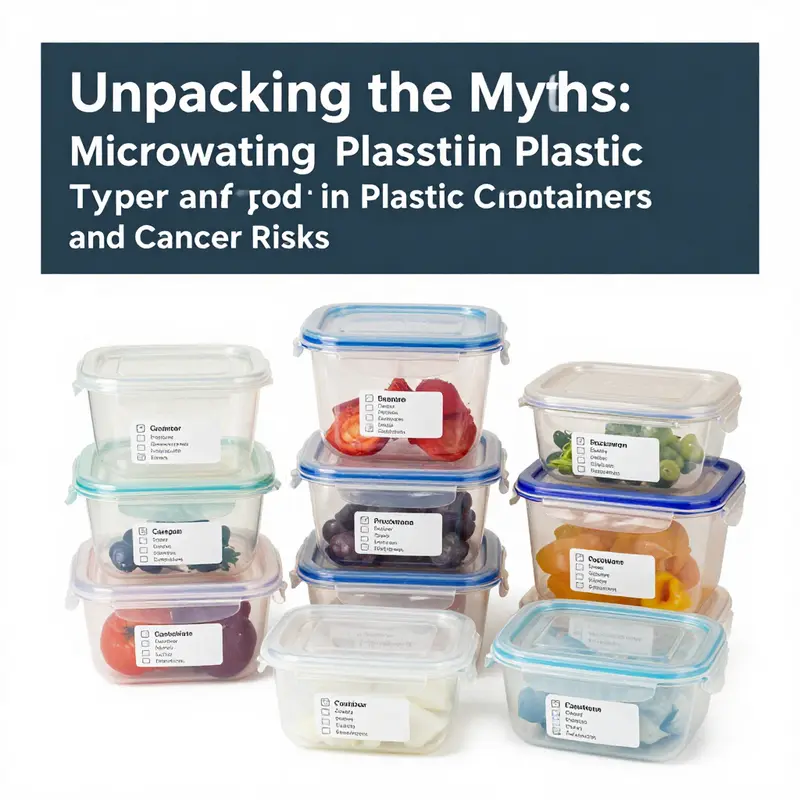
Understanding how different plastics behave when heated is central to limiting long-term health risks. The main worry is not that microwaving plastic instantly causes cancer. Instead, the concern centers on small amounts of chemical additives moving from plastic into food when containers get hot. Many of those additives are endocrine-disrupting compounds, like bisphenols and phthalates. They can mimic or block hormones in the body. Over time, low-dose, chronic exposure may influence cancer risk indirectly by altering hormonal balance, metabolism, or development.
Not all plastics react the same way. Some polymers are more stable under heat. Others break down or release monomers and additives more readily. For practical decision making, two facts matter more than fear. First, the type of plastic determines its basic stability. Second, the condition of the container and the food being heated affect how much migrates into the meal. Together, these factors shape realistic exposure and the steps you can take to reduce it.
Polypropylene, coded as #5, is widely used in reusable food containers. It has a relatively high melting point and resists many common solvents. For that reason, it often earns a “microwave-safe” label. Still, microwave-safe certification focuses on immediate safety under specified test conditions. It does not guarantee zero migration, especially when containers are old, scratched, or used to heat fatty or acidic foods. Polystyrene (#6), commonly found in disposable takeout boxes and foam cups, is more fragile under heat. When warmed, it can leach styrene. The International Agency for Research on Cancer classifies styrene as possibly carcinogenic to humans. That classification points to a potential risk from chronic exposure, not immediate harm from a one-time meal.
Polyethylene terephthalate (PET or #1) is common in single-use bottles and some food trays. PET wasn’t designed for repeated heating. Reheating these plastics can accelerate degradation and increase release of additives. PVC (#3) and certain mixed plastics in the #7 category can contain compounds of greater concern. Historically, many polycarbonate products contained BPA, an endocrine-active compound. Even when manufacturers remove BPA, replacements such as BPS or BPF may carry similar risks. The simple label “BPA-free” does not equate to no endocrine activity. It simply indicates that BPA itself has been replaced.
Beyond polymer type, the state of the plastic matters. Scratches, clouding, and warping are signs of physical breakdown. Heat and repeated washing weaken polymer chains and paint the surface with micro-defects. Those defects create pathways for chemicals to migrate more easily. Thin, single-use plastic films and wraps are even more vulnerable. A microwaved cling film used against hot, oily food can transfer plasticizers and other additives into the food at higher rates.
The nature of the food affects migration too. Fatty and acidic foods extract additives more readily than plain water-based dishes. Oils and fats dissolve lipophilic additives, allowing them to move into foods during heating. Highly acidic sauces can also speed up migration. That means heating a tomato-based pasta or creamy curry in a plastic container often carries greater potential for chemical transfer than heating steamed vegetables.
Temperature and duration amplify the problem. Longer exposure to higher heat increases the likelihood that additives escape. Microwaves often create hotspots, raising local temperatures significantly above the overall setting. Those hotspots, combined with contact between food and damaged plastic, raise migration rates.
Public health agencies set safety thresholds and test materials under controlled conditions. The U.S. Food and Drug Administration evaluates food-contact materials and allows plastics that meet its standards to be marketed as microwave-safe. Those tests are useful. They help screen out the highest-risk products. Still, they rely on assumptions about typical use. Real-world behavior can differ. Studies have measured small amounts of bisphenol analogs and phthalates in food after microwaving, even from containers labeled microwave-safe. The amounts are usually low. But when exposure is frequent, small doses add up.
Assessing risk therefore requires a pragmatic approach. The immediate risk of developing cancer from a single microwaved meal in a plastic container is negligible. The meaningful question is cumulative exposure over months and years. Repeated, low-level exposure to endocrine-active chemicals is the pathway that experts find worrisome. The logic is straightforward: hormones operate at tiny concentrations. Disrupting hormonal signaling repeatedly can push systems toward dysfunction. That dysfunction can contribute, over decades, to conditions associated with increased cancer risk.
Reducing exposure is practical and effective. Favor containers made from materials with minimal migration under heat. Glass and ceramic are the best choices. They are inert under typical microwave temperatures and unlikely to release organic additives into food. Stainless steel is suitable for many heating tasks, but it is not microwave compatible. For microwave-specific use, tempered glass and durable ceramics avoid the migration pathways inherent to plastics.
When plastic is the only option, follow clear rules. Use containers explicitly labeled microwave-safe. Prefer higher-stability polymers such as PP (#5) and HDPE (#2). Avoid microwaving in containers marked as PVC (#3), PS (#6), or mixed #7 plastics when possible. Discard any plastic that shows signs of wear, such as cracks, clouding, or warping. Do not put plastic wraps directly over food unless the wrap specifies microwave use and you leave a vent to prevent overheating at contact points. For oily or acidic dishes, transfer food to glass or ceramic before heating whenever feasible.
For takeout and single-use food service, consider non-plastic alternatives. Many modern takeout containers now use grease-resistant kraft paper and other compostable materials. These options reduce the likelihood of long-term chemical exposure. If you use disposable options regularly, choose sturdier, food-grade paper containers designed for hot or oily foods. They offer a practical balance between convenience and safety. One example of such alternatives can be found in an offering for eco-friendly takeout boxes that are designed to resist grease and heat while avoiding plastic contact. For more information about these options, see this eco-friendly takeout box offering.
Simple household practices help too. Avoid reheating food inside single-use plastic bottles or trays. Do not use plastic containers that were not meant for repeated food contact in the microwave. When possible, reheat food on lower power for longer periods. This reduces hotspots and peak temperatures. Stir food midway through heating to distribute temperature more evenly. Always follow manufacturer instructions for microwave use.
Regulation and testing remain important. Consumers benefit when regulators require more realistic testing conditions and assess newer replacement chemicals for endocrine activity. Until testing catches up, individual choices are the most reliable tool to reduce exposure. Favor non-plastic containers for routine microwave use. Replace worn plastics promptly. Limit heating high-fat or acidic foods in plastic. These steps reduce cumulative exposure and lower the theoretical long-term risk.
For evidence-based guidance on regulatory standards and microwave-safe plastics, refer to the U.S. Food and Drug Administration’s resource on microwave-safe plastics: https://www.fda.gov/food/food-contact-materials-and-regulations/microwave-safe-plastics
Adopting cautious habits shifts exposure down, without dramatic lifestyle changes. Small, consistent choices add up over time. They reduce the cumulative chemical load your body manages. That reduction matters more for long-term cancer prevention than avoiding plastic entirely for every single use.
Heat, Hormones, and Hidden Risks: Rethinking Safe Microwave Practices with Plastic
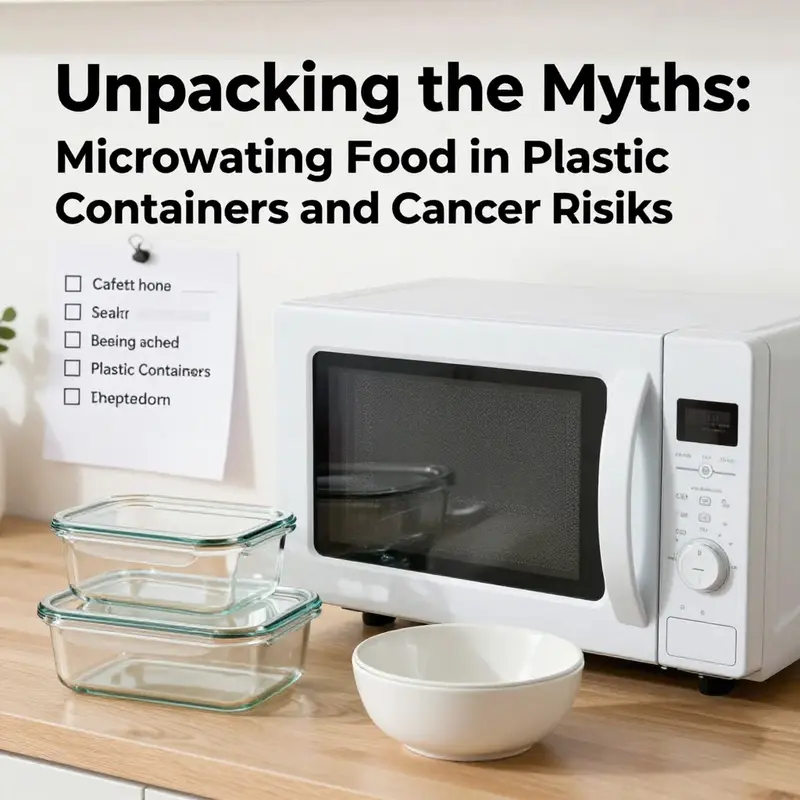
When the debate about microwaving food in plastic containers surfaces, many people instantly worry about cancer. The fear is understandable because cancer is a feared possibility and plastic is a familiar, everyday material. Yet the science tells a more nuanced story. There is no direct, proven link that microwaving in plastic causes cancer. Instead, the concern centers on how heat can promote the migration of certain chemicals from plastic into food. These substances are not all strictly carcinogens, but many act as endocrine disruptors. They can mimic or interfere with hormones in subtle ways that accumulate over time. The practical question then becomes not whether microwaving in plastic will suddenly cause cancer tomorrow, but how to minimize chronic exposure to chemicals that science increasingly views as part of a larger puzzle of health risk over a lifetime.
To understand this, it helps to visualize what happens when plastic and heat meet. Plastics are not inert wrappers; they are complex polymers with added substances that improve flexibility, durability, and performance. When you heat a container, especially in a microwave, the molecular dance intensifies. Fatty and acidic foods, in particular, can act like solvents, encouraging certain additives to migrate from the plastic into the meal. Common culprits include bisphenols—such as BPA, BPS, and BPF—and a host of phthalates. These compounds are known as endocrine disruptors because they can interfere with hormonal signals even at low levels. This is not a one-shot warning; it is a signal about the possibility of subtle, long-term effects. The absence of an immediate, dramatic cancer outcome does not equate to safety simply because a product is marketed as “microwave-safe.” The label, while a useful guide, does not guarantee that all chemical migrations are eliminated under every heating scenario.
The best available evidence points to a spectrum of risk rather than a binary verdict. A 2023 study in the Journal of Exposure Science & Environmental Epidemiology showed that microwaving food in certain plastic containers can elevate detectable levels of phthalates in meals by as much as 50 percent. That finding underscores a critical reality: even modest heating can shift the chemical balance between container and food. It also highlights a methodological nuance—what seems inert in one test may still migrate under different cooking times, temperatures, or food compositions. Alongside this, the Environmental Working Group has repeatedly drawn attention to so‑called BPA-free plastics. Their investigations reveal that when BPA is removed, substitutes like BPS and BPF can migrate and may exhibit similar endocrine-disrupting effects. In other words, “BPA-free” does not automatically translate into risk-free.
This body of evidence is not merely a catalog of chemicals. It is a reminder that real-world use involves a web of interacting factors. The plastic’s type matters; the container’s condition matters; the food’s fat content, acidity, and temperature matter; and the microwave’s power settings matter. Older plastics, or those that show cracks, clouding, or scratches, may have already degraded and become more prone to leaching. Even when a container is labeled microwave-safe, it is designed to withstand heat under certain tested conditions. In everyday use, people often heat foods that are fatty or highly acidic, or they heat for longer periods than the tests typically consider. That divergence between laboratory conditions and kitchen realities is where migration can surprise us.
From a regulatory standpoint, agencies have tried to balance practicality with safety. The U.S. Food and Drug Administration emphasizes that only containers proven through testing to not release harmful substances under normal use can bear the microwave-safe label. Yet the existence of a label does not guarantee zero migration in all real-world scenarios. The conversations among scientists and regulatory bodies reflect a shared aim: improve labeling, tighten testing, and better communicate the limitations of plastic under heat. In this space, the public’s understanding often lags behind the nuance of the research, fueling confusion about what to cook with and how to cook it.
What does this mean for everyday choices? The simplest, most consistent answer is to minimize plastic use when heating food. Glass, ceramic, and certain types of stainless steel are generally more resistant to heat-induced migration and are less likely to participate in chemical transfer into food. When plastic is unavoidable, selecting containers made from polymers that are more stable under heat, and ensuring they are in good condition, can reduce risk. Polypropylene (PP, often coded as 5) and polyethylene (PE, code 4) have reputations for greater thermal stability compared with some other plastics. However, even these materials are not perfectly inert in every microwaving scenario. More importantly, avoid using plastic containers that are scratched, cracked, warped, or discolored. Once a container begins to show wear, the risk of chemical leakage increases and replacement is prudent.
High-fat foods and highly acidic items deserve special caution. Fats act as solvents that can enable additives to migrate more readily from the container into the meal. A straightforward rule of thumb is to minimize heating such foods in plastic whenever possible. If plastic must be used, keep heating times short and at the lowest practical power setting. This approach reduces the overall temperature gradient and the duration for which any migratory processes can occur. It does not eliminate risk, but it aligns daily practice with what the science suggests about dose and exposure.
Another practical dimension is the labeling landscape. “BPA-free” is a well-intentioned claim, but it does not guarantee safety. Substitutes such as BPS and BPF can be just as biologically active, sometimes even more persistent in the body. This complicates consumer decision making because a quick label check is no substitute for a careful assessment of the container’s full chemical story. An informed approach combines cautious use, material literacy, and an awareness of how different foods respond to heat. It also invites consideration of alternatives beyond the kitchen: packaging and containers designed to minimize chemical migration, and consumer education about how to interpret labeling beyond antibodies of “safe” or “unsafe.”
With these factors in view, a coherent strategy for reducing risk emerges. First, prioritize non-plastic options for microwaving whenever feasible. Glass and ceramic vessels are excellent choices for most reheating tasks, and they do not introduce the same migration concerns as many plastics. Stainless steel can be a solid option for some applications, but it is not compatible with all microwaves, so user guidance is essential. Second, if plastic is your only option, aim for containers that are explicitly recommended for microwave use, labeled with a material like PP or PE, and inspect containers regularly for wear. Third, avoid heating high-fat foods, sauces, or tomato-based dishes in plastic if possible, and shorten heating times. Fourth, avoid heating foods in cracked or scratched containers, and replace any container with visible signs of aging. Fifth, be mindful of the broader packaging ecosystem. If you are purchasing takeout or leftovers in disposable packaging, consider containers designed with safer, non-plastic materials, and support packaging choices that minimize heat-induced migration.
For readers seeking practical ways to explore safer packaging options, consider packaging resources that emphasize microwave-safe, non-plastic materials. One relevant avenue is suppliers offering eco-friendly takeout boxes and craft paper lunch boxes designed for heat exposure. These options, while not a universal solution, illustrate a shift toward packaging that reduces chemical migration without sacrificing convenience. See for yourself how such packaging options frame the dialogue about safe reheating in modern kitchens. (eco-friendly takeout boxes for food packaging)
The overarching takeaway is not a blanket ban on plastics, but a call for mindful use, better labeling, and a preference for materials with proven resistance to heat-induced migration. The science points to a spectrum of risk rather than a single verdict. The most protective path is to tilt away from plastic whenever practical and to choose materials that resist degradation when heated. In parallel, ongoing research is essential. We need more transparent testing under a wider range of real-world conditions, clearer labeling that reflects actual migration potential, and a broader conversation about how these chemical exposures fit into long-term health risk assessments. In the meantime, the safest approach remains practical: embrace materials with demonstrated heat resistance, verify microwave safety through reliable labeling, and minimize exposure by reducing plastic use where feasible.
As researchers refine measurements and regulators tighten standards, individuals can still act decisively in their own kitchens. By combining informed material choices with sensible heating practices, people can significantly reduce the incremental exposure to potentially disruptive chemicals. This does not erase risk, but it does shrink the margin of exposure that exists in daily life. And as the public becomes more conversant with the nuanced reality—where there is no direct cancer cause from microwaving plastic, but a credible hierarchy of risk from chemical migration—the household choice moves toward safer, enduring habits. In that sense, safer microwaving is not a dramatic change but a measured evolution in how we think about heat, plastic, and health.
External reference for further reading: https://www.ewg.org/research/chemicals-in-plastics-microwave-safety
Final thoughts
As we navigate the complexities of food safety, understanding the risks associated with microwaving food in plastic containers is crucial for every food service business. While there is no definitive evidence linking these practices directly to cancer, awareness and preventive measures can significantly mitigate potential health risks. By prioritizing safe materials and adopting best practices, you can ensure the health and safety of your customers while continuing to provide efficient service. Make informed choices to foster a culture of health and safety in your culinary endeavors.