
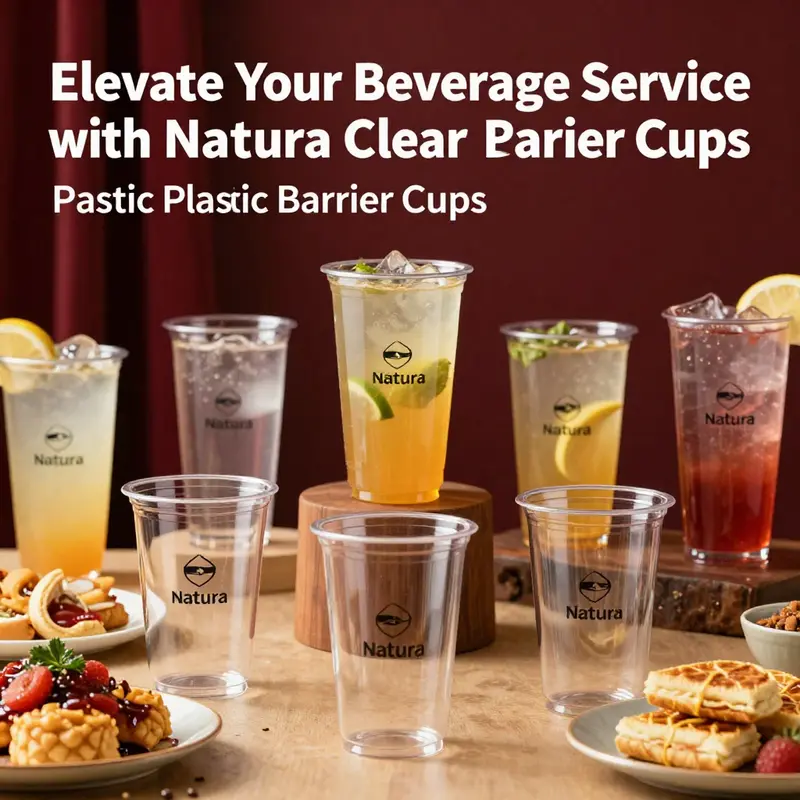
Natura Clear Plastic Barrier Cups are revolutionizing the way beverages are served in shops and events. Crafted from environmentally friendly materials while offering exceptional visibility and protection for your products, these cups are ideal for beverage chains, restaurants, food trucks, catering services, and event planners alike. The versatility and benefits of these cups cater to a range of service needs, enhancing both the presentation and preservation of beverages and food. Each chapter will detail the material composition that ensures quality, the environmental impact that appeals to conscious consumers, the applications that highlight their multifunctionality, and the current market trends that signal a booming opportunity for your business.
null

null
Paperboard with a Clear Conscience: Environmental Benefits of Clear Barrier Cups

A new generation of clear barrier cups blends visible presentation with lower environmental impact. These containers pair a paperboard body with a thin transparent barrier to protect contents. The design keeps the product visible while reducing the share of fossil-derived plastic. That combination has real consequences for carbon emissions, material circularity, and waste management practices.
At the material level, the principal shift is replacing large, single-material plastic volumes with renewable fiber as the primary structural component. Paperboard provides stiffness, printability, and thermal buffering. The transparent barrier—usually a thin film of PET or a biobased polymer—delivers moisture and grease resistance. Together, they meet the functional demands of cold drinks, desserts, and ready meals while shrinking the plastic footprint. This hybrid approach tackles two common packaging trade-offs: visibility versus sustainability, and barrier performance versus renewable content.
Reducing climate impact starts with raw materials. Paperboard is sourced from managed forests and annual renewable crops, which can store carbon during growth. Compared with virgin plastic, the embodied carbon for a cup that uses mostly paperboard is often lower per unit volume. When manufacturers design the cup so fiber makes up the bulk of its mass, lifecycle greenhouse gas emissions drop. The precise savings depend on paperboard grade, transport distances, and processing energy, but the directional effect favors the hybrid cup over full-plastic equivalents.
Yet greenhouse gas reductions alone do not tell the whole story. Plastic pollution and microplastics remain pressing concerns. Thin external plastic films fragment into microfragments and persist. By shifting most of the cup to fiber, the amount of residual plastic in the environment decreases if the cup escapes waste systems. That said, the presence of a plastic barrier complicates clean separation at end of life. If the barrier is tightly bonded to the paper, conventional municipal recycling streams may reject the cup. Conversely, if the barrier is a readily separable film or compostable polymer, the cup can more easily fit existing disposal infrastructures.
End-of-life outcomes depend on local systems. In locations with mature paper recycling that accept coated board, mechanically de-inking and repulping processes can handle certain thin barriers. Some recycling facilities are equipped to process fiber-based containers with small plastic layers. Where such infrastructure exists, these hybrid cups can be recycled alongside cardboard and paper. In many other places, the mixed composition leads to incineration or landfill, limiting environmental benefit. Designers therefore must align material choices with likely waste pathways.
Compostability offers another avenue. A transparent barrier made from a certified compostable polymer can allow the whole cup to be industrially composted. That route suits regions with commercial composting that accept coated fiber packaging. However, industrial composting is not universal, and home compostability standards differ. Clear labeling and consumer education become essential. Without clear instructions, consumers may place the cup in recycling or trash, undermining the intended benefits.
A responsible sustainability strategy looks beyond single attributes. Reducing climate impact while improving circularity requires a systems perspective. This includes selecting paperboard from certified sustainable forests, minimizing barrier thickness, and choosing barrier chemistries compatible with recycling or composting. It also involves designing lids, seals, and accessories with the same goals. For example, using lids made from the same recyclable polymer or offering fiber-based lids where feasible reduces complexity. Every additional material type increases the risk of downcycling or disposal outside the intended stream.
Performance cannot be sacrificed. The barrier must protect against moisture, oils, and aroma transfer. It must maintain structural integrity during transport and use. Success in the marketplace depends on meeting food-safety regulations and providing a user-friendly experience. Fortunately, recent advances allow very thin barrier layers to deliver performance while keeping plastic content minimal. That efficiency supports lower resource use per functional unit and improves the environmental profile when measured by life cycle assessment.
Life cycle assessment is indispensable when comparing options. Buyers and specifiers should request cradle-to-grave LCA data covering raw material sourcing, manufacturing energy, transportation, and end-of-life scenarios. An LCA exposes trade-offs. For instance, a compostable barrier may reduce long-term persistence but increase emissions during production. A thin PET barrier may be easier to recycle in regions with PET infrastructure but contributes to fossil carbon stocks. LCA results help organizations choose packaging that aligns with local systems and corporate sustainability targets.
Material sourcing integrity matters. Fiber certification from recognized schemes ensures forests are managed for long-term health and biodiversity. Procuring recycled content for the barrier film reduces reliance on virgin fossil resources. Some manufacturers incorporate post-consumer recycled PET or other recycled polymers into barrier films. That step lowers embodied emissions and strengthens circularity, provided recycling streams can reclaim that material in future cycles.
The human factor is crucial. Clear labeling and straightforward instructions drive better disposal choices. When consumers understand whether a cup is recyclable or compostable, correct sorting rates rise. Retailers and foodservice operators can support this outcome by training staff and offering appropriate waste bins. Event planners and caterers benefit from choosing packaging that matches venue waste streams. Even the most sustainable material underperforms if it enters the wrong waste pathway.
Policy and procurement also shape outcomes. Extended Producer Responsibility schemes, recyclable-content mandates, and composting infrastructure investments change the calculus of packaging design. Businesses that anticipate regulatory shifts can adopt materials aligned with future rules. Procurement teams should evaluate supplier transparency, evidence for recyclability claims, and third-party certifications. Metrics to request include PCR content, compostability certification, and documented compatibility with local recycling processes.
Economic context influences adoption. Hybrid clear barrier cups often cost slightly more than basic plastic cups but less than specialized mono-material solutions. When lifecycle benefits and brand value are accounted for, the total cost of ownership can be favorable. Many foodservice brands choose such cups because they visibly demonstrate sustainability commitments while preserving product appeal. This marketing value has real monetary impact: consumers increasingly notice packaging choices when dining out or shopping online.
Designers can further amplify gains with smart engineering. Minimizing adhesive use and avoiding multilayer laminates simplifies recycling. Designing for efficient stacking reduces transportation emissions. Offering lids and closures that lock without additional adhesive layers helps. Visual cues—clear windows, recyclability icons, and compost instructions—improve consumer confidence and correct sorting.
Real-world implementation highlights practical limits. Not all regions have municipal composting or recycling capable of processing mixed materials. In such places, introducing paperboard-based clear cups should be paired with targeted waste management investments. Partnerships between foodservice providers, waste managers, and local authorities can expand acceptance. Pilot programs and transparent reporting build trust and guide scaling.
For procurement and brand teams, actionable guidance emerges. First, map local end-of-life systems to determine the best disposal route. Second, require suppliers to provide LCA data and third-party certifications. Third, align barrier chemistry choices with local recycling or composting realities. Finally, communicate clearly to consumers and staff. These steps make packaging decisions practical and impactful.
The clear barrier cup concept occupies a pragmatic middle ground. It reduces plastic mass while preserving visibility and barrier performance. Its environmental promise depends on careful material selection, alignment with waste infrastructure, and honest communication. When these elements align, the cup can deliver lower climate impact, reduced plastic leakage, and a stronger path toward circularity.
For bakery and dessert applications where presentation matters, the approach is especially useful. Transparent cups can showcase contents while relying on fiber for structure. For more information and examples of transparent dessert packaging, see clear cake cups for dessert packaging.
Further technical and sustainability details from a manufacturer perspective are available from an official product focus page: https://www.storaenso.com/en/our-solutions/packaging/sustainable-packaging/cupforma-natura/
Clear Plastic Barrier Cups in Food and Beverage: Balancing Visibility, Freshness, and Sustainability
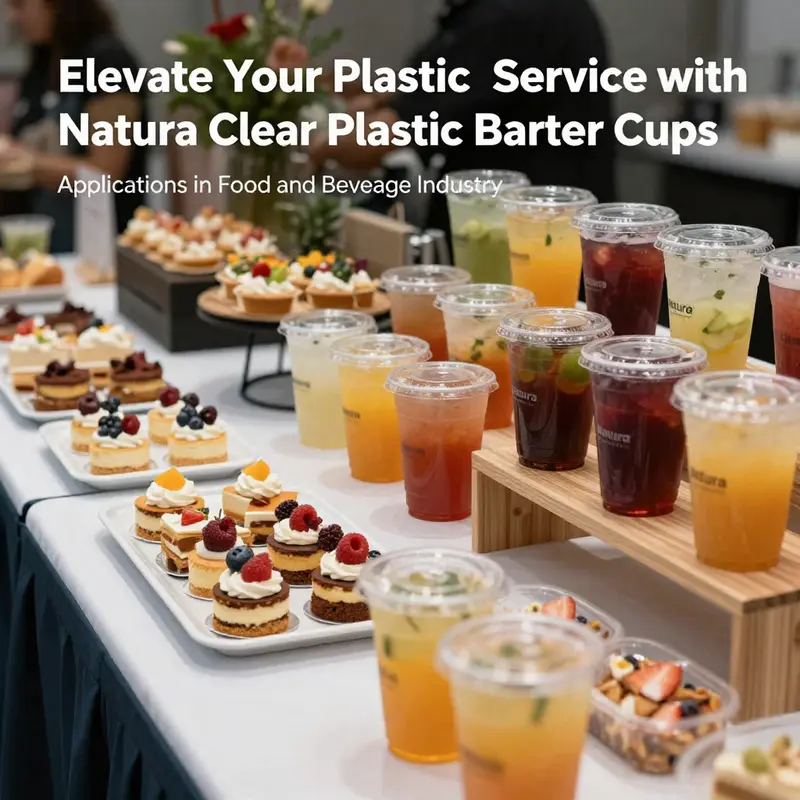
Clear plastic barrier cups have become central to modern food and beverage presentation. They combine visual appeal with functional protection. By making contents visible, they enhance impulse purchases and customer trust. At the same time, their engineered barrier properties preserve freshness and extend shelf life. This chapter examines how these cups perform in the foodservice chain, how material choices affect functionality, and how operators can deploy them to meet both commercial and environmental goals.
A clear barrier cup starts with material. Common choices include clear PET and compostable PLA. PET delivers excellent clarity, strength, and resistance to oils. It handles physical stresses well during filling and transport. PLA offers comparable clarity with a renewable feedstock. It softens at lower temperatures than PET, so it suits chilled items rather than piping-hot liquids. Both materials can be enhanced with barrier layers or coatings to reduce oxygen and moisture transmission. The result is a container that shows off product color and texture while limiting staling, sogginess, and flavor loss.
Barrier performance matters for more than shelf life. Oxygen ingress negatively impacts color, aroma, and taste. Moisture exchange can create condensation that dulls product appearance or encourages microbial growth on sensitive items. Effective barrier technology minimizes these risks. Multilayer constructions or applied barrier films can provide the required protection without sacrificing transparency. For ready-to-eat meals, parfaits, or cold-pressed beverages, such control over the internal environment keeps ingredients at their intended quality for longer.
Design details reinforce performance. Rim stiffness and consistent wall thickness ensure reliable sealing with lids. Tapered walls allow secure stacking, reducing breakage during storage. Reinforced edges reduce edge-wicking for warm beverages. Cups intended for drinks often pair with tight-fitting lids and compatible straw openings. For desserts and layered foods, dome lids offer extra headspace and protection for garnishes. Thoughtful geometry also supports retail shelving and vending machines, maintaining position and preventing spills.
Durability spans physical and chemical concerns. Physically robust cups resist cracking during handling. Chemically stable cups resist absorption of oils and strong-flavored ingredients. PET generally exhibits strong chemical resistance and dimensional stability across a wider temperature range than PLA. Still, advances in barrier coatings have narrowed gaps. When durability is matched with barrier properties, operators can confidently use clear cups for a wide menu of items without worrying about early failure or compromised taste.
Sustainability is a driving factor for procurement decisions. The market now expects reduced single-use waste and materials that align with circularity. Compostable options made from PLA appeal where industrial composting infrastructure exists. Recyclable PET supports established collection and recycling systems in many regions. Choosing between compostable and recyclable solutions requires assessing local waste streams and end-of-life pathways. A compostable cup is only greener if it actually reaches a composting facility. Conversely, PET only offers environmental benefit if it enters a recycling loop. Operators should prefer solutions that match municipal infrastructure and customer behavior.
A clear barrier cup also offers branding and merchandising value. Its transparency showcases layered desserts, colorful salads, or signature drinks. That visibility reduces the need for additional promotional materials. Printing and labeling options allow logo placement and regulatory information without obscuring the product. Shrink sleeves or adhesive labels can add high-quality graphics while preserving a window of clarity. For catering, events, and retail grab-and-go cases, the visual selling power of a clear cup often translates to higher perceived value and improved impulse sales.
Operational considerations influence the right choice. For high-volume environments, machine fillability and stack density matter. Cups should tolerate automated filling, sealing, and lid application. Sealing methods vary from snap-on lids to heat-seal films. Heat seals rely on precise temperature control and consistent cup dimensions for hermetic closure. Snap-on lids prioritize speed and reclosability. Each method has trade-offs between speed, seal integrity, and barrier effectiveness. Choosing the correct approach depends on product viscosity, intended shelf life, and distribution model.
Food safety and regulatory compliance cannot be overlooked. Materials must be food-contact safe and free from harmful additives. Migration testing and compliance documentation are essential when switching suppliers. Traceability and batch records streamline recalls and audits. Operators handling hot-fill processes must confirm material suitability for elevated temperatures. Where PLA or other bio-based polymers are used, manufacturers must disclose compostability standards met, such as ASTM or EN specifications, so buyers understand proper disposal routes.
Pairing cups with lids, straws, and accessories completes the system. Lids designed for barrier cups should maintain seal under temperature changes. Straw ports that close minimize leaks and contamination. For takeaway and delivery, tamper-evident lids and shrink bands add security. Accessories can also be chosen with sustainability in mind; compostable or recyclable lids and paper or PLA straws reduce mixed-material waste. Consider single-material systems when recycling is the goal. Mixed materials complicate recovery and undermine circularity.
Real-world applications demonstrate versatility. Cafes use clear barrier cups for cold brew, iced lattes, and layered drinks. Bakeries pack parfaits, trifles, and mousse in transparent vessels to show craftsmanship. Meal-prep and ready-to-eat providers rely on barrier performance to keep sauces from softening salads. Foodservice at events uses stackable clear cups for efficient service and rapid turnover. Each application highlights different priorities—clarity, barrier strength, rigidity, or compostability—and shows why a one-size-fits-all approach rarely works.
Integration with other packaging helps create complete solutions. Clear cups work well alongside kraft boxes, recyclable trays, and biodegradable cutlery. For visual merchandising of desserts, pairing a clear cup with a kraft outer box balances display and protection. This hybrid approach also fits e-commerce and pickup orders, where transit protection is key. For operators seeking eco-certified combos, matching compostable cups with compostable utensils and boxes creates coherent end-of-life handling for customers.
Choosing the right cup involves a trade-off analysis. Compare oxygen transmission rates, water vapor transmission, and seal strength across candidate materials. Evaluate the clarity and gloss level, which influence perceived freshness. Factor in supplier reliability, lead times, and minimum order quantities, especially for custom-printed lines. Test prototypes through the full supply chain, from filling to storage and transport, to validate claims. Small failures in trays or lids often indicate deeper incompatibilities between cup geometry and processing equipment.
Staff handling and consumer instructions also influence performance. Clear barrier cups often require gentle stacking and careful temperature transitions. Rapid hot-to-cold changes risk deformation in lower-heat-tolerant materials. Clear labeling about disposal—recycle here or compost there—reduces contamination of waste streams. Clear, visible messaging increases the probability that the cup will be handled correctly after use.
Finally, cost and value must be aligned. Barrier technologies may add to unit costs but provide savings through reduced product loss and higher perceived product value. Custom printing and branding elevate shelf presence and support price premiums. Operators should model total cost of ownership, including product waste reduction, potential premium pricing, and end-of-life processing costs. Often, the premium for a higher-performance clear cup is offset by improved sales and lower spoilage.
For operators exploring a transition, one practical step is to trial clear cups with a limited product range. Use chilled or room-temperature items that benefit most from visibility. Measure customer feedback, spoilage rates, and handling issues. Adjust lid types or barrier specifications based on real data. Where dessert presentation is key, consider transparent alternatives used for cake and pastry display, such as clear cake cups, to maintain consistent visual merchandising across categories. For a representative example, view a product example of clear cake cups here: clear cake cups.
Technical resources and material datasheets clarify performance claims. When comparing options, consult supplier barrier metrics and independent testing. For broader context on material performance and packaging options, refer to detailed references on paperboard materials and packaging performance such as this industry resource: Paperboard materials – Stora Enso.
By balancing visibility, barrier performance, and sustainability, clear plastic barrier cups offer a compelling packaging solution. They allow operators to showcase products while protecting quality. Thoughtful selection, testing, and coordination with downstream waste handling deliver both commercial and environmental benefits. Use transparency deliberately, and match material and design choices to actual operating conditions for consistent results.
Harnessing Market Momentum: Business Paths for the Natura Clear Plastic Barrier Cup

The transparent barrier cup concept sits at a rare crossroads of visibility, protection, and sustainability. For businesses building around a clear barrier cup, market momentum comes from more than a single trend. It emerges from the intersection of consumer expectations, regulatory pressure, material innovation, and distribution opportunity. This chapter maps those forces and translates them into practical business moves that support adoption, differentiation, and profitable scale.
Consumers now reward packaging that balances presentation and performance. Clear cups show product color, texture, and portion in ways opaque packaging cannot. That visibility is critical for beverages, desserts, and ready-to-eat meals. At the same time, buyers expect such transparency to come with a protective function. A true barrier cup resists moisture, oils, and aroma transfer, extending shelf life and preserving flavor. Positioning a clear barrier cup on both attributes — visual appeal and functionality — makes it relevant in retail display, grab-and-go foodservice, and subscription meal boxes.
Sustainability is the single strongest market driver. Demand for recyclable and compostable formats is no longer niche. It shapes procurement decisions at national and corporate levels. For a clear barrier cup, this means careful material selection. PET offers clarity, drop resistance, and broad recycling streams. PLA offers compostable credentials and originates from renewable feedstocks. Each option has trade-offs. PET scores high on recyclability and temperature tolerance. PLA excels in compostability but requires separate industrial composting infrastructure for proper end-of-life processing. A smart product strategy acknowledges those trade-offs and tailors offerings to different buyer segments.
Barrier technology itself has advanced. Coatings, multi-layer constructions, and bio-based barrier additives now enable oxygen, moisture, and grease resistance without sacrificing clarity. These features allow a single cup SKU to serve multiple applications. For example, a drink cup can retain carbonation, while a dessert cup keeps creams stable. Offering modular barrier options—standard, enhanced moisture barrier, and grease-resistant—creates upsell pathways. It also helps food producers consolidate SKUs when they seek packaging that works across product lines.
Market growth projections favor suppliers who combine aesthetic clarity with environmental credentials. Regions with expanding retail footprints and rising disposable incomes show the fastest adoption. Asia Pacific continues to represent the largest base of plastic-based packaging demand. South America also displays rapid growth and a surge in modern retail channels. For businesses with manufacturing or distribution agility, focusing sales efforts on these regions unlocks volume and scale. At the same time, developed markets reward premium positioning tied to certifications, traceability, and verified recyclability.
Supply chain and circularity considerations determine long-term viability. A supplier that simply swaps materials without addressing collection and recycling will face limitations. Successful players invest in third-party certifications, clear end-of-life instructions, and partnerships with waste management entities. They also consider design-for-recycling: avoiding mixed materials where possible and using mono-material constructions that streamline separation and processing at recycling facilities. Lifecycle assessments and transparent environmental claims build trust with corporate buyers and regulators.
Packaging combinations expand the cup’s market reach. Pairing a clear barrier cup with complementary items creates complete solutions for food vendors. For example, a branded cup plus a compostable lid and a wooden spoon forms a ready-to-sell dessert kit. Retailers and e-commerce merchants value such bundle thinking because it reduces procurement complexity. Cross-promotional opportunities exist with adjacent products such as clear cake cups and dessert blister packaging. Linking a clear barrier cup with these formats supports bakery and pastry lines where presentation is crucial. For businesses that sell ecosystems rather than single SKUs, these combined offers raise average order values and deepen customer relationships. One relevant example of complementary packaging products can be seen in a supplier’s clear cake cups offering, which demonstrates how transparent containers elevate pastry presentation: https://ecocupbowl.com/product/clear-cake-cups-transparent-cupcake-muffin-packaging-dessert-slice-container-for-weddings-birthdays-parties-bakery-dessert-bowl-for-fruit-pastries/.
Pricing strategy must balance perceived value and cost realism. A transparent barrier cup with verified compostable content or enhanced barrier layers can command a premium. Yet buyers in high-volume channels remain price-sensitive. The solution is tiered pricing: a base PET clarity cup for cost-driven channels, a premium PLA or functionalized cup for sustainability-focused customers, and co-branded or customized formats for events and promotions. Small minimum runs for printed branding and short timelines for customization help win contracts with cafes and event caterers.
Customization and branding unlock additional revenue. Clear cups present brand elements—logos, color bands, and limited-edition artwork—without obscuring the product. Digital printing and low-impact inks make short runs economical. Sellers can offer templated design packages to lower the friction for small businesses to adopt branded cups. For large clients, private-label programs with volume discounts create long-term contracts and predictable cash flow.
Regulatory compliance and food safety are non-negotiable. Suppliers must ensure materials meet contact food regulations across target markets. Lab testing for migration, odor, and seal integrity reduces commercial risk. In addition, marking the product with recycling codes and clear end-of-life instructions prevents consumer confusion. Regulatory trends increasingly push for extended producer responsibility schemes. Businesses that prepare for those schemes early fare better when policy changes require contributions to recycling or recovery systems.
Go-to-market tactics should reflect customer buying protocols. Foodservice buyers value samples, proof of performance, and quick replenishment. Retail procurement teams require data: shelf-life studies, barrier performance metrics, and third-party environmental claims. For both audiences, product demos that show unfiltered visual benefits and barrier testing build confidence. Trade shows, UGC from cafe partners, and targeted sampling programs accelerate adoption among smaller buyers. For large chains, pilot programs that demonstrate measurable waste reduction or shelf-life extension are the typical bargaining chip to secure broader rollouts.
Manufacturing choices influence agility. Onshore production allows fast response, lower lead times, and easier quality control. Offshore production often yields cost advantages at scale. A hybrid approach offers the best of both worlds: maintain localized stock for rapid replenishment and use offshore lines for large-volume orders. Injection molding, thermoforming, and extrusion techniques all have different cost structures and tooling needs. Selecting a primary process aligned with volume and customization plans reduces costly retooling down the line.
Marketing must tell a precise story. Buyers care about three things: clarity, protection, and environmental outcomes. Messaging should highlight how the cup preserves freshness and enhances display. It should also state environmental benefits in quantifiable terms, such as percentage of bio-based content or expected recyclability in common municipal streams. Avoid vague claims, and provide verifiable data. Case studies from cafes and bakeries that show lower spoilage rates or higher impulse sales from transparent display are especially persuasive.
Partnerships accelerate market entry. Work with packaging designers, waste management firms, and certification bodies to build credibility. Co-marketing with complementary product suppliers—napkin makers, compostable lids providers, or cutlery vendors—creates one-stop solutions for buyers. Retail-ready packs that integrate cups with lids and promotional sleeves reduce in-store labor and improve shelf presentation.
Finally, measure and iterate. Track KPIs such as reorder rates, return rates, and customer feedback on clarity and sealing performance. Monitor recycling acceptance in target municipalities and be ready to pivot materials or labeling. Invest in R&D to reduce material weight without sacrificing barrier function. Innovations that reduce plastic intensity while maintaining clarity will define the next wave of competitive advantage.
A clear barrier cup is more than a container. It is a platform for visual merchandising, freshness protection, and sustainability storytelling. Businesses that align material choices with regional infrastructure, offer tiered product lines, and package thoughtful commercial arguments for buyers will stand out. Execution requires attention to supply chain design, compliance, and marketing clarity. Done well, the clear barrier cup converts a simple commodity into a strategic asset across cafes, bakeries, catering, and retail.
External reference: Stora Enso’s development of barrier boards illustrates industry movement toward plastic alternatives and can inform material strategy decisions. https://www.storaenso.com/news/press-releases/2020/02-18-new-barrier-boards-to-replace-plastic-in-food-packaging/
Final thoughts
Natura Clear Plastic Barrier Cups stand out as an essential component for businesses aiming to provide exceptional service while embracing sustainability. By choosing these cups, you’re not only enhancing the appeal of your beverages but also aligning with growing consumer preferences for eco-friendly packaging. As you explore the myriad applications and benefits outlined in this article, consider how these cups can elevate your food and beverage offerings, providing both visual appeal and functional advantages. Embrace this opportunity to enhance your service and promote a sustainable future.