
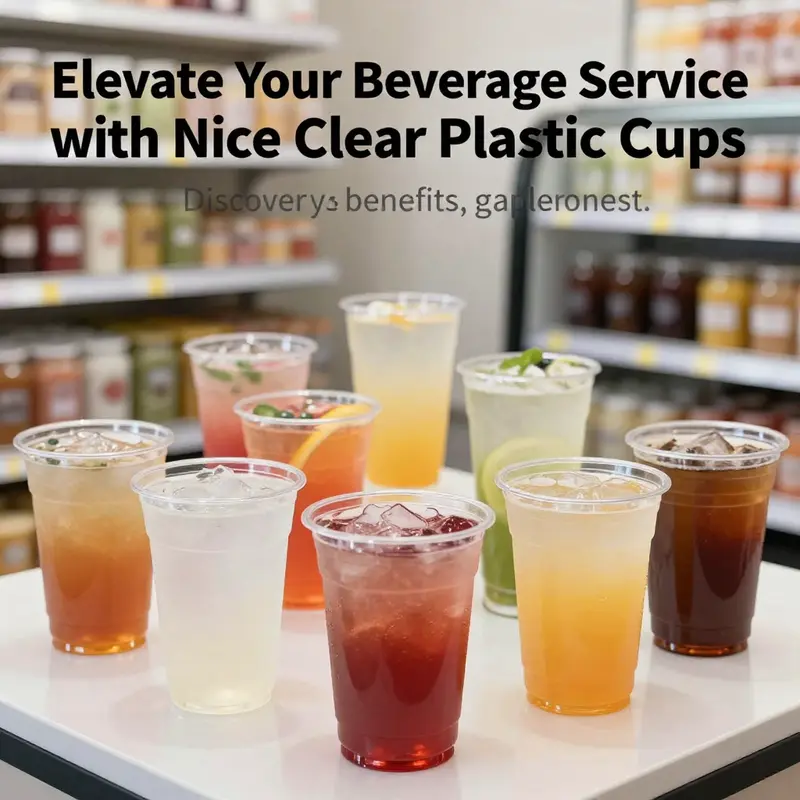
Nice clear plastic cups have become a staple in the beverage industry, prized not only for their aesthetic appeal but also for their practicality. From bubble tea shops to catering services, these cups serve as ideal solutions for a range of beverages and occasions. Each chapter will explore the quality features that set these cups apart, their versatile applications across different service areas, the materials that contribute to their durability, their market availability, and the ever-changing consumer preferences that drive their popularity. By the end of this discussion, you’ll understand why nice clear plastic cups are an essential ally in the modern beverage service landscape.
Crystal Clarity, Quiet Strength: A Comprehensive Look at the Quality of Nice Clear Plastic Cups

Crystal clarity is more than a visual benefit when it comes to nice clear plastic cups; it is a statement about presentation, confidence, and versatility. When a beverage shines with its true color, layer, or texture, the container becomes a passive stagehand that elevates the overall experience. This is why the highest quality cups balance optical purity with practical reliability. In kitchens, bars, catering halls, and event spaces, the choice of cup can influence not only aesthetics but also workflow, safety, and guest perception. The core quality features—clarity, material safety, structural integrity, environmental responsibility, design versatility, and functional add-ons—form a cohesive system. They determine whether a cup merely holds a drink or enhances an entire service narrative.
First, clarity. The defining characteristic of a premium clear plastic cup is its crystal-clear finish, free from haze and cloudiness. When light passes through the cup, the beverage appears vivid and unaltered. This clarity is not accidental; it results from carefully selected polymers and manufacturing processes that minimize impurities and surface imperfections. PET and polypropylene are common choices for clear cups because they strike a balance between optical brilliance and real-world performance. PET often delivers exceptional rigidity and impact resistance without sacrificing transparency, which makes it suitable for showcasing cold and room-temperature beverages alike. Polypropylene, while sometimes slightly less rigid, can offer improved heat tolerance and a different feel in the hand. In practice, choosing between these materials depends on the expected temperature range, the type of drinks served, and the handling conditions of the service setting. The stem of a well-made cup rests in the hands of the user with confidence, not concern about bending or fogging during the course of a party, a wedding reception, or a corporate function.
Material safety is the second pillar that underpins quality. Food-grade plastics are essential because they come into direct contact with beverages and, in some cases, with ice, fruit garnishes, or even small desserts. PET is widely recognized for its rigidity and chemical stability, resisting minor impacts that could otherwise crack a glass container. Polypropylene offers a robust option for both hot and cold beverages, providing resilience against heat warping that can plague cheaper alternatives. A high-quality clear cup also includes secure rims and walls designed to resist cracking under normal handling. This sturdy construction is not merely about longevity; it reduces risk for servers and guests alike, limiting the chance of spills or injuries during transport and service. The safety narrative extends to the lid and seal design in premium lines. Tight-sealing domed lids or screw-on mechanisms can dramatically improve spill resistance, which is especially valuable for outdoor events, travel, or catering scenarios where movement and wind are factors.
Structural integrity and leak resistance are inseparable from everyday practicality. Premium cups often feature reinforced rims that resist cracking when stacked, fumbled, or carried in trays. The geometry of a cup matters too: walls that are uniformly thick, base that distributes weight evenly, and a lip that remains comfortable to drink from over extended periods. When paired with well-designed lids or domed covers, these cups deliver reliable spill-proof performance. The result is a more confident service—staff can transport drinks across a busy room, a catering corridor, or a bustling reception without second-guessing the containment. And for outdoor events, where weather and movement interact with beverage service, the perception of reliability translates into a calmer, more controlled guest experience. A well-engineered cup reduces waste caused by spills and prevents the frustration of guests who feel their beverages are not secure.
Environmental responsibility has moved from a niche consideration to a baseline expectation for quality. Modern premium options increasingly carry recognized certifications. While no single standard guarantees perfection in every context, a cup that aligns with credible recyclability or biodegradability certifications signals a commitment to reducing environmental impact without compromising appearance or function. For many operators, this means choosing PET or PP options that can be recycled through established programs, or exploring biodegradable pathways where appropriate and compatible with local waste streams. The conversation around sustainability also involves end-of-life handling and consumer perception. Clear cups that look pristine even after a few uses can still be part of a responsible plan if they are designed for recycling or composting where applicable, and if manufacturers provide transparent guidance about disposal. In short, sustainability is not a marketing gloss but a practical decision that influences procurement, usage, and the long-term footprint of beverage service.
Design versatility and customization broaden the value proposition of nice clear plastic cups. The clear aesthetic makes room for branding, logos, and decorative finishes that can elevate a corporate event or a wedding reception without adding extraneous materials or steps. Custom printing options, where available, let a business transform a simple cup into a mobile marketing or guest-serving piece. The branding potential goes beyond a logo; it can include color accents, subtle textures, or themed motifs that align with an event’s design language. When used thoughtfully, these cups become promotional assets and keepsakes, repurposed as mementos or wedding favors. The opportunity to tailor the cup’s appearance feeds directly into a more cohesive service story. It also translates into more efficient operations: standardized cups simplify inventory and service training, while consistent branding reduces confusion for guests and enhances the perceived quality of the beverage offering.
Functional features extend the cup’s utility beyond mere containment. Modern clear cups may incorporate integrated straws and lids, enabling quick assembly for takeout or outdoor settings. Insulation considerations can help maintain beverage temperature in variable conditions, which is particularly valuable for events that mix hot and cold offerings or that require longer transport times. Some premium lines offer measurement markings on the cup, which can be a practical tool in medical, laboratory, or tasting settings where precise portions are necessary. While these features enhance usability, they must be designed to avoid compromising clarity or comfort. The cup should remain easy to grip and pleasant to interact with, even when a lid is attached or when condensation forms on the exterior. When designers balance functional extras with the core attributes of clarity and safety, the resulting product supports a smoother service cycle—from the moment a guest selects a drink to the moment the cup is finally disposed of or recycled.
Despite these strengths, no product is without limitations. Fingerprints can dull the perceived clarity, and over time, some surfaces may show micro-scratches or minor abrasions with heavy use. Hot liquids pose particular challenges for some clear plastics, where heat can lead to warping or deformation if the material was not chosen with sufficient heat resistance. The best cups mitigate these concerns through material choices, wall thickness, and careful lamination or coating strategies. In the end, the goal is a cup that maintains its pristine appearance at the point of service, even after a busy evening of celebrations or a long day of catering duties. For buyers, the decision often revolves around matching temperature expectations with material performance, and aligning durability with the event’s duration and handling conditions.
The practical takeaway for buyers is to connect the dots between intended use, environmental considerations, and branding goals. For instance, a clear cup intended for outdoor festivals and craft beverage sampling should emphasize leak resistance and robust rims, while a wedding reception might prioritize branding potential and a pristine, signature-clear aesthetic. A café or restaurant focusing on high-volume service may value fast stacking, crack resistance, and compatibility with lids. In all cases, confirming certifications or assurances about food-contact safety and end-of-life options helps ensure that the cup’s quality is not merely outwardly appealing but substantively trustworthy. The blend of clarity, safety, durability, sustainability, customization, and thoughtful functionality creates a clear-eyed, reliable tool for beverage service.
To illustrate how these cups perform in real-world contexts, consider the scenario of outdoor service where transport, weather, and guest movement converge. A cup designed with a secure lip and reinforced rim reduces spill risk during transit and service, while an integrated lid minimizes leaks when a guest is strolling through a courtyard or navigating a line. The visual appeal remains intact, so the drink’s color and layers read clearly from the moment it reaches the table to the last sip. For event planners and operators, the choice of cup is a small yet meaningful lever that shapes guest experience, staff efficiency, and perceived value. In a marketplace where presentation matters as much as performance, the best clear plastic cups demonstrate that honesty in design—clarity, safety, durability, and sustainability—can coexist with customization and convenience. The result is a beverage service that is not only reliable but also elegantly simple, able to communicate care and professionalism with every use.
For readers seeking a concrete example of how a clear cup translates to practical advantage, explore the option of disposable clear plastic cups designed for outdoor events and other mobile settings. This approach pairs the visual impact of crystal clarity with the convenience of portable service, making it a versatile choice for casual gatherings and formal affairs alike. See the example here: disposable clear plastic cup for outdoor events.
External resource: https://www.alibaba.com/product-detail/Fuling-PET-CUP-16-oz-Clear-Plastic_1600487935868.html
Seeing Through to Clarity: Real World Applications of Clear Plastic Cups
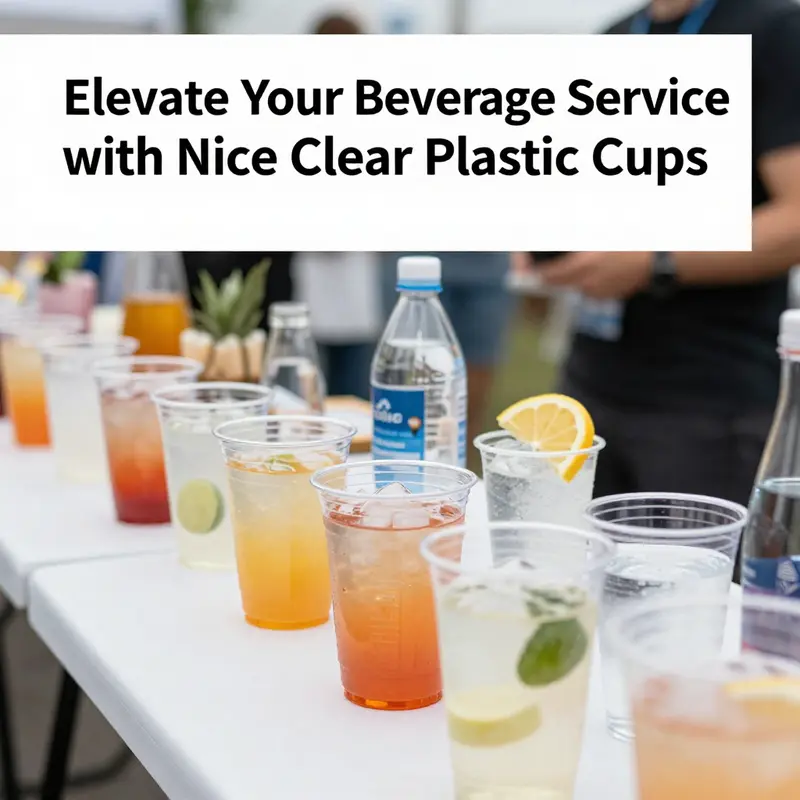
Clear cups do more than hold a drink. They curate a moment. Their transparency invites the eye to travel from the amber of a cold apple soda to the deep brown of a freshly poured coffee, letting color, texture, and crema play a part in the overall sensory experience. In the realm of beverage service, presentation matters as much as content, and the simple act of choosing a vessel becomes a design choice. Nice clear plastic cups, especially those crafted from materials like polypropylene and polystyrene, are not merely economic options. They are adaptable platforms that align with how people drink, where they drink, and what they expect from a modern service encounter. The question is not merely what a cup can carry, but how its clarity supports branding, speed, hygiene, and the mood of an event or outlet. In this sense, the application scenarios for clear cups emerge as a cohesive narrative about visibility, efficiency, and experience, rather than a disparate set of use cases stitched together by habit or tradition.
In hot beverage contexts, the utility of clear cups becomes evident. A latte or cappuccino carried through a busy lobby or morning rush gains personality from the steam warmed surface, the hazy swirl of milk, and the drink hue visible through the cup walls. Polypropylene often takes center stage because its heat resistance accommodates hot liquids without bending under pressure. The ability to withstand heat, within safe ranges for PP, makes hot fill workflows and even light microwaving feasible in certain service models. The lids and closures engineered for these cups are designed to preserve the drink’s integrity during transit and prevent spills in busy environments. This combination of clarity, warmth, and reliability supports a mobile lifestyle where customers value both speed and confidence in their purchase. In a cafe corridor or at a shop counter, the cup becomes a stage on which color and crema are displayed, and the customer’s perception of quality is reinforced with every glance at the drink through a crystal clear wall.
Beyond hot beverages, the retail and convenience sector leans heavily on the unbroken visual line that clear cups provide. Cold drinks such as sodas, fruit juices, iced teas, and sparkling beverages gain an extra dimension when poured into transparent vessels. In many cases the material choice leans toward polystyrene, which offers a crisp, glassy appearance at a lower cost, while still delivering sufficient rigidity for everyday service. For environments like fast food outlets, gas stations, and quick service eateries, the combination of a transparent body and a well fitted lid creates an uncluttered impression that helps products appear fresh and appealing at the point of sale. Insulation-focused variants, including those with a clear PS wall or insulated options, help preserve coldness and minimize condensation, ensuring the drink looks pristine from the moment it is filled to the moment it is enjoyed. The end result is a clean, confident presentation where the consumer’s eye is drawn to the drink’s color and clarity, reinforcing the perception of quality at a glance.
Events and gatherings offer another compelling arena for these cups. In corporate events, weddings, or casual celebrations, their sleek, minimalist aesthetic complements a wide range of décor without clashing with branded themes. Their visual simplicity can act as a neutral canvas, letting the beverage take center stage while signaling modernity. Yet practicality matters: the thin structure typical of standard clear cups is designed for single-use hygiene and efficient turnover, which often translates into a readiness to recycle after the event rather than long-term reuse. This dynamic of hygiene, disposal ease, and mass provisioning shapes how organizers plan inventory, staffing, and post-event cleaning, yielding a balanced approach where guests enjoy an elegant look while organizers manage logistics in a scalable way.
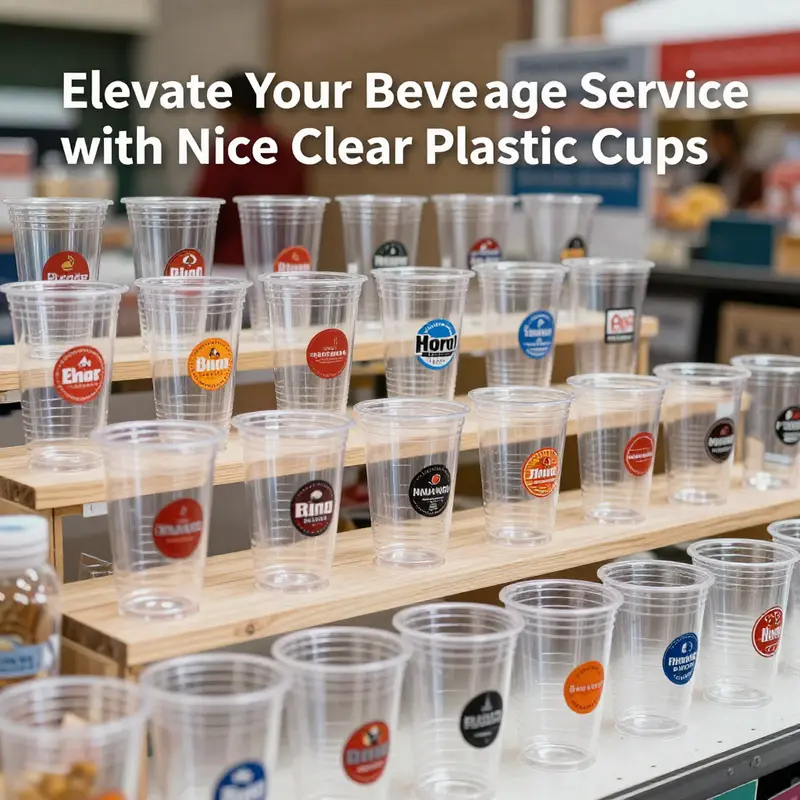
Branding and packaging add another layer to the story. Clear vessels offer maximum visibility for liquids, but they also serve as moving surfaces for branding and product storytelling. Printing opportunities on these cups enable reliable, high-impact branding at the moment of consumption, transforming a simple cup into a portable advertisement or cohesive element of a themed service concept. The capacity to print with clarity and precision supports campaigns that aim to be seen and remembered, whether at a pop-up, a corporate event, or a themed party. In practice, this means a cup becomes part of a broader ecosystem of branded packaging, where the drink and the container together tell a story about quality, design, and attention to detail. For teams planning themed experiences or consistent branding across multiple locations, the choice of a clear cup can harmonize with a range of complementary packaging elements and signage, reinforcing a unified brand presence across the guest journey.
As this narrative unfolds, the potential for customized, theme-aligned takeaway packaging becomes increasingly relevant. For event planners, hospitality teams, and small businesses exploring distinctive guest experiences, selecting a clear cup can be the first step toward a cohesive takeout strategy. The rise of specialized packaging ecosystems where cups, lids, sleeves, and containers are coordinated to deliver a seamless aesthetic opens new doors for storytelling through serviceware. In this context, a simple cup moves beyond its functional role to become part of a dependable, repeatable customer experience. For those looking to extend the concept further, a reference point exists in the broader packaging landscape where customized takeaway packaging supplies are available for theme parties, enabling brands to tailor containers to the mood, color palette, and messaging of a particular event or campaign. See more about how these customized options can fit into a broader service strategy here: https://ecocupbowl.com/product/custom-takeaway-packaging-supplies-disposable-tableware-for-theme-party/.
Alongside the practical and aesthetic considerations, it is important to acknowledge the regulatory and safety frame that governs what can touch beverages. Clear cups designed for hot or cold use must comply with materials safety standards that govern contact with food and beverages. This is not merely a matter of compliance, but a core factor in sustaining trust between a brand and its guests. The FDA guidance on food contact materials provides a framework for understanding what is appropriate for different beverages, temperatures, and service contexts. For those who want to dive deeper into the protections that shape clear cup design and usage, FDA guidelines offer a comprehensive reference point. External readers can consult the resource here: https://www.fda.gov/food/food-contact-materials/food-contact-materials-and-regulations.
The chapters of hot beverage service, retail and convenience, events and gatherings, and branding are not isolated scenes but threads in a single tapestry of how a transparent cup can influence perception and performance. The choice of material plays a decisive role in how the cup behaves under heat, how crisply it presents a drink, and how gracefully it supports branding efforts. The cup’s clarity is not a passive feature; it is an active contributor to the consumer’s sensory experience. The lids, microwaving compatibility (in appropriate PP based designs), and the ability to maintain a drink’s integrity through transit all intersect in real-world practice. In a rapid-service environment, the right combination of cup clarity, lid reliability, and ease of use translates into fewer spillage incidents, shorter service times, and a more confident customer journey from counter to curb. In events, the same clarity reinforces a sense of modern elegance, while the practical considerations guide planners toward a scalable solution that meets both aesthetic and transactional needs. Ultimately, the application scenarios for clear plastic cups reveal a layered narrative about how presentation, practicality, and brand storytelling come together in everyday service. They are not just vessels; they are instruments that shape the moment a guest experiences a beverage. The chapters that follow will continue to explore how these vessels interact with consumer preferences, supply chain realities, and evolving sustainability expectations, keeping the focus on how a simple, transparent cup can contribute to a richer, more coherent service proposition.
Inside the Crystal: How Material Composition Shapes Nice Clear Plastic Cups
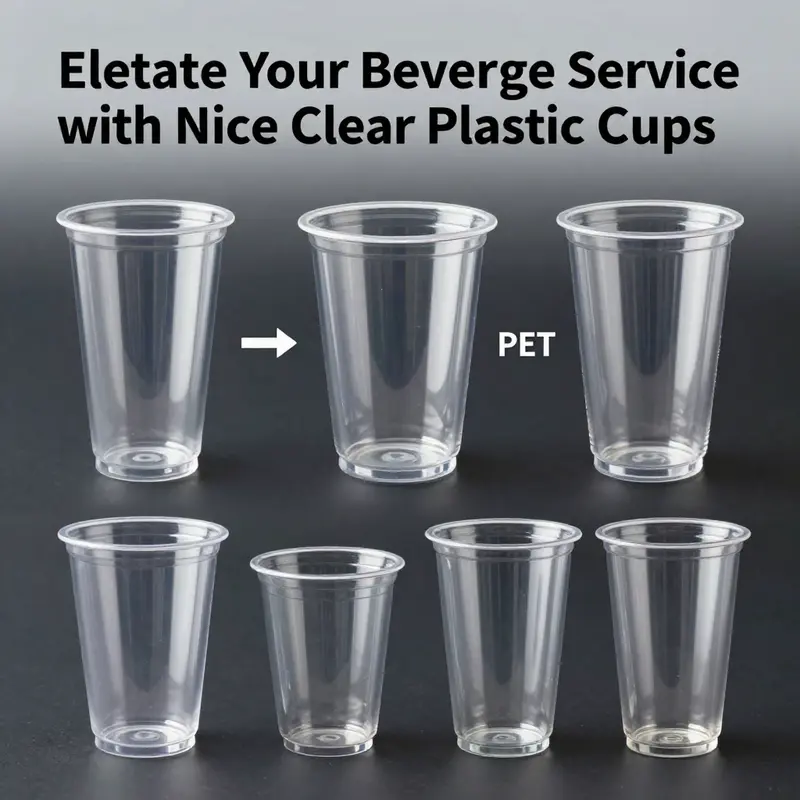
Material composition in a clear plastic cup is far more consequential than its surface sparkle suggests. In the market, the majority of nice clear cups rely on polypropylene, PP, a lightweight yet surprisingly tough thermoplastic. Its presence as the baseline material shapes every facet of performance, from how clearly a drink is displayed to how reliably the cup holds up under everyday handling.
Clarity is one of PP’s defining strengths. It transmits light with minimal tint, letting the beverage color take center stage. Yet clarity alone does not tell the full story. The clarity of PP pairs with a remarkable strength-to-weight ratio, allowing thin walls that reduce weight without sacrificing stiffness. This balance is critical for cups intended to be carried, stacked, and reused in busy service environments, where ounces matter in shipping and handling cost.
Beyond visibility and weight, PP’s chemical compatibility matters. It resists many typical beverages and cleaners, minimizing the risk of leaching. In food service terms, that means better compliance with food contact regulations and a safer user experience for hot or cold drinks alike. The material’s thermoplastic nature also lends itself to precision molding. This makes it possible to create clean rims, smooth interior surfaces, and consistent thickness, all of which influence sipping comfort and overall durability.
Safety and environmental context enrich the technical portrait. Many modern clear cups are labeled BPA-free, reflecting growing consumer caution about chemical exposure. Even when the exact formulation varies by producer, the emphasis is on minimizing migratory substances while preserving clarity and strength. Some products take this a step further by promoting eco-friendly credentials or inviting reuse through design features such as reinforced rims or stackable geometries that encourage careful washing and longer life in reuse programs.
From a lifecycle perspective, the environmental conversation centers on recyclability and resource use. PP is widely recyclable in many municipal streams, although local guidelines vary. The claim of eco-friendliness is not a guarantee of zero impact; it signals attention to the balance between convenience, waste, and energy. Recyclers appreciate cups with clean plastics and compatible caps and lids, but the reality is a patchwork system. Some products emphasize reuse as a practical option, paired with simple cleaning guidelines that help ensure safety and performance when cups are repurposed for events or hospitality settings.
Applications for these cups span events, promotions, and everyday use, with the aesthetic advantage of a nearly glass-like appearance minus the fragility. The clear surface showcases the drink color and ingredients, creating visual appeal that can elevate a brand or a casual gathering. Hot beverages are possible with certain PP grades that resist higher temperatures, while cold drinks exploit PP’s clarity and stiffness for a premium look in disposable form. For those who want even crisper visuals, crystal-clear PET emerges as an attractive alternative. PET offers superior optical clarity and an almost glass-like finish, which is particularly valuable when presentation is central to the experience at receptions, tastings, or outdoor festivals, where lighting plays across the cup’s surface. Even so, PET is typically less forgiving with heat and can be more brittle in thin sections, so it is often reserved for cold beverages and occasions where the cup serves as a transparent showcase rather than a heat container.
Within the broader spectrum of materials, the relationship between PP and PET shapes the market’s choices. Clear cups marketed as PET-based are prized for their sparkle and strength under cold use. The trade-offs are clear: PET can deliver sharper optics and a more premium feel, but PP’s resilience under heat and impact makes it a safer default for everyday hot and cold drinks. Many producers blend these considerations with manufacturing realities, choosing wall thickness and rim geometry to optimize both performance and cost. The result is a family of products that look alike at a glance but behave differently under stress, in dishwasher cycles, and in transport. For event planners and retailers, these nuanced differences matter when inventory must travel, stack, and perform in varied environments.
From a manufacturing lens, the design of a nice clear cup hinges on how polymer properties translate into form. Thermoplastic behavior means that a molten polymer can be injected into molds with high precision, creating the curved interior and the tapered exterior that users expect. The rim edge must be smooth to avoid discomfort, yet the structure must resist deformation when pressure is applied during stacking or holding. The interplay of wall thickness and rim geometry influences not only ergonomics but also the perception of value. Thinner walls save plastic and weight, supporting lower shipping costs, but they demand tighter quality control to prevent warping or cracking during use. Manufacturers balance these factors with the intended application — hot service, cold service, or mixed-use settings — to deliver cups that satisfy safety standards while delivering a refined appearance that is consistent across lots.
For practitioners selecting cups for a specific purpose, it helps to consider not only the material but the intended lifecycle. A disposable moment, in a social event, benefits from a cup that looks sophisticated yet handles well enough for quick service. But the same item may live a second life in a reuse program or in an artful display at a pop-up shop. In this context, the option to choose between PP-centric designs and PET-based variants becomes a matter of balancing temperature tolerance, optics, and end-of-life considerations. Those choices, when informed by the facts of composition, lead to better decisions about purchase, storage, and care. To explore a concrete example of a disposable clear plastic cup suitable for outdoor contexts, see this product page: disposable-clear-plastic-cup-outdoor-picnic-pet-cup-drinking-cup-for-parties-birthdays-weddings-camping-utensils.
While material selection is fundamental, it is only one facet of the broader value proposition. Clarity must be paired with predictable performance under typical service conditions, comfort in hand, and alignment with health and sustainability expectations. The modern clear cup thus represents a convergence of properties: optical transparency that entices the eye, mechanical resilience that endures handling, chemical compatibility that supports a wide range of beverages, and a lifecycle story that resonates with increasingly mindful consumers. This integrated view clarifies why PP remains the backbone of many clear cups while PET-based options continue to carve out niche where presentation dominates. In practice, the most successful designs combine ergonomic rims, reliable sealing with compatible lids, and clean surfaces that resist staining and dulling over time. The conversation about composition is not about a single material but about a curated family of polymers that deliver reliable performance across a spectrum of contexts. Next, it is useful to connect these material realities with the market’s availability and consumer preferences, which hinge on cost, convenience, and the perceived value of a clear presentation.
External resource: https://www.partycity.com/blog/understanding-clear-cups-lids
null
null
Clear Allure, Quiet Risks: How Aesthetics, Trends, and Responsibility Shape Consumer Preferences for Nice Clear Plastic Cups

Clear plastic cups occupy a curious space in contemporary beverage culture. They are not merely vessels but visual amplifiers that elevate the look of a drink, hint at its temperature, and signal a social moment whether at a casual gathering or a formal event. The research into consumer preferences shows that the appeal of nice clear plastic cups rests on a combination of aesthetics, versatility, and the social scripts they enable. In many ways, the popularity of these cups mirrors a broader shift in how people relate to consumption and presentation: what you drink and how you display it have become part of personal expression, especially in online and social contexts where visuals matter almost as much as taste. This chapter traces how that dynamic plays out in the rise of the clear cup, with attention to a distinctive trend—the ice cup—and the attendant questions it raises about health, environment, and responsibility, all while staying connected to the practical realities of the market and the consumer psyche.
At the center of contemporary preference is a straightforward truth: clarity is a virtue in itself. The transparent material showcases the composition of the beverage, the presence of ice, and the craft of preparation. People are drawn to the way ice cubes gleam and melt in sync with a drink, offering a multisensory cue of refreshment. The ice cup, or 冰杯, has become a social phenomenon—especially among younger consumers—because it reframes a disposable container into a stage for customization. A cup filled with ice becomes a canvas for the drinker’s choice, whether that choice is a simple pour of coffee, a bright juice, a fragrant tea, or a tailored cocktail. The possibility of personalization is intensified by the cup’s transparency: the user can see, and be seen, as drinks are built and shared in real time. In this sense, the cup transcends its function and becomes a part of personal branding, a small but meaningful prop in everyday rituals and in the curated aesthetics of social feeds.
Aesthetic appeal is no mere ornament. The clear cup’s ability to display ice, color, and even condensation communicates a sense of freshness and quality that is hard to achieve with other cup designs. The crystal clarity invites the eye to travel from ice to liquid to color, making the beverage itself the star. In markets where summer temperatures rise and occasion-driven occasions proliferate, this visual transparency has been repeatedly labeled as a summer favorite. The phenomenon has shown marked growth in the 2024–2025 window, reflecting a broader trend in which consumers seek both immediacy and spectacle in their drinkware. The aesthetic is not just about beauty; it affects perceived taste and temperature, shaping expectations about freshness and sipability. When a drink is presented in a clear cup, the audience can infer the drink’s characteristics—whether it’s intensely colored, richly layered, or simply crystal-clear—before the first sip. That anticipation can amplify satisfaction and social engagement, reinforcing the cup’s place in both casual and formal beverage contexts.
Beyond appearance, the cup’s versatility explains much of its appeal. These cups are used for hot or cold beverages in many markets, and the ability to accommodate a range of temperatures and drinks contributes to their ubiquity at events, cafes, and home settings. For a typical event layout, such a cup supports a diverse menu—from iced tea to gin and tonic or coffee-based concoctions—without requiring guests to switch vessels as they switch beverages. The practical convenience is not counterposed to style; rather, it is harmonized with it. This synergy between function and form helps explain why the ice cup has become a “new favorite” in certain segments of the beverage market during recent summers, even as concerns about health and the environment persist at the edges of consumer awareness. In consumer culture, where trends can be an engine of experimentation, the clear cup offers low-friction adoption: it fits into existing service models, elevates presentation, and aligns with social-media-friendly display. A reviewer of market offerings might point to the way these cups function as a scalable, adaptable platform for beverage service, from street-food stalls to upscale receptions.
Yet the same transparency that fuels appeal also highlights the most persistent questions around safety and sustainability. Health concerns center on the materials that constitute disposable cups and the substances that can migrate into beverages, especially under conditions of heat or acidity. BPA and phthalates have long been associated with certain plastics, and even if many consumers are not fully aware of the risks, the possibility of leaching creates a sense of unease for those who consider long-term exposure or sensitive populations. The discussion is not merely theoretical: hot drinks, acidic content, and extended contact times can elevate the potential for any problematic substances to migrate from the cup into the beverage. Although the research at hand emphasizes consumer awareness gaps rather than definitive safety judgments, the tension between style and safety remains salient. This is not a call to abandon clear cups, but a reminder that informed use—wisely selecting materials appropriate to temperature and content, and communicating clearly with customers about safety considerations—will increasingly shape buying decisions.
Environmental concerns frame the broader implications of disposable cups beyond personal health. The disposability that makes clear cups convenient also makes them part of a waste stream that is difficult to manage. The lightweight nature of these cups, coupled with food residues, can complicate recycling processes and lower recovery rates. Contamination from residues often means that cups end up in landfills or waste streams despite recycling infrastructure that might otherwise handle them. The research notes a striking discrepancy between consumer preference for the aesthetic and the willingness to engage in sustainable practices, with “bring your own cup” campaigns drawing participation rates below 1 percent. This gap points to a misalignment between desire for style and commitment to responsible consumption, particularly in contexts where convenience, speed, and social display drive behavior. Consumers value the look and the practicality, but the environmental footprint remains a signal of potential regret if not addressed through design, policy, and education.
The chapter’s findings suggest that consumer preference is strongly influenced by contemporary beverage culture and visibility rather than by long-range considerations of safety or sustainability. Yet this is not a static forecast. The interplay between demand for eye-catching presentation and the rising demand for responsible packaging invites a future in which materials are chosen with both aesthetic integrity and ecological performance in mind. Companies may respond by highlighting safer material options for hot or acidic drinks, improving labeling to clarify contents and temperature constraints, and adopting recycling-friendly designs that reduce contamination risks. In parallel, consumer education can help elevate awareness about potential health considerations and environmental impact, enabling more informed choices that do not sacrifice style or ease of use. As the market observes, small changes in packaging design or disposal practices can yield meaningful shifts in behavior without sacrificing the core appeal of clear cups.
An example of how the market supports the integration of practicality with appearance can be seen in the available product ecosystem for event planners, cafes, and households that rely on clear plastic cups for everyday use and special occasions. For readers exploring the practical side of these options, a representative product page highlights how a simple, clear cup can function across diverse settings—from casual picnics to formal receptions. The page also illustrates how the same vessel can accommodate a range of beverages, reinforcing the cup’s versatility while underscoring that choices about materials and usage conditions matter. Readers who want to examine real-world applications and options can explore a typical disposable clear cup offering that emphasizes portability and adaptability across events and everyday life. disposable-clear-plastic-cup-outdoor-picnic-pet-cup-drinking-cup-for-parties-birthdays-weddings-camping-utensils
In considering the chapter’s conclusions, it becomes clear that consumer preferences for nice clear plastic cups are shaped by a balancing act. On one side is the attraction of an unadorned, transparent vessel that displays the drink with immediacy and elegance. On the other is a set of conscientious concerns about health, environment, and long-term consequences of disposable use. The ice cup trend exemplifies how fashion, social signaling, and the micro-munitions of display contribute to demand. It also reveals a potential fault line: when aesthetics become a proxy for convenience, sustainability concerns risk being sidelined. The challenge for designers, retailers, and marketers is to preserve the attributes that drive appeal—the clarity, the temperature cues, the ability to customize—while elevating the standards for safety and environmental responsibility. A more sustainable path may involve materials that maintain optical clarity but minimize health risks and enable more efficient recycling, paired with consumer education that translates style into responsible behavior. The practical takeaway for practitioners is not to abandon clear cups but to align their use with improved materials, clearer safety messaging, and smarter end-of-life options. This alignment could, over time, broaden the base of informed consumers who regard the clear cup as a thoughtful choice rather than a fashionable risk.
For readers seeking a broader perspective on managing single-use plastics in daily life and events, refer to external resources that address policy, waste management, and consumer education. This context helps situate the discussion of clear cups within a larger societal effort to reduce waste while preserving the benefits of modern beverage presentation. External resource: https://www.epa.gov/smm/single-use-plastics
Final thoughts
Nice clear plastic cups are more than just functional items; they play an integral role in enhancing the visual appeal and convenience of beverage service across various settings. With quality features, a range of applications, careful material selection, and a strong market presence, these cups align with consumer preferences that favor durability and aesthetic quality. Businesses that embrace these versatile cups not only elevate their service but also meet the diverse needs of their clientele, reinforcing the value they provide at every gathering.