
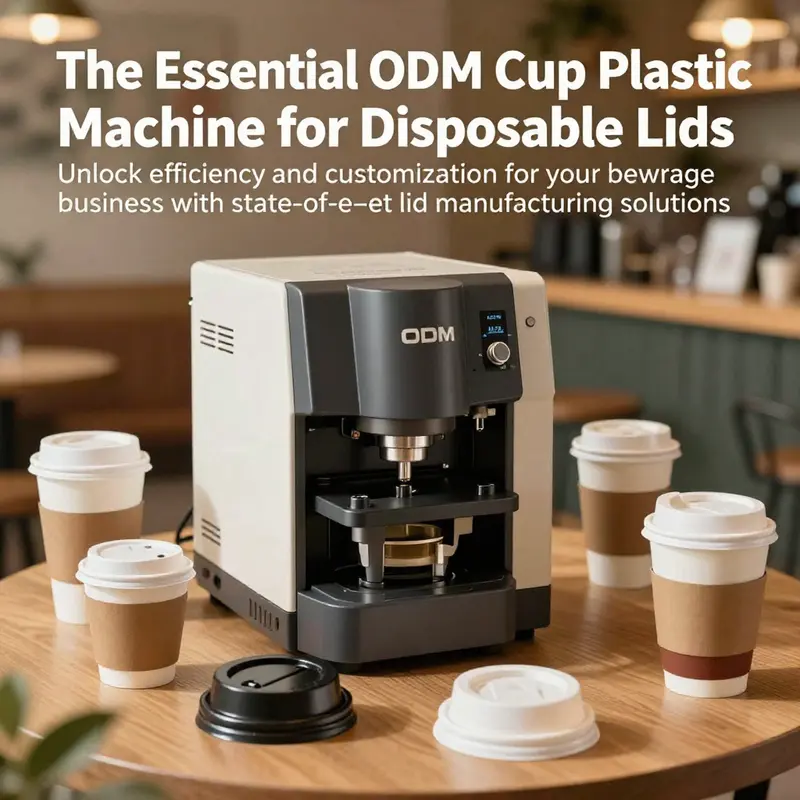
As the demand for disposable cups and lids burgeons, especially in the beverage and food service industries, it becomes imperative for businesses to leverage innovative technology in their operations. Original Design Manufacturer (ODM) cup plastic machines for disposable lids are at the forefront of this transformation, offering businesses in sectors such as bubble tea shops, beverage chains, restaurants, food trucks, catering services, event planning, and corporate procurement teams the ability to streamline production processes. With a focus on automation, customization, and cost-efficiency, this article delves into the key specifications, manufacturing capabilities, market availability, and insights from leading suppliers of these vital machines. Each chapter aims to equip your business with the knowledge needed to make informed decisions about integrating these machines into your operations.
null
null
From Melt to Market: The Precision, Pace, and Sustainability of ODM Cup-Lid Machinery
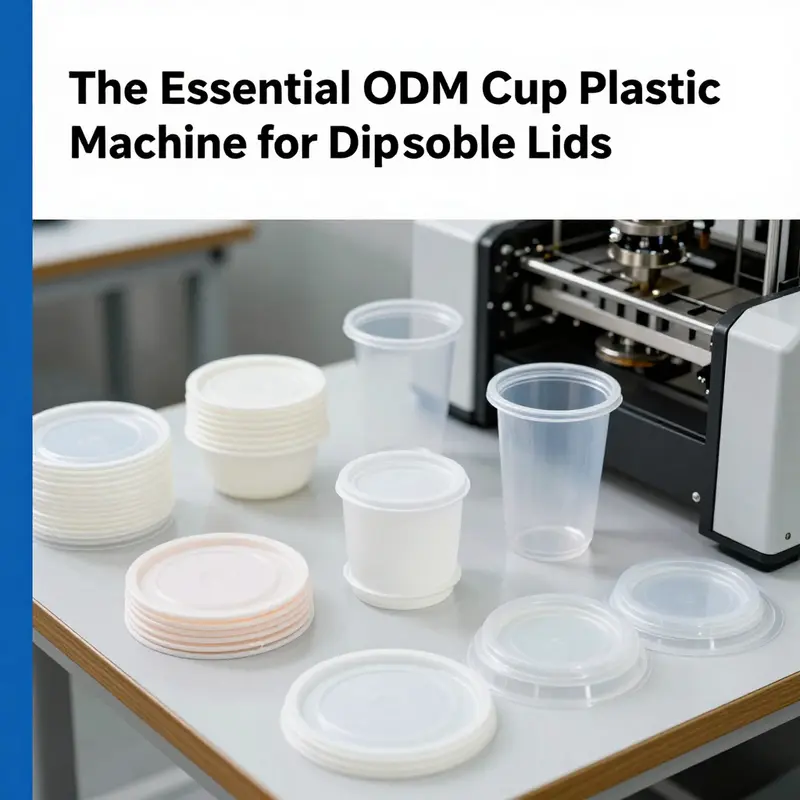
In the fast-evolving world of food service and consumer packaging, the demand for clean, reliable, and scalable lid production sits at the intersection of design, precision engineering, and supply-chain agility. ODM cup-lid machines for disposable lids embody that intersection by transforming raw sheets of thermoplastic into high-precision caps that snugly fit a spectrum of cup sizes while meeting stringent safety and environmental standards. When you step into the operation behind these units, you enter a world where automation is not a luxury but a necessity, where material choices ripple through the value chain, and where speed does not come at the expense of consistency. The chapter that follows traces how these machines translate concept into mass production, how manufacturers tailor capabilities to evolving packaging needs, and how regions that cluster mold-making and packaging know-how enable unprecedented responsiveness. It is a narrative of equipment, engineering, and the market realities that push ODM lines to deliver more with every cycle.
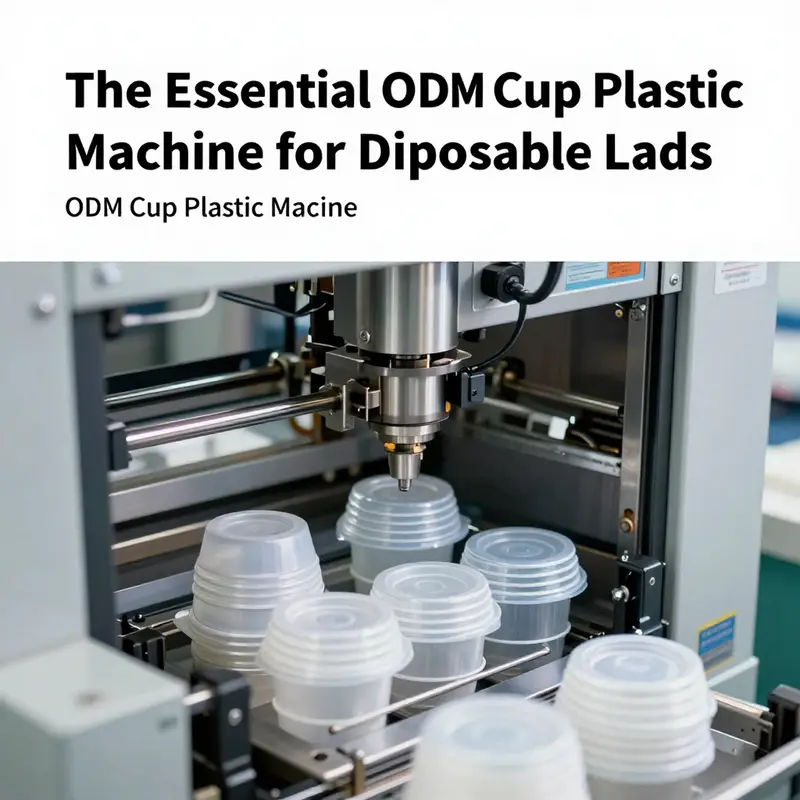
At the core of an ODM cup-lid line is a tightly integrated sequence that moves from sheet to finished lid with minimal human intervention. These systems are built around thermoforming or injection-molding architectures that can be configured to produce thousands of lids per hour. The most visible implication of this capability is speed: lines can reach the equivalent of several dozen cycles per minute, enabling suppliers to service large-scale food-service operations, convenience-store networks, and retail partners that demand reliable, on-time deliveries. The mechanical design that underpins this speed is not merely about rapid forming; it is about controlled, repeatable processes. Forming depth—the distance lids are pressed into their molds—can reach substantial values, with typical specifications accommodating up to half a centimeter of forming depth in many configurations. The maximum forming area, often framed around a rectangular envelope, dictates the size range of lids that can be produced in a single stroke. In practical terms, this means a single line can produce a suite of lid geometries, from standard circular profiles to more intricate shapes that accommodate venting, sipping, or snap-fit features, without sacrificing cycle time or accuracy.
Material versatility is another defining trait. ODM lines are designed to work with a spectrum of thermoplastic substrates to address both conventional and sustainability-driven applications. Polymers such as polypropylene (PP), polystyrene (PS), polyethylene terephthalate (PET), and polylactic acid (PLA) are commonly cited materials, each offering distinct advantages. PP provides toughness and heat resistance, PS offers clarity and rigidity for display through-to environments, PET brings high stiffness and a robust barrier profile, and PLA opens the door to biodegradable lid solutions that align with circular economy goals. The ability to switch materials mid-line or across parallel lines broadens a manufacturer’s offering to clients who require eco-conscious options or a mix of traditional and green products. This versatility is not merely about material choice; it informs downstream considerations such as temperature resistance during beverage service, compatibility with cup walls and sealing films, and the practicalities of recycling or composting streams. The ongoing shift toward sustainable packaging has made PLA-compatible configurations increasingly common, with machine controls and temperature profiles tuned to handle PLA’s thermal sensitivity and crystallization behavior without sacrificing cycle efficiency.
Within this material landscape, customization remains a defining service proposition of ODM partners. Lids differ not just by diameter but by features that impact usability and product performance. Some lids include venting channels to prevent vacuum buildup, others feature grip edges for easy removal, and still others are engineered to snap-fit securely onto cups of varying tolerances. Achieving this level of customization requires precision molding complemented by CNC-controlled molds and adaptable, touch-based control interfaces for the operator. The CNC tooling ensures tolerances are tight enough to guarantee a reliable seal and a consistent lid thickness across thousands of cycles. The control software—often a compact, high-resolution, touchscreen PLC—lets operators adjust forming depth, trim perimeter quality, and ejector timing with minimal downtime. The result is a manufacturing environment where product geometry, wall thickness, and feature placement are governed by repeatable digital parameters rather than ad hoc manual adjustments. This precision is essential not only for performance with hot beverages but also for ensuring that the lids do not introduce leaks, spills, or consumer inconvenience.
The process train that delivers this precision is increasingly automated from feed to finish. Material sheets enter a staged progression where heating elements pre-soften the substrate before it reaches the forming station. The forming station shapes the lid against a mold, after which cooling consolidates the geometry. Trimming follows, and finished lids are ejected, counted, and stacked for downstream packaging. In fully automatic configurations, these steps occur with minimal human touch, reducing contamination risk and improving hygiene—a non-trivial consideration in food-contact applications. Semi-automatic variants, by contrast, offer flexibility for pilot runs or customized batches where product variations or limited editions are being tested before scale-up.
Quality and safety sit at the heart of any ODM operation. The best lines integrate real-time process monitoring and inline quality checks that detect deviations in thickness, outlet geometry, and sealing features before products proceed to packaging. Compliance with international safety and environmental standards—such as CE and ISO certifications—assures buyers that lids meet rigorous safety benchmarks while aligning with responsible manufacturing practices. In this context, the equipment not only creates a product but also upholds a brand’s reliability and reputability across regional markets. The environmental dimension extends beyond material choice. ODM lines increasingly optimize energy consumption, minimize scrap, and facilitate integration with sustainable packaging trends. For example, lines engineered to handle PLA not only expand the repertoire of biodegradable options but also demand precise temperature control to accommodate the material’s sensitivity. This complexity underscores the shift from raw mechanical capability to a holistic approach that pairs process engineering with material science and environmental stewardship.
In practice, the range of lid sizes and shapes that ODM lines can accommodate translates into tangible business flexibility. Lids can be designed to fit a spectrum of standard cup diameters as well as custom cups produced for specialty brands or promotional campaigns. The thickness of lids—often quoted in the 0.3–1.8 millimeter range across different product families—reflects trade-offs between stiffness, heat resistance, and material cost. Thinner lids offer savings and greater flexibility in terms of ventilation and sipping experiences, but they demand tighter control to prevent deformation during filling and handling. Thicker lids improve durability and provide better fit across a wider temperature band, though they push machinery to work with stiffer sheets and can extend cycle times if not managed with optimized process conditions. The ability to tailor thickness within a given line, or to configure multiple lines with distinct thickness tolerances, is a hallmark of robust ODM capabilities.
A key strategic advantage of ODM systems lies in their integration with broader packaging ecosystems. Regions known for dense manufacturing clusters—where mold makers, packaging specialists, and logistics providers operate in close proximity—enable rapid development cycles, swift tooling iterations, and just-in-time fulfillment for trial orders. In such environments, it is not uncommon for a customer to place a trial order and receive mold-ready parts in a matter of days, with a turn-key setup that minimizes on-site debugging. The practical implication is a shorter lead time from concept to market, which is especially valuable for infant brands, event-based launches, or seasonal beverages that require agile production responsiveness. This proximity-driven advantage helps explain the growing popularity of ODM partnerships in high-volume packaging segments where time-to-market is as critical as the quality of the lid itself.
To translate capability into business outcomes, manufacturers often evaluate lines against throughput targets, material compatibility, and the breadth of customization offered. A line may claim the potential to reach around 30 forming cycles per minute, a pace that underpins mass production for a wide customer base. Material flexibility—handling PP, PET, PS, and PLA—enables a diversified catalog of lids that can address both conventional and sustainable packaging strategies. The tooling ecosystem, supported by CNC mold work and precise forming geometries, ensures lids have uniform thickness, uniform sealing surfaces, and consistent tolerances that minimize rework and customer complaints. These capabilities collectively reduce labor costs, cut the risk of product contamination, and improve overall plant efficiency. The automation framework extends beyond forming to the downstream steps: trimming, ejection, and stacking can be synchronized to packaging lines, creating a seamless flow that preserves product quality while maximizing throughput.
From a buyer’s perspective, the decision to partner with an ODM supplier hinges on more than the machine’s raw speed. It involves evaluating after-sales support, the availability of trained technicians for overseas travel, and the ability to customize lines to future packaging directions. The ODM ecosystem commonly offers comprehensive service agreements that cover installation, commissioning, operator training, and ongoing maintenance. This is especially valuable in markets where the consumer goods cycle is rapid and where downtime translates into direct revenue loss. For manufacturers, these partnerships provide not only equipment but also engineering know-how—shared problem-solving that helps optimize cycle times, reduce scrap, and implement design updates that align with evolving consumer expectations.
Sustainability considerations are increasingly woven into the fabric of ODM lid production. The adoption of PLA and other biodegradable materials prompts deeper attention to processing conditions, including temperature profiles, residence times, and cooling rates. For lines specifically configured to PLA, process windows may be narrower, and cycle times may be modestly affected, necessitating precise temperature control and mold design that accommodate the material’s thermal characteristics. Suppliers respond with adaptive control software, modular heater banks, and mold materials tailored to eco-friendly polymers. In parallel, the broader packaging trend toward recyclability and compostability informs the design of lids that minimize material usage without compromising performance. This often translates into smarter venting arrangements, simplified sealing geometries, and the elimination of unnecessary closures that add cost without enhancing usability. The convergence of sustainability with speed and precision makes ODM lid lines not merely equipment but strategic capabilities that enable brands to meet regulatory expectations, win consumer trust, and stay ahead in a competitive market.
The practical realities of implementing these lines are well understood in major manufacturing hubs. Regions with integrated ecosystems—where mold makers, machine builders, and logistics players operate within close reach—offer remarkable responsiveness. For many buyers, this proximity can compress trial-to-production timelines to a matter of weeks, or even days for simple configurations. The ability to source compatible materials, secure local technical support, and align with regional standards further reduces the risk associated with scale-up. In the best implementations, a new lid design can move from concept to tooling to first-run lids in a single quarter, delivering the agility that modern brands demand while preserving the quality and consistency that large customers expect.
For readers considering a leap into ODM lid manufacturing, the landscape offers clear signals. Look for lines that demonstrate a balanced profile of speed, material compatibility, and customization rather than a single metric. Ask about forming depth, forming area, typical sheet thickness ranges, and the ability to handle both conventional and biodegradable substrates. Inquire about automation scope—whether the line handles feeding, heating, forming, cooling, trimming, ejection, and stacking in a single, synchronized workflow. Examine the robustness of the control system and the training and support framework that accompanies the equipment. Finally, assess the supplier’s capacity to support sustainable packaging goals, including PLA compatibility and compliance with safety and environmental standards. These are not mere features; they are performance criteria that shape the long-term success of a brand’s packaging strategy.
Within this context, one can glimpse how an ODM partner complements a broader packaging strategy. The combination of high-speed production, material versatility, precision molding, and integrated automation creates a platform capable of delivering consistent lids at scale while enabling experimentation with new forms and sustainable materials. The geographic clustering around mold making and packaging in regions such as southern and eastern manufacturing belts accelerates prototyping and reduces the time to market for new lid designs. The resulting value proposition is straightforward: faster responses to customer needs, safer and more reliable products, and the flexibility to navigate a packaging landscape that increasingly prizes both performance and responsibility. For brands seeking to align their beverage and food-service offerings with contemporary expectations, ODM lid lines represent a critical capability—the engine that powers the daily operations behind every cup that is opened, sipped, and enjoyed.
If you want to explore a connected facet of the ecosystem, consider the broader context of packaging solutions that extend beyond lids. The journey from lid design to end-use packaging often intersects with takeout containment, food-grade containers, and theme-park or event packaging. For instance, one relevant facet of the packaging landscape highlights the availability of custom takeaway packaging and disposable tableware that can accompany a new lid design in a themed or branded way. This integration underscores how ODM lines do not operate in a vacuum; they feed into a holistic packaging strategy that includes branding, user experience, and sustainability in equal measure. custom takeaway packaging and disposable tableware serves as a concrete example of how a lid program can be complemented by complementary packaging offerings, reinforcing the value proposition for customers seeking end-to-end solutions.
In sum, the manufacturing capabilities of ODM cup-lid machines are defined by speed, versatility, and reliability, all wrapped in a framework of automation and environmental awareness. These lines do more than shape sheets; they shape a business’s ability to respond to market demand, to experiment with new materials, and to deliver consistent quality at a scale that sustains growth. They harness mechanical rigor and digital control to convert raw polymers into lids that meet the temporary needs of today’s beverage culture while respecting the long-term commitments to sustainability that will define tomorrow’s packaging. The story of ODM cup-lid machinery is thus a story of a modern manufacturing ethos: engineer for precision, design for flexibility, and operate with responsibility toward people, products, and the planet.
External reference: https://www.alibaba.com/product-detail/Plastic-Cup-Lid-Machines-Supplier_1600577295708.html
Sizing Up the ODM Cup Lid Machinery Market: Availability, Pricing, and a Path to Scaled Production
In the realm of disposable beverage packaging, the ODM (Original Design Manufacturer) cup lid machinery market sits at the intersection of design flexibility, material science, and the relentless push toward scalable production. These lines of equipment are purpose-built to convert flat sheets of plastic or composite materials into the curved, seal-ready lids that crown cups and take-away containers in cafes, convenience stores, and catering venues. The market has evolved to support a spectrum of customers, from startups seeking a first automated line to large manufacturers aiming to augment capacity and reduce labor costs while maintaining consistent quality. While the technology spans thermoforming and injection molding, the practical reality for most buyers is a balance between automation level, forming capacity, material compatibility, and total cost of ownership. The availability of ODM cup lid machines—originating most prominently from major industrial regions in China—has made this balance accessible to a wide range of buyers, while also inviting careful consideration of supplier reliability, post-sale support, and the readiness to adapt to evolving packaging standards and environmental preferences.
The market’s geography is not accidental. It reflects a robust ecosystem built around tooling, plastics, and automation integration. Zhejiang and other industrial pockets in China host a dense network of manufacturers offering both standard lines and highly customizable solutions. This ecosystem is driven by a global demand for disposable lids compatible with multiple cup formats and a growing appetite for design flexibility. For operators, the implication is clear: you can source lines that are ready to run out of the box, or partner with an ODM provider to tailor a system for a specific lid geometry, material set, or production tempo. The core capabilities that define these machines—sheet-fed thermoforming, sheet heating, forming, hole punching or cross punching, trimming, and finished product transfer—are designed to be highly automated. This automation is itself a strategic asset, delivering lower labor costs, reduced contamination risk, and improved repeatability, which are crucial when performance targets are measured in tens of thousands of units per day rather than dozens.
From a technical perspective, most ODM lid-making systems are built to handle the common set of materials used in disposable lids: PS, HIPS, PVC, PET, and increasingly biodegradable options like PLA. The material mix often dictates the tooling, forming depth, and forming area. For typical lid geometries, manufacturers specify a forming depth of up to about 50 millimeters and a maximum forming area in the vicinity of 400 by 160 millimeters. These dimensions translate into broad compatibility with a variety of cup diameters and lip configurations, enabling a single line to produce lids for several cup sizes with minimal changeover time. The sheet thickness range supported by modern lines spans roughly 0.10 millimeters to 0.80 millimeters for PS and PVC, and 0.10 millimeters to 0.60 millimeters for PET. This breadth is essential for manufacturers who want to run multiple lid styles, from standard coffee lids to more specialized soup or beverage containers, without migrating to an entirely different machine.
Automation levels vary, with options from semi-automatic or entry-level thermoforming setups to fully automatic lines that integrate feeding, heating, forming, trimming, punching, and product transfer into a single, PLC-controlled process. The presence of a PLC (Programmable Logic Controller) with an intuitive interface is now a baseline expectation, enabling operators to monitor cycle times, adjust parameters for material behavior, and troubleshoot without extensive downtime. For buyers, the appeal of fully automatic lines is clear: higher unit throughput, consistent quality, reduced labor requirements, and predictable maintenance cycles. Power requirements for larger systems can be substantial, with three-phase electrical supply and robust cooling, reflecting the demanding nature of continuous production. In some configurations, forming depth and forming area are coupled to the desire to minimize waste and maximize yield, with modern lines including servo-driven or hydraulically actuated forming stages to achieve stable, repeatable results across shifts.
The market’s availability is not just a product catalog; it’s a spectrum of supplier capabilities and service models. ODM suppliers in China and nearby regions commonly offer a mix of standard, semi-automatic, and fully automatic thermoforming lines, along with options for injection-molding-based lid production when higher precision or tighter tolerances are needed. The ODM model thrives on customization: buyers specify lid size, material type (PP, PS, PLA, PET, etc.), desired forming geometry, and production speed, and the supplier designs the process around those inputs. This is particularly valuable for companies seeking branding opportunities, unique venting patterns, or specialized seal features. In practice, this means that the purchase negotiation often encompasses more than the machine itself. It includes tooling development, die-cutting or punching fixtures, downstream handling, and sometimes integration with existing packaging lines to ensure seamless operation from lid production to cup assembly.
Market availability in this space is robust, with a number of noteworthy suppliers establishing a prominent presence in Zhejiang and related regions. These suppliers offer automatic disposable products making machines suitable for a range of plastics cups and lids, with capabilities to process a variety of sheet materials and thicknesses. They also provide a spectrum of thermoforming machines designed to work with PP, PS, PET, PVC, and even PLA. In addition to equipment, many suppliers provide value-added services such as design support, OEM/ODM partnerships, and post-sale engineering support that can travel overseas for installation, commissioning, and ongoing maintenance. The breadth of options means buyers can select lines that are ready-to-run with minimal customization or invest in a fully tailored solution that mirrors a specific lid geometry and branding requirement.
The pricing landscape for these ODM lines reflects the diversity of capabilities and the breadth of configurations available. A guiding framework begins with an entry-level to mid-range category, where semi-automatic or basic thermoforming configurations provide lower capital expenditure. In current market terms, such lines often start around the mid-tens of thousands of dollars, with a value around $26,000 to $30,000 representing a feasible threshold for a basic, semi-automatic disposal lid production setup. As automation, forming speed, and material compatibility rise, the price escalates accordingly. Fully automatic, high-capacity models, capable of pushing tens of thousands of lids per hour, commonly fall into a price range of roughly $48,000 to $65,000 per set. In some cases where a plant seeks a highly optimized, customized ODM solution with an emphasis on branding, packaging integration, or process innovation, the price can approach or exceed that $65,000 mark but typically includes design support and branding considerations that add tangible value beyond the core forming function.
In the pricing spectrum, the total cost of ownership must consider more than the upfront outlay. Shipping and logistics can add meaningful sums, especially when sourcing from Ningbo or Shanghai ports to destinations across Asia, Europe, or the Americas. Installation and commissioning services—often offered by the same suppliers—can run on top of the equipment price, sometimes bundled with a one-year warranty or a service package. The warranty, typically around one year, covers mechanical failures, electrical control components, and certain wear parts; it is common for suppliers to offer extended service contracts or on-site technical support for ongoing production demands. The availability of engineers to travel overseas for setup and maintenance is a hallmark of the ODM market, underscoring a commitment to long-term uptime and predictable production performance.
A separate but related consideration is the breadth of customization that an ODM partner can deliver. The ability to tailor lid dimensions, venting mechanisms, lip profiles, and material compatibility can substantially influence productivity and material yield. Buyers often require more than a tool and a line; they need a production system that can adapt to shifts in packaging trends, such as the growing demand for biodegradable lids or lids designed for microwave-safe or leak-resistant use. In many cases, the ODM provider also offers die design, tooling, and fixture development as part of the package, turning a capital expenditure into a strategically integrated solution. This is not only about producing lids but about enabling a streamlined end-to-end packaging line where the lid production dovetails with cup manufacturing, labeling, and packaging processes.
For companies evaluating options, several practical decision criteria emerge. First, consider the formation process alignment with your target materials. A line that can handle PS, HIPS, PVC, PET today and PLA tomorrow provides a future-ready platform. Second, assess the changeover flexibility. How rapidly can the line switch from one lid size or shape to another, and what is the downtime for tooling changes? Third, evaluate the downstream integration, including trimming, punching, and automated transfer to conveyors or counting equipment. Fourth, calibrate the expected utilization rate. If the business case calls for near-continuous operation, prioritize lines with high uptime, robust cooling, and easy maintenance access. Fifth, scrutinize after-sales support. Given the technical complexity of these systems, reliable remote diagnostics, on-site engineering visits, and access to spare parts are essential for minimizing unplanned interruptions.
Within this market, a number of suppliers have earned reputations for robustness and service readiness. They emphasize not only the hardware but also the design collaboration that permits clients to realize branded, differentiated lids. The ODM model is particularly attractive for manufacturers seeking to protect or augment their intellectual property while still benefiting from established tooling and manufacturing expertise. It is also attractive for brands seeking to conserve capital by outsourcing the lid line design and production to an experienced partner who can deliver a turnkey solution—from the initial blank sheets to the finished lids in high-volume runs.
From a buyer’s perspective, the decision process is as much about strategic fit as it is about price. A lower upfront cost may be appealing, but if the line lacks the flexibility to adapt to new lid formats or to source sustainable materials, long-term costs can rise due to slow changeovers, higher waste, or narrow material compatibility. Conversely, a more capable, fully integrated ODM system may present a higher initial outlay but deliver faster payback through higher throughput, lower labor costs, and stronger alignment with sustainability goals. In markets where environmental considerations are increasingly prioritized, the ability to process PLA or other bio-based materials without sacrificing cycle time or seal integrity becomes a differentiator.
The broader ecosystem also informs price and availability. The ODM market for cup lid machinery benefits from ongoing investments in automation, tooling, and control systems. The use of Siemens PLCs and other widely supported control platforms helps ensure parts availability and reduces downtime due to component obsolescence. Moreover, the ability to source from multiple suppliers who offer OEM/ODM partnerships allows buyers to negotiate for design assistance, branding, and scalable configurations that are tuned to a plant’s evolving demand. It is not unusual to see suppliers offering tiered packages—ranging from standard configurations with limited customization to fully bespoke lines that integrate with downstream packaging and quality control systems.
For readers who want a concrete reference point on market offerings, a leading supplier page provides a window into the scope of products and configurations that ODM lines can embody. This resource highlights the spectrum from entry-level to highly automated systems, including documentation on material compatibility, automation features, and installation support. While product pages can vary in detail, they collectively illustrate the breadth of options available to a buyer ready to invest in an ODM lid-production capability. Buyers should use these references as starting points for technical due diligence, ensuring that the chosen solution aligns with performance targets, material strategy, and total cost of ownership.
As the packaging landscape continues to evolve, the ODM lid-making segment remains a dynamic space. The dual pressures of cost efficiency and sustainability push suppliers to expand material compatibility, streamline changeovers, and shorten lead times without compromising seal quality or reliability. The market’s current configuration—rooted in China’s manufacturing prowess and reinforced by a global network of distributors and service partners—offers buyers a compelling route to scale, brand differentiation, and consistent quality at a favorable total cost of ownership.
External reference: https://www.alibaba.com/product-detail/Plastic-Lid-Cup-Machine-Disposable-Cup-Making_1600478978073.html?spm=a2700.18494125.0.0.3f1b6c1aKdUQnC
Internal resource for further context on related disposable packaging components can be found at this page: Disposable coffee filter paper bag page.
Engineered Partners: Supplier Insights in ODM Cup-Lid Machinery for Disposable Lids
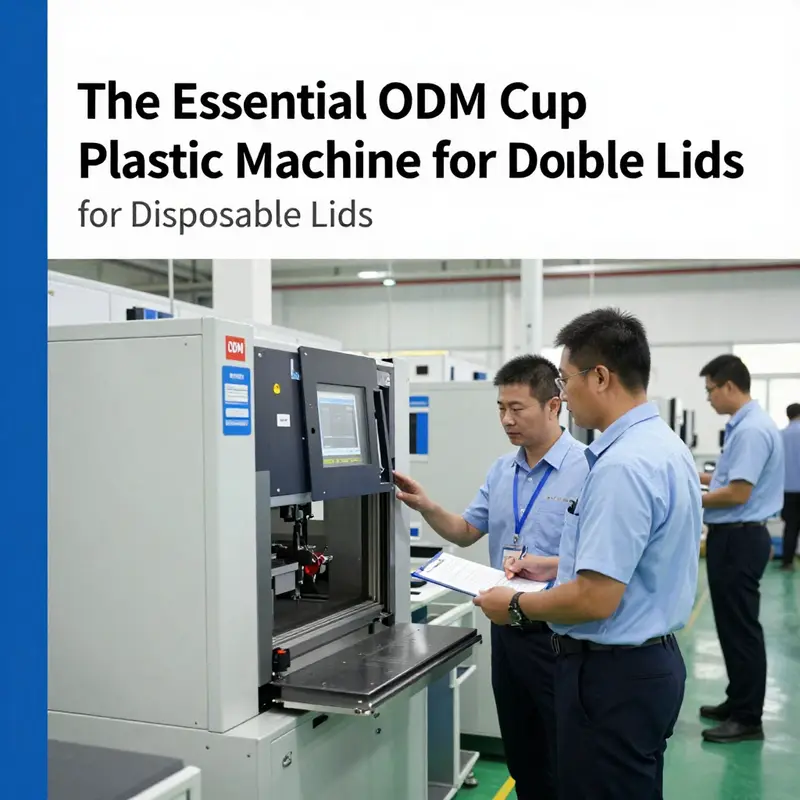
The ODM (Original Design Manufacturer) landscape for disposable cup lids sits at a crossroads of design intent, material science, and industrial rhythm. Brands seeking scalable, consistent lids must navigate the realities of automated thermoforming lines, where a single shift in material, thickness, or cycle time can ripple through the supply chain. In this environment, the supplier becomes not just a seller of equipment but a partner in capability. The machines themselves are purpose-built to shape sheets of polymer or composite materials into precise, cup-ready forms. They combine sheet roll feeding, controlled heating, a forming cavity, trimming, and finished-product handling into a continuous flow. The most common configurations support PS, HIPS, PVC, and PET substrates, and they are designed to convert raw stock into finished lids with minimal manual intervention. This blend of automation and material versatility is what enables manufacturers to scale, reduce labor costs, and minimize the risk of contamination that can arise in more fragmented production setups. The forming depth and the working area are practical indicators of a line’s reach; a depth of up to 50 millimeters and a forming area near 400 by 160 millimeters cover a broad range of cup diameters while preserving seal integrity and functional fit. In the long arc of a production run, these parameters translate into predictable cycle times and consistent lid geometry, which are essential for downstream filling lines and consumer experience.
The automated sequence at the heart of these machines matters as much as the numbers. Sheet roll feeding feeds the raw sheet into the heating zone, where a carefully calibrated temperature profile softens the material without degrading it. The thermoforming stage then creates the lid’s geometry in a single stroke, followed by trimming and edge finishing. A well-tuned PVC, PS, or PET lid emerges with smooth rims and uniform thickness. The entire chain is typically managed by a PLC with a user-friendly interface that facilitates mold changes and routine maintenance. The control system is not just about starting and stopping; it supports precision timing, mold alignment, and automatic quality checks, ensuring that a batch of lids conform to specification before moving toward capping, packaging, or direct use in a beverage service line. The result is a line that reduces labor input and minimizes human touchpoints, addressing both efficiency and hygiene concerns that are central to consumer packaged goods.
The breadth of materials and applications that ODM machines accommodate speaks to the strategic value of these lines. On one hand, shops can run the classic lids for hot beverages made from PS or HIPS; on the other, they can adapt to PET when a brand emphasizes clarity or a lighter weight profile. The thickness tolerance offered by these systems is broad: roughly 0.10 to 0.80 millimeters for PS and PVC, and 0.10 to 0.60 millimeters for PET. This flexibility opens doors to different lid structures, from simple sip-through designs to more intricate closures that must cooperate with a venting mechanism or a tamper-evident feature. The versatility is not merely about material compatibility; it extends to scale. For larger operations, lines can reach forming speeds that approach several dozen lids per minute, powered by substantial electrical loads and long production footprints. A large, high-capacity line might stretch over eight meters in length and demand power in the tens of kilowatts, reflecting the equipment’s industrial grade and the infrastructure needed to support continuous operation.
Within this ecosystem, a supplier’s profile matters as much as the machine’s technical specs. A leading supplier in the disposable cup and lid space emphasizes not only hardware but process confidence. Their factories, often distributed across multiple districts, convey the capability to design, manufacture, install, and commission full lid-making lines tailored to a customer’s product family. This is where the ODM proposition becomes compelling: the equipment is delivered with customization baked in. A manufacturer can request changes to the mold geometry, tweak the tooth profiles on trimming blades, adjust the forming depths for alternate lid shapes, or reconfigure handling to suit different downstream packaging lines. The opportunity to align equipment with product development timelines is a meaningful strategic advantage, particularly for brands that launch seasonal or limited-edition lid designs.
Cost remains a practical consideration, and it is not merely the sticker price that matters. A basic automatic thermoforming unit can begin in the mid-tens of thousands of U.S. dollars, while more integrated, higher-capacity systems—those that incorporate advanced automation, multi-tool molds, and comprehensive PLC suites—tend toward the higher end of the spectrum. In practice, suppliers often present a spectrum of options, from entry-level lines suitable for smaller labs or regional bottlers to full-scale production lines designed for global beverage brands. The price structure reflects not only the hardware but the value proposition: the engineering, the service network, the ability to tailor to brand-specific lid geometries, and the confidence to scale without repeatedly rewriting production lines. Post-sale support—on-site commissioning, operator training, and long-term service contracts—becomes a differentiator, particularly for companies entering new markets or expanding capacity in response to surging demand.
One of the most practical advantages of ODM partnerships is the ability to extend the same line beyond lids alone. A forward-looking supplier can adapt the same thermoforming platform to additional, compatible products, such as mini spoon molds, medicine trays, or clamshell packaging. This cross-portfolio flexibility means a single capital investment can generate multiple product streams, improving overall plant utilization and reducing the amortization burden per item. For a producer that aims to streamline packaging ecosystems, the ability to move from lid production to related components without a total equipment overhaul is a significant strategic asset. It also encourages tighter integration with the rest of the packaging line, from the coffee cup to the sleeve, from the lid to the inner seal, and from the finished article to the distribution workflow. The broader the platform, the greater the potential for synchronized changeovers when a brand pivots its packaging architecture.
Choosing a supplier in this space is a decision that integrates technology, service, and a shared language of manufacturing ambition. Reliability becomes a core criterion, not a wish. Prospective buyers seek evidence of a supplier’s after-sales network, reach, and on-the-ground presence in key markets. The best partners offer engineers who can travel overseas to support installation, tune equipment during ramp-up, and train operators to sustain performance. They bring a track record of successful migrations from pilot lines to full production, and they provide modular upgrades so that a lid line can evolve with evolving consumer needs without requiring a factory-wide rewrite. The social contract between buyer and seller is as important as the contract’s commercial terms. A dependable partner aligns on quality standards, safety certifications, and environmental controls that govern material handling, waste management, and energy use on the shop floor. In this sense, the ODM supplier becomes a co-architect of manufacturing efficiency rather than a one-time vendor.
The strategic value of partnering with an ODM supplier extends beyond the equipment alone. Many manufacturers discover that the supplier’s ecosystem—ranging from mold design and toolmaking to process optimization and parts supply—creates a resilience that is difficult to replicate with a standalone vendor. Mold changes, tooling maintenance, and simple wear-part replacements become predictable, reducing unexpected downtime. This reliability matters when a brand is trying to protect a launch window or maintain a consistent supply for large-volume beverage seasons. In addition, some suppliers offer bundled services that bring together the lid line, related dispensing or portion-control components, and even compatible takeout packaging lines. The synchronized approach can deliver smoother line integration, fewer compatibility questions, and a more holistic view of production throughput. For teams evaluating these options, it helps to treat the purifier of a lid-forming line as a design collaborator, not merely a machine provider. The best partnerships are grounded in a shared language about tolerances, cycle times, and material behavior under real-world conditions.
As the chapter turns toward practical steps, consider how a prospective project begins and how a supplier’s strengths map onto a brand’s ambitions. Start with a clear definition of the desired lid family: the seal type, venting requirements, heat tolerance, and compatibility with existing cups and sleeves. Clarify the target output—per minute, per hour, per shift—and the expected operating environment, including power availability and floor space. With those inputs, a supplier can present a range of line configurations that meet the performance envelope while leaving room for future expansion. A robust ODM partner will also engage in material studies, sharing data on how different PS, HIPS, PVC, or PET formulations behave during heating, forming, and trimming. They may propose process windows that minimize warping, edge defects, or delamination, helping downstream teams choose the best combination of material and geometry for their cups and beverages.
In this landscape, it is useful to recognize the connection between lid formation and the broader packaging system. A lid is not produced in isolation; it is part of a continuum that includes the cup, the cup sleeve, the lid seal, and the maximum shelf life of the packaged product. The supplier’s ability to co-design lids that maximize sealing reliability and user experience—while remaining compatible with existing or planned cup lines—can yield meaningful advantages. This cooperative approach is particularly relevant to brands exploring seasonal or trend-driven designs. The ODM supplier can accommodate custom lid geometries and feature sets on a repeatable, scalable basis, helping brands to test prototypes and scale to full production without experiencing bottlenecks in tooling or process validation. When a manufacturer looks for a partner to handle both the lid line and related packaging components, the value proposition shifts from “buy equipment” to “build a line that supports a brand’s entire packaging strategy.”
To connect this discussion with the practical realities of ongoing sourcing, suppliers frequently present a menu of options that reflect the breadth of the market. Some customers opt for compact lines that prioritize efficiency and footprint, ideal for regional production or pilot programs. Others invest in large, high-speed lines capable of thousands of lids per hour, designed for multinational distribution and continuous uptime. The cost spectrum is wide, but the decision rests on alignment: capital expenditure, expected throughput, qualification of materials, and after-sales capability. An experienced ODM partner will also provide transparent guidance on lead times, installation schedules, and training plans. The right partner helps a buyer avoid a mismatch between the equipment’s capabilities and the factory’s practical realities, such as workspace constraints, electrical infrastructure, and maintenance staffing.
This broader perspective on supplier relationships is where internal cohesion with related packaging components becomes important. For manufacturers who want to explore integrated solutions, a partner that can offer custom takeaway packaging supplies and disposable tableware can deliver a more seamless procurement experience. This approach can reduce vendor fragmentation and ensure a uniform quality standard across both the lids and the corresponding packaging elements. For teams who are actively building a cohesive, end-to-end packaging line, this can translate into smoother changeovers, more consistent aesthetics, and fewer compatibility questions as formats evolve. If you want to explore such integrated packaging opportunities, you can learn more about available options here: custom takeaway packaging supplies and disposable tableware for theme party.
In sum, the ODM cup-lid machinery market offers a robust platform for brands seeking scalable, customizable, and reliable production. The value proposition rests on automation that reduces labor and contamination risk, material flexibility that accommodates a spectrum of consumer needs, and a supplier ecosystem that can partner from concept through mass production. The most effective engagements are built on shared goals, clear performance targets, and an openness to evolving designs. The right supplier becomes a strategic collaborator, guiding mold development, process optimization, and equipment evolution as a brand’s packaging ambitions grow. As manufacturers consider the next stage of their lid strategy, the question is not only what line can produce the most lids fastest, but how a partner can help design a packaging system that elevates the entire product experience—from the first glance at the lid to the moment a beverage is opened and enjoyed.
External resource: https://www.alibaba.com/product-detail/Plastic-Cup-Lid-Machines-Supplier_1600577295708.html
Final thoughts
Investing in an ODM cup plastic machine for disposable lids can substantially enhance production efficiency and product variety for businesses in the beverage and food service sectors. These machines not only ensure compliance with quality standards but also offer customizable features to adapt to the ever-evolving demands of consumers. By evaluating the specifications, manufacturing capabilities, market pricing, and insights from suppliers, stakeholders can make informed decisions that align with their operational objectives. The right machinery can empower your business to meet customer expectations while optimizing resources, ensuring sustainable growth in today’s competitive landscape.