
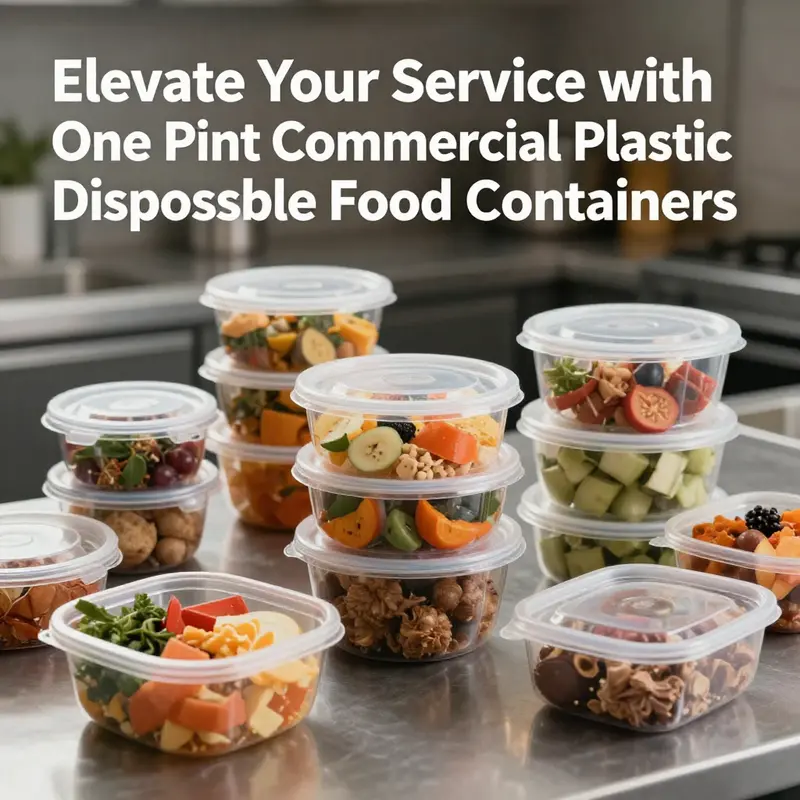
In a bustling food service industry, one pint commercial plastic disposable food containers have emerged as a crucial ally for professionals across various sectors. From bubble tea shops to catering services, these containers provide innovative solutions for portion control, convenience, and hygiene. Understanding their material composition, design features, applications, and environmental impact can empower your business decisions. This article delves into each aspect, showcasing how these containers can enhance your operations and align with current sustainability trends.
Polypropylene and the One-Pint Workhorse: Material Truths Behind a Standard Disposable Food Container
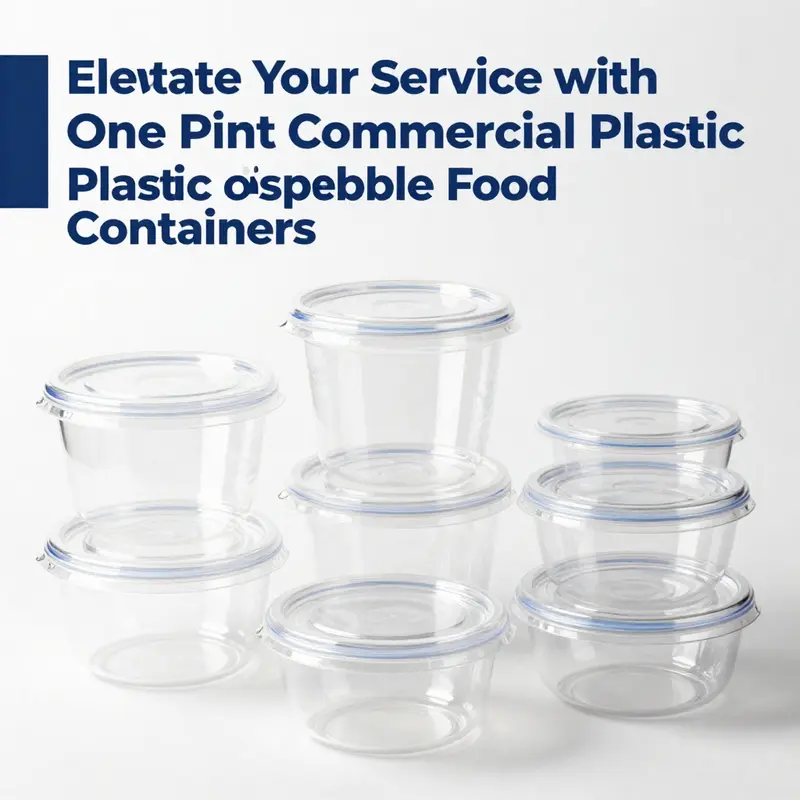
In the world of high-volume food service, the one-pint disposable container is a workhorse that often goes unseen beyond its practical function. It is not merely a vessel; it is a carefully engineered interface between food safety, portion control, and operational efficiency. The material at its core makes a quiet but decisive difference in how it performs from kitchen line to delivery, from buffet line to event setup. Among the various polymers used to fabricate these containers, polypropylene emerges as the dominant workhorse. This thermoplastic, prized for its balance of durability, heat tolerance, and affordability, underpins a packaging solution that must hold together through heat, cold, moisture, and movement, all while remaining economical enough to justify single-use status in a fast-paced service setting. The emphasis on polypropylene reflects a broader industry preference for a material that can credibly support hot and cold foods without sacrificing handling ease or safety credentials. The practical implication is that a one-pint container is more than its lid and its label; it is a system where the polymer dictates performance, reuse potential, and even the consumer’s perception of value.
Polypropylene’s appeal in this segment starts with its temperature resilience. In food service, containers must accommodate a spectrum of temperatures, from piping-hot soups to chilled yogurt, from steamed vegetables to frozen desserts. Polypropylene’s thermal tolerance allows it to function across this range without the warping or weakening associated with less robust plastics. This resilience translates into reliable performance during transit and on the line, supporting plating, transport, and consumer perception of value when meals are handed over at the counter or in a takeout bag. The same property helps minimize leaks and maintain container shape in motion, which is essential for safe, predictable service.
The barrier properties of polypropylene also deserve attention. A cornerstone goal in any disposable container is to shield contents from moisture and grease that would otherwise compromise texture, aroma, or texture perception. PP’s inherent barrier characteristics help keep soups from soaking into the lid gasket or the container walls, while also standing up to grease from sauces or fatty toppings. This performance reduces sogginess and helps maintain the intended dining experience, which can be especially important for deli salads, prepared meals, and dessert portions that rely on crisp textures or distinct layers. In practice, a one-pint PP container can support a reliable cold or room-temperature presentation, while also being light enough to avoid imposing a heavy burden on staff who must stack, transport, and present dozens or hundreds of servings in a day.
The weight advantage of polypropylene is not merely a convenience; it translates into real cost savings and workflow benefits. Lighter packaging means easier handling for front-of-house staff and drivers, faster loading and unloading, and less fatigue during long events. In a catering scenario, where large volumes are common, the ability to keep each container manageable reduces the risk of dropped shipments and damaged goods. The cost equation is further enhanced by the material’s relative affordability. For operators who operate on tight margins, the balance between performance and price is critical. PP containers deliver a level of durability and heat resistance at a price point that supports the one-pint format as a practical standard across diverse menus and service models. The upshot is consistency in portion control and menu planning; the 16-ounce size aligns with standardized recipes, helps with inventory discipline, and supports uniform labeling, all of which contribute to predictable costs and predictable service speed.
An important caveat accompanies the PP narrative: health and safety considerations. A review conducted within the scientific literature and highlighted by NIH perspectives acknowledges that while polypropylene is widely used in food packaging, no material is entirely without concerns. In particular, the broader landscape of plastic packaging can include the migration of additives that may pose health questions under certain conditions. Phthalates have historically been associated with some plastic types, most notably those containing certain plasticizers. The NIH findings emphasize that polypropylene–by virtue of its composition and typical manufacturing practices–generally embodies a more favorable safety profile compared to other plastics such as PVC, which has shown higher levels of plasticizer-related migration in some contexts. Nonetheless, the possibility of chemical migration is not zero. It is influenced by factors such as exposure to high heat, prolonged contact with fatty foods, and the use of non-recommended temperatures in the microwave. The practical takeaway for operators is straightforward: adhere to supplier guidelines, avoid heating inappropriately, and rely on containers that are labeled for the intended use. While PP is considered a safer option among common food-contact polymers, the broader message from the NIH and related safety research is that responsible usage matters just as much as material choice.
This emphasis on safety does not undermine PP’s strengths; it clarifies how the container should be used and what consumers can expect. The design features that accompany a one-pint PP container–most often an airtight lid, a tight seal, and a sturdy snap-fit–play a crucial role in both safety and user experience. Airtight lids help preserve freshness, prevent contamination, and reduce leaks during transport. They also support portion integrity, ensuring that sauces or dressings remain with their accompanying items rather than pooling in transit. The seal’s effectiveness hinges on the tight fit, which is in turn linked to manufacturing tolerances and the quality of the lid and base interface. When lids perform consistently, operators gain confidence in delivering meals in a manner that aligns with the brand promise of cleanliness, reliability, and controlled portions.
The practical versatility is another defining feature. A one-pint container is remarkably adaptable, suitable for soups, ice cream, yogurt, snacks, deli meats, and pre-packaged salads. Its utility across a wide range of applications makes it a staple in catering fleets, event menus, and retail display. In some settings, the container’s capacity is matched with branding opportunities; many models offer printing options that enable a business to imprint logos or menu identifiers directly onto the lid or side wall. The branding potential, while not as prominent as in premium reusable packaging, still matters in a competitive takeout or buffet environment. The ability to customize packaging–without sacrificing the core performance characteristics of PP–adds value by enhancing visibility and aligning with customer perceptions of quality.
Yet, performance is not purely about the polymer or the lid. The aesthetic appearance, and even the perceived value of the container, influence consumer experience. Clear or translucent PP variants allow product visibility, which is a powerful driver for impulse buys and pre-packaged selections in delis and grocery settings. Conversely, opaque or colored PP options may support branding objectives or color-coding schemes that help staff distinguish meal types, dietary considerations, or service lines. The visual appeal, however, is not a mere frosting on the cake; it interacts with the container’s strength, heat resilience, and the integrity of the seal. When a container looks sturdy and clean, customers tend to trust the quality of the food inside, reinforcing confidence in both the outlet and the presentation.
The environmental dimension cannot be ignored, even as the one-pint PP container demonstrates efficient performance in the kitchen. The environmental footprint of single-use plastics has become a focal point of concern for operators and policymakers alike. While PP is recyclable under many municipal programs, the rate of recycling, the availability of facilities, and the economic viability of returning containers to a recycling stream vary by region. Compared with EPS (expanded polystyrene), which offers superior thermal insulation and cost, PP is generally viewed as having a more favorable profile in terms of recyclability and end-of-life management, provided there are robust collection and processing options. The conversation around sustainability also invites consideration of compostable or alternative materials, especially for environmentally conscious brands. However, the choice to move away from PP must weigh not only the ecological footprint but also the operational realities of shelf life, food safety, cost, and the practicality of replacing a reliable, widely supported packaging solution that fits a standard 1-pint size.
The sourcing landscape for these containers reflects their broad adoption. Volume buyers–catering outfits, mobile vendors, and institutional kitchens–often explore a spectrum of suppliers to balance price, lead times, and customization options. In the bulk market, one may encounter wholesale platforms offering a range of material types and configurations, from clear PET to more heat-tolerant polypropylene variants. The reality is a multi-faceted supply chain: manufacturers optimize for scale, distributors coordinate inventory across regions, and end users weigh the trade-offs between price per unit, reliability of supply, and the ability to print branding on the packaging. For those seeking to explore options or to compare features like lid tightness, material transparency, and microwave safety, a widely available gateway is the bulk marketplace that aggregates plastic pint containers and related packaging solutions. In the context of this chapter, a representative entry point for exploring such options is a major supplier platform that highlights plastic pint containers and customization possibilities. As a practical reference, one can browse the supplier landscape at Alibaba, where a broad array of plastic pint containers, materials, and customization options are showcased. This resource serves as a window into the scale and variety that modern food-service operations rely on to meet demand while maintaining consistent portion control and packaging integrity.
The conversation about one-pint containers thus weaves together material science, food safety, usability, and sustainability. Polypropylene provides a reliable platform to meet the demands of modern food service: it tolerates heat, resists moisture and grease, remains lightweight, and can be produced at a scale that supports high-volume operations. The design of these containers–tight-fitting, often airtight lids–complements the polymer’s properties, enabling freshness preservation and secure transport. At the same time, safety considerations, grounded in scientific reviews and regulatory cautions, remind operators to use these containers within the bounds of manufacturer guidance and established food-safety practices. The environmental conversation invites ongoing evaluation of recycling and waste reduction strategies, as operators seek to balance operational efficiency with ethical responsibility. In the end, the one-pint plastic disposable container stands as a pragmatic instrument, a confluence of polymer science, supply-chain logistics, and practical kitchen know-how that underpins the smooth functioning of contemporary food service.
Small Yet Mighty: The Design Craft Behind One-Pint Disposable Plastic Food Containers
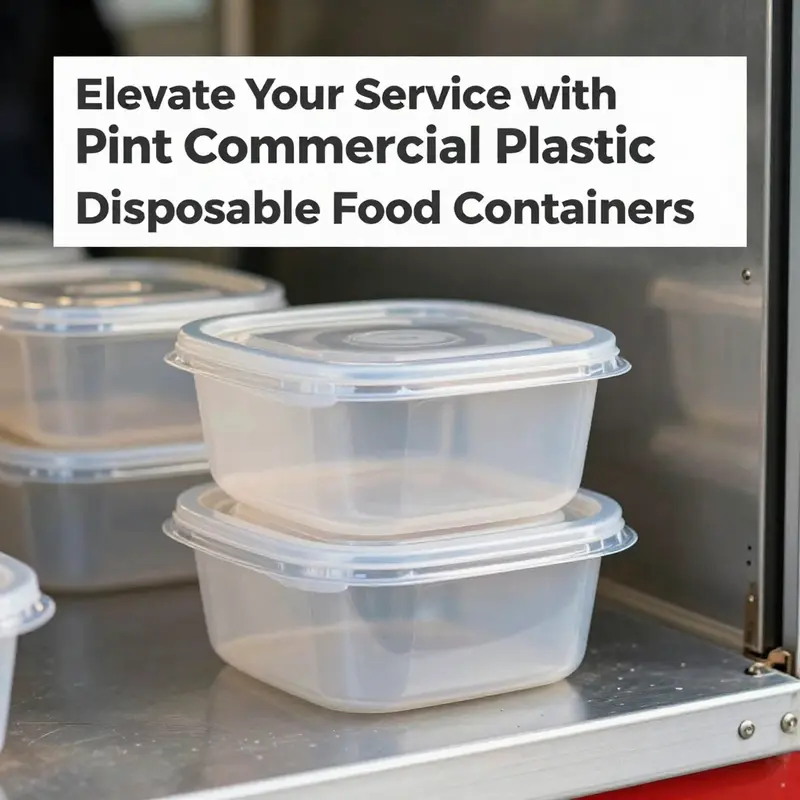
A one-pint, or 16-ounce, commercial plastic disposable food container is more than a simple vessel for takeout or display; it is a carefully engineered interface between food safety, operational efficiency, and brand storytelling. In high-volume food service, every millimeter of design choice—material, wall thickness, lid fit, and even the interior finish—plays a decisive role in how quickly kitchens move, how reliably food remains fresh, and how customers perceive value. The pint container sits at a practical crossroads where practicality must meet predictability, and where a compact package becomes a dependable ally in workflow, not a decorative afterthought. Across catering sites, food trucks, institutional cafeterias, and busy buffets, the design features of this container are tested against the realities of heat, cold, transport, and the relentless pace of service. To understand why this format endures, one can trace a concise thread from material science to daily hospitality routine, because each decision inside the mold has a ripple effect on cleanliness, speed, and the bottom line.
Material choice is the first compass guiding the container’s behavior. The most common families—HDPE, PP, and PET—bring distinct strengths that align with different service contexts. High-Density Polyethylene (HDPE) offers notable impact resistance and toughness, a valuable trait when a box slides across a kitchen prep table or endures a stack on a crowded move-out. Polypropylene (PP) adds thermal resilience and chemical resistance; it is frequently chosen for hot-food applications because it maintains structural integrity under higher temperatures and, in many cases, is marketed as microwave-safe. PET, celebrated for clarity, makes contents visually legible at a glance, an attribute that speeds service in salad bars, deli counters, and dessert kiosks. The choice among these materials is never purely about clarity or strength; it is a balance between cost, regulatory comfort, and end-use reality. In practice, operators gravitate toward PET when display matters, toward PP when hot or cryogenic handling is frequent, and toward HDPE when durability and resilience during stacking are paramount. In some instances, the blend of properties is achieved through a wall-thickness grade or a co-molded base designed to distribute weight more evenly, reducing deformation during transport.
Capacity, exactly sixteen fluid ounces, anchors the container in a broader system of portion control and menu planning. The pint size translates to consistent yields across soups, stews, yogurt parfaits, cold salads, or pre-portioned desserts. It creates a predictable inventory footprint for kitchens and catering teams while supporting nutrition or price-per-serving calculations that keep events or daily service financially coherent. The physical footprint—neatly flat and uniform—also influences how quantities are stacked and how space is managed in storerooms, cold cases, and mobile vans. In an era of lean operations, that flat profile is not merely a convenience; it is a strategic choice that optimizes palletization, shelving, and back-of-house throughput. The capacity specification is often reinforced by internal design features intended to preserve form under load. A smooth, seamless interior avoids crevices that trap food particles, reduces residue buildup, and simplifies cleaning. From a hygiene standpoint, the absence of sharp corners or recessed seams minimizes sites where bacteria could hide, a feature that inspectors and operators alike value during routine checks.
The interior and external geometry work hand in hand with temperature tolerance. For containers made from PP, heat tolerance is a signal that the same vessel can move from hot steam table or oven-side grab-and-go to a customer’s hands without immediate risk of warping or loss of lid seal. In practice, a robust lid—often with a tight-sealing gasket or a snap-fit closure—ensures the freshness and containment of aromas and liquids. The ability to prevent leaks during transit is not a luxury but a necessity, particularly for soups, sauces, or dairy-based items that might shift or slosh in a crowded delivery box or during a bumpy ride in a ride-share payload. Freezer safety is another consideration that underpins versatility. The same container that can cradle a cold salad or a frozen yogurt base may also be used for pre-portioned, freezer-stable components. When the design embraces freezer compatibility, the interior surface remains cleanable and the overall rigidity persists across a range of temperatures, which reduces the chance of cracking or cracking-induced hygiene concerns after repeated cycles.
Structural integrity is not about rigidity for rigidity’s sake; it is about ensuring performance under the stress of real-world use. The “rigid structure” concept translates to a container that maintains its shape under pressure and through stacking, transport, and multiple end-use episodes. A reinforced base, sometimes subtly thicker or differently contoured, resists deformation when a lid is closed and when containers are stacked for hours in a service line or during a crowded buffet. The lid, meanwhile, is not merely a cosmetic cap but an essential actuation of the container’s purpose. A tight-sealing lid protects against contamination, helps preserve moisture, and minimizes spills during transit. In many narratives of service, a lid is the first line of defense against cross-contamination and the last line of defense against the indignities of weather, wind, and wandering hands during quick-service events. The reliability of the seal becomes a practical dimension of service speed; a predictable fit reduces the need for protective sleeves, reduces waste, and shortens the time servers spend reconciling deliveries with customers.
Visibility is another understated yet decisive design feature. Clear or translucent materials allow customers and staff to identify contents without opening the container, a factor that doubles as a speed enhancer and a quality signal. Visual access reduces the need to unlid or to unlatch every container to determine what’s inside, which is crucial in busy lines where seconds count. The transparency of PET, or its translucent cousins in PP formulations, becomes a small but powerful ally in managing assembly lines, preventing misfills, and guiding intuitive merchandising for grab-and-go purchases. Yet visibility must be coordinated with branding and aesthetic goals. While clear containers maximize content introspection, some operators prefer a consistent, opaque look that can be printed with logos or color-coded bands to indicate meal type or dietary considerations. The tension between visibility and branding is a design conversation that often results in either a clear version paired with minimal branding or a solid color that leverages lids or sleeves for display coherence.
Efficiency in storage and handling completes the set of design priorities. A uniform, flat profile supports compact stacking, which is essential in kitchens that juggle dozens of SKUs at peak times. Efficient stacking translates into conserved storage space in pantries and warehouses and reduces the number of required handling steps when a delivery run is prepared. In practice, that means fewer mispackaged items, fewer crushed containers, and fewer rework steps caused by misalignments in towers of takeout containers. For operators who manage facilities that serve large audiences—events, stadiums, campuses—the simplicity of a single-pint container becomes a logistical advantage that extends beyond the kitchen into the delivery flow and the point of sale. The lightweight yet sturdy nature of these containers reduces the total weight carried by staff and couriers, a subtle but meaningful ergonomic and energy-saving benefit in high-throughput environments. This ergonomic benefit often coexists with an environmental argument, because weight reductions can also influence fuel consumption during transport, though the lifecycle impacts of single-use plastics remain a broader debate about waste and recycling.
Branding and consumer perception enter through the practical constraints of single-use packaging. The pint container can be printed with brand identifiers, color codes, or nutritional icons, though this is typically more common with premium or premium-ish disposables. Even when branding is modest, the container’s appearance, clarity, and lid fit contribute to a customer’s impression of value and care. Brand storytelling can be reinforced by the container’s performance: a reliable lid, a sturdy base, and a clean interior all create a sense that the handler takes hygiene and portion control seriously. The packaging becomes part of the service narrative rather than merely a container. In this sense, the design is a living extension of the operation’s standards and its commitment to consistency across shifts and seasons.
Practical considerations round out the designer’s brief. The single-use convenience of these containers reduces the need for sleeves or napkins and streamlines the packing process. Yet this convenience must be aligned with sustainability strategies. Recyclability is a core attribute of modern disposable packaging, often tied to recognized plastic codes such as #1 PET or #2 HDPE. In markets with mature recycling ecosystems, the pint container contributes to circular economy goals when properly recycled. The environmental conversation is not a blanket indictment of plastics but a call to choice—selecting materials that balance performance with end-of-life opportunities and reinforcing these choices with clear disposal guidance for staff and customers. Increasingly, suppliers offer variants that lean toward compostable or recyclable lines, or at least provide compatibility with municipal programs, so operators can align their packaging with their broader sustainability narratives.
Despite these strengths, the design does not escape limitations. Temperature sensitivity remains a practical constraint; not all plastics tolerate repeated microwaving or prolonged exposure to high heat, and operators must heed the manufacturer’s guidelines. Aesthetics can be a compromise; some dyed variants may fade or scratch, and the clarity that reveals contents can diminish with repeated handling. Durability under extreme cold or rough handling remains an area where thinner walls may fail, and the balance between cost and performance often dictates a sentence of compromise in edge cases. In many cases, the trade-off is accepted because the target use-case emphasizes speed, portion control, and hygienic convenience over long-term durability. As the market evolves, the push toward recyclable, recyclable-without-mess packaging, or even compostable options within a one-pint footprint grows louder, prompting designers and suppliers to push the envelope while staying mindful of the practical realities of high-volume environments.
To illustrate how the design is applied in real-world contexts, consider a typical workflow where the container’s features align with the needs of a busy catering line or a food-service operation. The ordering and assembly stage benefits from a consistent lid fit, clear contents, and a uniform shape that stacks predictably. The transport stage relies on the sturdy base and secure seals to prevent leaks during transit, both in hand-carried deliveries and in vehicle storage. Upon arrival, staff can rapidly identify the contents through visible packaging cues, retrieve the correct item without opening multiple containers, and maintain cleanliness through a smooth interior that resists residue buildup. In the back of house, the container’s compatibility with microwaves or freezers depending on the chosen material expands the range of dishes that can be prepared, stored, and served from a single format. This versatility translates to a leaner inventory, a faster service cadence, and a more consistent customer experience across different service channels. A practical example of how design choices translate into operational outcomes can be seen in the following product page, which demonstrates how a themed takeaway packaging line leverages a one-pint container for event-focused display and service. custom-takeaway-packaging-supplies-disposable-tableware-for-theme-party.
As these containers travel from factory floors to customer tables, they also function as ambassadors of efficiency and hygiene. Their design supports a clean handoff from kitchen to delivery to dining area. The lid’s tight seal reduces cross-contamination and product loss during transport. The interior’s smooth surface minimizes cleaning challenges during inspections, contributing to higher pass rates in hygiene audits. The material selection ties into sustainability narratives when operators choose variants that participate in local recycling or composting programs, echoing broader commitments to responsible packaging. Taken together, these design features reveal how a single-pint container can embody a disciplined balance among cost, performance, and environmental considerations, while still delivering the reliability that modern food service depends on.
For readers seeking a deeper dive into standards and industry guidance, reference is often made to leading bodies that articulate best practices for plastic containers and sustainable packaging solutions. External resources provide broader context for how design decisions fit into regulatory expectations, material science, and recycling infrastructure. The conversation about one-pint disposables is, in many ways, a window into the larger evolution of packaging in the food sector, where the drive for efficiency and safety must be reconciled with growing expectations around environmental stewardship and transparency.
External resource: https://www.plasticpackaging.org/
Portion, Presentation, and Precision: The Subtle Impact of the One-Pint Plastic Disposable Container in Food Service
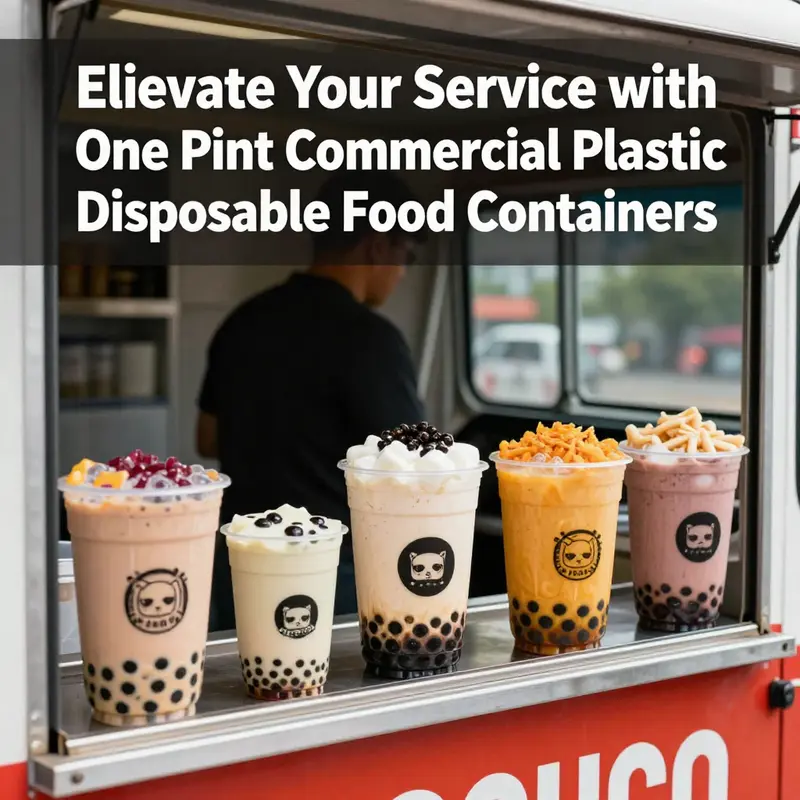
In the rhythm of a busy kitchen, the smallest tools often determine the smoothness of the day. A one-pint plastic disposable container—holding 16 fluid ounces, just under half a liter in some markets—appears to be a modest thing. Yet its role in the food service ecosystem is remarkably consequential. These containers are not merely receptacles; they are a design convergence of practicality, safety, efficiency, and branding. In high-volume operations from bustling delis to mobile food vendors, their standardized size creates a predictable canvas for cooks, servers, and customers alike. The 16-ounce format has become a lingua franca of portion control, allowing menus to be built around uniform servings, aligning cost, yield, and customer expectations with a clarity that is hard to achieve with irregular sizing. When a kitchen operates at scale, consistency translates into fewer mix-ups, faster assembly lines, and a more reliable dining experience, whether the order is a deli salad, a hot soup, a creamy dessert, or a savory snack that travels to a guest in a catering setting. The container’s contribution to operational discipline should not be underestimated; it is a quiet enabler of accuracy in inventory, pricing, and waste management.
Material choices sit at the heart of this utility, shaping how the container behaves in cold storage, on the pass, and during transport. PET, PP, and EPS are the common players in the one-pint family, each with a distinct profile. PET is clear, rigid, and lightweight, which makes product visibility a straightforward marketing advantage. A deli case can leverage the transparency to showcase layered salads, vibrant fruits, or dessert slices, drawing attention through color and texture. But that visibility comes with constraints: not all PET containers are microwave-safe, and some may warp under high heat. Polypropylene offers a different balance. It can tolerate higher temperatures, a boon for hot foods or for reuse in some operations that reuse containers in a sterilized cycle. PP’s durability, along with occasional microwave-safe labeling, broadens the range of applications—from hot soups to warm entrees—while preserving a compact footprint that preserves cold-chain integrity. Expanded Polystyrene, valued for its thermal insulation, remains a staple in scenarios where temperature retention matters, such as hot takeout meals or cold dessert assortments. EPS shines in price-per-unit terms and insulation, but its environmental footprint is a growing consideration as operators seek recyclable or compostable pathways. The choice among these materials often reflects a balance of the menu’s temperature profile, display strategy, and the institution’s sustainability goals, rather than a single best-practice rule.
The practical features of a one-pint container reinforce its daily usefulness. A tight-sealing lid helps preserve freshness, minimize contamination, and prevent leaks during transit—critical for a customer who expects a reliable, spill-free experience from kitchen to couch. The standard 1-pint size doubles as a reliable unit for portion control, aligning with menu pricing, cost-per-serving calculations, and procurement planning. The containers’ versatility spans a wide range of food categories: soups and stews, ice cream and frozen yogurt, yogurt parfaits, deli salads, fruit cups, snacks, and even ready-to-eat entrees. The transparent design remains a core advantage for product recognition and accuracy in order fulfillment, since staff and customers can view contents at a glance. In fast-service contexts, this visibility reduces miscommunication and speeds up service, especially when orders move across stations, from line to pack-out, or into catering workflows where pre-portioned servings are staged before events. The hygienic, single-use nature of these containers helps minimize cross-contamination risks, a factor that weighs heavily in health inspections, event management, and hospital or school dining environments. Branding opportunities are not neglected; many models accommodate customizable printing, enabling a consistent brand presence on takeout boxes and display setups at events. While premium reusable alternatives may promise a refined aesthetic, the disposable format often wins on hygienic assurances, convenience, and predictable performance in high-turnover settings.
The chapter’s focus on applications traces a path through several core use cases that define contemporary food service operations. Meal prep and takeout packaging rely on the container’s leakproof design, stackability, and compatibility with automated packaging lines in large kitchens. A common configuration pairs the container with a lid that snaps securely into place, ensuring the product remains intact during rapid assembly and hybrid service models that blend dine-in, takeout, and delivery. The ability to view contents clearly is not mere aesthetics; it simplifies fulfillment workflows, reduces the likelihood of missing items, and accelerates quality checks at multiple handoff points. In meal-prep environments, managers can standardize portions with the confidence that a single container corresponds to a known weight, calories, and plating standard. For assembly lines feeding catering events, the uniform 16-ounce unit translates into predictable yield across dozens or hundreds of servings, enabling consistent pricing across a menu and reliable financial forecasting for events ranging from corporate luncheons to weddings.
In catering and event services, these containers support a clean, orderly presentation that aligns with casual to semi-formal atmospheres. They facilitate dessert service, cold-side buffet portions, and even dessert cups that travel to venues for outdoor weddings or festivals. While they may not convey the premium aesthetics of higher-end serveware, their practicality remains unmatched for large-scale gatherings where cleanliness, convenience, and speed are paramount. Ice cream and frozen yogurt shops, too, rely on the same formats for single-serve portions that travel well, preserving texture and flavor while limiting cleanup after service. In bars and casual dining, the containers provide an efficient takeout or buffet portion that keeps menu integrity consistent across many events, from sports nights to holiday celebrations. The broader takeaway is that the one-pint container does not merely hold food; it acts as a strategic component in the service design, influencing how customers perceive value, how staff manage throughput, and how operators plan for seasonal demand without overhauling their packaging palette.
Temperature versatility further extends the container’s reach along the food supply chain. It can function across a spectrum of environments—from drafty walk-ins and cold holds to microwaves and dishwashing stations in the facility’s back of house. In practice, this versatility means a kitchen can run a leaner set of packaging options, reducing complexity while still offering hot and cold items with comparable packaging. This is especially meaningful in multi-channel operations that serve dine-in, takeout, and delivery, where a consistent packaging family reduces the cognitive load on staff and minimizes the risk of cross-type packaging errors. The reality is that the container’s performance under varying temperatures must be aligned with product guidelines and safety standards—a reminder that users should verify whether a specific container is microwave-safe or dishwasher-safe before committing to a particular workflow.
The broader implications of adopting one-pint disposable containers extend into sustainability and waste management. Their convenience is tempered by environmental considerations that are increasingly prominent in procurement decisions. While convenient and cost-effective, disposable plastics contribute to landfills unless recycling streams or compostable alternatives are accessible. In response, some operators integrate recycling programs or opt for materials with stronger end-of-life options. A growing segment of the market moves toward compostable or recyclable options, seeking to reduce the environmental footprint without sacrificing performance. This tension between convenience and responsibility shapes sourcing strategies and supplier conversations, pushing facilities to evaluate not only price and performance but also end-of-life outcomes, regulatory requirements, and consumer expectations. As research and policy evolve, the packaging ecosystem continues to refine its approach to materials that offer the needed functionality while honoring sustainability commitments. In practical terms, this means evaluating the container’s entire lifecycle—from raw material extraction to production, distribution, use, and ultimate disposal—rather than focusing solely on the immediate operational benefits.
sourcing behavior for these containers reflects the realities of global supply chains and the need for scalable, reliable access. Businesses look to major suppliers that offer FDA-compliant, BPA-free options and a spectrum of sizes and configurations. The one-pint format sits squarely in the sweet spot of demand: a familiar capacity that supports diverse culinary offerings and menu engineering while remaining accessible to both large-scale operations and smaller venues. In practice, procurement teams weigh unit price against minimum order quantities, lead times, and customization capabilities. The ability to print branding on lids or bodies can yield a tangible marketing advantage at events or during delivery. Importantly, the decision matrix includes regulatory compliance, food-contact safety, and packaging hygiene, all of which influence vendor selection and long-term supplier relationships. The conversation around sourcing is not merely about cost; it’s about establishing a dependable packaging ecosystem that can scale with business growth and adapt to evolving consumer preferences.
From the standpoint of workflow design, the container’s standardized size makes it easier to integrate with automation and batching systems. In high-volume kitchens, automation lines can feed pre-staged ingredients into the container or apply lids with consistent torque, reducing variability and enhancing throughput. For operators that rely on batch cooking, the uniform capacity improves forecasting and reduces waste by tightening the alignment between prepared quantities and expected demand. In mobile and off-site operations, the container’s compact form factor supports efficient stacking and minimization of travel volume, key advantages for food trucks and pop-up events where space is at a premium and every inch counts. The combined effect of these efficiencies is a more predictable, scalable operation that can maintain quality while handling peak periods with confidence.
Finally, the chapter would be remiss without acknowledging the branding and customer experience dimensions. A well-chosen container allows a business to project a consistent identity from the moment the customer views the product on a shelf or on a delivery app. The transparency, lid design, and surface area for printed logos collectively contribute to a tactile, visual cue that reinforces brand familiarity. Yet retailers and operators must balance aesthetics with practicality; the most cost-effective packaging often prioritizes function—seal integrity, stackability, and clear content visibility—over luxury finishes. This balance is not a compromise but a strategic alignment of packaging attributes with the service model and the consumer’s expectations. In this sense, the one-pint container is a pragmatic instrument in the craft of food service: reliable, versatile, and capable of supporting a broad spectrum of culinary narratives without demanding a premium branding expenditure.
Internal link note: for a perspective on related disposable packaging used in everyday events and takeout contexts, see this example of a disposable clear plastic cup for events. disposable-clear-plastic-cup-outdoor-picnic-pet-cup-drinking-cup-for-parties-birthdays-weddings-camping-utensils.
In sum, the one-pint commercial plastic disposable container operates at the intersection of function, efficiency, and experience. It is a tool that supports portion control, ensures safety and hygiene, and enables a flexible, scalable approach to packaging across meal prep, catering, and retail environments. Its influence extends beyond the counter to how menus are planned, how inventories are managed, and how brands communicate value in crowded markets. As the industry continues to refine sustainability strategies and consumer expectations evolve, these containers will likely adapt—through material innovations, recycling-friendly designs, and smarter manufacturing—to maintain their essential role in the food service landscape.
External resource: Alibaba’s wholesale plastic pint containers page offers bulk options, specifications, and supplier details that can inform procurement decisions at scale. Alibaba Wholesale Plastic Pint Containers
From Convenience to Consequence: Reframing the Environmental Footprint of One-Pint Plastic Takeaway Containers
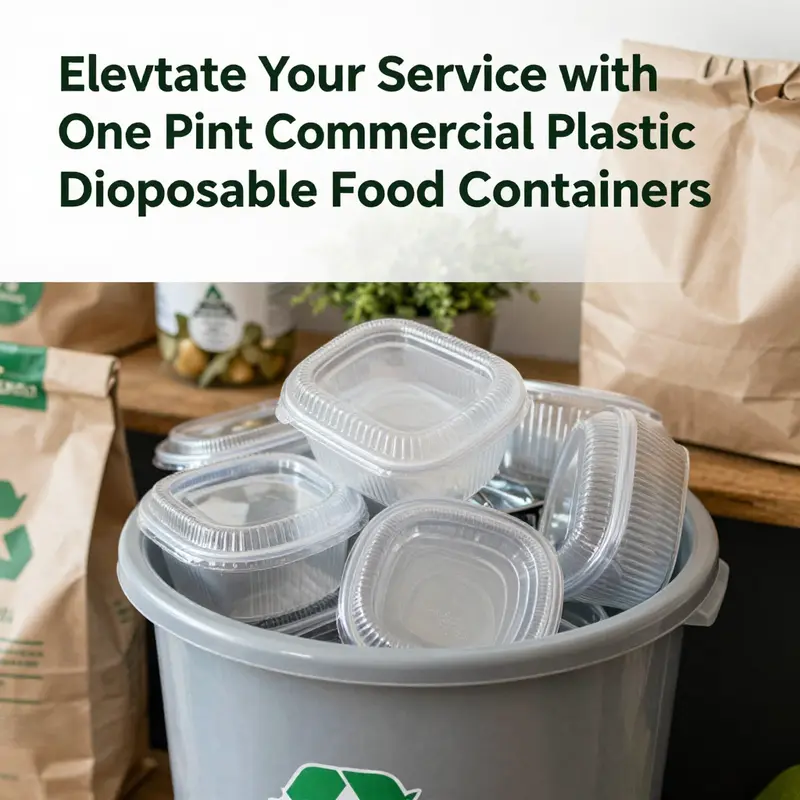
The one-pint commercial plastic disposable food container sits at a surprising crossroads. In busy kitchens, catered events, and rapid-service venues, a 16-ounce vessel appears as a simple, microscopic decision that shapes the pace of service, the hygiene of handling, and the cost of waste management. Yet behind its unassuming exterior lies a web of material choices, manufacturing realities, and end-of-life challenges that reveal a more complex truth: convenience often carries an environmental cost that reverberates far beyond the table. In exploring the environmental impact and the sustainability trajectory of these containers, it is essential to trace the journey from raw material, through use, to disposal, and to consider how industry shifts, consumer behavior, and policy signals can bend that path toward a more circular outcome.
At the heart of the environmental conversation is material composition. In many commercial contexts, these containers are molded from polypropylene (PP) or polystyrene (PS), with occasional use of other plastics such as PET for certain visual or structural requirements. Each material carries its own fingerprint of energy demands, recyclability potential, and end-of-life behavior. PP offers greater heat resistance than some PET variants, which makes it attractive for hot foods, yet it still faces the same recycling bottlenecks that haunt most single-use plastics. PS, historically ubiquitous in takeaway packaging due to its lightness and insulating properties, presents a different dilemma: while it protects contents and can dampen temperature swings, polystyrene contributes to environmental persistence and lower recycling rates in many municipal systems. A third category, EPS or expanded polystyrene, often used for its insulation and cost efficiency, further compounds the conversation because its suitability for recycling is limited and, in some cases, its disposal can align with industrial, rather than home, composting streams. The practical upshot is that even containers designed for single use can outlive their original purpose by decades if neglected or mismanaged, and their environmental footprint is not simply a function of the lid or the body but of the entire lifecycle from production to post-consumer fate.
The lifecycle lens sharpens the most sobering statistic: a substantial portion of plastic waste ends up in landfills rather than being recovered for recycling. A widely cited figure from contemporary studies suggests that roughly 79 percent of plastic waste persists in landfills or in long-lived waste streams, a consequence of multiple interacting factors. Food residue contaminates recyclables, making the processing streams less efficient and more costly. Mixed material streams complicate separation and increase the risk of downcycling, where the recovered material is transformed into lower-value products rather than back into the original container. In a system designed for mass throughput, the fragility of recycling infrastructure becomes a bottleneck that undermines the very promise of recyclability. This is not merely an academic concern; it translates into real costs for municipalities, waste haulers, and businesses that depend on predictable waste streams for budgeting and operations.
A crucial nuance in this story is the variability of recycling capabilities across regions. Not all facilities can handle the same polymer families or container-shaped waste; some plastics marketed as recyclable end up being rejected due to contamination or inadequate sorting technology. The result is a paradox: products that are theoretically recyclable may, in practice, persist in the waste stream because the infrastructure to reclaim them is uneven or under-resourced. Even when recycling does occur, it is not a pristine loop. The process consumes energy and resources, and the recycled plastic often travels through a downcycled value chain that yields items of lesser quality and value than the original container. In the context of a 1-pint takeout vessel, this means that the seemingly efficient choice can yield environmental externalities that multiply across local and regional systems, dampening the perceived benefits of recycling.
The environmental story does not stop at end-of-life. When evaluating alternatives, the life cycle impact of each material—PP, PS, PET, or EPS—must be weighed against the functional demands of the packaging. Insulation, moisture resistance, lid integrity, and weight all influence how a container performs in real-world service. EPS clamshells, for example, are known for strong thermal insulation and cost-effectiveness, making them attractive for hot or cold meals. However, the broader environmental claim of insulation must be weighed against their relative recyclability and the energy intensity of potential recycling pathways. In many places, EPS recycling remains a niche, industrialized process rather than a readily accessible curbside option. That mismatch between performance in the kitchen and accessibility in the waste stream highlights a fundamental tension: packaging design optimized for immediate service must be reconciled with disposal realities that occur long after the last bite has been served.
To move beyond a simple dichotomy of “recyclable vs non-recyclable,” researchers and industry observers have increasingly embraced a systems view anchored in the circular economy. The pursuit is not merely to substitute one plastic for another but to reimagine how packaging can function within a closed loop. In this frame, compatibility with recycling streams, ease of cleaning and reuse, and even the ability to recover energy from waste are all related to material choice, design for disassembly, and the degree of contaminant control achievable in high-volume operations. The industry is beginning to experiment with compostable bioplastics and reusable container systems as counterweights to single-use plastics. Each option carries its own trade-offs. Compostable bioplastics can require industrial composting facilities and precise separation to achieve meaningful environmental benefits. Reusable systems can dramatically lower waste, but they demand robust logistics, return rates, and consumer compliance to be effective. Without reliable reuse or composting infrastructure, a shift to seemingly “greener” materials may yield only marginal improvements, or may shift the burden to other parts of the system, such as water use for washing in reusable schemes.
One emerging theme in sustainability assessments is the recognition that the environmental advantage of a given packaging option is highly context dependent. Life cycle assessments that compare metals, paper, and various plastics reveal that there is no one-size-fits-all winner. Trade-offs surface in energy use, greenhouse gas emissions, water footprints, and land use, depending on how frequently a container is used, how it is disposed of, and what infrastructure exists to recover or repurpose the material after its initial function has ended. In this sense, a container’s value is not solely in the object itself but in its fit within a system of collection, sorting, processing, and reintroduction to production. The more a packaging solution aligns with a circular pathway—whether through high recovery rates, ready separation, or high reuse potential—the lower its overall environmental impact, even if its raw material appears to be less favorable at first glance.
From a business perspective, the sustainability calculus of a one-pint container extends into brand responsibility, consumer perception, and regulatory risk. In recent years, many operators have become acutely aware that packaging choices are not neutral branding elements but signals of environmental stewardship. Customers increasingly expect transparency about what happens to packaging after use and may reward brands that demonstrate clear commitments to recycling, composting, or reusable options. Yet the branding opportunity must be carefully balanced with practical realities: branding a simple, disposable container is attractive because it can create a clean, uniform consumer experience and can be produced in bulk with predictable costs. The tension between branding flexibility and end-of-life performance invites a broader conversation about how packaging can support rather than undermine sustainability goals. In some cases, the market is responding with recyclable or compostable designs that also offer branding potential, including options for customization that do not compromise recyclability or compostability. As the industry tests these boundaries, the role of the supplier ecosystem becomes critical: manufacturers, waste management providers, and policymakers must align incentives so that sustainable designs actually reach the waste stream in meaningful quantities.
Policy and governance also shape the practical trajectory of one-pint containers. Municipal and national programs influence what materials are economically viable to collect and process, what labeling standards enable accurate sorting, and how much contamination is tolerable in recycling streams. Even when a polymer is technically recyclable, inconsistent labeling, confusing consumer instructions, and gaps in curbside service can undermine recovery rates. This is why many sustainability efforts emphasize not only material substitution but also improved waste management systems, consumer education, and standardized labeling. When regulations incentivize higher recovery rates or support the development of centralized composting infrastructures, the environmental benefits of alternative packaging options become more realizable. The journey toward lower impact packaging, then, is not a simple product switch; it is a coordinated transformation that requires alignment across producers, distributors, retailers, and end users.
The question then becomes how to translate these insights into actionable choices in a fast-moving foodservice environment. Practical steps include designing for disassembly so that components can be separated for recycling, selecting materials with known and accessible end-of-life pathways, and adopting packaging formats that can justify the added complexity with tangible waste reductions. For many operators, this means embracing a mixed strategy: use of recyclable or compostable materials where a reliable recovery stream exists, alongside the exploration of reusable systems where return logistics can be implemented efficiently. Even modest adjustments—such as minimizing the use of laminated or multi-material structures that complicate recycling, or selecting containers that favor curbside collection programs—can yield meaningful improvements over time. Importantly, these steps must be paired with clear labeling and consumer guidance so that end users participate effectively in the intended waste management pathway.
The broader takeaway from examining the environmental impact and sustainability potential of one-pint disposable containers is not a call to ban single-use packaging wholesale. Rather, it is a call to integrate packaging decisions with a holistic understanding of waste systems, materials science, and consumer behavior. The challenge lies in reconciling the immediate needs of high-volume service with the longer-term imperative to reduce pollution, conserve resources, and protect ecosystems. A more resilient path is forged when packaging design, waste management, and consumer practices are treated as interdependent levers. The shift toward eco-friendly takeout boxes and other lower-footprint options, which are increasingly visible in the marketplace, represents a step in that direction—one that recognizes that a container is not merely a vessel for food but a node in a larger network of materials and energy flows. As awareness grows, it becomes possible to align the operational realities of fast service with the pressing demands of environmental responsibility, enabling businesses to do well by doing good while still delivering the convenience that customers expect.
In closing, the environmental impact of one-pint plastic disposable containers reveals both the fragility and potential of today’s packaging systems. It is a story of how tiny, everyday choices intersect with complex infrastructure and global supply chains. It is also a story of possibility: a future in which the containers used to deliver meals can be designed, recovered, and reintegrated into production with minimal waste. The road to that future will require continued investment in material innovations, improvements in collection and recycling capacity, and a culture of stewardship that holds both producers and consumers accountable. When those elements align, the once-overlooked pint container can become an exemplar of packaging that serves people and planet with equal care.
For readers seeking a practical path to greener options, a closer look at available packaging solutions that emphasize sustainability and lifecycle thinking can be illuminating. One avenue is to explore packaging designs that are compatible with established recovery streams while offering branding and protective performance. Such options can provide a bridge between the needs of high-volume service and the goals of responsible waste management. Ultimately, the move toward sustainable packaging is not a single product choice but a deliberate strategy that integrates design, logistics, and behavior. By aligning these elements, the industry can transform a common, convenient container into a model for thoughtful, circular practice.
Internal resource for further reading and industry-oriented exploration: eco-friendly takeout boxes for food packaging. This reference highlights how designers are reimagining packaging to balance performance with end-of-life considerations, illustrating a continuum from conventional disposables toward reusable or easily recoverable formats.
External research to contextualize lifecycle considerations and waste management challenges can be found in foundational literature that maps the broader environmental footprint of takeaway containers. See for example the discussion in Environmental impacts of takeaway food containers, which offers a comparative lens on materials and end-of-life pathways and underscores the importance of robust waste infrastructure in realizing true sustainability benefits. https://www.researchgate.net/publication/345678900Environmentalimpactsoftakeawayfoodcontainers
Final thoughts
As the demand for efficiency and sanitation rise in the food service sector, one pint commercial plastic disposable food containers stand out as a reliable choice. Understanding the material composition, design features, various applications, and environmental implications empowers businesses to make informed decisions that cater to their operational needs while promoting sustainability. Embracing these practical solutions not only enhances service quality but also aligns with the growing consciousness around eco-friendly practices.