

In the vibrant market of Malaysia, paper cups have become indispensable for businesses serving hot drinks, from bubble tea shops to catering services. The demand for innovative, eco-friendly, and customized packaging solutions is on the rise. This article delves into the key aspects of paper cups for hot drinks in Malaysia, focusing on market trends, sustainability, and customization. Understanding these elements can help beverage chains and event planners make informed choices that align with consumer preferences and environmental standards.
Brewing Change: Market Trends Shaping Malaysia’s Paper Cup for Hot Drinks
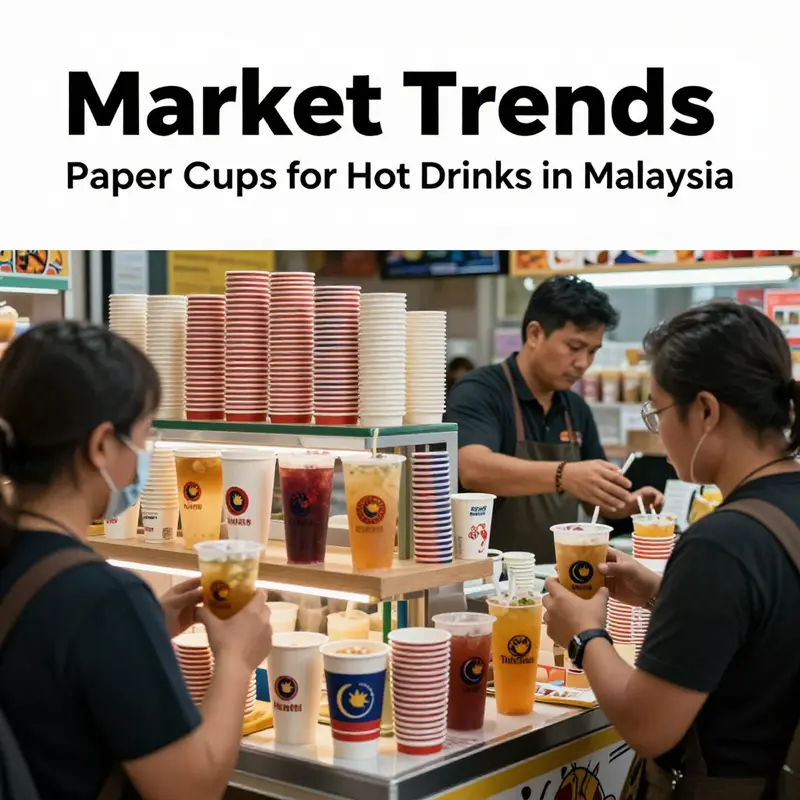
In Malaysia, the landscape for paper cups used with hot beverages is evolving beyond simple disposables toward a more nuanced ecosystem of materials, design, and value. The supply chain that feeds cafes, restaurants, and events now traverses several layers: the availability of diverse cup sizes, the push for heat resistance, and the growing demand for branding opportunities that turn a cup into a marketing touchpoint. On B2B platforms and in local wholesale channels, buyers routinely encounter a spectrum of options—from standard single-use cups to insulated double-wall designs, and from straightforward, cost-conscious formats to premium variants with custom prints. What ties these choices together is a shared imperative: deliver a reliable cup that keeps the drink hot without scorching the hand, while aligning with evolving consumer expectations around sustainability and corporate responsibility. The interplay of these factors is reshaping not only what is sold, but how it is produced, purchased, and deployed across Malaysia’s dynamic beverage scene.
Consumer preferences in Malaysia are shifting in meaningful ways that ripple through packaging design and material choice. A growing segment of buyers and end-users—cafés, chain outlets, and event organizers alike—are prioritizing eco-conscious options. This manifests as greater interest in compostable or recyclable cups that minimize environmental impact and reflect a commitment to circular economy principles. The appeal of plant-based coatings, such as PLA derived from cornstarch, is becoming more than a technical curiosity; it is increasingly treated as a mainstream alternative to traditional plastic-lined interiors. The promise of such coatings lies in improved biodegradability under industrial composting conditions, a prospect that resonates with municipal waste-management objectives and consumer expectations for cleaner disposal pathways. Yet the transition is not without its complexities. The sustainability equation hinges on more than the cup itself; it depends on whether industrial composting infrastructure exists, whether rates of separation at the source are reliable, and whether the overall life cycle aligns with real-world disposal habits. In practice, this means manufacturers and buyers alike must weigh the benefits of compostable or recyclable designs against the practical realities of local waste streams, transport emissions, and cost considerations. In other words, the market is moving toward safer, greener solutions, but the pace and texture of adoption are mediated by how these solutions perform in Malaysia’s diverse urban and rural environments.
A pivotal driver behind these shifts is a mounting body of evidence about potential health and safety risks associated with hot beverages in conventional cups. A 2025 study in a major materials science journal highlighted concerns about microplastic release from standard paper cups when filled with hot liquids. The study reported the release of tens of thousands of microplastic particles within minutes, underscoring the urgency of rethinking liner materials and coatings. Although research continues to refine our understanding, these findings have already influenced industry conversations in Southeast Asia, pushing manufacturers to accelerate research into non-plastic alternatives and safer inner linings. This includes exploring wax-coated or cellulose-based liners that can deliver heat resistance without introducing the same level of plastic-associated risk. For Malaysia, where coffee culture is deeply ingrained and the appetite for convenient, ready-to-use packaging remains robust, such developments carry significant implications for product development cycles, certification processes, and consumer trust.
In this context, brands are increasingly recognizing the cup as a canvas for branding and storytelling. Customization has evolved from a novelty to a strategic tool that strengthens customer recall and elevates the café experience. In a competitive market, a well-designed cup can carry logo, color schemes, and seasonal graphics that reinforce a brand’s identity and tell a story at the moment of purchase. The preference for premium design is not limited to high-end outlets; it has begun to permeate mid-market cafes and event vendors, where the cup itself becomes part of the experiential narrative. This trend dovetails with the broader consumer shift toward experience-driven consumption, where customers seek not only a beverage but a moment—an impression—that lingers beyond the last sip. As a result, demand for customizable, branded disposable cups has increased, with buyers seeking flexible options that accommodate seasonal campaigns, corporate promotions, and festive celebrations such as Hari Raya or the Lunar New Year. The ability to print logos, vibrant patterns, or bilingual messaging on cups is increasingly seen as a practical marketing investment, contributing to higher perceived value and stronger engagement with customers.
From a sourcing perspective, Malaysia’s market benefits from a robust network of Chinese manufacturers and regional suppliers that target export to Southeast Asia with rapid logistics and flexible payment terms. The availability of a wide range of capacities—from small, single-serve 4-ounce cups up to larger 20-ounce variants—gives operators the agility to match cup size to beverage type and venue. Double-wall insulated designs, which help manage heat transfer and protect hands on hot drinks like coffee and tea, have become a standard offering in many supplier catalogs. At the same time, the industry is mindful of the rising demand for ecological and social governance considerations in packaging. This means that buyers are more careful about the origin of materials, the presence of compostable or recyclable liners, and the overall environmental credentials of the cups they purchase. In practice, this has encouraged a more deliberate approach to supplier selection, with buyers weighing not only price and lead times but also material safety, recyclability, and the availability of documentation to support certifications and compliance.
It is also worth noting how procurement channels are adapting to modern realities. B2B marketplaces and direct-from-manufacturer channels remain central to access, but buyers increasingly expect additional value in terms of specification detail, sample availability, and post-purchase support. The complexity of the selection process—balancing heat-resistance, consumer safety, branding potential, and end-of-life options—has raised the importance of transparent communications about liner materials, coatings, and manufacturing standards. In Malaysia’s market, where small independents and large chains both have significant footprints, the ability to negotiate terms, obtain clear material disclosures, and secure reliable, time-bound delivery is a key differentiator among suppliers. As competition intensifies, suppliers are incentivized to offer more nuanced packaging solutions—such as liners designed to minimize moisture transfer, barrier coatings that enhance heat resistance, and compatibility with regional waste-management infrastructures—to meet a broader spectrum of customer requirements.
For readers seeking concrete exemplars of the types of products shaping this space, consider the practical option of disposable Kraft paper cups designed for hot drinking. These cups, commonly used across various segments, illustrate how a simple format can be adapted to different needs through material choices, wall thickness, and branding opportunities. An internal reference point in the market is the availability of cups that deliver heat retention through thoughtful insulation while providing surface areas suitable for logo printing and seasonal artwork. This is where the internal ecosystem—materials, coatings, and production processes—intersects with forward-looking sustainability goals. A visitor exploring supplier catalogs might encounter craft distinctions such as single-layer versus double-wall constructions, the use of Kraft paper as a base, and optional printed designs. The interplay among these variables shapes not only product performance but also cost, lead time, and the ease with which a business can implement a branding strategy across multiple locations. In a market where coffee culture is deeply embedded in daily life and hospitality is highly service-oriented, these subtle design choices can translate into meaningful differences in customer perception and retention. For buyers seeking an integrated packaging solution that aligns with hot-drink expectations and branding objectives, the navigation of such options becomes a core competency that supports strategic growth.
Beyond the product itself, industry professionals in Malaysia are closely watching events that spotlight sustainability, technology, and design innovation. The upcoming Asia Beverage Industry Expo, particularly a Malaysia edition scheduled in Kuala Lumpur, is positioned as a pivotal platform for introducing new materials, coatings, and manufacturing approaches that address both heat performance and environmental considerations. The expo is expected to feature showcases of eco-friendly packaging solutions, including biodegradable and compostable alternatives to traditional cup linings, supported by demonstrations, certifications, and supplier matchmaking. For local players and regional buyers, such events provide opportunities to engage directly with researchers, material scientists, and manufacturers who are actively experimenting with safer, more sustainable options. They also offer a venue to assess the practicality of industrial composting pathways, the readiness of curbside recycling programs to handle these new materials, and the real-world implications of adoption across diverse urban centers and hospitality settings. The Malaysia edition, with its proximity to major urban markets and a growing culture of professional events, can accelerate the diffusion of safer, greener cup technologies and help align local procurement practices with international best practices.
In this evolving context, the lifecycle of a hot-drink cup in Malaysia involves more than the moment of purchase or the act of being filled with a beverage. It includes how customers dispose of the cup, how municipalities manage waste streams, and how manufacturers respond to regulatory expectations and scientific findings. The convergence of these factors creates a dynamic environment in which suppliers, brands, and consumers collectively push the envelope on packaging that is heat-resistant, visually engaging, and ecologically responsible. This requires a careful balance: maintaining reliable performance during use, delivering brand value through design, and ensuring that the end-of-life pathway aligns with environmental goals. The challenge for many operators is to translate these ambitions into scalable, cost-effective packaging that does not compromise on quality or safety.
In practical terms, the Malaysia market benefits from flexibility in ordering quantities and the ability to customize packaging for seasonal campaigns. This flexibility is particularly valuable for cafés and event organizers who need to manage demand spikes and coordinate branding across multiple outlets or venues. The capacity range—from compact, ready-to-serve options to larger volumes for mass gatherings—enables operators to optimize inventory and reduce waste. Yet the sustainability dimension adds a layer of complexity. Even as custom branding adds value, it must harmonize with the chosen material system and end-of-life plan. For example, a cup that carries a vibrant logo printed with food-safe inks may still fall short if the associated liner or coating complicates recycling or composting. In such cases, buyers may prefer solutions that strike a balance: an appealing surface for marketing while employing liners and coatings that align with regional waste practices. The result is a more integrated approach to packaging procurement, where marketing, operations, and sustainability objectives inform the final selection.
Looking ahead, the Malaysian packaging market appears poised to continue integrating digital procurement with sustainability commitments. As retailers and foodservice brands increasingly track environmental metrics and seek to communicate progress to customers, the packaging choices they make will more frequently be evaluated against life-cycle assessments, recyclability indices, and certifications that demonstrate responsible practices. This shift will likely influence not only the materials used but also the design language of cups. Simpler, cleaner visuals, easier-to-recycle liners, and clearer disposal instructions could become as important as color, texture, and branding. For buyers, this means a more holistic evaluation framework when selecting cup formats, coatings, and printing methods—one that weighs user experience, brand impact, and environmental responsibility in equal measure.
To illustrate the practical integration of these considerations, consider a sourcing decision that weighs an internal heat-resistant design against potential end-of-life benefits. A supplier catalog might present a double-wall cup optimized for warmth retention, combining a sturdy exterior with a protective interior. While such a cup delivers comfort and performance during hot drinks, buyers must also examine the liner system: is it a traditional plastic-coated solution, or a newer, plant-based alternative that could enhance composting prospects? How readily can local waste-management programs accept these materials, and what documentation is available to support compliance with health and safety standards? These questions underscore the cross-functional nature of modern packaging decisions, where product engineers, sustainability officers, procurement teams, and brand managers collaborate to select options that satisfy both practical needs and ethical commitments.
From a narrative standpoint, this convergence of performance, branding, and environmental stewardship is shaping how hot-drink cups are perceived and used across Malaysia. The cup is no longer a disposable afterthought; it is a deliberate choice that signals a brand’s values and a locale’s openness to responsible innovation. Cafés that invest in high-quality, branded cups can distinguish themselves in a crowded market, while communities and policymakers push for solutions that reduce waste and encourage responsible consumption. In this environment, the market is not simply reacting to trends but actively shaping them—through research partnerships, pilot programs, and the continuous refinement of materials and designs that better align with local needs and global standards. The result is a stage where small, everyday objects like a paper cup play a part in a larger conversation about sustainability, health, and the future of consumption in Malaysia.
For readers who wish to explore concrete product options and supplier contexts, one practical reference point is the broader category of disposable Kraft paper cups designed for hot drinking. These cups illustrate how the market negotiates between heat performance, branding potential, and end-of-life considerations, offering a tangible entry point into understanding the choices available to Malaysian buyers. The emphasis on Kraft-based solutions highlights a preference for sturdy, recyclable substrates that can accommodate printing while maintaining a presentable surface for brand storytelling. While the exact configurations and coatings will vary by supplier, the underlying principle remains consistent: a cup should perform reliably in hot conditions, present well in front of customers, and align with evolving environmental expectations. As Malaysia continues to host significant industry events and expand its packaging standards, buyers can expect a gradual shift toward more nuanced option sets that harmonize usability with responsibility.
In sum, Malaysia’s market for paper cups for hot drinks is becoming more sophisticated and more attuned to broader societal goals. The convergence of consumer demand for sustainability, regulatory and health considerations, and the strategic use of branding has propelled the industry toward choices that balance performance, aesthetics, and environmental accountability. Operators who navigate this landscape well will likely find that the right cup—the one that keeps a drink hot and hands unscorched, supports a brand story, and fits within credible end-of-life pathways—can contribute substantially to customer satisfaction and long-term growth. As the sector looks to 2026 and beyond, the role of packaging as a communication channel and a sustainability lever will only strengthen, inviting continued experimentation, collaboration, and thoughtful investment in materials, design, and supply-chain resilience.
External resource: https://www.asiabeverageexpo.com/malaysia-2026
Greener Sips: Sustainable Materials in Paper Cups for Hot Drinks in Malaysia
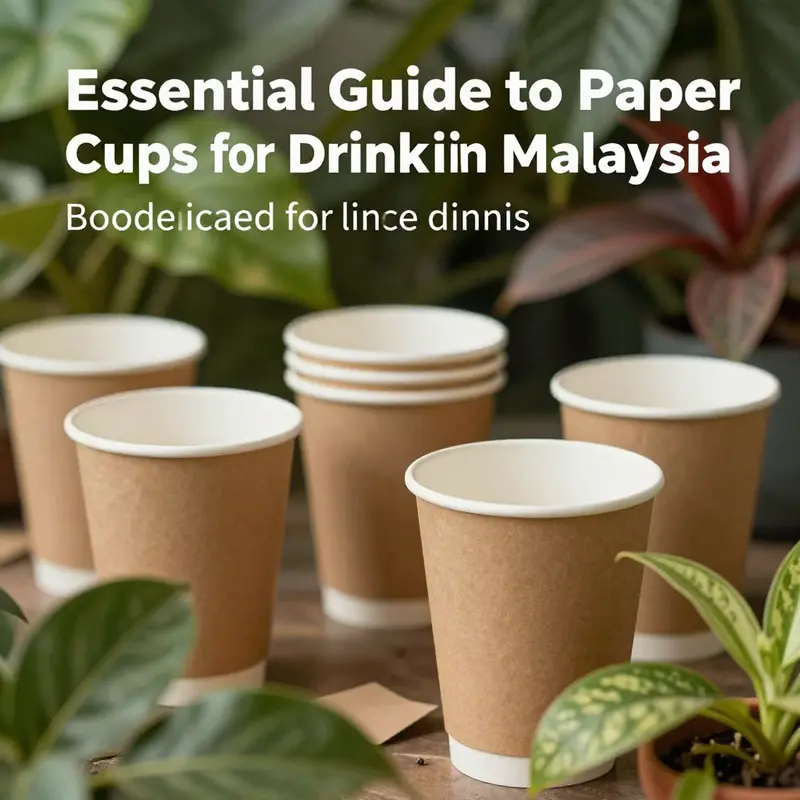
In the Malaysian market, the cup you sip from is more than a vessel; it is a signal of how a culture negotiates convenience, cost, and care for the environment. Over the past few years, consumers have become more selective about the packaging that touches their food and drink, and regulatory frameworks are steering the industry toward materials that reduce plastic waste, shorten supply chains, and align with circular economy goals. The hot drink segment, in particular, has sharpened attention on the materials that keep beverages warm and hands comfortable without compromising safety or aesthetics. In this setting, sustainable options for paper cups—especially those designed for hot beverages—are not merely a niche preference but a strategic response to evolving expectations from both customers and regulators. The Malaysian climate of rapid urban growth, a thriving coffee culture, and a robust import-export ecosystem creates a fertile ground for innovations in disposable packaging that can handle the heat while reflecting local values around environmental stewardship.
One of the most consequential shifts is the prominence of bamboo fiber as a viable alternative to traditional paper cups. Bamboo fiber cups, in their simplest description, fuse the natural strength and fast renewability of bamboo with the familiar form and function of disposable cups. They are designed to be safe for food contact, which is non-negotiable in a country where street and cafe culture alike rely on single-use options for speed and consistency. Beyond safety, bamboo fiber brings several material advantages that matter in hot-drink applications. Thermal insulation is notably improved because the fibrous structure traps air more effectively than standard paper. This translates into cups that stay cooler longer to the touch, reducing burn risk for customers who carry a cuppa through bustling mornings, while also lowering the rate at which the beverage loses heat in transit. The structural integrity of bamboo fiber cups is another compelling point. Even when filled with very hot liquids, these cups resist deformation, avoiding the sometimes flimsy collapse or softening that can occur with cheaper alternatives. This quality is particularly appreciated by operators who operate in high-volume environments—shops, small-format cafes, and event settings—where reliability in every cup supports a smoother customer experience.
From the consumer perspective, bamboo fiber cups offer a premium feel that aligns with broader sustainability narratives. The tactile experience is different from the roughness of conventional cardboard or kraft cups; the surface often carries a natural, refined texture that communicates quality without demand for heavy branding. This premium impression matters in branding-forward segments of Malaysia’s beverage sector, where independent cafes and specialty roasters seek to differentiate themselves through packaging that echoes their values as well as their product. The possibility to print branding and promotional graphics on bamboo fiber cups adds another layer of value. A cup becomes a portable canvas that can carry seasonal campaigns, loyalty messages, or festive aesthetics without sacrificing recyclability or compostability. The customization options also speak to a broader corporate strategy: packaging can be used as a vehicle for storytelling, reinforcing a brand’s commitment to sustainability in sensory terms—the moment a customer holds a cup, they experience a material choice that resonates with the brand’s ethics.
The market signals around bamboo fiber and similar sustainable materials are reinforced by global B2B platforms that connect Malaysian buyers with suppliers who can deliver at scale. Alibaba.com, in particular, has become a touchpoint for buyers seeking eco-friendly disposable packaging options with practical features such as heat resistance, printability, and customization. The presence of bamboo fiber cups on such platforms demonstrates market readiness and an industrial appetite for sustainable heat-bearing solutions. It also points to a broader supply-chain dynamic in which Chinese manufacturers and regional distributors are actively aligning product development with Southeast Asian demand, including Malaysia. This alignment is not about replacing traditional cups overnight but about expanding the menu of options available to operators who want to balance cost, performance, and environmental responsibility. For buyers in Malaysia, the implication is clear: there are credible, scalable pathways to source sustainable hot-drink cups that meet both performance standards and branding ambitions, while also aligning with ongoing environmental and regulatory shifts.
A practical advantage of bamboo fiber cups lies in their potential to reduce plastic waste and lower the carbon footprint of the disposable cup life cycle. In many parts of Malaysia, especially urban centers and university towns, waste diversion programs have heightened attention on materials that can break down more readily in composting streams or in well-managed recovery systems. Bamboo fiber’s biodegradability and potential to participate in composting streams—when processed under appropriate conditions—positions it as a material that can fit within evolving waste-management strategies. This is particularly relevant as local authorities and municipalities explore extended producer responsibility models and incentives for greener packaging. The net effect is an incentive to consider the entire lifecycle of a cup—from raw material sourcing through manufacturing, distribution, use, and end-of-life—when evaluating sustainable options. In this sense, bamboo fiber is not just a greener alternative in isolation; it is part of a broader ecosystem that values reduced reliance on fossil-based materials, lower energy inputs in production, and more efficient recovery of packaging waste.
To understand the economics and feasibility of adopting bamboo fiber cups in Malaysia, it helps to acknowledge the realities of production costs and logistics. Bamboo fiber cups can entail higher unit costs than conventional Kraft or coated paper cups, reflecting the materials, processing, and potential premium positioning. The bulkiness of some bamboo-based formats, and the need for specialized manufacturing equipment, can influence shipping and warehousing considerations. For businesses evaluating these options, it matters whether the price premium can be offset by enhanced brand perception, reduced plastic waste, and improved customer satisfaction. In hospitality and fast-casual settings where guest experience and speed matter, a cup that feels premium and aligns with a sustainability promise may drive loyalty and repeat business more effectively than savings on the per-unit price alone. This is not to advocate for cost blindness; rather, it calls for a strategic approach—comparing total cost of ownership, including marketing value and waste-management compatibility, against the baseline of traditional cups.
A note on market examples helps illustrate how these considerations translate in real terms. The broader marketplace has begun to show seasonal and festive packaging options using bamboo fiber, with OEM and branding capabilities that appeal to merchants seeking distinctive packaging for holidays or promotional campaigns. The festive packaging angle is telling: it demonstrates a readiness to experiment with materials that are not just functional but also expressive. It suggests that retailers can leverage sustainable packaging to cultivate a narrative around seasonal promotions, premium offerings, and sustainable sourcing stories that resonate with consumers who appreciate thoughtful, well-designed packaging. The existence of such options signals a mature market where sustainability and aesthetics are not mutually exclusive but mutually reinforcing. In this context, bamboo fiber cups are not merely substitutes for conventional cups; they are enablers of new branding and customer engagement strategies that can extend beyond the drink itself.
What does this mean for the supply side in Malaysia? The local ecosystem includes packaging suppliers who are expanding beyond traditional single-use options toward more environmentally responsible materials. These suppliers emphasize the feasibility of distributing eco-friendly cups for foodservice, hospital canteens, and event catering, with attention to regulatory compliance, quality assurance, and compatibility with existing cup-making equipment. The strategic logic for local suppliers is to offer a portfolio that addresses a spectrum of needs: flexible printability for branding, sufficient barrier properties to protect beverages in transit, and compatibility with standard cup sleeves and lids. They also emphasize the importance of traceability and safety, ensuring that materials meet food-grade standards and can perform reliably under hot-drink conditions. For operators in Malaysia, this translates into a practical choice: select a material that not only reduces environmental impact but also maintains or enhances the customer experience through reliable performance and clear branding opportunities. This alignment with circular economy principles is increasingly central to procurement decisions as businesses seek to demonstrate social responsibility and resilience in supply chains.
The decision framework for choosing sustainable hot-drink cups should consider several core factors. First is thermal performance: how well the cup insulates the beverage and protects customers from heat. Second is mechanical integrity: whether the cup holds together under the weight of a hot drink, during transport, and in the hands of a host of customers with varying grip strength. Third is printability and branding: whether the material supports clear, durable logo transmission and seasonal artwork that can withstand repeated handling. Fourth is end-of-life pathways: whether the packaging is compostable in industrial facilities, recyclable through established streams, or designed for a shorter life with minimal environmental burden. Fifth is supply reliability: whether the supplier can scale production to meet peak demand periods, deliver on time, and provide consistent quality across batches. While bamboo fiber cups may present higher upfront costs, the sum of these factors can produce a superior value proposition for operators who are serious about sustainability and customer experience. The choices are not binary; they form a spectrum of options in which bamboo fiber, along with other recyclable or compostable papers, can occupy a meaningful place in Malaysia’s packaging mix.
Within this landscape, the potential for customization remains a decisive lever. Operatives in hospitality and themed venues value packaging that communicates a brand story—from the visual language of a cup sleeve to the texture and finish of the cup itself. Customization extends beyond aesthetics; it can also include functional messaging about recycling or composting instructions, which can enhance consumer understanding of correct disposal practices. As markets evolve, the ability to tailor cups to seasonal campaigns, loyalty programs, or corporate social responsibility messages will continue to attract merchants who want to align packaging with their broader brand narratives. The convergence of sustainability and customization thus creates a compelling business case for bamboo fiber and similar eco-friendly materials in Malaysia’s hot-drink cup segment.
For buyers seeking immediate access to certified sustainable options with branding potential, the market presents a practical path forward. A recent overview of bamboo fiber-based cups highlights products that not only comply with food safety standards but also support customized branding, offering a way to differentiate venues in a crowded market. This combination of performance and branding is particularly relevant for coffee shops, cafes, and catering services looking to reinforce a sustainability posture while maintaining an elevated customer experience. The story here is not simply about replacing one material with another; it is about integrating packaging choices into a broader strategy of environmental responsibility, consumer engagement, and long-term value creation. The path forward involves careful evaluation of suppliers, clarity on end-of-life options, and alignment with local waste-management infrastructure. It also requires ongoing monitoring of regulatory developments, which may increasingly favor compostable or recyclable alternatives that reduce landfill burden and support circular economy objectives.
To connect the discussion with practical sourcing considerations, a representative example underscores how buyers navigate supply and branding options. On selected B2B platforms, buyers can access bamboo fiber-capable packaging with OEM features, allowing them to embed logos and seasonal graphics directly onto the cup or on sleeves. This capability supports brand consistency across channels and helps ensure that the packaging experience aligns with the drink experience. The presence of such options on widely used marketplaces signals to Malaysian buyers that the transition to sustainable cups can be scaled without sacrificing control over design and output quality. It also highlights the importance of selecting suppliers who can offer certifications or documentation that verify material safety and compostability or recyclability where applicable. While not every material will be perfect for every setting, the availability of bamboo fiber cups with branding capabilities expands the toolkit for Malaysia’s beverage sector, particularly for operators who aim to differentiate themselves through responsible packaging.
From a practical standpoint, the adoption of sustainable cups in Malaysia should be approached as a blended strategy. The first step is to map beverage service patterns: how many hot drinks are served, the typical temperatures, and the expected handling by customers. The next step is to assess waste-management options, including whether local facilities can process compostable materials or recycle certain paper streams. Operators should also consider the impact on labor and training: staff may need guidance on proper disposal and on encouraging customers to participate in recycling or composting programs. Finally, procurement teams should pilot a small set of sustainable options in a controlled environment before rolling out more broadly. This phased approach reduces risk and allows for the fine-tuning of customization, supply chain coordination, and communication with customers about environmental commitments. In doing so, the industry in Malaysia can move toward a packaging ecosystem that balances performance, cost, and sustainability in ways that are meaningful to consumers and feasible for businesses of varying sizes.
For readers looking to explore a concrete example of how this material landscape is evolving, consider the practical implications of an online catalog entry for bamboo fiber cups with branding options. The availability of such options on a major B2B platform demonstrates a tangible pathway for local buyers to source material with the necessary heat resistance and printability, while enabling brand-specific messaging. This illustrates the broader trajectory: as demand for sustainable hot-drink cups grows, more suppliers will invest in materials and processes that deliver consistent, high-quality performance at scale. Malaysia, with its dynamic hospitality sector and increasingly discerning consumer base, is well-positioned to leverage these developments. The shift toward bamboo fiber and related sustainable options will not occur in isolation but as part of a concerted effort to align packaging choices with environmental goals, consumer expectations, and the practical realities of supply chains.
For readers who want a direct connection to a practical source that frames these possibilities, see the following resource that highlights disposable paper cups designed for hot-drinking needs: disposable paper cups for hot drinking. This internal reference provides a snapshot of how branding, material choices, and packaging formats come together in the live marketplace, offering a tangible sense of what is available to Malaysian buyers who wish to experiment with greener options while maintaining the reliability required by busy foodservice operations.
Ultimately, the chapter on sustainable materials in paper cups for hot drinks in Malaysia points toward an evolutionary path rather than a one-off transition. Bamboo fiber cups exemplify a material direction that aligns with environmental aims, consumer expectations, and practical business needs. They embody a philosophy that packaging can be functional, safe, and beautiful, while also signaling a commitment to stewardship of resources. The story continues as manufacturers, suppliers, and retailers collaborate to refine production processes, strengthen supply chains, and educate customers about responsible disposal. In this ongoing dialog between performance and principle, Malaysia’s hot-drink packaging landscape stands to become more resilient, more open to innovation, and more reflective of a society that values both convenience and care for the planet. The next chapters will continue to unpack how these materials integrate with broader packaging strategies, including how retailers balance merchandising, cost control, and sustainability objectives across different beverage categories.
External resource for further reference: https://www.alibaba.com/product-detail/Disposable-Kraft-Paper-Cup-for-Hot-Drink1600473282734.html?src=marketplace&albtrackid=1600473282734
Branding at the Rim: How Custom Paper Cups Elevate Malaysia’s Hot-Drink Experience
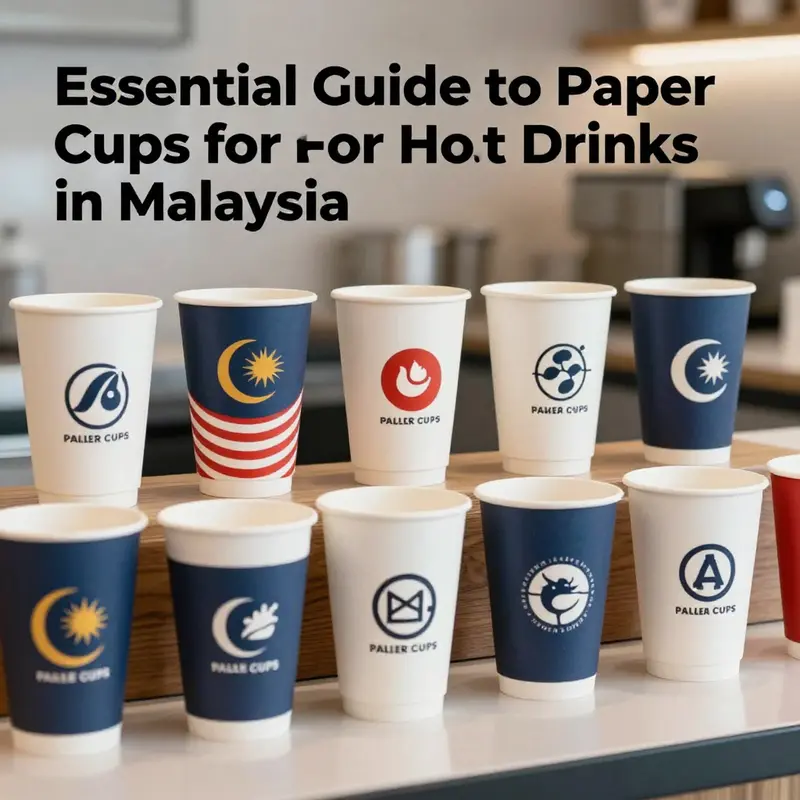
In Malaysia’s bustling cafe culture, a cup of hot coffee or tea is hardly just a vessel. It is a moving billboard, a tiny stage where a brand can perform for a few minutes and linger in a customer’s memory long after the last sip. Custom paper cups designed for hot drinks have quietly become a strategic tool for cafes, tea shops, event planners, and food service operators who want to turn every beverage into an opportunity for recognition. The choice of cup—its material, its insulation, its print, and even its sustainability claims—speaks volumes about a brand’s values and its understanding of the local market. As consumer expectations tilt toward more personalized and responsible experiences, customization on these everyday objects has moved from a novelty to a necessity. The pathway from a simple cup to a coherent brand experience travels through design, durability, and delivery, all framed by a shared set of regulatory and logistical considerations that shape the decisions of business owners in Malaysia today.
At the heart of this movement is the idea that a cup can do more than hold a drink. When a shop prints a logo, a slogan, or a distinctive motif on a cup that is used hundreds or thousands of times each day, the return on that small surface area can be substantial. Brand exposure multiplies at the exact moment a customer holds the cup, as it becomes a visible asset in social interactions, in photos shared on social media, and in the countless stories that begin with a cup in hand. The visual language carried by printed cups—from color schemes to typography and graphic motifs—acts as an extension of the storefront or the event concept. In fast-paced settings like coffee bars and bubble tea shops, where customers may have only a few seconds to make a decision, a cup with recognizable branding can spark recognition, trust, and a sense of consistency across products and channels. In practice, this translates into faster brand recall, more repeat visits, and a higher likelihood that a once-quick stop becomes a planned regular stop. For brands that invest in full-color printing, foil effects, or tactile finishes, the cups become dynamic touchpoints that communicate quality and attention to detail before the first sip is taken.
The environmental narrative attached to these cups also carries weight in the Malaysian market. The public conversation about sustainability has grown sharper in recent years, and consumers increasingly expect products to reflect responsible practices. Paper cups that use food-grade, biodegradable materials or responsibly sourced Kraft paper send a signal that a brand cares about more than immediate profits. The market responds when a cup is certified to meet safety and environmental standards, and such certifications become part of the brand story. For example, cups that comply with recognized food-contact safety standards reassure customers about safety and legality, while materials that are compatible with composting or recycling programs align with a broader sustainability strategy. When a chain or an event company communicates a commitment to environmentally friendly packaging, it reinforces the idea that the brand is modern, conscientious, and aligned with local regulations and global best practices. This alignment between branding and sustainability is not merely a bonus feature; it is a core differentiator in a crowded marketplace.
From a functional standpoint, the most compelling innovation in custom hot-drink cups is the double-wall design. The double-wall construction serves a practical purpose—keeping the drink hotter longer while protecting the hands from the heat. For customers, this translates into a more comfortable drinking experience, which in turn fosters positive associations with the brand. For operators, the improved insulation can extend the window of opportunity for impulse purchases, drive higher average spend per order, and reduce the risk of incidents where customers burn their fingers or walk away due to an uncomfortable temperature. In settings such as cafés that experience high footfall or beverage chains that rely on quick service, even modest gains in thermal efficiency can compound into meaningful gains in throughput and customer satisfaction. It is not an exaggeration to say that a well-insulated cup can become an invisible extension of the service quality the brand promises.
Design and print quality sit at the core of how customization translates into brand impact. In Malaysia’s market, the opportunity to employ full-color printing, or to incorporate metallic foils and embossed textures, enables a level of visual persuasion that is rare in standard disposable cups. The tactile and visual cues matter; a vivid, long-lasting print holds up under hot beverage temperatures and is resistant to the heat of steam and the abrading effects of cup sleeves, while still presenting sharp images and legible logos from every angle. The print must withstand a range of conditions: high-temperature exposure during the initial burn of the drink, humidity from condensation, and the friction of handling. A durable finish that resists fading or smudging communicates reliability to customers, which, in turn, reinforces brand trust. Yet print quality cannot be considered in isolation. The choice of substrate—whether it is Kraft paper or a variant designed for enhanced smoothness and printability—affects both the look and the feel of the cup. A cup that looks premium but fails under heat or tears easily undermines the brand’s credibility. Conversely, a cup that delivers consistent print integrity and a sturdy physical feel can elevate a brand’s perceived value, even before the drink is tasted.
In navigating the supply landscape, brands in Malaysia are increasingly turning to global platforms that connect buyers with manufacturers capable of producing custom cups at scale. Online marketplaces and sourcing platforms offer a spectrum of options—from small-batch runs for pop-up events to large-volume production for chain-scale rollouts. The flexibility to specify minimum order quantities, to request specific materials, and to negotiate lead times is a critical factor for many local operators. Small and mid-sized enterprises particularly value suppliers that can accommodate modest initial orders while offering options for future expansion. The ability to place orders in local currencies or to arrange payment in US dollars further simplifies cross-border procurement and reduces financial friction. This procurement flexibility is not merely a convenience; it enables brands to experiment with different designs, pilot campaigns, and seasonal promotions without locking in high capital expenditure. The result is a dynamic, responsive packaging strategy that aligns with the pace of consumer trends and the seasonal calendar that Mali-based venues operate within.
Another essential aspect of customization is the range of sizes available for hot-drink cups. In Malaysia, the typical demand spans several standard capacities—from compact 4-ounce cups up to larger 20-ounce formats. The variety ensures that operators can tailor cup selection to beverage type, portion size, and customer segment, while maintaining a coherent brand palette across all sizes. A consistent branding language across sizes strengthens recognition and reinforces the brand’s identity at every touchpoint. The capacity choices also intersect with environmental considerations. Some operations use smaller, more widely distributed pack sizes to reduce waste, while others lean into larger cups for sustained beverage sessions or events. Each decision has implications for the supply chain, for printing complexity, and for the brand’s overall sustainability profile. Effective customization strategies therefore balance aesthetic goals with practical constraints—cost, durability, sanitation, and logistics.
Trust and compliance are never far from the conversation when businesses pursue customization at scale. In Malaysia, food-contact packaging falls under a framework that emphasizes food safety and regulatory compliance. Brands and their packaging suppliers need to align with standards that govern materials, printing inks, and coatings used in cups intended for hot beverages. Certifications that attest to safety and environmental stewardship help secure relationships with retailers and hospitality partners, while also reassuring customers. The aspiration to be seen as responsible is not merely aspirational; it is a competitive differentiator in a market where consumers increasingly weigh sustainability and ethics alongside flavor and price. In practice, this means selecting suppliers who can provide clear documentation of compliance with local food-safety expectations, and who can demonstrate traceability of materials, printing inks, and finishing processes. The narrative that emerges is one of a brand that is serious about quality, safety, and responsibility—an essential trio for winning trust in a crowded category.
From the commerce perspective, sourcing partners are often accessible through large B2B platforms that connect Malaysian buyers with manufacturers that can manufacture custom cups. These platforms offer a mix of services, including design consultation, material specification, and proofing processes that ensure the final product looks right before mass production begins. The ability to negotiate custom terms, such as color accuracy, gloss levels, and print durability, helps brands differentiate themselves and maintain consistency across campaigns and locations. For teams managing multiple outlets or events, the procurement process can be a strategic asset. A well-planned supplier relationship can deliver reliable lead times, predictable quality, and flexible fulfillment options, including warehousing and local distribution if needed. In addition, the payment landscape is often streamlined to accommodate cross-border deals, enabling smoother financial operations for businesses that operate regionally. This financial flexibility is as important as the physical attributes of the cup because it directly influences cash flow and the ability to scale campaigns quickly.
In choosing a path for customization, brands must weigh the trade-offs between print complexity, material performance, and cost. A high-gloss full-color print on a robust Kraft-based substrate may convey premium branding and long-term value, but it will come at a higher unit cost and may require longer lead times. Simpler designs with solid color blocks and legible typography can achieve a strong brand presence while keeping costs and production timelines manageable. The decision often hinges on the brand’s identity, the target audience, and the shopping or dining environment. A neighborhood cafe may focus on warm, inviting color palettes and a comfortable handfeel that invites repeat visits, while a large beverage concept might favor bold, high-contrast graphics designed to stand out in a busy street scene. The common thread is intentionality: every design choice should serve the brand’s story and the customer’s perception in a way that is authentic and enduring.
For operators who want a practical example of how to explore options, consider the online catalogues and product pages that summarize capabilities such as double-layer insulation, print finishes, and material certifications. These summaries act as a bridge between concept and procurement, helping buyers translate a brand’s visual identity into a tangible packaging asset. The conversation with suppliers often begins with an intention statement: we want a cup that feels premium, that performs reliably under heat, and that communicates our sustainability commitments. From there, the dialogue can cover technical details—paper thickness, barrier coatings, printing tolerances, and the durability of inks when exposed to steam and hot liquids. The outcome should be cups that not only carry beverages but also carry the brand message with poise and reliability.
Designing a branding strategy around cups also invites conversations about seasonal campaigns and event-specific designs. In Malaysia’s vibrant calendar, there are prime moments for promotional cups that align with cultural festivals, regional celebrations, and school terms. These seasonal cups can act as limited-edition ambassadors for the brand, encouraging social sharing and word-of-mouth buzz. A well-timed, visually striking cup design can capture the mood of a festival, echo a brand’s campaign narratives, and create a sense of collectability among customers. When integrated with a broader marketing plan, these themed cups reinforce the brand narrative, encourage return visits, and support a cohesive customer journey from the point of purchase to consumption and social sharing.
As the chapter moves toward practical procurement guidance, it is important to emphasize the balance between local execution and global capability. Malaysian operators often leverage the reach of international suppliers to access advanced materials, specialized finishes, and scalable production. At the same time, proximity remains a strategic advantage for speed, cost control, and after-sales support. Local distributors or regional logistics partners can reduce lead times, simplify customs processes, and provide warehousing options that enable just-in-time inventory management. This blend of global capability and local agility is particularly valuable for businesses that operate across Malaysia’s diverse urban centers and regional markets. In such environments, a consistent cup design helps maintain a uniform brand impression across locations, while localized printing options enable micro-targeting and regional customization without fragmenting the core brand identity.
Alongside the aesthetic and operational considerations, the environmental and social implications of cup customization deserve explicit attention. Consumers increasingly expect brands to demonstrate accountability beyond the product. The sourcing choice—whether to favor recyclable or compostable materials, to use post-consumer recycled content, or to support suppliers with transparent supply chains—contributes to the overall brand perception. When a brand communicates its packaging choices as part of a broader sustainability strategy, customers are more likely to perceive the brand as forward-thinking and trustworthy. The packaging thus becomes not just a container but a channel through which corporate values can be conveyed. In this sense, the cup becomes a communications instrument, capable of expressing a brand’s commitments to quality, safety, and the environment while reinforcing the role the business plays within the community.
As you close this chapter, the practical reality remains clear: customization in paper cups for hot drinks in Malaysia is not a luxury; it is a strategic component of brand-building, customer experience, and operational efficiency. The intersection of design, material science, compliance, and supply chain capability creates a powerful platform from which to extend a brand’s identity into every drink served. The best practices emerge from a disciplined approach that balances aesthetic aspiration with rigorous testing, reliable supply, and clear communication of values. When a cup reliably carries a brand’s visual language, keeps the user comfortable, and aligns with sustainability goals, it helps to cultivate loyalty one sip at a time. And in a market where a cup can travel from a shop counter to a busy street, to a social media feed, and finally to a customer’s memory, the value of thoughtful customization becomes exponentially greater than the cost of production.
For operators curious about practical paths to implementation, consider leveraging a flexible supplier ecosystem that can accommodate evolving needs—from initial proofs and small runs to full-scale production for multiple locations. A thoughtful workflow includes validating material safety and regulatory compliance, assessing print durability under heat, and aligning delivery timelines with marketing campaigns. Importantly, the process should invite feedback from frontline staff and customers, enabling continuous refinements to both design and packaging performance. With each iteration, a brand can sharpen its visual identity, strengthen its market position, and deliver a more satisfying hot-drink experience to customers across Malaysia. The journey from a plain cup to a powerful branding asset is not instantaneous; it is built through careful choices, steady supplier partnerships, and a persistent focus on the values that customers hold dear when they reach for a cup of comfort.
Internal link for reference on how a specific sector can benefit from durable, multi-use cup designs can be found here: Double Layer Paper Cups for Home, Office, and Coffee Shops. This resource illustrates how a robust, aesthetically flexible cup can support varied contexts—from daily office routines to special events—while maintaining brand integrity across settings. Keeping in mind the broader conversations around environmental responsibility, print quality, and thermal performance helps brands calibrate expectations and invest wisely in customization that endures across campaigns and seasons.
External resource for a broader regulatory and material context is available here: https://www.alibaba.com/product-detail/Disposable-Kraft-Paper-Cup-for-Hot-Drink1600473282734.html?src=marketplace&albtrackid=1600473282734. This source provides a one-hand overview of hot-drink cup specifications, including material options, packaging formats, and supplier capabilities that inform decision-making for Malaysian buyers seeking quality and consistency in a cross-border supply chain.
Final thoughts
The paper cup market for hot drinks in Malaysia is thriving, driven by changing consumer preferences towards sustainability and customization. Businesses must stay ahead by adopting innovative solutions that not only meet regulatory standards but also resonate with environmentally-conscious consumers. By integrating eco-friendly materials and effective branding strategies, beverage operators can enhance their market presence and appeal to a diverse clientele while fulfilling their corporate social responsibilities.