
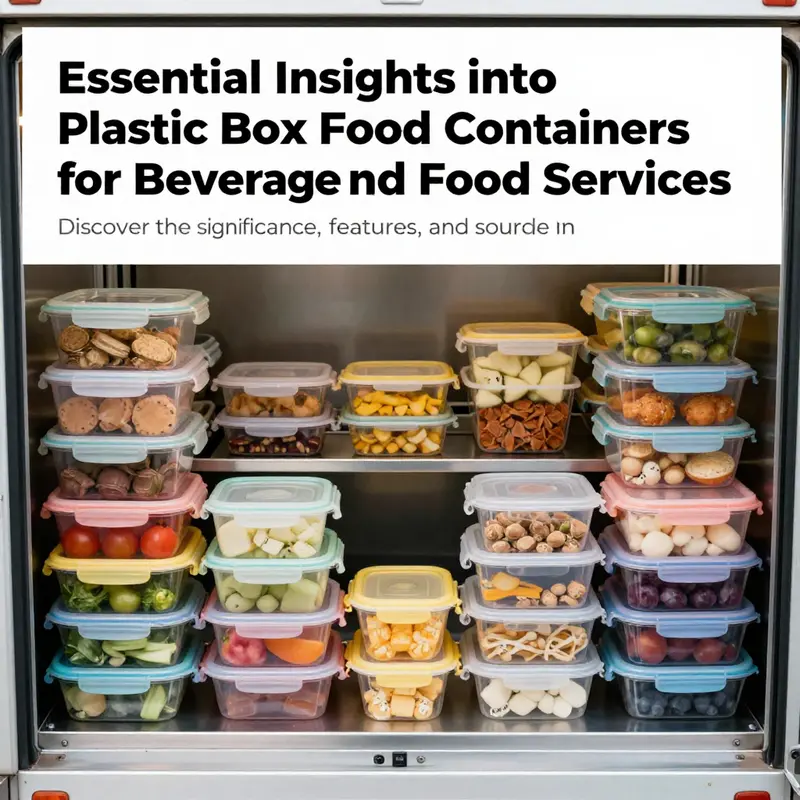
In today’s culinary landscape, plastic box food containers play a critical role across various sectors, from bubble tea shops to catering services. These versatile containers are not only essential for food storage and presentation but also influence customer experience and operational efficiency. Understanding the material considerations, design features, certification standards, and wide-ranging applications of plastic box food containers can empower beverage chains, restaurants, food trucks, and event planners to make informed choices. Additionally, insights into reliable suppliers enhance the procurement process, ensuring a perfect match between quality and operational needs. Let’s explore these essential factors that underscores the importance of selecting the right containers for your food service business.
Material Craft and Safety: Choosing the Right Plastic Box Food Container for Every Kitchen
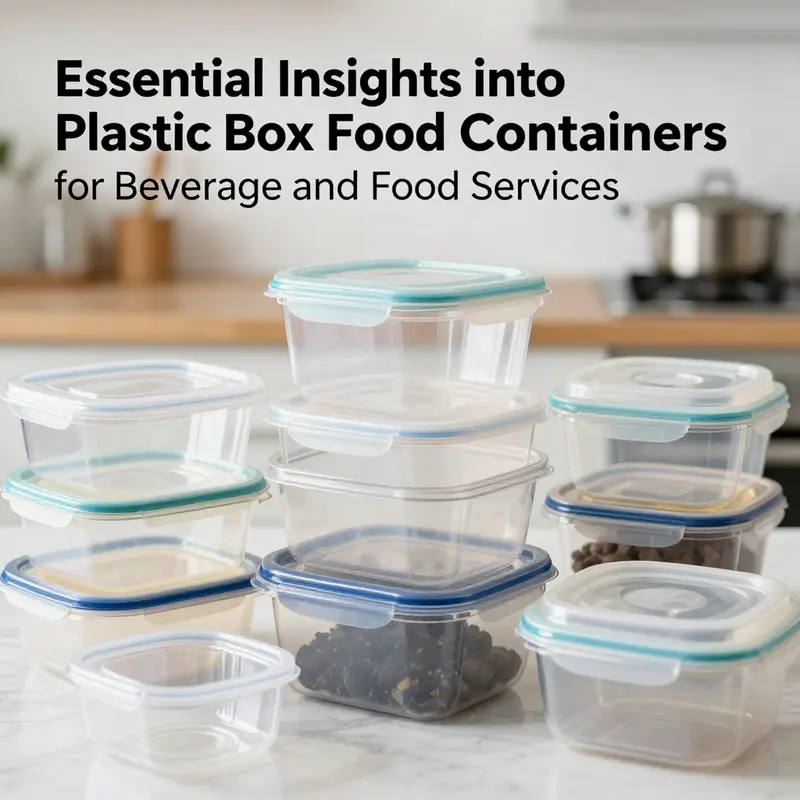
Material choices shape what a plastic box food container can do in real kitchens and bustling workstations. The decision travels beyond color, shape, or price; it anchors safety, performance, and sustainability in daily practice. When a chef slides a lid shut on a container, or a warehouse manager stacks dozens of crates for overnight cold storage, the material’s behavior under pressure—temperature shifts, moisture exposure, and mechanical stress—becomes the quiet determinant of outcomes. The most common options—polyethylene, polypropylene, and polystyrene—each bring a distinct set of strengths and tradeoffs that align with particular tasks, climates, and handling needs. Understanding these distinctions helps anyone choose smartly rather than simply chasing convenience or cost in the moment.
Polyethylene, in its low-density and high-density forms, has earned broad application as an affordable, flexible workhorse for general-purpose storage and transport. LDPE’s pliability makes it forgiving for varied contents, while HDPE’s rigidity translates into sturdy, durable boxes that resist cracking in transit. This combination serves cold and ambient temperatures well, preserving moisture and protecting delicate items without demanding specialized handling. Yet polyethylene’s heat resistance is modest compared with other materials, so it remains less suitable for hot foods or repeated high-heat cycles. In environments where boxes must survive rough handling or longer storage periods, PE often proves the most economical choice, provided the temperature profile of the contents remains within its comfort zone. In practice, teams that prioritize cost-per-use and broad compatibility gravitate toward PE for bulk storage, basic meal prep, and short-term cold-chain applications.
Polypropylene, by contrast, is prized for its higher melting point and robust thermal stability. PP containers excel in settings where reheating or hot-holding is common, and many PP designs are designed to withstand repeated dishwasher cycles. The material’s clarity and glossy finish also contribute to retail and gourmet packaging, where visual appeal matters as much as function. PP’s heat tolerance makes it a frequent option for round volumes and liquids that demand even heating and convenient stirring, such as soups, sauces, and curries intended for quick-service takeout or home reheating. It is a practical bridge between everyday practicality and higher-temperature use cases, offering a safer, more durable alternative to some other plastics when performance under heat matters.
Polystyrene, especially in its expanded form, remains a familiar choice for disposable, insulated takeout and delivery containers. EPS containers are light, insulating, and capable of keeping hot items warm and cold items chilled over short time spans. They fit neatly into fast-service workflows where speed and simple handling trump long-term durability. However, PS has notable limitations. It does not perform well under high temperatures, and it can absorb odors over time, potentially influencing flavor perception. Recycling options for PS are more restricted and less straightforward than for some other plastics, which drives attention to end-of-life considerations in food-service planning. In many operations, PS is chosen for single-use or limited-use scenarios where insulation and cost are primary concerns, but teams increasingly weigh environmental implications and end-of-life disposal alongside convenience.
Beyond these standard polymers, specialized applications introduce additional nuance to material selection. For example, black plastic containers, often derived from recycled or specially formulated polymers, occupy a niche in industrial and catering contexts where item hygiene, stacking stability, or contaminant concealment matters. The choice to use such materials can be driven by supply-chain realities, branding considerations, or a need to optimize waste streams through higher recycled-content content. In all cases, the decision to adopt a specialized material hinges on aligning its inherent properties with the container’s intended use, while not compromising safety or regulatory compliance.
Certifications provide a critical external lens through which to evaluate material suitability. Reputable suppliers commonly present food-contact safety certifications and quality-management attestations that signal adherence to international standards. Certifications such as those underscoring food-contact safety, environmental stewardship, and manufacturing reliability help bridge the gap between product design and practical, compliant use in restaurants, bakeries, research laboratories, and large-scale catering operations. For buyers, these assurances translate into confidence that containers will resist the kinds of exposure they will encounter—acids and oils in a pantry, salt and steam in a kitchen, or moisture and cold in a freezer—without compromising safety or integrity.
In practice, choosing the right material is a balancing act among performance parameters, handling realities, and sustainability ambitions. For containers intended for heat exposure or reheating, polypropylene often emerges as the preferred option because of its heat resistance and durability under repeated cycles. For cost-conscious bulk storage of non-heated items—especially in cold environments—polyethylene offers flexibility and resilience at a lower price point. For single-use or short-term insulation needs, polystyrene’s insulating properties can be appealing, provided the duration of use aligns with safety and environmental goals. In some spaces, specialized black polymers offer a practical path to efficient storage and packaging workflows, particularly when color-coding, traceability, or waste-stream optimization is part of the operational playbook.
Design features intertwine with material choice to amplify or constrain performance. A hinged, airtight seal can dramatically extend shelf life and guard against moisture intrusion, aligning with the material’s inherent barrier properties. This is especially true in containers designed for display and retail; clear, durable PP or PET versions can present contents with visibility while maintaining a reliable seal that resists dust and light exposure. The trend toward stackable designs illustrates how material selection and geometry work in concert to maximize space efficiency. In commercial environments where every square foot counts, stackability can translate into meaningful space savings—reports suggest substantial gains in storage density when containers are designed with nesting or interlocked stacking in mind. In the end, the best container marries a material that stands up to its use, a lid mechanism that preserves integrity, and a form that reduces wasted space in refrigerators, freezers, and warehouses.
Practical use cases illustrate how these material and design decisions play out in real life. For home kitchens, a polypropylene box that is microwave-safe and dishwasher-safe often makes sense for meal prep and lunch packing, offering the convenience of reheating without transferring contents to another vessel. In bakery and dessert contexts, transparent PP or PET boxes help showcase products while keeping them protected, which can be a meaningful factor in consumer appeal. For laboratories and research settings, materials selected for chemical resistance, cleanability, and stable dimensions during freeze-thaw cycles support reliable sample preservation. And in large-scale takeout operations, insulation, odor control, and robust sealing become critical to maintaining quality across many orders while containers ride out variable transit conditions.
Material choice also intersects with environmental considerations. Recyclability is a central concern for many buyers who seek to align packaging with broader sustainability goals. The ease of recycling varies by polymer type and local facilities, and some containers with complex closures or printed decorations may resist recycling streams. This reality nudges purchases toward materials with straightforward recycling pathways and clear labeling, while encouraging innovations in design that simplify end-of-life processing. In practice, operators weigh immediate cost against longer-term environmental impact, often favoring materials that balance performance with responsible waste management and compliance with local regulations.
For readers navigating this landscape, the roadmap is not a single recipe but a set of guiding principles that adapt to context. Start by mapping the primary use cases: will contents be hot or cold, will reheating occur, and how long will storage persist? Next, consider the thermal and chemical exposure profile: the intended contents, any oils or acids, and the potential for condensation. Then assess durability needs: how often will containers be opened, how will they be stacked, and what are the handling realities in your operation? Finally, weigh environmental and regulatory considerations, including end-of-life options and applicable safety certifications. When these elements align, the container becomes more than a box; it becomes a reliable partner in preserving quality, protecting safety, and supporting efficient workflows.
In the realm of packaging that aims to remain transparent in more ways than one, a practical example of design-meets-material thinking is evident in packaging that offers a window into its contents. For bakers and retailers seeking packaging that communicates freshness without sacrificing protection, a foldable cake box with a clear window can be an appealing solution that still behaves like a sturdy, food-safe vessel. This approach blends the viewing benefit of a transparent container with the portability and stackability of a foldable, paper-based framework, leveraging polymer content and film integrity to protect and present desserts with confidence. For further exploration of this concept and related packaging choices, readers may explore material options and presentation strategies via a product page such as foldable cake boxes with a window, which demonstrates how form and material work together to enhance visibility and handling in a single unit. foldable cake boxes with window.
As a counterpoint to optimization, it is important to acknowledge the limitations that come with each material. Neither a single solution nor a universal answer exists. While PP stands up well to heat, it is not omnipotent; prolonged heating at extreme temperatures can still degrade performance. PS, while excellent for insulation, is less forgiving under heat and more challenging to recycle, which can complicate corporate sustainability plans. PE offers broad resilience and cost advantages but cannot match PP in high-heat scenarios. The choice thus becomes a negotiation among temperature profiles, reuse expectations, space constraints, and recycling realities. In realistic terms, many operations end up using a mix of materials, each chosen for a specific function, enabling a layered approach to storage, transport, and presentation that balances safety, efficiency, and responsibility.
From the perspective of ongoing operations, the best path is to treat material selection as an evolving strategy rather than a one-off decision. As product lines expand, as regulations shift, and as consumer expectations for sustainability intensify, the materials that worked yesterday may require reevaluation today. The most resilient practices involve ongoing monitoring of performance metrics, supplier certifications, and end-of-life handling. In this sense, material considerations are not merely technical details; they shape the entire lifecycle of packaged food—from production and distribution to consumer experience and environmental stewardship. By foregrounding material behavior, safety standards, and strategic design, professionals can build packaging systems that are not only fit for purpose but also aligned with broader quality and sustainability objectives.
In short, plastics used for box-style food containers are more than passive shells. They are active enablers of safety, freshness, efficiency, and even brand storytelling. The careful pairing of polymer type with design features, coupled with transparent adherence to certifications and environmental considerations, yields containers that perform reliably across kitchens, commissaries, and takeout lines. When teams prioritize material knowledge alongside practical needs, they set the stage for packaging that protects what matters most—the integrity of food, the health of consumers, and the responsible stewardship of resources. This integrated perspective becomes the backbone of a cohesive strategy that links material science to day-to-day operations, shaping how food is stored, transported, and enjoyed across diverse settings.
External resource for deeper context on material performance and best practices can be found here: https://www.foodservicepackaging.com/plastic-dessert-containers-materials-guide/
The Quiet Engineering of Everyday Food Boxes: How Design Keeps Food Safe, Fresh, and On-the-Go
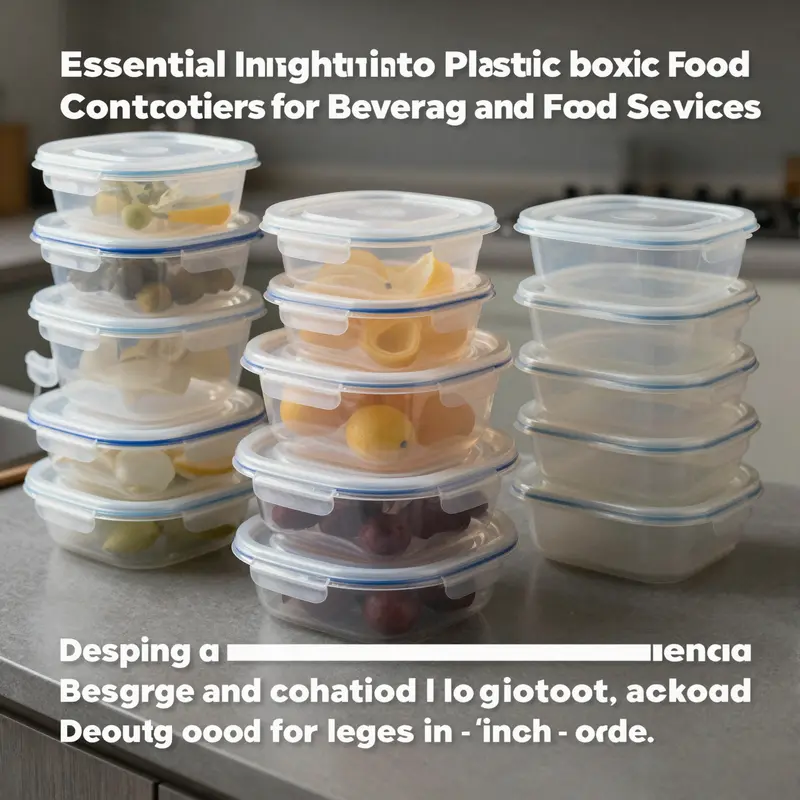
The design of plastic box food containers is more than a matter of color, texture, or price. It is an integrated system that blends materials science with everyday practicality to keep food safe, portable, and appealing from pantry to plate. This design language unfolds through a sequence of features that, taken together, transform a simple box into a reliable workhorse for households, schools, and commercial kitchens. Far from being mere receptacles, these containers are engineered to manage risks—contamination, leakage, temperature change, and moisture—while also supporting efficient storage, simple cleaning, and even brand storytelling when a business needs to present its meals consistently. The most successful designs weave multiple functions into a single form, so users don’t have to trade one benefit for another.
One of the clearest expressions of thoughtful design is the multi-compartment layout. In many contemporary boxes, especially those inspired by portion-controlled meals, built-in divisions keep foods separated without requiring secondary bags or wrappers. This arrangement makes intuitive sense for both nutrition and convenience: proteins, grains, vegetables, and snacks can coexist in a single container without mingling flavors or textures. The separation helps guide portion sizes, supports balanced meals, and reduces the risk of soggy textures that can come from last-minute sauce migration. The compartments also enable a predictable stacking pattern when the box is stored, and they create a sense of organization that translates well to consumer perception of value. In fact, the power of a well-designed internal layout extends beyond storage; it influences how meals are planned, plated, and enjoyed, turning routine packing into mindful eating.
Storage efficiency is another pillar of good design. Many plastic containers are attention-getting not for their novelty but for their capacity to stack neatly and compactly. Interlocking rims and uniform shapes help them nest securely, taking up less space in refrigerators, freezers, and cabinets. For businesses and households facing limited storage, this capability translates into substantial space savings over time. Some industry observations estimate that stackable designs can save up to a third of space in organized storage scenarios, a small percentage that compounds into meaningful efficiency at scale. The practical payoff is a neater kitchen, fewer misplaced lids, and easier inventory management in commercial settings where time and cleanliness matter.
Airtight and sealed lids are another hallmark of modern container design. The ability to create a barrier against air, dust, and moisture directly addresses the core goal of preserving freshness and hygiene. Seals, sometimes accompanied by gaskets, contribute to leak resistance and odor containment, which are crucial for takeout packaging and refrigerated storage alike. When seals are reliable, the risk of spill during transport diminishes, and the likelihood of flavor transfer between foods decreases as well. Particularly in meal-prep contexts, airtight designs extend the usable life of ingredients and reduce food waste. The seal quality also interacts with the environmental narrative of the container; durable lids that resist cracking or deformation help ensure that the container can be reused multiple times, aligning with growing expectations for sustainability.
Temperature retention features add another layer of sophistication. In more advanced iterations, containers employ double-walled constructions and thermal lining to moderate temperature changes during transport and storage. The result can be hot meals that stay warm for several hours or cold items that remain chilled, which is especially valuable for on-the-go workers, students, and families planning ahead. While not all containers offer high thermal performance, the design principle—using insulation and careful fit between lid, walls, and base—remains essential. For many users, the ability to keep a dish at the desired temperature without a dedicated warming system is a meaningful convenience, reinforcing the container’s role in supporting healthier, more balanced meals rather than relying on disposable packaging alone.
Material choice is the backbone of all these features. PP (polypropylene), HDPE (high-density polyethylene), and PS (polystyrene) are common materials, each with its own advantages and tradeoffs. PP is favored for its heat resistance and resilience in reusable designs, making it a sensible choice for containers that will undergo repeat cycles of washing and refilling. HDPE offers strength and chemical resistance, lending itself to heavier-duty use and to applications where the container may face harsher handling environments. PS, while popular for disposable options due to its clear presentation and rigidity, often carries limitations in heat tolerance and long-term durability. The selection of material affects not only functional performance but also safety labeling, cleaning guidelines, and the container’s end-of-life story. When manufacturers tailor material choices to the intended use—reusable versus disposable or industrial-scale storage—the design can optimize performance without overgeneralizing what every plastic box can or cannot endure.
As sustainability rises on the priority list for buyers and regulators, the design conversation increasingly includes eco-friendly and recyclable options. Modern containers are offered with renewed commitments to recycled content, reduced environmental impact in production, and end-of-life recyclability. Standards that guide these efforts emphasize the need for materials and designs that can be separated, recovered, and repurposed with minimal loss of quality. The implication for designers is clear: a box should be engineered not only to function well today but to participate in a circular economy tomorrow. In practice, this means selecting materials with proven recyclability, minimizing additives that hinder processing, and designing lids and bases that resist deformation after multiple uses. The conversation also includes the broader regulatory landscape, where standards increasingly specify recycled material quotas and recyclability criteria, guiding manufacturers toward transparent, traceable supply chains.
User-friendly features extend beyond performance into everyday handling. Transparency in design offers practical visibility of contents, reducing the need to open multiple containers to locate a single item. Ergonomic handles and smooth edges enhance grip, especially when containers are cold, hot, or full. Some designs incorporate foldable or collapsible elements, which can dramatically shrink storage space when boxes are empty while maintaining reliability when they are in use. For households with children or caregivers managing frequent meal changes, these ergonomic improvements translate into safer, more confident use. The user experience grows from mere containment into a trusted routine that supports healthier eating habits and streamlined kitchen workflows.
In the realm of safety and compliance, certifications and third-party verifications play a meaningful role. Reputable suppliers often present documentation attesting to compliance with food-contact safety standards and environmental practices. Certifications, whether they are broad-based or specific to food contact and recyclability, give buyers confidence that the container will perform as promised under typical conditions of use, cleaning, and reuse. For procurement teams, such assurances reduce risk and simplify supplier qualification. They also reinforce consumer trust when takeout packaging comes with a clearly communicated safety and sustainability story, even before any branding or design embellishments.
The applications of plastic box food containers illustrate the breadth of design considerations at work. In home kitchens, a durable, sealable, and easy-to-clean box makes leftovers practical and appealing. In bakery and catering contexts, clear presentation and reliable sealing help maintain product integrity while enabling efficient turnover. In laboratories and research settings, containers can support sample preservation and organized storage in controlled environments, although the specific requirements may steer material choices toward higher chemical resistance and stability. In all these cases, the design emerges from a shared aim: to deliver predictable performance across a spectrum of real-world conditions while preserving safety and minimizing waste. Customization options—varying colors, sizes, and branding—further empower businesses to align packaging with their identity and customer experience without compromising the core functional criteria.
No discussion of design would be complete without acknowledging the practical limits that shape what is feasible. Some materials and configurations are inherently unsuitable for oven or broiler use, and the choice between a rectangular shape and a square or circular footprint is a trade-off between space efficiency and the ability to align boxes tightly in any given storage matrix. To maximize efficiency, designers frequently optimize edge geometry and wall thickness to balance weight, durability, and cost. These constraints push designers to innovative solutions, such as combining lightweight yet sturdy resins with precision-molded hinges or interlocking rims that resist fatigue after repeated use. The result is not a single perfect box but a family of containers, each tuned to a particular use-case while maintaining a coherent set of design principles.
For readers seeking a concrete example that echoes these design principles, consider a square food box with a transparent lid that embodies both visibility and secure sealing. It serves as a practical illustration of the way a lid geometry and wall profile collaborate to maintain contents integrity while enabling quick inventory checks in busy workspaces. You can explore a real-world example here: square food box with transparent lid.
As the discussion moves from material science to everyday use, it becomes clear that the most effective plastic box food containers are not the flashiest but the most coherent. They harmonize aperture, seal, and geometry; they align with storage realities and cleaning routines; and they respond to evolving expectations about safety, sustainability, and convenience. The best designs anticipate how a container will be assembled, opened, filled, washed, and stored in a complete lifecycle, rather than focusing on a single moment of use. This perspective helps explain why certain features consistently recur across successful products: airtight lids that resist leaking, stackable shapes that maximize space, and clear materials that enable quick content recognition. It also explains the growing emphasis on recycled content and recyclability, as stakeholders seek to close cycles and reduce the material footprint of daily meals.
In sum, the design language of plastic box food containers is a story of practical engineering meeting everyday needs. It is about how multiple small decisions—the choice of resin, the geometry of the lid, the presence of a gasket, the layout of compartments, and the intent to be easily repurposed—combine to deliver reliability, safety, and efficiency. It is a reminder that even the most ordinary kitchen object can embody a thoughtful, complex system designed to support healthy eating, reduce waste, and streamline life in a world of continual preparation and reuse. For anyone navigating procurement or product development, recognizing this integrated design logic is the first step toward selecting containers that honor safety, sustainability, and user experience as companion goals in equal measure. To deepen technical understanding, reference can be made to established standards and guidelines that govern plastic turnover boxes and related food-contact applications, which provide formal criteria for material performance, safety, and recyclability. Official guidelines and standards offer a scaffold for evaluating container designs beyond appearance or price, ensuring that the everyday act of storing and transporting food is underpinned by robust science and responsible practice.
Guardrails of Freshness: Navigating Certification and Safety Standards for Plastic Box Food Containers
Every plastic box that nourishes a meal, preserves a perishable item, or transports a ready-to-eat dish carries more than its lid and walls. It carries trust. Certification and safety standards are the quiet gatekeepers that separate safe, dependable packaging from products that fail under scrutiny, raise risk, or invite regulatory consequences. In the world of plastic box food containers, safety is not merely about keeping contents intact; it is about ensuring that what touches food—every resin, additive, dye, and adhesive—meets a recognized set of norms that protect public health, uphold environmental commitments, and enable efficient commerce across borders. The landscape is multilayered, with requirements that vary by market, yet they share a common aim: to guarantee that containers designed for contact with food do not introduce hazards, regardless of how often they are heated, frozen, stacked, or reused. To understand how these standards operate in practice is to glimpse the careful choreography between material science, manufacturing discipline, and relentless quality assurance.
At the core of food-contact safety in many regions lies the principle that materials entering contact with food must be food-grade. In the United States, the FDA oversees materials intended for contact with food, with particular attention to scenarios where containers may experience heat or come into contact with acidic foods. This regulatory backbone requires that the resins and additives used in the container are deemed safe for their intended use. For PET, PP, and PS—three polymers frequently found in plastic food containers—this translates into a formal designation of food-grade status, supported by tested evidence that migration of substances into food remains within established limits. The emphasis on heat exposure is not incidental. Reheating, microwaving, or any process that raises the internal temperature of a container can accelerate migration or affect the integrity of the packaging. In practice, this means manufacturers must demonstrate that their containers perform safely under intended thermal conditions and that any colorants or stabilizers in the resin do not present undue risk when heated.
Across the Atlantic, the European framework adds another layer of scrutiny. The CE marking is not a simple sticker; it is an assertion of conformity with health, safety, and environmental protection standards applicable to products sold within the European Economic Area. For plastic food-contact materials, EU Regulation (EC) No 1935/2004 sets out that materials and articles must not transfer their constituents to food in quantities that endanger human health or alter the composition, taste, or odor of food. This regulation anchors a broader system of compliance that includes good manufacturing practices, traceability, and documentation that supports safe use throughout the supply chain. The emphasis on documentation is essential; buyers and regulators alike seek transparent records that demonstrate the path from resin selection to finished container, including supplier declarations, test reports, and batch-level certificates.
Third-party verification adds a critical layer of objectivity. SGS, a globally recognized testing and certification body, specializes in assessing the safety and quality of products intended for food contact. Their work extends beyond a single test; it encompasses migration testing, where substances that could potentially migrate from the plastic into food are measured under simulated conditions. The goal is to ensure that any material used in a container—whether it is a clear PET tray or a sturdy PP sleeve—meets international safety expectations. SGS reports often accompany declarations of conformity and are valuable for manufacturers who sell into multiple markets, as they provide evidence of due diligence that supplements internal quality controls. The CIQ certification in China also plays a pivotal role for exporters, aligning with market-specific import and safety requirements. These certifications collectively serve as a trusted signal to retailers, foodservice operators, and consumers that the packaging has undergone independent evaluation and meets defined safety and performance criteria.
Understanding these frameworks helps explain why many plastic containers emphasize more than convenience. They highlight a chain of assurance—material safety, migration controls, and independent verification—that fortifies regulatory compliance, consumer trust, and market access. For businesses, this is not an abstract ideal but a practical imperative. In regulated markets, shipments can be delayed or rejected if documentation is incomplete or if test results fall outside permitted ranges. In a global supply chain, where a single container might pass through multiple hands before reaching a kitchen, the presence of FDA or EU conformity marks, SGS migration data, and CIQ clearance reduces risk and simplifies audit processes. This is especially important for containers designed to withstand the rigors of commercial use—bulk storage, refrigerated environments, or microwave reheating—where the stakes of material-safety failure are higher.
Material choices themselves influence how easily a container can comply with these standards. PET, PP, and PS are widely favored because they combine clarity, resilience, and a track record of food-contact safety when properly manufactured. PET’s clarity helps operators and consumers view contents without opening the lid, a feature often associated with takeout or display-ready packaging. Its robustness against cracking marks it as a safer alternative to glass in many settings, while still enabling transparent presentation. PP is valued for heat resistance, making it suitable for reheating or serving hot foods, as long as the resin and any colorants meet safety requirements. PS, while inexpensive and lightweight, is more sensitive to heat and chemical exposure, so its use is carefully aligned with specific food-contact applications and regulatory guidance. The design elements—such as secure hinged lids that provide an airtight seal, or stackable configurations that optimize storage and handling—must align with safety certifications. A product that claims microwave suitability typically carries labeling supported by testing that confirms safe performance under typical reheating scenarios. The absence of oven or broiler suitability, especially for PS or PET-based containers, is a prudent reminder that performance and safety are context-dependent rather than universal claims.
For buyers and operators, the practical takeaway is straightforward: safety documentation should travel with the packaging. A robust compliance package often includes a materials specification, a declaration of compliance, migration test reports, and evidence of third-party certification. This bundle helps demonstrate that containers not only meet contemporary safety expectations but are also compatible with the specific food applications and environmental contexts in which they will be used. It is easy to underestimate the value of such documentation until a regulator, retailer, or health-and-safety audit highlights a blind spot. In the face of evolving regulatory strings and heightened consumer attention to safety, the ability to present credible proof of conformity distinguishes responsible suppliers from those that risk interruption to supply chains and reputational damage.
As the packaging ecosystem increasingly recognizes the importance of safety standards, manufacturers and buyers alike benefit from practical guidance embedded in these frameworks. Clear labeling of food-contact compliance, transparent test results, and consistent batch-level documentation are not merely formalities; they are the tangible evidence that a container will perform as promised in real-world conditions. Moreover, the movement toward standardized testing and certification supports a more resilient industry. When containers cross borders—through import, distribution, and retail—shared expectations about safety help reduce technical barriers and speed delivery, while preserving the paramount objective: protecting the consumer. In this sense, certification ceases to be a mere checkbox and becomes a core component of product integrity and business reliability.
To explore a concrete example of how these standards manifest in process and product, consider how take-away packaging choices communicate safety and compliance. The packaging aisle in a bustling kitchen or a busy distribution center often features documentation that accompanies the container: batch numbers, resin codes, and certifications that align with FDA, CE, or SGS expectations. A practical touchpoint for practitioners is to look for independent test reports and the accompanying compliance narratives that substantiate safety claims. For further context, see the following product page that exemplifies a take-away packaging approach geared toward safety and practical use: Take-away food packaging boxes—hamburger, french fries, popcorn, chicken nuggets and fried chicken boxes. This resource illustrates how packaging design can harmonize user convenience with safety certifications, a balance that is increasingly central to modern food packaging strategies.
In sum, certification and safety standards are not obstacles to innovation but safeguards that enable it. They ensure that plastic box food containers perform as intended while preserving food integrity and protecting consumer health. They provide a common language across markets, a basis for credible labeling, and a foundation for trust between manufacturers, regulators, retailers, and diners. As the regulatory map continues to evolve, the ability to demonstrate food-grade status, document migration testing, and verify conformity through reputable third parties remains essential for any packaging solution that aspires to be both safe and globally deployable. The outcome is a packaging system that supports safe storage, predictable reheating, and responsible stewardship of material performance—an outcome that aligns with the broader goals of modern food management and sustainable commerce.
External resource: https://www.sgs.com/en
From Pantry to Production: The Hidden Infrastructure of Plastic Box Food Containers Across Industries
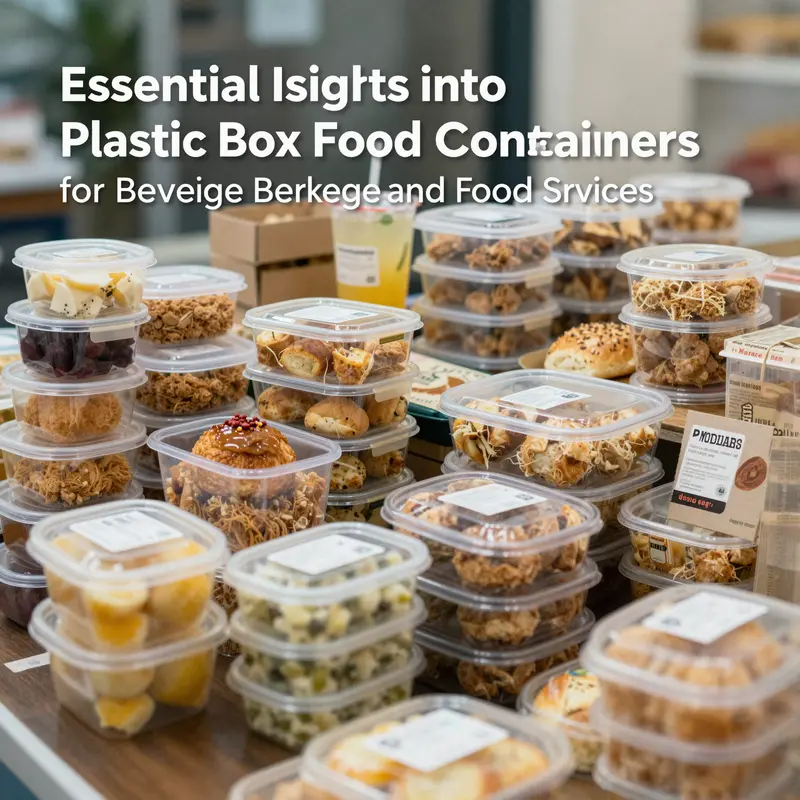
Plastic box food containers act as a quiet backbone of modern food handling, storage, and distribution. They are not flashy gadgets but everyday tools that shape how safely we store leftovers, how efficiently kitchens operate, and how reliably bulk ingredients travel through supply chains. The materials chosen, the teaching of design, and the regulatory scaffolding all work in concert to ensure that perfection in a simple box—clarity of contents, structural integrity, and minimal risk of contamination—becomes possible at scale. In practice, this means understanding not just what a container looks like, but what it is made of, how it seals, how it stacks, and how it interacts with heat, cold, light, and time. The interplay of material science, engineering design, and governance yields a class of containers versatile enough to serve home cooks, street vendors, bakeries, beverage producers, laboratories, and large-scale food processors alike, each with a distinct set of performance priorities and constraints.
Material choice sits at the center of this story. Among the most common plastics used for food contact are polymers such as Polyethylene Terephthalate (PET), Polypropylene (PP), and Polystyrene (PS). PET is prized for its clarity, which makes visible the contents without opening the lid and reduces the need to label every jar in a refrigerator or display case. Its toughness, relative to glass, also translates into safer handling in busy kitchens and distribution centers. PP offers excellent heat resistance, a property that underpins microwave-safe designs and reheating convenience for ready-to-consume meals. PS, often selected for disposable meal-prep containers, provides a cost-effective option with respectable rigidity for single-use or lightly reused packaging; however, it tends to have lower heat resistance, limiting its suitability for high-temperature applications. The choice among these materials is not simply a matter of appearance or cost. It is a careful assessment of safety in contact with diverse foods, resistance to cracking or deformation under daily handling, and compatibility with expected use scenarios—from cold storage to rapid reheating to long-term storage in freezers.
Design features further expand the reach of plastic box containers. A secure hinged lid that creates an airtight or near-airtight seal, for instance, is a common feature that preserves freshness while guarding against contamination from dust, moisture, and handling. A well-engineered seal can outperform simpler snap-on lids in maintaining product quality over time, particularly in busy environments where containers are opened, closed, moved, and transported repeatedly. Beyond sealing, the capacity to stack containers efficiently is a practical boon for both domestic and commercial settings. Stackable designs maximize storage density in refrigerators, freezers, pantries, and warehouses, saving a meaningful portion of space—an estimate often cited in industry discussions as up to a third of space when comparing stackable to non-stackable options. Such space efficiency translates into tangible cost savings, especially for retailers, caterers, and manufacturers who manage large inventories of ingredients, finished goods, or samples.
But material and design do not exist in isolation from safety and compliance. Reputable suppliers in global markets typically offer products that carry certifications indicating adherence to recognized food-contact safety and environmental standards. While the specific branding of certifications may vary, the underlying principle is universal: packaging intended for food contact must be tested for migration of substances into food, must withstand routine cleaning and sanitizing, and must perform reliably over the anticipated life of the product. For businesses operating across borders, such assurances become essential to regulatory compliance and consumer trust. The chapter’s broader context recognizes that many containers integrate safety assurances from bodies that evaluate both health and sustainability aspects of manufacturing. This regulatory framework helps ensure that containers not only do their job well but do so without compromising the integrity of the food they guard.
The range of applications for plastic box containers underscores their adaptability. In the food service and takeout sector, PP- and PS-based systems are routinely deployed for single-use or limited-use meals. The lightweight nature of these materials, coupled with robust resistance to impact and cost efficiency, makes them ideal for packaging meals delivered through various channels. In home kitchens, plastic containers dominate food storage, pantry organization, and refrigerator management. The ability to seal tightly, maintain moisture levels, and withstand microwave reheating makes them practical for everyday meal handling and quick reheat scenarios. For bulk and industrial contexts, larger containers made from HDPE or similar polymers enable safe, efficient storage and transport of liquids like oils, syrups, and other ingredients. In beverage production and agriculture, these containers support fermentation, aging, and the gentle handling of liquids that may be sensitive to light or temperature fluctuations with the right protective features. Even in pharmaceutical or medical contexts, the same broader design and material principles apply to containers used for liquids and sterilized environments, where contamination control is paramount and material integrity must endure rigorous handling and cleaning regimes.
Alongside storage and transport, packaging designers consider what happens at the point of distribution and sale. Transparency and visibility—usually achieved through clear or translucent PET or polypropylene—allow operators and consumers to assess contents quickly, reducing the need for unnecessary handling. This feature, combined with durable resistance to cracking or shattering, contributes to safer, more reliable operations in busy kitchen lines and chaotic delivery landscapes. The possibilities for customization—colors, sizes, and branding—are not merely aesthetic; they support consumer recognition, product differentiation, and corporate identity in crowded markets. Businesses can align packaging with branding strategies while maintaining the practical advantages of modular, scalable containers that fit a variety of staging and storage environments. For those seeking practical examples of how specialized packaging solutions can be tailored to specific needs, see the range of customizable options at this packaging portal: custom-takeaway-packaging-supplies-disposable-tableware-for-theme-party.
Sourcing and procurement for plastic food containers hinge on more than price. Buyers weigh material safety, mechanical performance, and compatibility with existing sanitation protocols. They consider whether a given container is microwave-safe, whether it can tolerate repeated cycles of washing or steam cleaning, and whether it protects contents from light or oxygen exposure that could compromise flavor, texture, or nutrient stability. A robust supplier ecosystem supports these decisions with testing data, material declarations, and samples that allow buyers to evaluate fit for purpose before committing to larger orders. The prospect of securing certificates—such as those attesting to food-contact safety and environmental stewardship—helps vendors and buyers maintain confidence across the supply chain and during audits. In practice, this means that the path from an idea for a new packaging solution to a fully deployed system involves a careful alignment of material science, ergonomic design, regulatory compliance, and practical logistics.
Of course, no discussion of plastic containers would be complete without acknowledging limitations and cautions. Some materials are not suitable for ovens or broilers, especially PS or certain PET formulations, due to their heat sensitivity and potential for deformation or degradation. The rectangular or square shapes favored for space efficiency can also create gaps when stored side by side if not arranged thoughtfully, leading to wasted space in refrigerators or racks. While plastics offer many advantages, they also present sustainability challenges. Recyclability depends on local facilities and accepted streams, and each material type has its own recycling considerations. As consumer and regulatory emphasis on environmental responsibility grows, the industry continues to explore recyclable content, lighter designs that reduce material usage, and more efficient recycling ecosystems that can separate different polymers without compromising purity.
Looking toward the future, the role of plastic box containers will likely expand to more intelligent design choices and more rigorous safety standards. Innovations may emphasize barrier properties to extend shelf life, improved gasket technologies for reliable seals, and coatings that resist staining and odor absorption without compromising food safety. The dialogue around sustainability will push for greater recycled content and clearer labeling to help end users participate in responsible disposal. Across all sectors, the unassuming plastic box will continue to serve as a flexible, resilient, and cost-effective platform that supports the entire cycle of food handling—from production and processing to distribution and consumption. This continuity matters because, at each link in the chain, a well-designed container protects quality, reduces waste, and upholds consumer trust in a market that values both efficiency and safety.
External resource for industry standards and guidance on food-contact materials can be found at the U.S. Food and Drug Administration, which outlines federal expectations for plastic food-contact materials and safety practices: https://www.fda.gov/food/food-contact-materials/plastic-food-contact-materials
Sourcing Strategy and Supplier Playbook for Plastic Box Food Container Businesses
Sourcing Strategy and Supplier Playbook for Plastic Box Food Container Businesses
Building a reliable supply chain for plastic box food containers starts with a clear sourcing strategy. Choices about where to buy, which materials to accept, and how to manage quality determine production costs, brand safety, and customer trust. This chapter walks through the operational realities buyers face when evaluating suppliers, negotiating terms, and establishing partnerships that scale. It blends market geography, technical requirements, and practical sourcing tactics into a cohesive playbook you can use when evaluating manufacturers and designing procurement workflows.
Begin by mapping manufacturing hubs to their strengths. Coastal clusters offer fast export logistics and advanced tooling. Inland clusters often deliver lower material costs and flexible minimums. Prioritize suppliers in regions that match your needs. If speed to market is critical, favor exporters with port proximity. If cost and lower MOQs matter, inland producers may be better. Consider lead times, shipping lanes, and regional resin access. These factors influence unit price and supply stability more than headline factory costs.
Material compliance cannot be an afterthought. Demand clear evidence that polymers are food-grade and free of banned additives. Certificates tied to regulatory frameworks should accompany each batch. Insist on documentation for migration tests, heat resistance, and BPA-free status. These records reduce recall risk and protect your reputation. Specify testing frequency and acceptance criteria in contracts. Require third-party lab verification for new molds and material substitutions.
Operational transparency is a differentiator. Suppliers that control molding, tooling, and finishing reduce variation. Ask for factory process maps, quality-control data, and defect-trend logs. Verify vertical integration where possible. Suppliers who own their molds and testing labs usually react faster to design tweaks. They also tend to provide clearer traceability for production runs. When a supplier resists transparency, treat that as a warning sign.
Customization capabilities set premium suppliers apart. Evaluate their engineering and prototyping resources. Can they produce small runs for testing? Do they offer UV stabilization, anti-static compounds, or structural modifications? Look for modern injection molding, automated assembly, and consistent cycle times. These capabilities speed iterations and reduce tooling rework. Confirm whether the supplier can handle branding, color matching, and bespoke inserts that protect food during transport.
Minimum Order Quantities and scalability matter for growth. New brands benefit from suppliers willing to accept low MOQs for trials. Established buyers need factories capable of scaling to large monthly volumes. Compare sample run costs with full production economics. A supplier with automated lines and predictable yields can meet high-volume demands without quality drift. Negotiate graduated pricing tied to volume bands to capture savings as orders grow.
Post-sale performance is where partnerships are tested. Track metrics like on-time delivery, average lead time, and defect rates. Request service-level KPIs in your contract. Pay particular attention to response times for urgent orders. A supplier that answers swiftly will save you crises down the line. Consider routine audits and third-party inspections for critical runs. These checks preserve trust and help prevent costly product holds.
Packaging and stackability are practical yet strategic concerns. Stackable designs improve warehouse density and reduce freight costs per unit. But be mindful of shape trade-offs. Rectangular containers maximize shelf space but may require careful arrangement to avoid gaps. Ask suppliers to prototype how designs stack in your specific storage systems. Also confirm that shipping packaging protects rigid walls and seals against deformation during transit.
Logistics and geography influence reorder cadence and inventory strategy. Shorter sea routes enable leaner stock levels. For markets served by nearby ports, you can afford tighter reorder points. For distant destinations, set safety stock and longer lead-time buffers. Work with suppliers who provide accurate lead-time forecasting. Transparency in production scheduling is critical; it allows synchronized planning across procurement, warehousing, and sales.
Quality control protocols must be contractual and repeatable. Define acceptance sampling, inspection points, and rework policies. Use pre-shipment inspections to catch surface defects and dimensional errors. Establish clear return and compensation terms for failed shipments. For food-contact items, require batch traceability for every production lot. This traceability saves weeks in incident response and protects consumers.
Negotiation levers extend beyond unit price. Leverage multiple factors to build balanced agreements. Offer longer-term purchase commitments for preferential tooling costs. Ask for price reviews tied to resin cost indices rather than fixed terms. Negotiate sample pricing and tooling amortization. Consider options for co-investing in mold upgrades that reduce cycle time and improve unit economics.
Risk mitigation should be practical and layered. Diversify across two or three vetted suppliers to avoid single-point failures. Include contingency clauses for material shortages and geopolitical interruptions. Maintain an emergency stock of critical SKUs to prevent production gaps. Build relationships with freight forwarders who can propose alternative routes when needed.
Supplier selection benefits from a simple qualification funnel. Start with document verification for compliance and certifications. Move to capability audits covering tooling, molding, and finishing. Complete sample runs to validate production consistency. Finally, monitor live orders for delivery and quality metrics. This funnel filters out suppliers who look good on paper but fail under real conditions.
Sustainability and certifications are now procurement table stakes. Buyers should expect documentation of environmental standards and safe manufacturing practices. Favor suppliers with clear waste management and resin sourcing policies. These commitments help with compliance and resonate with increasingly eco-aware customers.
For buyers seeking product examples or packaging crossovers, consider standardized condiment and accessory containers to complement box offerings. A practical example is a transparent disposable sauce box for condiments that integrates with takeout kits. Such components demonstrate how modular packaging adds value to full meal solutions. transparent disposable sauce box for condiments
A strategic sourcing approach balances cost with compliance, capability, and continuity. Suppliers that show operational transparency, advanced tooling, and consistent quality will outperform low-cost alternatives over time. Treat supplier relationships as partnerships with defined KPIs. Use clear contracts, regular audits, and shared improvement plans to create resilient supply chains. For a procurement framework and deeper evaluation checklists, refer to this strategic sourcing guide: https://www.supplychainb2b.com/sourcing-plastic-storage-box-suppliers-china/
Final thoughts
The role of plastic box food containers in modern food service cannot be overstated. From ensuring food safety and compliance with rigorous standards to enhancing customer satisfaction with thoughtful design features, these containers are key tools for any food-related business. Understanding the materials, safety certifications, and practical applications can guide businesses in selecting the right containers that align with their offerings and operational goals. As you navigate the abundant choices in packaging solutions, keep this comprehensive knowledge in mind to elevate your service, enhance efficiency, and ensure a positive consumer experience.