
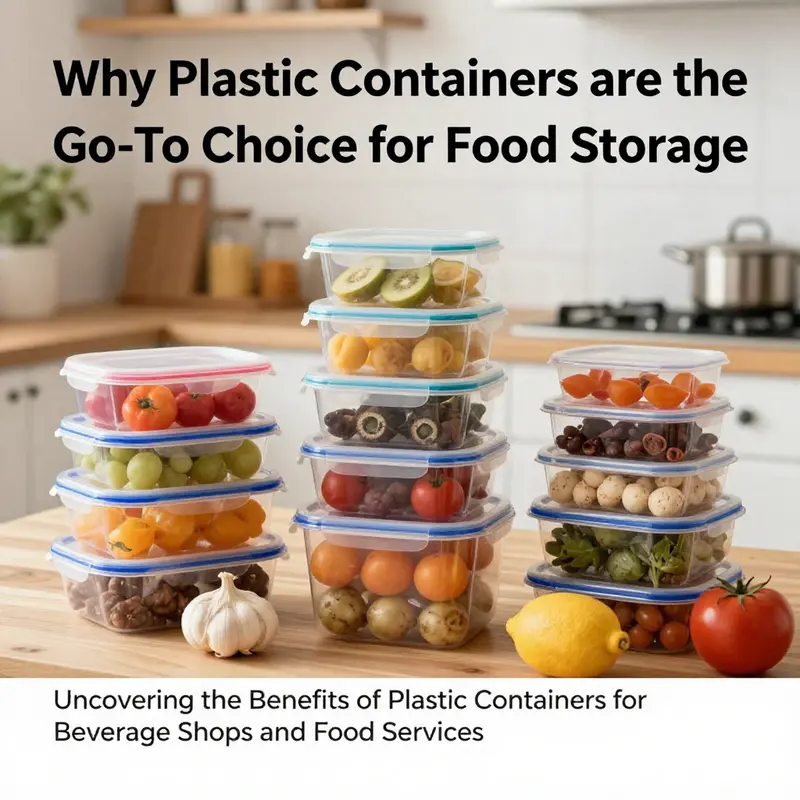
Plastic containers have emerged as the top choice for food storage across various sectors, including bubble tea shops, restaurants, food trucks, and catering services. Their lightweight nature, cost-effectiveness, versatility, convenience for heating, and excellent sealing capabilities make them ideal for everyday use. This article explores these advantages in-depth, providing actionable insights to help your business understand why plastic containers are favored for storing food items.
Featherweight Fortresses: The Case for Lightweight, Durable Plastic Storage
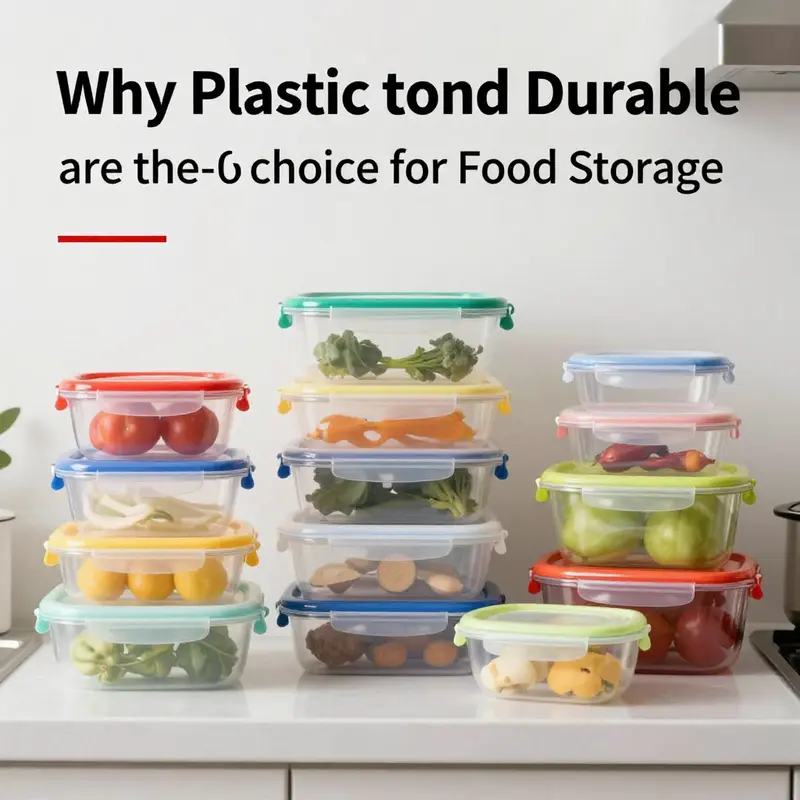
In the choreography of a modern kitchen, plastic containers act as quiet workhorses, guiding how we store, transport, and reheat food with minimal fuss. They are light, tough, and adaptable. Weight matters as soon as we start moving meals from fridge to bag or lunchbox. A container that is easy to lift, stack, and slide into a bag reduces the cognitive load of daily routines. This is more than convenience; it translates into fewer spills, quicker cleanup, and more consistent practices around meal planning. The lighter the container, the more flexible the system becomes, from a school lunch to a busy workweek.
Yet lightness without resilience would be a fragile promise. Plastic’s real strength emerges in its ability to resist the kinds of mishaps that would shatter or deform other materials. A sturdy, impact-tolerant container can weather an occasional drop or knock, a common risk in homes and workplaces. This combination—easy to carry, tough in use—helps plastic containers earn a central place in day-to-day storage. They don’t just hold food; they enable a reliable storage culture that keeps meals fresh, safe, and ready when hunger calls.
A second layer of appeal comes from cost and scale. Plastic containers are typically cheaper to produce than glass or metal counterparts. That lower baseline cost matters at both household and business levels. It means families can stock up without stretching budgets, and retailers can offer durable options without pricing out customers. The economic logic extends beyond the initial purchase. Lower weight reduces shipping and handling costs, a factor that matters to manufacturers and distributors as much as to households ordering takeout or planning batches of meal-prep containers for grocery stores or food-service operations. When price is less of a barrier, the impulse to choose practicality over perfection—especially for everyday storage—grows stronger. The result is a marketplace where durable, affordable options circulate widely, reinforcing the habit of keeping foods covered, organized, and ready to use.
Versatility follows closely behind weight and cost. Plastic can be engineered into a wide spectrum of shapes, sizes, and configurations, essential for a living space that must adapt to shifting routines. For families, this means containers with different capacities to fit everything from a single portion to a family-sized batch. For meal-prep enthusiasts, it means modular, stackable designs that maximize fridge and freezer real estate. For custodial staff or food-service operations, it means option sets that can accommodate soups, sauces, salads, dippers, or dry goods with equal reliability. The transparency that many plastics offer is another design advantage. Seeing the contents at a glance aids organization, reduces the time spent searching for leftovers, and helps prevent food waste by making visibility a feature rather than an afterthought. The design language of plastic storage often leans toward clarity, simplicity, and predictability, which resonates with people who want their systems to work without constant adjustment.
This is where the long-running convenience of plastic becomes a practical habit. Containers designed to be microwave-safe remove steps from the reheating routine, letting a lunch or a prepped dinner go straight from fridge to oven or microwave with minimal transfer. The ability to move from storage to heating to serving without swapping vessels saves time and reduces the number of dishes that must be washed. For households aiming to minimize clutter, this single-threaded efficiency is a notable benefit. Freezing is equally supported by many plastic designs, which can withstand the temperature extremes associated with long-term storage. This compatibility with refrigeration and freezing enhances the overall utility of plastic containers, making them ideal for leftovers, batch cooking, and pre-planned meals that can be thawed and heated when needed.
Another strong driver is sealing and preservation. The lids that accompany high-quality plastic containers are often designed to lock in freshness through reliable seals, snap-on mechanisms, and sometimes silicone gaskets. These features help limit exposure to air and moisture, slowing the pace of spoilage and reducing the chances of cross-contamination in the fridge. In households where gatherings and busy schedules can scatter food preparation over several days, the ability to rely on a tight seal becomes less of a luxury and more of a necessity. A well-sealed container creates a contained environment that maintains texture and flavor, so leftovers taste almost as fresh on day two as they did on day one. Not all plastics perform equally in this regard, which is why consumer sensitivity to material standards remains important. Yet where a container is thoughtfully designed, the sealing mechanism can make a noticeable difference in how long a food item remains appealing and safe.
Ease of cleaning completes the trio of practical advantages. Plastic containers are widely dishwasher-safe, a feature that reduces the friction of daily cleanup. Even when handwashing is necessary, the smooth surfaces and simple shapes typical of plastic designs make washing easier and faster. For households juggling multiple meals and busy schedules, this simplicity is a quiet, recurring benefit that reinforces good storage habits. The combination of ease of cleaning, durability, and affordability contributes to a culture in which people are more inclined to prep, store, and reuse meals rather than discard them. It is this culture, more than any single feature, that sustains the everyday popularity of plastic storage.
Of course, the dialogue around plastic storage does not exist in a vacuum. Safety considerations—such as chemical leaching at high temperatures or with acidic foods—have shaped consumer preferences toward more inert options for some applications. Researchers and regulators emphasize that not all plastics are created equal; some are formulated to minimize migration of additives, while others are optimized for thermal performance. For many households, the practical compromise is clear: use containers designed for the intended use, weigh the risks against the benefits, and practice sensible reheating and storage habits. In this sense, plastic storage becomes less about a single product choice and more about a disciplined approach to food safety, convenience, and routine.
The breadth of design options, the balance of weight and toughness, and the broad reach of affordability together explain why plastic containers have become a default tool for food storage. They support a lifestyle that values quick, reliable access to meals and ingredients, even as people seek to streamline shopping, reduce waste, and simplify kitchen routines. The ecological realities and evolving packaging standards add complexity to the decision-making process, but the practical advantages persist in everyday use. When thinking about how families and institutions keep foods ready and safe, it is hard to overlook the way light, durable plastic containers quietly shape those routines, turning a kitchen into a more organized, efficient, and adaptable space.
External note: For a broader view of when plastic storage may be preferable to other materials, consider reputable sources that discuss safety, recycling, and lifecycle impacts. The goal is to balance convenience with thoughtful use, selecting containers that fit the task and the temperature range involved.
Practical Power, Simple Savings: How Plastic Containers Support Everyday Food Storage
Plastic containers offer a practical blend of cost, durability, and convenience that fits busy households. Their lightweight form and stackable shapes make organizing refrigerator shelves and pantry cupboards easier, while a wide range of sizes supports portion control and meal prep.
Heating, cooling, and cleaning are simplified because many containers are microwave-safe, freezer-friendly, and dishwasher-safe. This compatibility reduces dishware and cleanup time, which matters in daily routines and on busy weekdays.
Cost savings and accessibility stand out, especially for families and organizations that buy in bulk. The broad availability of durable, reusable plastic containers supports better food management and helps reduce waste when used with proper care, labeling, and routine inspection for wear.
Shape, Seal, and Snap-On Convenience: How Plastic Containers Redefine Everyday Food Storage
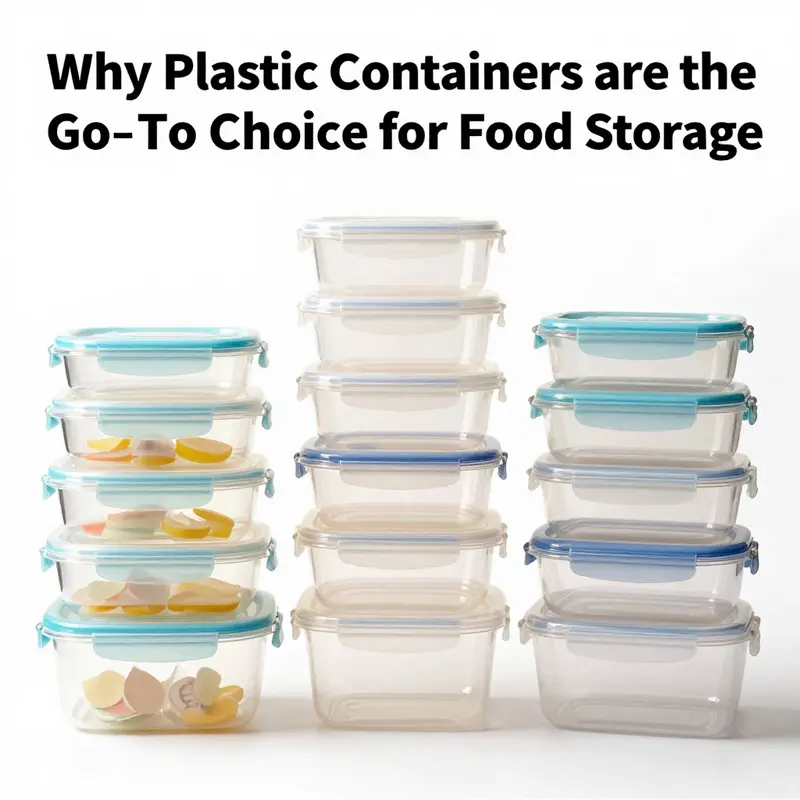
Across kitchens worldwide, a modest category of storage has quietly shaped how people think about food: plastic containers. They are not glamorous in the way a gleaming glass jar is; instead, they are the workhorse of daily life, blending small advantages into a broad ecosystem of convenience. When we consider why plastic containers are favored for storing food items, the answer rests on a blend of design, practicality, and adaptability that is hard to replicate with other materials. The story begins with versatility, but it extends far beyond it, weaving together shapes, lids, materials, and the simple, powerful idea of making food easy to see, easy to access, and easy to transport.
The first thread of this story is form. Plastic can be molded into a dizzying array of shapes and sizes, each one tuned to a practical task. For meal prepping, there are divided containers with internal partitions that keep sauces separate from main courses, ensuring flavor integrity and visual appeal at the end of the day. For family meals, there are larger, stackable units that fit neatly in a fridge or on a shelf, turning a cluttered space into a tidy, predictable system. For grab-and-go routines, compact, leak-resistant containers and salad cups with dressing compartments demonstrate how everyday shapes can anticipate and guard against common mishaps like spills or mixed textures. The design language of plastic in this realm is less about novelty and more about a relentless focus on reliability and convenience. This is not merely about being lightweight; it is about being purpose-built to support a broad spectrum of eating occasions, from a hectic work lunch to a weekend picnic.
Design flexibility also means that plastic containers can be transparent or colored, slender or wide, and smooth or ribbed, all while maintaining compatibility with existing kitchen ecosystems. The option to choose a transparent material is especially powerful in a busy kitchen where sightlines matter. Seeing what is inside a container without lifting the lid saves seconds and reduces the chances of misplacing or misidentifying ingredients in a crowded fridge. Colored variants carry a different value: they enable quick color-coding for family members, meal plans, or dietary categories, a simple but effective strategy for organization in households that juggle multiple meals and tastes. Yet the transparency and color are not mere aesthetics. They feed into a workflow: quick access, reduced decision fatigue, and fewer unnecessary openings that hasten spoilage or dry out foods.
The lid is a central character in this narrative. The most successful plastic containers marry a reliable seal with a user-friendly latch or snap mechanism. Airtight seals prevent air and moisture from invading, a factor that slows down spoilage and preserves texture. In practice, airtight containers help households store soups, Stews, and leftovers with more confidence, knowing that flavors are contained and odors are less likely to migrate to other items in the fridge. A well-engineered seal also supports portability. Snap-on lids that stay put during transport reduce the anxiety associated with taking a container to work, school, or a weekend outing. Some designs incorporate silicone gaskets for a snug fit and a cleaner, more durable seal. The emphasis on durable, leak-resistant designs reflects a careful alignment between safety, cleanliness, and convenience—an alignment that resonates with busy families and professionals alike.
Beyond seals and shapes, plastic containers respond to the heating and freezing rhythms of modern life. The market increasingly labels containers as microwave-safe and freezer-safe, and these ratings are not merely marketing claims. They respond to a user need: to heat or reheat a meal in its original container, quandaries over dishwashing, and the desire to minimize dishware. This attribute is especially relevant for meal-prep enthusiasts who portion out meals for several days, or for households that routinely pre-make lunches for kids. The ability to safely transition from the fridge to the microwave—and then into the lunch bag—simplifies routines and reduces waste. It is a small economy of effort that adds up across weeks and months.
A parallel thread concerns safety and health, which often live at the intersection of design and consumer behavior. Modern plastic for food storage frequently carries claims like BPA-free ingredients, food-grade certifications, and tested heat tolerance. These signals guide choices in a marketplace where consumers are increasingly attentive to what touches their food. The emphasis on safety does not erase the practical benefits; it coexists with them. When a container is clearly labeled as BPA-free and is compatible with the temperatures required by daily use, it becomes a predictable tool, a trusted component in a kitchen’s daily choreography. This trust is essential because plastic storage is most valuable when it disappears from view—when it just works, quietly supporting meals and reducing the cognitive load required to manage leftovers.
The durability of plastic containers is not incidental. The material’s resilience during everyday mishaps—drops, bumps, and the inevitable jostling of a lunchbox—makes them a reliable companion for children and adults alike. This durability scales into the realm of transport as well: lighter weight than glass, the containers can travel with less risk of breakage and less chance of injury, a factor parents intuitively recognize in schools and on family trips. The stacking capability further multiplies efficiency. When containers nest and stack, a kitchen becomes a more navigable space. Sturdier bases and compatible lids combine to create a modular system that reduces clutter and doubles as a practical shelving solution in compact apartments or bustling households.
Another outward-facing benefit of design flexibility is its support for diverse culinary and cultural practices. Plastic containers can be adapted to house a wide range of foods—from delicate greens and finely chopped vegetables to hearty stews and sticky desserts—without forcing compromises in packaging integrity. Features such as built-in compartments or spill-resistant lids are not merely conveniences; they enable meal planning on a scale that embraces variety. In this sense, plastic containers act as facilitators of kitchen creativity: they help cooks plan, portion, and present meals in ways that preserve flavor, texture, and appearance. They are enablers of a culture where food storage is not a barrier but a bridge to more varied and healthier eating patterns.
Despite these many strengths, it would be incomplete to present plastic containers as unassailable. The design freedom that makes them so versatile also invites attention to potential limitations. Odor absorption and staining from strongly pigmented foods can linger, challenging the perception of cleanliness and simplicity. This is not a fatal flaw, but a reminder that care—from proper washing to mindful reuse—remains part of the storage equation. The conversation around safety and health continues to evolve, with ongoing innovations aimed at reducing leaching concerns and increasing compatibility with a broader range of temperatures and foods. In practice, shoppers respond to these nuances by selecting containers whose materials, seals, and coatings align with their specific needs—whether that means choosing transparent, stackable boxes for a busy kitchen or opting for more robust, odor-resistant designs for meal-prep regimes.
The practical, cumulative effect of all these design choices is a storage system that feels almost invisible in daily use. You can see what you have without rummaging through opaque stacks; you can heat a portion without transferring it to another dish; you can transport, share, and store with minimal fuss. In this sense, plastic containers do not simply hold food; they sustain routines. They support families by making leftovers manageable, by supporting organized meal prep, and by enabling lunch options that travelers can trust to stay fresh and intact. The logic of their design—part shape, part method, part promise of reliability—creates an ecosystem that software-human decision making would envy: a predictable, scalable, and forgiving framework for everyday cooking and eating.
For readers who want to explore practical examples of how internal design features translate into real-world benefits, packaging solutions that emphasize compartments and leak resistance illustrate the concept nicely. For instance, eco-friendly disposable 3-compartment packaging boxes used in fast-food contexts demonstrate how interior partitions and durable seals can preserve variety within a single package while maintaining portability. This is emblematic of the broader principle at work: design choices in plastic containers are not arbitrary; they are aimed at reducing friction at every step—from selecting and portioning foods to transporting and reheating them. The result is a storage system that fits seamlessly into varied lifestyles, one that can flex with a busy schedule without sacrificing food quality, safety, or ease of use. You can read more about this specific approach to packaging here: eco-friendly disposable 3-compartment packaging box for fast food.
In the end, the appeal of plastic containers for storing food items rests on a simple, robust premise: design matters when it makes daily life easier. The shapes, seals, and materials cohere into a system that supports nourishment with minimal friction. They are the quiet enablers of order in the kitchen, the practical answer to questions about storage, reheating, and safe transportation. As the pace of everyday life continues to accelerate, the value of such design flexibility only grows clearer. Plastic containers offer a dependable platform for organizing, heating, and sharing meals, turning the act of storing food into a smooth, predictable routine rather than a constant negotiation with fragility and guesswork. This is the core reason they remain a preferred choice in households and food-service settings alike.
External resource: https://www.plasticcontainerwholesale.com/technical-specifications-production-process-applications/
Heat, Seal, and Save: How Plastic Food Containers Make Modern Storage Seamless
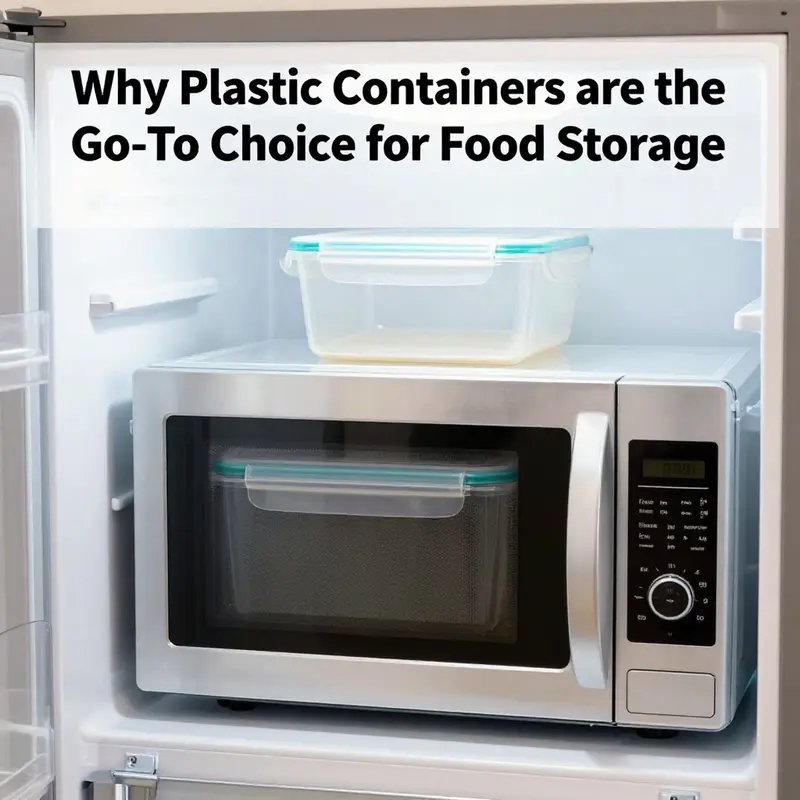
Plastic containers have become the quiet backbone of modern kitchens, a practical choice that shows up in every routine from weekday lunches to late-night meal prep. The appeal rests not on a single feature but a connected set of advantages that together reshape how people think about storing and reheating food. At the core is their lightness. Plastic is significantly easier to handle than glass or metal, which makes everyday tasks—from lifting a carton from the fridge to carting leftovers to work—less fatiguing and more efficient. This lightness matters most when space is tight, when you’re packing a child’s lunchbox, or when you’re managing a busy household with multiple meals and varied schedules. The ease of handling translates into less spillage, fewer accidents, and a sense that food storage can be tidy rather than cumbersome. Yet weight is only part of the story; durability completes the picture. Food-grade plastics, especially materials like polypropylene, strike a balance between flexibility and sturdiness. They resist cracking under drops or tumbles and hold up well to daily use, which is essential for households that rely on these containers to survive the rough-and-tumble of school mornings and workday commutes. This durability is a practical reassurance: containers don’t shatter and create a mess, and their longevity helps amortize the initial cost over time. After all, convenience in storage also means fewer replacements and less waste from broken dishes, a small but meaningful contribution to daily efficiency. The financial side of the equation is equally persuasive. Plastic containers typically cost less to manufacture than glass or metal, and the savings often pass directly to consumers. This affordability is especially important for families and large households, where the need for multiple sizes and configurations is constant. With a broad range of options at accessible prices, households can customize their storage ecosystems without breaking the bank, from small snack containers to larger, meal-prep boxes. In practical terms, this abundance of affordable choices lowers the barrier to experimenting with organization strategies—stackable sets, modular compartments, and color-coded cues that help designate contents at a glance. The design flexibility of plastic is not just about economy; it shapes behavior in everyday use. Plastic can be molded into an astonishing variety of shapes and sizes, enabling designers to create containers that fit snugly in the fridge, the freezer, or the microwave. For busy families, the ability to store, reheat, and serve in the same vessel is a powerful shorthand that reduces dishwashing and minimizes the steps between cooking and eating. Many plastic containers are marketed as microwave-safe, a feature that speeds up meal routines by allowing direct reheating without transferring food to a separate dish. This capability is especially valuable during rushed mornings when time to prepare or reheat a meal is scarce. It also supports a broader habit of batch cooking and meal planning, where leftovers are portioned into individual containers that can be heated and eaten with minimal fuss. The convenience of heating in the container is closely tied to the containers’ compatibility with refrigeration and freezing. Freezer-safe plastics preserve texture and moisture when food is stored for extended periods, while refrigerator-safe plastics keep leftovers reachable and visible. This trio of capabilities—reheating, refrigerating, and freezing—enables a fluid, low-effort approach to food management. When the cold chain is maintained effectively, plastic containers help preserve flavor and freshness, and their sealing mechanisms contribute to this stability. High-quality containers commonly employ snap-on lids and silicone gaskets to create tight seals that limit air exchange. In practice, a tight seal slows moisture loss and minimizes the risk of cross-contamination by preventing spills. The practical benefit is twofold: it keeps food tasting closer to its original state and reduces waste from spoilage. The sealing feature also answers a common worry about leftovers—whether stored in the fridge or taken on the go. A well-sealed container protects the contents from exposure to odors and contaminants in the surrounding environment, preserving quality and reducing the need for frequent repackaging. The visibility provided by plastic is another often underappreciated advantage. Clear or translucent plastics let you identify contents without opening the lid, saving time and interrupting workflows. This is particularly useful in households that manage a rotating menu of meals, a situation where quick recognition supports efficient grocery planning and reduces the chance of forgotten items lingering in the back of the fridge. The aesthetic flexibility of plastic cannot be understated either. Containers come in a spectrum of colors and configurations, including transparent stacks that can be nested for compact storage. This makes organization intuitive and accessible for everyone, from meticulous planners to those who simply want their kitchen to feel orderly. Finally, there is the cleaning and maintenance consideration that cycles back to the containers’ practical design. Most plastic containers are dishwasher-safe, a feature that reduces the tedium of cleanup after meals. For many families, the ability to place the containers directly in the dishwasher means less hands-on washing and more time for other activities. Hand-washing remains an option for those who prefer it, and it is often straightforward to rinse out any residue before loading them into the machine. Taken together, these attributes create a compelling case for plastic containers as a storage solution. They are lightweight yet durable, inexpensive to produce and purchase, flexible in form, and forgiving in daily use. They support a cycle of storage, heating, and serving that aligns with fast-paced lives, where efficiency and predictability matter as much as the quality of the food itself. Yet it would be naïve to overlook the countervailing concerns that accompany any broad, long-term deployment of plastics in food storage. The ease of heating and the frequent exposure to heat raise questions about chemical leaching, particularly under high temperatures or with certain acidic foods. This has driven interest in safer alternatives for specific use cases, such as long-term storage or reheating in a more controlled setting. The discussion about safety is not a verdict against plastics but a signal that people are adopting a more nuanced approach to storage decisions. Regulatory guidance, like that provided by food-safety authorities, helps clarify which materials are appropriate for particular uses. These guidelines underscore that the safest choices depend on context—what you’re storing, for how long, and how you’re planning to heat it. As the discussion evolves, some households and institutions are responding by mixing approaches: using plastics for everyday, short-term storage and heating, while turning to glass or stainless steel for reheating or long-term storage in scenarios where thermal exposure is more intense. This pragmatic mix reflects a broader understanding of how storage decisions interact with everyday life, rather than a strict allegiance to a single material. For readers seeking to dig deeper into the safety and performance of food-contact plastics, authoritative guidance is available from regulatory bodies that outline what constitutes safe use and how to interpret labels and claims on packaging. The question is not whether plastics are inherently dangerous, but how to use them wisely—choosing appropriate containers for the intended purpose, and staying informed about best practices for heating and cleaning. In that sense, the everyday appeal of plastic containers arises from a convergence of practical utility and sensible caution. They offer a flexible, cost-conscious backbone for routine food storage, while readers remain free to tailor their choices to their own risk tolerance and lifestyle. The story of plastic storage is not a single curve but a landscape where convenience, design, and safety intersect. Within that landscape, the containers that fit snugly, heat evenly, and reveal their contents at a glance continue to hold a central place in how households plan, prepare, and enjoy meals. For readers who want to explore packaging options that prioritize both convenience and responsible use, there is a broader ecosystem of solutions that values not only practicality but also sustainability and safe heating practices. In this sense, plastic containers embody a practical compromise—an everyday tool that makes storage feel effortless while inviting ongoing dialogue about safety, materials science, and consumer choice. For readers curious about the regulatory framework and safety considerations, the U.S. Food and Drug Administration provides comprehensive resources on food-contact materials and packaging: https://www.fda.gov/food/food-contact-materials/food-contact-materials-and-food-packaging. Meanwhile, for a broader perspective on packaging that bridges convenience and sustainability in takeout contexts, one example of an option designed to balance these concerns can be explored at this internal reference: eco-friendly takeout boxes for food packaging.
Sealed for Freshness: The Practical Case for Plastic Food-Storage Containers in Modern Kitchens
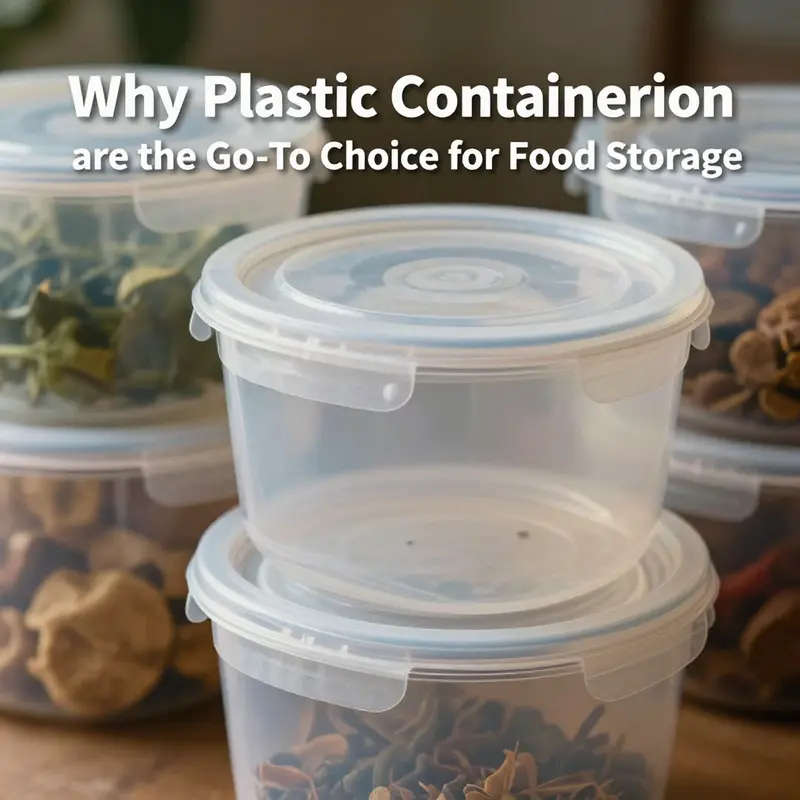
Plastic storage containers have become a backbone of modern kitchens due to practicality, durability, and affordability. They slide into the fridge, stack on shelves, and travel well. Their usefulness comes from a mix of physical properties, design flexibility, and cost dynamics that align with how households manage food over days and weeks. In this sense, plastic doesn’t merely store food; it shapes habits around freshness, portion control, and meal planning.
A core advantage is their light weight paired with durability. Plastic is less prone to breakage than glass, which matters for lunch bags and busy households. This resilience translates into fewer spills and easier handling, especially when children are involved. Lightweight also means less fatigue when moving containers from fridge to microwave and stacking units in a crowded cabinet. Beyond everyday use, the durability of food-grade plastics supports repeated cycles of use, washing, and refilling without the fragility of glass or ceramics.
Closely tied to weight is the extraordinary versatility of plastic in design. Manufacturers can tailor containers to what families need: slim, stackable boxes for fridge organization; leak-resistant, travel-ready units for school lunches; multi-compartment boxes for meal prep. A translucent option allows quick content identification, saving time during rushed mornings. Colors, shapes, and lid configurations can be engineered to fit specific food types or portion sizes, turning a generic storage box into a practical tool for keeping leftovers safe.
Another decisive factor is the barrier performance of modern plastic materials. Food-grade polymers, especially polypropylene, offer meaningful protection against moisture loss, air exposure, and contamination. This barrier helps preserve the texture and flavor of perishable items, while slowing spoilage. When a container seals well, it minimizes the exchange of gases and moisture between the food and its surroundings. The result is a modest extension of shelf life and a reduction in waste, which matters in households striving to balance freshness with economical shopping.
The sealing system itself is a focal point of plastic’s appeal. Snap-on lids, silicone gaskets, and even vacuum-seal mechanisms give users a dependable line of defense against leaks and odors. A well-sealed container keeps air out, which is especially valuable for aromatic ingredients or sauce-based dishes. It also prevents moisture from escaping, preserving the moisture balance inside the container and maintaining the desired mouthfeel of the stored item. When leftovers sit in the fridge, such seals become a practical safeguard against cross-contamination and accidental spills as shelves are accessed throughout the day.
Heating and storage convenience is another thread running through the plastic story. Many containers are microwave-safe, freezer-safe, and dishwasher-safe, sometimes within the same line. This compatibility simplifies daily routines. A user can reheat leftovers directly in the container, thaw frozen portions, and then place the same vessel into the dishwasher after a meal. This flexibility reduces dishwashing time and minimizes the number of different dishware items needed in a busy kitchen. For families juggling school and work schedules, the ability to go from cold storage to reheating to cleaning with a single container can feel almost seamless.
From a broader perspective, the economic logic behind plastic storage is compelling. Plastic manufacturing has achieved remarkable economies of scale, enabling mass production at relatively low unit costs. This translates to affordable, widely available options for households and businesses alike. The affordability is not merely about the purchase price; it also reflects the long-lived utility of the containers. A durable, reusable plastic box can outlast many disposable variants, making it a favorable choice for households that aim to optimize budget and space. In addition, the ability to produce large quantities in a standard format fosters consistent, predictable performance across households, schools, and workplaces that rely on standardized storage solutions.
Plastic storage also intersects with modern food-management practices that emphasize waste reduction and portion control. The ability to create compact, compartmentalized units helps people portion meals ahead of time, aligning with planned shopping lists and reducing the likelihood of over-preparation or spoilage. Transparent designs let consumers monitor contents at a glance, which supports mindful consumption. When leftovers are clearly visible, the choice to repurpose them becomes easier, contributing to lower discard rates and a more efficient use of ingredients.
Yet this abundant practicality sits alongside legitimate cautions. High-temperature liquids or highly acidic or fatty foods can interact with certain plastics, potentially altering the material or affecting perceived safety. In such cases, many households opt for glass or ceramic alternatives, especially for long-term storage or reheating that demands stability under heat. The discussion about plastic storage balances convenience with safe usage guidelines; the key is informed use: select materials and lids appropriate to the food’s temperature, pH, and fat content, and follow established guidelines for heat, time, and reuse. This balanced approach helps explain why plastic remains a dominant choice while acknowledging the ongoing conversation about safety and material science.
In thinking about everyday practicality, it is also helpful to consider the broader ecosystem of packaging and consumer behavior. The wide availability of plastic storage solutions supports efficient organization in home pantries and refrigerators. It enables households to segment ingredients, plan meals, and maintain a sense of order even when schedules are tight. The potential for stackable, modular designs makes it easier to maximize cold storage capacity, a feature that becomes particularly valuable in smaller living spaces where every inch of shelf space counts. When a kitchen is organized around a few well-chosen containers, meals become more predictable and less prone to spoilage before they can be enjoyed.
This is where a simple, everyday item can illustrate plastic’s functional breadth. It represents how a fundamentally ordinary object can embody the same principles that apply to more substantial food-storage solutions: a focus on portability, quick visibility, and dependable performance in a variety of contexts. It also highlights that the conversation about plastics stretches beyond single-use notions to a broader ecosystem of durable, reusable storage options that help people manage food with fewer losses and less waste.
As with any material choice, informed use remains central. The modern storage landscape includes plastics engineered to be microwave-safe, freezer-safe, and dishwasher-safe, alongside glass and metal alternatives that may excel in certain contexts. For many households, the decision is not about choosing one material over all others but about selecting the right container for the right situation. A light lunch stored in a leak-proof plastic container can travel to work, be reheated safely, and then be cleanly washed in a dishwasher. A batch of chopped vegetables stored in a vented plastic box can keep their crispness longer in the fridge, maintaining freshness without wholesale restructuring of the kitchen. In these everyday acts, plastic storage demonstrates how materials science translates into daily practice, how the properties of a polymer translate into tangible benefits in the kitchen.
For readers seeking authoritative guidance on food safety and container materials, consulting official sources helps. One reliable reference is FDA guidance on food-contact materials, which outlines how different materials interact with foods and how to minimize risk during storage and heating. This broader regulatory context complements the practical insights discussed here, ensuring that the everyday choices people make about containers align with safety standards as science and policy evolve. See the FDA guidelines for food-contact materials for a foundation in these rules and recommendations.
Final thoughts
In conclusion, plastic containers stand out as the preferred solution for food storage in the beverage and food service industries. Their lightweight, cost-effective, versatile, and convenient nature proves indispensable for effective food handling. Moreover, their ability to maintain food freshness through proper sealing mechanisms enhances food safety and efficiency. By understanding these advantages, bubble tea shops, restaurants, food trucks, and catering services can make informed decisions that elevate their storage solutions. Embrace the benefits of plastic containers for your business and enjoy an organized, cost-effective approach to food storage.