
Food safety is a crucial concern for businesses in the beverage and food service industry, especially when it comes to the materials used for storage. Plastic containers are ubiquitous, but their safety can vary widely based on several factors. Understanding potential health risks such as chemical leaching, plastic degradation, and the types of plastics commonly in use is essential for ensuring the well-being of your customers and the integrity of your products. This article will examine these critical topics in detail, helping you make informed decisions about food storage materials for your establishment.
When Plastics Bleed into Food: Understanding Chemical Leaching and Safer Storage Choices
Chemical leaching and what it means for your kitchen
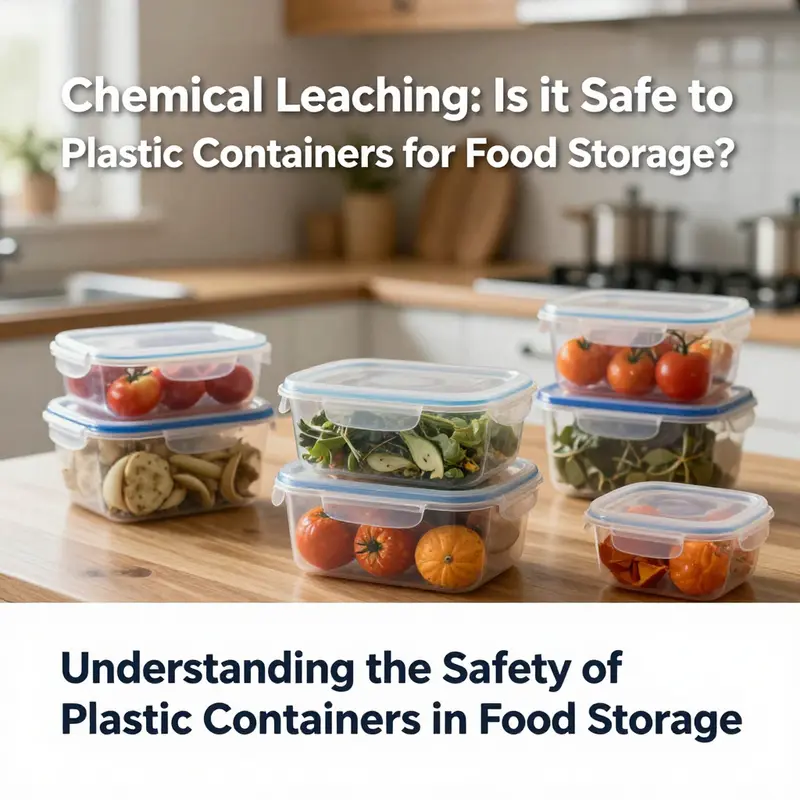
Using plastic containers for food storage is not a binary safe-or-unsafe decision. Safety depends on the material, how you use it, and its condition over time. The central risk stems from chemical leaching—the process by which additives and breakdown products migrate from plastic into food. These substances range from well-known compounds such as bisphenols and phthalates to less visible hazards like microplastic particles. That migration increases under specific conditions, and the consequences are both immediate and cumulative. This chapter explains the mechanisms, the factors that accelerate leaching, who is most at risk, and practical steps to reduce exposure while keeping the convenience plastics offer.
At the molecular level, many plastics are made of long-chain polymers combined with additives. Additives improve flexibility, clarity, heat resistance, or color. They are not chemically bound to the polymer matrix. Over time and under stress, they can diffuse out of the plastic and into nearby foods. The most discussed chemicals are bisphenols, historically BPA, and its replacements such as BPS and BPF. Despite marketing claims of BPA-free, substitutes often share structural similarities to BPA and may also interact with hormone systems. Phthalates, used to soften plastics, are another frequent migrant. They are associated with reproductive and metabolic concerns. The complexity grows when plastics physically break down, releasing tiny particles. These microplastics can carry sorbed chemicals and may themselves persist in the body and environment.
Temperature plays a decisive role in leaching. Heat increases molecular movement and accelerates diffusion. When hot food is placed in a plastic container, or when you microwave food inside a plastic vessel, the plastic surface becomes more mobile. Even containers labeled as microwave-safe can release chemicals without deforming. Microwave-safe usually means the container can withstand the heat without melting. It does not guarantee absence of chemical migration. Equally important, acidic foods such as tomato-based sauces and citrus, and fatty foods like oils and cheeses, enhance the transfer of lipophilic chemicals from plastic into food. Acidic conditions can break chemical bonds or change surface interactions. Fat-soluble additives prefer fatty matrices. Thus, reheating a spaghetti sauce in a plastic dish is a higher-risk scenario than storing plain water.
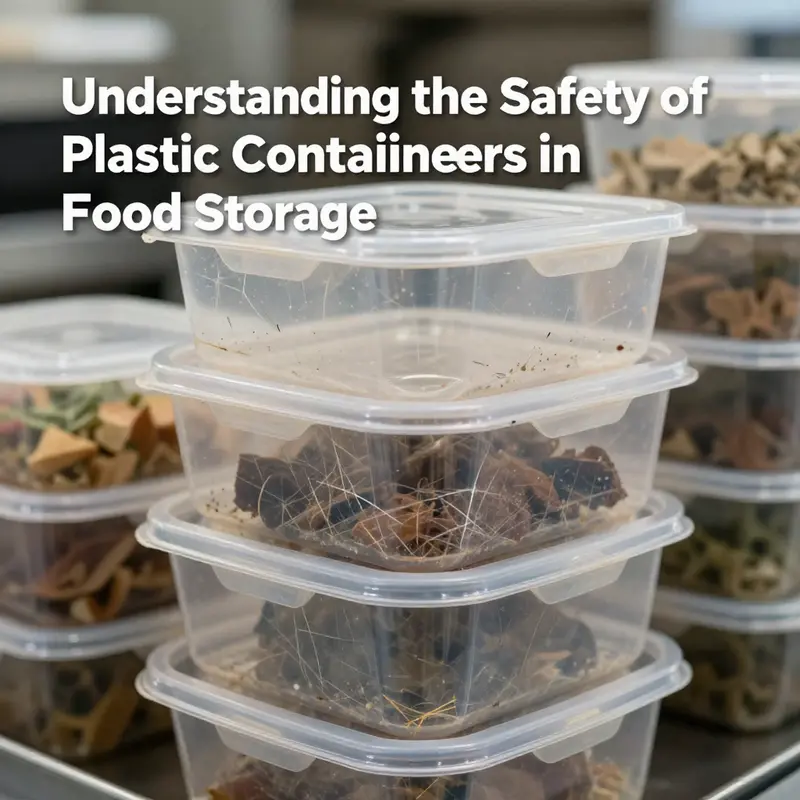
Repeated use and mechanical wear create another pathway. Scratches, clouding, and cracks increase surface area and create sites where additives can escape more easily. Harsh detergents, high dishwasher temperatures, and abrasive scrubbing all accelerate surface degradation. A container that looks dull, etched, or stained is not only harder to sanitize but also more likely to leach chemicals. For single-use items or thin, flimsy plastics, reusing them compounds the risk. Those items are not engineered for repeated thermal cycles or cleaning, and their additives may be more mobile from the start.
The science reveals real, measurable transfer. Studies have detected bisphenols and phthalates in foods heated in plastics even when labels claim microwave safety. A 2022 study identified microplastic particles in food exposed to heat in plastic containers. The presence of microplastics suggests that both additive migration and physical particle shedding occur during common kitchen routines. Regulatory agencies evaluate the safety of additives at specific exposure levels. Those assessments inform permitted uses and migration limits. However, independent research often finds detectable residues under realistic use scenarios, and uncertainty remains about long-term low-dose impacts, especially for sensitive populations.
Vulnerable groups deserve special consideration. Fetuses, infants, and young children are more sensitive to endocrine-disrupting chemicals. Exposures during developmental windows can have outsized effects. Pregnant and breastfeeding people should minimize avoidable exposure to endocrine-active substances. People with chronic health conditions may benefit from conservative choices. While occasional exposure is unlikely to cause acute harm, habitual exposure over years is a different matter. The precautionary approach aims to reduce cumulative load, particularly for those at higher risk.
Not all plastics behave the same. Consumer-facing codes and labels provide clues, but they can mislead if misinterpreted. Plastics labeled with recycling codes like 1 (PET), 2 (HDPE), 4 (LDPE), and 5 (PP) are commonly used for food contact. Polyethylene and polypropylene are generally considered more stable and less prone to leaching under normal conditions. By contrast, polycarbonate—once a common hard plastic—was a significant source of BPA exposure. Many manufacturers moved away from BPA, replacing it with BPS or BPF. These replacements may reduce a specific risk but not eliminate the broader concern. Clear plastic, flexible films, or items labeled single-use are less suitable for repeated food storage.
Labels such as “BPA-free”, “food-grade”, or “microwave-safe” require context. “BPA-free” only addresses one specific chemical. It does not imply absence of other bisphenols, phthalates, or proprietary additives. “Food-grade” indicates the material meets regulatory criteria for food contact under defined conditions. Those conditions may exclude high heat or prolonged storage. “Microwave-safe” focuses on structural integrity under microwave conditions. It does not guarantee zero migration. A practical rule is to combine label reading with sensible usage: avoid high heat, acidic, and fatty foods in plastics whenever possible.
Alternatives change the risk equation. Glass is inert, nonporous, and stable across temperatures. It does not leach additives and resists staining and odor absorption. Borosilicate glass and tempered glass tolerate thermal stress, including reheating and freezing. Stainless steel offers durability and chemical inertness for many food types, especially dry goods, cold foods, and beverages. Ceramic, properly glazed and lead-free, can be a good choice for storage and reheating. Aluminum works well for many uses but requires liners with acidic foods to avoid metal transfer. When choosing alternatives, consider durability, ease of cleaning, and practical suitability for the food you store.
Switching materials need not sacrifice convenience. Glass containers with tight-fitting lids now come in many sizes and shapes. Stainless steel lunchboxes and insulated containers are widely available. If you still use plastic, prioritize thicker, food-grade containers marked with a safe resin code and designed for reuse. Reserve single-use plastics for their intended one-time purpose and recycle them when possible. For takeout and delivery, prefer paper-based or compostable packaging when available. One practical option is to explore eco-conscious takeout solutions that combine food safety and reduced plastic exposure; these include sturdy, grease-resistant paper containers designed for reheating. For example, consider eco-friendly takeout boxes for food packaging as a lower-plastic alternative in many situations.
Mitigation in the kitchen also relies on habits. Never put boiling or very hot food directly into plastic containers. Let foods cool to warm or room temperature before transferring them. Avoid microwaving food in plastic whenever possible. If microwaving in plastic is unavoidable, transfer food to a microwave-safe glass or ceramic dish first. Do not use plastic wrap directly on hot foods. When storing acidic or oily dishes, choose glass or stainless steel. Replace plastic containers at the first sign of wear, including clouding, brittleness, or persistent stains.
Cleaning practices matter. Hand wash plastic containers on gentle cycles with mild detergent. Avoid scouring pads and strong bleach solutions that can degrade the surface. If you must use a dishwasher, check the manufacturer’s guidance and place plasticware on the top rack to reduce direct heat exposure. Even then, repeated dishwashing will gradually accelerate aging. For long-term storage of foods and baby items, favor materials that withstand high-temperature sterilization without degradation.
Consider food-specific strategies. For short-term leftovers for immediate consumption, plastic may be convenient. For long-term storage or for foods intended to be reheated, glass or metal is a safer choice. For transport, insulated stainless containers keep hot foods hot and avoid plastic contact. For packing lunches with sauces or dressings, use separate small sealed glass or safe plastic containers designed for condiments, and line them with paper if needed. For infants and toddlers, prioritize glass or BPA-free bottles designed to rigorous standards and avoid plastic toys that contact the mouth during mealtimes.
Disposal and recycling are part of the lifecycle conversation. Many plastics are recyclable, but recycling does not remove additives nor reverse degradation. Recycled plastics may contain residual contaminants and are not appropriate for all food-contact applications. When discarding plastics, follow local recycling guidelines. If a container is compromised, discard it rather than attempting to repurpose it for food. Single-use plastics used for food are better directed to recycling streams or waste management systems rather than continued reuse.
Regulation provides a baseline, not absolute safety. Agencies assess additives and set migration limits. Those limits assume typical use patterns and safety margins. Yet independent studies often use real-world scenarios and detect migration levels that raise questions. Regulatory frameworks evolve as new evidence emerges, but they do not always account for combined exposures from multiple sources or low-dose endocrine effects. That uncertainty informs a precautionary approach: reduce unnecessary exposure where practical.
Testing at home is limited, but some behaviors indicate rising risk. If a plastic container heats unevenly in the microwave, warps, or emits a noticeable smell when heated, stop using it for food. Persistent stains that fail to come out with normal cleaning suggest surface porosity. Containers that have endured many wash cycles and show visible wear should be recycled. When buying, choose containers with clear, reputable labeling about intended use and temperature limits. If a product lacks clear guidance, assume conservative use only.
Balancing convenience and safety is personal. For many households, a combination of materials and practices reduces risk without making life harder. Keep a set of glass storage containers for reheating and long-term storing. Use stainless steel for lunches and beverages. Reserve a small group of robust plastic containers for dry goods and cold storage. Refrain from heating or storing fatty and acidic foods in plastic. These steps reduce the most significant drivers of chemical migration while preserving some of plastic’s advantages.
The scientific narrative continues to change. New studies expand understanding of the types and amounts of chemicals that migrate, and about microplastic behavior in food matrices. While agencies offer guidance, independent research sometimes uncovers findings that prompt reevaluation. Until consensus clarifies uncertain hazards, prioritizing inert materials for heat and long-term storage minimizes avoidable exposure. This approach is especially prudent for pregnant people, infants, and frequent users of plastic containers.
Finally, practical incremental changes yield meaningful reductions in exposure. Replace worn plastic containers when convenient. Cool foods before storing. Use glass for reheating. Choose stainless steel for carry-out meals and hot beverages. Where paper-based, grease-resistant packaging serves, prefer it over plastic for takeout. Small shifts add up; combined, they shrink the cumulative intake of additives and particles that can migrate from plastics into food.
For readers who want to examine the science themselves, a 2022 study documented measurable microplastic release from plastic food containers after repeated use and heating. That research highlights both particle shedding and additive transfer during routine kitchen practices. The study is accessible here: https://pubs.acs.org/doi/10.1021/acs.est.1c05874
By recognizing the conditions that promote chemical migration, selecting safer materials, and adopting targeted habits, you can keep plastic where it benefits you and minimize its risks. The goal is not to eliminate every exposure, which is impossible, but to make thoughtful choices that protect health while preserving practical storage solutions.
The Quiet Decay of Everyday Storage: Plastic Degradation and the Safety of Food Containers
When people think about food safety, they often imagine a strict kitchen routine: washing hands, cooking thoroughly, and keeping hot foods hot and cold foods cold. Yet beneath these daily rituals lies a slower, subtler process that quietly redefines what we are actually storing in our kitchens. Plastic containers, popular for their convenience and portability, are more than inert shelves for our meals. They are active participants in a chemistry of degradation that can alter not only the containers themselves but also the foods they cradle. The story begins with plastic, a family of polymers crafted to be lightweight, sturdy, and adaptable. But durability is a double-edged sword. As the material ages, and as conditions shift—from sunlight to heat, from mild dishwashing to aggressive cleansers—the very backbone of the plastic begins to break down. The result is not simply a scratched or cloudy surface; it is a cascade of molecular events that can change the safety profile of stored food in ways that are easy to overlook, yet important to understand for anyone who uses plastic containers on a regular basis. To appreciate what is happening, it helps to follow the pathways of degradation, the routes of chemical migration into food, and the practical choices that can reduce risk while preserving the benefits that plastic storage can offer when used wisely.
Degradation in plastic containers emerges from several intertwined mechanisms. Photo-oxidative degradation is driven by exposure to light, especially ultraviolet rays from the sun or from indoor lighting. This exposure can trigger a chain reaction that weakens polymer chains, creating shorter fragments and additional low-molecular-weight species. Thermal degradation follows heat, a common condition when leftovers are reheated or when containers are placed in microwaves or dishwashers that run at high temperatures. The warmth accelerates chemical reactions within the polymer matrix, loosening bonds and releasing additives into the surrounding environment. Hydrolytic degradation, the less dramatic cousin, unfolds when water interacts with the plastic over time, potentially reshaping the material’s surface and opening micro-scale pores that were not there before. Each pathway—photo-oxidative, thermal, and hydrolytic—contributes to a broader process by which plastics lose integrity and release substances that were initially locked in the polymer.
The consequence of these degradative processes is more than cosmetic. The polymer fragments, additives, and residual monomers can migrate from the container into the food it touches. The likelihood and magnitude of migration depend significantly on the type of plastic, the additives used, and the nature of the food. Fatty foods, such as oils, dairy, or sauces, and acidic foods, like tomato-based products or citrus juices, present particular concerns. They can interact with the plastic matrix more aggressively, dissolving and transporting compounds that would otherwise remain sequestered. This migration is not a single event but a dynamic equilibrium influenced by time, temperature, and the specific chemical milieu of the food. In practical terms, if a plastic container houses hot, fatty, or acidic foods, the chances that certain substances will move into the food increase. When such conditions persist—such as leaving leftovers at room temperature for extended periods or reheating in the same container—the potential for migration grows further.
Two metabolites of particular concern repeatedly surface in research and public discussions: phthalates and bisphenol A (BPA). Phthalates, used as plasticizers, can alter the flexibility and durability of plastics but have raised red flags because of their association with endocrine disruption. BPA, a stabilizer, has similarly been scrutinized for its hormone-like activity, with studies linking exposure to various health issues. The risk they pose is not uniform across all plastics or all uses. In high-heat scenarios, the structural integrity of the polymer is further compromised, and more BPA-like or phthalate-like compounds can migrate into food. The presence of these chemicals is not guaranteed in every plastic product, but the possibility exists—especially in containers not explicitly designed and labeled for repeated food contact or for high-temperature use. The 2026 commentary on ordinary plastic products that high temperatures can trigger the release of BPA and other toxins underscores a practical caution: heat multiplies risk.
Not all plastics are equal in this regard. The safety of a container cannot be judged by appearance or by a single label alone. Some containers are marketed as food-grade or crafted from materials like polyethylene (PE) or polypropylene (PP). While these materials tend to be safer than others for food contact, heat remains a critical variable. Even food-grade plastics can leak under certain conditions, particularly when used improperly or stored for long periods. The degradation story is not linear; it is a spectrum where wear amplifies the potential for chemical migration. Scratches, cloudiness, and structural compromise can become hotspots for both bacteria growth and chemical leaching. The moment a container shows wear—scuff marks, cracks, or chronic clouding—it is prudent to retire it from regular food use. This precaution aligns with broader food-safety prudence: when a container’s integrity is compromised, the risk calculus tips toward replacement.
The dimension of time adds another layer of complexity. Plastic is not a permanent solution for long-term storage. A container that begins its life with minimal risk can, after repeated use in a dishwasher or under harsh cleaners, accumulate micro-scratches and surface irregularities that become reservoirs for bacteria and sites of faster leaching. Microbes can settle in these micro-crevices and create a biofilm that protects them from cleaning agents; at the same time, the increased surface area can facilitate chemical migration from degraded plastic into the food. This is not merely about cleanliness. It is about the evolving interface where plastic meets food, and where chemistry and biology intersect in the kitchen. The take-home is simple: longevity in plastic storage comes at a price. When wear becomes evident, the safest course is to transition away from that container.
Material choice matters profoundly because the chemistry of the polymer itself determines how degradation unfolds. Common plastics such as polyethylene, polypropylene, polystyrene, and PET each carry different risks and different resilience to heat, light, and acids. PE and PP are frequently cited as among the safer options for food contact, yet even they are not risk-free in heated contexts. Polystyrene, especially when used for hot foods, can transfer styrene monomers, a concern for certain applications. PET has a strong reputation for beverage packaging, but when repurposed for other storage uses or subjected to high heat, questions about additives and migration can arise. The point is not to vilify plastics wholesale but to recognize that no single polymer exists as a universal guarantee of safety. The safe use of plastic for food storage depends on matching the material to its intended conditions of use and preserving its integrity through careful handling.
From a practical perspective, the overarching guidance is clear, even if not always easy to follow in busy lives. Do not heat plastic containers that are not explicitly labeled as safe for hot food. Do not store hot foods in containers designed for cold use. Avoid prolonged storage in plastic when possible, and minimize direct sunlight and long exposure to bright, UV-rich light. Harsh cleaning methods, especially aggressive dishwasher cycles and high-alkaline detergents, can accelerate the wear of plastic surfaces. When a container is scratched, cloudy, or cracked, replace it rather than continuing to store food in it. These steps may feel restrictive, but they respond to the core logic of degradation: once the protective barrier between the polymer and the food is compromised, the risk of migration and contamination rises.
The broader cultural and economic rationale for these cautions remains resonant. Plastic containers deliver obvious benefits: inexpensive, lightweight, and convenient. They enable portion control, support meal-prep routines, and reduce waste through reuse in many households when used within safe limits. Yet the degradation-driven safety concerns underscore a fundamental trade-off: convenience versus long-term safety. The choices we make about storage reflect our priorities—how much risk we are willing to accept today for the sake of ease tomorrow. In this calculus, informed use is a form of precaution. It involves recognizing when plastics serve as beneficial storage media and when they cross a threshold into potentially problematic territory. If you need a practical baseline, treat plastic as a short- to medium-term storage solution and consider more inert options for longer storage. When in doubt, favor substitutes that minimize chemical interaction with food.
To bridge the gap between practicality and safety, many households and institutions turn to alternatives that inherently resist leaching and chemical migration. Glass, with its inert, non-porous surface, offers stability across a wide range of temperatures and foods. It resists chemical interaction and is easy to clean in standard home environments. Stainless steel containers provide durability and excellent performance for dry goods and cold items, combining robustness with a non-reactive interior. Ceramic and metal options, or specialty variants designed to maintain stable temperatures, can be particularly advantageous for perishable items like dairy. These choices align with a precautionary approach: replacing worn plastic with materials known for their chemical inertness reduces exposure to potentially harmful compounds. They are not merely substitutes but strategic upgrades in the toolkit for safe food storage.
The broader narrative around plastic degradation and food safety is also part of an ongoing conversation in materials science and consumer health. Researchers are actively exploring more stable and safer packaging materials, with attention to reducing environmental impact while safeguarding safety in the kitchen. This dual focus—protecting human health and minimizing ecological footprints—drives the development of alternatives that aim to combine convenience with chemical stability. It is a reminder that the story of our food storage choices transcends one container or one meal. It touches on the long-term health of households, communities, and ecosystems, shaping a culture of storage that respects both the immediate needs of daily life and the distant consequences of everyday materials.
In closing, the degradation of plastics used for food storage is a layered phenomenon. It is as much about surface wear and heat as it is about the invisible migration of compounds that may interact with our biology. It is about how long we hold onto containers, how we clean them, and how we select foods for storage. The science is clear enough to guide behavior: avoid heating plastic not labeled for hot use, minimize prolonged or repeated storage of food in plastic, and retire worn containers rather than pressing them into continued service. For many people, that means creating a storage regime that uses plastic with discernment, respects the limits of its safety window, and shifts toward glass or stainless steel for the most sensitive applications. And for those who still value the everyday convenience of plastic, the mindful practice is to recognize the conditions under which it remains a viable option and to adhere to those conditions strictly. In that disciplined approach lies the balance between practicality and health, between the quick grab from the fridge and the slower, safer choices that keep our meals as wholesome as possible.
For readers seeking a concise historical and mechanistic synthesis of these degradation pathways and their food-related implications, the topic is far from settled. Ongoing investigations continue to refine our understanding of how various additives interact with different polymers under real-world conditions. The research is evolving, and so too should our everyday practices, as new findings translate into clearer guidance for households and institutions alike. In the meantime, the core message is actionable and durable: treat plastic containers as a tool with limits; respect those limits by avoiding heat and long storage, by inspecting containers for wear, and by choosing safer materials when the storage horizon extends beyond a few days or involves high-risk foods. The aim is straightforward—keep your food safe, reduce exposure to potentially harmful chemicals, and preserve the integrity of the containers that hold our meals. If you are considering packaging choices that emphasize safety and sustainability, explore options described as eco-friendly takeout boxes for food packaging, which reflect a growing emphasis on safer, more stable materials and designs. eco-friendly takeout boxes for food packaging.
Finally, for a deeper scientific dive into the mechanisms summarized here and their implications for food safety, see the external scholarly resource that synthesizes degradation pathways and their health relevance. This work contextualizes the migration phenomena in a broader framework and offers a rigorous grounding for policymakers, manufacturers, and informed consumers alike. External resource: https://www.sciencedirect.com/science/article/pii/S0141391023005786
From PET to PP: Decoding Plastic Safety for Food Storage
Everyday kitchens hinge on a simple question: which container should cradle tomorrow’s meal? Plastic boxes, with their light weight, convenience, and endlessly varied shapes, have become a default for many households. Yet safety is never far from the surface. The truth is nuanced. The safety of plastic containers for food storage depends on the type of plastic, how it is used, and how it wears over time. The chemistry behind the plastic matters, but so do our habits—the heat we introduce, the foods we store, and the care we give or neglect. This is not merely a catalog of plastics and their bottom codes. It is a story of how small decisions interact with material science to influence health in everyday life, week after week, year after year.
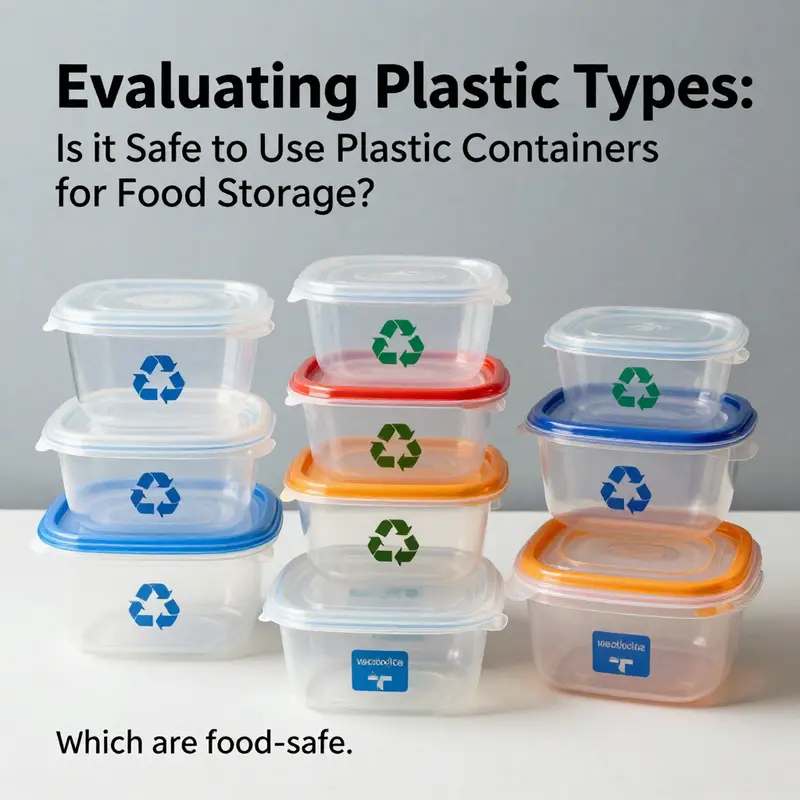
Plastic containers used for food contact are typically associated with resin identification codes that range from 1 to 7. These codes are intended to help identify the material at a glance, but they are not a simple guarantee of safety. The common codes guide us toward a practical understanding of what is most appropriate for a particular use. PET, or #1, is widely seen in disposable bottles and some single-use containers. It is generally considered suitable for short-term contact with cold or room-temperature foods, but it is not the best candidate for repeated use or heating. HDPE, or #2, earns its reputation for chemical stability and resistance to many cleaners, which makes it a safer choice for food storage in many households. LDPE, or #4, shares these stabilizing properties and is widely used in flexible bags and some soft-wabric containers. PP, or #5, is the workhorse of microwave-safe and reusable storage due to its higher heat resistance and durability. Taken together, these plastics often provide the best balance of safety, practicality, and affordability for day-to-day storage in the home.
Yet the landscape of safety grows more complex as soon as we consider other plastics that might appear in our kitchens. Polycarbonate, labeled as #6 in many systems, has drawn attention because it may contain bisphenol A (BPA). BPA is controversial because it can act as an endocrine disruptor, potentially interfering with hormonal signaling in the body. While many manufacturers have shifted away from BPA or label their products as BPA-free, the presence or absence of the chemical is not the only factor to consider. The same caution applies to Styrene-based plastics, often grouped under the broader umbrella of #6 in consumer-facing materials. These materials can raise concerns about leaching, especially when the plastic is subjected to heat or stressed over time. PVC, coded as #3, is another material of concern because certain additives can migrate into food, particularly when exposed to heat or acidic contents. The message here is not to instill alarm, but to acknowledge that not all plastics are equal, and not all leaching is the same in degree or consequence.
There is a simple, practical pattern that emerges from this complexity: heat accelerates the movement of substances between plastic and food, and wear accelerates heat’s effects. High temperatures are among the strongest drivers of leaching. When hot foods, oils, or acidic foods are placed into plastic containers, the barrier between the food and the plastic becomes more permeable. In other words, the more intense the heat and the more aggressive the contents, the greater the potential for substances from the container to migrate into the food. The problem is not limited to microwaving. Even conventional heating in a conventional oven, a stovetop interface, or a hot dishwasher cycle can influence how the plastic ages and interacts with its contents. This is why many food-safety guides recommend avoiding heating foods in containers that aren’t explicitly labeled as microwave-safe, and why it is often advised to transfer hot meals to glass or ceramic ware when possible.
Another dimension is the wear and tear that comes with repeated use. Plastic can become scratched, cloudy, or cracked with dishwasher detergents, harsh cleansers, or frequent use. Those micro-scratches aren’t merely cosmetic; they increase surface area and create niches where bacteria can hide. They also become channels for more contact between food and material, potentially elevating the risk of chemical leaching. When a container shows visible wear—cloudiness, scratches, cracks, or a rough feel—it should be retired. Safe storage is not a static standard; it is a practice guided by the container’s condition as much as by its material identity.
Not all plastics are created equal, and not all uses are appropriate for plastic storage. For long-term storage, particularly of hot foods or acidic contents, better options exist. Glass containers resist leaching and are inert to most foods, making them a durable choice for hot or cold storage. Stainless steel offers remarkable durability and withstood conditions that would challenge plastic; it is particularly well suited for dry goods, as well as many cold items. Ceramic or aluminum alternatives bring stability and insulation in ways that many households find useful for perishable items. The core message is simple: when safety is the aim, material choice should be guided by the nature of the food, the anticipated storage conditions, and the durability required for the household’s routine.
However, the practical demand for convenience cannot be ignored. Plastic remains deeply embedded in everyday life because it is lightweight, affordable, and designed to be shaped into a multitude of forms. The key to safe use begins with discernment about the type of plastic and an honest assessment of the container’s age and condition. If a container is labeled BPA-free and is made from HDPE, LDPE, or PP, it can be a reasonable option for cold or room-temperature storage and for short-term use. But if the container is scratched, discolored, or warped, or if it has a history of being heated in a microwave, the risk profile shifts and warrants caution. Additionally, the distinction between single-use and reusable plastics matters. Many takeout containers and consumer packaging are designed for one-time use; attempting to reuse them over and over can introduce both safety and hygiene concerns that outweigh the initial convenience.
The broader regulatory and societal context also nudges the conversation forward. Regulatory bodies and policy makers have begun to treat plastic use in food contact as a public-health issue requiring careful management, especially for items that are single-use or that frequently end up in heat-rich or acidic environments. A recent regulatory development in a major Asian economy illustrates this trend: a public consultation on a scheme aimed at regulating disposable plastic tableware signals a policy shift toward reducing plastic exposure at the source and encouraging safer design and disposal practices. This reflects a growing consensus that while plastics can play a role in modern life, minimizing unnecessary exposure and ensuring safer designs are essential for long-term health outcomes. This broader perspective matters because it frames plastic use not as a fixed, individual choice but as part of a system that includes product design, manufacturing practices, consumer habits, and waste management.
Within this evolving landscape, there is also a movement toward responsible material design that aligns with environmental concerns. Innovations in materials science point to a path where the same plastics that enable convenience can be redesigned to facilitate safer use, easier recycling, and longer lifespans. For instance, some durable, reusable packaging solutions now emphasize end-of-life management as a core feature, acknowledging that the best way to reduce risk is to design systems that minimize waste and maximize safety over time. This shift is not about abandoning plastic altogether but about reimagining how plastics are used, reused, and ultimately recycled.
From a consumer perspective, practical steps can reduce risk without requiring a major lifestyle overhaul. First, avoid heating foods in plastic unless the container is clearly labeled as microwave-safe. Second, refrigerate or freeze foods promptly and store them in containers that are intended for long-term use, choosing glass or stainless steel when feasible. Third, replace any container that shows wear, including scratches, cracks, or cloudiness, as such signs indicate that the protective barrier may be compromised. Fourth, be mindful of the contents being stored. Highly acidic foods like tomato sauces or citrus-based products, as well as fatty substances like oils, can elevate the chance of leaching from some plastics, especially when combined with heat. Fifth, prioritize containers that are clearly labeled as food-grade and that conform to recognized safety standards. These steps are practical, accessible, and aligned with best practices for reducing exposure while preserving the convenience that plastic storage offers.
For those who value options that combine safety with sustainability, there are examples of safer packaging ecosystems that demonstrate how durability, safety, and environmental responsibility can be pursued together. A catalog of eco-friendly takeout boxes, designed for reuse and safe handling, offers a window into how packaging designers are reconciling consumer needs with safety imperatives. Such options illustrate that the move toward safer, more responsible containers does not require abandoning plastic entirely; instead, it invites smarter choices and smarter disposal. If you’re curious about safer, reusable packaging options, the catalog of eco-friendly takeout boxes demonstrates how designers aim to reduce waste while maintaining safety. eco-friendly takeout boxes for food packaging. This kind of resource signals a broader, emerging awareness: safety and sustainability can coexist when choices are informed and guided by robust design, clear labeling, and responsible end-of-life planning.
As we weigh the present against the future, the health implications of plastic storage come into clearer focus. The central questions are practical: Is the container appropriate for the food and the expected storage conditions? Is it in good condition, free of cracks or clouding? Is it used in a way that respects its design, particularly when heat is involved? And perhaps most importantly, is the consumer willing to replace aging or damaged containers rather than continuing to reuse them beyond their safe life? The answer for most households lies in adopting a flexible but disciplined approach: favor materials known for chemical stability when heat is involved, retire worn containers promptly, and reserve plastic storage for situations that align with the material’s intended use. When in doubt, lean toward glass or stainless steel for long-term storage, especially for hot or fatty foods, or for items that will be reheated. The aim is clear: minimize risk while maintaining the practical benefits that plastic storage can offer.
In contemplating policy, consumer behavior, and personal health, the movement toward safer storage is not a single leap but a sequence of informed decisions. It is a journey from the raw formulation of plastics through the realities of daily use to the broader questions of waste and regulatory oversight. The recent regulatory conversations highlight a shared recognition: to protect health, it is essential to understand the materials in contact with our food, to enforce labeling that truly reflects safety, and to design products that support safe use and responsible end-of-life management. The path forward will likely include continued emphasis on identifying safer resin families, chasing better labeling for heat exposure, and expanding education about the consequences of heat, acidity, and wear on plastic containers. It will also require a collective commitment to reducing reliance on single-use plastics when they do not align with long-term safety and environmental goals.
In closing, the everyday choice of a container for food storage sits at the intersection of science, habit, and responsibility. It is a choice that should be guided by the material’s identity, the conditions of use, and the state of the container over time. The simplest prudence is to treat plastic as a versatile tool that demands respect: do not heat unless the label permits, do not store hot foods in containers that are not designed for such use, and replace worn or scratched items without delay. When possible, embrace alternatives that offer inertness and durability, such as glass or stainless steel, while remaining mindful of environmental and practical considerations. By combining informed material choices with careful use and transparent labeling, households can enjoy the benefits of plastic storage without compromising safety.
External resource:
For additional regulatory context and up-to-date considerations on safety and policy, see the official regulatory discussion from the Hong Kong Environment Bureau: Hong Kong Environment Bureau consultation
Final thoughts
The safety of plastic containers for food storage is a complex topic requiring careful consideration of multiple factors. From chemical leaching to the degradation of materials over time, understanding how these aspects impact food safety is essential for maintaining high standards in your beverage or food service operation. As we’ve explored, opting for alternatives like glass or stainless steel can enhance safety and reliability. Ultimately, your commitment to providing the safest products will resonate with customers and maintain their trust.