

In Valdivia, Chile, the demand for quality plastic containers for food storage has resulted in a thriving market that caters specifically to various industries including bubble tea shops, restaurants, food trucks, and event planning services. This guide explores crucial insights, including market availability, types of containers, safety standards, economic impacts, and consumer preferences. Each chapter provides valuable information that contributes to understanding the full spectrum of plastic food container options in Valdivia, ensuring that businesses can make informed choices that suit their needs and maintain high standards of quality.
Plastic Food Containers in Valdivia: Everyday Use, Safety, and Market Dynamics
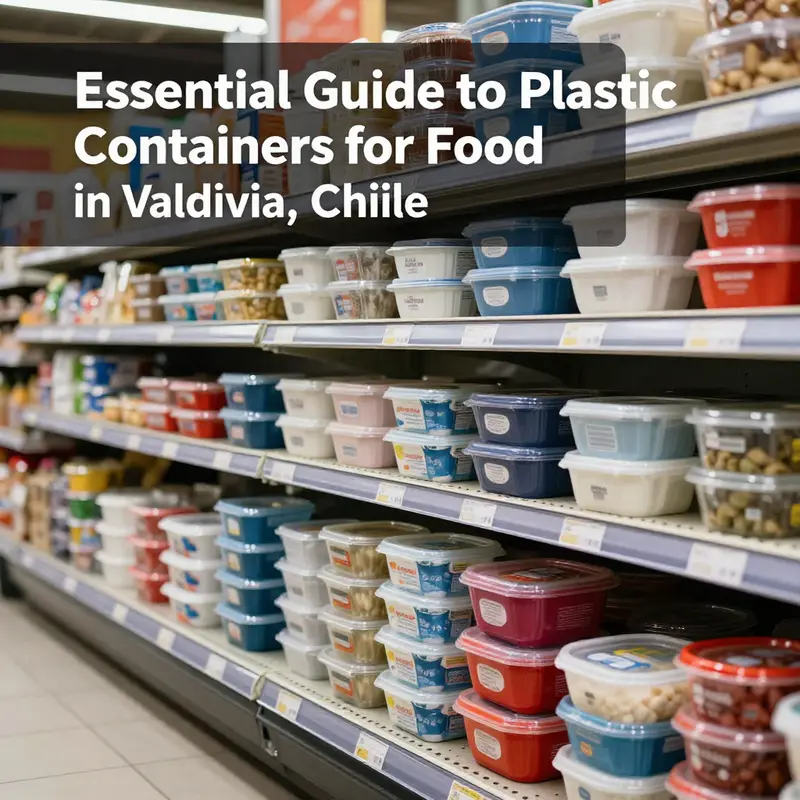
Valdivia, a city where rivers meet the sea, relies on plastic food containers as everyday tools. From leftovers to school lunches, these lightweight vessels help households organize, preserve, and move meals with ease. The local retail ecosystem—from national chains to neighborhood shops and online catalogs—offers a wide range of options, including simple translucent boxes, modular sets, and airtight containers designed to keep foods fresh in a damp climate. In Valdivia, containers are part of the culinary infrastructure that supports homes and the city’s food-service sector. Major retailers such as Falabella, Jumbo, Lider, and Exito maintain shelf space that makes durable, reusable containers accessible to students, workers, and families. The market also invites experimentation: a budget set can test basic durability, while sturdier designs promise years of service. In a humid, temperate climate, seal quality and ease of cleaning become practical priorities, as do clear labeling and evidence of safe materials. Chile’s broader plastics market, measured in hundreds of millions of tons with estimates around 1.3 million tonnes in 2024, provides context for Valdivia’s availability. While concerns about residual styrene and labeling exist, many containers marketed for food contact meet recognized standards such as NCh2679:2015, and consumers increasingly value leak-proof seals, heat tolerance, and sanitation. Ultimately, plastic containers help households reduce waste, plan meals, and maintain organized kitchens, while a growing hospitality sector expands demand for reliable storage options.
Valdivia’s Plastic Pantry: A Local Guide to Food-Storage Containers in a Southern Chilean City
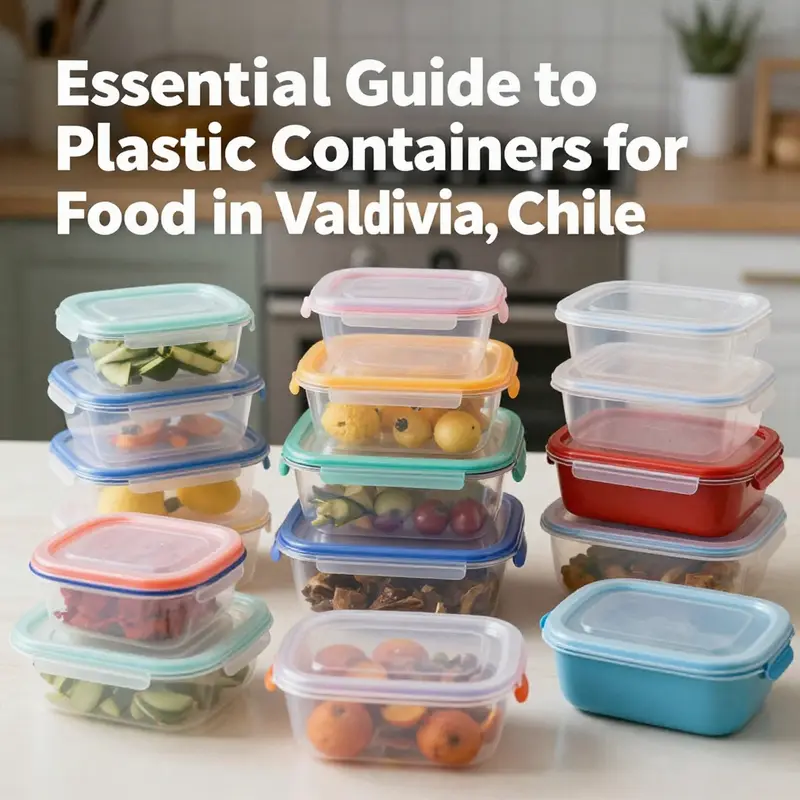
The rhythm of daily life in Valdivia shapes what people reach for when they store, protect, and transport food. The city’s damp climate and riverine landscape teach a practical lesson in keeping leftovers fresh and meals organized. In many homes and in the kitchens of temporary stays along the riverfront, plastic containers have become silent helpers—simple tools that enable families, students, and visitors to cook once and eat well over several days. The choices people make about these containers—how they store hot soup, how they freeze a week’s worth of lunches, or how they stack containers in a cramped cabinet—reveal a broader narrative about home life in a city that blends traditional routines with modern conveniences. In Valdivia, you’ll find a spectrum of plastic food containers that ranges from disposable takeout solutions to durable, reusable systems designed for long-term use. This spectrum is not just about price or style; it reflects how households adapt to rhythms of work, study, and hospitality in a place where meals are often prepared at home and shared with guests or neighbors. The accommodations that populate the city’s urban core—ranging from compact apartments to more spacious lodgings—frequently feature kitchens that encourage storage, meal preparation, and safe food handling. Such kitchens provide a practical foundation for understanding why certain container types are favored and how they fit into daily routines, whether you are a resident stocking a pantry or a traveler seeking to keep food fresh during a longer stay.
To navigate this landscape, it helps to imagine four broad kinds of plastic containers that commonly appear in Valdivia’s homes and eateries. Each type serves a distinct purpose, yet they often overlap in a single kitchen, where a stackable set might sit beside a single‑use takeaway box and a freezer‑safe tub in the same cabinet. The first category is the ubiquitous single‑use takeout container. In Valdivia’s dining scene, as in many cities, restaurants and food services rely on these lightweight packages to convey meals quickly and conveniently. Made primarily from polystyrene or polypropylene, they come in a variety of sizes and shapes, and their lids snap on to protect the contents during transport. They are practical for short-term storage and for sending meals home with guests or customers, but their suitability for repeated use is limited. For people who cook at home and want to preserve dishes, the disposable containers are a reminder that convenience today can translate into waste tomorrow if disposal practices aren’t mindful. Heating these boxes in a microwave is not always recommended, and the practice raises concerns about safety and the integrity of the plastic, so many households reserve them for short-term cooling and transport rather than for reheating or long‑term storage.
A second category centers on reusable storage containers. In Valdivia, households increasingly choose durable options designed for repeated use. These containers are typically made from high‑density polyethylene or polyethylene terephthalate and are designed to withstand daily handling, stacking, and dishwasher cycles. They tend to feature airtight lids that help preserve moisture and aroma while keeping out kitchen dust and pantry pests. For families with children, the robustness of HDPE or PET containers offers peace of mind—resistance to cracking, fading, and warping under regular use. Reusable containers are particularly valued by residents who plan weekly meals or who batch‑cook and portion out lunches for several days. They also align with the habit of buying in bulk and portioning, a common practice in kitchens that aim to minimize waste while staying within a busy schedule. In Valdivia, as in many modern homes, the presence of a well‑organized pantry with clear partitions and labeled containers is a practical expression of the city’s balanced approach to cooking: a preference for efficiency without sacrificing food quality or safety.
A third type that often earns a place in Valdivia’s kitchens is the stackable and compartmentalized container. These are favored by those who value organization and portion control. The compartments help separate different ingredients—think a pre‑measured lunch with rice in one chamber and vegetables in another—without requiring separate bowls or bags. In apartments that emphasize compact storage, a stackable solution can multiply usable space, letting families or roommates keep their meals neatly arranged in a single footprint. The design also tends to simplify cleaning and drying, a welcome feature in a city where damp weather can influence kitchen hygiene. The stackable variety is a practical bridge between the “cook once, eat all week” mentality and the realities of shared living spaces, where space is at a premium but the desire for fresh, appetizing meals remains strong.
The fourth category consists of freezer‑safe and microwave‑safe containers, available in both single‑use and reusable forms. These containers are essential for households that prepare meals ahead of time, preserve seasonal seafood or produce, or simply stash pre‑priced ingredients for later use. Freezer‑safe plastics are designed to withstand low temperatures without becoming brittle, while microwave‑safe plastics are formulated to handle gentle reheating without warping or leaching. In a city like Valdivia, where fresh catches and seasonal produce can become the base of many meals, having reliable freezer‑safe options helps families stretch food resources and reduce daily cooking pressure. For those who opt for reusable sets, the combination of freezer and microwave safety makes it possible to thaw, reheat, and serve directly from the same container, minimizing transfers and the risk of contamination. This practical versatility resonates with the rhythm of life in Valdivia’s homes and guest accommodations, where guests might arrive with dietary needs or schedules that require flexible meal planning.
Beyond the practical categories, choosing plastic containers in Valdivia comes with a gentle but important reminder about safety and materials. For food contact, it is wise to prioritize products labeled as food‑grade and compliant with applicable standards. In Chile, standards governing food contact materials guide manufacturers and retailers to ensure that plastics intended for direct contact with food meet minimum safety expectations. A cautious shopper looks for labeling that indicates suitability for hot foods, for use in the freezer, and for dishwashing cycles. The choice of material—HDPE, PET, or other approved polymers—also influences durability, clarity, and resistance to staining from sauces or pigments in colorful meals. It is practical to weigh the need for transparency (to easily identify leftovers) against the benefits of opaque containers that help protect light‑sensitive foods. And for households mindful of sustainability, the decision to favor reusable containers over disposable ones aligns with broader efforts to reduce plastic waste and minimize the environmental footprint of daily living.
Shopping paths in Valdivia support a range of needs, from quick shopping trips to more deliberate purchases for long‑term storage. Local retail environments offer the usual spectrum of kitchen solutions, from simple, no‑frills tubs to more sophisticated, airtight systems with modular lids and clear markings. For people who prefer online options, a growing number of local platforms and storefronts provide a convenient way to compare sizes, materials, and price points. In a city that values efficiency and functionality, the ability to browse options, compare features, and read care instructions helps shoppers align their choices with how they actually cook and store meals. The result is not merely a container on a shelf; it becomes part of a kitchen ecosystem that supports family nutrition, hospitality, and daily routines.
A practical tip for buyers who want to explore options without overwhelming decision making is to start with a core set: a few versatile, reusable containers in different sizes, plus a stackable option with a compartment or two for meal prep. This core set can be expanded over time as needs evolve—whether you begin to batch cook for the week, freeze portions for busy days, or simply reorganize a cramped pantry. The initial purchase can be guided by how you cook, what you store, and how you rehearse meals in a Valdivian kitchen, where warmth from the stove and the coolness of the fridge both play roles in daily life. The story of plastic containers in Valdivia is thus less about finding the perfect one‑size‑fits‑all object and more about building a practical system that supports a regular cooking routine, sustains fresh flavors, and keeps leftovers appetizing.
For readers curious about real‑world examples that echo these themes, a practical illustration can be found in how some local vacation rentals equip their kitchens. In such spaces, you often encounter a mix of containers used for storing groceries, preparing meals, and transporting food to a shared dining area. The emphasis is less on brand prestige and more on reliability, safety, and ease of use. The same logic applies to households: the right containers are those that fit the household’s cadence—how often people cook, how many people share meals, and how much freezer space is available. The bottom line is simple: in Valdivia, plastic food containers are a quiet, everyday enabler of good meals, better organization, and mindful consumption.
To round out this portrait, consider how one supports these choices with safe practices. Always wash containers before first use, inspect lids for integrity, and avoid heating foods in containers that aren’t explicitly labeled for microwave use. When in doubt about heat tolerance, transfer hot foods to a microwave‑safe vessel rather than relying on a container that was not designed for that purpose. This practical stewardship helps preserve the quality and safety of meals, while extending the life of containers and reducing waste over time. In Valdivia, where daily life blends tradition with convenience, such careful habits are a straightforward way to maintain healthy food practices and nurture a sustainable kitchen culture.
Internal reference for further exploration: Green Soil Lotus.
External reference: https://www.agodahomes.com/
Guarding Freshness and Health: Chile’s Evolving Safety Standards for Plastic Food Containers in Valdivia
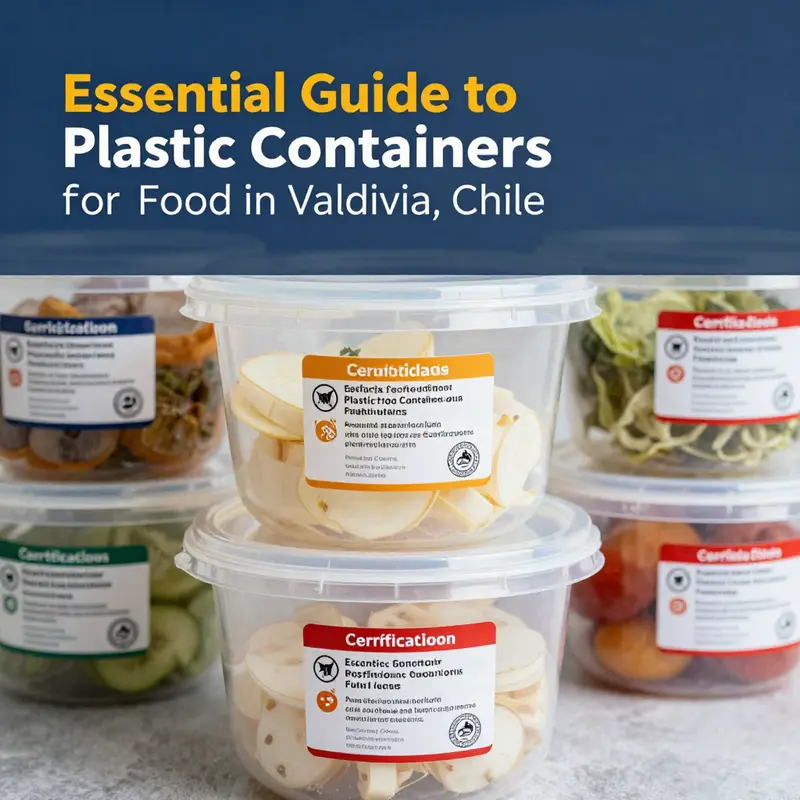
Valdivia is a city where kitchens anchor daily life, and the choice of a plastic food container is about more than convenience. In this region, safety standards for food contact materials influence what is readily available, how products are labeled, and how households store meals across seasons.
Chile’s regulatory updates, including tightened migration limits and clearer labeling, aim to safeguard health while preserving practicality for families and the hospitality sector. For Valdivia residents, this means reading product info more carefully, selecting containers with explicit heat and dishwasher guidance, and prioritizing materials designed for repeated use.
Retailers and manufacturers adjust to new rules, affecting product lines and pricing, but the outcome is greater confidence in long-term storage. The public consultation announced in 2025 invites feedback across the supply chain and households, reflecting a shared commitment to safety, transparency, and responsible consumption. Consumers can stay informed by following official health ministry guidance and choosing containers that clearly indicate compliance with food contact standards. In Valdivia, these developments connect local cooking traditions with global standards, ensuring that everyday meals remain safe and flavorful.
The Unseen Ledger: How Plastic Food Storage Containers Shape Valdivia’s Economy and Environment
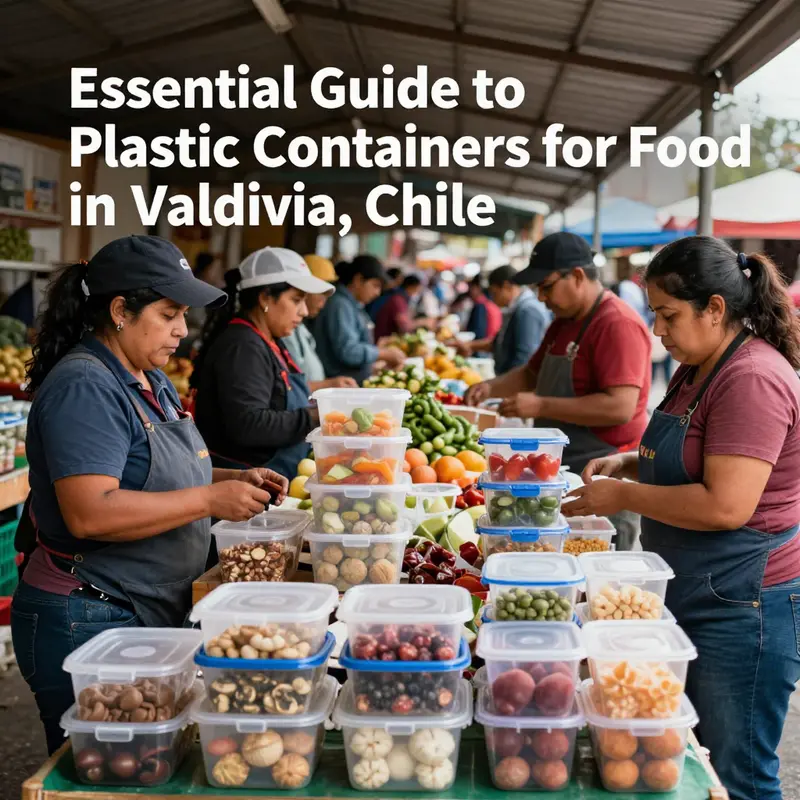
In Valdivia, Chile, plastic containers for food storage are part of the everyday fabric of life. They are sold in broad aisles of local supermarkets and in neighborhood shops, tucked into the kitchens of Dormitories and hostels that line the city center, and they appear in online catalogs that reach residents across the region. These containers are not merely kitchenware; they are a quiet economic engine that touches household budgets, business operations, and the broader urban system. The current chapter follows that silent economy to understand how a simple plastic box, priced for convenience, can ripple through the economy of a city known for its rivers, markets, and a university research apparatus that probes the planet’s environmental challenges. The discussion begins with how these containers influence everyday spending and food preservation, and then it slides toward the more complex social costs they sometimes obscure: waste management, environmental health, and the evolving policies that aim to steer consumption toward more sustainable forms of storage. In Valdivia, as in much of Chile, choices about storage containers interact with cultural habits of cooking, shopping, and sharing meals. Families and individuals often choose containers that are inexpensive and durable, ideally suited for reheating, freezing, and transporting meals between home and school or work. The practicality of these containers reduces the likelihood of food waste in households by enabling portion control and longer shelf life. When a family purchases a set of sturdy, reusable plastic containers, they are not merely buying a product; they are making a decision about how much food will be kept fresh, how often meals are prepared ahead of time, and how efficiently a kitchen operates during the busy week. This is not only a matter of personal convenience. A reduction in spoilage translates into cost savings at the household level, and it also reduces the pressure on food supply chains, particularly in urban centers where demand for fresh foods fluctuates with the rhythms of work, school, and social life. The economic logic is straightforward: lower spoilage means lower waste, and lower waste translates into fewer trips to the market for replacement items and more predictable household budgeting. Yet there is a subtler dimension to the economics that deserves attention. Plastic containers support a form of consumer efficiency that helps households optimize limited resources, especially in a city like Valdivia where inland logistics meet coastal markets. The containers enable families to buy perishable goods in bulk, secure in the knowledge that the items can be stored, portioned, and used over time. In that sense, plastic packaging contributes to a more resilient household economy, buffering price volatility in markets for meat, dairy, and vegetables by enabling longer storage and careful planning. At the micro level, many households view these containers as investments in time savings as well as money. The act of meal planning, food preparation, and storage is, in effect, a calendar that compresses consumer demands into manageable portions. The price of plastic containers matters, but the value is measured not only in pesos saved but in hours reclaimed for work, study, and family life. Across the urban economy, retailers respond to this demand with a range of options that differ in material composition, capacity, and durability. The local consumer market in Valdivia benefits from the presence of large national retailers and regional distributors that carry a spectrum of products intended for food storage. The availability of multiple sizes and shapes supports diverse household practices, from single-person apartments to extended families who share meals and leftovers. While the price tag on these containers is a driver of uptake, the broader economic context cannot be ignored. The city sits within a national framework of safety and consumer protection standards for materials in contact with food. Chile has national guidelines for food contact materials that emphasize safety and compliance, including the avoidance of harmful substances in containers used to hold hot foods or long-term storage. For households, this compliance translates into a sense of assurance that purchases align with health expectations, though it can also imply higher prices or limited access to certain lines of products. The economic narrative is not fully contained within the walls of kitchens and stores. It extends to the municipal budget and the waste management system that must absorb the byproducts of plastic container use. In Valdivia, as in many cities, waste management remains a critical challenge. The globally observed pattern that a large share of plastic waste ends up in landfills echoes loudly in local policy discussions and budgeting exercises. The cost of managing this waste is borne not only by municipalities but also by households and businesses that dispose of items incorrectly or in quantities that overwhelm local recycling streams. In a city famed for its natural beauty and nearby riverine ecosystems, the environmental stakes are high. Plastic containers contribute to litter and microplastic pollution, which can infiltrate soils and waterways that feed into regional fisheries and recreational waters. The economic ramifications of such pollution extend beyond aesthetics. As marine and river ecosystems face increasing stress from plastic waste, the cost of mitigating its impacts grows. Fisheries, tourism, and even the reputation of local culinary products can be affected by degraded environmental health. In Valdivia, a city closely tied to its rivers and the Pacific coast, the interplay between plastic containers and ecological health takes on particular significance. The value of clean water, vibrant fisheries, and scenic landscapes translates into tangible economic assets—tourist income, restaurant revenue, and research opportunities tied to the university campus and regional governance. When plastic waste undermines these assets, local economic performance can be dampened. Observers point to data about broader Chilean trends: rising greenhouse gas emissions, greater domestic material consumption, and increased reliance on resource-intensive materials, including plastics. These macro trends illuminate the incentives that drive ongoing consumption of plastic storage solutions. They also underline the need to balance short-term affordability against long-term environmental costs. In Valdivia, policymakers, businesses, and residents grapple with this balance by exploring options that could sustain household convenience while reducing ecological footprints. The shift toward reusable or biodegradable storage options looms as part of a broader transition toward sustainable consumption. Yet this transition is not simple. It requires investment in infrastructure to support repeated use, such as efficient dishwashing facilities, robust water and energy supplies, and reliable systems for cleaning and sanitizing containers. It may also demand changes in consumer behavior and expectations about durability, aesthetics, and hygiene. For small businesses and households alike, the transition implies costs: training, new materials, altered supply chains, and potential price adjustments. As a result, economic strategies in Valdivia may lean toward a staged approach. Incentives and education can encourage households to reuse containers and properly segregate plastics for recycling where possible. Local retailers can prepare for a gradual shift by offering durable, multi-use options designed for long life and frequent reuse. In parallel with behavior change, there is a need for improved waste collection and recycling capacity. The gap between the volume of plastic waste produced in urban centers and the ability to recover and repurpose it underlines the economic strain on municipal systems. If waste systems are ill-equipped to manage plastics efficiently, cities pay higher costs through landfill expansion, pollution cleanup, and public health interventions. A more nuanced policy landscape emerges when we connect these economic dynamics to environmental governance. Chilean and international assessments emphasize that material efficiency and waste reduction are central to long-run prosperity. The OECD environmental performance review of Chile highlights a broader trajectory toward sustainable development, acknowledging that growth in resource-intensive sectors can push up greenhouse gas emissions and domestic material consumption. For Valdivia, this means that the cost-benefit calculus around plastic containers must incorporate both immediate consumer convenience and the long-term costs of waste management and ecological risk. The local university community, with its research programs and partnerships, can play a pivotal role by monitoring waste streams, testing safer materials, and piloting community education campaigns that connect kitchen practices to broader environmental outcomes. In practice, such collaboration could yield practical gains: better data on packaging flows, pilot programs for reusable containers in campus dining halls, and partnerships with local retailers to promote durable storage options. This would align with a broader cultural shift that values both practicality and stewardship. The economic implications, therefore, extend beyond price and performance. They touch the fairness of waste costs, the resilience of urban infrastructure, and the health of the sea and river ecosystems that sustain livelihoods in Valdivia’s coastal and riverine economies. In that sense, plastic containers for food storage are a microcosm of a larger urban economy negotiating the demands of modern life with the constraints and opportunities of environmental responsibility. The task is not to demonize a ubiquitous convenience but to craft pathways that preserve the benefits of storage efficiency while reducing the unseen costs that accumulate over time. Such pathways require coordinated action among households, retailers, waste managers, and policymakers. They call for clear labeling and compliance standards, accessible options for reusable containers, and investments in recycling and recovery systems. They also invite public dialogue about how best to integrate consumer preferences with environmental safeguards, recognizing that behavior change, supported by practical infrastructure, can sustain both the economy and the ecosystem that sustains Valdivia. The story of plastic storage containers in Valdivia is, at its core, a narrative about balance. It is a reminder that everyday choices have economic consequences that ripple through households, neighborhoods, and the regional environment. As Valdivia continues to develop and as its links to global markets deepen, the city has an opportunity to model a more mindful relationship with packaging. The aim is not to foreclose convenience but to reimagine it within a framework of sustainable consumption, resilient waste management, and an economy that can thrive while protecting rivers, fisheries, and the health of its people. For researchers, retailers, and residents, the challenge is to translate this understanding into practical actions that respect both the immediate needs of daily life and the long arc of environmental stewardship that defines Valdivia’s place in a changing Chile and a changing world. External resource: https://www.oecd.org/environment/chile-environmental-performance-review-2024.htm
From Aisles to Pantry: How Valdivia’s People Shape and Are Shaped by Plastic Food Containers
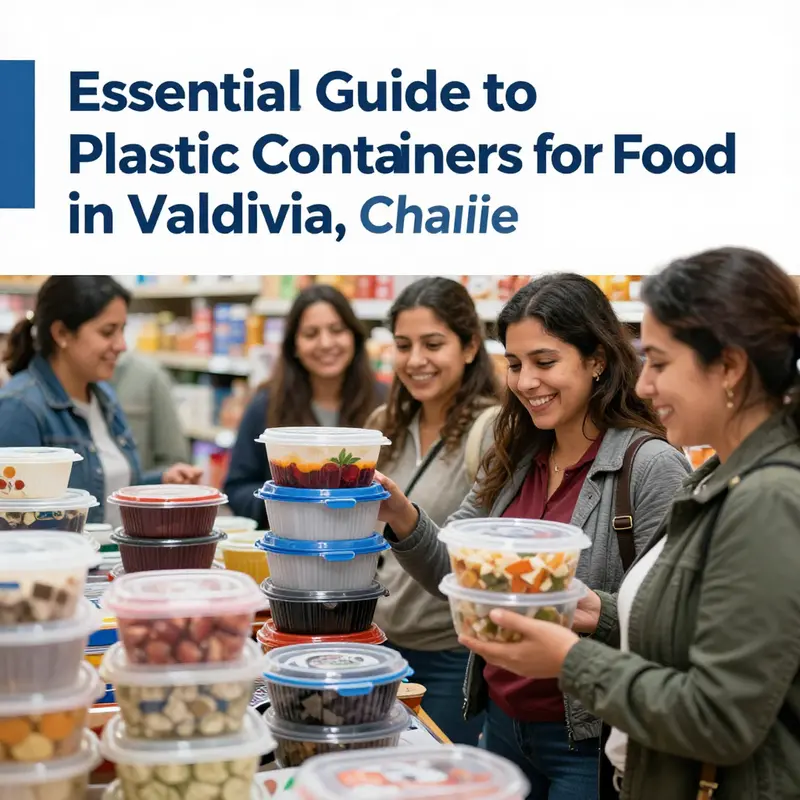
In Valdivia, a city famed for its lush riverside climate and vibrant markets, the simple act of choosing a plastic container for food storage already reveals a web of preferences, practical constraints, and evolving values. The question of what makes a plastic container preferable for everyday use does not exist in a vacuum. It travels from the bustling aisles of local supermarkets to the quiet routines of kitchen drawers, and from there into the larger story of how households manage freshness, safety, and waste in a region where climate, housing stock, and cultural habits intertwine to shape ordinary choices. In this sense, the seemingly mundane decision about a plastic food storage box becomes a lens through which to view local life, economic considerations, and a gradual shift in attitudes toward plastics at a national scale that inevitably spills into Valdivia’s daily routines.
First, the practical needs define much of the initial impulse to buy. Valdivia’s homes often feature compact kitchens where space is at a premium, and meals are frequently prepared from fresh produce bought daily or a few times per week. Leftovers matter, and so does the ability to seal them, stack containers neatly, and keep a diverse range of foods—bread, rice, soups, stews, and seafood-based dishes—on hand without crowding the refrigerator. For many households, the container must strike a balance between being lightweight enough to move around easily and sturdy enough to withstand repeated use. It should also be transparent or clearly labeled so that contents are easy to identify, a practical feature that reduces the time spent searching for yesterday’s meals amid the morning rush. In a city where the market scene blends coastal flavors with riverine produce, the container’s versatility is tested by items with strong aromas, oils, or sauces that demand reliable sealing and ease of cleaning.
Economic considerations also weave into preference. Chilean households are increasingly price-conscious in a market crowded with options from different materials and sizes. Containers are bought in a range of sizes, from compact rounds that hold a portion of leftovers to larger rectangular vessels designed for bulk storage. The price per use often matters more than the initial cost; buyers may evaluate how long a set lasts, how easily it can be repurposed, and how many times it can be washed in a typical home dishwasher or by hand without degrading. In Valdivia’s local commerce environment, price signals are reinforced by the availability of storage solutions across major national chains and online marketplaces. The decision process frequently includes comparing pack deals, assessing the utility of airtight or leak-proof seals, and considering whether a container can double as a microwave-safe option for reheating. The cultural habit of cooking in quantity, a practice common in many Chilean households, further biases preference toward containers that are easy to portion and reassemble for future meals.
Yet functional convenience sits atop a broader layer of safety and health concerns that increasingly influence consumer sentiment. A growing awareness of how materials interact with food has nudged many Valdivia shoppers toward products that clearly indicate compliance with food-contact material standards. National guidelines, such as those that align with the Chilean standard NCh2679:2015, offer a framework that helps consumers distinguish containers designed for food use from those that are not. In practice, this translates into looking for labeling that assures the absence of harmful chemicals, checks for heat tolerance, and guidance on appropriate storage temperatures. The interplay between safety and convenience is especially pronounced in households that routinely store hot meals or reheat leftovers, where the risk of chemical migration and the degradation of plastic quality under heat are meaningful considerations. As the knowledge base expands, consumers in Valdivia increasingly weigh whether a container is labeled as food-grade, BPA-free, or designed for high-temperature use, and they balance these attributes against price and durability. This ongoing evaluation is not static; it shifts with new information from regulatory updates or public discourse about plastic use.
Against this backdrop, the regulatory and policy environment in Chile adds an important frame for local preference evolution. The country’s enactment of a Single-use Plastics Law in 2022 signals a national push toward reducing plastic waste and promoting reusable solutions, a shift that inevitably ripples into Valdivia’s consumer psyche. Even though a single regulation cannot dictate the nuances of everyday choices, it informs the conversation about what kinds of containers are considered desirable or responsible. Some households respond by prioritizing durability and reusability over disposable convenience, seeking containers that endure long-running use, are easy to wash, and can be repurposed for a variety of storage tasks—from dry goods to liquids and even non-food items. In practice, this means more attention to multi-piece sets, clearly defined seals, and stacks that maximize cabinet organization. It also cultivates a more critical view of flimsy or poorly sealed options that wear out quickly, prompting households to invest in higher-quality designs that promise a longer lifecycle.
The social texture of Valdivia shapes how these preferences are formed and transmitted. Family routines—shared meals, collective shopping trips, and the distribution of food storage duties—create a culture in which the container is not simply a utilitarian object but part of a shared kitchen repertoire. For older generations, traditional practices of cooking and preserving food may emphasize robust sealing and the versatility of containers as workaday tools that can be repurposed for photos of leftovers, school lunches, or weekend trips. For younger households and students, the appeal often lies in the clean lines of modern designs, ease of cleaning, and the ability to organize a crowded fridge with transparent, stackable options. In Valdivia, as elsewhere, these preferences are mediated by the amount of storage space available, the availability of local suppliers, and the degree to which residents lean into online shopping for convenience. The local digital marketplace, while robust, competes with the tactile experience of selecting a container in store, the ability to compare sizes side-by-side, and the reassurance of examining the lid’s seal and the plastic’s feel in one’s hands.
Environmental awareness travels alongside practical needs. A growing proportion of consumers in Valdivia, reflecting broader Chilean and regional trends, favors products that offer durability over disposability and emphasize a longer usable life. The conversation about sustainability intersects with daily shopping decisions: households consider the full lifecycle of a container, from production and shipping to reuse, cleaning, and eventual disposal. This holistic view supports a gradual preference shift toward containers designed for repeated use, with easy cleaning and robust seals to minimize leakage during storage. It is not merely about avoiding waste; it is about cultivating a habit of mindful consumption—choosing containers that can be used again and again for a variety of foods, thereby reducing the total amount of plastic entering household waste streams over time. In Valdivia, such preferences gain traction as residents observe national policy signals, listen to public discourse about environmental stewardship, and experience firsthand the consequences of waste management decisions in their neighborhoods.
All these threads—practical need, price sensitivity, safety concerns, regulatory context, social practice, and environmental awareness—coalesce into a local narrative about plastic containers in Valdivia. The city’s unique blend of urban life, proximity to water, and a climate that influences food storage requirements creates a distinctive set of expectations for what makes a container acceptable or even preferred. For some households, the priority is a rugged, all-purpose container that can double as a lunchbox for excursions beyond the home; for others, it is a compact system of modular, airtight units designed to fit neatly into limited refrigerator space. In both cases, the decision is inseparable from the broader currents shaping Chilean consumer behavior: the move toward more sustainable practices, the assurance of safety and quality, and the pursuit of efficiency in everyday routines.
As researchers and practitioners in the field of packaging and consumer logistics look toward Valdivia, they notice a microcosm that reflects national shifts while retaining local particularities. The city’s shoppers represent a spectrum, from cautious buyers who scrutinize labels and seals to more practical buyers who prioritize storage capacity and durability. The mix of needs underscores why a single product category—plastic containers for food storage—can reveal so much about how people live, how they value safety and convenience, and how policy changes can gradually steer daily choices. The future of container preferences in Valdivia is likely to be shaped by continued improvements in material science, with a preference for clearer indications of safety and temperature tolerance, and by the ever-present pressure to balance convenience with environmental responsibility. In the end, the containers people choose are not just receptacles for food; they are instruments that organize time, space, and memory in a city where life often unfolds close to water, and the daily act of storing a meal becomes a small, daily negotiation between practicality, health, and the world we want to live in.
External context can help frame this local story without losing sight of its specificity. For broader policy and environmental perspectives that influence consumer attitudes toward plastic in Chile, see the OECD Environment resources, which discuss how policy shifts shape waste management and material choices across the country. This wider lens helps connect Valdivia’s kitchen table decisions to national trajectories toward more sustainable consumption while respecting the distinct rhythms of life in southern Chile.
External resource: https://www.oecd.org/environment/
Final thoughts
Understanding the landscape of plastic food containers available in Valdivia, Chile, involves considering market availability, the variety of types offered, adherence to safety standards, the economic implications of their use, and the preferences of consumers. By focusing on these elements, businesses serving the food and beverage industry can optimize their storage solutions, ensuring they meet customer needs while maintaining high safety and quality standards. Investing in the right containers not only elevates service quality but also enhances food safety and sustainability.