
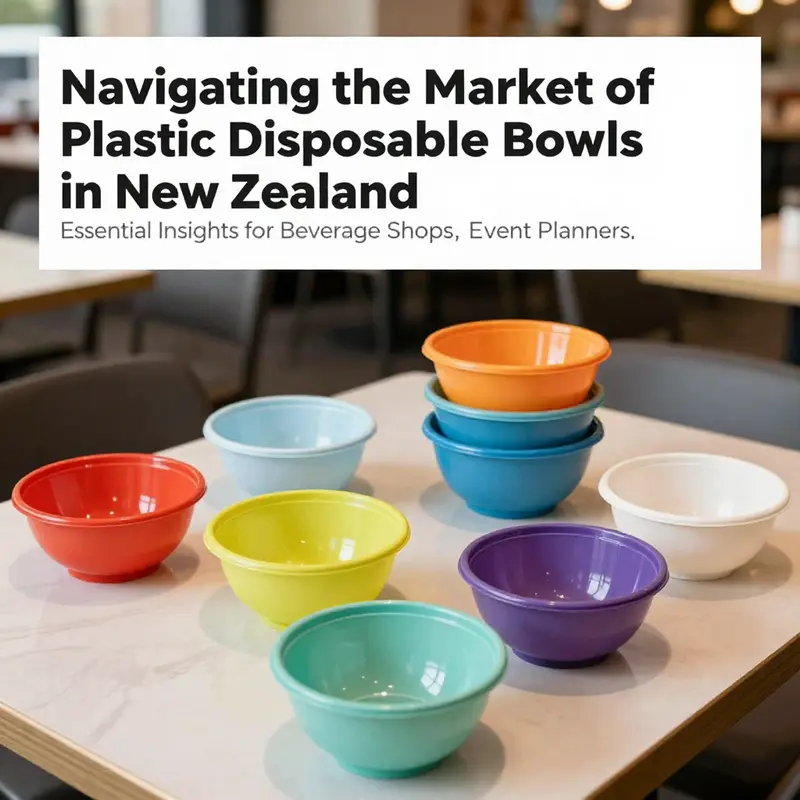
Understanding the landscape of plastic disposable bowls in New Zealand is essential for businesses ranging from bubble tea shops to catering services. These products, crucial for food presentation and convenience, align with both global trends and local consumer preferences. In this exploration, we will dive into four critical aspects: the types and specifications of these bowls that are popular in New Zealand, the growing trends in environmental sustainability and alternative choices, the local sourcing channels and suppliers available, and the compliance and certification requirements that guide the market. Each chapter will provide valuable insights, ensuring your operations remain efficient, compliant, and responsive to consumer demands.
Clear Choices, Lingering Footprints: The Mainstream Plastic Disposable Bowls Landscape in New Zealand—Types, Sizes, and the Regulatory Wind
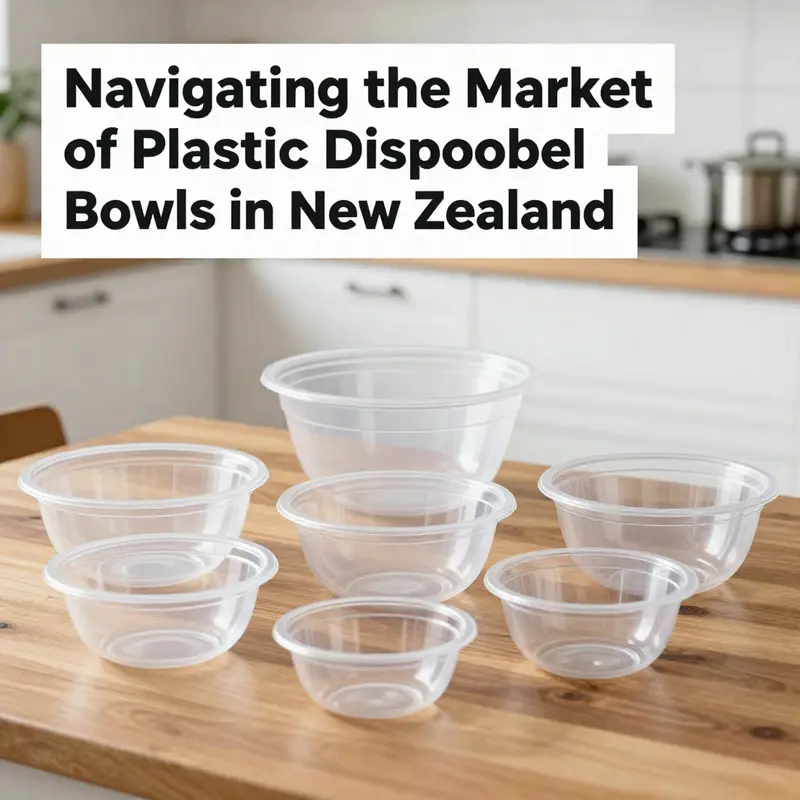
In New Zealand, the market for plastic disposable bowls unfolds in a space where global patterns meet local expectations. Retailers and food-service operators alike lean on a familiar trio of materials, a practical variety of sizes, and lid designs that keep contents secure during transport. The dominant materials remain clear, food-grade polymers—principally polypropylene (PP) and polyethylene terephthalate (PET)—chosen for their balance of clarity, cost, and performance. For the end user, that translates into bowls that are easy to see through, resistant to short-term heat, and light enough to handle in a busy takeaway or a casual family gathering. The most common capacities spoken about in suppliers’ catalogs run from compact eight-ounce servings up to a little over a quart, with 240 milliliters on the low end and roughly 946 milliliters on the high end. In practice, many vendors even push into the one-liter range for larger party portions or bulk takeouts. This spectrum is not arbitrary; it mirrors the needs of households, caterers, and eateries that rely on reliable containment during delivery and during storage at the point of sale. The practical design logic is straightforward: bowls should be sturdy enough to resist deformation when filled, transparent enough to showcase the contents, and versatile enough to pair with a leak-proof lid for transport. The emphasis on leak resistance is not merely a convenience; it is a functional requirement for the mobile food economy that has grown, in part, because customers increasingly expect to pick up meals at the door or collect hot items with minimal risk of spillage. In this context, the “clear” aesthetic is more than visual; it signals to staff and customers that what’s inside is visible, easy to verify, and quick to process in a fast-paced service environment.
Beyond material choice and basic sizing, the market in New Zealand displays a clear preference for bowls with sealed or leak-resistant lids. The lids function as an essential complement, enabling safe transport for hot soups, stews, or desserts while preserving moisture and minimizing contamination. When a takeout order travels from kitchen to curb, the combination of a transparent bowl and a secure lid becomes a compact, portable system. This is particularly important in outdoor or semi-outdoor settings common in New Zealand, where weather and handling conditions can complicate carrying temperatures and content integrity. Operators often select containers that strike a balance among three variables: cost, performance, and compatibility with existing service ware. In most cases, the preferred option is a simple, stackable system that reduces storage space in kitchens and allows for rapid assembly at peak times. The repetition of these choices across retailers and food-service operators indicates a market that favors reliable crowdsourced best practices: predictable materials, predictable sizes, and predictable seals that minimize the chance of a spill during transit.
The spectrum of sizes typically translates into a practical ladder of use cases. The smaller end, around 240 milliliters, is ideal for fruit segments, small desserts, or condiments—items that are easily portioned and do not require prolonged reheating. Mid-sized options around 350–470 milliliters cover salads, yogurts, soups, and pasta portions, making them versatile for casual dining and takeaway. The larger bowls, from 700 milliliters up toward a liter, serve households or catering orders that demand more substantial servings, larger side dishes, or bulk takeouts. In many kitchens, these sizes are paired with lids that are designed to snap on securely while still allowing quick removal. The packaging ecosystem thus emphasizes a straightforward, modular approach: one core set of materials and lids that spans multiple sizes, enabling a uniform supply chain, easier inventory management, and predictable performance across different food applications.
What drives the choice of material in this landscape is a blend of thermal performance, safety standards, and consumer expectations. PP stands out for its higher heat resistance, which accommodates hot soups and stews without warping or bending—an attribute especially valued by operators who frequently switch from hot preparations to cold or room-temperature servings. PET, on the other hand, shines with excellent clarity, which makes it easier to present foods attractively in display cases and during delivery. Both materials are widely recognized in food-contact applications and carry established safety credentials that help importers and retailers meet local and international standards. As a practical matter, many manufacturers offer both options in similar shapes and sizes, giving buyers flexibility to order according to price, availability, or preferred performance characteristics. Indoor and outdoor venues alike benefit from that flexibility, particularly when menus shift with the seasons and promotions demand a range of portion sizes.
The current commercial narrative in New Zealand is not detached from ongoing global trends. Environmental concerns are rising, and both policymakers and industry players are actively considering how to reduce plastic waste. The push toward more sustainable alternatives—such as polylactic acid (PLA) and fiber-based options derived from sugarcane or other plant materials—reflects a broader shift toward products that can be industrially composted or reclaimed with minimal environmental impact. This shift carries implications for the mainstream bowls market. While PLA and plant-based options presently represent a smaller share of total sales, they are expanding as consumer demand for greener packaging grows and as producers seek to align with evolving regulatory expectations. In New Zealand, where local authorities have begun restricting certain non-degradable plastics at public events, the trajectory toward compostable or biodegradable disposables is likely to accelerate. The policy signal is clear: within a few years, the market may show more pronounced differentiation between traditional PET/PP bowls and those designed for composting or facilitated end-of-life management.
The regulatory backdrop reinforces the importance of materials choice and labeling. For any importer or retailer operating in New Zealand, compliance with the New Zealand Food Standards Code, overseen by FSANZ, is non-negotiable. This means that bowls and their lids must be manufactured from materials that are approved for contact with food and carry appropriate certifications. For export-oriented supply chains that originate in China or other manufacturing hubs, documentation often includes ISO 22000 or HACCP systems, and wherever possible CE or EU certifications which help establish a benchmark for safety and quality across markets. Some regions may require explicit labeling that a product is recyclable or compostable, and such claims must be accurate and clearly communicated to consumers to avoid misleading expectations. In practice, these rules influence every step of product development and procurement, from choosing material grade and color additives to testing processes and labelling formats. The practical upshot is that buyers must balance performance, cost, and compliance when selecting suppliers and designing packaging strategies for New Zealand’s market.
The procurement pathway for New Zealand buyers mirrors a global pattern while retaining local nuances. For smaller volumes or test runs, online marketplaces and local distributors can offer a responsive avenue to trial different sizes, lid configurations, and materials. Platform ecosystems that connect buyers with a range of suppliers can facilitate rapid sampling and iterative testing, which is essential for validating performance against the specific needs of a food-service operation or a family event. When higher volumes or customization are required—such as consistent branding, color variety, or specific lid shapes—cross-border procurement from established manufacturing partners becomes a practical choice. In this space, the dialogue between buyer and supplier commonly centers on three core questions: Do the bowls meet food-safety standards? Are the sizes and lid designs compatible with your existing serviceware? Can the supplier deliver reliably to New Zealand within the required timeframes and at an acceptable landed cost?
Within this negotiation landscape, a commonly cited example of cross-border supply dynamics appears in industry listings. These listings illustrate how international manufacturers present their capabilities for New Zealand buyers: they emphasize food-grade materials, diverse size ranges, and the possibility of custom branding, even as they highlight compliance with relevant international standards. For someone assembling a takeout program or organizing a family event that hinges on disposable tableware, such listings provide a practical starting point for a first ordered batch. They also underscore the importance of testing a pilot order before committing to large-scale procurement, ensuring that the product’s performance aligns with expectations in real-world service conditions. The availability of clear bowls with secure lids, offered across multiple capacities, helps operators design a streamlined packaging system that supports fast service while keeping contents intact during transport.
From a consumer behavior standpoint, the visibility of clear bowls often reinforces trust. When a customer can clearly see the contents, it becomes easier to assess portion size, freshness, and presentation—factors that contribute to perceived value and overall satisfaction. For catering planners and event organizers, the predictability of these products translates into smoother operations, fewer complaints about leaks or mismatched lids, and faster turnover at checkpoints or pickup points. Yet even as this mainstream configuration holds sway, the environmental conversation is nudging the market toward more sustainable choices. The market’s path depends on stakeholder willingness to adopt new materials, adapt to evolving labeling regimes, and invest in supply chains that can reliably deliver both conventional and greener options at scale. In this sense, the NZ bowls landscape is not a fixed tableau but a living conversation between practicality, safety, and responsibility.
For readers who want to explore a concrete example of the cross-border supply dynamic, one of the most straightforward references highlights a widely accessible listing for clear disposable PET bowls with lids. The listing demonstrates how a single product family can span a range of capacities from 8 ounces to 32 ounces, while also offering customization opportunities suitable for branding or color coordination. This example emphasizes that for many buyers, the decision space remains dominated by a practical calculus: material quality, seal reliability, and the alignment of sizes with intended use. It also hints at the broader opportunity for New Zealand buyers to engage with suppliers who can scale from small trial orders to large-volume manufacturing, while meeting international safety standards and local regulatory expectations. The practical takeaway is clear: ease of access to multiple sizes, reliable lid configurations, and transparent material disclosures are cornerstones of a dependable procurement strategy in this market. The path forward for operators who aim to balance cost, convenience, and compliance lies in a disciplined approach to supplier selection, pilot testing, and gradual scale-up as regulatory and consumer expectations continue to evolve.
For further context on material safety and standards that influence decision-making around disposable bowls, the following external resource provides authoritative guidelines and application insights: https://www.insideclearplasticbowls.com/
In summary, the New Zealand market for plastic disposable bowls remains rooted in the classic PET/PP dichotomy, complemented by a broad range of sizes and pragmatic lid designs that together support the fast-paced takeaway and home-meal sectors. As environmental considerations and regulatory expectations tighten, the market is poised to diversify further toward biodegradable and compostable options, while continuing to accommodate the needs of businesses that require dependable performance, clear presentation, and straightforward logistics. The practical implication for buyers is to assess needs against a framework that weighs safety, cost, and end-of-life realities, and to engage suppliers who can demonstrate robust quality management and transparent certification across the supply chain. The result is a market that remains fit for purpose today, with a proactive eye toward a more sustainable, compliant, and efficient future.
Internal link reference for further procurement context: Wholesale Disposable PET Bowls – China Supplier (Shanghai).
External resource consulted for standards and guidelines: https://www.insideclearplasticbowls.com/
新西兰塑料一次性碗的环保转型:替代材料与未来路径
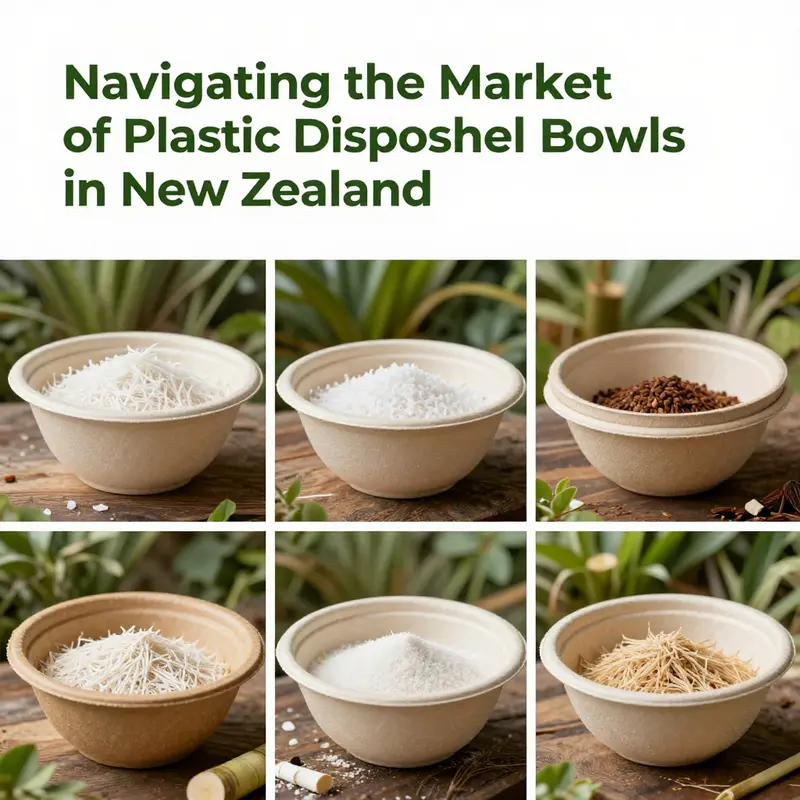
在结束这一段叙述时,重要的是把注意力放在未来的路径上。新西兰正以明确的立场推进环保替代品的普及,这不仅关系到碗盘的材料本身,更关乎整个消费生态系统的改造。对于研究者、企业决策者与从业人员来说,理解政策信号、市场趋势与消费者偏好之间的互动,是制定有效对策的基础。通过把握材料创新、供应链整合与教育推广的关键节点,可以在保持食品安全与卫生标准的前提下,加速向可持续包装生态的迁移。这样的努力,最终会让“方便”与“负担得起的环保”并存,形成一个对环境友好、对公众有益的长期格局。
Navigating New Zealand’s Local Procurement Landscape for Disposable Plastic Bowls in a Green Transition
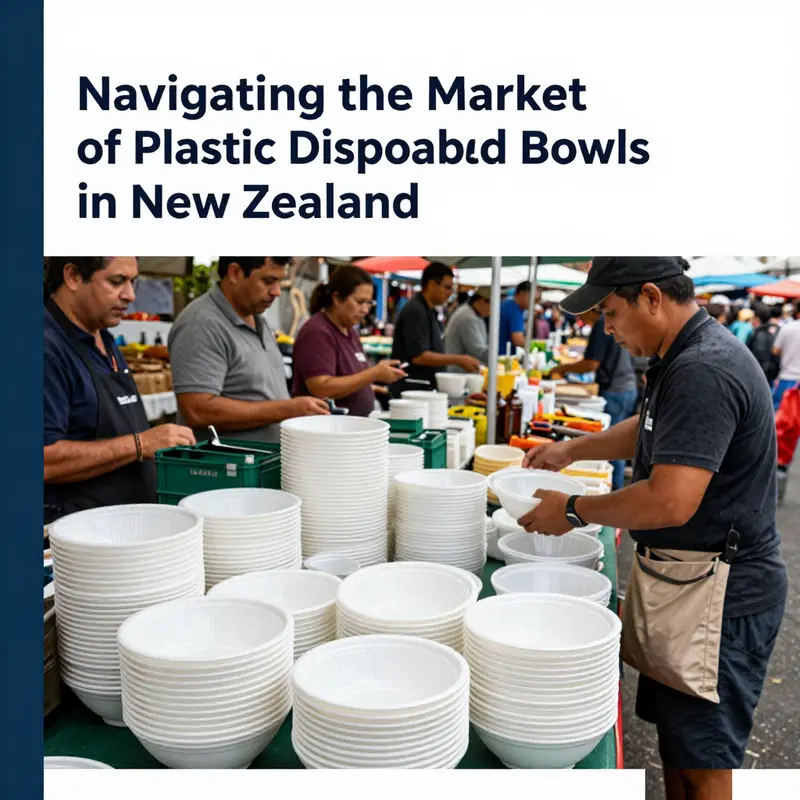
In New Zealand, the market for plastic disposable bowls sits at a crossroads where global supply dynamics meet ambitious local policies and shifting consumer expectations. The procurement choices facing retailers, caterers, and event organizers are not simply about price or availability. They hinge on regulatory timelines, material safety standards, and the broader push toward sustainability that is quietly restructuring every link in the supply chain. The journey from importing large volumes of conventional disposable bowls to sourcing compliant, environmentally minded alternatives is not a linear path. It is a careful negotiation among importers, wholesalers, manufacturers, and end users who must balance practicality with responsibility, all while ensuring the goods they offer meet the strict food safety and labeling requirements that govern New Zealand markets.
The contemporary NZ landscape mirrors global trends in several essential respects. Across borders, the dominant formats for disposable bowls remain clear, transparent PET or PP in a range of capacities that cover everyday fruit servings, salads, soups, frozen desserts, and take-away meals. The typical sizes—ranging from compact eight ounces to nearly a liter in larger party or catering bowls—provide the versatility that retailers and foodservice operators rely on. Yet the momentum behind these products is increasingly tempered by a robust wave of environmental awareness. Industry players are contending with a policy environment that aims to curb single-use plastics and steer demand toward compostable or otherwise recoverable packaging options. For buyers, this means that a straightforward, low-cost supply option today may become restricted or outmoded tomorrow, and procurement strategies must anticipate the regulatory horizon rather than merely chase the current price sheet.
What does this mean in practical terms for local procurement channels? In New Zealand, the primary routes to obtain plastic disposable bowls historically included cross-border e-commerce platforms, local wholesalers, and major domestic retailers. Each channel has distinct advantages and risks, and together they form a mosaic that suppliers and buyers must navigate. Cross-border platforms can offer breadth—large SKUs, rapid samples, and the ability to test a variety of designs at once. They are especially appealing for smaller operators or for businesses seeking to pilot new formats without committing to large orders. The logic here is simple: low-volume buyers can access a spectrum of sizes and configurations, compare material grades, and verify food-grade compliance through documentation supplied by international suppliers. The downside is the complexity of logistics, longer lead times, and the potential for gaps in post-sale support or warranty claims when quality issues arise after shipment.
Local wholesalers, by contrast, sit closer to the customer’s doorstep in practical terms. They can facilitate faster replenishment cycles, offer more predictable freight costs, and provide a degree of on-site technical guidance about packaging compatibility with specific products and storage conditions. For many New Zealand cafes, event planners, and catering firms that require consistent supply, a strong local wholesaler network can reduce administration time, simplify returns, and streamline compliance workflows. Wholesalers may also consolidate orders from multiple manufacturers, presenting customers with a curated portfolio of options that already meet the common food-safety expectations of the NZ market. However, the emphasis on wholesale economies can sometimes come with trade-offs in price flexibility, especially for ultra-large orders or for customers seeking rapid customization.
Major domestic retailers extend the reach even further. Their scale can translate into reliable stock availability and consistent labeling practices, both of which are critical when serving busy venues or large events. For buyers, this channel often offers the easiest path to standardization: a single supplier, a defined packaging family, and a clear set of in-store or online purchase options. The trade-off is that large retailers can exert greater influence over product specifications, sometimes at the expense of bespoke solutions that smaller operators might prefer. Nevertheless, the domestic retail framework remains an important anchor in the NZ disposable-bowl ecosystem, especially as regulatory changes tighten the pace at which alternatives must be adopted.
Amid these channels, the policy environment is moving the whole sector toward a more sustainable equilibrium. The New Zealand government has signaled a decisive turn away from certain single-use plastics in packaging and tableware. The ambition is to phase out non-recyclable and non-compostable items in many contexts, particularly in public activities and food-serving applications, by mid-2025. This timeline does not merely set an aspirational deadline; it creates concrete incentives for buyers to shift toward compostable, plant-based, or otherwise recoverable alternatives. For suppliers, the policy trajectory underscores the importance of certifiable material safety and clarity in end-of-life options. Food businesses must adapt not only to current product specifications but also to labeling that accurately communicates recycling or composting capabilities to consumers. In practice, this shift will tilt demand away from traditional plastic bowls toward products manufactured from PLA, bagasse, bamboo fiber, or other bio-based and compostable substrates that can satisfy industrial composting conditions while aligning with the broader regulatory framework.
This transition has ripple effects across procurement decision-making. For a NZ buyer, it is no longer enough to source a low-cost bowl that merely meets food-grade standards. The selection criteria increasingly include certifications and declarations that attest to sustainability attributes, end-of-life practicality, and compliance with both local and international standards. ISO 22000 and HACCP remain the backbone of food-safety assurance for suppliers seeking access to Australian and New Zealand markets, particularly when exporting from regions with strict manufacturing controls. Where products are intended for overseas markets or cross-border distribution, buyers often require CE or EU conformity marks as part of the due-diligence package. The cumulative effect is a procurement landscape where the binary choice between “cost” and “compliance” has expanded into a broader assessment of environmental performance, supplier reliability, and long-term relationship viability.
The local supply chain also reflects a growing emphasis on customization as a strategic differentiator. While large-scale orders for plain bowls continue to flow, there is a rising interest in branded packaging and value-added options. The ability to print logos, insert branding statements, or tailor shapes to match specific menu items can convert basic packaging into a marketing channel. This is particularly true for operators who hold a consistent brand identity and require a predictable, scalable packaging solution across multiple locations. Customization can, however, introduce higher minimum order quantities, longer lead times, and more complex testing regimes to ensure that branded bowls maintain their integrity across diverse use conditions. Buyers must weigh the benefits of brand alignment against the practicality of maintaining just-in-time stock in the face of a shifting regulatory envelope.
In light of these dynamics, the local procurement strategy in New Zealand often centers on a phased approach to supplier engagement and product testing. Operators may begin with a small, diverse mix of bowls sourced through a mix of channels to compare performance, sealing capabilities, and consumer acceptance. They then converge on a preferred supplier or a small set of trusted partners who can deliver consistent quality, reliable lead times, and clear sustainability credentials. The importance of due diligence cannot be overstated. Documentation such as ISO 22000, HACCP, or CE/EU certifications, and explicit declarations about recyclability or compostability, becomes a baseline expectation rather than a differentiator. Buyers who adopt this approach are better positioned to navigate possible regulatory shifts while maintaining a steady supply of packaging that aligns with their customers’ expectations and the country’s environmental aims.
The question of local versus cross-border sourcing also intersects with the broader strategy of how a business communicates its environmental commitments to customers. In an era of heightened transparency, end users increasingly seek packaging that clearly signals its end-of-life pathway. For some operators, this translates into selecting bowls that are explicitly labeled as compostable in industrial facilities or clearly identified as recyclable in the local municipal system. The packaging ecosystem, therefore, becomes part of a company’s sustainability narrative, not merely a cost center. As buyers experiment with different suppliers and materials, they learn to read the fine print—the chain of custody for materials, the scope of certifications, and the practical realities of composting and recycling in New Zealand’s waste-management infrastructure.
Given the rapid evolution of the policy landscape, it is prudent for buyers to stay engaged with credible sources that translate regulatory developments into actionable procurement guidance. Industry professionals emphasize three core practices. First, maintain a current understanding of FSANZ requirements for any imported disposable bowls, ensuring that all products intended for NZ food service meet the necessary safety standards. Second, demand robust documentation from suppliers, including ISO 22000 or HACCP programs and, where applicable, CE/EU certifications, to facilitate compliance auditing and risk management. Third, actively monitor the end-of-life messaging on packaging and opt for suppliers that provide clear, verifiable information about recyclability or industrial compostability, so that consumers can make informed disposal choices. These practices help ensure that procurement decisions support both food-safety integrity and environmental stewardship, two dimensions that increasingly converge in the New Zealand marketplace.
Local procurement, however, is not merely a compliance exercise. It is an opportunity to cultivate relationships with suppliers who can adapt to regulatory shifts, who can offer flexibility as demand patterns shift with seasons and events, and who can help a business experiment with alternative materials without sacrificing reliability. For buyers who are exploring the transition away from traditional plastics, the path forward often involves a hybrid approach: maintaining a core supply of conventional bowls for bursts of demand while gradually expanding access to compostable or plant-based options for routine service. The practical benefits of this approach include smoother inventory management, lower risk of sudden stockouts, and a gradual, cost-aware ramp toward sustainability that respects cash-flow realities and supplier capacity constraints.
As you plan your next procurement cycle, consider the nuanced realities of the New Zealand environment. Sourcing solutions will likely be shaped by a combination of factors—regulatory timing, material safety assurances, and the evolving capabilities of local composting infrastructure. The market is increasingly receptive to packaging that performs reliably in transport, storage, and service contexts while offering clear end-of-life pathways. For buyers operating in outdoor venues or high-volume festivals—where the risk of leakage, breakage, or disposal complexity multiplies—the choice of robust, leak-resistant bowls with secure lids remains essential. At the same time, there is growing appetite for packaging that can be responsibly managed at the end of its life, even if that means accepting a longer lead time or a higher unit price in exchange for a better environmental outcome. The balancing act is delicate, but it is also a decisive lever for aligning procurement with long-term business resilience and social license.
From a practical standpoint, the search for suitable local suppliers and channels begins with clear criteria. Target the core attributes that will reduce complexity and increase reliability: consistent food-grade certification; transparent end-of-life labeling; scalable production capacity to accommodate seasonal peaks; dependable logistics tied to regional distribution networks; and terms that align with the business’s financial planning. Buyers should also map out contingency options for sudden policy shifts, ensuring that the chosen suppliers can offer swappable materials or alternative packaging formats without compromising safety or guest experience. This kind of foresight is not about chasing a single best product but about building a resilient procurement ecosystem that can absorb regulatory shocks while continuing to serve customers with confidence.
For those navigating this transition, there is also value in observing how other markets with similar regulatory aims manage the shift toward sustainable disposable packaging. While the NZ context has its unique regulatory cadence, the underlying principle remains consistent: packaging choices must support safe food handling, demonstrate environmental responsibility, and offer practical procurement pathways. The integration of these priorities requires ongoing dialogue among buyers, suppliers, and regulators. It also invites a more strategic view of packaging as an enabling asset—one that supports brand integrity, operational efficiency, and environmental accountability in equal measure.
In this evolving environment, enabling practical access to compliant, sustainable packaging options is crucial. The local procurement landscape will continue to transform as more suppliers align with New Zealand’s standards and as industrial composting capacity expands to accommodate a broader range of plant-based materials. Buyers should expect that the supply base will diversify, with more options for biodegradable, compostable, and recyclable bowls appearing alongside traditional PET and PP offerings. The challenge will be to sift through these options with a clear-eyed focus on safety, lifecycle impact, and end-user experience. With thoughtful supplier relationships, rigorous verification processes, and a willingness to pilot new materials, businesses can remain agile and prepared for the regulatory landscape that is taking shape across the country.
For readers seeking practical direction on accessible packaging options and supplier introductions aligned with sustainable goals, there is a growing repository of product categories that mirror the evolving market. Specifically, packaging solutions that emphasize eco-friendly, takeout-ready designs—such as kraft-paper or compostable-lined variants—are increasingly positioned as viable substitutes in a New Zealand context. These options frequently arrive via channels that combine local distribution strength with the capacity to meet international safety and environmental standards, allowing operators to maintain continuity in supply while transitioning to greener alternatives. When approaching this transition, think of it as a continuum rather than a binary choice: maintain a reliable core of proven bowls for high-demand periods, while gradually expanding your portfolio to include responsibly sourced, environmentally prioritized options that align with future regulatory expectations and consumer preferences. In doing so, you safeguard both compliance and customer satisfaction, two pillars that will keep a business resilient in an increasingly sustainability-driven market.
To further explore practical avenues for sustainable takeout packaging in a NZ context, consider engaging with resources that curate environmentally minded options and provide pointers on compliance and life-cycle considerations. For example, one relevant collection emphasizes the value of eco-friendly takeout boxes for food packaging as a strategic pathway toward responsible growth. This resource highlights how packaging can function as both a logistics tool and a branding touchpoint, a notion that resonates with operators who aim to harmonize operational efficiency with environmental stewardship. eco-friendly takeout boxes for food packaging. This reference illustrates how a packaged solution can combine practical performance with a clear sustainability message, a combination that is increasingly important to customers and regulators alike.
Ultimately, the local procurement journey in New Zealand for disposable bowls is less about finding a single winner and more about building a resilient supplier ecosystem. It requires careful screening for safety credentials, transparent environmental claims, and the flexibility to adapt as policy timelines unfold. It also invites ongoing dialogue between buyers and suppliers to ensure that product specifications keep pace with regulatory expectations while maintaining reliable supply chains. As the market absorbs the policy-driven momentum toward greener materials, the optimal procurement strategy will blend tested performance with forward-looking sustainability, enabling businesses to serve customers effectively today and in the years to come. The task for buyers is to execute this transition thoughtfully, managing risk without sacrificing efficiency, while remaining attentive to the intrinsic value of packaging choices as a conduit for safety, brand trust, and environmental accountability.
External resource for policy context and sustainability guidance: https://www.eeca.govt.nz
新西兰塑料一次性碗的合规与认证要求
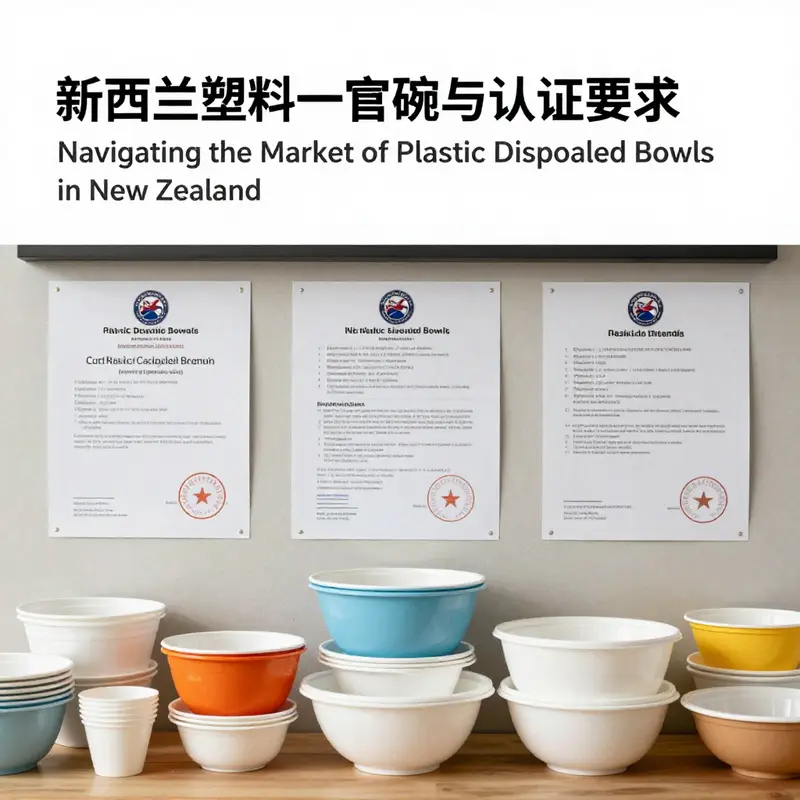
如需了解官方政策的更权威信息,请参阅新西兰商业、创新和就业部(MBIE)的官方发布平台,以获取最新的法规动态、豁免条件及执行细则。https://www.mbie.govt.nz/
Final thoughts
As the disposable tableware market in New Zealand continues to evolve, understanding the dynamics surrounding plastic disposable bowls is crucial for businesses in the food and beverage industry. From the various types and specifications that meet consumer needs to the importance of eco-friendly alternatives and compliance with safety standards, every aspect plays a vital role in operational success. By engaging with local suppliers and staying abreast of government regulations, businesses can not only ensure compliance but also cater to a growing market that values sustainable practices. Equip your establishment with the right products to thrive in this competitive landscape.