
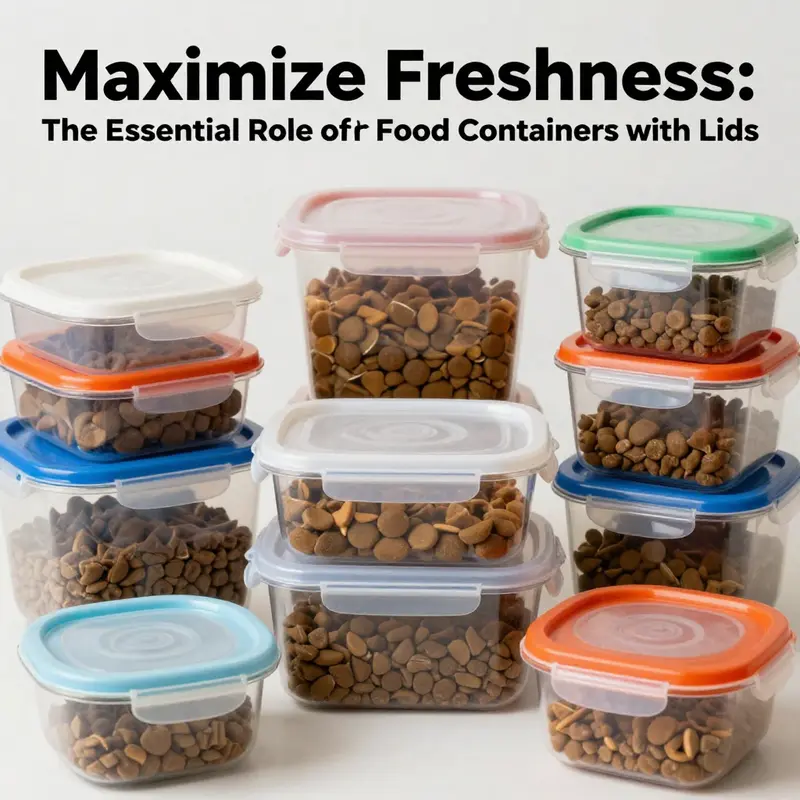
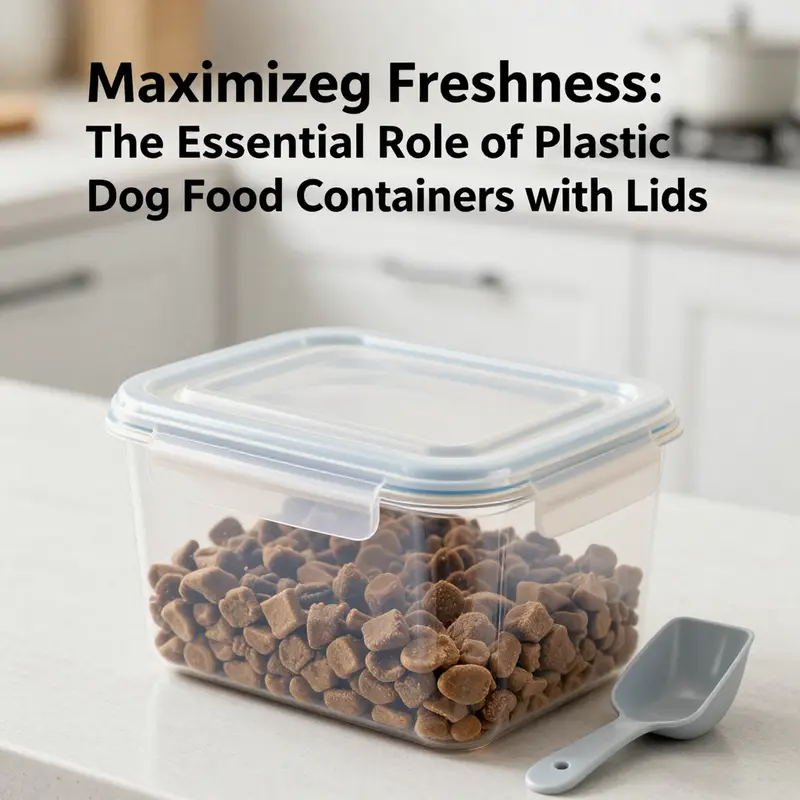
For professionals in food service industries, maintaining quality ingredients and ensuring freshness is paramount. This is where a plastic dog food container with a lid becomes an invaluable asset. Not only do these containers keep dry pet food safe from pests and spoilage, but they also offer an efficient and organized storage solution. In the following chapters, we will explore the durability and design aspects of these containers, examine the available capacity options, assess safety standards, and highlight practical features that can meet the needs of Bubble Tea Shops, Restaurants, and Event Planners alike.
Sealed Strength: How Durability and Thoughtful Design Shape Plastic Dog Food Containers
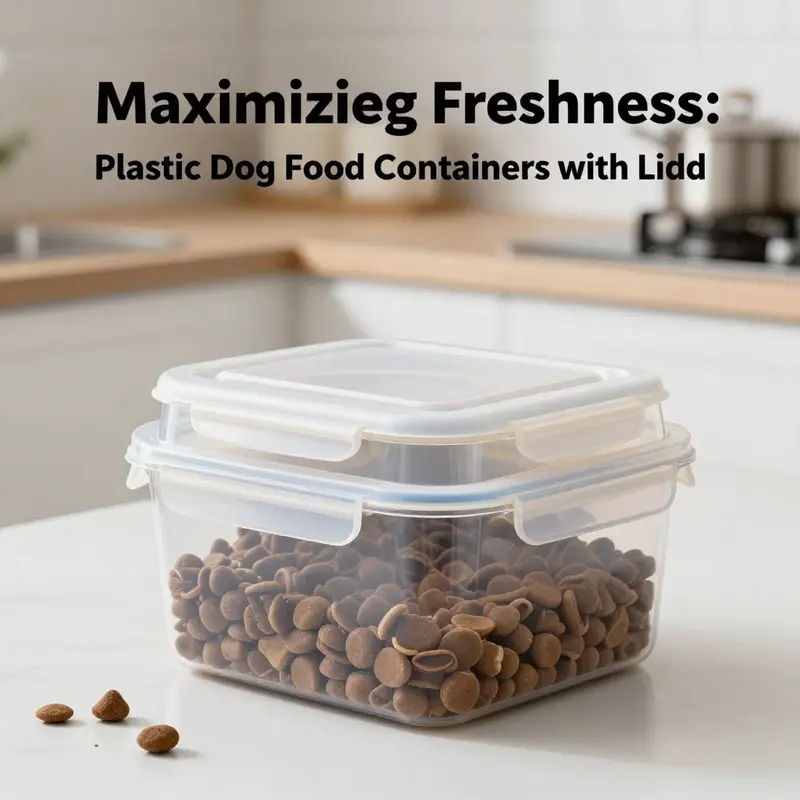
Choosing a plastic dog food container with a lid is more than picking a storage bin. It is a decision that influences freshness, nutrition, and daily ease in a small but meaningful way. The best designs blend practical heft with gentle handling, so a container can survive a busy kitchen, a curious pet, and the occasional spill without demanding replacement. At its core, a well-made plastic storage bin for dry pet food relies on the material’s strengths: resilience against impacts, resistance to moisture and odors, and surfaces that clean quickly after busy feeding times. The lid is not merely a cover; it is the gatekeeper that determines how quickly air, humidity, or pests can reach the kibble. In other words, durability and design work in tandem. One without the other leaves you with a fragile carry case or a seal that falters under real life. The conversation about storage for pet food thus starts with a simple premise: protect the food, simplify the routine, and do so with materials and geometry that endure over months and seasons.
Most plastic containers used for dog food are crafted from food-grade polymers such as high-density polyethylene and polypropylene. These plastics are chosen for their blend of toughness, light weight, and chemical stability. HDPE, in particular, resists impact and helps limit odors and moisture transfer, while PP offers rigidity that remains reliable when the container is washed or briefly heated during cleaning. Safety is essential, and the aim is to avoid any material that could transfer undesirable compounds to kibble. Reputable designs seek BPA-free formulations and clear food-safety certifications because fats in kibble can be especially sensitive to trace chemicals that migrate over time. Durability does not equate to invulnerability; rather, it reflects a careful balance of wall thickness, ribbing, and corner geometry that keeps the container robust yet approachable. A slightly thicker wall or reinforced corners can extend the lifespan in a pantry where the container is bumped, stacked, or slid past other items. Yet that sturdiness must not impede cleaning. Smooth, flaw-free surfaces reduce crumb buildup and make washing quick and thorough, a small but meaningful factor in keeping pests and odor at bay over weeks of use.
Design features should not be dismissed as cosmetic. They are practical decisions that determine whether the container will truly preserve food under everyday stress. Many plastic dog food containers with lids include built-in handles that make carrying feel lighter and refilling feel simpler. Locks or latches on the lid are common, and these are more than convenient toggles. A secure latch creates a seal that reduces air exchange, slows fat oxidation, and helps block access by insects or small pantry pests. In some models a gasket or sealing ring fills the tiny gaps between lid and rim, turning a loose lid into a true barrier against moisture and contamination. This gasket matters most on humid days and in kitchens where the pantry is near heat sources or windows, because such conditions can stress the seal over time. Alongside sealing hardware, practical details like measurement markings on the side of the container support portion control and meal planning, especially in households with multiple pets or varying feeding schedules. A built-in scoop or a designated measuring area is a welcome convenience, keeping portions consistent and reducing waste. Yet the heart of the design remains a thoughtful relationship between lid, seal, and interior geometry, creating a compact system that keeps dry food dry, odors contained, and feeding routines predictable.
Even with careful material choice and well-engineered seals, durability in plastic storage is a function of how well the design holds up under real-world use. Daylight and heat can impact plastics in subtle ways: exposure to sun can accelerate surface aging, and repeated heating or cooling cycles may increase brittleness at corners or lid edges. Warping is another risk; if a container sits in a hot car or near a heat source, the lid may no longer align perfectly with the rim, weakening the seal and making the box feel less trustworthy when you reach for it. Some signs of aging show up as yellowing or clouding on the interior surface, which may not compromise safety but can signal shifting mechanical properties. A less obvious but practical concern is the potential for chemical leaching, especially if a container is used beyond its intended lifetime or subjected to aggressive cleaning. The prevailing counsel is simple: store away from direct sun, avoid extreme temperature swings, and replace the container when you notice cracks, warping, persistent odors, or a seal that no longer seats evenly. In this landscape, the real value of durability comes from how long a well-made container maintains its seal, how easy it remains to wipe clean, and how gracefully it ages with the household.
Seal integrity also intersects with the goal of pest prevention. Airtight seals slow down oxidation and preserve nutritional quality by limiting oxygen exposure, while a robust lid design can deter ants, pantry beetles, or other intruders that thrive in stored dry foods. The combination of a sturdy rim, a snug closure, and an effective gasket creates a barrier that is harder for pests to breach. In practice, seal quality varies with use. The first touch of the lid should feel reassuringly firm; repeated opening and closing should not loosen the fit, and the gasket should not crumble or detach from the rim. Regular inspection of the seal area is sensible: if you hear a subtle hiss of air when pressing the lid or observe moisture condensing along the inside, it may be time to replace the gasket or the lid assembly. A well-designed container also respects the storage environment. Stackable systems save space, which is valuable in small kitchens and busy households, but stacking should never press on the lid’s edges or distort the seal. The result is a storage solution that merges physical sturdiness with a dependable barrier against moisture and pests, turning everyday feeding into a calm, predictable routine.
Maintenance is where durable design manifests in daily life. Smooth interior surfaces and rounded corners reduce areas where crumbs can lodge, making routine cleaning straightforward and quick. A simple rinse after refilling, followed by a thorough wash with mild dish soap, is often enough. Harsh solvents should be avoided, as they can degrade seals or dull the plastic surface over time. If the container includes a scoop or a separate measuring cup, design intent often encourages dishwasher-safe components, though the lid and gasket may require hand washing to preserve integrity. Drying is essential; moisture trapped inside a sealed container defeats the very purpose of the seal. A quick air-dry or a light wipe-down on the exterior helps prevent mold and mildew. For households that store treats or medications alongside kibble, a design that minimizes cross-contamination risk—such as a separate compartment or a tightly closed lid—adds a layer of hygiene. Every material has a life cycle, and every user has different needs; durability, in the end, means staying useful through months of routine use and seasonal changes in kitchen conditions.
Capacity is more than a number on a box. It shapes how often you open the lid, how quickly air exchange occurs, and how much space you need in the pantry. In typical home setups, sizes range from about 15 pounds to 40 pounds or more, which covers a wide range of dog sizes and feeding patterns. The right capacity helps minimize frequent refills, which in turn reduces opportunities for spills and exposure to air. But larger does not always mean better; an oversized container can tempt careless handling and create a larger surface area for seal wear. Space efficiency often motivates a stackable profile, yet the design must maintain lid integrity under compression and not compromise ease of access. Wall thickness and overall weight contribute to how comfortable the container feels in hand and how well it performs during daily use. A carefully chosen size becomes a steady partner in the kitchen, enabling predictable portions and steady freshness across weeks and months.
When you approach selection, it helps to frame the choice as a balance among durability, seal quality, ease of maintenance, and space. A reinforced lid, together with a gasket that seats evenly and maintains a tight seal, is often the most impactful feature for preserving freshness and deterring pests. A sturdy wall profile with thoughtful ribbing can resist warping and give a sense of solidity in hand. Compliance with food safety standards provides reassurance about materials and manufacturing practices. Placement matters, too: keep the container away from direct sun and heat sources, and consider climate when choosing a plastic composition. The best container aligns with how you live: it remains easy to use after a busy day, it cleans quickly, and its seal stays reliable through repeated cycles of opening and closing. A final reminder is practical: the most durable container is the one you use consistently and maintain with a regular cleaning routine. In that sense, durability and design are less about a single feature and more about the harmony of form, material, and habit that makes pet care smoother.
For readers seeking a broader view of practical packaging choices in everyday storage, consider this resource on eco-friendly takeout boxes for food packaging, which explores how durable, user-friendly designs translate across contexts: eco-friendly takeout boxes for food packaging. And for a broader context on real-world storage products and how they perform in everyday households, you can also consult a general reference that compares airtightness, materials, and user experience in common storage solutions. External reference: Walmart listing.
Sizing the Pantry: Capacity Choices for a Plastic Dog Food Container with Lid
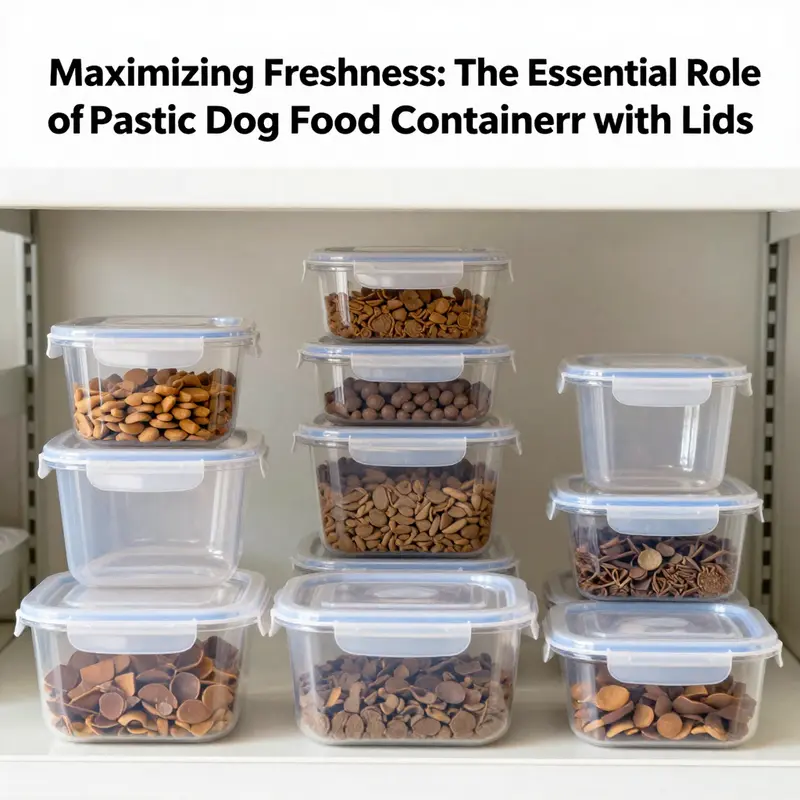
Choosing a plastic dog food container with a lid is more than picking a pretty color or a cute shape. It’s about capacity, of course, but capacity intersects with freshness, space, and routine in a way that can change how you feed your dog and manage your pantry. A container that’s too small forces you to buy more often, increasing trips to the store and exposing the food to air each time you open a bag or bin. A container that’s too large, by contrast, can waste space in a crowded kitchen, invite seasonal pests if not sealed perfectly, and tempt you to store more than you actually need, which can complicate rotation and lead to stale fats and reduced aroma. The right size, then, becomes a balance between how much you typically purchase at once, how frequently you shop, how much pantry real estate you have, and how you portion meals during the week. In short, capacity is a practical hinge on which freshness, cost, and convenience turn.
Across households, you’ll see a spectrum of capacity options that reflect these needs. Common sizes range broadly—from models designed for small dogs or limited budgets to larger, family-scale containers intended to hold substantial reserves of dry food. A widely cited capacity option is a 25-pound model, which hits a sweet spot for many multi-dog households and for single-dog homes that don’t want to reload every week. This size often fits easily into standard pantry shelves, cabinets, or utility closets without crowding the floor or blocking other storage. It also aligns well with typical bulk purchases from retailers that offer dry kibble in bags around 20 to 25 pounds. For larger homes or multi-pet households, there are options described in consumer guides as holding around 30 pounds or more, and some larger, high-capacity designs specify volumes in liters, such as 30+10 L configurations, which translate to substantial dry-food storage when you consider the density and bag size of common kibble formulas. Still, the precise capacity figures you’ll encounter can vary by model and by whether the container emphasizes sheer volume, airtight integrity, or a combination of both. In practice, the trick is to match an option that accommodates your typical bag size, while leaving a small buffer for a week’s or two weeks’ worth of meals.
The materials behind these capacities matter too. Most plastic storage options for dry pet foods use robust plastics such as high-density polyethylene (HDPE) or polypropylene (PP). These materials deliver notable resistance to impact, moisture, and odors, which helps preserve the nutritional quality of the kibble and minimize water infiltration that could degrade fats. A container that seals tightly can protect against air, humidity, and pests, all of which threaten freshness and palatability. An airtight or locking lid is not a mere convenience; it’s a frontline defense against the oxidation and rancidity that can creep into a bag once it’s exposed to air and temperature fluctuations. When you’re evaluating a 25-pound option or an upsize, pay attention to how the lid engages with the rim, whether the seal is continuous, and whether there’s a secondary locking mechanism to prevent accidental openings. These details often matter far more in real kitchen use than headline capacity alone.
Beyond raw volume and the polymer choice, a container’s practical features influence how well it serves a given household. Easy-to-clean surfaces reduce the friction of regular maintenance, a crucial factor when you’re dealing with flour, fats, or slightly oily kibble residues that can cling to plastic over time. Built-in handles simplify lifting, especially when the container approaches full capacity and becomes heavier. An integrated scoop—often two cups or more—allows precise portioning and helps prevent waste. Stackability is another important design trait in many models, because it enables compact storage in pantries and utility rooms. A well-thought-out design will not only minimize footprint but also facilitate quick inventory checks. A 25-pound container that stacks neatly with others in the same family line can dramatically improve pantry organization, particularly for households that juggle multiple food storage needs, such as snacks or treats in addition to daily meals. However, the value of a given container’s capacity isn’t simply about how much it holds; it is also about how efficiently that space is used within your kitchen’s geometry. A tall, slim container might fit into a narrow corner but feel awkward when you’re grabbing kibble mid-morning. Conversely, a squat, wide container may be easier to access but occupy precious shelf space you don’t have. In other words, capacity must be evaluated in the context of your pantry architecture, your shopping rhythm, and your daily feeding routine.
The decision about which capacity to choose also hinges on how you want to interact with your pet’s food over time. If you tend to purchase kibble in bulk infrequently, a larger, 30-pound or higher option could reduce restocking trips—provided you have the space and a reliable lid that keeps air out. If you’re balancing a busy schedule with a couple of dogs, a mid-range model around 25 pounds can be ideal: it’s large enough to reduce trips to the store, yet compact enough to squeeze into a typical kitchen cabinet. For households that rotate different kibble varieties or use stepwise feeding plans, a slightly smaller, 15-pound model can be the best fit for dedicated storage of one or two blends, leaving a larger container for other staples. In any case, the objective remains the same: preserve freshness, simplify routine, and keep the pantry orderly.
When you weigh capacity, it is helpful to correlate it with how you actually feed your dog. If you typically feed once or twice a day and purchase kibble in bags that are around 20 to 25 pounds, a 25-pound option often aligns with your cycle and your space. If your household includes several pets or you feed dynamic diets that require separate storage for different foods, you might prefer a tiered approach: a larger main container for the bulk supply and a smaller, dedicated bin for a specialty formula that your vet might recommend for a period of time. Regardless of the configuration you choose, the central aim is to minimize air exposure during daily handling. Any capacity decision should support a sealed environment that keeps odors contained, preserves nutritional quality, and reduces waste. In practical terms, a well-chosen capacity translates into fewer spoilage risks, cleaner feeding routines, and a kitchen that feels less chaotic.
To connect capacity with real-world usage, consider how often you’re comfortable refilling, how much you want to visually monitor the kibble level, and how you structure meal planning in your week. A 25-pound model frequently offers a practical balance between fewer refill cycles and accessible handling. A larger option might be sensible if you want to consolidate a two- or four-week supply, but only if you have the space to store it and a lid that reliably maintains a tight seal. The right choice will also depend on the shape and configuration of your storage area, whether you use a dedicated pet zone or share space with human food. If you’re tech-savvy about organization, you might pair a mid-size container with a thinner, sealable bin for excess bags or seasonal flavors, keeping everything tidy and easy to rotate. In the end, capacity is not merely a number; it is the practical alignment of your home’s rhythm with your pet’s nourishment.
For a broader look at how form and function balance in containers used for food storage and packaging, see eco-friendly takeout boxes for food packaging.
As you close the lid, you’re not just sealing a bag of kibble; you’re sealing routine, cost efficiency, and the aroma of the week’s meals. A careful capacity choice supports the trust you place in the container’s ability to keep your dog’s food fresh, your kitchen organized, and your daily schedule predictable. It is one small decision that ripples through the household, influencing how smoothly life with a dog can go from dawn to dusk, week to week, season to season. And because plastics science continues to evolve, it’s worth noting that safety guidance around food-contact plastics remains important. For safety guidance on plastics and food contact, see the FDA resource: https://www.fda.gov/food-packaging-formulating-food-contact-substances-fpcs
Guardians of Freshness: Safety Standards and Practical Wisdom for Plastic Dog Food Containers with Lids
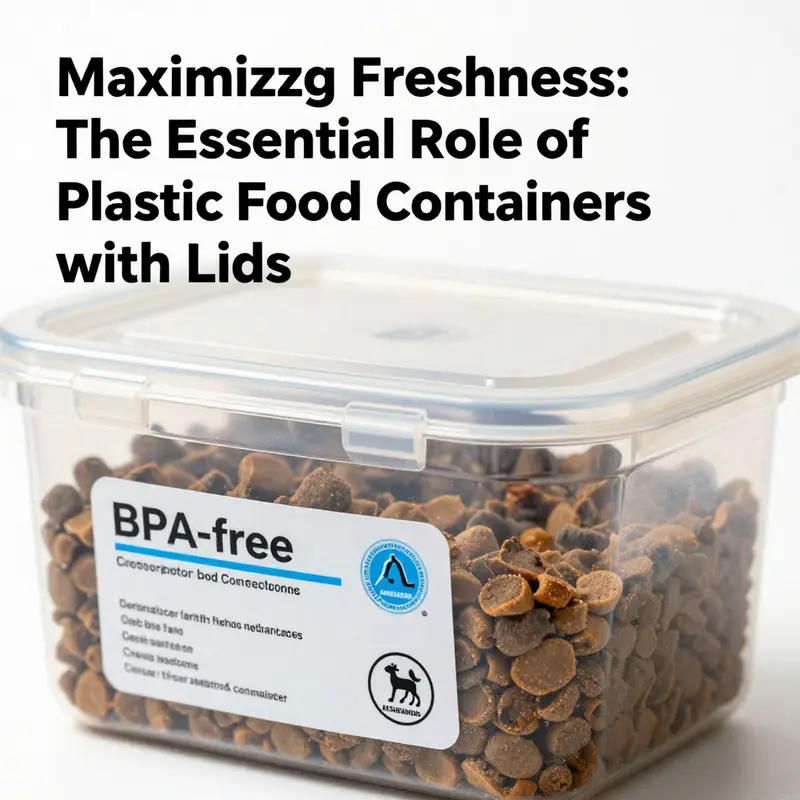
A plastic dog food container with a lid is more than a simple receptacle. It is a small fortress designed to guard the nutrients your dog relies on, keeping dry kibble from turning stale, from absorbing odors, and from inviting pests into the pantry. The safety standards that govern these containers are not an arcane set of rules; they are practical guardrails that ensure what sits inside remains safe for your canine companion. When you understand what these standards mean in everyday use, choosing and using a container becomes a straightforward act of protecting your dog’s health and your kitchen’s hygiene. At its core, safety for plastic food-contact containers rests on three intertwined principles: the materials themselves must be food-grade and free of harmful chemicals, the design must minimize contact risks and contamination, and the handling and maintenance routine must preserve the seal and integrity of the stored food over time. The first principle is about chemistry and certification, the second about engineering and compatibility, and the third about behavior and hygiene. Taken together, they form a practical framework you can apply without becoming an expert in materials science. The emphasis on materials starts with the widely accepted expectation that the plastic used in food storage is BPA-free. Bisphenol A has been linked to health concerns in humans and animals alike, and reputable manufacturers clearly label their products as BPA-free to reassure buyers that there is no intentional exposure to this chemical. It is important to note that BPA-free is often combined with other safety assurances, including food-grade status and compliance with regulatory standards that govern direct contact with food. In everyday terms, this means the container’s plastic should be specifically designed and certified to touch dry pet food without transferring unwanted substances into the kibble. The difference between a container that merely holds something and one that truly protects a pet’s food lies in this certification—a formal claim that the material is suitable for food contact under typical storage conditions. The second pillar, food-grade compliance, rests on standards set by regulatory bodies that oversee what can safely touch pet food. These standards are not meant to be abstract; they translate into real-world assurances. Food-grade plastics are formulated and tested to resist typical storage challenges, including the gradual ingress of moisture, oils, and odors, while maintaining their structural integrity under ordinary pantry temperatures. This matters because dry dog food, rich in fats and nutrients, is susceptible to rancidity if exposed to air and humidity. A container that meets food-grade requirements is designed to be stable when in daily use, rather than behaving like a generic plastic box that might degrade or contaminate the contents over time. Understanding resin identification codes (RIC) helps in recognizing which plastics are typically safer for food storage. The codes most often associated with safer food-contact applications are 2 (HDPE), 4 (LDPE), and 5 (PP). These resins demonstrate favorable properties for storage: high resistance to moisture and chemical interactions, good durability, and relatively low risk of leaching under normal conditions. By contrast, resins associated with codes 3 (PVC), 6 (PS), and 7 (the “other” category) carry higher concerns about chemical leaching or plasticizers, especially when exposed to heat, sunlight, or repeated handling. While a consumer might not see the resin code printed on every storage lid, a general rule of thumb is to prefer containers that clearly advertise HDPE, LDPE, or PP as the primary material. The third pillar emphasizes lid safety as a critical component of overall food protection. A sealed lid is not just about keeping the lid in place; it is about how well the seal prevents moisture from creeping into the container and how the locking mechanism maintains that seal during daily use. An effective lid should be BPA-free and food-grade in its own right, matching the material of the body so there is no mismatch that could invite micro-leaching or compromised seals. It should also employ a gasket or an airtight seal that remains flexible and intact after repeated opening and closing. A good lid design honors the physics of storage: it should deter air exchange, resist warping from contact with warm hands or a warm kitchen, and stay secure even if the container is bumped or moved. In a practical sense, this means looking for lids that fit snugly around the rim, features that reinforce the seal such as a continuous gasket, and locking mechanisms or clamps that make it difficult for the lid to pop open unexpectedly. The seal’s effectiveness is not a one-off judgment; it depends on how the container is used and cared for. Even the best lid will fail if cleaners or heat degrade the gasket or if the container becomes scratched or etched. That is why proper cleaning and handling matter as much as the initial certification. Non-porous, easy-to-clean surfaces are a boon here. A container with a smooth interior minimizes places where moisture and food particles can cling, reducing the chance of bacterial growth and odor retention. Gentle washing with mild dish soap and warm water, followed by thorough drying, helps preserve the surface and the seal. Some owners choose to sanitize periodically, using food-safe sanitizers, to reset the storage environment after a particularly damp spell or a pest scare. The safety conversation would not be complete without acknowledging how the design helps prevent common storage mishaps. A well-sealed container resists pantry pests, a frequent source of contamination and waste. A locking lid or a tight snap-fit that stays secure even when the door to the kitchen swings open and closed is part of this protective design. In practice, it is not just about freshness; it is about maintaining a clean, hygienic footprint in a home where a curious canine may be watching the food bowl or a cat may be tempted by the odor of kibble. The lifecycle perspective is also essential. A container should be robust enough to withstand daily handling without cracking or losing its seal. Warping from heat or exposure to sunlight can compromise a lid’s fit, while frequent washing with aggressive cleaners can degrade the plastic surface and gasket. Therefore, storage conditions matter as much as the container’s build. Keeping the container in a cool, dry place away from direct sunlight helps preserve both the material and the seal over time. Lengthy exposure to sunlight can degrade plastics, making them brittle and more prone to cracking. A small investment in a good container is thus a small pledge to a longer, safer lifespan of your dog’s food storage. It is tempting to treat a container as a disposable item, but safety standards emphasize longevity paired with responsible use. That means verifying the seal remains intact before each use, ensuring the lid closes with a definitive click or seal indicator, and inspecting the interior for scratches or micro-abrasions that could harbor moisture or bacteria. The practical upshot is straightforward: when selecting a container, favor those that clearly advertise BPA-free, food-grade materials, and resins aligned with codes 2, 4, or 5. Inspect the lid for a secure seal, a proven locking mechanism, and a gasket that remains flexible after repeated use. Ensure the interior surface is smooth, non-porous, and easy to clean, and be mindful of where you store the container in your home. These steps translate safety standards from abstract regulation into everyday habits that maintain freshness, protect against spoilage, and support your dog’s health. In discussing these ideas, it helps to anchor them with accessible resources that broaden understanding beyond the kitchen shelf. For a perspective on how packaging safety materials influence everyday storage decisions, consider exploring resources like the broader discussion on eco-friendly takeout boxes for food packaging, which echoes the same core principle: safety and practicality must travel together in the design and use of any container intended to hold food. See the resource here: eco-friendly takeout boxes for food packaging. The point is not to chase a single mark but to blend certification, material choice, and everyday care into a reliable storage habit. Finally, the safety conversation invites a broader regulatory frame that continues to evolve as new materials and additives enter consumer markets. For those who want to read more about current scientific perspectives on food-contact materials, an authoritative resource from the NIH provides a detailed editorial on this topic. It offers a substantive, up-to-date overview of what researchers and regulators consider when assessing migration risks and safety assurances for plastics used in direct contact with food. You can access the NIH editorial here: https://www.ncbi.nlm.nih.gov/pmc/articles/PMC10489221/. This external reference complements the practical guidance offered above, grounding everyday choices in a rigorous, evidence-based context. In sum, safety standards for plastic dog food containers with lids are not a burdensome checklist; they are a practical framework that translates regulatory language into real-world safeguards. When you select a container, you are choosing a material that will contact your dog’s food, a lid that will protect against the daily onslaught of humidity and pests, and a routine that preserves freshness through thoughtful cleaning and storage practices. The outcome is a simple, dependable system: a container that helps ensure your dog’s food stays as fresh on day 1 as it is on day 30, a system that minimizes waste, and a kitchen space that remains clean and free from the odors of old kibble. In this way, the container becomes a quiet partner in care rather than a mere accessory, an object that quietly supports a healthier routine for your dog and a more organized home for you. The safeguards embedded in its design and use reflect a careful compromise between accessibility and protection, between convenience and caution, and between modern materials science and everyday pet care. It is this balance that makes the small act of sealing a lid into a daily ritual of responsibility—one that helps preserve nutrition, prevent spoilage, and protect the well-being of a loyal companion.
null
null
Final thoughts
Choosing the right plastic dog food container with a lid can significantly impact the quality and storage of your pet’s food. Its durability, diverse capacity options, adherence to safety standards, and user-friendly features make it an essential addition for businesses focused on maintaining freshness and quality. By investing in quality containers, you not only protect your ingredients but also enhance the efficiency of your operations. Embrace these storage solutions to elevate your food management practices to new heights.