
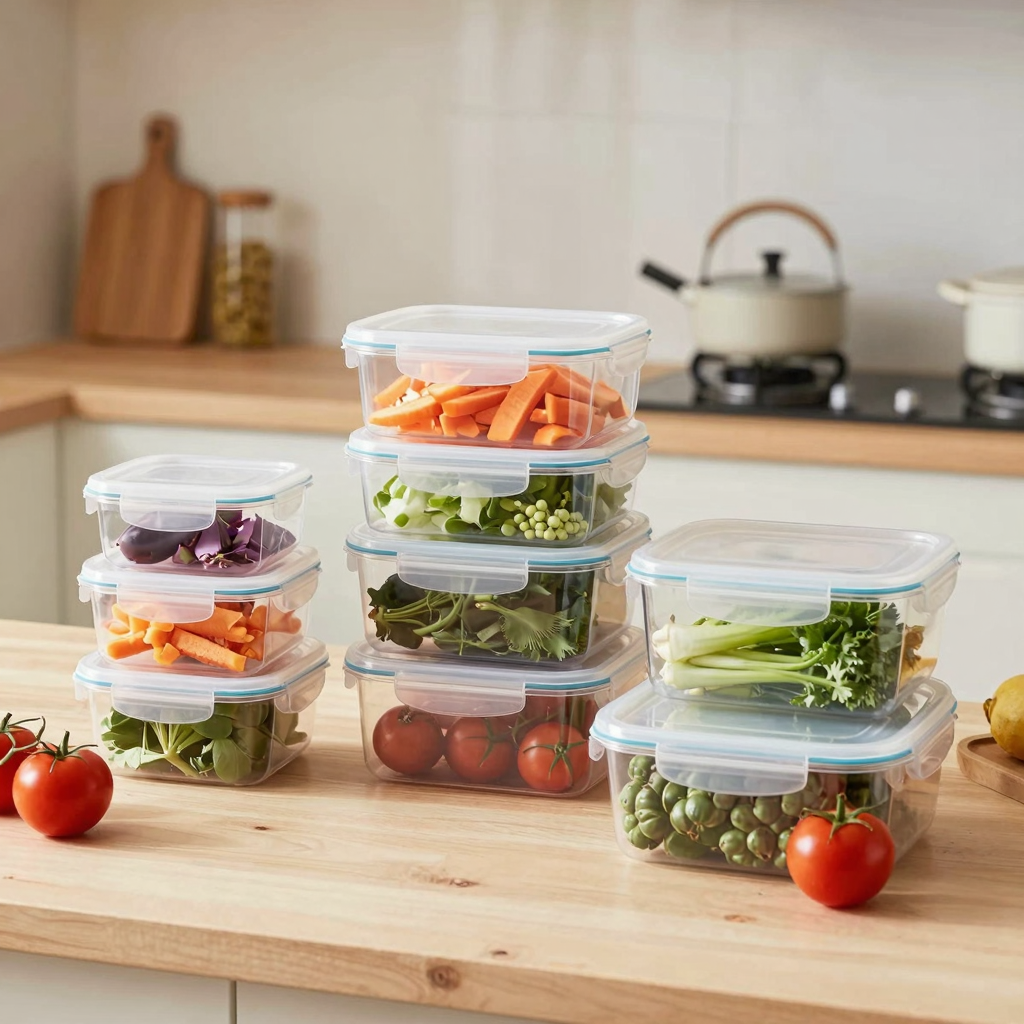
In the bustling world of food service, where flavor and freshness are paramount, the significance of proper storage for dry food items cannot be overstated. For businesses such as bubble tea shops and restaurants, maintaining the quality of ingredients is crucial not just for customer satisfaction but also for operational efficiency. Investing in high-quality dry food storage containers not only helps preserve the freshness of ingredients but also improves overall organization within the kitchen. Imagine a workspace where every ingredient is not only readily accessible but also securely stored, minimizing waste and maximizing productivity.
The right storage solutions can transform the way you manage your ingredients, making it easier to create delicious offerings while keeping everything neat and tidy. In this article, we will explore various plastic storage solutions tailored to meet the unique needs of food businesses. From robust containers that seal in freshness to ergonomic designs that optimize space, discover how these efficient storage options can elevate your operational game and enhance the quality of your culinary creations. Learn more about the essential plastic containers in the food industry as we delve into the benefits that come with proper dry food storage.
Benefits of Plastic Dry Food Storage Containers
For restaurants, food trucks, and event planners, utilizing plastic dry food storage containers offers a range of advantages that can enhance operations and food safety. Here are five key benefits:
-
Longevity and Durability
Plastic storage containers are designed to withstand the rigors of commercial kitchens. They resist cracking and breaking, ensuring a long lifespan even in high-use environments. Learn more about the advantages. -
Ease of Cleaning
Most plastic containers are dishwasher safe and easy to clean, which is essential for maintaining hygiene standards in the food service industry. -
Safety Standards
Reputable plastic containers are made from food-grade materials, ensuring they meet safety regulations. It’s crucial to select containers made from grades 2, 4, or 5 for optimal safety (source). -
Space Efficiency
These containers often come in stackable designs, maximizing storage space in kitchens while keeping ingredients organized. -
Cost-Effectiveness
Compared to glass or metal, plastic containers are generally more affordable, freeing up budget for other essential items in a restaurant or event setup.
Using plastic dry food storage containers makes perfect sense for any food-oriented business.
1. Eco-Friendly Performance
A recent testimonial from Eco Cup Bowl emphasizes the importance of food safety. According to the report, “Plastic containers meet food safety standards, ensuring food remains uncontaminated, which is vital for catering and food truck operations.” The durability of these containers makes them an essential component for maintaining the quality of food during transport and service. Their airtight design helps retain freshness, which is crucial for customer satisfaction in a competitive market.
2. Built to Last
Another testimonial from Lesui Packaging explained that plastic food storage containers are ideal for long-term use. Users have reported that these containers offer resistance to cracking and warping, making them excellent for food trucks and catering services that require reliable storage options. The containers can withstand the rigors of daily use without leaking or breaking, making them a favorite among catering companies that need to transport food securely.
3. Efficiency in Service
According to an article from StorSquare, businesses that incorporate mobile storage containers find they provide durability and security essential for storing ingredients and equipment in fast-paced environments. One user noted that “the efficiency gained by having quality containers means our team spends less time worrying about storage and more time focusing on serving our customers.” This reflects the importance of efficiency in operations, especially for food service businesses striving to deliver quality in a timely manner.
Overall, users across the board emphasize that plastic food storage containers not only meet durability and efficiency needs but also help in maintaining high standards of food safety and customer satisfaction. For more insights into how plastic food storage containers can benefit your business, check out our blog on the benefits of plastic food containers.
| Container Type | Sizes Available | Lid Type | Material Safety Standards | Typical Applications |
|---|---|---|---|---|
| HDPE Containers | 0.5L to 20L | Snap-on lids | FDA compliant, suitable for food | Juice, dairy products storage in cafes, restaurants |
| LDPE Bags | 0.5L to 5L | Zip-lock | Food-grade LDPE, approved for food contact | Food trucks, catering for quick serve items |
| Polypropylene (PP) Containers | 100ml to 10L | Screw-on lids | FDA approved, microwave safe | Meal prep, leftovers storage in households |
| Polycarbonate Containers | 0.5L to 4L | Airtight lids | BPA-free, safe for high-temperature foods | Restaurant food prep and storage |
| Clear PET Containers | 125ml to 5L | Snap-on lids | Recyclable, safe for cold foods | Events, takeout orders, corporate gatherings |
| Stainless Steel Containers | 0.5L to 10L | Locking lids | Food-safe, durable | Long term storage for food trucks, catering services |
Learn more about plastic food container safety and the types of containers for different business applications.
Safety Standards for Plastic Dry Food Storage Containers
In the food service industry, maintaining strict safety standards for food storage is crucial, especially when using plastic dry food storage containers. These standards are regulated to ensure that the materials used do not contaminate food and are safe for human consumption.
Relevant Regulations and Certifications
There are several vital certifications and regulations that apply to plastic food storage containers:
-
FDA (Food and Drug Administration): In the USA, the FDA regulates food contact substances, ensuring that all materials used in packaging are tested for safety. Plastic containers must meet FDA guidelines which confirm they are safe for food use. You can find more information on FDA’s regulations.
-
NSF International: This organization tests and certifies products to ensure they meet strict standards for public health protection. Containers that bear the NSF mark are verified to be safe for food storage. For more on this, visit NSF’s food packaging certification page.
-
SGS Certification: SGS is an internationally recognized testing and certification body. Their Food Contact Product Certification Mark assures consumers about the quality and safety of food-contact materials. Learn more about their certification at SGS Food Contact Certification Mark.
-
LFGB (Lebensmittel- und Futtermittelgesetzbuch): This German food and feed code certifies that products meet health and safety standards. It’s an essential certification for companies exporting to Europe.
-
TÜV SÜD: They provide testing and certification for products in contact with food, ensuring compliance with relevant safety regulations. You can check their certification processes at TÜV SÜD’s certification mark page.
Importance for Food Services
For restaurants, food trucks, and catering businesses, choosing plastic dry food storage containers with these certifications is critical for food safety and compliance with health regulations. By opting for properly certified products, businesses can ensure they maintain the highest food safety standards, thereby protecting their customers’ health and their brand reputation. Furthermore, adhering to these guidelines not only fosters consumer trust but also enhances operational efficiency in food safety management.
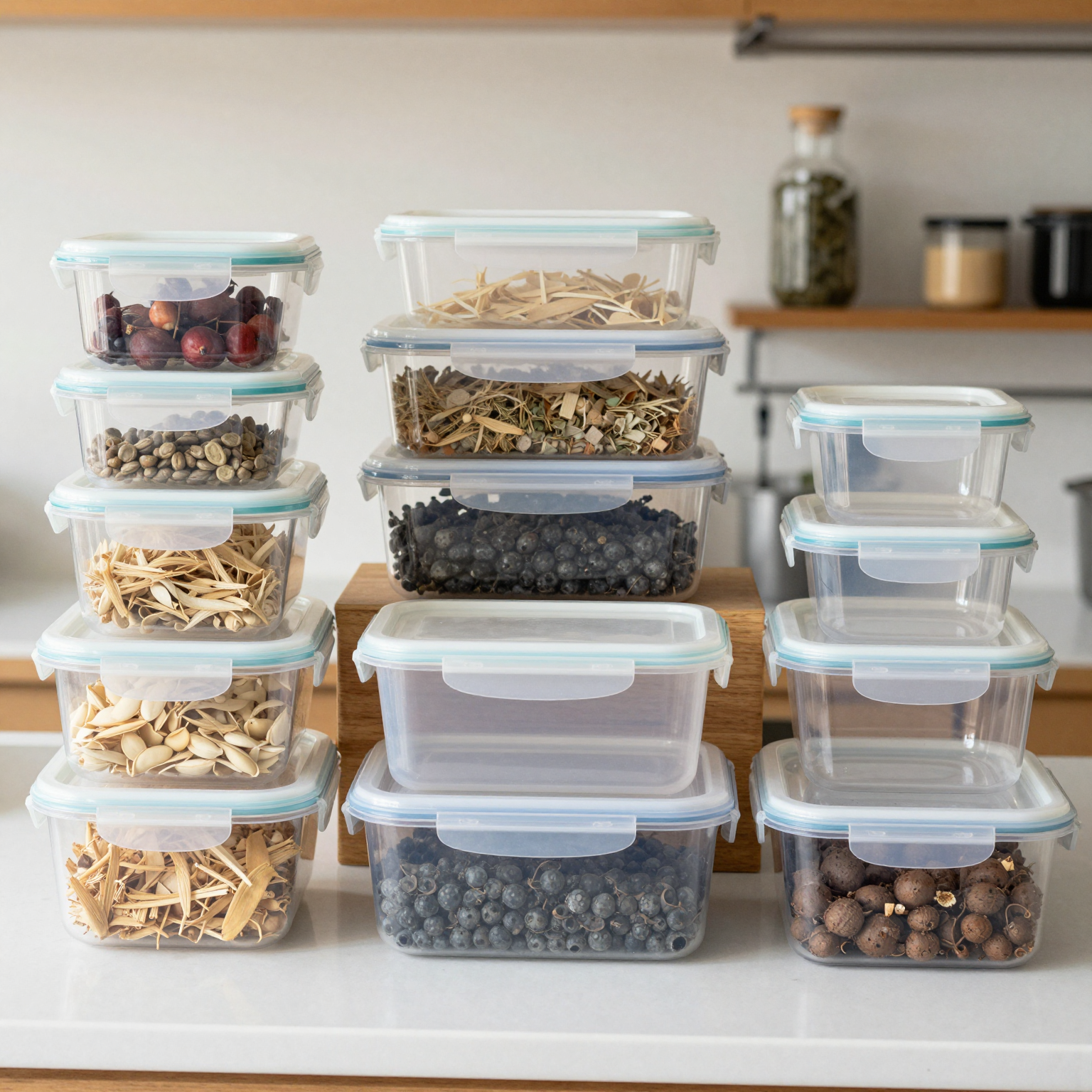
This image beautifully illustrates various plastic dry food storage containers in a clean and organized kitchen setting. Perfect for food businesses looking to enhance their storage solutions.
“Innovative food storage solutions are essential to maintaining the integrity and safety of food products. Without proper storage, we risk compromising quality, which directly affects the consumer’s trust and health.”
- Expert from FoodBev Media
Environmental Impact of Storage Containers
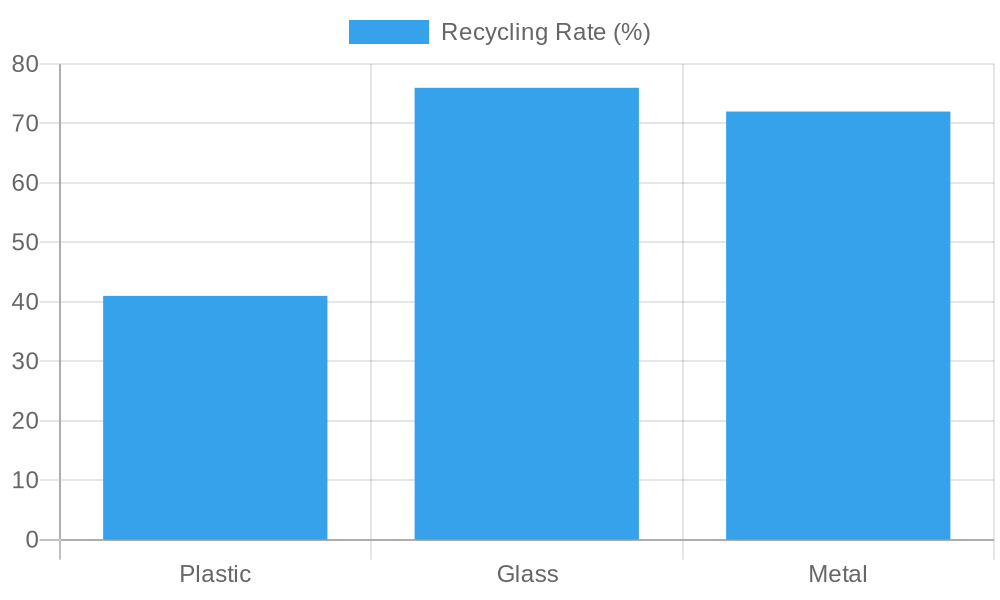
This chart compares the recycling rates and carbon footprints of plastic, glass, and metal storage containers, which is essential for businesses in the food and beverage industry to consider:
| Material | Recycling Rate (%) | Carbon Footprint of Production (Relative) |
|---|---|---|
| Plastic | 41% | Lower |
| Glass | 76% | Higher |
| Metal | 72% | Moderate |
Note: While glass has the highest recycling rate, its production generates higher carbon emissions compared to plastic.
For more information on recycling plastic containers in the food industry, check out our blog.
Proper care and maintenance of plastic dry food storage containers are crucial not only for ensuring longevity but also for maintaining food safety. Whether you operate a bubble tea shop, restaurant, or food truck, knowing how to correctly store and clean these containers can make a significant difference. Here’s a detailed guide on how to properly care for your plastic containers.
Cleaning Tips
-
Use Gentle Cleaners: Always wash plastic containers with warm, soapy water. Avoid abrasive cleaners or scrubbers that could scratch the surface. A non-abrasive sponge works best for cleaning without causing damage. For persistent stains or odors, consider using a mixture of baking soda and vinegar; let it sit for a few minutes before rinsing thoroughly.
-
Rinse Thoroughly: It’s essential to rinse your containers out with clean water after washing. Any soap residue left behind could affect the taste of food stored in them.
-
Avoid Grease Buildup: When dealing with containers that have held oily or greasy food, pre-soak them in cold water mixed with dish soap before washing. This helps to prevent grease from sticking to the plastic and makes cleaning easier.
-
Air Dry: After washing, allow your containers to air dry completely before storing them. Stack them only when they are completely dry; this prevents moisture buildup, which can lead to mold growth or unpleasant odors.
Safe Storage Practices
-
Separate Lids and Containers: If possible, store lids separately from the containers. This minimizes the risk of warping or scratching and makes it easier to find the right lid when needed.
-
Avoid Exposure to Extreme Temperatures: Store your plastic containers in a cool, dry location away from direct sunlight and heat sources. High temperatures can warp the plastic and compromise the integrity of the containers.
-
Check for Damage: Before using your containers, inspect them for cracks, scratches, or discoloration. Damaged containers should be replaced, as they can harbor bacteria and may not provide a proper seal-especially important for dry food storage.
Longevity Tips
- Label Your Containers: Use a dry-erase marker to label containers with the contents and the date of storage. This helps to manage inventory and reduces waste.
- Rotate Your Stock: Use the first-in, first-out (FIFO) method when storing food. This ensures older items are used before newer ones, reducing spoilage.
- Choose Food-Grade Containers: Always ensure that the containers used are food-grade, as these are specifically designed to hold food safely.
Following these tips not only enhances the durability and safety of your plastic dry food storage containers but also ensures your food products remain fresh and delicious. For additional insights on selecting the right containers for your food business, check out our guide on plastic containers in the food industry.
By investing time in the care and maintenance of your storage solutions, you can significantly extend their lifespan while ensuring a safe food storage environment.
Conclusion: The Importance of Choosing the Right Dry Food Storage Solutions
In the bustling world of food service-from bubble tea shops to catering services-the choice of dry food storage containers is more critical than you might think. Proper storage not only preserves the quality and freshness of your ingredients but also promotes safety and operational efficiency. With the right containers, you can protect your food from contamination, extend its shelf life, and streamline your kitchen workflow.
As we’ve discussed, investing in high-quality dry food storage solutions is integral to maintaining your brand’s reputation. Whether you need durable plastic containers or customized options, the right partner can help ensure that you are always prepared to serve the best.
So why wait? Elevate your food storage strategy today by partnering with a trusted supplier like EcoCupBowl. Our reliable and safe packaging solutions are designed to meet the unique needs of your business, ensuring you can focus on what you do best-delivering delicious food experiences. Contact us for more information and let’s get started!