
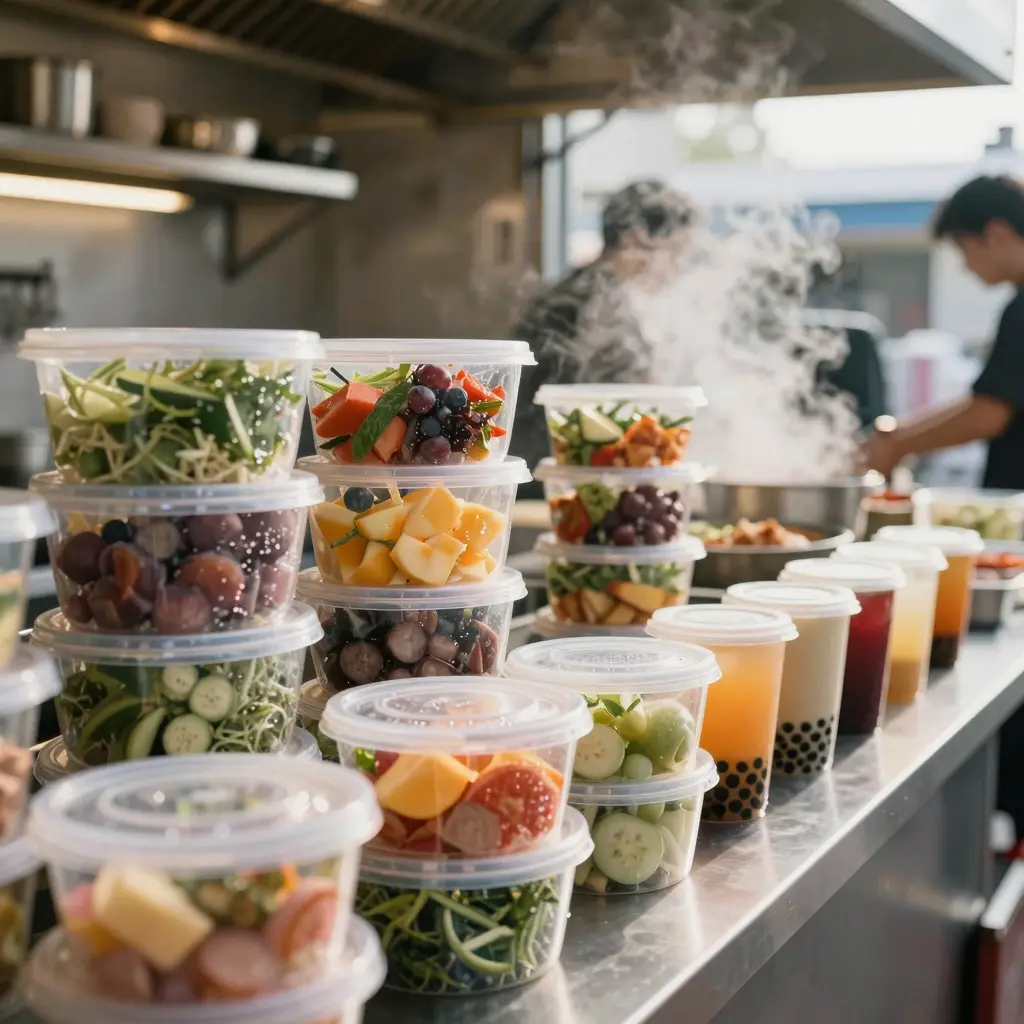
Picture this: It’s a busy Friday evening, and your bubble tea shop is packed with customers ordering brown sugar milk tea and taro smoothies to go. You grab a container, snap on the lid, and hand it over – but within minutes, the condensation has turned the box soggy, and the lid pops off mid-stride. Sound familiar? This everyday struggle highlights exactly why the plastic food container market has become such a critical force in the foodservice industry.
Whether you run a bustling restaurant, manage a food truck route, cater corporate events, or stock supplies for a beverage chain, your choice of food packaging directly impacts customer satisfaction, operational efficiency, and your bottom line. A leaky container doesn’t just ruin a meal – it chips away at your brand’s reputation. For bubble tea shops, the right cup and lid combination can mean the difference between a five-star review and a hashtag vent session. For food trucks and caterers, durability and portability are non-negotiable. And for event planners and procurement teams, balancing cost, aesthetics, and sustainability is a daily puzzle.
That’s why we’ve put together this comprehensive guide to the plastic food container market. We’ll walk you through current market size and growth projections, break down the biggest trends shaping the industry, explore the shift toward sustainable packaging options – including innovative bamboo pulp alternatives – and share practical buying tips to help you choose the right containers for your specific needs. Whether you’re sourcing meal prep bento boxes for a corporate lunch program or stocking up on takeout containers for a weekend rush, this article will help you make smarter, more informed decisions.
Global Plastic Food Container Market: A Decade of Growth 📈
The numbers don’t lie – the global plastic food container market is on a steady and impressive upward trajectory. According to projections from Grand View Research and Allied Market Research, the market is expected to grow from approximately $55 billion in 2020 to nearly $95 billion by 2030, representing a compound annual growth rate (CAGR) of roughly 5.6% over the decade.
This consistent growth signals a massive opportunity for food service businesses – from bustling bubble tea shops and quick-service restaurants to corporate catering teams and food truck operators. As consumer demand for takeout, delivery, and on-the-go dining continues to rise, the need for reliable, versatile food containers grows right alongside it.
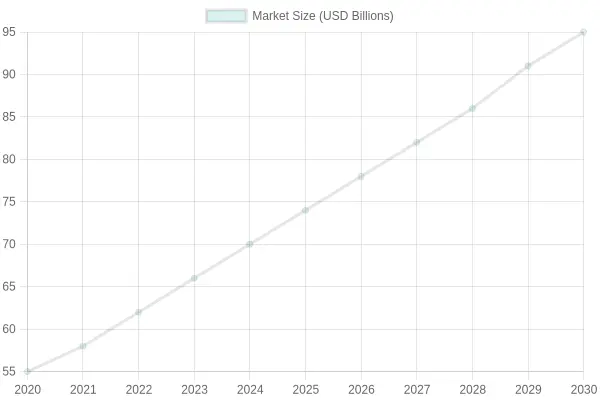
Chart: Global Plastic Food Container Market Size Growth (2020-2030) | Data sourced from Grand View Research & Allied Market Research projections.
What’s Driving the Growth?
Several key factors are fueling this upward trend:
- Surge in Food Delivery & Takeout – Post-pandemic habits have cemented delivery culture as a permanent fixture. More meals transported means more containers needed.
- Rise of Meal Prep & Bento Culture – Consumers and businesses alike are embracing portion-controlled, organized meal solutions, driving demand for compartmentalized meal and bento boxes.
- Expansion of Fast-Casual Dining – Food trucks, pop-ups, and fast-casual chains are proliferating globally, each requiring sturdy, presentable packaging for their offerings.
- Increasing Focus on Portability – From bubble tea shops needing reliable cold drink cups and lids to caterers seeking stackable trays, portability is paramount.
Market Snapshot at a Glance
| Year | Projected Market Size (USD Billions) | YoY Growth |
|---|---|---|
| 2020 | $55.0 B | – |
| 2021 | $58.0 B | +5.5% |
| 2022 | $62.0 B | +6.9% |
| 2023 | $66.0 B | +6.5% |
| 2024 | $70.0 B | +6.1% |
| 2025 | $74.0 B | +5.7% |
| 2026 | $78.0 B | +5.4% |
| 2027 | $82.0 B | +5.1% |
| 2028 | $86.0 B | +4.9% |
| 2029 | $91.0 B | +5.8% |
| 2030 | $95.0 B | +4.4% |
What This Means for Your Business
Whether you’re running a bubble tea franchise, managing a food truck fleet, or sourcing packaging for a corporate event, this market trajectory tells you one thing: the food service packaging industry is expanding, and your choice of containers matters more than ever.
As the market grows, so does the diversity of options available. Businesses that invest in quality, functional packaging now will be better positioned to meet customer expectations for durability, presentation, and convenience down the road. From sturdy trays and plates for catered events to versatile round bowls for daily service, having a reliable supply chain for your packaging needs is no longer optional – it’s a competitive advantage.
Choosing the right plastic container type for your business can make a big difference in both cost efficiency and customer satisfaction. Below is a quick-reference comparison of the five most popular takeout container options, tailored to the needs of bubble tea shops, restaurants, food trucks, caterers, and event planners.
| Container Type | Best For | Material Options | Key Benefits | Average Price Range (per unit, wholesale) |
|---|---|---|---|---|
| PET Clear Hinged Containers | ✓ Bubble tea shops, delis, bakeries, salad bars | PET (Polyethylene Terephthalate) | Crystal-clear visibility 🟢; stackable design; leak-resistant; recyclable (#1 plastic); excellent for grab-and-go displays | $0.15 – $0.50 |
| PP Clamshell Containers | ✓ Food trucks, catering, hot-food takeout, meal prep | PP (Polypropylene) | Microwave & freezer safe 🔥; high heat resistance (up to 160°C); durable hinge; reusable by customers; dishwasher safe | $0.20 – $0.60 |
| PS Foam Containers | ✓ Budget-conscious takeout, fast-food chains, concession stands | PS (Polystyrene foam) | Lightweight & low cost 💰; excellent insulation (keeps food hot); grease-resistant; quiet open/close | $0.08 – $0.25 |
| PLA Compostable Containers | ✓ Eco-conscious cafes, corporate events, sustainability-focused brands | PLA (Polylactic acid, from corn/starch) | Compostable (commercial facilities) 🌱; renewable plant-based source; clear option available; reduces plastic waste; boosts brand image | $0.30 – $0.80 |
| Multi-Compartment Containers | ✓ Meal-prep services, catering, bento boxes, family-style takeout | PET, PP, or PLA | Separate compartments prevent mixing 🍱; portion control; ideal for combos; premium presentation; available in 2/3/4-section designs | $0.25 – $0.70 |
Quick Tips:
- PET is your go-to for cold items you want to showcase (salads, pastries, fruit cups).
- PP is the most versatile-heat it, freeze it, reuse it.
- PS foam is still the most economical for high-volume, low-cost operations.
- PLA helps you meet sustainability goals, but requires commercial composting facilities.
- Multi-compartment containers are perfect for combo meals and bento-style service.
For a wide selection of takeaway boxes and meal containers suitable for hot or cold foods, and eco-friendly bamboo pulp products for a sustainable alternative, browse our full inventory at EcocupBowl.
What’s Driving the Plastic Food Container Market? 5 Key Trends Reshaping the Industry
The plastic food container market is experiencing a significant surge, fueled by powerful shifts in consumer behavior and industry dynamics. For businesses-from bubble tea shops to bustling caterers-understanding these drivers is essential for staying competitive. Let’s dive into the five forces propelling this market forward.
1. The Boom in Food Delivery Apps and Takeout Culture
The food delivery packaging demand has skyrocketed as platforms like Uber Eats, DoorDash, and Just Eat reshape how we eat. The global food delivery market is projected to generate a staggering $1.22 trillion in revenue by end of 2024, with annual growth of 8.29%. For restaurants and food trucks, this means every order needs packaging that’s leak-proof, durable, and travel-friendly. A single poorly sealed container can lead to a negative review and lost customers. Businesses are investing heavily in reliable plastic containers that keep meals intact from kitchen to doorstep.
2. Rising Demand for Portion-Controlled and Pre-Packaged Meals
Health-conscious consumers and meal-prep enthusiasts are driving demand for portion-controlled, pre-packaged meals. Meal kit services and grab-and-go sections in grocery stores rely on compartmentalized containers that keep ingredients separate and fresh. For caterers and corporate event planners, this translates to a need for versatile meal prep and bento-style boxes that offer both portion control and presentation. The convenience packaging solutions trend is here to stay, with consumers valuing ease of storage, reheating, and portability.
3. Growth of the Bubble Tea and Beverage Chain Industry
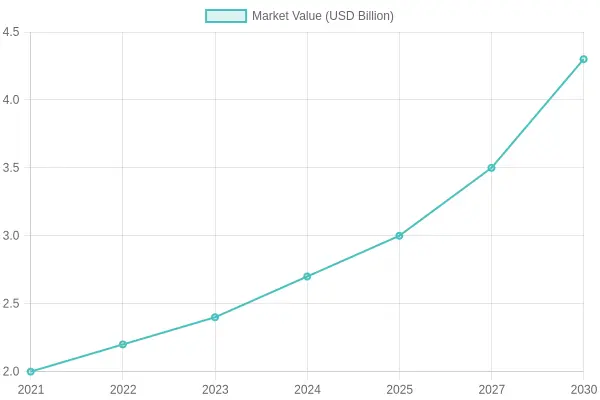
The bubble tea market is booming, valued at approximately $3.00 billion in 2024 and projected to grow at a CAGR of 7.50% through 2034. This rapid expansion creates massive demand for specialized packaging-sealable cups, sturdy lids, and carriers that prevent spills. Bubble tea shops need containers that can handle everything from iced lattes to tapioca pearl-loaded drinks. The right plastic cups for cold drinks and accessories are no longer optional; they’re a core part of the brand experience. On-the-go dining trends are particularly strong here, with beverage chains serving millions of commuters daily.
4. Increased Focus on Food Safety and Hygiene Post-Pandemic
The pandemic permanently elevated consumer expectations around food safety. Tamper-evident seals, single-use containers, and hygienic packaging have become table stakes rather than differentiators. Restaurants and caterers now prioritize food-grade plastic containers that offer clear visibility, secure sealing, and contamination protection. This shift has accelerated adoption of high-quality disposable packaging across the food service industry.
5. Innovation in Lightweight, Durable Materials
Modern plastic containers are lighter yet stronger than ever. Innovations in material science have produced containers that resist cracking, leaking, and warping-even with hot or acidic foods. For food trucks and delivery-focused restaurants, this means reduced packaging weight (lower shipping costs) without compromising on durability. The result? Better margins and happier customers.

Looking Ahead: The Sustainability Question
While plastic remains a dominant material for its durability and cost-effectiveness, the industry is increasingly moving toward eco-friendly alternatives. The next wave of innovation is balancing performance with environmental responsibility-a shift we’ll explore in depth next.
In an industry where first impressions are everything, staying ahead of packaging trends is no longer just an option – it’s a necessity. Whether you’re running a bustling bubble tea chain, a food truck at a weekend festival, or a catering operation serving corporate events, the containers you choose directly influence how customers perceive your brand. Understanding where the market is headed can help you make smarter, more future-proof purchasing decisions.
The plastic food container market is evolving faster than ever. We’re seeing a clear shift toward lightweight, durable, and increasingly recyclable options. Businesses that invest in quality packaging aren’t just protecting food – they’re protecting their brand reputation.
- Sarah Chen, Senior Packaging Analyst, Foodservice Packaging Institute
This insight underscores a critical takeaway for food service operators: your packaging strategy is your brand’s silent ambassador. By choosing high-quality, eco-conscious containers – like our durable meal and bento boxes or versatile bowls – you’re not only keeping food fresh and secure but also signaling to customers that you care about quality and sustainability.
6 Essential Factors to Consider When Choosing Plastic Food Containers
Selecting the right plastic food containers for your business isn’t just about finding something to hold food – it’s about protecting your brand reputation, ensuring food safety, and streamlining your daily workflow. Whether you run a bubble tea chain, a bustling restaurant, or a catering operation, here are the six criteria that matter most.
1. Material Safety & BPA-Free Certification
The safety of your customers starts with the container itself. Always choose BPA-free food containers certified by FDA or equivalent bodies to avoid harmful chemical leaching, especially when storing acidic or hot foods.
2. Durability & Leak Resistance
Nothing frustrates a customer more than a dripping bag. High-quality leak-proof takeout containers prevent messy spills during transit, protecting both your food presentation and your customer’s experience.
3. Temperature Tolerance (Hot/Cold)
Your containers must handle the extremes – from steaming soups to chilled bubble tea toppings. Look for materials rated for freezer-to-microwave use without warping, cracking, or releasing additives.
4. Size & Shape Versatility
A one-size-fits-all approach rarely works in commercial food packaging. Stock a range of sizes and shapes – round for soups, rectangular for entrees, compartmentalized for bento-style meals – to match your full menu.
5. Eco-Friendliness & Recyclability
Sustainability matters to modern consumers. Opt for containers made from recyclable or post-consumer recycled plastics, and clearly label them with recycling codes to help your customers dispose of them responsibly.
6. Cost-Effectiveness for Bulk Orders
Your bottom line matters. Compare per-unit costs at different order volumes, factoring in storage space and shelf life. Sometimes paying slightly more for durability saves money on replacement lids and refunds.
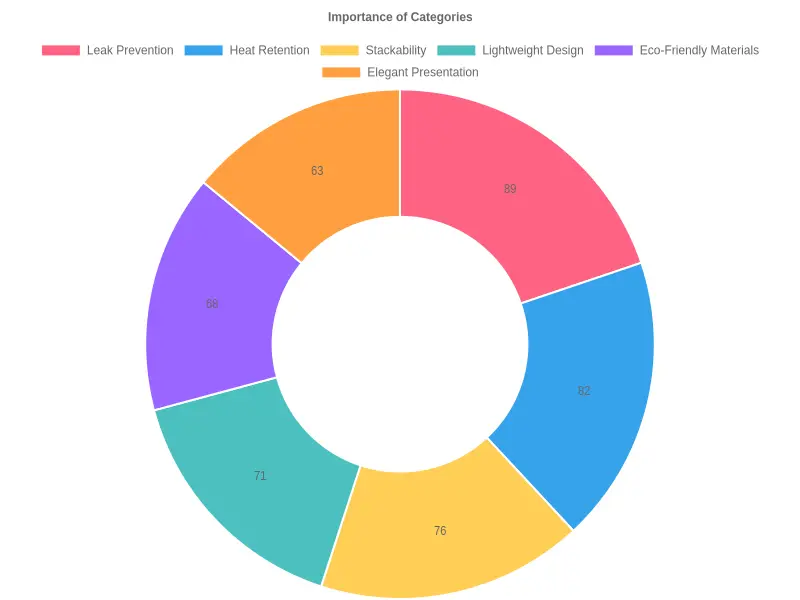
Choosing the right container isn’t a one-time decision – it’s an ongoing part of your operational strategy. For bubble tea shops, leak resistance is non-negotiable for iced drinks. For restaurants and food trucks, temperature tolerance keeps meals fresh from kitchen to customer. And for corporate caterers, eco-friendly options align with client sustainability goals. Get these six factors right, and your packaging will work as hard as you do.
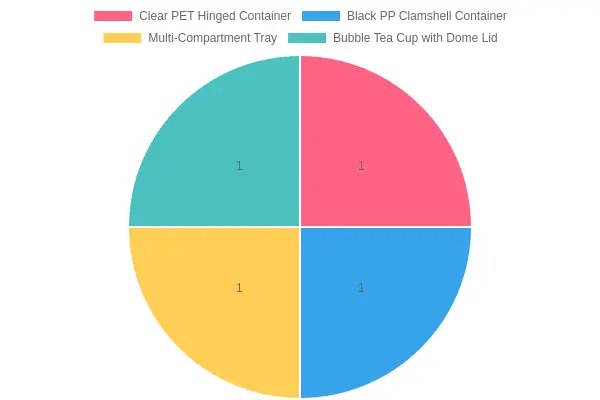
Clean, professional product showcase of essential plastic food containers for modern food service operations.
Sustainability & Eco-Friendly Packaging: Addressing the Elephant in the Room
Let’s be real for a moment. The plastic pollution crisis is impossible to ignore. Images of ocean waste and overflowing landfills have rightfully made consumers and business owners alike question every piece of packaging they touch. If you run a bubble tea shop, restaurant, or catering service, you’ve probably felt the tension: your business needs durable, leak-resistant, affordable containers, but the planet needs less waste. The good news? You no longer have to choose.
The sustainable food packaging market is projected to grow from $292.71 billion in 2024 to $530.4 billion by 2033 (Grand View Research, Fact.MR), driven by exactly this shift in priorities. And plastic containers – yes, plastic – are evolving as part of the solution.
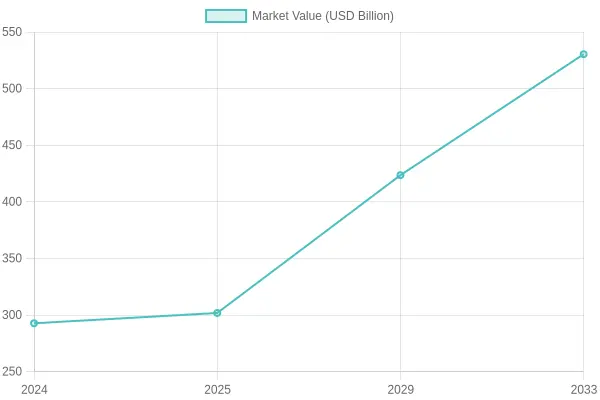
Advances in Recyclable & PCR Plastic Containers
Post-consumer recycled (PCR) plastics have come a long way. Modern recycling technologies now produce food-grade PCR material that’s safe, clear, and durable. Major beverage chains and food brands are adopting packaging portfolios containing 25% to 100% recycled content, according to Packaging Market Insights. These aren’t flimsy containers – they’re engineered to the same rigorous standards as virgin plastics, with a fraction of the carbon footprint.
The Rise of Hybrid Options
One of the most exciting developments is the hybrid approach: plastic containers blended with significant recycled content. These options offer the best of both worlds – the durability and clarity businesses need, with the eco-conscious profile customers demand. Hybrid containers are especially popular in the eco-friendly disposable containers space for takeout, meal prep, and beverage service.
Balancing Sustainability with Durability
We get the question all the time: “If I go greener, will my containers leak or collapse?” The short answer is no – not if you choose the right solutions. Modern recyclable plastic containers are rigorously tested for stacking strength, leak resistance, and temperature tolerance. Businesses can make the switch without compromising on the customer experience by:
- Selecting containers with the right wall thickness for their application
- Pairing containers with high-quality, secure lids
- Sourcing from suppliers who prioritize both sustainability and performance
The Regulatory Landscape
Regulations are tightening fast. California’s SB 54 and the EU’s Packaging and Packaging Waste Regulation (PPWR) are pushing for mandated recycled content in plastic packaging. Several states have already banned specific single-use plastics, while others are introducing extended producer responsibility (EPR) laws. Staying ahead of these regulations isn’t just about compliance – it’s a competitive advantage. Businesses that proactively switch to compliant packaging today avoid rush costs and supply chain disruptions tomorrow.
Where We Stand
At Ecocupbowl.com, we take a practical, honest approach to sustainability. We offer a range of eco-friendly disposable containers and packaging solutions that balance environmental responsibility with real-world durability needs. Our bamboo pulp products and paper-based options give businesses alternatives that perform beautifully while reducing environmental impact.
Practical Tips for Going Greener
Ready to make a change? Here are five actionable steps:
- Audit your current packaging – Identify which items generate the most waste and prioritize swapping those first.
- Look for PCR content – Ask suppliers about the recycled content percentage in their plastic containers.
- Right-size your containers – Using appropriately sized packaging reduces material usage and costs.
- Educate your customers – A small note on your menu or packaging explaining your green switch builds loyalty.
- Partner with certified suppliers – Work with companies that can verify their sustainability claims and provide compliance documentation.
The shift to sustainable packaging isn’t a trend – it’s the new standard. The question isn’t whether your business should adapt, but how quickly you can.
🧋 Bubble Tea Shops & Beverage Chains – Packaging That Works as Hard as You Do
Let’s be real for a second: running a bubble tea shop is no small feat. Between the rush-hour queues, the custom orders (extra boba, less ice, hold the dairy…), and the pressure to keep every drink looking Insta-worthy, you’ve got enough on your plate without worrying about spills, leaks, or customer complaints about melted drinks. We see you. And we’ve got your back.
The Unique Needs of Bubble Tea
Bubble tea isn’t just another cold drink – it’s an experience. Those chewy tapioca pearls need room to move, which means standard flat lids just won’t cut it. You need dome lids that give those pearls space to shine, paired with wide straws (we’re talking 12mm+) that let every sip deliver that perfect boba-to-tea ratio. And let’s not forget leak-proof seals – because a spill in a customer’s car is a bad review waiting to happen.
The bottom line: Your bubble tea cups need to be as special as the drinks they hold.
Showcase Your Colors – Literally
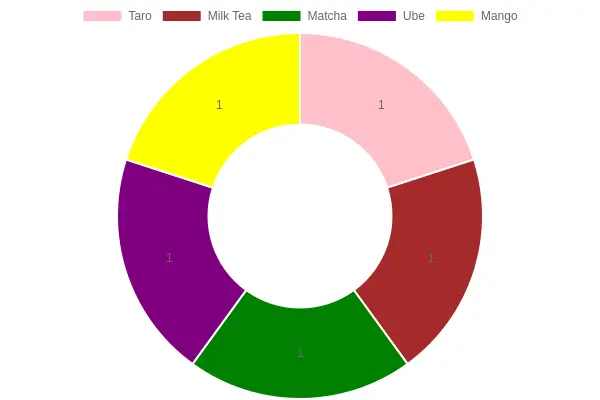
One of the biggest selling points of bubble tea is its visual appeal. From lavender taro to vibrant matcha green and sunny mango yellow, your drinks are art. That’s why clear, attractive containers are non-negotiable. When customers can see those beautiful layers of color, the tapioca pearls resting at the bottom, and the creamy texture of your signature blends, they’re already sold – before that first sip. Whether you’re serving plastic drink cups with lids or exploring eco-friendly sealable beverage containers, clarity and quality matter.
Volume, Volume, Volume
If you’re running a high-traffic chain, you know that downtime is the enemy. You need beverage packaging solutions that are ready to go – by the thousands. We’re talking about cups, lids, straws, and seals that stack efficiently, seal quickly, and hold up under pressure. No peeling lids. No cracked cups. No slowdowns during peak hours.
Customization That Speaks Your Brand
Your brand is your identity, and your packaging should reflect that. From custom-printed logos and signature color schemes to choosing between PET plastic, PP, or eco-friendly materials, the right supplier lets you tailor every detail. Need a specific domed lid height for extra-large pearls? Want a custom sleeve for heat retention? It’s all possible.
| Packaging Need | Bubble Tea Solution | Why It Matters |
|---|---|---|
| Tapioca pearl clearance | Dome lids (flat or raised) | Prevents crushed pearls & messy spills |
| Easy drinking | Wide straws (12mm+) | Ensures pearls + tea in every sip |
| Leak prevention | Heat-seal or press-on lids | Eliminates customer complaints about spills |
| Heat retention | Double-wall cups + sleeves | Keeps hot milk tea at the perfect temp |
| Visual appeal | Crystal-clear PET cups | Showcases colorful drink layers & pearls |
Mini Case Study: How Bubble Bliss Cut Spills by 40%
Consider Bubble Bliss, a fast-growing chain with 15 locations across the Midwest. Before switching suppliers, they were dealing with an average of 12 spill-related complaints per week per store – mostly from dome lids popping off during carryout. After upgrading to heat-sealable dome lids with reinforced edges and switching to thicker-gauge plastic drink cups with lids, their spill complaints dropped by over 40% in the first month. Customers noticed. Online reviews improved. And their baristas? Way less stressed during the 5 PM rush.
“We didn’t realize how much our packaging was hurting us until we fixed it. The ROI was immediate.” – Jenna K., Operations Director, Bubble Bliss
The Bottom Line
Whether you’re a single location pouring your heart into every cup or a national chain scaling up, your packaging is the silent hero of your business. It protects your product, delights your customers, and builds your brand – one sip at a time. Looking for the right lids, cups, or accessories? Check out our selection of cup lids and accessories designed specifically for high-volume beverage operations.
Packaging Solutions for Restaurants, Food Trucks & Caterers
If there’s one thing restaurant owners, food truck operators, and caterers all share, it’s this: your food is only as good as the container it travels in. Leaky takeout boxes, collapsing trays, and customer complaints about flimsy packaging can damage your reputation faster than a bad review. Let’s break down exactly what each segment needs and how to choose packaging that protects your brand.
🍽️ Restaurants: Sturdy, Stackable & Microwave-Safe
For full-service restaurants, restaurant takeout containers need to do it all. They must survive the kitchen line, the delivery driver’s bag, and the customer’s microwave without leaking, splitting, or warping. Prioritize containers with:
- Snap-tight lids to prevent leakage during delivery
- Stackable designs that save space in crowded storage areas
- Microwave-safe materials (up to 250°F) so guests can reheat leftovers directly
- Grease resistance to handle saucy pasta dishes and fried foods
A common pain point? Containers that collapse under the weight of stacked orders. Look for reinforced rims and thick-gauge materials – the extra few cents per unit is worth the saved reputation. Check out our selection of durable meal bento boxes for perfectly portioned, stackable takeout solutions.
🚚 Food Trucks: Compact, Lightweight & Heat-Retaining
Space is the ultimate luxury on a food truck. Every inch counts, which is why food truck packaging must be lightweight, space-saving, and excellent at heat retention. Key considerations include:
- Nesting containers that stack inside each other when empty
- Insulated or double-wall materials to keep food hot without extra wrapping
- Compact footprints that fit in small warming drawers and limited counter space
- Tear-resistant construction to withstand the bumpy road between stops
Food truck operators tell us their biggest headache is containers that go limp when filled with hot chili or curry. Opt for rigid paperboard or molded fiber options that hold their shape even with heavy, saucy fillings.
🎉 Caterers: Elegant, Practical & Compartment-Ready
Caterers live in a world of large-format events – weddings, corporate galas, and conferences – where presentation matters as much as practicality. Catering disposable containers need to bridge the gap between high-end aesthetics and mass-service efficiency. Look for:
- Compartment trays that keep proteins, starches, and vegetables separate (no soggy salads!)
- Elegant finishes like black or natural bamboo that look beautiful on a buffet line
- Durable enough to stack in transport bins without crushing
- Eco-conscious materials that align with corporate sustainability goals
Eco-friendly bamboo pulp containers offer an upscale natural look that event planners love, while still being fully disposable and compostable. The compartment tray design solves the age-old catering nightmare of flavors bleeding between dishes during transport.
💰 Bulk Ordering & Cost Savings
Here’s a truth every operation can get behind: buying in bulk saves money. When you standardize your commercial food storage containers and takeout packaging across your business, you unlock significant per-unit discounts, reduce storage complexity, and eliminate last-minute emergency runs to the supply store.
Actionable tip: Calculate your average weekly usage for each container size and SKU. Commit to a quarterly bulk order – most suppliers (including EcoCupBowl) offer tiered pricing at 500+, 1,000+, and 5,000+ unit quantities. The savings on 5,000 units versus 500 units often runs 15-25%, which goes straight back to your bottom line.
📝 Your Quick Action Checklist
| Pain Point | Solution | Tip |
|---|---|---|
| Leaking during delivery | Snap-lid containers with leak-proof seals | Test with oily sauces before committing to bulk order |
| Collapsing under weight | Reinforced rims & thick-gauge materials | Stack 3 full containers to test stability |
| Customer complaints about packaging | Upgrade to premium finishes (black/bamboo) | Survey customers on packaging quality |
| Storage space tight (food trucks) | Nesting, stackable containers | Measure your shelf heights before ordering |
| Events needing separation | Compartment trays / bento boxes | Pre-assemble meals for faster service |
Choosing the right packaging partner isn’t just about buying boxes – it’s about protecting the food you’ve worked so hard to perfect. Whether you’re running a Michelin-star kitchen, a beloved food truck, or a five-star catering operation, the right container makes all the difference.
🥧 End-User Segment Breakdown: Who’s Using Plastic Food Containers?
Understanding which segments dominate the plastic food container market helps you choose a supplier that truly understands your operational needs. Whether you’re running a bustling bubble tea chain, a fast-food restaurant, or a catering service, knowing where your business fits in the broader market landscape can guide smarter packaging decisions – from portion sizes and material durability to branding opportunities.
What This Means for Your Business
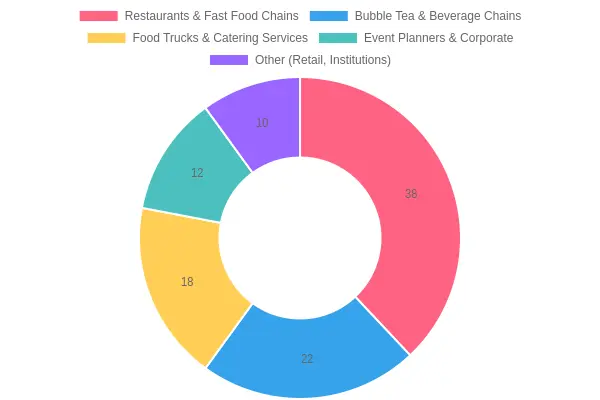
As the chart shows, Restaurants & Fast Food Chains lead the market at 38%, which makes sense – high-volume operations need reliable, cost-effective containers that keep food fresh and presentable. If you’re in this space, you’ll want to explore our range of fast food boxes designed for grab-and-go efficiency.
Bubble Tea & Beverage Chains account for 22% of the market, reflecting the explosive growth of the bubble tea industry. If this is your segment, finding the right cup and lid solutions is critical. Check out our selection of paper cups and sleeves to keep your beverages perfectly packaged.
Food Trucks & Catering Services (18%) and Event Planners & Corporate (12%) round out the mix, each with unique needs around portability, eco-friendliness, and presentation. The remaining 10% covers retail and institutional buyers – a niche but important segment for specialized packaging needs.
No matter your segment, understanding these market dynamics helps you align with a supplier who offers the right variety, quality, and sustainability options to match your business goals.
Quality Standards & Safety Compliance: Your Assurance of Food-Safe Packaging
When you’re serving food and beverages to customers day in and day out, nothing matters more than knowing your containers are safe,可靠, and fully compliant with regulations. At Ecocupbowl, we take that responsibility seriously – and here’s exactly what that means for your business.
FDA and Local Food Safety Regulations
In the United States, the FDA regulates all food contact materials under the Federal Food, Drug, and Cosmetic Act. Any plastic container that touches food must comply with FDA requirements for composition, migration limits, and intended use. This means FDA-approved containers have been rigorously evaluated to ensure no harmful substances transfer into food under normal conditions of use. Increasingly, regulators are also tightening restrictions on chemicals like BPA, making BPA-free packaging a non-negotiable standard for responsible food service operations.
What “Food-Grade” Really Means
The term “food-grade” is more than a label – it’s a scientific designation. Food-grade plastic containers are manufactured using virgin resins (not recycled or reprocessed materials) that meet strict purity specifications. To verify food-grade status, look for the resin identification code on the bottom of containers (typically #1 PETE, #2 HDPE, or #5 PP for hot applications), plus a clear statement of FDA compliance on the manufacturer’s documentation. If a supplier can’t provide these verifications, that’s a red flag.
Key Certifications to Look For
| Certification | What It Covers | Why It Matters |
|---|---|---|
| ISO 22000 | Food safety management systems | Ensures end-to-end hazard control in production |
| BRCGS Packaging | Global standard for packaging safety | Validates quality, legality, and safety protocols |
| FDA Registration | U.S. food contact compliance | Required for materials sold in the U.S. market |
| FSSC 22000 | Food safety system certification | Benchmarked against GFSI requirements |
| GFSI Certification | Global Food Safety Initiative | Recognized by major retailers worldwide |
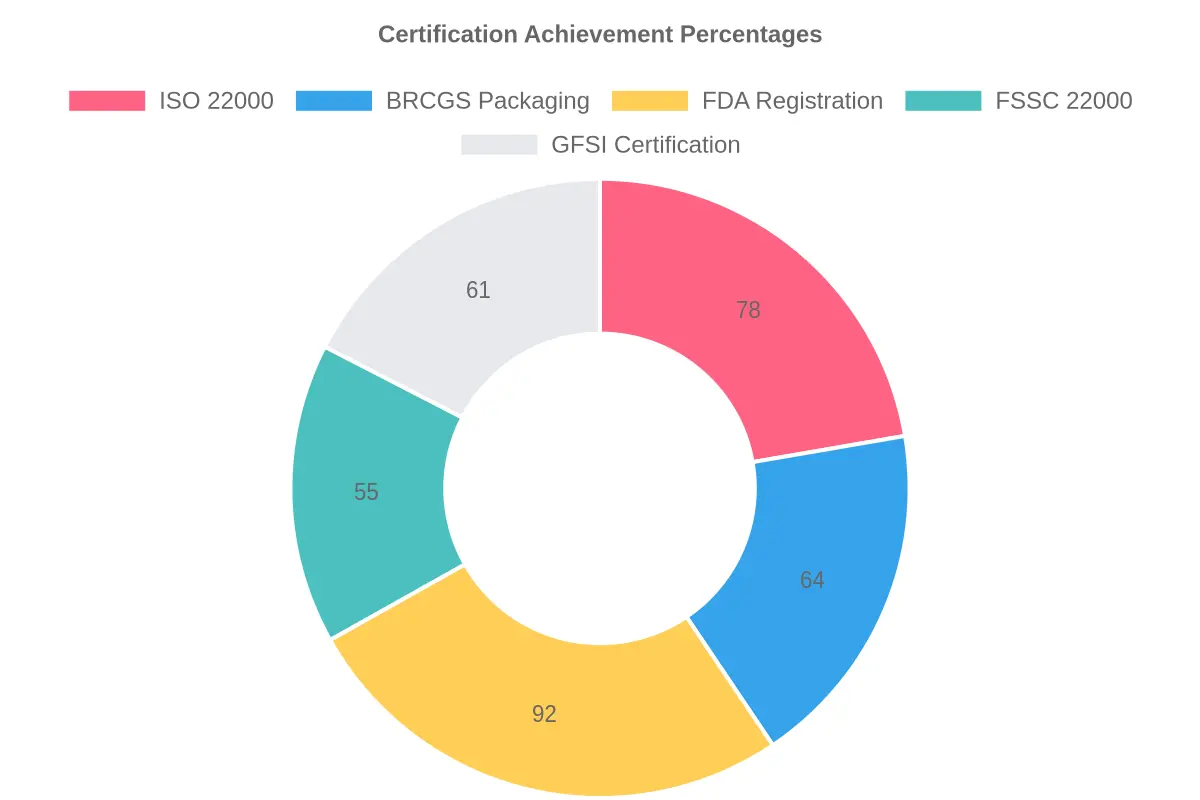
Figure: Adoption rates of key food safety certifications among packaging manufacturers. FDA registration leads at 92%, followed by ISO 22000 at 78%.
Testing Standards: Heat Resistance, Leak Prevention & Durability
Food containers face real-world demands – hot soups, iced beverages, greasy entrees, and long delivery routes. That’s why certified food safety compliance includes rigorous testing:
- Heat Resistance: Polypropylene (PP) containers withstand temperatures up to 120°C (248°F), validated through hot water immersion and thermal stability tests.
- Leak Prevention: Containers undergo pressure testing and seal integrity checks to prevent messy spills during transport.
- Durability: Drop tests, stack-load compression tests, and puncture resistance assessments ensure containers survive the journey from kitchen to customer.
How We Ensure Compliance
At Ecocupbowl, quality isn’t a checkbox – it’s a culture. Every batch of food-grade plastic containers undergoes multi-point inspection: raw material verification, in-process dimensional checks, seal integrity testing, and final visual inspection. We work exclusively with suppliers who maintain current ISO and BRC certifications, and we keep full traceability documentation from resin to finished product. For businesses seeking sustainable alternatives alongside plastic, our bamboo pulp product collection offers naturally food-safe options too.
Your reputation is built on every meal you serve. By choosing containers that meet the highest food safety standards – FDA-approved, BPA-free, and independently certified – you’re not just complying with regulations. You’re telling your customers, “We care about what touches your food.” And that trust is the most valuable ingredient of all.
What Our Customers Are Saying
There’s no substitute for hearing directly from the businesses that use your products every day. Real customer experiences cut through marketing claims and give prospective buyers the honest insight they need to make confident purchasing decisions – especially when it comes to packaging that affects their brand reputation and daily operations.
Switching to this supplier was one of the best operational decisions we made. The containers are consistently durable, the delivery is always on time, and our customers have noticed the quality improvement. It’s made our takeout service feel more premium.
- Marco Rivera, Owner, River’s Kitchen & Catering
If you’re looking to elevate your own takeout and catering experience, explore our selection of durable fast food containers and meal prep bento boxes – built to deliver the same premium quality Marco counts on every day.
Get Started Today
As we’ve explored throughout this article, the plastic food container market continues to evolve rapidly, driven by shifting consumer expectations, environmental consciousness, and the growing demand for convenience across the foodservice industry. For bubble tea shops serving refreshing beverages on the go, restaurants packaging takeout orders, food trucks operating in fast-paced environments, and event planners coordinating large-scale catering, the choice of packaging is far from an afterthought – it’s a defining element of the customer experience.
Quality packaging does more than simply hold food. It preserves freshness, prevents leaks and spills, reinforces your brand identity, and communicates a commitment to excellence that today’s diners expect. Whether it’s a sturdy takeaway box that keeps a meal intact during transit or a well-designed cup that showcases a beautifully layered bubble tea, the right packaging elevates every interaction your customers have with your business. In a competitive landscape where first impressions matter more than ever, investing in superior disposable tableware and packaging solutions is a strategic move that pays dividends in customer loyalty, repeat business, and positive word-of-mouth.
At Ecocupbowl, we understand the unique challenges that foodservice professionals face. That’s why we’ve built a comprehensive range of products designed to meet the highest standards of quality, safety, and reliability. From our durable double-wall paper cups ideal for hot beverages to our versatile fast-food boxes perfect for hearty meals, every item in our catalog is crafted with care and rigorously tested to ensure it performs when you need it most.
Choose our reliable disposable tableware and packaging solutions for your business. We offer quality products that meet safety standards, with fast delivery and flexible options. Partner with us today to elevate your service – contact our team now for a tailored quote!
Reach out to us at ecocupbowl.com or call our customer service team to discuss your specific requirements. Let’s work together to find the perfect packaging solutions that help your business shine.