
In the competitive landscape of food and beverage services, securing reliable packaging solutions is crucial. Understanding the various materials, ensuring sustainability, and practical applications all revolve around delivering quality service, especially in environments like bubble tea shops, restaurants, food trucks, and catering services. Each chapter delves into critical aspects of plastic food containers—from the materials that enhance clarity and strength to their eco-friendly features, practical uses in service settings, and adherence to safety standards. By reading on, you’ll gain insights that can significantly elevate your operations and customer satisfaction.
How Plastic Materials Determine Safety, Use, and Lifespan for Food Containers
Understanding the material behind a plastic food container is the most reliable way to predict how it will behave in real-world use. The resin type determines heat tolerance, chemical stability, clarity, recyclability, and the kinds of foods it can safely hold. This chapter weaves practical guidance with material facts so food businesses and home users can choose containers that protect flavor, meet safety needs, and reduce waste.
When you examine a container, start with the recycling code in the bottom triangle. That small numeric mark is shorthand for an entire set of properties. Polypropylene (PP, #5) is the most versatile choice for hot foods. It tolerates temperatures up to about 130°C, so it survives brief microwave heating and hot-fill processes. Its surface is chemically stable under normal use, and it resists cracking or warping. These strengths make PP the default for takeout trays, reusable lunch boxes, and many hot-food lids. Yet PP is not invincible: repeated or prolonged high-temperature exposure, especially in the presence of fats, can accelerate wear and increase the chance of microplastic shedding. That risk is small when containers are used as intended, but it’s worth remembering that heat, time, and oil are a harsh combination.
Polystyrene (PS, #6) looks similar to some clear trays but is a different animal. PS is cheap and provides decent insulation for one-time use. It is common in single-serving salad containers and cold-dessert cups. However, its heat resistance is low; the material begins to soften and release monomeric compounds at modest temperatures above 65°C. One such compound is styrene, which has been classified as a probable carcinogen in some evaluations. Because of that, PS should never be used for hot soups, oily foods, or reheating. Using it outside its narrow window of safe temperatures risks both structural failure and chemical migration into food.
Polyethylene terephthalate (PET, #1) is famous for clear bottles, but thin PET sheets are also used for shallow food trays and clamshells. PET is valued for clarity and strength, which improves product visibility and shelf appeal. It resists many chemicals and is easy to recycle through established collection streams. However, PET has limited heat tolerance. It is not a microwave- or hot-fill material in most forms; exposure to high temperatures causes deformation and can increase chemical release. PET is best for cold and room-temperature applications: salads, cold desserts, and beverage packaging where transparency and stiffness matter.
High-density polyethylene (HDPE, #2) and low-density polyethylene (LDPE, #4) are both stable, low-toxicity plastics used extensively for bottles and pouches. HDPE is tougher and more chemically inert than many alternatives, but it is not intended for high-heat applications. These polyethylene grades are excellent for storing non-heated foods, dry goods, and liquids that will be refrigerated. They can be a safer choice for repeated storage because they resist chemical breakdown and maintain structural integrity under normal conditions.
Polyvinyl chloride (PVC, #3) should never be used for food contact in most modern food-packaging contexts. PVC requires plasticizers to make it flexible, and those additives can migrate into fatty or acidic foods. That migration poses hormone-disrupting risks, which is why reputable food packaging avoids PVC entirely. If a container is labeled or feels unusually soft, verify the material before trusting it with food.
These material realities inform three practical rules that apply across foodservice and retail. First, match material to temperature: PP for hot or microwavable uses, PET and PS for cold or room-temperature presentation, and HDPE/LDPE for storage and non-heated liquids. Second, match material to food type: avoid PS and PVC with fatty, oily, or highly acidic foods that promote migration. Third, match material to reuse expectations: thicker PP or HDPE can be used repeatedly, while thin PS and PET are usually single-use.
Reading product markings matters, but visual and tactile inspection adds context. A flat, glossy, transparent container without smell is more likely to be a well-made PET or PP tray. Colored, cloudy, or sticky surfaces often indicate additives, fillers, or low-quality production. Scuffed, brittle edges suggest the plastic will fail earlier and may fragment into small particles under stress. For food safety, choose containers with smooth seals and leak-resistant lids. Even safe resins become risky when damaged; cracks and deformations increase surface area and food contact with degraded polymer chains.
Recycling codes guide end-of-life decisions but don’t tell the whole story. Recycling streams vary regionally, and contamination by food residue makes many single-use containers economically unattractive to recyclers. PP has a higher market value among common food plastics, but current recovery rates for disposable food packaging remain low. The sustainability question therefore asks not only which material is recyclable, but whether it will actually be collected and processed. Where local recycling is unlikely, prioritize reusable options or materials with established composting or industrial recycling programs.
Performance testing and labeling are also important. Containers labeled “microwave-safe” have passed basic tests for heat tolerance under specified conditions, but those tests often assume short heating times and moderate power levels. Even with a microwave-safe label, avoid overheating, and never microwave foods in containers not explicitly rated for that use. Heat accelerates diffusion, and prolonged exposure increases the chance of chemical transfer from plastic to food. Likewise, “dishwasher-safe” can mean different things depending on rack position and water temperature. Repeated dishwasher cycles may degrade some reusable plastics sooner than gentle hand washing.
How plastic interacts with food chemistry matters as much as its thermal limits. High-fat and high-sugar foods tend to act as carriers for hydrophobic contaminants, increasing the likelihood that additives will move into the food. Acidic foods can catalyze reactions at the plastic surface. For this reason, acidic condiments or oily gravies should be stored in materials with higher chemical resistance, like PP or certain HDPE formulations. If you need to hold such foods for extended periods, consider glass, stainless steel, or certified compostable alternatives that are designed for fat and acid contact.
Businesses that rely on visual presentation often prefer PET and clear PP for their aesthetic clarity. Clear plastics help customers see product quality at a glance, and they simplify quality control for staff. Yet presentation must be balanced with safety: choose clear materials only for cold or room-temperature items unless the container is explicitly engineered for hot-fill processes. Manufacturers often produce specialized PP blends for hot-fill clarity, but those are distinct from the thin PET clamshells used for cold salads.
Another practical layer is mechanical performance: stacking strength, lid security, and resistance to puncture. Thin PS trays may crack under stacking stress, while PP and HDPE maintain shape. Lids that snap and form an effective barrier reduce leakage and contamination. For delivery and catering, leaktight seals are as essential as material choice because a watertight PP that chews through with grease performs far better than a clear PET that lets sauces seep out.
From a procurement perspective, insist on material transparency from suppliers. Ask for resin identification, heat tolerance specifications, and any migration testing or third-party certifications. Request guidance on intended use cases and recommended maximum heating durations. When scaling packaging across locations, consistency in resin choice simplifies staff training and reduces misuse.
Finally, reduce risk through user education. Label containers for purpose: “hot foods only,” “cold foods only,” or “reusable” versus “single use.” Train staff to avoid putting high-fat or acidic foods in containers that lack the necessary resistance. Train customers through on-pack instructions when containers are sold with takeout meals: clear directions on heating limits, dishwasher safety, and proper disposal will reduce unsafe practices and extend usable life.
Selecting the right plastic container is a choice among trade-offs. Clarity, heat tolerance, cost, recyclability, and chemical stability rarely align perfectly in a single resin. Polypropylene often wins for hot food and general-purpose reuse. PET and PS deliver display clarity for cold items but come with stricter limits. HDPE and LDPE are steady performers for storage and non-heated liquids, while PVC is a material to avoid. Read labels, test under realistic conditions, and favor thicker, well-made containers when reuse is intended.
When sustainability is a priority, combine material choice with operational practices. Reduce single-use packaging, invest in reusable containers for delivery programs, and choose materials that match your local recycling infrastructure. Where single-use persists, select the best available resin for the intended food type and temperature, and provide clear user instructions. Those measures minimize chemical exposure, preserve food quality, and improve the chance that containers will be handled responsibly at end of life.
For a thorough technical reference on resin properties and recommended applications, consult the manufacturer guidance compiled on Best Food Packaging’s resource page: https://www.bestfoodpackaging.com/plastic-food-container-materials/.
For a practical accessory that pairs well with plastic takeout containers, consider using clear, small sauce containers designed for condiments and dips to reduce direct contact with bulk packaging and to limit migration risk when sauces are warmed separately. A supplier for such items can be found here: disposable sauce container options.
Seeing Beyond the Shelf: The Sustainability Equation for Plastic Food Containers in Modern Foodservice
Plastic food containers sit at a crossroads of practicality and responsibility. In busy kitchens—from takeout windows and food trucks to large event catering—their clarity, strength, and predictable performance are unmatched by many alternatives. Yet the question that now guides procurement decisions is not simply whether a container keeps food intact or presents a tempting display of color and visibility. It is whether the packaging can also meet rising expectations for environmental stewardship, public health, and cost-effective operations over time. This chapter weaves together the technical realities of plastic packaging, the concerns that shadow its use, and the evolving pathways that question and, in some cases, redefine what “sustainable” means in the context of daily foodservice practice. The aim is a cohesive understanding that helps operators choose containers that balance functionality, safety, and responsibility, without sacrificing the efficiencies that foodservice depends on.
At the heart of this conversation is the material most commonly associated with clear, strong, and recyclable packaging: polyethylene terephthalate, or PET. When PET is used for food and beverage packaging, its value proposition is straightforward on the surface. The material provides high clarity, which supports product visibility—a non-trivial factor for takeout, catering display, and grab-and-go sales where the appearance of freshness can influence customer choice. PET also offers respectable strength for a wide range of shapes and sizes, which translates into durable containers that resist crushing, leaking, and deformation during transport. And crucially from a sustainability lens, PET is widely recyclable in many municipal streams, enabling a potential closed or near-closed loop if collection, sorting, and processing infrastructure align with local systems. These qualities make PET a top candidate for applications such as single-serve yogurt cups, fruit containers, and transparent takeout packaging used by quick-service operations, bakeries, and events that require reliable product presentation.
Nonetheless, the environmental landscape around plastic packaging has become more nuanced since PET first became a default option. The broad category of plastics, including PET, raises concerns about plastic pollution, microplastics, and the cumulative effects of material use on natural systems. Microplastic pollution is not limited to the oceans; microplastics can originate from a variety of consumer plastics and enter soils, air, and water supplies as items degrade or are subjected to abrasion, weathering, or improper disposal. Even when a container is successfully recycled, the overall environmental impact depends not only on the material’s recyclability but on the efficiency of the recycling system, the quality of recycled feedstock, and the ultimate fate of that material in a loop that ideally returns to the manufacturing stream. Chemical leaching is another facet of risk perception in plastics, though it is important to distinguish between different plastics and their additives. While some concerns have historically centered on substances such as BPA found in polycarbonate resins or epoxy linings, PET used for mainstream food packaging is generally BPA-free in the sense of those legacy polycarbonate uses. Yet this does not eliminate all safety considerations. Antimony used as a catalyst in PET production, trace additives for color, and other processing aids can complicate the narrative around “safety” and “healthfulness,” especially under high heat or extended reuse. The takeaway for operators is simple: material safety is not a single attribute but a bundle that includes formulation, intended use, temperature exposure, cleaning practices, and compliance with local food-contact regulations.
Resin codes—the little numerals stamped on many plastic containers—offer a practical shorthand for understanding safety and recyclability in the field. Codes 1 through 7 label the resin family, and they carry implications for how a given container should be handled after use. Code 1 designates PET, the familiar clear plastic prized for its clarity and recyclability. Code 2 indicates high-density polyethylene (HDPE), a sturdy option often used for bowls and tubs that must resist cracking under weight or impact. Code 4 points to low-density polyethylene (LDPE), a more flexible cousin used in some bags and liners, while Code 5 implies polypropylene (PP), known for higher temperature tolerance that suits microwavable and hot-food applications. Codes 3 (PVC), 6 (polystyrene), and 7 (other) often raise more questions about health safety, recyclability, and end-of-life pathways. For operators, the practical implication is to favor containers with codes 1, 2, and 5 when possible, while ensuring that the specific product’s intended use aligns with recommended heating, washing, and reuse guidelines. The moral of this taxonomy is not to oscillate between fear and permissive use but to anchor procurement decisions in material behavior, recycling realities, and the realities of the local waste stream.
Beyond the codes and the material science lies the everyday life cycle of packaging in a business setting. For many operators, the lever that shifts from single-use convenience to more sustainable practice is not only the material choice but the business model around utilization. Reusable containers, designed for repeated washing and long service life, can tilt the sustainability balance in favor of a circular approach. In bakeries, sandwich shops, and coffee outlets, durable, reusable options can reduce waste and cost over time, provided the organization invests in robust cleaning processes, staff training, and reliable return streams. The challenge here is not only the physical durability of the container but the operational feasibility of a closed-loop system: can containers be returned, sanitized, and re-supplied efficiently without disrupting service flow? The economics of reuse hinge on volume, turnover, and the cost of cleaning and logistics, which vary from city to city and from one business model to another. For some segments of the market, the answer may be a measured combination: use high-quality, reusable options for bulk or in-house dining needs, and deploy well-selected, high-recyclability, single-use packaging for peak service periods and off-site events.
In parallel with reuse strategies, wholesale procurement principles play a crucial role, particularly for businesses operating at scale or within tight margin structures. The UK market, as highlighted by general industry insights, emphasizes cost-effectiveness and consistent quality when sourcing plastic containers in bulk. The decision framework in wholesale procurement often weighs unit price, minimum order quantities, shelf-life of packaging stock, compatibility with existing labeling and branding efforts, and the ability to maintain product integrity across a distribution network. In addition, sustainable procurement now increasingly includes considerations of supplier transparency, certifications, and the availability of post-consumer recycled content for certain container families. These dimensions intersect with practical constraints: a supplier may offer packaging that is highly recyclable but lacks post-consumer recycled content, or a container that performs exceptionally in heat but carries a heavier environmental footprint due to additive packages or energy-intensive manufacturing. The modern procurement strategy, then, seeks a balanced scorecard: performance in food safety and product protection, alignment with consumer expectations around sustainability, and a logistics and cost structure that supports stable operations across the business cycle.
One of the subtle but vital threads in this discussion is packaging design for performance without compromising environmental goals. Foodservice containers must withstand transport, hold hot and cold foods, resist greasing, and ensure a clean, attractive presentation. These properties are not merely about customer satisfaction; they also influence waste, because containers that fail—leak, warp, or delaminate—tend to generate additional waste, product loss, and more frequent returns or replacements. The retail and hospitality sectors increasingly demand materials and designs that demonstrate reliability under real-world conditions: leak resistance, grease resistance, microwave safety, and ease of labeling and branding. The design decisions are not neutral; they influence the entire lifecycle of the product—from materials selection to end-of-life disposition. When containers are designed to be compact, stackable, and easy to clean or recycle, they support the efficiency of both frontline staff and waste management systems. The best packaging solutions, therefore, are those that align the physical performance with the logistical realities of the business and the environmental expectations of the community surrounding it.
A further dimension to consider is visibility—the way packaging communicates both product quality and environmental values. PET’s clarity supports product appeal, while clear labeling and accurate heat-treatment guidance help ensure safe use and proper disposal. The consumer’s perception of sustainability is increasingly complex; it is informed by how a brand or business communicates its environmental commitments, and by visible cues about recyclability, reuse, and waste reduction. For operators, this means that the choice of container is not simply a matter of a price-per-unit or a shelf life estimate. It is also an opportunity to signal responsible practice to customers, align with regulatory and community expectations, and reduce avoidable waste through product-appropriate design. In that sense, the sustainability conversation around plastic food containers is not a zero-sum game. It can be a constructive balance between performance, safety, and stewardship when informed by data, supply chain collaboration, and a clear understanding of local waste realities.
In the end, the question of sustainability for plastic food containers is not answered by a single attribute or a single metric. It is answered by a constellation of factors: material choice and resin codes, the temperature and reuse profile of the product, the presence or absence of post-consumer recycled content, the efficiency of the local recycling or reuse infrastructure, and the operational practices of the business that uses them. The best packaging decisions reflect a thoughtful assessment of these factors in the context of a specific operation’s needs, appetite for investment in reuse, and engagement with customers who increasingly expect responsible packaging choices. For readers seeking deeper practical examples, the broader landscape reveals a spectrum of options—ranging from highly recyclable single-use containers with strong labeling and grease resistance to durable, reusable systems that require logistics to support returns and sanitization. Each option carries trade-offs, and each choice contributes to a broader narrative about how modern foodservice can deliver on both performance and responsibility.
As part of this evolving conversation, there is value in exploring concrete supplier options that emphasize sustainability without sacrificing everyday practicality. For operators curious about eco-conscious options that still deliver the reliability demanded by busy service periods, there are sources that highlight the availability of eco-friendly takeout packaging that blends aesthetics, protection, and practicality. For a concrete example of this kind of packaging approach, you can explore a category that focuses on eco-friendly takeout boxes for food packaging, which showcases stylish and grease-resistant solutions designed for real-world use in fast-paced settings. This reference can serve as a practical illustration of how sustainability-minded packaging is evolving to meet the needs of kitchens and customers alike, without forcing a stark trade-off between environmental goals and service quality. To connect with such options directly, you can follow this example link: eco-friendly takeout boxes for food packaging.
As the discussion turns to practical implications, it’s important to acknowledge that the available data on BestFoodPackaging.com or similar sources may not always provide a complete, site-specific sustainability assessment for every container type. The absence of a comprehensive site-by-site sustainability profile does not negate the overarching truths about material behavior, recycling realities, and the design choices that influence end-of-life outcomes. Instead, it underscores the need for ongoing diligence: operators should seek out transparent material specifications, independent test results, and third-party certifications when possible. They should also stay informed about evolving recycling infrastructure and revised resin code interpretations in their region. In many cases, the most responsible path is a combination of prudent material selection, rigorous cleaning and reuse protocols when feasible, and a commitment to waste-reduction practices that extend beyond the packaging itself to the broader operational footprint. The aim is to evolve toward systems that reduce overall waste generation, improve end-of-life management, and preserve the practical benefits that plastic containers have historically offered to foodservice operations. In this sense, sustainability is less a static stamp on a product and more a dynamic equilibrium among material properties, waste streams, and the daily realities of running a kitchen or a catering operation. The practical upshot for readers is clear: informed, balanced decisions about container materials, combined with thoughtful operational practices, can advance both performance and responsibility in equal measure, without requiring a wholesale departure from the conveniences that plastic packaging has long offered to the industry. In the evolving narrative of plastic food containers, sustainability is not a single destination but a continuous, collaborative process that invites dialogue, measurement, and ongoing adaptation across suppliers, operators, and communities alike.
Versatile Uses of Plastic Food Containers: Enhancing Safety, Convenience, and Efficiency Across Foodservice and Home Kitchens
Plastic food containers have become indispensable tools in both commercial foodservice and domestic kitchens, providing practical solutions that ensure food safety, maintain quality, and simplify storage and transportation across diverse scenarios. Their widespread adoption is largely attributable to thoughtful design and advanced material choices, such as PET and PP plastics, known for their strength, clarity, and recyclability. These features enable containers to meet stringent requirements ranging from heat retention to leak prevention, responding to the evolving needs of industries including takeout, catering, retail, and meal preparation.
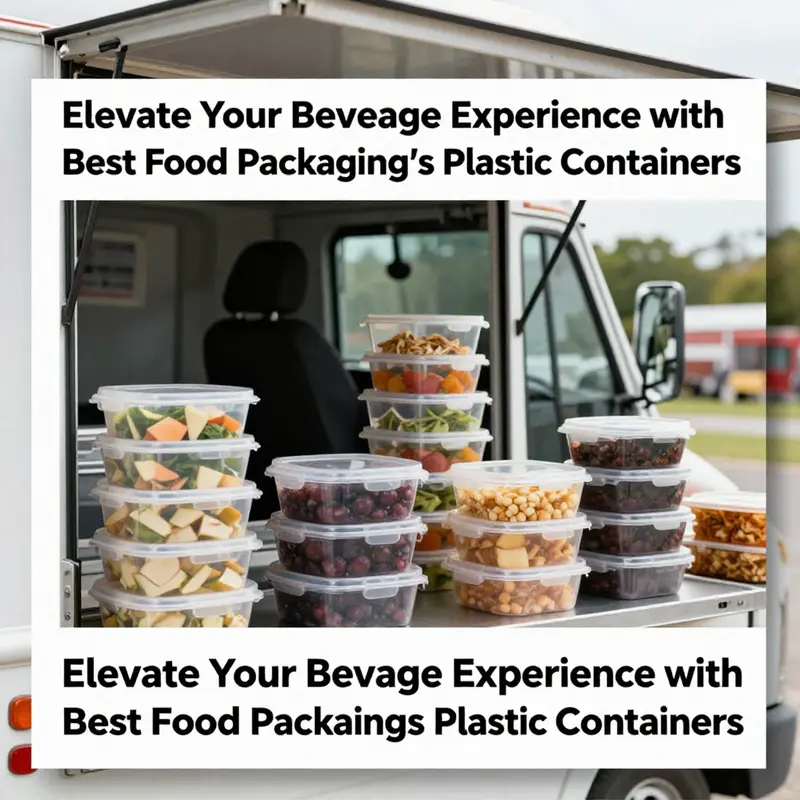
One of the most prevalent applications of plastic containers lies in takeout and delivery services. Restaurants, food trucks, coffee shops, and event caterers rely heavily on containers that combine insulation, durability, and stackability. Containers made from materials like foamed polystyrene excel here by efficiently preserving food temperatures—keeping hot dishes warm and cold items chilled throughout the delivery process. Their lightweight yet robust construction makes handling simpler for delivery personnel while minimizing transport damage. Moreover, these containers often feature secure lids, preventing spills and contamination, thereby enhancing hygiene standards. This kind of usability is critical in fast-paced environments, where maintaining both food integrity and customer satisfaction hinges on reliable packaging.
Beyond external food service, plastic containers play a crucial role in household and commercial kitchens for meal preparation and bulk storage. Transparent containers, often crafted from PET or polypropylene, offer clear visibility of contents—assisting in inventory management and reducing food waste by making it easy to identify stored meals or ingredients quickly. Their uniform, often rectangular shapes maximize space efficiency, allowing them to fit neatly in refrigerators and cupboards. Many also incorporate airtight seals, which significantly extend shelf life by preventing air and moisture infiltration. For restaurants and supermarkets, these containers facilitate portion control and pre-preparation of dishes, streamlining workflows and enhancing freshness from prep to plate.
In the realm of freezing and long-term preservation, specially designed plastic containers offer unique advantages. Certain containers come equipped with pressure-balancing ventilation holes that release internal air pressure created by expanding frozen food. This innovation protects the container’s structure from cracking or deformation caused by ice formation. Additionally, tightly sealing lids prevent freezer burn, lock in flavors, and keep out odors, which is essential for maintaining food quality over extended storage periods. These containers find regular use in households for freezing leftovers or bulk ingredients, while food processors depend on them to store semi-finished products without compromising texture or safety.
When it comes to containing liquids and semi-solid foods like sauces, dressings, and yogurts, plastic containers with wide mouths and screw-top lids offer both convenience and security. Their wide openings facilitate easy pouring, scooping, and cleaning, while threaded caps provide leak-proof sealing to avoid spills during transportation or refrigeration. The circular shape of such containers optimizes fluid dynamics inside, promoting even mixing and preventing residue buildup. These properties are invaluable not only for commercial packaging but also for consumers seeking practical solutions for storing and serving condiments or fresh juices without mess or degradation.
Smaller plastic bottles with perforated or shaker-style lids fulfill an essential role in spice and dry ingredient storage. They allow cooks to dispense precise amounts of powders like pepper, cinnamon, or chili flakes efficiently, reducing waste and enhancing flavor control. These bottles are designed to be refillable and easy to clean, supporting sustainability and repeated use. Their stackable qualities enable compact storage in crowded kitchens, making them particularly useful in both home and professional culinary contexts where organization and accessibility are paramount.
The increasing demand for convenience foods that require reheating has driven the popularity of microwave-safe plastic containers. Containers manufactured from certified PET or PP materials undergo specialized processing to endure microwave conditions without releasing harmful substances. This safety assurance allows users to reheat meals rapidly while preserving food quality. Moreover, these containers are often engineered to distribute heat evenly, reducing cold spots and enhancing overall heating performance. Such features cater effectively to consumers’ fast-paced lifestyles, providing practical packaging for everything from leftovers to diet-specific meal kits.
Collectively, the diverse applications of plastic food containers demonstrate their adaptability to the multifaceted demands of food packaging and storage. From insulation in takeaway deliveries to precision dispensing in spice storage, each container type contributes distinct benefits that safeguard food while promoting operational efficiency. These containers also support sustainability goals when designed for reusability and recyclability, aligning with industry trends that emphasize environmentally responsible packaging solutions.
For those interested in exploring specific product options that emphasize secure lids and various configurations suitable for industries like bakeries, sandwich shops, and catering services, further details and practical guidance can be found in comprehensive resources focusing on plastic container technology and applications.
To deepen understanding, BestFoodPackaging.com offers an extensive and authoritative guide detailing technical specifications, functional advantages, and implementation cases across multiple foodservice sectors. This resource encapsulates the critical aspects of plastic food container usage, helping professionals and consumers alike select packaging solutions that best fit their unique requirements.
Reference: Practical Applications of Plastic Food Containers – Full Guide
Guardrails of Freshness and Trust: Quality and Safety Standards for Plastic Food Containers
Every practical choice in food packaging carries a cascade of consequences. For restaurants, bakeries, and home kitchens alike, the plastic container is not just a container; it is a guardian of safety, a communicator of quality, and a lever for sustainability. When buyers search for packaging on BestFoodPackaging.com, they are looking for more than convenience or aesthetics. They are seeking a reliable signal that what touches food will not compromise health, flavor, or the environment. That signal is built from quality and safety standards that span material selection, physical performance, and chemical hygiene. Taken together, these standards form a coherent framework that helps manufacturers, retailers, and consumers navigate a crowded marketplace with confidence. They also anchor a long, necessary conversation about how packaging can support safer, cleaner, and more sustainable food systems without sacrificing practicality in fast-paced settings such as takeout counters, food trucks, and event catering. In this light, the standards are less about compliance paperwork and more about a continuous culture of safety and responsibility that underpins every decision from raw material procurement to end-of-life disposal. The discussion that follows weaves through the core domains of material quality, mechanical reliability, and chemical hygiene, tying each to the everyday realities of use in commercial kitchens and home kitchens alike, while keeping sight of what buyers should look for when selecting containers for specific foods and settings.
At the heart of material quality is the insistence on food-grade virgin resins. The rationale is straightforward: when a container is intended to touch or enclose food, the material must not introduce contaminants or off-flavors. The prohibition of hazardous additives such as BPA, certain phthalates, and heavy metals is standard in many safety regimes. For consumers and professionals sifting through options, this translates into a clear expectation: the container should be odorless, the color uniform, and the surface free of imperfections that could harbor microbes or trap oils and residues. Smooth, clean surfaces with no cracks, scratches, or peeling are not mere aesthetic concerns; they are practical safeguards against bacteria harboring and uneven heat transfer. When a user opens a box of pre-portioned meals, they rely on a product that maintains its integrity through handling, transport, and brief exposure to food contact multiple times. In practice, this means containers that can stand up to the normal rigors of daily use—handling in a bustling kitchen, stacking in a transport tote, and repeated washing or re-use in settings that prize durability.
The mechanical and physical performance standards elaborate on these expectations with concrete, test-driven criteria. A foundational requirement is a drop performance test that simulates the accidental tipping of a box from a typical height onto a hard surface. A standard such as 0.8 meters onto concrete is a realistic benchmark for many commercial environments, where boxes are moved quickly and may fall during unloading or loading. The containers should not crack or delaminate under such a scenario, preserving contents and reducing the risk of leaks or contamination. Temperature resistance follows closely. Containers that claim heat resistance should endure exposure to hot liquids or oils near 100°C, plus or minus a few degrees, without deforming, flaking, or wrinkling. This is particularly relevant for hot soups or gravies and for foods that might be served at higher temperatures in takeaway contexts. Even for containers not marketed as heat-resistant, a reasonable threshold helps ensure performance during hot-pour or short heating scenarios common in some kitchens. The bending strength of each material family also matters. Polypropylene (PP) is often noted for a relatively high resistance to bending, while polystyrene (PS) and acrylonitrile-butadiene-styrene (ABS) bring different strength profiles. These mechanical properties influence not only the container’s form in use but also its durability during stacking, transportation, and customer handling. When a consumer bites into a warm meal, the container must hold its shape, maintaining a secure lid seal and minimizing the risk of leakage or deformation that could compromise safety or enjoyment.
Closely linked to mechanical integrity are hygiene and chemical safety standards, which speak directly to the interaction between container and food. Microbial limits are a practical reminder that containers should be designed, manufactured, and stored in ways that minimize microbial growth. A typical benchmark is that total aerobic microbial counts on each piece of tableware do not exceed a modest threshold, such as 10 CFU. While this level may seem low, it reflects the reality that packaging can act as a reservoir for microbes if tags, seals, or surfaces carry contaminants. The more consequential requirement, however, is the total migration limit. This is a preventive standard that governs the amount of any chemical components that can migrate into food or food simulants under defined testing conditions. A commonly cited limit is around 10 mg per square decimeter, with testing tailored to the specific food type and contact conditions. The translation for practitioners is precise: a container that passes migration testing is less likely to impart unwanted flavors, colors, or chemical residues to foods, particularly under storage, warming, or long-contact scenarios. A more nuanced consideration is color migration. Even when chemical migration tests pass, visible color transfer from printed designs to food simulants can render a product non-compliant. For brands that carry logos, instructions for safe use, and branding across the container, this underscores the need for robust printing methods that prevent pigment migration during contact with fatty or acidic foods, or during reheating in microwaves. These hygiene and chemical aspects are the quiet gatekeepers of consumer safety; they operate behind the scenes but determine whether a container can be trusted in daily use.
With these standards in view, the selection of plastics becomes a practical compass for safety and performance. Plastics are categorized by resin codes, and certain families are widely considered safer for food contact when used appropriately. In many guidelines, the recommended options include plastics numbered 2 (HDPE), 4 (LDPE), and 5 (PP). Polypropylene, in particular, is often singled out as the safest and most versatile for heating and microwave use. PP can typically withstand temperatures up to about 130°C, making it a sensible choice for containers that will be reheated or held in warm environments. It is also commonly used in microwave-safe packaging, provided it is clearly labeled as such and tested for the intended heating profile. HDPE is well-suited for cold or refrigerated storage and is known for durability and reusability, which can align with sustainability goals in bakeries, sandwich shops, and cafés that frequently reuse containers or encourage customer return programs. LDPE’s role is more nuanced: it is commonly used in wraps and bags and can offer flexibility but requires mindful handling, especially around fatty foods and microwaving, where higher fat content can influence migration and heat transfer. The cautious caveats around plastics 3 (PVC) and 6 (PS) are rooted in heat resistance and potential release of undesirable compounds. For PVC, the presence of plasticizers can be problematic, and PS, particularly in foam forms, may release styrene at high temperatures and offers poor heat resistance. The broad caution about Plastic No. 7—often a catch-all for various polycarbonate or other specialty resins—remains relevant, especially for materials that may contain BPA. The practical implication for buyers is straightforward: choose containers clearly labeled as food-contact safe and specifically intended for food use, with explicit statements about the resin type and safety assurances. Above all, prioritize clarity about whether a product is designed for heating, freezing, or cold storage, and verify any claims with third-party testing or certifications where available.
The conversation about standards also carries implications for how packaging is evaluated and purchased. In a marketplace saturated with rapid-fire claims about safety and recyclability, consumers benefit from a transparent chain of custody: materials sourced to food-contact standards, manufacturing processes that minimize residuals and contaminants, and packaging that remains stable through the typical lifecycle—from shelf to dinner table and, finally, to disposal or reuse. A prudent approach involves reading markings that indicate compliance with food-contact safety and robust labeling that delineates whether a container is microwave safe, dishwasher safe, or reusable. It also means recognizing the value of third-party testing results and independent verifications, which can add credibility beyond brand marketing. It is this combination of clear material declarations, demonstrable performance characteristics, and rigorous hygiene controls that underpins the trust placed in plastic food containers by food service operators and home cooks alike.
The everyday reality of implementing these standards can feel complex, but a steady, evidence-based approach helps. For instance, when selecting containers for a full-service bakery with an on-site café and takeout window, operators can prioritize PP-based containers for hot items, ensuring a secure lid and stable base that minimize spills. For cold or refrigerated items, HDPE-based options can reduce deformation risks and support durable stacking during storage and transport. Where transparency is valued for product visibility—such as displays for fresh pastries or ready-to-assemble meals—clear PP or PET containers can balance visibility with safety, provided they are explicitly labeled as food-grade and tested for the intended use. The balance between clarity, strength, heat tolerance, and chemical stability is not a single-number decision; it is a nuanced assessment that considers the specific foods, temperatures, and handling conditions involved.
This narrative would be incomplete without acknowledging how users can translate these standards into practical procurement decisions. First, look for packaging clearly marked as suitable for food contact, with resin codes or material declarations that align with the recommended families (PP, HDPE, LDPE). Second, prioritize products that provide evidence of migration testing and microbial testing, or third-party certifications, to bolster confidence in safety claims. Third, assess the container’s compatibility with heating or cooling requirements in the specific operating context, including whether the lid design maintains a reliable seal under repeated use and whether the edges are smooth to reduce risk of cuts or lacerations during handling. Fourth, consider the packaging’s durability in the real-world workflow—whether it can survive the rigors of quick service, stacking, and transport without compromising the contents or the consumer experience. Finally, keep an eye on end-of-life considerations. Containers that are reusable or widely accepted in curbside or industrial recycling programs help align packaging choices with broader sustainability goals, which increasingly influence procurement decisions in hospitality and retail markets.
To illustrate how these principles manifest in practice, consider the value of an integrated solution that combines safety-tested materials with practical design choices. A well-conceived container that uses PP for heat resistance can deliver reliable performance for hot meals while avoiding the risk of deformation during microwave-assisted reheating. A complementary HDPE option can provide sturdy cold-storage performance and rugged reuse potential, supporting a bakery or café that offers bulk takeout containers for customers who return their containers for refills or discounts. In settings that require a balance of visibility and protection, clear PP containers can showcase desserts or fresh salads while maintaining food integrity and easy cleaning. The design space is vast, but the guiding principle remains constant: safety, reliability, and usability should be inseparable from aesthetics and branding. When these attributes align, the packaging not only protects the food but also reinforces trust in the brand and the menu it carries.
Within the broader ecosystem of BestFoodPackaging.com, this chapter’s focus on quality and safety standards serves as a practical compass for navigating a marketplace that often emphasizes style over substance. The site’s role is to curate options that meet rigorous safety criteria while also delivering on performance and value. By internalizing the standards described here, buyers can interrogate product pages with a more discerning lens, seeking explicit statements about food-contact safety, heat tolerance, migration testing, and third-party verifications. The goal is not to eliminate risk entirely, but to reduce it to a manageable and measurable level, supporting healthy meals, satisfied customers, and responsible business practices across foodservice and home kitchens alike. The alignment of product design with well-defined standards ultimately translates into fewer mishaps, higher consumer confidence, and a more resilient packaging system that can adapt to evolving demands for safety, convenience, and sustainability.
For readers seeking concrete examples of how these principles translate into real-world packaging choices, a practical anchor is a resource that highlights eco-friendly, multi-compartment packaging options suitable for fast-food contexts. These designs emphasize modularity and seal integrity, enabling a menu to present portioned components securely while supporting efficient handling and reduced waste. A detailed exploration of such options, including considerations for airflow, moisture management, and lid compatibility, can be found in the packaging catalog pages that discuss versatile, food-grade outer boxes and inner separations. The example below points to a representative product category that aligns with this narrative while remaining mindful of the broader safety criteria discussed above: eco-friendly disposable 3-compartment packaging boxes for fast food high quality takeout boxes. This link serves as a practical entry point to see how design choices intersect with safety assurances in a real-world context, without compromising the overarching message about rigorous standards.
As the chapter closes, a final reminder remains central: quality and safety standards for plastic food containers are not static. They evolve with scientific understanding, regulatory updates, and shifting consumer expectations. What endures is a commitment to materials that are clearly safe for food contact, to physical designs that resist the rigors of use, and to hygienic practices that limit contamination and chemical migration. In the end, the best packaging choices—whether for a bustling urban food truck, a neighborhood bakery, or a family kitchen—are those that harmonize protection with practicality, clarity with confidence, and responsibility with daily convenience. This is the promise that undergirds the best options on BestFoodPackaging.com and in every mindful procurement decision that keeps food safe from container to table. For those who want to extend their understanding beyond the chapter, the technical and regulatory landscape is just as important as the products themselves, and continued attention to credible sources helps ensure that packaging choices keep pace with the highest standards of safety and performance.
External reference for further reading and regulatory context: https://www.mofcom.gov.cn/article/xxfb/tzbg/202601/20260103982572.shtml
Final thoughts
As the realm of food service continues to evolve, selecting the right packaging is more vital than ever. Best Food Packaging offers a unique range of durable, eco-friendly plastic food containers designed not only to meet the practical needs of businesses but also to advance sustainability efforts. By understanding the materials, applications, and safety standards, you can choose the best solutions that elevate your business operations and enhance customer satisfaction. Trust Best Food Packaging to deliver quality that aligns with your values and needs.