
As beverage chains, restaurants, and catering services seek efficient storage solutions, understanding the nuances of plastic food containers for freezer use becomes paramount. Not only do these containers offer convenience, but they also come with specific considerations regarding their suitability for freezing conditions. This article breaks down essential aspects such as the suitability of various plastics for freezer storage, potential chemical safety concerns, and viable alternatives to plastic containers. Each chapter reflects a different angle of this focal topic, providing a comprehensive understanding necessary for food safety and consumer confidence in your business.
Freezer-Ready Plastics: Choosing and Using Plastic Food Containers Safely

Material, design and daily practice: how to know when a plastic container is truly freezer-safe
Not all plastic food containers behave the same in the freezer. Some keep food fresh and intact for months. Others crack, warp, or allow unwanted chemicals to move into food. Knowing which plastics hold up and how to use them reduces waste. It also protects flavor, texture and safety. This chapter explains what to look for in the material, how container design affects performance, and practical steps to freeze food without surprises.
The single most useful indicator is a clear “freezer-safe” label. Manufacturers that test their products for repeated freezing and thawing will mark them accordingly. A label alone is not magic, but it signals materials and construction meant to handle low temperatures. When you cannot find that label, check the recycling code on the bottom of the container. Plastics marked #2 (HDPE), #4 (LDPE) or #5 (PP) tend to be the most reliable for freezing. These polymers remain flexible at low temperatures and resist becoming brittle after cycles of freezing and thawing. By contrast, polystyrene (PS) and some thin, disposable plastics become fragile in the cold. They can crack when bumped or when contents expand as they freeze.
Beyond the polymer type, consider the container’s thickness and shape. Thicker walls and lids absorb the stresses of expansion better than thin-walled disposable boxes. A shallow, wide container freezes food faster and more evenly than a tall, narrow one. Faster freezing reduces large ice crystals that damage texture. For liquids, choose containers with generous headspace. Water expands as it turns to ice, so leave at least 1–2 inches of room at the top. Overfilling invites bulging lids, cracked seams, and leaks.
Sealing matters as much as material. A tight-fitting lid limits freezer burn and prevents odors from migrating. Snap-lock lids with silicone gaskets perform well, provided the gasket itself is labeled safe for freezing. Simple snap-on lids without a good seal allow evaporative loss that dries out foods and concentrates flavors. For long-term storage, a double layer of protection—placing the container inside a freezer bag—adds a reliable barrier to moisture loss and odor transfer. When lids no longer fit snugly, retire the container for non-freezer uses.
Consider the types of food you plan to freeze. Acidic foods, such as tomato-based sauces, and fatty foods, like stews with oils, can interact with some plastics over long storage times. Chemical migration—the movement of small amounts of additives or monomers from plastic into food—occurs more readily with fatty or acidic matrices. Lower temperatures slow migration, but they do not stop it entirely. If you freeze foods that will be stored for months, or foods high in fat or acid, glass or stainless steel containers eliminate these concerns. For short-term storage of leftovers or meal-prep portions, quality freezer-safe plastics remain a practical choice.
Repeated temperature changes are another important factor. Moving a container from the freezer to room temperature and back stresses the plastic. Some polymers handle thermal cycling well; others become brittle and crack. Containers intended for freezer use are tested for this. Cheap single-use plastics and thin food-service trays are not designed for repeated cycles. If you plan to reheat in the same container, ensure the container is both microwave-safe and rated for the microwave temperature you will use. Note that microwaving plastic that has spent long periods in the freezer increases the chance of degradation. Where possible, transfer thawed food to a microwave-safe dish before reheating.
Visual condition and cleanliness also affect freezer performance. Scratches and grooves in plastic increase surface area and make areas where bacteria and chemicals can hide. A scratched lid may no longer seal properly. If your container shows deep scratches, discoloration, or a persistent odor, repurpose it for dry storage or dispose of it. Clean containers thoroughly before filling for the freezer. Freezer chambers are dry, and any residue left inside can crystallize and affect flavor.
Size and portioning are practical considerations with safety implications. Freeze food in portions you will use in a single meal. Thawing and refreezing accelerate quality loss and can raise safety concerns for certain foods. When you thaw a large block, repeated partial refreezing reduces texture and increases exposure to temperature ranges that encourage bacterial growth. Use smaller containers or divide large batches into meal-sized servings before freezing.
Labeling and rotation keep your freezer organized and safe. Note the content and date on each container. Use foods in a first-in, first-out sequence to avoid long-term storage beyond recommended periods. For most cooked dishes, quality is best within three to six months. Some items, like raw meat, may be safe longer if kept solidly frozen, but flavor and texture degrade with time. Proper labeling prevents guesswork and reduces the temptation to keep food in the freezer indefinitely.
Packing technique influences both safety and convenience. Remove as much air as possible before sealing, because air accelerates freezer burn. For liquid-heavy foods, cool them to refrigerator temperature before transferring to the freezer. Hot food can raise the freezer temperature locally, affecting the safety of other items. Place containers flat in the freezer so lids remain level and seals stay intact during freezing. If you must stack containers, do so only after the contents are fully frozen and lids have set.
When choosing plastic containers, prefer those explicitly marked “BPA-free” and “food grade.” BPA was commonly used in certain hard plastics and resins. Many manufacturers now avoid it, but other additives may remain. Food-grade markings indicate the plastic meets regulatory standards for materials intended to contact food. Look for manufacturer guidance about temperature limits and recommended uses. Even when a container is labeled freezer-safe, follow its instructions for maximum recommended storage time and any cautions about reheating in-place.
Practical use of plastic containers in the freezer includes several small habits that protect food and extend container life. Do not use non-food-grade plastics such as those meant for industrial storage. Avoid thin, clear clamshells designed for single use; they are prone to cracking in the cold. If a container is dishwasher-safe, prefer the top rack or hand-wash the lid to preserve seals and gaskets. Dry containers thoroughly before refilling to reduce ice formation inside lids. If odors cling to a container, a brief soak in baking soda and water often helps. Persistent odors are a sign to stop using the container for food storage.
For certain applications, a hybrid approach provides the best outcome. Use freezer-grade plastic containers for short- to medium-term storage and flexible vacuum-seal bags for long-term preservation. Vacuum sealing removes air and reduces freezer burn but requires materials rated for freezing. For very long storage or when chemical migration is a concern, freeze in glass jars marked freezer-safe or in stainless steel containers with tight lids. Be sure glass jars have enough headspace and are tempered for freezing to avoid cracking.
Sustainability and cost matter too. Well-made plastic containers have a long service life and reduce single-use waste. Investing in a set of high-quality freezer-specific containers saves money over time and cuts disposable packaging use. When containers reach the end of their usable life, recycle according to local rules. If recycling is not available, opt for durable alternatives for the future. Choosing containers that are repairable or have replaceable gaskets extends their lifespan.
Every household faces trade-offs. Plastic offers convenience, light weight and impact resistance. Glass provides long-term stability and chemical inertness. Stainless steel is durable and often lighter than thick glass. The right choice depends on what you freeze, how long you store it, and how you handle thawing and reheating. For daily meal prep and short-term storage, high-density polyethylene (HDPE) and polypropylene (PP) containers labeled “freezer-safe,” “food-grade” and “BPA-free” offer a sound balance. For acidic or fatty items intended for many months of storage, consider glass or stainless steel.
A final practical tip concerns emergency situations and travel. Plastic containers are lighter and less likely to shatter when moving frozen goods. Use them for transportation or temporary storage, especially when you need to avoid broken glass. But remember that plastic can absorb odors from other foods during transport if not fully sealed. Use freezer bags or a second layer of protection for transport if keeping flavors separate matters.
Applying knowledge about materials and handling will reduce surprises. Check labels, leave room for expansion, seal tightly, portion wisely, and rotate food. If you need long-term peace of mind, choose glass or stainless steel. If convenience and economy are your priorities, buy quality, freezer-rated plastics and treat them with care. Good habits extend container life and protect your food.
For authoritative guidance on food contact materials and safe storage practices, see the U.S. Food and Drug Administration’s page: https://www.fda.gov/food/food-contact-materials
You can also explore practical disposable container options for short-term use and transport; for example, reusable disposable sauce containers are available for portioning and organizing ingredients during meal prep: disposable sauce containers.
When Freezer Cold Meets Plastic: Chemical Safety, Risks, and Smarter Choices for Frozen Food Storage

When you store food in the freezer, the container matters. Freezing slows spoilage but does not remove the risk that chemicals in plastic will migrate into food. Repeated freeze–thaw cycles, long storage times, and certain food types increase that risk. Understanding which plastics are safer, how chemicals move, and simple habits that reduce exposure will keep your frozen food both safe and tasty.
Plastics are not uniform. They differ by polymer type, additives, and manufacturing. Many containers state they are “freezer-safe” or “microwave-safe,” but these labels only indicate they passed certain tests. They do not guarantee chemical inertness under every condition. Additives such as stabilizers, plasticizers, and colorants help plastics perform. They also create the potential for chemical migration. Two groups of additives deserve attention. Bisphenols, such as BPA or chemically related compounds, have been linked to hormonal disruption and reproductive effects. Phthalates and other plasticizers affect development and metabolism. Under stress—cold, heat, abrasion—these compounds can move from plastic into food, especially into acidic or fatty items.
Freeze–thaw behavior matters. When water in food freezes, it expands. That expansion and subsequent thawing stress the container material. Small cracks and microfissures can form. Surface changes increase the material’s effective surface area and create pathways for additives to migrate. Repeated cycles accelerate this process. A container that looks intact can still harbor microscopic damage invisible to the eye. Over months or years, that damage accumulates and raises the chance of chemical transfer.
Food composition changes migration rates. Acidic foods and high-fat items are the most likely to draw chemicals out of plastic. Acids can alter polymer matrices, while fats dissolve and carry lipophilic additives. Tomato-based sauces, citrus marinades, oily stews, and dairy-rich dishes are examples that deserve caution. Even at freezer temperatures, long-term storage of such foods in certain plastics increases the likelihood of migration. Short-term freezing in the right container is usually low risk. Long-term storage is where choices matter.
Not all commonly used plastics are equally good for freezing. Single-use containers and many PET (#1) bottles are designed for short-term storage and convenience. PET can degrade with repeated temperature changes, increasing migration risk. By contrast, high-density polyethylene (HDPE, recycling code #2) and polypropylene (PP, code #5) are more stable under cold conditions and are commonly recommended for freezer use when labeled appropriately. Look for containers explicitly marked “Freezer Safe,” “Food Grade,” and “BPA-Free.” Those markings signal design and testing for food contact in cold conditions. Still, markings are not a perfect guarantee. Even approved plastics can become compromised by rough handling, scratches, and repeated heat exposure.
Physical signs to watch for are useful. If a container shows deep scratches, clouding, warping, crazing, or an odor that cannot be removed by normal washing, it may be time to replace it. Lids that no longer seal tightly can allow moisture and odors in, degrading food quality and enabling contamination. Thin-walled disposables often become brittle and crack in the freezer. Glass and stainless steel avoid these problems and remain chemically inert, but they have their own use considerations, such as breakage risk and weight.
Safe practices reduce both chemical exposure and quality loss. Cool food to near room temperature before sealing and freezing. Hot food can warp lids and trap steam that encourages frost. Leave headspace when freezing liquids; water and sauces expand as they freeze. Avoid filling containers to the brim. Use airtight lids or well-fitting seals. Vacuum sealing reduces oxygen and freezer burn, and it limits surface area contact between food and plastic, but the plastic used in vacuum bags must also be rated for freezing. For porous or highly aromatic foods, consider double-wrapping: first in a non-reactive film or parchment, and then in a freezer container. Label and date packages so you rotate stock and avoid long, uncertain storage times.
How you defrost matters too. Thawing in the refrigerator minimizes temperature shocks. Room-temperature thawing speeds temperature changes and can stress plastic. Microwave thawing in plastic is only safe if the container is explicitly labeled for microwave use and undamaged. Even then, avoid using the same plastic container for extended reheating cycles. Rapid reheating is a secondary stressor that raises migration risk.
Alternatives to plastic deserve thought. Glass and stainless steel offer distinct advantages. Glass is chemically inert. It does not leach additives, does not absorb odors, and tolerates repeated freeze–thaw and reheating cycles without degrading. Choose tempered or borosilicate glass for better thermal shock resistance, although many soda-lime glass containers perform well when used with care. Leave headspace in glass containers to accommodate expansion and avoid sealing very hot liquids in closed, rigid glass. Stainless steel is robust, inert, and excellent for many frozen foods. It is not microwave-safe but is ideal for long-term storage of dry goods, meats wrapped in plastic-free ways, and meals you transfer to another microwave-safe dish for heating.
Silicone and specialty plastics have roles too. High-quality food-grade silicone is flexible and tolerant of wide temperatures. It can be a good choice for ice molds, flexible lids, and collapsible containers. However, the quality and purity of silicone vary. Some silicone products contain fillers or additives that alter performance. Multi-layer films, laminates, or nylon-PE composites perform well for vacuum sealing and freezing. They are thin, resist puncture, and preserve food well. Yet some multi-layer films can absorb odors and, when exposed to high heat, decompose. Use them for what they are designed for—long-term freezing under cold conditions, not high-temperature cooking.
Maintenance and cleaning reduce risk. Wash plastic containers by hand or in a dishwasher according to manufacturer guidance. Prolonged exposure to high dishwasher temperatures and harsh detergents can accelerate surface degradation. If you use the dishwasher, place containers away from heating elements and use lower temperature cycles. Avoid abrasive scrubbers that create scratches. When stains or persistent odors occur, replace the container. Occasional vinegar or baking soda treatments can help, but don’t assume cleaning restores chemical safety in a compromised container.
Practical guidance helps make predictable choices. For short-term freezing of leftovers you plan to eat within a few days, a high-quality PP or HDPE container labeled freezer-safe is acceptable. For highly acidic or fatty foods, prefer glass or stainless steel when possible. For long-term storage measured in months, choose glass or metal to minimize migration concerns. Never refreeze thawed food if quality is a concern; repeated freeze–thaw increases both microbial risk and container stress. For freezer meal prep, portion into meal-sized glass containers for durability and peace of mind. If you need flexible packaging, choose freezer-grade polyethylene bags or vacuum-seal films rated for low temperatures.
Environmental and lifecycle concerns intersect with safety. Single-use plastics contribute to waste and often lack durability. Repeatedly using a single container extends its life but will eventually degrade its safety. Choosing durable glass or stainless steel reduces waste and removes persistent chemical exposure risks. When discarding plastics, follow local recycling and waste guidelines. Some plastics, like HDPE and PP, are more widely recyclable. PET and PVC have different recycling pathways and environmental footprints.
There are trade-offs. Glass is heavier and breaks if dropped. Stainless steel is opaque and may not suit applications where you want to see the contents. Plastics are lighter and less likely to shatter. For many households, a mixed approach works best. Use plastic for short-term, low-risk freezing and for situations where weight or breakage is a concern. Use glass or stainless steel for long-term storage, fatty or acidic dishes, and items you plan to reheat multiple times.
Buying choices matter. Look for containers that clearly state material type and certifications. “Freezer-safe,” “food-grade,” and “BPA-free” are useful marks. Some products list recycling codes; prefer #2 (HDPE) and #5 (PP) when selecting plastic for freezing. Avoid reusing disposable food containers, single-use deli trays, and thin PET containers for repeated freezer use. If a container is old, discolored, or cracked, replace it—keeping an older container for non-food storage is a safer option.
Small habits make a big difference. Cool hot food before sealing. Label and date packages to avoid indefinite storage. Leave headspace for liquids. Avoid abrasive cleaners and excessive heat in dishwashers. Rotate stock so nothing sits in the freezer for years. When in doubt about a plastic container’s integrity or safety, switch to glass or stainless steel for that food type. Your freezer will keep food safe from spoilage; your choices about containers decide chemical exposure risk.
Manufacturers and standards are evolving. Testing regimes for “freezer-safe” claims differ by region and by brand. Some regulatory bodies and consumer groups recommend avoiding certain additives altogether in food-contact plastics. Emerging research continues to study low-dose effects of endocrine-disrupting compounds and their cumulative impact. This means a conservative approach pays off: favor stable materials and replace suspect containers on a schedule.
For those who prioritize convenience, there are balanced strategies. Use high-quality, labeled plastic containers for short-term needs and portable meals. Reserve glass or stainless steel for long-term storage and fatty or acidic dishes. Combine vacuum sealing for longevity with glass storage when transfer is needed. Consider silicone lids and wraps for flexible sealing and reduced plastic use. Plan meals and portion sizes to avoid excessive leftover storage and long freezer dwell times.
Chemical safety in freezer storage is about awareness and habit more than alarm. Plastics serve a useful role when chosen and used correctly. But they are not all the same, and the conditions you expose them to—temperature swings, food type, and mechanical stress—change the risk profile. Prioritize inert materials when possible, and apply sensible practices when plastics are used. That approach preserves food quality, reduces chemical exposure, and extends the useful life of both food and containers.
For a deeper look at health concerns and practical recommendations about plastic food containers, this guide from Consumer Reports reviews evidence and offers clear advice: https://www.consumerreports.org/food-storage/plastic-food-containers-safety-risks-avoid-them-here-a269873
If you need small disposable containers for sauces or short-term service, consider the product idea linked here for reference to single-use sauce containers: disposable sauce container.
Adopt sensible habits and choose materials with care. That keeps your frozen food safe today and preserves health over the long term.
Safer, Sustainable Freezing: Practical Alternatives to Plastic Food Containers
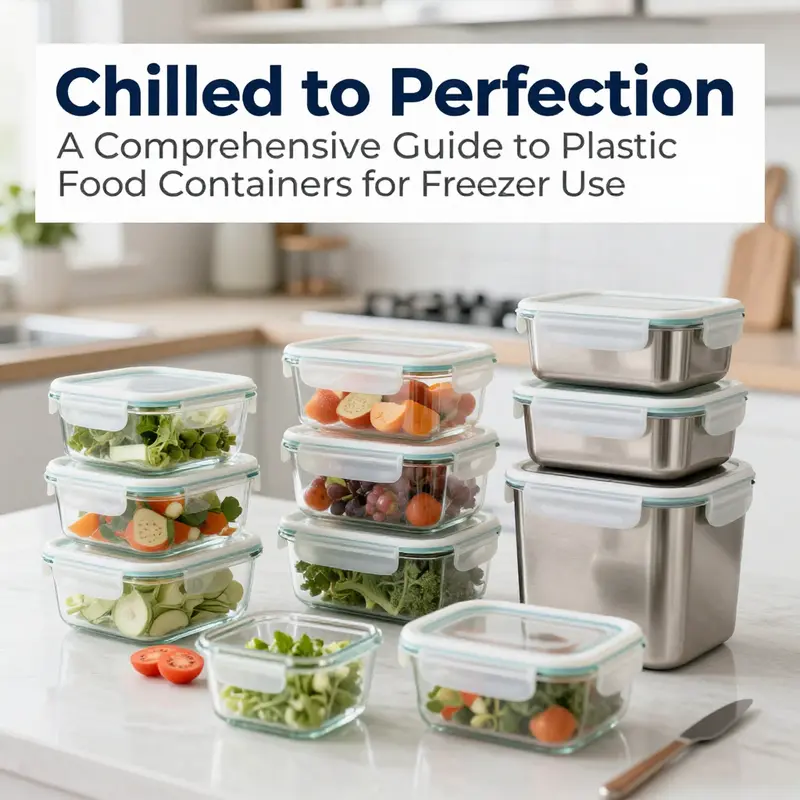
Choosing an alternative to plastic for freezing food is both a health and sustainability decision. Many households rely on plastic because it is lightweight and cheap. Yet, when food spends days, weeks, or months in the freezer, the choice of container matters. Alternatives such as glass, stainless steel, food-grade silicone, beeswax wraps, and certain compostable paper products each offer different strengths. This chapter weaves practical guidance on how to select, use, and care for these materials so frozen food stays safe, tasty, and well-preserved.
A core advantage of non-plastic containers is chemical stability. Glass and stainless steel are inert. They do not leach substances into food when frozen or reheated. This makes them particularly suited to acidic, fatty, or long-frozen items. Reusable silicone also resists degradation and handles wide temperature ranges. Paper-based or plant-fiber containers can be compostable and convenient for short-term storage, but they are usually less durable for prolonged freezing. Understanding how each material behaves in a freezer will help you make choices that reduce risk and waste.
Glass containers combine safety with long-term value. High-quality tempered glass tolerates rapid temperature changes better than ordinary glass. For freezer use, choose containers designed to withstand cold shock. Glass is non-porous and will not absorb odors or stains the way some plastics can. It also preserves flavors because it forms an effective barrier against air and moisture when paired with tight lids. To prevent cracking, allow hot food to cool before filling and avoid setting a cold glass container on a hot surface. Stack glass containers carefully to avoid impact. When you store soups, sauces, or stews, leave a little headspace to allow liquids to expand as they freeze. Label lids with the date and contents using a removable marker or adhesive label.
Stainless steel is ideal when weight, impact resistance, and durability matter. It is robust and resists dents and scratches. High-quality stainless steel containers with tight-sealing lids protect against freezer burn and keep odors contained. Because metal conducts temperature well, stainless steel can speed up freezing, which improves food quality by reducing large ice crystals. This feature is useful for raw ingredients and prepared meals. Note that stainless steel is opaque, so you cannot see the contents without opening the lid. For organization, use consistent container sizes and label them clearly. Avoid using stainless steel for microwave reheating unless the manufacturer explicitly states it is safe for that purpose.
Reusable silicone bags and pouches are a flexible compromise between rigid containers and single-use plastic bags. Food-grade silicone resists extreme temperatures and is generally safe for both freezing and reheating. Its flexibility makes it easy to remove frozen contents and to store bags flat, saving freezer space. Silicone bags seal well and resist leaks when closed correctly. They are also dishwasher-safe and easy to sanitize. For raw meat or fish, freeze silicone bags on a tray until solid before stacking. This prevents punctures and reduces cross-contamination risk when handling multiple packages.
Beeswax wraps and coated cloths offer a sustainable way to wrap small, dry items for short-term freezing. They work well for individual pieces of fruit, small baked goods, and cheese. Beeswax wraps are not suitable for long-term storage or for liquids. They can stiffen in very cold temperatures, so press them gently to reform a seal when removed from the freezer. After use, wash them in cool water and allow them to dry. When they lose stickiness, a refresh with a small application of melted beeswax can extend their life. For any item that will be frozen for weeks, prefer rigid containers or silicone bags.
Paper-based compostable containers deserve careful consideration. Some are treated or lined to resist grease and moisture and can be labeled as freezer-safe. They can be a convenient one-way solution for short-term meal storage or for taking food to a location where immediate consumption is expected. However, most paper-based options degrade over prolonged freezing or when holding liquids for long periods. If you select this option, verify the product is certified for food contact and labeled freezer-safe. Reserve them for dry or solid foods and for storage periods measured in days rather than months.
Beyond material choice, freezing technique matters. Portion food into meal-sized amounts before freezing. Smaller portions freeze faster. Faster freezing reduces ice crystal size and preserves texture. Use airtight seals to reduce moisture loss. For rigid containers, press a piece of plastic wrap directly on sauces or soups before sealing the lid. For bags, remove as much air as possible before sealing. Vacuum sealing remains one of the most effective ways to prevent freezer burn when combined with glass or stainless steel storage options designed to accept vacuum attachments.
Labeling is simple but critical. Write the freeze date, the contents, and any reheating instructions on each package. Keep a running inventory on a list or an app. This prevents long-forgotten items from languishing in the back of the freezer and reduces waste. Rotate food so older items get used first. For transparency in a shared household, add the preparer’s initials for clarity.
Defrosting method influences food safety and quality. For most frozen foods, thaw in the refrigerator overnight. Slow thawing keeps temperatures low, reducing bacterial growth. For faster thawing, use the microwave’s defrost setting or submerge vacuum-sealed bags in cold water, changing the water every 30 minutes. Never defrost at room temperature for extended periods. When reheating, ensure food reaches a safe internal temperature. If you freeze cooked dishes that you intend to reheat directly from frozen, choose containers that can go from freezer to oven or microwave. If a container cannot tolerate reheating, transfer contents to an appropriate vessel first.
Maintenance and cleaning extend the life of reusable containers. Avoid harsh scrubbing that damages seals or surface coatings. Use a gentle dish soap and soft scrub pad. For airtight lids with rubber gaskets, remove and clean the gasket regularly to prevent mold. Replace any lid or gasket that shows cracks or warping. For glass and stainless steel, examine surfaces for chips or deep scratches. Discard or repurpose damaged items that might harbor bacteria or leach materials. Silicone should retain elasticity; if it becomes sticky or brittle, replace it.
Consider practical trade-offs. Glass and stainless steel cost more up front but last longer. They reduce long-term waste. Silicone has moderate cost and good longevity, though it can be heavier and bulkier. Compostable paper is cheap and convenient, but it produces more waste overall when used repeatedly. Factor in storage space in your freezer. Glass requires more care when stacking, while bags and flexible pouches can be stored flat. If you buy containers in sets, choose a mix of sizes to handle portioning flexibility.
When freezing particularly long-term — think months rather than weeks — glass and stainless steel are the most reliable. Both resist degradation from repeated freeze-thaw cycles. They also eliminate concerns about chemical migration that can arise with some plastics. For short-term storage, or when you need a lightweight option for travel or delivery, food-grade silicone and certain compostable offerings can be appropriate. For raw meats and items likely to leak, prioritize containers with strong seals or double-bagging strategies in silicone or freezer-grade wraps.
Sustainability enters the picture beyond the freezer. Reusable containers reduce single-use waste. Choose durable goods that can be repaired or recycled. Stainless steel and glass are widely recyclable at the end of their life. Silicone recycling is less common but possible in some specialized programs. Compostable paper and plant-fiber products are useful for short-term solutions, but they require proper composting to realize environmental benefits. If composting is not available locally, these items may still end up in landfill, where their degradation benefits are reduced.
Practical tips maximize success. Cool food fully before freezing to avoid warming the freezer. Arrange containers to allow air circulation; do not overload the freezer. Use trays for small items, then transfer frozen pieces to their final containers. Flatten liquid-filled silicone bags before freezing to save space and speed freezing. For soups and sauces, freeze in portion-size molds, then transfer the solid portions to a larger container for long-term storage. Keep lids dry when sealing to maintain airtightness. Test seals periodically by filling containers with water and inverting them; a tight seal should hold without leaks.
Avoid pitfalls. Do not use cracked or heavily scratched containers for freezing. Damaged surfaces can harbor bacteria and compromise seals. Avoid mixing materials that may corrode; for example, do not store highly acidic foods long-term in metal unless the steel grade is suitable for acidic contact. When using reusable items for raw meats, sanitize them between uses to prevent cross-contamination. For any container, follow manufacturer guidelines for maximum and minimum safe temperatures.
Budget and lifestyle affect choices. A simple strategy blends options: use glass or stainless steel for long-term and frequent-use items, silicone bags for snacks and liquids, and beeswax wraps for short-term portioning. Keep a small supply of certified freezer-safe compostable containers for occasions when disposability is necessary. Over time, as you replace worn plastics with alternatives, your freezer will contain fewer single-use items and more durable solutions.
Adopting non-plastic alternatives is also about changing habits. Plan meals with portioning in mind. Use consistent container sizes to improve stacking and rotation. Make labeling a routine. Accept that initial costs may be higher, but that lifespan and reduced waste deliver value. For households concerned with maximum safety and minimal chemical exposure, prioritize inert materials and avoid plastics unless they are explicitly certified for freezer use and food-contact safety.
Finally, when a container must be temporary, choose certified paper-based or compostable options and use them within recommended timeframes. For more permanent storage, invest in glass or stainless steel. In each case, follow safe freezing and thawing practices, maintain containers properly, and choose sizes suitable for portions. These steps protect food quality, reduce waste, and help maintain a healthier, more sustainable kitchen.
For an example of a freezer-friendly paper option suitable for short-term use, consider exploring eco-friendly takeout boxes for food packaging that are labeled freezer-safe. See eco-friendly takeout boxes for food packaging for one such option.
For a typical glass freezer set referenced in consumer guidance, view an example glass storage set here: https://www.walmart.com/ip/Snapware-10-Piece-Glass-Food-Storage-Set/48975675
Final thoughts
In navigating the world of plastic food containers for freezer use, businesses in food and beverage sectors can make informed decisions that enhance safety and operational efficiency. While convenience and cost-effectiveness favor plastic options, understanding the right materials to use and being aware of chemical safety is crucial. As we explored, alternatives like glass and stainless steel can offer durability and safety without the risks associated with certain plastics. Making educated choices will not only help in maintaining food integrity but also in assuring customers about the quality and safety of the products they consume.