
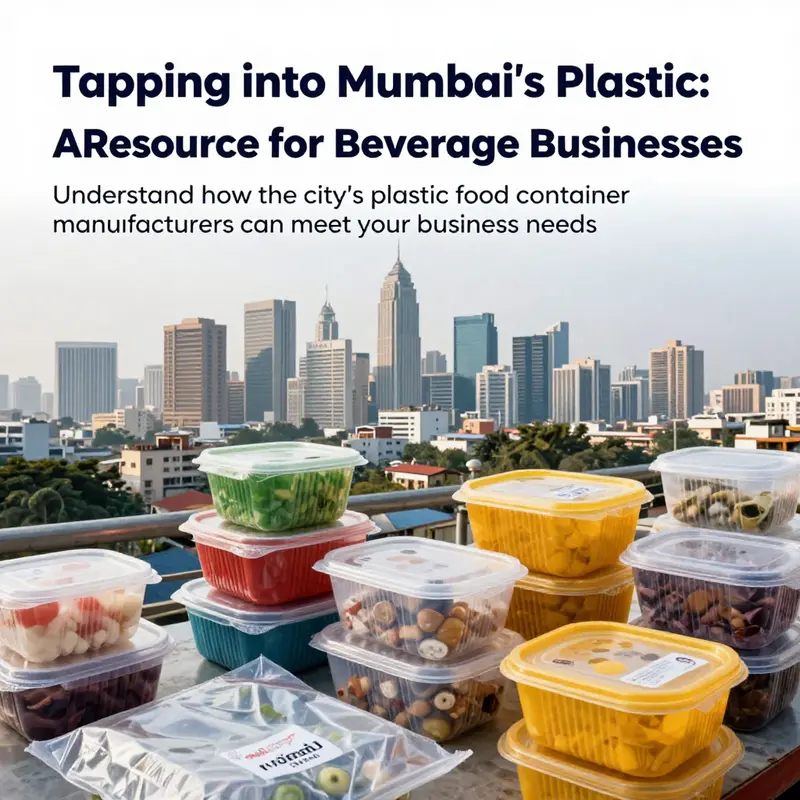
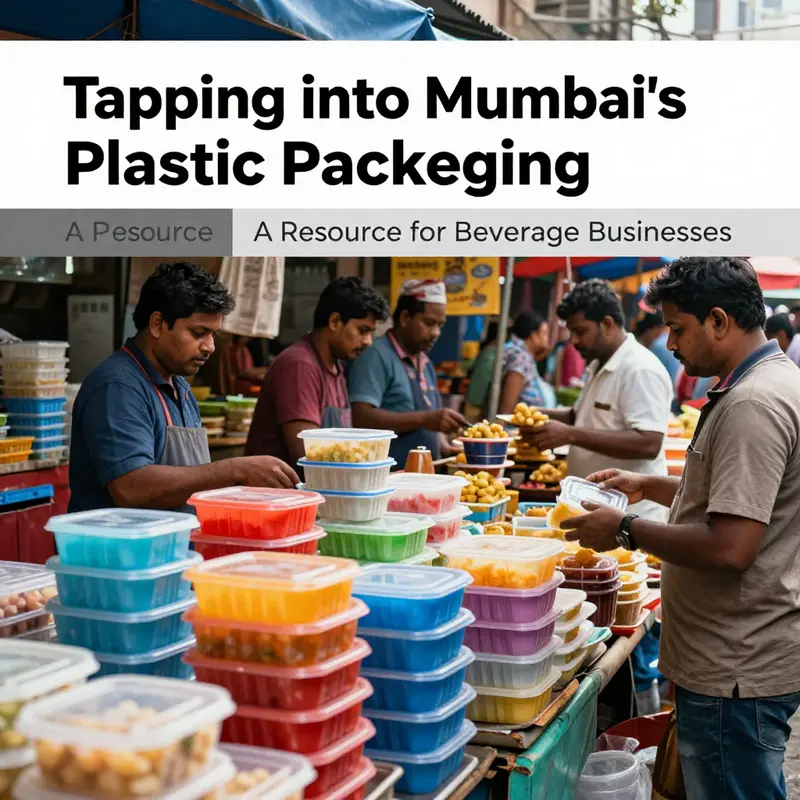
Mumbai stands out as a critical hub for the production of plastic food containers in India, catering to a diverse array of businesses from bubble tea shops to corporate catering services. With the growing demand for food-safe, efficient, and innovative packaging solutions, local manufacturers have stepped up to meet these needs. In this insightful exploration, we’ll navigate the landscape of plastic food containers in Mumbai, shedding light on the materials and technologies employed by manufacturers, the regulatory framework they operate within, and market trends that shape the industry. By the end of this journey, you will have a comprehensive understanding of how these producers can support your business objectives and enhance your operational efficiency.
Molded in Mumbai: The Craft, Compliance, and Sustainability Shaping the City’s Plastic Food Container Manufacturers
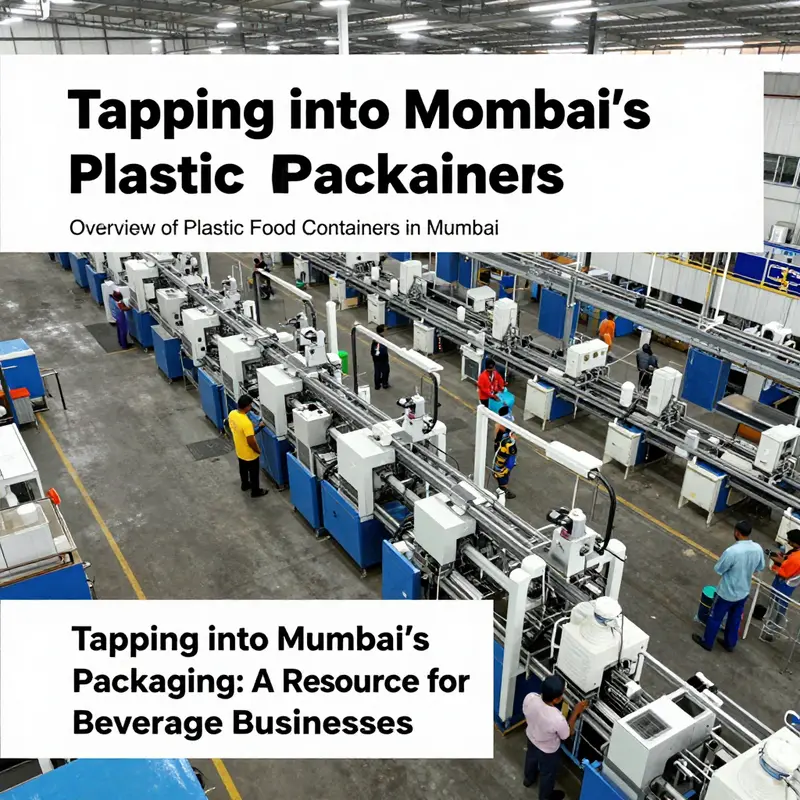
Mumbai stands as a full-spectrum ecosystem where plastic food container manufacturers blend engineering precision with regulatory discipline to meet the demands of both local households and global brands. The city’s workshops and small-scale facilities sit alongside larger plants, forming a continuous thread from resin to ready-to-sell package. What makes this cluster notable is not merely volume but the breadth of capability. Manufacturers here do not simply produce containers; they translate consumer needs into reliable packaging solutions that preserve taste, ensure safety, and support a brand’s story. In this environment, the choice of material becomes a strategic decision rather than a convenience, and the path to market is shaped by standards, innovation, and an evolving commitment to sustainability.
At the core of Mumbai’s manufacturing landscape is a triad of commonly used plastics, each selected for its distinctive strengths. HDPE, PP, and PET cover a wide spectrum of applications, from everyday beverage bottles to versatile storage containers. HDPE is widely deployed for water and juice bottles and for edible oil packaging, prized for its strength, opacity, and chemical resistance. It also offers solid performance in outdoor and long-term storage scenarios, where a container needs to withstand sunlight, temperature fluctuations, and routine handling. Yet HDPE’s strengths come with caveats. While it is highly recyclable, designated as a widely accepted #2 resin, there are concerns about long-term reusability in some high-heat, repeated-use contexts, where small shifts in structure or trace chemical exposure could occur over extended periods. This reality pushes many Mumbai manufacturers to design with life-cycle planning in mind, balancing durability with end-of-life considerations.
PET stands out for its lightness and shatter resistance, especially in beverage applications. It supports the modern demand for lighter packaging that travels well through distribution networks while preserving clarity and integrity. In many cases, PET serves as a first-choice companion to HDPE, enabling a package family that can address different temperature ranges, barrier needs, and user experiences without changing the fundamental form. Polypropylene, PP, brings its own set of advantages. Known for heat resistance and chemical stability, PP is well-suited to containers intended for hot-fill applications or microwave-ready meals. Its versatility often translates into a broader range of closures, lidding systems, and stackable shapes that help optimize shelf space and logistics. Taken together, these materials provide Mumbai’s packaging ecosystem with a robust toolkit to meet diverse food safety, performance, and aesthetic requirements.
Interwoven with material choice are the standards and systems that govern safe food contact. In India, the Food Safety and Standards Authority (FSSAI) frames the regulatory landscape that manufacturers must navigate. Compliance here is not a one-time certificate but a continuous discipline that touches process controls, finished goods testing, and traceability. Mumbai’s producers typically align with these guidelines by implementing internal quality systems that mirror or exceed statutory expectations. The emphasis is on minimizing risks to consumers while sustaining efficiency throughout production lines. Such a focus is not merely about meeting minimums but about building a reputation for reliability that can travel beyond domestic markets into international supply chains. When a packaging provider presents a strong track record in certifications, it signals a readiness to partner with brands that demand both rigorous safety standards and consistent performance across product lines.
Another thread that runs through Mumbai’s container manufacturers is an acute attention to sustainability in both materials and processes. HDPE’s recyclability makes it a natural anchor for circular economy strategies, yet the practical challenge is turning recycling potential into real, closed-loop practice within a production system. Responsible practitioners in Mumbai pursue recycling programs, waste-minimization initiatives, and process improvements that reduce energy intensity and material loss. The conversation around sustainability also extends to design decisions. For instance, if a container is intended for reusable use in a home or retail setting, designers consider factors that influence durability over multiple cycles, such as wall thickness, closure strength, and ease of cleaning. In contrast, for single-use or limited-use occasions, emphasis may shift toward efficient material usage and end-of-life options that align with local waste management infrastructure. The balance between performance, cost, and environmental impact remains a dynamic consideration that shapes product development in the city’s workshops and factories.
Beyond the material and regulatory calculus, Mumbai’s manufacturers distinguish themselves through technical flexibility and depth of capability. A defining capability is in-house mold engineering. This expertise accelerates development cycles, enabling faster translation of a concept into a workable plastic form. When a brand seeks a custom shape, an unusual closure system, or a specialized interior surface finish, the ability to iterate in-house can shave weeks off timelines and reduce the risk that late-stage changes derail schedules. In practice, this means a packaging partner can respond to evolving brand requirements with a level of agility that external tooling corridors cannot always guarantee. The capacity to deliver custom shapes, precise closures, and high-end finishes is particularly valuable for luxury or premium lines where tactile and visual cues—such as smooth edges, glossy surfaces, or precise tamper-evident features—can influence consumer perception and product credibility.
The deepest surfaces of the city’s packaging capability reveal themselves when discussing specialized applications that push the envelope beyond ordinary consumer containers. While the core business involves plastic, seasoned manufacturers in Mumbai sometimes extend their range to hybrid or premium packaging concepts. In some facilities, borosilicate glass has been used in premium fragrance or culinary contexts where an ultra-clean appearance and chemical inertness are prized. Stainless steel has also found a place in reusable container programs that prioritize durability and long service life. These cases illustrate how leaders in the Mumbai ecosystem blend material science with brand strategy, delivering packaging that supports premium experiences while retaining the predictability of modern plastics. This breadth of capability underscores why Mumbai remains a magnet for collaborations that range from scaled manufacturing to bespoke, design-forward projects.
A practical consequence of this depth is the ability to align packaging choices with a brand’s distribution and shelf strategy. For beverages and oils that demand barrier integrity and safe storage, a thoughtful combination of PET for lightweight, heat-formed components and HDPE for more robust, impact-resistant elements can yield a family of containers that simplifies procurement while preserving performance. For hot-fill or microwave-ready meals, PP becomes a strong option, enabling containers that withstand elevated temperatures without compromising form or seal. The overarching aim is to provide a coherent packaging architecture that maintains product quality from factory floor to consumer hands, with predictable behavior under real-world handling. In Mumbai, this translates to a shared language of specifications, testing routines, and quality gates that every partner understands, reducing the risk of miscommunication across global supply chains.
The path to selecting a reliable Mumbai supplier is not simply about price or minimum order quantities. A robust sourcing approach must evaluate a vendor across multiple dimensions: operational maturity, technical flexibility, and long-term reliability. This framework recognizes that a successful packaging program requires more than a single good run of production. It looks for a partner that can scale with demand, absorb design changes without friction, and sustain quality across a spectrum of sizes and formats. A telling indicator of true capability is the presence of in-house mold engineering, which often correlates with shorter development cycles and more precise execution. When a partner can quickly translate a concept into a tested mold and then iterate on the prototype with controlled variability, the door to sophisticated packaging solutions—from precision closures to tailored interior ergonomics—remains open rather than closing after the first sample batch. Such capabilities are not just technical advantages; they are strategic differentiators for brands that treat packaging as a core element of product value.
Within this ecosystem, the relationship between a supplier and a brand can also hinge on the ability to deliver thermoforming options, finishing processes, and sophisticated surface treatments. A capable Mumbai manufacturer may offer finishes such as subtle polishing, labeling, or screen printing that align with premium aesthetics while maintaining the material’s innate food safety characteristics. The interplay of finishing options with seal integrity, heat resistance, and ease of cleaning becomes a delicate balancing act, one that experienced teams navigate through careful testing and close collaboration with clients. The result is a packaging solution that is not only safe and durable but also visually resonant with a brand’s promise, whether that promise is convenience, luxury, or sustainable responsibility.
Sustainability remains a living, breathing criterion in the city’s manufacturing dialogue. The drive to minimize waste, optimize energy use, and extend the life of containers surfaces in production planning, supplier selection, and end-of-life considerations. As global expectations around packaging shift toward greater recyclability and lower carbon footprints, Mumbai’s producers increasingly foreground product stewardship. They pursue innovations in resin usage, wall thickness optimization, and closure systems that reduce stray material while maintaining performance. Importantly, these efforts are not only environmental but economic, since leaner material strategies often coincide with cost efficiency and more resilient supply chains. In a city that serves both domestic and international markets, sustainable packaging is not only a moral imperative but a competitive advantage that reinforces reliability and attracts brands seeking a future-proof supplier base.
For readers who want a tangible glimpse into the kind of expression these manufacturers enable, consider the takeaway packaging ecosystem that thrives in Mumbai. The ability to design and produce containers that are tailor-made for specific cuisines, portions, or service formats is a direct offshoot of the city’s engineering depth and design agility. A concrete example of what such an ecosystem can offer is illustrated by several providers that specialize in customizable takeaway packaging and disposable tableware for themed events and promotions. This example demonstrates how packaging partners can respond to unique consumer experiences with precision and speed, translating a creative brief into a physical object that performs as intended in real-world use. If you’re exploring this space, the linked resource provides a concrete sense of the kinds of design flexibility and production readiness that characterize Mumbai’s packaging landscape. custom-takeaway-packaging-supplies-disposable-tableware-for-theme-party.
In the broader narrative of global supply, Mumbai’s plastic food container manufacturers hold a position that reflects both tradition and ongoing innovation. The city’s proximity to ports, a dense network of suppliers, and a culture of practical problem-solving contribute to a manufacturing ethos that blends reliability with experimentation. As brands push toward more convenient, safer, and sustainable packaging, the Mumbai ecosystem adapts by refining material choices, tightening quality controls, and expanding capabilities that support end-to-end packaging programs. This integrated approach helps ensure that containers moving through the supply chain preserve the integrity of the contents, remain compliant with evolving safety standards, and align with brand expectations for packaging that communicates value to the consumer. The result is a dynamic, enduring partnership between manufacturers and brands that can navigate fluctuations in demand, regulatory changes, and shifts in consumer preference without sacrificing consistency.
For researchers and practitioners who want to situate Mumbai’s container makers within a global context, a broader reference point lies in external industry resources that chart how HDPE and related materials perform in real-world applications. These resources illuminate how designers balance mechanical strength, chemical resistance, and food safety with the realities of manufacturing efficiency and supply chain resilience. The convergence of material science, regulatory compliance, and manufacturing discipline is what makes Mumbai a compelling case study in modern packaging. The city’s manufacturers show how a mature, well-connected network can sustain high standards while continuously expanding the envelope of what is possible in plastic food containers.
External resource: https://www.made-in-india.com/product/HDPE-Plastic-Bottle-Manufacturer-Mumbai
Innovative Materials and Manufacturing Technologies Shaping Mumbai’s Plastic Food Containers Industry
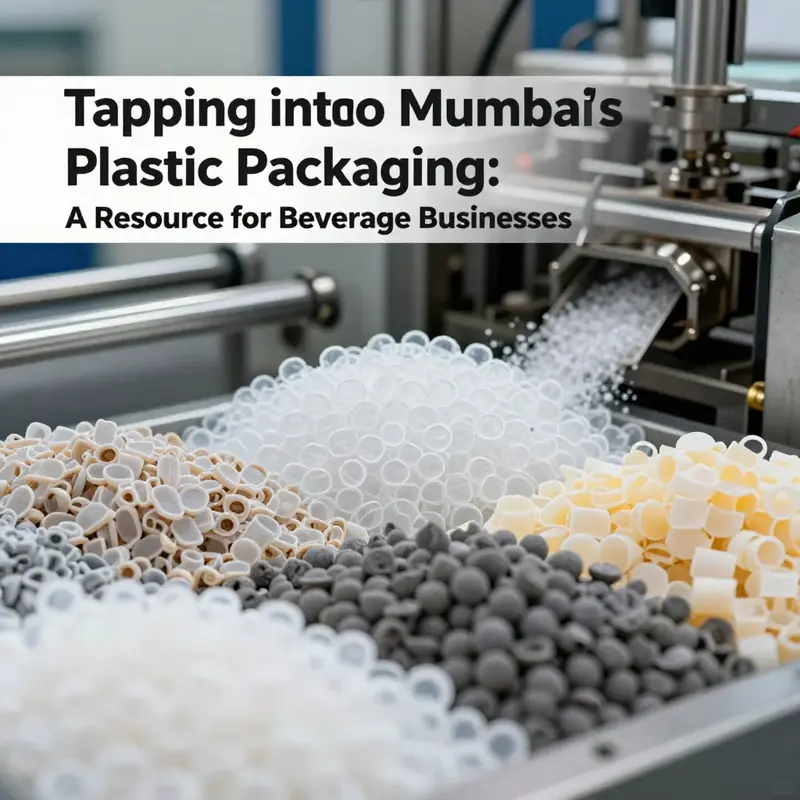
Mumbai stands as a pivotal center in India’s plastic manufacturing landscape, especially in the realm of food container production. The city’s manufacturers harness a sophisticated blend of materials and cutting-edge technologies to meet the diverse demands of food packaging. These include not only safety and durability but also sustainability and regulatory compliance, making Mumbai a hub where innovation and quality unite in plastic container fabrication.
At the core of Mumbai’s plastic food container industry lies a careful selection of thermoplastic materials, chosen for their specific properties tailored to various food packaging needs. Among them, Polyethylene Terephthalate, commonly referred to as PET or PETE, is a prime choice. Renowned for its clarity and lightweight nature, PET excels as a moisture and gas barrier, which significantly helps preserve freshness and extend the shelf life of its contents. This makes PET containers especially popular for packaging beverages like soft drinks, juices, and edible oils. Its recyclability, marked under the recycling code #1, also aligns with growing environmental consciousness, allowing manufacturers and consumers alike to contribute to sustainability goals by facilitating effective recycling.
Complementing PET is High-Density Polyethylene (HDPE), a material valued for its robustness and chemical resistance. HDPE’s high impact strength and UV resistance make it ideal for reusable containers often found in households, such as milk jugs, water dispensers, and detergent bottles. The material’s stability ensures that food and beverages stored within remain safe over longer periods, resisting chemical interaction that could compromise quality. HDPE also carries the recycling identification #2, marking it as a preferred sustainable option within plastic types due to its widespread acceptance in recycling programs. This commitment to environmental responsibility is an important consideration for many Mumbai manufacturers and clients seeking products that not only meet industry standards but also are mindful of ecological footprints.
While technologies and materials evolve, Polyvinyl Chloride (PVC) occupies a more specialized niche within Mumbai’s food container manufacturing sector. PVC offers flexibility or rigidity depending on its formulation, which has historically found use in packaging that demands specific industrial or chemical-resistant properties. However, due to rising health and environmental concerns, its presence in mainstream food contact applications has diminished. Nevertheless, some manufacturers maintain the capability to produce PVC-based containers for specialty packaging solutions where its unique properties are indispensable.
The manufacturing technologies utilized in Mumbai reflect a commitment to precision, efficiency, and adaptability. Injection molding, for instance, has become a foundational process in creating plastic food containers with consistent dimensions and superior quality. This process allows manufacturers to achieve fine detail and complex designs, ensuring containers are not only functional but also aesthetically pleasing and user-friendly. The ability to reproduce exact shapes at high volumes supports large-scale distribution demands, catering to everything from household storage to commercial food packaging.
Thermoforming complements injection molding as a versatile technique, particularly adept at producing containers with features that address contemporary consumer and retailer needs. This includes the creation of microwavable containers that withstand heat without warping or releasing harmful substances, an essential feature as convenience foods and ready-to-eat meals gain popularity. Thermoformed containers also often include design elements such as leak-proof seals and freshness-preserving lids, crucial for takeaway and retail packaging. These characteristics enhance the end-user experience by maintaining food quality and ensuring ease of transport.
Concurrent with these material and technological advancements, sustainability initiatives are increasingly integral to Mumbai’s plastic food container manufacturing ethos. Manufacturers actively incorporate recycled plastics into their production lines wherever possible, reducing reliance on virgin polymers and minimizing environmental impact. Designing containers for recyclability is another focus, with many products engineered to streamline sorting and reprocessing after use, thus closing the loop in the material lifecycle. This holistic approach is in line with global trends emphasizing circular economy principles within packaging industries.
Competitive pricing strategies often accompany these sustainable practices. For example, recyclable plastic food containers with lids—designed to keep contents fresh—are marketed at attractive rates for bulk buyers. This pricing model ensures that even environmentally responsible options remain accessible to a wide range of businesses, including food service operators and household consumers. Such affordability combined with quality and safety helps reinforce Mumbai’s position as a reliable manufacturing hub.
Adherence to rigorous safety and quality standards is paramount across the industry. Manufacturers in Mumbai ensure their products comply with guidelines set forth by the Food Safety and Standards Authority of India (FSSAI), which governs material suitability for food contact. Additionally, many companies align their products with international benchmarks from authorities like the U.S. Food and Drug Administration (FDA) and the European Food Safety Authority (EFSA). Conformance to these multifaceted standards ensures plastic food containers from Mumbai not only serve local markets but are also viable for export, fostering confidence among global buyers.
Material selection and production practices are often informed by comprehensive technical resources, including those from reputed organizations such as the Society of Plastics Engineers (SPE). These resources provide in-depth analyses of polymer characteristics, processing techniques, and application suitability, empowering manufacturers to innovate with assurance and precision. Access to such detailed knowledge supports Mumbai’s industry in adopting the latest materials and fabrication technologies effectively.
In concert, these elements—the strategic use of PET, HDPE, and select PVC variants; deployment of injection molding and thermoforming technologies; commitment to environmental sustainability; and strict regulatory compliance—define Mumbai’s plastic food container manufacturing sector. The city’s ability to blend high performance with eco-conscious practices positions it well in a market where consumers and companies increasingly demand safe, durable, and sustainable packaging solutions. This synthesis of technical insight and manufacturing prowess underscores Mumbai’s vital role in the Indian and global food packaging supply chains.
For manufacturers and purchasers interested in exploring detailed material properties, applications, and further innovations, the Society of Plastics Engineers offers valuable insights through its technical resources on Polyethylene Terephthalate (PET), which can be accessed here.
Ensuring Food Safety: Regulatory Compliance for Plastic Food Container Manufacturers in Mumbai
Plastic food container manufacturers in Mumbai operate within a rigorous framework of regulations designed to ensure product safety, consumer health, and environmental responsibility. Compliance with these standards is not a mere formality but a critical foundation for their business operations, impacting everything from raw material sourcing to final packaging design. For manufacturers producing food-grade plastic containers, understanding and adhering to the requirements set forth by regulatory authorities is essential for legal operation and market credibility both in India and internationally.
The cornerstone of regulatory oversight in India is the Food Safety and Standards Authority of India (FSSAI), established under the Food Safety and Standards Act, 2006. FSSAI’s regulations specifically address food contact materials to prevent contamination and ensure that plastic food containers do not introduce hazardous substances into food products. This mandate influences how manufacturers select materials, design production processes, conduct testing, and label their products.
Central to the compliance process is adherence to FSSAI Standard 19: Plastic Materials and Articles for Food Contact, which covers a comprehensive range of safety and quality parameters. This standard mandates the use of approved plastic resins such as High-Density Polyethylene (HDPE), Polypropylene (PP), and Polyethylene Terephthalate (PET), all virgin-grade and certified for food contact. These materials are chosen not only for their superior durability and chemical resistance but also for their inertness, meaning they do not release harmful chemicals into food under normal usage.
Manufacturers in Mumbai must ensure that none of their containers contain banned substances such as Bisphenol A (BPA) or phthalates, which have been linked to health risks. This requires careful selection of raw materials and stringent quality control measures in the production line. Beyond material selection, compliance involves regular and rigorous migration testing — laboratory analyses that determine whether any chemical substances transfer from the plastic into food simulants under defined conditions. These tests verify that migration limits are within safe thresholds established by regulators.
Documentation plays a pivotal role in regulatory compliance. Mumbai’s plastic food container producers maintain accurate records including Material Safety Data Sheets (MSDS) for raw polymers, Certificates of Analysis (CoA) for batches produced, and internal quality assurance reports. Such documentation is critical for audits and inspections by regulatory authorities and clients, especially for those manufacturers with export aspirations. Transparent record-keeping also supports supply chain traceability, allowing manufacturers to identify the source and safety of every batch of plastic used.
When manufacturers from Mumbai target export markets such as the European Union or the United States, they must navigate additional layers of regulation. The EU’s regulations, namely Regulation (EC) No 1935/2004 and Regulation (EU) No 10/2011, impose strict requirements on materials intended for food contact. These include specific limitations on substance migration and mandatory declarations of compliance. Similarly, compliance with the U.S. Food and Drug Administration’s Code of Federal Regulations (FDA 21 CFR Part 177) is mandatory for polymer materials used in contact with food. Meeting these international standards opens access to lucrative markets but demands thorough testing, documentation, and certification.
Mumbai plastic container manufacturers often engage accredited third-party laboratories to perform migration testing and certification, ensuring impartiality and credibility. These certifications attest that their products conform to the applicable Indian and international safety standards. Furthermore, manufacturers develop quality management systems aligned with Good Manufacturing Practices (GMP) and often incorporate Hazard Analysis and Critical Control Points (HACCP) to systematically monitor food safety risks.
The importance of regulatory compliance extends beyond safety. It influences branding, customer trust, and market access. In a competitive landscape like Mumbai, manufacturers who successfully demonstrate compliance are better positioned to serve multinational food companies and meet the growing demands of conscientious Indian consumers. Failure to comply, by contrast, can lead to severe repercussions such as product recalls, legal penalties, suspension of licenses, and irreparable reputational harm.
Alongside safety standards, many manufacturers are adopting sustainability initiatives related to recyclability and environmental impact. The prevalent use of recyclable materials like HDPE, classified under recycling code #2, aligns with both regulatory encouragements and market preferences for eco-conscious packaging solutions. This dual focus on safety and sustainability reflects evolving regulatory frameworks that increasingly integrate environmental considerations with traditional food safety mandates.
Navigating these complex requirements requires manufacturers to continuously monitor regulatory updates, train their workforce in compliance practices, and invest in state-of-the-art testing technology. Mumbai’s manufacturers often collaborate with regulatory consultants and industry bodies to stay abreast of changes and ensure ongoing conformity.
An illustrative example of compliance in practice is the careful inspection of the entire manufacturing process—from the acceptance of polymer pellets, which must come with MSDS and quality certificates, to in-process checks for contamination during molding, and final product inspections confirming the absence of defects. This integrated approach reduces the risk of contamination or chemical migration, ensuring the resulting food containers are safe throughout their shelf life.
Moreover, transparent labeling is another critical element. Containers must carry information regarding the material type, recycling codes, and usage instructions, permitting consumers and downstream users to handle the products safely and dispose of them responsibly. Clear and accurate labeling also assists food businesses in selecting appropriate packaging aligned with health regulations.
In summary, regulatory compliance for plastic food containers in Mumbai is a multifaceted endeavor that demands attention to raw materials, manufacturing processes, testing protocols, documentation, and certifications. By meeting FSSAI standards along with international requirements, manufacturers protect consumer health, secure market channels, and reinforce their commitment to quality and safety. This foundational compliance integrates seamlessly with efforts toward sustainability, reflecting the evolving priorities of the food packaging industry both in India and globally.
For manufacturers and businesses seeking packaging solutions, understanding these regulatory frameworks is crucial to selecting trustworthy partners. Those who prioritize compliance ensure reliable, safe, and reputable plastic food containers suited for diverse applications ranging from household food storage to commercial food service.
For more information about official Indian food safety requirements, the Food Safety and Standards Authority of India (FSSAI) website provides comprehensive guidelines and updates.
Mumbai’s Plastic Food Container Market: Growth Drivers, Innovation, and Local Economic Reach
Market momentum and local influence
Mumbai stands at the crossroads of manufacturing scale and market sophistication for plastic food containers. The city’s manufacturers supply a wide range of food-grade containers used across household storage, packaged foods, and the expanding foodservice and delivery sectors. Recent valuations place the global plastic food container market at US$ 5.09 billion in 2024, with projections to reach US$ 8.83 billion by 2032 at a CAGR of 7.12%. Within this trajectory, Mumbai’s ecosystem benefits from factors that combine demand-side shifts and supply-side advantages. These forces together shape an industry that is expanding, adapting, and increasingly accountable to environmental and regulatory pressures.
A significant driver of demand is convenience. Consumers and businesses prefer packaging that is light, durable, and cost-effective. For restaurants, cloud kitchens, and grocery brands, containers that protect freshness and withstand handling are essential. This need for secure, hygienic food packaging has been accentuated by a rise in online food ordering and e-commerce grocery deliveries. As the volumes of takeaway and packaged foods grow, Mumbai-based manufacturers scale up production to meet bulk contracts, seasonal spikes, and evolving product specifications.
Mumbai’s location amplifies its market advantage. Port access, road and rail connectivity, and proximity to large consumer markets reduce lead times and logistics costs. Manufacturers can source raw resins quickly, ship finished goods to pan-India destinations, and export to nearby markets when needed. This logistical efficiency attracts brands that require reliable supply chains and rapid turnaround for custom orders.
Skilled labor and industry clusters further strengthen the city’s offer. A workforce experienced in mold design, injection molding, and quality testing allows manufacturers to maintain consistent quality across HDPE and polypropylene products. This know-how supports custom designs, such as stackable storage, compartmentalized meal boxes, and resealable lids, enabling manufacturers to serve diverse clients from small bakeries to large food processors.
Innovation, sustainability, and material choices
Technological innovation is central to maintaining competitiveness. Mumbai firms have adopted improved molding techniques, barrier treatments for shelf-life extension, and better sealing technologies to prevent leaks. In response to consumer and regulatory pressure, many manufacturers are moving toward recyclable and biodegradable polymers. HDPE, designated as recycling code #2, remains popular for its durability and recyclability. Polypropylene also features for its chemical resistance and heat tolerance. The choice of material is no longer purely technical; it is a business decision connected to brand image, customer demands, and regulatory compliance.
Manufacturers are investing in redesigns that reduce plastic usage without compromising function. Thinner walls achieved through precision molding lower material costs and reduce weight, aiding both environmental goals and transport efficiency. At the same time, some producers experiment with bio-based polymers and blends that support compostability or improved recyclability. These investments require capital, but they help manufacturers position themselves as partners for sustainability-minded brands.
Recyclability infrastructure is a pivotal part of the story. While producers can make recyclable containers, the system for collection, sorting, and reprocessing determines real-world outcomes. Many Mumbai firms collaborate with recycling partners and extended producer responsibility (EPR) schemes to ensure used containers are reclaimed. Where local recycling infrastructure is weak, manufacturers face pressure to adopt takeback programs or design products for easier material separation.
Economic spillovers and employment effects
The economic impact of plastic food container manufacturing in Mumbai extends beyond factory floors. Direct employment includes machine operators, mold technicians, quality controllers, and packaging staff. Indirect jobs arise in resin supply, tooling, logistics, and distribution. Ancillary services, such as maintenance, engineering consultancies, and product design, also gain from the industry’s growth. Together, the sector supports a network of micro, small, and medium enterprises that supply inputs or services.
Local suppliers of raw resin and additives benefit when orders scale up. Logistics providers see higher volumes for inbound resin shipments and outbound container deliveries. Toolmakers and die makers secure repeat business as brands request new molds and design revisions. Even professional services—accounting, legal, and certification bodies—experience demand increases as manufacturers pursue compliance and market expansion.
The rise in e-commerce and food delivery has a multiplier effect. An expanded delivery ecosystem requires more packaging solutions, including containers designed for hot foods, leak resistance, and tamper evidence. Catering to these requirements fuels product diversification and creates opportunities for small manufacturers to specialize in niche segments. This specialization creates higher-value roles in design and quality assurance, which can raise wage levels and skill demands locally.
Regulatory landscape and compliance
Food safety regulations frame a significant portion of manufacturer activity. Compliance with standards ensures containers are suitable for direct food contact and do not leach harmful substances. Companies in Mumbai often obtain certifications and conduct routine testing to meet local and international rules. These credentials are not just legal requirements; they are market signals for buyers who prioritize consumer safety.
Parallel to safety rules, environmental regulations increasingly influence production choices. Policies targeting single-use plastics and mandates for recycled content push manufacturers to reassess product lines. Some authorities impose bans on specific items, while others incentivize recycling or require EPR registration. For Mumbai producers, navigating this regulatory mix requires investment in compliance, dialogue with policymakers, and agile product development to align with changing rules.
Market threats and adaptive strategies
Several challenges could slow growth if left unaddressed. Tightening regulations on single-use plastics could reduce demand in certain product categories. Fluctuating raw material prices expose manufacturers to margin pressure when resin rates spike. Infrastructure gaps in recycling may limit the market for recycled-content products. Finally, competition from alternative materials—paper, molded fiber, or compostable blends—may attract environmentally conscious buyers.
Manufacturers can adapt through diversification and value-based positioning. Offering reusable-grade containers, producing hybrid products that combine plastic with recycled layers, or creating modular systems for repeated use can mitigate regulatory and reputational risks. Building traceability into the supply chain—documenting recycled content, testing reports, and EPR compliance—strengthens relationships with corporate purchasers and supermarkets that demand transparency.
Investment in automation and process improvements also protects margins. Automation reduces reliance on variable labor costs and increases consistency, while process controls minimize rejects and material waste. These changes require capital but improve long-term competitiveness.
Forward-looking considerations for businesses and policymakers
For brands and buyers, Mumbai offers manufacturing depth and an ecosystem that can meet bulk and bespoke needs. Sourcing decisions should weigh lead times, certification status, and capabilities for recycled-content products. For policymakers, supporting recycling infrastructure and enabling easier access to compliance testing will amplify the positive impacts of a growing manufacturing cluster. Incentives for technology adoption and skills training can help small manufacturers upgrade without losing competitiveness.
Partnerships between manufacturers and recycling firms will be central to closing the sustainability loop. When producers commit to designing for recyclability and participate in collection schemes, they reduce material leakage into waste streams and create downstream value for recyclers. Public-private initiatives that standardize labeling, support sorting facilities, and fund pilot projects for bio-based polymers can accelerate sector-wide transitions.
As demand expands toward 2032 and beyond, Mumbai’s role is likely to strengthen if its manufacturers balance growth with responsibility. The city’s logistical strengths, skilled labor pool, and proximity to major markets place it in an advantageous position. Coupled with strategic investments in sustainable materials, recycling partnerships, and automation, manufacturers can convert market momentum into durable economic benefits for Mumbai and its surrounding regions.
For businesses exploring packaging options, a practical example of locally relevant products can be found among sauce and condiment containers designed for foodservice and delivery. These containers demonstrate the design and hygiene features buyers look for when selecting suppliers. See an example of clear food sauce containers with lids for inspiration: plastic sauce jars with lids and small clear food containers.
For broader market data and industry trends referenced throughout this chapter, consult the market analysis at Grand View Research for a detailed breakdown of size, projections, and drivers: https://www.grandviewresearch.com/industry-analysis/plastic-food-container-market
Final thoughts
As Mumbai continues to thrive as a leader in plastic food container manufacturing, businesses in sectors like bubble tea, restaurants, and catering services can find reliable partners. With a vast array of materials, adherence to strict regulatory standards, and a focus on sustainability, these manufacturers not only meet the needs of various food businesses but also positively impact the local economy. By aligning with the right supplier, you can elevate your service offerings and ensure compliance and quality in your packaging solutions. It’s an exciting time in the world of food and beverage packaging, and the potential for growth and innovation is immense.