
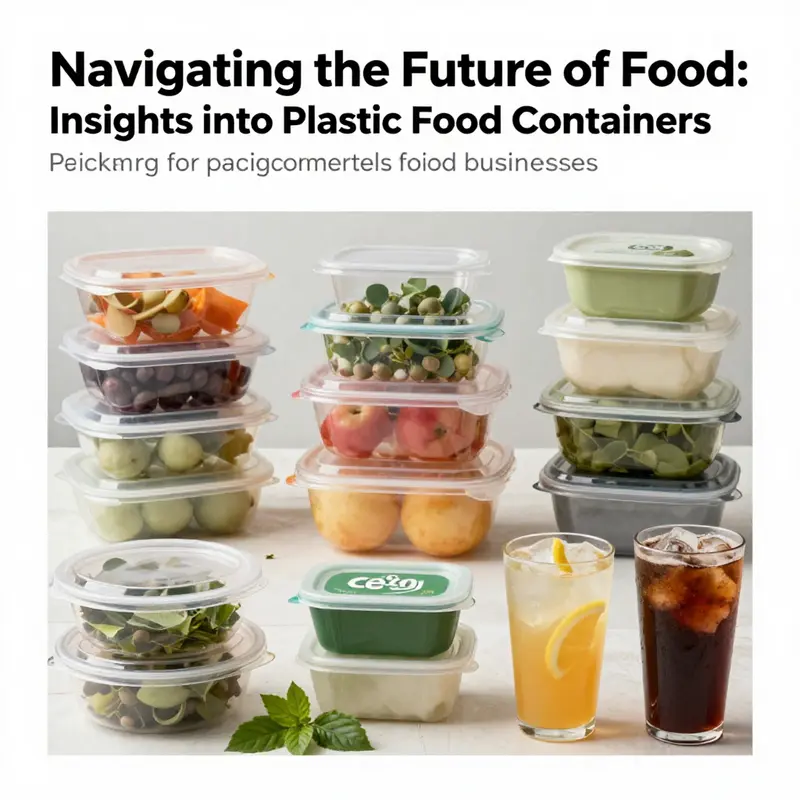
Plastic food containers are integral to the beverage and food service industries, offering convenience and practicality. However, as concerns about their environmental impact and health risks surge, it’s crucial for businesses like bubble tea shops, catering services, and food trucks to stay informed. This article explores the pressing environmental challenges posed by plastic food containers, the potential health implications for consumers, and the evolving market trends that highlight eco-friendly alternatives. Each chapter sheds light on how stakeholders can adapt to these changes while providing safe, sustainable service.
Between Convenience and Consequence: Tracing the Environmental Footprint of Modern Plastic Food Containers
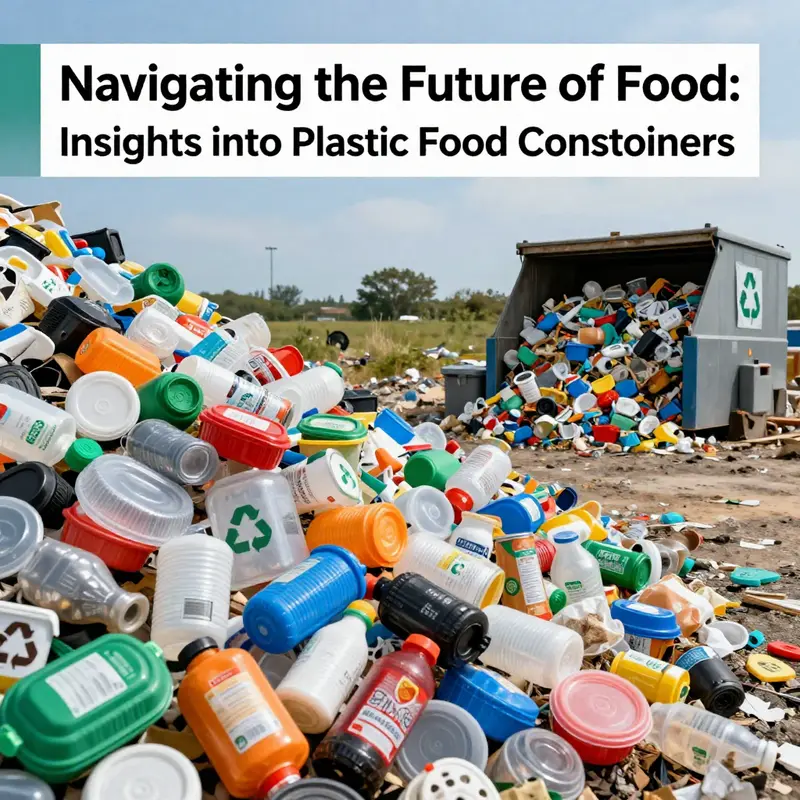
The news around plastic food containers often travels in headlines about convenience, price, and consumer habit. Yet beneath those headlines lies a complex ledger that stretches from oil wells to dinner plates, a ledger that records energy use, emissions, and the slow seep of plastics into food webs. As global demand for ready-to-heat meals and portable snacks grows, the environmental accounting of plastic food containers becomes more consequential, not only for ecosystems but for public health, policy, and the future of urban life itself. The latest research adds depth to this accounting by showing how each container type carries a distinct signature of impacts across a broad spectrum of environmental categories, while also revealing where improvements can realistically be made and where fundamental shifts in behavior and systems are required. It is a narrative about growth and decline, efficiency and risk, material choice and moral responsibility, all coexisting in the everyday act of sealing and transporting a meal.
A useful way to frame the discussion is to situate plastic food containers within their life cycle: the extraction and processing of raw materials, the energy-intensive manufacturing, distribution to markets, the customer’s use phase, and the end-of-life stage. In each stage, different materials behave differently. The three most common takeaway container types—aluminium, polypropylene (PP), and extruded polystyrene (EPS)—offer a stark lens on how material choice shapes environmental outcomes. A comprehensive life-cycle comparison across twelve environmental impact categories finds that single-use PP containers consistently perform poorly on many fronts. In seven of the twelve categories, PP racks up the highest burdens, including global warming potential in several scenarios that reflect the energy intensity of producing and disposing of this polymer. This result challenges the assumption that convenience must always align with lower overall impact; in this case, the lightness and low upfront cost of PP do not translate into a lighter footprint when the full life cycle is accounted for.
Aluminium containers, meanwhile, occupy a different space in the environmental ledger. They rank as heavy hitters in five categories, including ozone layer depletion and a range of toxicological concerns tied to human toxicity in some life-cycle stages. The impression may be counterintuitive for some readers, who associate aluminium with recyclability and durability; yet the energy intensity of mining, refining, and re-melting aluminium means that, in many comparisons, aluminium’s lifecyle burdens are substantial too. The dichotomy between PP’s polymer complexity and aluminium’s metal energy profile illustrates a core point: the most harmful option is not always the one that looks most problematic at first glance. The environmental scorecards depend on the category—radiating a nuanced warning that policy and consumer choices must consider multiple dimensions rather than a single metric.
EPS, or extruded polystyrene, tells a different story. In the study, EPS emerges as the container type with the comparatively lowest overall environmental impacts across several categories, largely due to its lower material mass and reduced energy requirements during manufacturing. This finding does not absolve EPS of problems; on the contrary, EPS poses significant challenges in terms of recycling rates, littering, and marine pollution, which in turn translate into indirect environmental and social costs. The research highlights a critical tension: a material can perform better in a controlled manufacturing comparison yet still contribute more to real-world environmental harm if its end-of-life management is deficient or if it becomes a persistent pollutant in ecosystems. The divergence between manufacturing efficiency and end-of-life outcomes underscores the need for policy design that aligns incentives across the entire life cycle, not just the production phase.
The national and regional recycling landscapes intensify these tensions. Globally, a sobering figure remains that less than 9 percent of all plastic ever produced has been recycled. That figure is not evenly distributed across materials or geographies; some plastics, including certain HDPE-based containers, are more commonly accepted by municipal programs, but the overall recycling rate remains depressingly low. The gap between what is technically recyclable and what is actually recycled is a battleground of contamination, collection logistics, and post-consumer sorting. Contamination—the mingling of residual foods, greases, or incompatible materials—can render batches unsalvageable and lead to higher loss rates in recycling streams. This challenge is further compounded by consumer behavior and the fragmentation of stewardship across producers, retailers, and municipalities. In practice, recycling requires a coordinated network: design for recyclability, standardized materials, efficient collection, robust sorting, and accessible processing facilities. Absent this coordination, the promise of recycling remains eroded, even for materials that are theoretically recoverable.
Policy developments and market incentives intersect with these realities in telling ways. An EU-wide policy framework announced in the mid-2020s and looking toward 2025 and beyond emphasizes waste packaging reduction and improved end-of-life management. If EPS could be recycled more comprehensively, the environmental benefits would be meaningful. Projections suggest that recycling EPS in line with the European Union’s 2025 waste packaging policy could reduce its life-cycle environmental impacts by more than 18 percent. That figure is not a panacea, but it highlights a tangible lever for reducing harm—especially when combined with measures that curb litter and marine debris. The policy implication is clear: improving recycling rates for the most problematic materials can yield outsized dividends for ecosystems and human health, even before broader shifts to reusable systems are scaled up.
Yet the narrative does not stop at recycling. The current generation of plastic food packaging remains predominantly single-use, and the pandemic era dramatically amplified this reality by increasing demand for disposable food-contact materials and PPE alike. The environmental consequences extend beyond landfills and incinerators; the microplastics that shed from degraded plastics infiltrate soils and water, eventually entering food chains. Micro- and nanoplastics are not abstract concerns; they translate into real exposure pathways for wildlife and potentially humans, complicating risk assessments that previously focused on macroscopic waste alone. In this sense, the plastic packaging problem is both material and systemic: it hinges on consumer choices, product design, waste management infrastructure, and the social norms that govern reuse and waste, all unfolding within a global supply chain that feeds billions of meals daily.
A practical question arises from these complexities: how can societies reconcile growing demand for convenient, safe food packaging with a genuine commitment to reducing environmental harm? The answer lies in a combination of smarter design, smarter use, and smarter policy. On the design side, there is increasing attention to packaging that reduces material intensity without sacrificing safety or performance. More recyclable and durable options are being explored, and there is growing curiosity about how to embed circularity into design from the outset. On the use side, the logic of reuse becomes central. Reusable polypropylene containers—think the long-lived, returnable systems that have existed for decades—need to demonstrate clear environmental advantages across multiple impact categories. Studies indicate that reusable systems must achieve substantial reuse, typically between 16 and 208 uses depending on the specific impact category, to outperform single-use alternatives like EPS. This is a humbling statistic for advocates of reuse, but it also clarifies a path forward: successful reuse requires reliable retrieval, cleaning infrastructure, and consumer participation.
The market realities add another layer. The global market for plastic food containers is expanding, with projections of around US$51.6 billion by 2034, up from roughly US$37.01 billion in 2024. Urbanization, evolving consumer lifestyles, and the broader rise of takeout and meal-prep culture contribute to this growth, particularly in emerging markets where disposable packaging often blends affordability with convenience. This growth, however, occurs against a backdrop of mounting concern about health and environmental risks. While the U.S. Environmental Protection Agency notes that less than 9 percent of plastic is recycled and the rest ends up in landfills, incinerators, or ecosystems, the public discourse frequently centers on personal safety and regulatory exposure rather than abstract lifecycle calculations. In this sense, the current news cycle on plastic containers reflects both the scale of demand and the urgency of improving end-of-life outcomes. It is not merely a debate about technology or behavior; it is a debate about systemic design choices that shape entire value chains, from raw materials to recycling plants to the kitchens of households.
The environmental ledger, however, is not a one-note score. The life-cycle comparisons suggest a nuanced conclusion: while EPS may come out better on some environmental metrics in manufacturing-centric assessments, its weakness in recycling and litter management can erase those advantages when the full chain is considered. Conversely, although PP appears the most burdensome across several categories, particularly under energy- and emissions-heavy scenarios, the same polymer can deliver efficiencies and potential gains when integrated into robust, well-designed reuse schemes. The lesson is not that any single material is the ultimate villain or savior; rather, it is that material choice must be coupled with end-of-life design, post-consumer management, and consumer participation to materialize genuine environmental benefits.
In practice, this means that progress cannot rely on a single silver bullet. Continuous improvement in recycling technologies, better separation and sorting, and stronger take-back programs will be essential for reducing macro-level impacts. Simultaneously, a shift toward reusable systems, even if they require higher upfront investments in cleaning and logistics, can yield significant long-term benefits if they are scaled and embedded into daily routines. Policymakers and corporations alike are recognizing that the pathways to sustainability involve not only technological innovations but also behavioral shifts and infrastructural investments. The balance of these elements will shape how the packaging landscape evolves through the next decade.
Within this evolving landscape, responsible choices about packaging can take many forms. For instance, selecting packaging that is designed for recyclability, using materials that minimize energy intensity, and supporting systems that facilitate collection and reuse are all steps that can shift outcomes. Consumers can contribute by reducing reliance on single-use containers, reusing containers where feasible, and properly cleaning and sorting materials for recycling. Retailers and food-service operators can help by offering durable, returnable options and by coordinating with local waste-management systems to standardize collection and processing. The bottom line is that the environmental footprint of plastic food containers is not an intractable fate; it is a function of design, behavior, and governance, all interacting across a highly connected economy.
For those seeking practical, tangible examples of how the packaging landscape is evolving, one branch of the conversation centers on sustainable takeout and food-packaging options that aim to balance safety, aesthetics, and environmental responsibility. In this space, there is growing interest in packaging solutions that combine protective performance with end-of-life compatibility. Some providers are experimenting with eco-friendly takeout boxes for food packaging that emphasize grease resistance, microwave safety, and reusability, while also aiming to reduce material usage and improve recyclability. These options are not panaceas, but they reflect a broader shift toward packaging that is designed with circularity in mind. They illustrate how business models can evolve to support reuse, recycling, and reduced material intensity without sacrificing the consumer experience. See an example of such approaches here: eco-friendly takeout boxes for food packaging.
The regional dimension adds further texture to the story. In emerging markets like parts of Southeast Asia, Africa, and Latin America, the demand for affordable, reliable packaging solutions often intersects with rapid urbanization and expanding food-service sectors. In these contexts, the environmental costs may be compounded by gaps in waste-management infrastructure and limited access to high-recycling facilities. This reality amplifies the strategic importance of designing packaging that can be reused or collected efficiently, as well as policies that incentivize proper disposal and collection. It also highlights the need for scalable, context-sensitive solutions that align with local waste-management capabilities while maintaining safety and affordability for consumers.
Amid these shifts, the question of health safety remains central. The safety of reusing and heating plastic containers has been scrutinized in recent years, with studies showing that microwaving certain plastics—especially those used for fatty foods—can lead to measurable leaching of chemicals such as BPA and BPS into the food, sometimes within minutes. Even containers marketed as BPA-free may contain alternative substances with endocrine-disrupting potential. While regulatory limits on chemical migration exist, real-world conditions, including repeated heating and aging of containers, can push migration beyond laboratory-test scenarios. This reality underscores the importance of adopting safer storage practices, including avoiding repeated heating in older or damaged containers and favoring materials with proven stability under typical household use. It also reinforces a cautious stance toward reuse in some contexts and bolsters the case for exploring safer, longer-lasting materials that track better in health risk assessments.
All of these threads—environmental performance, recycling realities, policy incentives, reuse potential, health considerations, and market dynamics—converge in a central observation. The future of plastic food containers will be shaped not only by what materials we choose but by how we manage them after use. The most sustainable pathway is likely to combine targeted improvements in recycling and waste management with scalable reuse systems and a thoughtful shift toward alternatives where appropriate. The aim is to reduce life-cycle impacts without compromising the essential functions these containers provide in a world with a growing appetite for convenient, safe, portable food. In the end, this is less about demonizing any single material and more about aligning design, behavior, and governance to turn packaging from a consumer convenience into a signal of responsible stewardship.
If you want to explore a concrete direction that aligns practical packaging choices with broader sustainability goals, consider how reusable and recyclable options could fit into your operations or home routines. The broader take-away is that meaningful change requires both rethinking what we buy and rethinking how we dispose of it. When these elements come together, the narrative around plastic food containers can shift from a story of waste to a story of circular efficiency, resilience, and health for people and ecosystems alike. This shift is not only possible; it is increasingly within reach as industry players, policymakers, and communities co-create the infrastructure, incentives, and cultural norms that enable safer, cleaner, and more sustainable food packaging for the years to come.
External resource: https://www.mdpi.com/2306-5729/6/4/119
Leaching, Microplastics, and the Quiet Hazard: Health News From the Plastic Food Container Age
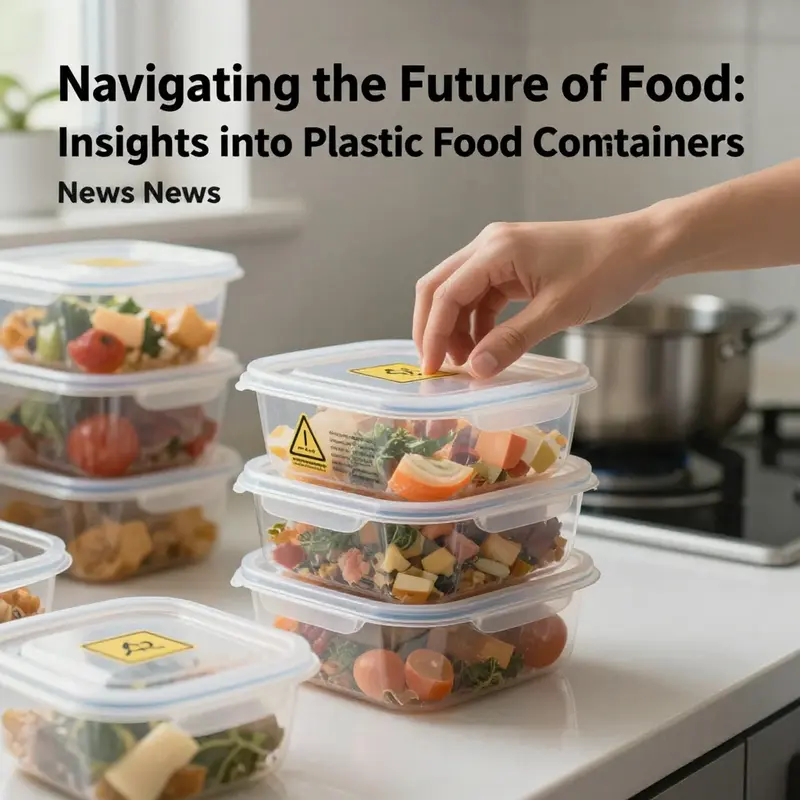
The everyday act of storing and reheating food in plastic containers has quietly become a health question that sits at the intersection of chemistry, consumer behavior, and public policy. For decades, these containers offered convenience, affordability, and an illusion of safety, supported by marketing claims of recyclability and ease of use. Yet a growing body of research has reframed the issue: heating, aging, and chemical exposure can transform a simple kitchen habit into a potential pathway for exposure to hormones-disrupting compounds and tiny plastic fragments. The result is a composite health story that is not about a single toxic ingredient but about a spectrum of interactions between plastic materials and the foods they touch, especially when warmth and fat come into play. In this vein, the latest medical and public health discourse emphasizes two intertwined threads: chemical leaching from plastics and the rise of microplastics in the food chain. Both threads have real-world implications for development, metabolism, and immune function, and both are amplified by the pervasive spread of plastic packaging in modern life.
At the chemical core of concern are endocrine-disrupting chemicals, or EDCs, notably Bisphenol A (BPA), Bisphenol S (BPS), and Bisphenol F (BPF). These compounds have long been used in polycarbonate plastics and epoxy resins that appear in many food-contact applications. BPA, in particular, can mimic estrogen and interfere with hormonal regulation. Even as manufacturers have phased BPA out of many consumer products, the safety question did not simply vanish. Replacements such as BPS and BPF, which have become common in so‑called BPA-free products, have shown endocrine-disrupting properties that are not markedly safer. The health implications argued in peer-reviewed work range from altered development and reproduction to metabolic disruptions that can influence body weight regulation and glucose management. The overarching concern is not only a single molecule but the reliability of safer substitutes when heated, aged, or subjected to acidic or oily foods that can accelerate migration out of the plastic matrix and into the meal.
The broader class of chemicals associated with plastics includes phthalates, which are added to impart flexibility in many polymers. Unlike some polymerized compounds that remain bound, phthalates can migrate into food more readily because they are not chemically bound to the plastic matrix. When containers are heated or used repeatedly, extracts of phthalates can enter the food in measurable amounts. The health literature links phthalate exposure with alterations in testosterone and thyroid hormone levels, and with associations to chronic diseases such as diabetes. These patterns reinforce a crucial point: the risk profile for plastic food containers is not confined to a single chemical but to a mosaic of additives that can leach under typical kitchen conditions.
The issue becomes sharper when the physical integrity of containers degrades. Cloudiness, discoloration, or etched surfaces are more than cosmetic signs; they indicate that the plastic is breaking down. Degraded material can shed micro- and nanoplastics—tiny fragments smaller than 5 millimeters—that can find their way into foods and beverages. The risk is not limited to a single meal. Microplastics have been detected in drinking water, seafood, milk, rice, fruits, vegetables, soy sauce, and tea leaves, illustrating how pervasive this phenomenon is across a wide spectrum of dietary sources. When hot food is stored in or microwaved in plastic, heat acts as a catalyst, accelerating the release of these microscopic fragments. The same logic applies to hot beverages poured into plastic cups or tea bags, where even the act of pouring hot water can introduce microplastics into a drink.
The health implications of microplastics are a frontier of research. The World Health Organization and other scientific bodies have labeled microplastics as emerging environmental pollutants with uncertain long-term health consequences. Early signals point toward mechanisms such as chronic inflammation, immune system modulation, and potential reproductive toxicity, but the scientific community emphasizes that much remains unknown about dose, timing, and the interaction with other environmental stressors. The concern is not only about external exposures but about the observed ubiquity of microplastics in human tissues. Some studies have detected microplastics in human blood, organs, and even fetal tissue, underscoring the reality of internal exposure in modern life. While prevalence alone does not equate to disease, it does prompt a precautionary approach given the unknowns surrounding chronic, cumulative exposure.
A foundational challenge in translating these findings into public guidance is the gap between laboratory testing and real-world behavior. Regulatory agencies set migration limits that describe how much chemical can move from packaging into food under controlled conditions. Yet real-life use often involves repeated heating, aging, and interaction with fatty or acidic foods, all of which can push migration beyond what laboratories simulate. The discrepancy matters because households routinely reheat leftovers in plastic containers, reuse containers for extended periods, and store hot foods in the same packaging materials sometimes for hours. Taken together, these dynamics create a context in which the health risk of plastic food containers—especially when heated or aged—may be understated in traditional safety assessments.
The epidemiological picture, while still evolving, suggests widespread, everyday exposure. Estimates and observations indicate that nearly all humans are exposed to microplastics daily through common sources such as drinking water and takeout packaging. The sheer volume of plastic produced—peaking at several billion tons globally in recent years—means that microplastics have become a pervasive environmental contaminant with the potential to enter the food chain at multiple steps. The environmental aspect matters because the same plastics used to store or package food can degrade in natural settings, contributing to an ongoing cycle of exposure through food, air, and water. In this sense, the risk is not exclusively about consumer choices in the kitchen; it is also about the broader life cycle of plastics—from production to disposal to environmental fate.
From a practical standpoint, the health guidance emerging from researchers emphasizes decisive behavior changes in daily routines. Reducing the use of plastic containers for heating or storing hot foods is a central recommendation. When possible, swapped materials such as glass, stainless steel, or ceramic can provide safer options for reheating, storing, and transporting meals. For drinking water, reliance on filtration systems that reduce microplastics and other contaminants, particularly those meeting established standards like NSF 401, can help minimize exposure from fluids. The emphasis on safer alternatives aligns with a broader shift toward durable, reusable, and non-plastic options in kitchens and households. The goal is not to demonize all plastics but to acknowledge their health implications under realistic usage patterns and to encourage choices that limit chemical migration and particle shedding.
In the realm of policy and consumer guidance, the conversation has started to emphasize the quality and type of plastic, the conditions of use, and the life cycle of packaging materials. Even within markets that continue to rely on single-use containers for convenience and affordability, there is growing attention to design features that reduce heat transfer, limit chemical migration, and improve recyclability without compromising safety. The health narrative also intersects with environmental considerations, since the vast stock of plastics in use contributes to microplastic formation in ecosystems that feed back into food and water supplies. This interconnected view helps explain the momentum behind pushing for safer materials, better recycling practices, and a transition toward compostable or reusable alternatives in many settings.
To illustrate how these ideas translate into everyday decisions, consider the seemingly small act of reheating leftovers. A fatty sauce or cheese-latted meal heated in a polycarbonate or epoxy-lined container can accelerate the release of BPA, BPS, or related compounds. In older containers or those with visible wear, the likelihood of leaching rises further. The same principle applies when using plastic containers for bulk storage in the fridge or freezer; as the material expands and contracts with temperature fluctuations, microleakages can occur, creating a pathway for chemicals into food. Over time, with repeated heating, the cumulative exposure can become clinically meaningful for sensitive populations and across the lifespan. These insights are not merely theoretical; they reflect a growing emphasis in scientific discourse on how everyday packaging choices influence biological processes over months and years.
Against this backdrop, it is worth noting the strong call from health researchers for consumer education that is practical and actionable. Instead of abstract warnings, the guidance favors concrete steps—keeping hot foods out of plastic containers, avoiding long storage times for fatty or acidic foods in plastic, and selecting safer storage options when reheating is necessary. For those who cannot avoid plastic use, selecting containers that are explicitly designed to minimize heat transfer and chemical migration, and replacing severely aged or cloudy containers, can reduce risk. In addition, readers are urged to consider the broader environmental message: reliance on a few disposable plastic choices carries not only health concerns but ecological costs that ultimately influence food safety in the broader sense, from agricultural soils to water systems and through to the plates in homes and institutions.
The literature also invites reflection on the reliability of “BPA-free” labels. The replacement chemicals and the fact that many substitutes share similar endocrine-disrupting properties complicate consumer interpretation. This complexity underscores the importance of a precautionary approach, one that favors reducing exposure opportunities as much as feasible. It is not about a perfect solution but about limiting exposure pathways in a world where plastics remain deeply embedded in food packaging and serviceware. As researchers and policymakers continue to map the health landscape, the practical takeaway remains consistent: minimize heating in plastic, minimize repeated reuse of aged containers, and weigh the benefits of alternatives against convenience and cost. A shift toward safer materials does not happen overnight, but it can begin in kitchens, classrooms, and workplaces where informed choices accumulate into meaningful reductions in exposure.
For readers who want to explore these issues in greater depth and with scientific rigor, recent investigations and reviews summarize the migration dynamics, the range of chemicals involved, and the emerging understanding of microplastic exposure. To connect the health questions with accessible, user-focused guidance on safer packaging choices, one internal resource that aligns with the themes discussed here points to eco-friendly takeout and storage alternatives that emphasize paper-based and other non-plastic options, including designs that are safe for microwave use and that resist grease leakage. This resource provides a concrete starting point for households and professionals seeking practical shifts without sacrificing convenience. eco-friendly-takeout-boxes-for-food-packaging-stylish-food-containers-safe-microwave-craft-paper-lunch-boxes-leak-grease-resistant
As the science evolves, there is also value in maintaining transparency about uncertainties. The NIH-backed review on plastic food container safety emphasizes chemical migration and microplastic contamination, highlighting that real-world use often pushes beyond controlled laboratory conditions. This gap invites a cautious stance and continued research. It also invites policymakers and educators to craft messages that acknowledge uncertainties while promoting safer practices. In the meantime, the path of prudent use—prioritizing non-plastic or inert storage for hot meals, limiting repeated heating of plastics, and supporting the development and adoption of safer packaging materials—offers a pragmatic route through the health questions linked to plastic food containers. By combining consumer-level choices with broader efforts in research and regulation, it is possible to reduce exposure risks while preserving the benefits that packaging innovation has delivered in terms of food safety, shelf life, and access. For those seeking a comprehensive scientific elaboration of these themes, the peer-reviewed and publicly accessible work on plastic container safety provides a rigorous foundation for understanding the migration and health implications in more detail. https://www.ncbi.nlm.nih.nih.gov/pmc/articles/PMC10756744/
null
null
Final thoughts
The challenges associated with plastic food containers are undeniable, presenting both environmental and health concerns that affect businesses and consumers alike. The food service industry must evolve by embracing sustainability and prioritizing safe packaging practices. By being proactive in adopting eco-friendly alternatives, businesses can not only contribute to a healthier planet but also meet the increasing demand from consumers for sustainable practices. Staying ahead of these trends will ensure that food service operations can thrive while making responsible choices.