
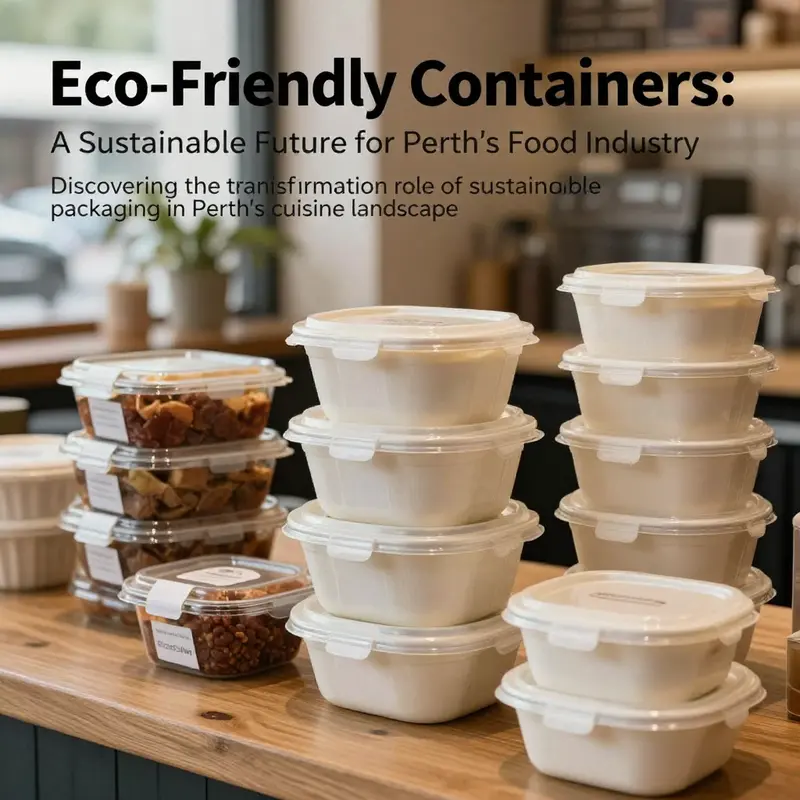
As Perth continues to evolve, there is a growing concern about the impact of traditional plastic food containers on our environment. This increasing awareness is pushing businesses across various sectors, including bubble tea shops, restaurants, catering services, and event planners, to reconsider their packaging choices. In the chapters that follow, we will delve into sustainable practices gaining momentum, the economic implications of adopting eco-friendly solutions, the regulatory landscape guiding these changes, consumer trends shaping market preferences, and environmental initiatives paving the way for a greener future. This exploration aims to provide a comprehensive understanding of plastic food containers in Perth and highlight opportunities for businesses to engage in sustainable practices.
Turning the Tide: Sustainable Practices in Perth’s Plastic Food Containers
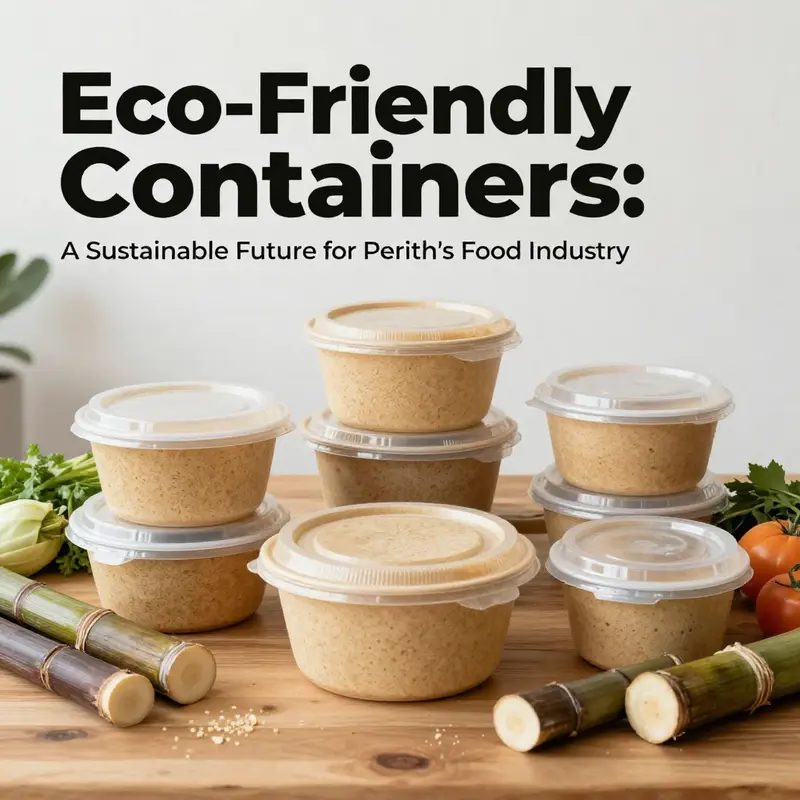
Perth is moving toward a future where convenience aligns with stewardship. The city’s vibrant takeout scene relies on quick service and bold flavors, but the footprint of single-use plastic containers is prompting a practical shift. Sustainable practices in plastic food containers are not a slogan but a plan being lived by local food operators, suppliers, and recyclers. The shift begins with material choices that fit Perth’s waste streams and extends to how businesses train staff, how customers are guided, and how waste services handle end-of-life packaging. In Perth, plant-based alternatives such as biodegradable sugarcane pulp containers are gaining traction for takeout and catering, offering a path to reduce landfill burden when disposed of properly. While no material is perfect, these options demonstrate a serious effort to design products that fit local recycling and composting realities.
The city’s waste landscape is evolving. Industrial composting capacity may grow unevenly, but the core message is clear: plastics can be recycled more reliably than they can be composted at home. Clear labeling, staff training, and customer communication help ensure containers reach the right streams. The City of Perth provides guidance on which plastics are accepted and how to prepare packaging for recycling, enabling businesses to reduce contamination and improve overall recycling efficiency. The result is cleaner recycling streams and a takeaway economy that remains robust.
Reusable serveware and return logistics are central to scalable change. In venues and at events, substituting a significant portion of disposable items with durable, easy-to-clean alternatives creates measurable environmental benefits. When organizers implement reliable wash-and-return loops, the city supports a broader circular economy in food service, where cooperation among organizers, suppliers, waste collectors, and the public makes reuse feasible at scale.
Public education and transparent packaging information further reinforce progress. Consumers are encouraged to bring their own containers, seek out sustainable options, and understand end-of-life pathways. Businesses respond by offering clearer material information and guiding customers toward the right disposal streams. Platforms that connect buyers with sustainable packaging choices also help expand access to responsibly designed options that meet local standards.
The sourcing environment in Western Australia emphasizes materials and lifecycle impacts. Buyers look for packaging that withstands busy service while aligning with local recycling streams and, where possible, industrial composting. Some products marketed as biodegradable or compostable require specific facilities to realize their environmental benefits, a nuance that Perth businesses acknowledge and manage through careful procurement and clear customer guidance.
Ultimately, Perth’s journey toward sustainable plastic food containers seeks a balance: maintaining the hospitality experience while reducing waste and supporting a cleaner city. The path forward is collaborative, iterative, and practical, with both public and private sectors contributing to a more circular, resilient food-service system.
The True Cost of Convenience: Economic Currents Behind Perth’s Plastic Food Containers
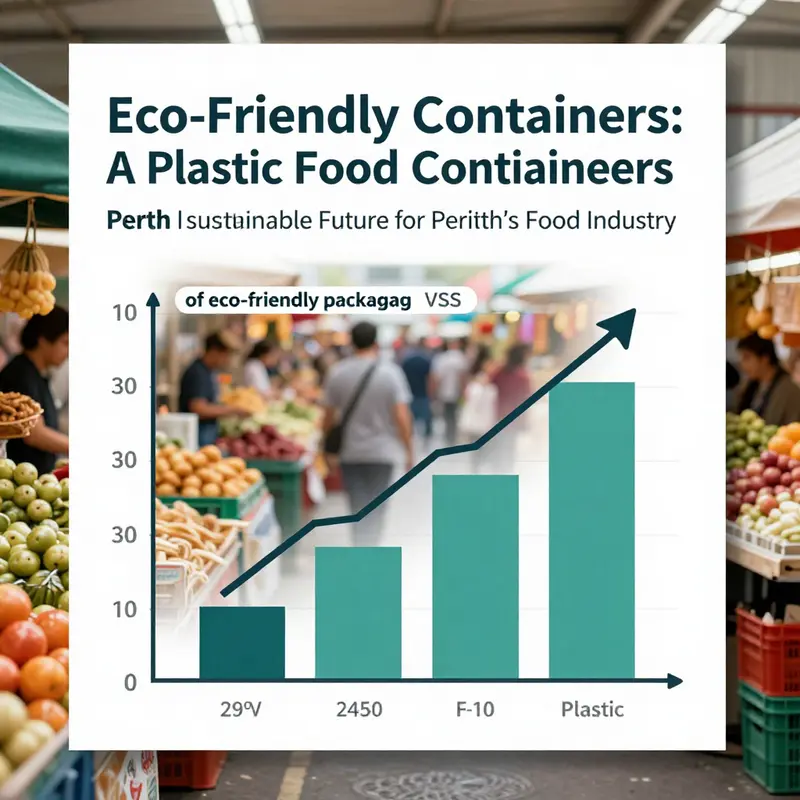
Perth sits at a curious intersection where the appetite for quick, reliable food delivery meets a growing vigilance about waste and climate. The plastic food containers that carry meals from kitchen to doorstep are not just passive receptacles; they are economic levers that shape costs, branding, and policy in the city’s vibrant food scene. For online ordering platforms, takeaway shops, and caterers, the choice of packaging quietly compounds every order with a fiscal and environmental footprint. The costs ripple through materials, production, transportation, cleaning, and end-of-life processing. In a market that prizes speed and consistency, the economics of packaging influence price points, supplier negotiations, and even the pace at which businesses can switch to alternatives. When viewed through the lens of Perth’s evolving waste reduction agenda, plastic containers become less a mere expense and more a strategic variable that can tilt the balance between profitability and sustainability. This is not just about compliance; it is about the shifting math of when, how, and why packaging is chosen.
A crucial part of that math lies in emissions. A robust body of Australian research has quantified how packaging contributes to greenhouse gas emissions in the online food delivery chain. On average, packaging-related emissions per delivered order fall in a band that starts around the mid-tenths of a kilogram of CO2-equivalent and can rise toward nearly a third of a kilogram, depending on product mix and packaging type. Importantly, the production of raw materials accounts for roughly half of those emissions. In practical terms, the environmental cost of a single order is not just a function of the container itself but also of the material lifecycle—where and how those materials are extracted, processed, shaped into packaging, and eventually managed after use. For Perth businesses, that climate accounting translates into potential regulatory costs or penalties in a world increasingly attentive to carbon footprints and supply-chain resilience. The per-order emissions figure matters because it reframes the cost of packaging from a one-off purchasing decision into a strategic input that can influence pricing, supplier choice, and even the long-run viability of a particular packaging solution in a city determined to curb waste.
The economics of reuse offer a counterpoint to single-use plastics. Reusable takeaway food containers (RTFCs) promise savings that accumulate over time: reduced purchase of new materials, lower waste-management fees, and the possibility of reclaimable value through deposit schemes or centralized return networks. Yet the initial financial hurdle is nontrivial. Businesses must invest in durable containers, return logistics, and systems to collect, sanitize, and redistribute items at scale. A 2023 cost–benefit analysis highlighted that overcoming these upfront costs requires a well-designed business model, clear incentives for customers, and efficient operational flows. Without these, the promise of long-term savings can be eclipsed by the day-to-day frictions of collecting and cleaning containers, or by customers who prefer the convenience of disposable options. In Perth, where delivery volumes are rising, the calculus becomes even more sensitive: the more orders processed per container cycle, the more quickly the upfront cost is amortized, and the more attractive the reuse model becomes. The challenge is to align incentives so that every stakeholder—restaurants, delivery drivers, customers, and waste services—perceives a net benefit from participating.
Container Deposit Schemes (CDS) add another layer to the economic picture. These schemes, discussed in Western Australia’s policy discussions and population surveys, aim to nudge consumer behavior by attaching a monetary incentive to the return of packaging that would otherwise be discarded. The Perth region has explored CDS as a mechanism to curb plastic waste while simultaneously generating revenue from recycling streams. The drivers of participation hinge on two intertwined factors: the financial incentive and the convenience of returning containers. If the return process is seamless and close to where people shop or eat, participation rises. If it requires extra trips or hassle, the uptake stalls. A WA case study from 2022 found that these factors strongly influenced consumer behavior, suggesting that CDS could be part of a broader economic strategy to reduce waste while creating a more circular feedstock for local manufacturers and recyclers. For Perth businesses, CDS adds a potential revenue line and a risk-reduction tool: the more effectively containers are captured for recycling, the less they contribute to landfill costs and environmental penalties. Yet CDS is only one piece of a larger system—the economy benefits when CDS is paired with accessible return infrastructure, consumer education, and compatible packaging choices.
Policy and campaigns in Perth reinforce the economic logic that packaging decisions cannot be made in isolation from broader environmental objectives. City-sustainability guidelines have increasingly promoted reduced packaging, reuse, and the procurement of sustainable packaging solutions by government and civic organizations. These guidelines ripple through the private sector, encouraging restaurants, caterers, and online delivery services to re-evaluate their packaging portfolios. When local authorities signal a preference for reusable or compostable options, suppliers respond with a broader range of materials and designs, often at scale. The economic effect is twofold: demand for sustainable packaging grows, and the cost gap between disposable and reusable or compostable options begins to narrow as producers achieve scale and operational efficiencies. Perth’s willingness to embrace reusable systems as a strategic policy objective can, in the long run, reduce waste management costs for both municipal services and private operators, while fostering job creation in recycling, cleaning, and logistics networks. The alignment of procurement policies, consumer expectations, and supplier capabilities matters because it reduces informational and transactional frictions that typically hamper the adoption of more sustainable packaging.
As innovation accelerates, so too does the market for sustainable alternatives to conventional plastics. In Perth, a new generation of compostable packaging options—designed to be broken down in industrial facilities—offers a pathway to reduce landfill burden without sacrificing performance. These materials are crafted to withstand typical food-service temperatures, resist leaks, and maintain product integrity during transit. They also align with waste-management systems that Perth and wider Western Australia are trying to scale up, linking packaging choices to the city’s broader waste reduction and recycling goals. The economic implications are nuanced. While the upfront cost of compostable or reusable options can be higher, the long-run savings depend on container lifecycles, return rates, cleaning costs, and the avoidance of penalties associated with single-use plastics. The scale of adoption matters as well: larger networks of restaurants, cafes, and delivery services can spread fixed costs more broadly and drive down unit costs through mass production and standardized returns. Even so, small and independent operators face a different set of constraints. They grapple with capital availability, storage space for returns, and the complexity of integrating new workflows into lean kitchen operations. Policy makers and industry groups therefore have a vital role in designing incentives, subsidies, or shared services that lower the barrier to participation and accelerate the transition without compromising service quality or affordability for customers.
From the consumer’s perspective, the economics of plastic containers are ultimately reflected in price and convenience. For many Perth households, the decision to opt for a reusable or compostable option hinges on perceived value: does the container perform reliably, does it arrive intact, and is the effort required to participate in a return or reuse system justified by cost savings or environmental goods? The answer is contingent on the total package of costs and benefits, including how often a disposable option would have to be used to amortize the same environmental and financial footprint as a reusable system. In online food delivery, where margins are often tight and customer expectations high, even small differences in packaging costs can influence menu pricing, promotional offers, and the willingness of customers to choose one restaurant over another based on packaging practices. The interplay between consumer choice and supplier availability becomes especially salient when a city like Perth weighs the adoption of CDS and the expansion of recyclable or compostable packaging categories. The combined effect—a slightly higher average packaging cost offset by reduced waste disposal expenses, enhanced brand perception, and potential policy-driven subsidies—can tilt the economic balance toward more sustainable options without eroding competitiveness.
Looking forward, the economic trajectory of plastic food containers in Perth will depend on how policy, business models, and consumer behavior co-evolve. The city’s waste-reduction campaigns, recycling guidelines, and procurement preferences are not merely environmental artifacts; they are economic signals that influence capital allocation, supplier development, and the design of return logistics networks. The challenge for firms is to integrate these signals into a coherent, financially viable packaging strategy that preserves service quality while gradually shifting away from single-use plastics. This requires collaborative experimentation—pilot programs for RTFCs, CDS-enabled returns, and scalable compostable packaging solutions that can withstand Perth’s dietary and climate realities. It also demands robust data collection and monitoring, so business owners can see the payoffs over time, not just the upfront costs. If Perth can align incentives across government, suppliers, and customers, the region can move toward a packaging ecosystem that sustains both the economy and the environment. The result would be a city where the true cost of convenience is increasingly reflected in smarter choices, better waste management, and a more resilient food service sector.
For those navigating this evolving landscape, the practical takeaway is clear: packaging decisions are economic decisions. When a chef or courier chooses between a disposable container and a reusable system, they are weighing upfront investments, recurring costs, potential penalties, and the reputational dividends of sustainable practices. The more cohesive the system—where customers, restaurants, and waste managers share incentives—the more likely it is that Perth will bend the curve toward lower costs and lower emissions in the long run. In the near term, strategic investments in durable, high-performance alternatives, supported by policy incentives and consumer education, can gradually close the gap between the cost of disposal and the cost of reuse. The result is not merely compliance with environmental norms but an economy that earns value from consistency, reliability, and a future-proof approach to packaging.
As a practical step toward this future, stakeholders can explore packaging options that balance performance with sustainability, such as reusable or compostable designs that deliver leak resistance and heat tolerance without compromising service speed. The market is responding, with suppliers expanding their ranges to accommodate Perth’s regulatory and consumer shifts. And as this transition unfolds, Perth’s packaging ecosystem may become less a barrier to growth and more a driver of efficiency and innovation across the food-service sector. The city’s experience will be watched closely by other Australian regions seeking to harmonize economic vitality with environmental stewardship. In short, the economics of plastic food containers in Perth are moving beyond a simple cost ledger into a strategic dialogue about value, resilience, and the long-term health of the urban economy.
External reference for readers seeking broader policy context: City of Perth – Recycling and Waste Reduction: https://www.perth.gov.au/environment/recycling-and-waste-reduction. For practical examples of eco-friendly takeout packaging options that maintain performance while supporting sustainability goals, see the following internal resource: eco-friendly takeout boxes for food packaging.
Perth’s Plastic Container Regulation: From Phaseouts to a Smarter Packaging Shift
Perth businesses are navigating Stage 1 and Stage 2 of the plastic container regulations, focusing on common disposable containers and utensils used in direct food contact. The shifts aim to reduce waste while maintaining food safety and customer experience. For operators, this means retooling menus, selecting compliant materials, and aligning packaging with end-of-life options.
Stage 2, phased in since 27 February 2023, emphasizes phasing out certain single-use plastics and promoting alternatives that can be reused, recycled, or industrially composted. Material choices must support safety for hot, acidic, or fatty foods, and procurement teams should verify resin types and supplier compliance. As supply chains adapt, verifiable quality and transparent documentation help Perth retailers manage risk and maintain service levels.
The broader aim is to balance environmental goals with practical operations, offering customers clear packaging narratives and easy disposal pathways. The City’s guidelines encourage reuse ecosystems, waste sorting at point-of-service, and staff training to explain packaging decisions. In short, Perth’s packaging regime seeks to reduce waste without compromising safety or experience, creating a scalable path for sustainable hospitality operations.
Rethinking Plastic Food Containers in Perth: Trends, Policy, and a Path Toward Sustainable Packaging
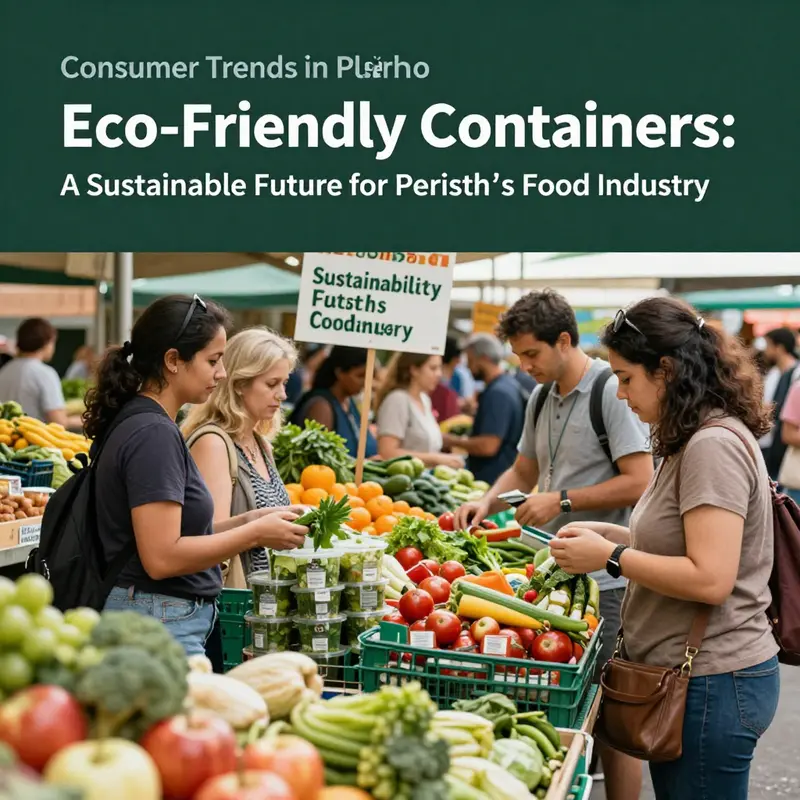
Perth sits at a crossroads when it comes to plastic food containers. The city is famous for sunny weekends and a thriving hospitality scene, yet its streets and waterways remind residents of the waste that single use packaging can generate. In recent years, both local government and local businesses have begun to push back against disposable culture. The aim is not to erase convenience but to reframe it around packaging that can be reused, recycled, or composted with a smaller environmental footprint. Consumers in Perth increasingly expect packaging to tell a story about its origins and end life. This chapter looks at how these attitudes are shaping the market for plastic food containers in Western Australia, what alternatives are gaining traction, and how policy and practice mingle to steer choices in cafes, restaurants, and home kitchens.
One clear strand of change is the rise of 2026 style biodegradable sugarcane pulp containers. Made from renewable plant based materials, these containers are designed to break down under industrial composting conditions. They offer leak resistance and heat tolerance that can handle hot soups and chilled desserts alike, which matters for takeaway and catering. Businesses see advantages beyond the compostability claim. In a busy Perth service environment, the ability to provide a container that supports safe handling and reduces grease seepage can be a selling point with customers who care about the planet. Yet the market is not simple. There are legitimate questions about cost, supply reliability, and the balance between compostability and recyclability. Some entrepreneurs worry about contaminating recycling streams if compostable materials end up in the wrong waste bin. Others see opportunities to partner with waste processors that can turn plant based containers into compost for soil and green spaces. The upshot is a developing portfolio of options that mix traditional plastics for some applications with greener alternatives for others, guided by the scale and speed of Perths takeout economy.
Policy signals are also shifting the landscape. The City of Perth and Western Australian waste campaigns encourage reducing packaging overall and choosing reusable options where feasible. The emphasis is on preventing waste in the first place, then offering efficient end of life routes. In practice, this means promoting reusable containers in workplaces, events, and schools, and encouraging suppliers and eateries to adopt sustainable packaging solutions. For example, what sounds simple a durable container that can be used again by the same customer turns into a small but real reduction in overall waste when adopted widely. Another lever is the idea of container deposit schemes CDS, which have been studied for their impact on consumer behavior in Perth. The uptake research shows that environmental awareness and policy incentives can nudge people toward more sustainable habits, even when the direct data on plastic food containers is limited. The case study points to a broader tendency: as people become more conscious of waste, they favor options that promise reuse or reduced lifetime waste. This does not automatically eliminate plastic containers, but it tilts demand toward materials chosen for lower end of life impact and easier recovery.
In the marketplace Perth buyers can find a spectrum of options. For hot and cold foods alike, suppliers offer a mix of conventional plastics, recyclable options, and plant based alternatives. The ongoing dialogue between economics and ethics comes through in conversations with restaurant owners and event planners who weigh the costs of switching suppliers against the potential marketing and waste relief. Retail platforms, including global marketplaces, list disposable containers in broad ranges, from black plastic lunch boxes to custom printed options. The message from many local buyers is clear: materials matter as much as shapes and sizes. Customers want to know that the packaging entering their waste stream can be processed in Perths waste facilities or better yet is compostable in industrial facilities near them. Food service operators are increasingly testing leak proof designs and heat resistant features so that hot meals remain appealing while reducing spill risks during delivery. The design choice can also carry a sustainability signal, aligning with a brands values without sacrificing usability. In bakery contexts the packaging not only protects the product but also carries a story of craft and care. For bakers and cafes aiming to combine elegance with responsibility, foldable cake boxes with window packaging can be part of the broader shift toward recyclable and compostable packaging that still looks professional and inviting. foldable cake boxes with window packaging.
On the consumer side, the threads of interest include a growing awareness of plastic waste and a desire for practical, low friction solutions. People want convenience, but not at the cost of polluted creeks and landfill. The CDS study highlights that incentives matter, and that public information about waste issues can tip a consumer toward reusables or toward responsible disposal choices. The same consumer who orders a takeout meal today might carry a reusable container tomorrow if retailers support the habit with clear messaging and accessible alternatives. The Perth market thus benefits from a design ethos that treats packaging as part of a broader circular economy. This means selecting materials with lower environmental footprints when feasible, designing for easy separation at end of life, and offering clear guidance to customers about how to dispose of or reuse their containers. It also means acknowledging the ongoing role of plastic where it is the most practical option, particularly in high volume, time sensitive situations like peak kitchen hours or large events. The balance is delicate and dynamic, shaped by consumer values, regulatory expectations, and the realities of supply chains that stretch across oceans and airports to Perth warehouses.
Businesses contemplating the transition should also consider the supply chain realities. Online platforms and regional suppliers provide a range of materials, and the ability to source locally matters for Perths carbon accounting and delivery times. The trend toward biodegradable options does not erase the need for clear performance benchmarks, from leak resistance to heat tolerance, and the life cycle of each option matters. Some operators are finding value in smaller pack sizes and closer collaboration with waste processors to ensure end of life is achievable. Transparent labeling about compostability or recyclability helps shoppers make informed decisions and reduces the risk of misrouting waste. In the broader marketplace, the move toward sustainable packaging is also accompanied by a visible diversification of choice. To illustrate, there are accessible packaging examples that combine aesthetic appeal with practical function, such as packaging designed to enable reuse in everyday routines. The emphasis is on making sustainability easy rather than burdensome for busy households and fast paced kitchens.
Perth stands at a moment when a careful blend of regulation, market innovation, and consumer willingness could reshape how containers travel from kitchen to bin. The goal is not a single policy or product, but a cohesive ecosystem in which compostable plant based containers perform as well as their plastic counterparts in everyday use, while enabling straightforward recovery routes. Local government can reinforce this by showcasing successful pilots, supporting waste processing infrastructure, and continuing to promote reusable container programs in venues that serve thousands daily. Hospitality operators can lead by example, trialing different packaging configurations, visibly labeling end of life options, and inviting customers to participate in a shared sustainability routine. For consumers, the path is pragmatic: keep a small collection of reusable containers for daily meals, choose packaging with clear end of life guidance when ordering takeout, and support local businesses that publish transparent sustainability statements. The larger story is about the city of Perth embracing a flexible, forward looking approach to plastic food containers, one that accepts the convenience of single use where necessary but rewards decisions that shrink waste, extend product life, and keep waste out of the landfill.
External resource: External research on container deposit schemes.
From Takeaway to Circular: Perth’s Environmental Push for Sustainable Plastic Food Containers
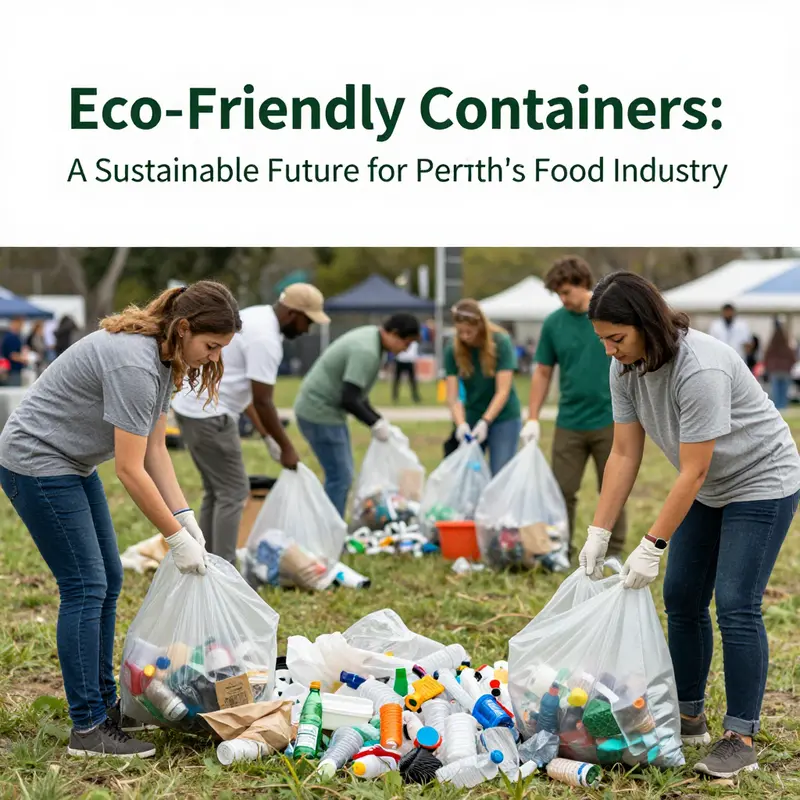
Perth sits at a pivotal moment in the global shift toward sustainable packaging, where the way a city feeds itself — literally and metaphorically — is being reimagined through the lens of waste reduction, reuse, and responsible materials. The footprint of plastic food containers in the city’s streets, markets, and event spaces has become an everyday reminder of the work still to be done. Yet, the city’s response is not merely about replacing one material with another; it is about building a system in which packaging serves the needs of food businesses while aligning with a broader environmental ethic. In practice, this means balancing the enduring practicality of plastic with the long-term goals of a circular economy, and doing so through a combination of regulatory clarity, public leadership, and collaborative business models that can weather the costs and complexities involved in a transition toward sustainability.
The backbone of Perth’s current approach rests on an integrated set of policies and campaigns designed to curb plastic waste, especially where takeaways and catering are concerned. At the heart of this shift is Western Australia’s Plan for Plastics, a framework that aligns with the Environmental Protection (Prohibited Plastics and Balloons) Regulations 2018. The plan emphasizes innovation, reuse, and recovery as pathways to minimize plastic pollution and to nurture a circular economy where materials are kept in use for as long as possible. In practical terms, this translates into bans on certain single-use items, clear signaling to businesses about preferred alternatives, and incentives for adopting systems that separate, collect, and recycle or compost packaging materials. The emphasis across these measures is not punitive but developmental: it invites businesses to rethink packaging not as a disposable add-on but as a component of service design that can be redesigned for durability, reuse, or compostability.
This regulatory backbone has a ripple effect across procurement, operations, and customer engagement. City-level sustainability guidelines encourage venues, cafes, and event organizers to minimize unnecessary packaging, promote reusable containers, and favor solutions that can be recovered and reintegrated into production cycles. The result is a city where the burden of waste is shared among producers, consumers, and government, with each stakeholder pushed to innovate within a framework that values waste reduction as a strategic objective. The City of Perth’s environmental sustainability resources highlight how local governments can support this transition through guidance, infrastructure investment, and partnerships that create real, scalable change. This is not a theoretical exercise; it is being tested in real settings where policy signals meet business realities, especially in the fast-paced takeaway and catering sectors that dominate the city’s food economy.
Anchoring these discussions is the emergence of materials that promise lower environmental impact without sacrificing performance. In Perth, there is growing interest in 2026-style biodegradable containers made from renewable plant-based sources such as sugarcane pulp. These containers are designed to be suitable for hot and cold foods, leak-resistant, and capable of withstanding routine handling and transit in busy service environments. Importantly, their compostability is framed around industrial conditions rather than home-composting scenarios, reflecting a pragmatic understanding of local waste-management infrastructure. The shift toward such materials signals a broader pivot away from conventional plastics toward options that can be diverted from landfills and reintroduced to the economy as valuable feedstock for new products.
From the perspective of a consumer base increasingly attuned to environmental impact, these developments resonate with a growing preference for convenience that does not compromise ethics. Campaigns promoting reduced packaging, reusable containers, and mindful consumption are part of a broader push to align daily habits with the city’s sustainability objectives. In practical terms, this means a customer choosing a takeaway meal may encounter packaging choices that subtly steer behavior toward reuse and recycling, such as containers that are easy to rinse and return, or systems that incentivize customers to opt for reusable options through simple, cost-neutral mechanisms. The public-facing narrative of Perth’s waste-reduction drive is thus twofold: it reassures residents that their choices matter and demonstrates to businesses that sustainable packaging can align with profitability and customer satisfaction.
A key promise of the city’s approach is the demonstration that sustainable packaging is scalable beyond single venues or seasonal events. A public-venue initiative that replaces a significant share of disposable serveware with reusable alternatives offers a tangible blueprint. When a major event or venue adopts a reusable serveware program, and sees a measurable reduction in disposable waste — for instance, a 50% cut in disposables — it provides a credible model for replication. The scalability potential lies in the establishment of reliable return systems, efficient cleaning and logistics, and shared protocols for handling, storage, and reuse. Perth’s experience indicates that such systems can function across different scales, from small pop-ups to large public gatherings, and can be adapted to accommodate diverse food formats and service styles. This kind of proof-of-concept is essential for a city where the takeaway culture is deeply embedded, yet where the environmental stakes demand practical, proven pathways to reduction.
The transition is not without its challenges. Cost differentials between traditional plastics and more sustainable materials can influence business decisions, particularly in sectors with tight margins or high volumes. Importantly, the environmental benefits of newer materials like plant-based, compostable options often depend on the availability of appropriate waste streams and infrastructure. Industrial composting facilities, collection systems, and adequate sorting capabilities are necessary to realize the end-of-life benefits of these materials. In Perth, as elsewhere, this has spurred calls for better composting and recycling infrastructure, improved consumer education about what is truly recyclable or compostable, and closer collaboration between local government, waste processors, and packaging suppliers to ensure that the chosen materials actually complete the loop rather than ending up as contamination in streams intended for recycling. In this context, the city’s guidelines encourage businesses to consider the entire lifecycle of packaging, including how products are disposed of at the point of consumption and how recovered materials are reintegrated into production.
The broader cultural shift is just as important as policy or technology. Consumer expectations are gradually aligning with environmental considerations, and local campaigns emphasize the value of reusable and returnable options. This cultural momentum sustains the economic argument for sustainable packaging: when customers increasingly prefer packaging that can be reused or composted at industrial facilities, demand for such solutions grows, encouraging suppliers to innovate and compete on environmental performance as well as price and convenience. In parallel, businesses are encouraged to communicate clearly with customers about what happens to packaging after use, reducing confusion and increasing participation in recycling and composting programs. The transparency of these efforts reinforces trust and helps embed sustainable behavior in everyday shopping and dining.
For readers seeking practical entry points into Perth’s evolving packaging landscape, the city’s sustainability resources offer guidance on transitioning from conventional plastics to more sustainable options. The landscape is not a patchwork of isolated pilots but a coherent effort to align policy, infrastructure, business practices, and consumer behavior toward a circular economy. A future in which takeaway and catering can function with materially lower plastic waste is not only possible but increasingly likely as more venues, suppliers, and residents participate in the system. The journey is ongoing, and the city’s direction points toward ongoing experimentation, standardization of materials, and the scaling of reusable and compostable solutions across diverse service settings.
For readers who want to explore examples of sustainable packaging solutions in this context, further reading can be found through an industry-focused resource discussing eco-friendly takeout packaging options that align with heat resistance, leak protection, and microwave safety. This material provides a broader sense of the kinds of packaging that are entering the market and the practical considerations that accompany their use in Perth’s dynamic service economy. eco-friendly takeout boxes for food packaging offers a snapshot of design and performance considerations that vendors and buyers weigh when selecting sustainable options, while keeping in mind that the end-of-life pathway remains critical to realizing real environmental benefits.
As the city continues to evolve, Perth’s environmental initiatives for plastic food containers will likely merge more closely with broader waste-reduction campaigns and the protection of local ecosystems. The aim is to nurture a packaging ecosystem where materials are chosen for function and end-of-life compatibility, where reuse is the default for many service contexts, and where compostable options are supported by robust waste-management infrastructure. This requires ongoing collaboration among policymakers, venue managers, suppliers, and consumers. It also requires clear, enforceable standards so that what is marketed as “biodegradable” or “compostable” actually performs as expected when collected through the city’s systems. When these elements align, the city can move closer to a future in which plastic waste is not merely reduced but transformed into new value, and where the daily act of grabbing a takeaway meal contributes to a cleaner, healthier environment for Perth and its people.
External resource: City of Perth – Recycling and Waste Reduction. https://www.perth.gov.au/environment/recycling-and-waste-reduction
Final thoughts
The shift towards sustainable food containers in Perth is not just a trend; it reflects the collective responsibility of businesses and consumers to prioritize the environment. The desire for eco-friendly packaging solutions is gaining traction across all sectors, from vibrant food trucks to bustling corporate catering teams. By embracing sustainable practices, these industries can lead the way in minimizing waste while catering to a conscientious customer base. Partnering with suppliers of compostable and biodegradable materials can enhance business reputations and drive economic benefits in the long run. The journey toward sustainability is not just about compliance; it is about commitment to future generations and our planet.