
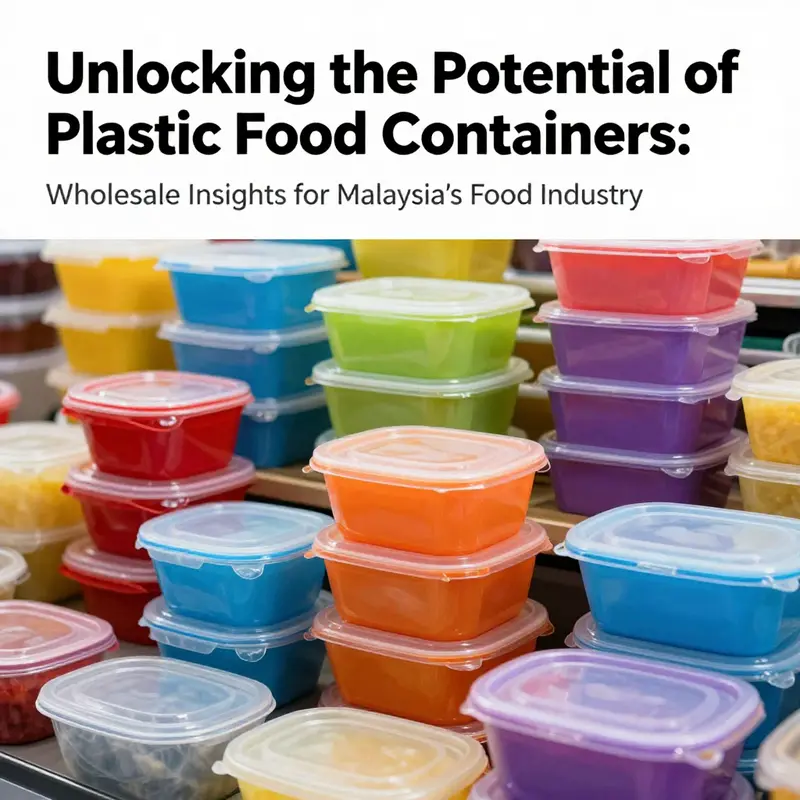
The food and beverage industry in Malaysia thrives on efficiency and quality, making the choice of packaging crucial for businesses. Among the numerous options available, plastic food containers stand out for their versatility and practicality. This article delves into the wholesale market dynamics of plastic food containers in Malaysia, particularly focusing on how they cater to the diverse needs of bubble tea shops, restaurants, food trucks, catering services, event planners, and corporate procurement teams. As we navigate through this discussion, we will examine the significance of quality control and certification, explore essential B2B platforms for sourcing, and highlight the importance of efficient supply chain and logistics in the wholesale market. Each chapter offers insights aimed at enhancing your understanding and operational efficiency in utilizing plastic food containers.
Packaging Pulse: Dynamics Shaping Malaysia’s Wholesale Plastic Food Container Market
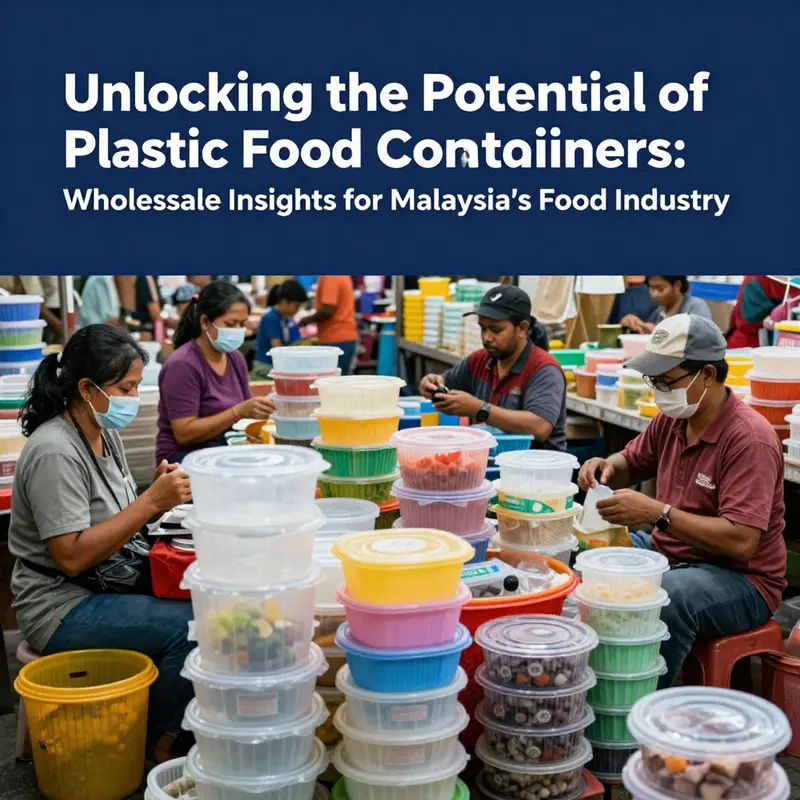
In Malaysia, the wholesale market for plastic food containers has become a steady drumbeat in the nation’s fast-changing food service ecosystem. The rhythm is not just about supplying boxes; it is about aligning packaging with the speed, hygiene standards, and evolving expectations of a country that urbanizes quickly and digitalizes its dining options at an accelerating pace. The market dynamics are amplified by three interconnected forces: rising demand for convenient packaging, the expansion of food delivery and ready-to-eat meal services, and a manufacturing and distribution landscape that rewards reliability, quality control, and scalable production. Together, they create a continuous feedback loop that extends well beyond the shelves of wholesalers and into the kitchens, storefronts, and delivery hubs across Malaysia.
At the macro level, the broader plastics sector in Malaysia has demonstrated resilience and growth. The sector was valued at around USD 4.19 billion in 2026 and is forecast to expand to roughly USD 5.07 billion by 2031, reflecting a compound annual growth rate of about 3.86 percent. While this overarching plastics market speaks to a wider set of applications—from consumer goods to industrial components—the segment dedicated to food-grade packaging follows its own distinctive trajectory. In particular, the Malaysia Plastic Food Containers Market, though smaller in scale, reveals a compelling growth story: a value of approximately USD 3.9 million in 2024 is projected to rise to about USD 5.6 million by 2032, with a CAGR around 4.3 percent. These figures carry more weight when considered alongside social and consumer trends. As urbanization intensifies, more households lean toward ready-to-eat meals, meal-prep services, and online ordering, all of which depend on robust, hygienic, and cost-efficient packaging that preserves taste and appearance from kitchen to consumer.
The demand dynamics are most visible in the types of packaging that end up at the center of wholesale conversations. Multicompartment and divided containers, designed to keep components like sauces, dressings, and sides separate, have gained prominence. This design logic resonates with the needs of fast-food outlets, bakeries, delis, and meal-prep providers that require flexible, durable packaging capable of withstanding the rigors of transport and the expectations of brand-conscious consumers. In this context, innovations in container design are not mere improvements; they are strategic differentiators. Leaktight lids and built-in dressing compartments for salads, for instance, elevate practicality while reducing the risk of cross-contamination and mess during delivery. Such features are increasingly essential as delivery becomes a standard channel rather than a niche service.
From a supply-side perspective, the Malaysian market benefits from a blend of regional manufacturers and cross-border suppliers who can offer a spectrum of sizes and configurations. The capability to produce multiple formats—from compact 8-ounce portions to larger 32-ounce containers—enables buyers to scale with changing demand without overwhelming their operational capacity. For wholesalers, this means the ability to offer a one-stop assortment to cater to diverse clients, including restaurants, cafes, convenience stores, and home delivery services. Quality control is non-negotiable here. Food-grade compliance, consistent wall integrity, and stable clarity (where transparency is valued for product appeal) are essential criteria that buyers scrutinize during supplier selection. In the broader regulatory environment, standards and certifications — whether aligned with FDA guidelines for food contact materials or relevant EU regulatory frameworks — provide a shared assurance that products meet safety expectations across markets. While the packaging itself may be manufactured regionally, validated compliance is a critical confidence signal for buyers who operate under strict hygiene and safety protocols.
Another layer of market reality lies in the operational capabilities behind the supply chain. The modern Malaysian wholesale channel benefits from manufacturers that deploy scalable production lines, enabling reliable response times and predictable lead times. In a sector where a grocery chain’s weekly promotional cycle or a restaurant’s weekend peak can stretch supply chains thin, the ability to ramp up or down without compromising quality is a decisive competitive advantage. Across the board, suppliers who can offer low minimum order quantities for some lines—often referred to as Low MOQ—tend to attract a broader base of customers, from small hospitality outfits to regional distributors. Meanwhile, original equipment manufacturing (OEM) capabilities allow buyers to tailor packaging aesthetics and functional details to fit their brand identities, a subtle but powerful driver of market loyalty.
The channel mix further shapes market dynamics. B2B platforms and regional trade portals act as accelerants for discovery and procurement, enabling buyers to compare specifications, certifications, and price points efficiently. In markets like Malaysia, where many buyers operate across multiple channels, the ability to source from verified suppliers with transparent terms is particularly valuable. This is where professional networks and credible sourcing platforms play a crucial role, connecting buyers with manufacturers who have established track records for reliability, production capacity, and fulfillment performance. The net effect is a more fluid, responsive market that can adapt to evolving consumer preferences while maintaining the rigor required by food safety and quality standards.
Within this broader narrative, the opportunity for innovation remains high. For manufacturers, the evolving landscape invites scale and diversification: expanding into more sustainable materials, improving barrier properties to extend product shelf-life, and embedding user-centric features that reduce waste and simplify handling. While sustainability is a growing priority, it does not occur in isolation. It intersects with cost considerations, supply chain reliability, and consumer expectations. For example, a shift toward more recyclable or compostable components can align with regulatory trends and retailer sustainability goals, yet it must be balanced against performance requirements such as leak resistance, heat tolerance, and printability for branding. The result is a nuanced optimization problem, one that rewards suppliers who can deliver innovative packaging without compromising safety and price competitiveness.
From a practical buyer’s vantage point, several strategic takeaways emerge. First, reliability and traceability stand out as paramount. Buyers increasingly seek suppliers who can demonstrate a robust quality-management system, traceability across raw materials, and consistent production records. Certifications and audits become not just a box-ticking exercise but a risk-management tool that reduces the probability of non-compliance incidents or product recalls. Second, there is a palpable preference for packaging solutions that offer flexibility at scale. This means a broad size range, modular designs, and the ability to accommodate custom configurations when needed. Third, the logistics proposition matters as much as the product itself. Efficient warehousing, dependable delivery schedules, and responsive after-sales service differentiate wholesalers who can sustain long-term partnerships from those who operate more transactionally.
To illustrate how this market logic translates into everyday procurement decisions, consider the way retailers and food-service operators approach supplier selection. A credible supplier is not just a box manufacturer; they are a partner who can provide technical guidance on packaging safety, advise on the most suitable materials for different foods, and support product development through iterations of prototypes. A good supplier also aligns with the buyer’s demand calendar, whether that means ramping capacity ahead of a festival season or adjusting inventory levels during a Ramadan period when consumer purchasing patterns shift. In practice, this often means engaging with suppliers who offer a blend of standard, readily available formats and bespoke options through OEM capabilities. The beauty of this approach is that it lowers the barrier to entry for smaller operators while offering the scalability required by larger chains.
For market participants looking to capitalize on these dynamics, there are meaningful entry points. Domestic wholesalers can emphasize rapid turnaround times, local customer service, and the ability to support last-minute orders as primary value propositions. International suppliers, on the other hand, can leverage established manufacturing processes and certifications to reassure buyers who require consistent quality across multiple outlets or regions. Importantly, the latest design improvements—such as leak-resistant lids and integrated compartments—should be positioned not merely as features, but as practical enablers of better food experiences. When a lid does more than seal, when it directs a dressing or sauces to a built-in compartment, it reduces spills, preserves presentation, and enhances the overall perception of freshness—benefits that translate into customer satisfaction and repeat business.
From the perspective of channel strategy, the interplay between online discovery and offline fulfillment will likely continue to shape how Malaysian buyers source plastic food containers. Buyers increasingly rely on digital catalogs and supplier validation checks to narrow down options before engaging in more detailed negotiations. Online platforms enable rapid price benchmarking, while in-person visits or virtual tours of production lines provide the reassurance that suppliers can meet the standards required for food contact materials. In this environment, content that communicates capability—such as evidence of multiple production lines, capacity, and quality-control protocols—becomes as important as price points. The successful wholesale player will, therefore, integrate technical clarity with commercial agility, offering a compelling combination of breadth, depth, and responsiveness.
At the same time, the market does not exist in a vacuum. Regulatory contexts, both local and international, influence how packaging suppliers design and market their products. Food-grade materials, migration limits, and hygiene requirements shape the materials selection process and testing regimes. For buyers, staying informed about permissible materials and relevant certifications helps prevent procurement missteps that could delay launches or trigger costly recalls. As the market evolves, there is an expectation that suppliers will not only comply with current standards but also anticipate shifts in policy and consumer expectations around safety and sustainability. This forward-looking posture is increasingly essential for maintaining a durable competitive edge in a market characterized by rapid change and rising competitive intensity.
As a closing reflection, the current market climate in Malaysia reveals a field of opportunity that is both broad and nuanced. Urban growth, the digitalization of food services, and the relentless pursuit of convenience converge to push demand for packaging solutions that are safe, reliable, and adaptable. The leading players—whether domestic distributors, regional manufacturers, or cross-border suppliers—will win not by chasing every new design, but by delivering dependable packaging ecosystems that integrate with customers’ operations, support brand storytelling, and stand up to the demands of busy kitchens and crowded delivery networks. For buyers who value ease of sourcing and risk mitigation, the path forward lies in partners who combine transparent quality practices, scalable production, and the flexibility to evolve with the market. In a space where a few millimeters and a few seconds can influence the integrity of a meal, the right packaging decisions can fortify the entire food-service chain, from the first sleeve of a container to the last mile of delivery.
For readers seeking a practical starting point in this dynamic landscape, consider exploring a supplier offering tailored takeaway packaging solutions that can be adapted to different brand identities and operational requirements. Such a partner can provide a spectrum of formats, from standard boxes to more specialized configurations, and can assist with customization needs that reinforce brand recognition while meeting safety standards. Embracing this approach positions buyers to respond swiftly to market shifts, maintain consistent quality, and sustain growth in a competitive wholesale environment.
External reference: Grand View Research – Malaysia Plastic Food Containers Market Size, Share & Trends Analysis Report, 2026-2034. https://www.grandviewresearch.com/industry-analysis/plastic-food-containers-market-malaysia
Internal link for further context on tailored takeaway packaging: custom takeaway packaging supplies. This resource illustrates how suppliers can align packaging formats with branding, consumer experience, and operational needs in fast-paced food-service environments.
From Compliance to Confidence: Quality Control and Certification in Malaysia’s Plastic Food Containers Wholesale
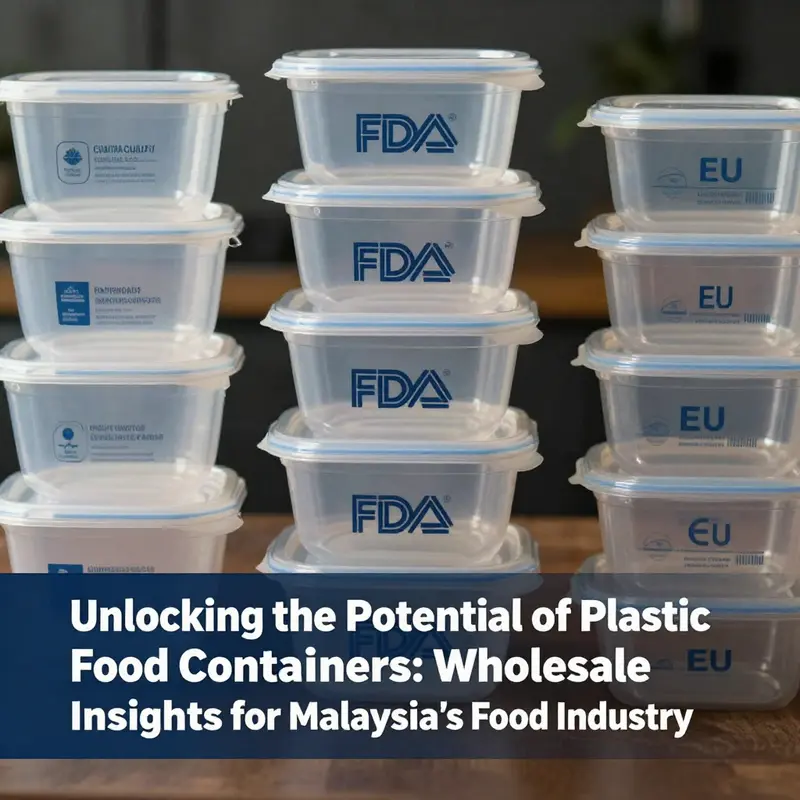
In the vibrant landscape of Malaysia’s wholesale plastics market, the sale and distribution of food-contact containers is not merely a matter of price and availability. It hinges on a careful choreography of safety, compliance, and trust. When a restaurant group, a catering company, or a wholesaler places an order for large quantities of plastic food containers, they are not simply acquiring vessels for meals; they are signing up for a chain of assurances that begins with raw materials and ends with the consumer’s safety. Quality control and certification form the backbone of this chain. They translate international and local expectations into tangible practices that protect public health, satisfy regulatory regimes, and sustain a resilient supply chain that can weather demand fluctuations and global market shifts. In Malaysia, where demand for diverse sizes and sealed, leak-proof designs runs high—from bulk takeout boxes to multi-compartment meal kits—the emphasis on robust quality frameworks is not just prudent, it is essential for market legitimacy and long-term profitability.
At the core of any credible quality program is a clear map of standards that the products must meet. Local regulation in Malaysia is anchored by the national standard framework, with the Malaysian Standards for Food Contact Materials—specifically those governing plastics—laying down limits for migration, physical properties, and chemical safety. The primary national reference in this field is MS 1220:2018, which sets explicit expectations for how plastics behave when they come into contact with food. Importantly, MS 1220:2018 addresses the practical concerns of migration limits—the potential for food-contact plastics to release substances into food under typical usage—and pairs these with requirements for mechanical integrity and chemical compatibility. For buyers who operate across borders and must supply meals to customers in multiple jurisdictions, this local standard forms a trustworthy foundation from which to evaluate supplier capability and product reliability.
Beyond national standards, the global marketplace adds layers of certification that signal compliance to authorities and customers alike. For exporters seeking access to the United States, compliance with FDA regulations—specifically the framework that governs food-contact plastics under 21 CFR Part 177—is a non-negotiable gatekeeper. This regulation is not a mere formality; it codifies the safety profile that allows a plastic container to be used for direct food contact without transferring hazardous substances. Similarly, entry into the European market is framed by EU Regulation No 1935/2004, which requires materials intended for contact with foods to meet a broad safety standard ensuring that no harmful substances migrate into food, along with aDeclaration of Compliance that documents adherence. For products that may enter sensitive environments—such as those used for children’s meals, or those that could involve chemistries with stricter regulatory oversight—REACH and RoHS further shape the chemical landscape, requiring registration, evaluation, and the restriction of certain substances.
The practical reality for buyers in Malaysia is that the most credible suppliers are those who can demonstrate a robust chain of certifications, not just a single certificate. The objective is to have a transparent paper trail: raw-material declarations and test reports, process certifications, and finished-product testing data that collectively prove conformity to MS 1220:2018 and, where applicable, FDA or EU regulations. A reliable supplier will also be able to provide documentation that supports ongoing quality control rather than a one-time compliance snapshot. This includes the materials test reports, or MTRs, which verify that the chosen polymers—such as polypropylene (PP), polystyrene (PS), polyethylene terephthalate (PET), or advanced copolymers like Tritan™—meet food-grade criteria. The MTR serves as the baseline for any further testing and for evaluating how well the material behaves across the intended use spectrum, including repeated washing, microwave exposure, or freezing. The emphasis on material choice is not incidental; it determines heat resistance, leaching behavior, and the long-term integrity of the seal and the lid, all of which are critical for consumer safety and brand reputation.
Quality control, however, is not limited to material selection. It extends into the production process, where a mature supplier maintains a formal quality management system, ideally ISO 9001 certified, and conducts regular internal audits and factory inspections. Such a framework helps ensure that the production lines—whether molded in injection processes or thermoformed to create multi-compartment designs—operate with minimal variability. Consistency in manufacturing translates into predictable performance in the field. A well-executed quality program monitors die wear, mold cleanliness, contamination control, and process parameters that influence dimensional accuracy. In practice, this means that cups, lids, and containers intended to withstand stacking, transit, and temperature fluctuations arrive with precise tolerances, secure seals, and uniform wall thickness. A small inconsistency in wall thickness, or a misaligned seal, can compromise the container’s integrity, leading to leaks, food spoilage, or unsightly display that erodes consumer trust.
The quality narrative culminates in finished-product testing, the step where theoretical compliance is validated under real-world conditions. Sealless, leak-prone containers are simply unacceptable in wholesale supply chains. Therefore, a comprehensive testing protocol is essential. Sealing performance is tested to verify that containers resist leakage under typical handling and transport conditions. Temperature resilience is evaluated to assure stability during microwaving, hot-holding, and cold storage. Migration testing simulates the actual environment in which food is stored and transported, measuring whether any residual substances migrate from the plastic into the food—an essential check for substances like bisphenol A (BPA) or certain phthalates in particular material families. While modern formulations increasingly move away from such substances, due diligence requires direct verification through periodic migration studies and a review of the product’s compliance documentation. The objective is not only immediate safety but consistency in performance across batches, so that a large order of containers behaves the same way as the sample that passed certification.
In the Malaysian wholesale ecosystem, the practical steps to achieve these standards include a disciplined approach to supplier selection and documentation. Buyers should seek suppliers with recognized certification from independent third parties, such as SIRIM QAS International or equivalents, and with test reports from reputable laboratories like SGS, Intertek, or Bureau Veritas. The breadth of documentation matters: it is not enough to have a single certificate; a complete package—covering material composition, process controls, and finished-product performance—facilitates quicker procurement cycles and reduces the risk of non-compliance in downstream markets. In this context, third-party verification plays a dual role. It reassures customers that products have been assessed by objective experts and provides manufacturers with a credible, auditable record that supports consistent export performance and smoother cross-border logistics. The value of third-party validation becomes especially clear when navigating OEM customization, where brands request specific lid colors, printing, or capacity variations while maintaining rigorous safety and performance standards. The certification ecosystem thus enables customization without compromising safety or regulatory alignment.
Another aspect of the quality equation concerns the management of MOQ and delivery cycles. Smaller buyers often need low minimum order quantities and flexible lead times, which can complicate quality control programs if not handled carefully. A capable supplier will balance flexibility with rigorous process controls, ensuring that even small runs are subject to the same level of testing and documentation as larger orders. For Malaysia’s diverse customer base, this agility is not superficial; it supports a broader ecosystem of restaurants, convenience stores, and catering outfits that require reliable supply chains to meet peak periods without sacrificing safety or compliance. The end-to-end traceability is the practical thread that binds these capabilities together: raw materials, processing parameters, inspection records, and finished-product tests are all linked, enabling quick root-cause analysis if any issue arises and facilitating targeted remediation rather than blanket recalls.
Within this framework, collaboration with trusted partners becomes a strategic asset. When a buyer engages with a supplier, it is prudent to request a complete compliance package, including up-to-date certificates from recognized bodies, recent SGS or Intertek test reports for the specific resin family, and a current Declaration of Compliance for the product in question. This diligence is not merely procedural; it directly impacts the ability to fulfill international orders, respond to safety inquiries, and sustain long-term business growth in a competitive region such as Southeast Asia. The literature and practitioner guidance available through official industry channels emphasizes that well-documented conformity signals a mature supply chain and reduces the friction associated with cross-border transactions. Buyers who adopt this approach tend to experience fewer disputes over product quality, faster clearance at ports, and better relationships with distributors who rely on predictable performance.
For practitioners seeking practical examples of how documentation appears in real product profiles, consider the broader ecosystem of food-grade packaging materials that many manufacturers curate. While discussing the specifics of any single product line is beyond the scope of this chapter, it is common to encounter a coherent suite of references that includes a Material Test Report, a declaration confirming compliance with MS 1220:2018, and a suite of test results that address heat resistance, microwave tolerance, and migration profiles. The aim is not to overwhelm procurement teams with paperwork, but to provide a reliable evidence base that supports confident decision-making. In this sense, the certification narrative morphs into a buying discipline: it guides what questions to ask, what documents to request, and how to interpret test results in the context of the intended use—whether it is a high-volume takeaway operation, a hospital or university cafeteria, or a family-oriented meal kit brand.
Within the Malaysian market, many suppliers recognize the value of a well-articulated quality-cum-certification story. They present documentation packages that help buyers execute due diligence efficiently, a crucial factor given the geographic breadth of the supply network, which spans local manufacturers and neighboring regional players. The interplay between local standards and international norms creates a dynamic where true compliance is a moving target, yet one that can be managed with disciplined supplier management practices. In such a setting, the procurement professional becomes a quality advocate, translating regulatory language into practical requirements for supplier selection, product development, and ongoing quality assurance. The end result is a more resilient wholesale channel that can reliably deliver food-grade containers across a spectrum of applications—from fast food groupings to multi-component meal boxes—and maintain consumer confidence through consistent safety performance.
As a practical note for readers looking to deepen their understanding of the certification framework, consider the wealth of official resources that explain the scope and process of food-contact material certification. These resources illuminate how standards are developed, how conformity assessment works, and how buyers can navigate the often dense documentation with confidence. The presence of a credible external authority is not only a reassurance for buyers; it is a safeguard for end consumers who rely on these materials every day when they pick up a prepared meal or a packed snack. In the context of Malaysia’s wholesale market, this interplay of national standards, international regulations, and third-party validation helps explain why some suppliers are perceived as more trustworthy than others. It also clarifies why, in practice, the most effective suppliers maintain ongoing, transparent communication about compliance, not only at the point of sale but throughout the product lifecycle.
For readers who want a concrete entry point into the broader conversation about safe packaging materials, a representative example of the type of content that underpins quality and safety across markets can be found in industry pages that discuss food-contact material certification and testing. A reliable technical resource outlines the path from resin selection to finished package, highlighting how each stage contributes to consumer safety. These resources reinforce the idea that quality control is not a one-off audit but a continuous program that evolves with regulatory expectations, technological advances, and shifts in consumer awareness. When buyers in Malaysia align with suppliers who demonstrate robust quality control procedures and clear certification dossiers, they invest not only in compliant containers but in a durable relationship built on trust and predictability.
In this context, the practical takeaway for wholesalers and buyers is straightforward: demand evidence, prioritize process transparency, and cultivate partnerships with certified manufacturers who can substantiate every claim with traceable documentation. The result is a marketplace where bulk orders of plastic food containers are assessed with the same rigor as consumer safety audits. The outcome is a supply chain that supports safer meals, reduces risk for retailers and food-service operators, and upholds Malaysia’s reputation as a regional hub for quality packaging. As one moves through the procurement journey, the conversation about MS 1220:2018, FDA and EU requirements, and third-party testing becomes not an abstract compliance exercise but a daily operating framework that informs product choices, supplier relationships, and the ultimate experience of the end user.
To illustrate how this plays out in practice, buyers may explore example product families that emphasize safety, reliability, and customization without compromising on standards. An illustrative family might include multi-compartment designs that support meal diversification, stacking-friendly shapes for efficient cold-chain transport, and secure-seal lids designed to minimize leakage during transit. Integrating such design features with documented testing results and regulatory declarations creates a compelling value proposition for buyers who serve complex food-service environments. It also positions suppliers to support both domestic and cross-border markets with confidence, ensuring that every container that leaves the factory floor has been subjected to the same rigorous vetting process and that the documentation trail remains intact across all shipments.
In closing, the quality-control and certification landscape for plastic food containers wholesale in Malaysia is not about chasing the latest trend in packaging materials. It is about building a durable spine of safety, compliance, and reliability that supports a thriving distribution network. The path from MS 1220:2018 compliance to FDA or EU conformity may seem intricate, but it becomes manageable when buyers insist on comprehensive documentation, engage suppliers with proven QA programs, and value third-party verification as a passport to cross-border commerce. The discipline of this approach ultimately benefits everyone in the ecosystem—from manufacturers and distributors to restaurateurs and, most of all, the consumers who rely on safe, dependable packaging every day. For readers seeking a practical foothold on this journey, a closer look at responsible packaging options and the documentation that accompanies them is worth pursuing through credible industry portals and supplier programmes. As markets evolve, those who anchor their procurement in verified quality and transparent certification will find it easier to scale, adapt, and maintain trust in a region where opportunity continues to expand.
Further reading and official guidance can be found through industry resources and national standards bodies that articulate the framework for food-contact material certification. For a deeper dive into the official scope of local and international compliance, readers can consult authoritative summaries and certification pathways, which provide practical steps for obtaining and maintaining necessary approvals. eco-friendly disposable three-compartment food-grade packaging boxes offers a snapshot of how packaging solutions align with safety expectations, though the broader compliance landscape extends far beyond any single product family. In addition, the broader regulatory ecosystem is described in greater detail by recognized industry authorities, including the official portal of SIRIM QAS International, which outlines the certification process for food-contact materials and the range of tests and documentation that underpin credible vendor qualification. Access to such resources supports a disciplined approach to procurement that consistently aligns with both local standards and the expectations of international customers.
External resource for further reading: https://www.sirimqas.com/en/services/food-contact-materials-certification
Navigating B2B Platforms for Plastic Food Containers: Connecting Malaysia’s Wholesale Demand with Global Suppliers
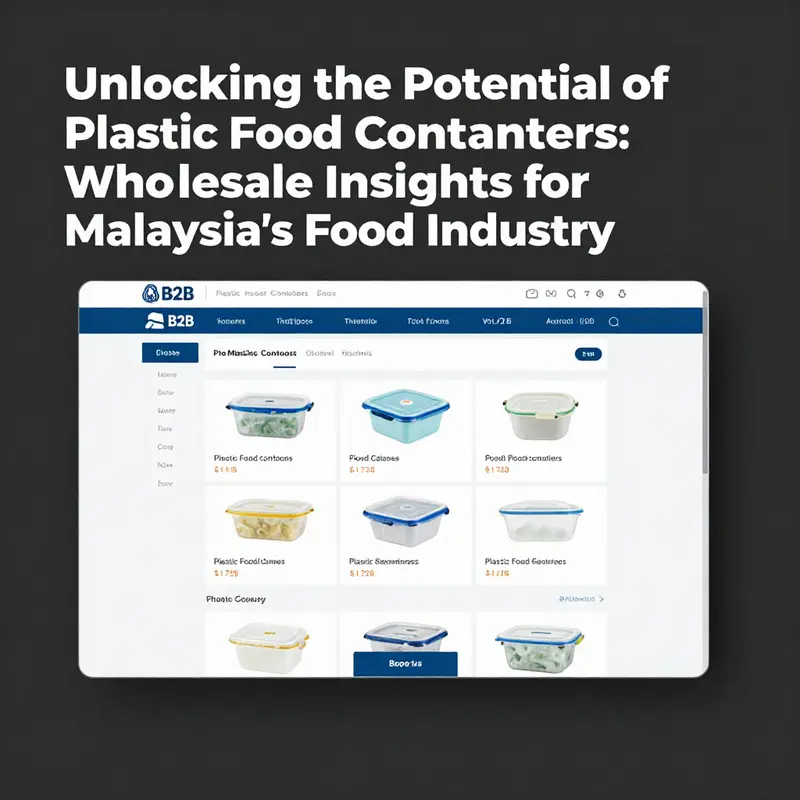
In Malaysia’s wholesale ecosystem, the demand for plastic food containers is driven by a diverse set of players—from bustling chain restaurants and rapid-delivery outfits to neighborhood convenience stores and home cooks scaling up for events. The B2B platforms that connect these buyers with manufacturers and traders act as a critical nervous system for the industry. They consolidate hundreds of suppliers under one digital roof, while at the same time exposing buyers to a spectrum of materials, capacities, and service models. The core idea is simple: for wholesale buyers, the platform is not merely a storefront but a dynamic negotiation table where product specifications, lead times, and after-sales support are weighed against price and risk. In practice, this means a buyer can filter offerings by size ranges—from compact 8-ounce cups to larger 32-ounce containers—while also evaluating packaging features, such as multi-compartment layouts or vented lids designed for hot foods. What makes B2B platforms especially valuable in the Malaysian context is their ability to surface suppliers who can both meet strict food-safety requirements and offer flexible order quantities that suit local businesses, from micro-entrepreneurs to mid-sized catering outfits.
The landscape, as it has emerged in recent years, shows a clear pattern: most reliable suppliers for Malaysia sit in regional manufacturing hubs in China, Southeast Asia, and beyond, brought together by global marketplaces that have matured into credible sourcing channels. The appeal of these platforms is multifold. First, they provide access to a broad catalog of container types—PP and PET options for everyday use, as well as more specialized lines like multilayer microwave-safe boxes or transparent containers with tight-sealing lids. Second, they enable buyers to compare certifications and documentation, a non-negotiable in a country where food safety standards are strictly enforced. Third, they offer a pathway to customization, whether that means branded packaging for a restaurant chain, or specific dimensions and dividers in a meal-prep box designed to prepackage combinations like protein, starch, and vegetables in a single, portable unit.
From the vantage point of a Malaysian buyer, the most critical step is aligning procurement goals with the platform’s capabilities. A well-practiced approach begins with a clear specification brief: the intended use (takeaway, dine-in, or home delivery), expected daily volumes, microwavable or oven-safe requirements, and any environmental considerations such as recyclability or compostability. With this briefing in hand, platforms enable a targeted search that emphasizes food-grade authenticity and compliance across jurisdictions. The importance of certifications—FDA-compliant materials, EU food-contact regulations, and relevant ASTM or EN standards—cannot be overstated. In a market that imports a large share of its packaging, verifying that a supplier can provide traceable documentation helps reduce risk and speeds up customs clearance. When a supplier can present FDA-compliant declarations or EU 1935/2004 compliance letters, buyers gain confidence that the product will perform under real-world conditions, from sub-zero storage to high-temperature reheating, while avoiding leaching or material degradation that could compromise food safety.
Ordering practice on these platforms often reveals a spectrum of minimums. Some manufacturers insist on higher MOQs because they keep production lines optimized for larger runs. Yet many credible suppliers offer low MOQs—sometimes as little as several hundred or a few thousand units—especially for standard sizes like 8 to 16 ounces or common multi-compartment designs. This flexibility is particularly meaningful for Malaysian retailers and caterers who test new formats or pilot programs with a limited budget before expanding. The best-practice path is to treat the first order as a viability test rather than a pure price exercise. A small shipment can verify packaging integrity, seal performance, and compatibility with Malaysian labeling and regulatory expectations. It also provides a practical basis for negotiating future terms, such as welcome customization, packaging branding, or co-packaging options that align with a retailer’s branding strategy.
Beyond price and MOQs, the logistics backbone of B2B sourcing becomes a decisive factor. Many Malaysian buyers lean toward suppliers situated in or near major export hubs because proximity reduces transit risk and speeds up replenishment. Guangdong, Zhejiang, and Fujian in particular stand out for their robust export infrastructures, diverse supplier ecosystems, and established relationships with international freight forwarders. Platforms facilitate these logistics conversations by displaying typical lead times, production schedules, and available shipping terms—FOB, CIF, or DDP, for instance—so buyers can model landed costs with some precision. The ability to synchronize production cycles with Malaysian distributors and retailers often hinges on transparent timelines. For fast-moving consumer goods in the takeout segment, a 15- to 30-day window from order to delivery can be the difference between a successful promo and a stock-out that erodes customer trust.
Another indispensable pillar is supplier verification. Platforms increasingly emphasize third-party credentials, factory audits, and samples as a standard part of the procurement process. The practice of requesting samples before large-scale orders serves multiple purposes. It confirms that the material is truly food-safe, checks the lid’s seal integrity, verifies heat resistance, and tests oil and moisture resistance under realistic usage. It also helps ensure compatibility with clients’ equipment, from display coolers to microwaves in a bustling kitchen. When samples confirm expectations, buyers often proceed to longer-term arrangements that may include ongoing quality control measures, such as periodic inspections or third-party tests by recognized bodies like SGS or BV. These steps build a robust, traceable supply chain that Malaysian buyers can rely on, especially in a market climate where consumer safety is paramount and regulatory scrutiny remains high.
Within this framework, one recurring theme stands out: the value of filtering and vetting. A buyer who harnesses platform filters to demand “food-grade” and “BPA-free” declarations, coupled with “ISO 9001” or “HACCP” certifications, tends to secure more reliable partnerships. Some suppliers position themselves as full-service partners, offering value-added options like private-label branding, custom imprinting, or design services that tailor packaging to a specific menu or promotional campaign. While these features can command a premium, they also unlock opportunities for differentiation in an increasingly crowded takeout market. For Malaysian operators seeking a cohesive packaging strategy, the ability to source consistently across multiple SKUs from a single supplier reduces administrative overhead, simplifies quality assurance, and accelerates time-to-market for menu innovations.
In practice, the decision to engage with a particular platform and supplier also hinges on documentation and post-sale support. A credible supplier will often provide digital copies of certificates, material safety data sheets, and declarations of conformity that align with Malaysia’s food-contact regulations. They will also offer clear warranty terms, return policies for damaged goods, and defined channels for after-sales support. The maintenance of a healthy supplier relationship extends beyond the initial sale. It encompasses responsiveness to quality issues, the speed of replacements, and the willingness to collaborate on packaging redesigns or line extensions as a business grows. For buyers shifting from proof-of-concept pilots to full-scale deployment, such partner capabilities can translate into lower total cost of ownership, fewer disruptions, and more predictable inventory planning.
To illustrate how these platforms function in practice, consider the typical buyer journey from initial exploration to replenishment. A Malaysian buyer starts with a broad search for “food-grade plastic containers” and filters for certifications and low MOQs. The results surface several suppliers with credible credentials and responsive communication histories. The buyer sends a request for quotation that specifies the required sizes, lid types, and any customization needs, such as a branded logo or color-coding for meal bundles. In the ensuing exchange, the supplier may offer sample packs, which the buyer uses to verify the product’s performance under microwave heating, resistance to grease, and durability during stacking. If the samples meet expectations, the buyer proceeds to a small initial order, perhaps 5,000 to 10,000 units spread across 8-, 12-, and 16-ounce formats. The vendor confirms a production window, ships via a preferred freight route, and provides documentation compatible with Malaysian import processes. Upon receipt, the buyer conducts internal QA checks and proceeds with a larger, repeat order if results are favorable. The cycle repeats, gradually stabilizing the supplier as a trusted partner for a broad range of packaging needs.
An important practical point for readers is the balance between global sourcing and local adaptation. While platforms consolidate a global array of suppliers, buyers should remain mindful of local import requirements, labeling norms, and any halal considerations that could affect consumer trust in Malaysia. Packaging used for halal-certified foods must comply with standards that support the perception of cleanliness and safety. In many cases, buyers will work with suppliers who understand regional labeling requirements and can provide packaging that meets local market expectations without sacrificing the economies of scale achieved through offshore manufacturing. This is where the value of a credible, end-to-end supplier relationship becomes evident: the right partner helps navigate cultural and regulatory nuances while maintaining cost-efficiency.
In the broader framework, it is also essential to recognize the role of alternative sourcing channels that flow alongside pure B2B marketplaces. While marketplaces like Alibaba’s ecosystem aggregate a large, diverse pool of suppliers and make due diligence more accessible, regional sourcing platforms and local directories can offer proximity benefits, faster response times, and language compatibility that aligns with Malaysia’s business culture. A pragmatic approach—one that blends global breadth with local accessibility—tends to yield the most resilient supply chain. In this mix, experienced buyers often rely on a combination of verified suppliers on international platforms and trusted regional partners who can provide value-added services, such as packaging customization or co-packaging logistics tailored to Malaysian distributors and retailers. The outcome is not just cost savings but also a more predictable delivery cadence and a more coherent brand experience across every consumer touchpoint.
For those readers who want a practical starting point, the platforms highlighted here offer a broad spectrum of options for plastic food containers. They present a credible route to sourcing standardized packaging at scale while leaving room for customization and branding as a business grows. The process of filtering for certifications, requesting samples, evaluating logistics, and negotiating terms creates a structured path that reduces risk and accelerates market entry. It is worth noting that the best pathway often involves leveraging supplier verification features such as “Verified Suppliers” or similar indicators that signal a higher level of credibility and reliability. These signals, combined with transparent communication and documented QA processes, help Malaysian buyers move from a tentative inquiry to a stable, repeatable procurement channel that can meet the evolving demands of the nation’s fast-paced food-service landscape.
The practical takeaway is clear: use B2B platforms as a strategic lever to diversify suppliers, validate food-safety credentials, and optimize the balance between cost, quality, and lead times. A disciplined approach—rooted in clear specifications, robust testing, and structured vendor management—will yield a more resilient packaging supply chain and support sustainable growth for Malaysia’s plastic container market. When buyers couple platform-driven discovery with rigorous due diligence and a willingness to adapt, the result is a sourcing ecosystem that helps Malaysian food businesses scale confidently, maintain quality, and deliver reliable, safe packaging to customers across the length and breadth of the country.
Internal resources can also play a role in streamlining the journey. For those seeking broader capabilities around packaging design and take-away packaging formats, a recent example of the marketplace’s organic growth toward customizable solutions can be observed through dedicated product listings and supplier profiles that emphasize turnkey packaging concepts. These examples underscore how the marketplace environment has evolved from a simple listing of containers to a collaborative, design-forward ecosystem where buyers and manufacturers co-create packaging strategies that align with specific menus, brand aesthetics, and promotional campaigns. A practical takeaway for Malaysian buyers is to look for suppliers that stress not only product specs but also the potential for ongoing collaboration, such as design iterations, color-matched lids, and branded packaging inserts that can improve the consumer experience without dramatically inflating costs. This is the essence of a mature B2B platform in this sector: an enabler of scalable, repeatable packaging solutions rather than a one-off transaction.
To summarize the practical implications for readers, the central takeaways are straightforward. First, leverage credible B2B platforms to access a broad network of food-grade plastic container manufacturers, with a focus on those who can demonstrate safety certifications and traceability. Second, refine supplier selection with low MOQs, robust sample-testing programs, and clear documentation that aligns with Malaysia’s regulatory expectations. Third, prioritize suppliers offering transparent logistics options and reliable after-sales support, so replenishment cycles remain steady and predictable. Fourth, explore a blended sourcing strategy that capitalizes on global scale while maintaining local responsiveness and the ability to tailor packaging to Malaysian menus and consumer preferences. Lastly, recognize the long-term value of private-label or co-branding arrangements that can help a Malaysian business differentiate in a crowded market while preserving supply chain reliability.
As buyers continue to navigate these platforms, the emphasis should remain on quality, safety, and service as much as price. The best suppliers are those who treat packaging as a strategic asset—one that protects food, communicates brand values, and reduces friction in the delivery process. When a buyer finally identifies a partner that consistently delivers safe, reliable, and scalable packaging, the platform ceases to be merely a marketplace and becomes a cornerstone of the business’s future growth. For readers seeking a concrete starting point with a tested example of product scope and documentation that aligns with these expectations, an illustrative listing on a leading trading platform demonstrates the typical range of offerings and the kind of information buyers should request. The example highlights clear product specifications, material safety statements, and the logistical details necessary to estimate landed costs accurately. While the exact supplier may vary, the underlying approach remains constant: verify, sample, standardize, and scale.
External resource for further reference: https://www.alibaba.com/product-detail/Wholesale-Clear-Plastic-Food-Containers-With-Lid_1600754991508.html
Internal reference for readers exploring related packaging opportunities: custom takeaway packaging supplies for theme party
From Warehouses to Doorsteps: The Supply Chain Pulse of Plastic Food Container Wholesale in Malaysia
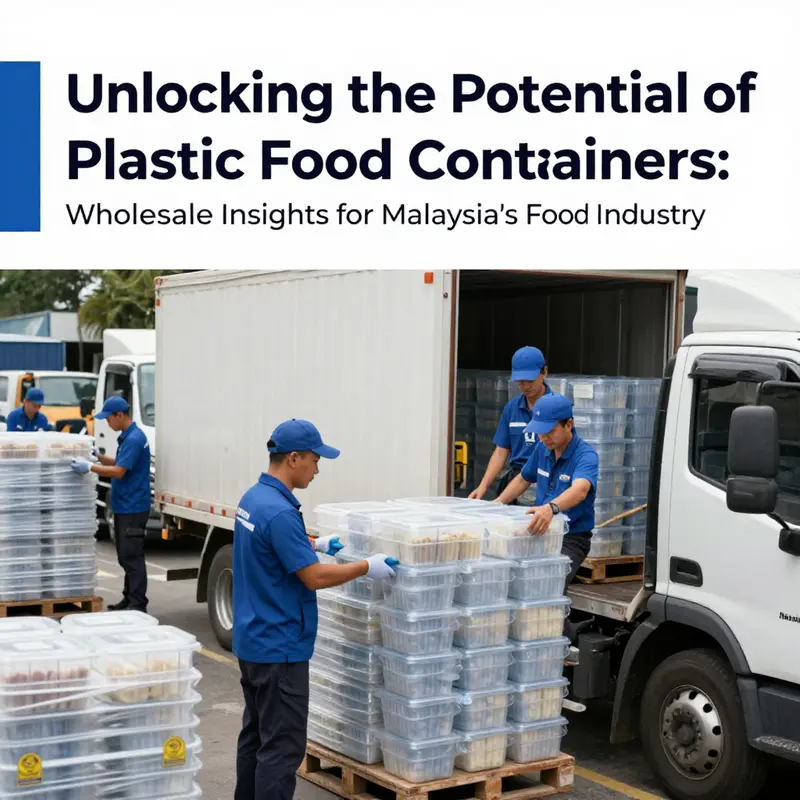
In Malaysia, the wholesale market for plastic food containers sits at the intersection of growing consumer demand, expanding foodservice networks, and increasingly sophisticated logistics ecosystems. Wholesalers here do more than move boxes from factory to storefront; they orchestrate a multi-channel flow that links manufacturers, distributors, retailers, and finally the kitchens and households that rely on ready-to-use packaging every day. The arc of this flow has shifted in the past few years as e-commerce reshapes what “time to market” means for containers. No longer is a warehouse operation simply about stockkeeping; it is a dynamic tempo, calibrated to online orders, same-day dispatch promises, and just-in-time replenishment for a sprawling web of foodservice operators, convenience stores, and home-delivery services. In this environment, the most successful players have learned to blend traditional bulk psychology—economies of scale, steady supplier relationships, predictable lead times—with the modern demands of rapid fulfillment, traceability, and responsible packaging practices.
The backbone of this system is a network of manufacturers and distributors who have reorganized their supply lines around agility and resilience. In practice, agility translates into flexible production runs, modular inventories, and the capacity to adjust formulations or packaging configurations in response to shifting customer needs. Resilience means building redundancy into sourcing, maintaining buffer stock for peak periods, and leveraging international logistics know-how to survive disruptions. As a result, many wholesale entities in Malaysia now invest in distributed warehousing closer to major urban hubs, enabling faster replenishment to restaurants, caterers, and retailers. They also embrace direct-to-customer strategies, where feasible, to shorten the path from end of line to consumer, thereby reducing handling costs and shortening lead times. The overall effect is a marketplace that can respond to spikes in demand—whether driven by a festival season, a new takeaway trend, or a sudden rise in home-meal kits—without compromising on reliability or safety standards.
Across this landscape, there is a clear emphasis on quality control and regulatory compliance. Food-grade plastic materials and safe finishing processes are non-negotiables because containers directly contact edible products. Many manufacturers pursue certifications and adhere to recognized standards that reassure buyers in Malaysia and neighboring markets. They emphasize food-grade resin compliance, good manufacturing practice, and traceability across batches. While not every supplier can claim the same scope of certifications, the market rewards those who can demonstrate rigorous testing protocols, cleanroom-like handling when necessary, and documented certifications that align with international expectations. For buyers, this means a due diligence process that prioritizes supplier QC systems, robust supplier audits, and transparent material declarations. It also means that customers who source in smaller lots still expect consistent quality, and many vendors have built scalable quality assurance programs that accommodate low MOQ orders without abandoning safety and performance criteria. In practice, the emphasis on standards translates into fewer product recalls, steadier customer confidence, and lower risk for multi-location operators who rely on predictable packaging performance in busy kitchens and during high-volume delivery windows.
The logistics of moving plastic containers through this market hinges on a blend of traditional distribution principles and state-of-the-art chain solutions. Wholesalers must manage variability in demand across a spectrum of outlets—from large-scale foodservice suppliers to neighborhood minimarts. They also face the challenge of maintaining cost efficiency while offering value-added options like multi-pack assortments, lids and separators, or packaging that supports portion control and portion labeling. Modern distribution networks in Malaysia increasingly leverage cross-docking and regional hub concepts to shorten travel times and reduce handling steps. That approach helps ensure that containers arrive clean, dry, and ready for immediate use in busy food preparation lines. It also supports the rising demand for fast, flexible delivery to end customers who expect reliable service windows and accurate order fulfillment across multiple channels. The net effect is a logistics ecosystem where stock-keeping, forecasting, and last-mile execution are tightly interwoven, producing shorter lead times and smoother replenishment cycles for buyers who depend on steady supply to run their operations without interruption.
For wholesalers navigating this environment, the choice of suppliers and logistics partners becomes a strategic decision rather than a routine procurement step. A reliable supplier is not only one that can offer a wide range of container formats and sizes, but also one that can deliver consistent quality with predictable lead times and scalable production runs. The ability to customize packaging—within safe and compliant boundaries—can be a decisive advantage for operators looking to differentiate their service or streamline their own kitchen workflows. In practice, this often means engaging with manufacturers that can support small, controlled test orders, then ramp up quickly to larger allocations as demand solidifies. It also means seeking partners who can align with multi-channel strategies, supporting direct-to-store or direct-to-consumer fulfillment models alongside traditional wholesale distribution. When a supplier can pair strong regulatory adherence with flexible order configurations and reliable logistics, wholesalers can stabilize cash flows and reduce the complexities that arise when demand shifts without warning.
The logistical narrative is also shaped by the growing role of third-party logistics providers and value-added services. In regional hubs, 3PLs are increasingly specialized for consumer durables, not just fast-moving consumer goods. They bring integrated capabilities that reach beyond storage and transport to include inventory management, order consolidation, pick-and-pack operations, and multi-channel distribution. For plastic food containers, this means faster restocking for a mix of channels and the ability to support promotional campaigns or seasonal menu updates with ready-to-ship packaging assortments. The beauty of this model lies in its scalability: as orders swell from online storefronts or corporate catering programs, the same network can absorb incremental volume with minimal disruption. At a practical level, wholesalers can benefit from warehousing practices that reduce touchpoints, automated picking for common container configurations, and standardized packaging that speeds loading and unloading across fleets. In short, a well-tuned logistics architecture translates into lower landed costs for buyers and improved service levels across the board, from the kitchen to the customer doorstep.
The digital layer of this supply chain deserves particular attention. Data-driven forecasting, real-time visibility, and demand sensing enable more precise inventory positioning. When wholesalers pull in point-of-sale signals, order histories, and seasonal triggers, they can anticipate shifts in packaging requirements with greater confidence. This capability reduces stockouts, minimizes waste, and supports more efficient use of the production floor. Importantly, digital integration extends to supplier relationships as well. Electronic data interchange and supplier portals streamline purchase orders, certifications, and material declarations, speeding up qualification processes for new customers and ensuring that new lots meet safety criteria before they enter the distribution network. In a market where every day can bring a slight change in demand patterns, the ability to sense and respond quickly becomes a key competitive differentiator. It is this blend of physical network maturity and digital precision that keeps Malaysia’s plastic container wholesale ecosystem robust and adaptable, even as new e-commerce entrants reshape how and where containers are consumed.
For buyers and vendors alike, the decision to engage with a packager that offers direct-to-customer distribution models can be a game changer. Direct-to-consumer strategies—whether they involve drop-ship arrangements to restaurant chains, meal-kit providers, or online marketplaces—demand a different kind of reliability. The logistics must be precise: accurate SKUs, correct packaging configurations, and consistent sub-packaging options that align with the end-user experience. When a supplier can align production schedules with direct-to-consumer fulfillment windows, wholesalers reduce the friction that typically accompanies multi-channel operations. This alignment also opens doors to more transparent pricing, clearer total landed costs, and better control over per-unit margins as packaging requirements evolve with consumer expectations. In practice, such coordination reduces the complexity of the supply chain and fosters a smoother operational rhythm that benefits every actor along the chain—from the factory floor to the last mile.
For those who want a concrete example of how these principles play out in practice, consider the ongoing emphasis on flexible configurations and safety-compliant materials. A growing segment of buyers seeks containers that can accommodate multi-item meals, separators for sauce pots, and easy stacking for space-efficient transport. The design philosophy behind these needs is to minimize waste, maximize shelf life, and simplify handling for kitchen staff and delivery personnel alike. Consequently, the market rewards suppliers that can offer modular packaging sets, standardized lids, and compatible accessories that fit across multiple product lines without sacrificing safety or performance. This synergy between product design, supplier reliability, and distribution efficiency ultimately translates into lower total costs for operators who must manage both storage expenses and transit budgets across dozens of pick-ups and drop-offs every day.
Among the external resources shaping this ecosystem, global logistics networks play a pivotal role in guiding the sector toward best practices. For wholesalers in Malaysia, engaging with the broader international logistics community helps to harmonize duties, transit times, and service levels with global standards. In this context, established partners bring not only capacity but also expertise in risk management, customs coordination, and the implementation of technology-driven tracking solutions that keep shipments aligned with customer timelines. The result is a supply chain that looks less like a simple supply route and more like a synchronized platform where production planning, warehousing, and last-mile fulfillment move in concert. As the market continues to evolve, the emphasis on agility, safety, and efficiency will likely intensify, with logistics providers and packaging manufacturers working more closely than ever to meet the demands of a dynamic, multi-channel consumer landscape. For readers seeking a deeper dive into how consumer-durable goods are managed within this framework, industry resources underscore the value of integrated networks that marry production capability with end-to-end visibility. In this sense, the Malaysian wholesale scene is not just a transfer point for packaging; it is a testing ground for the next generation of supply chain orchestration in the plastics sector.
A practical takeaway for buyers is to weigh not only price or baseline capacity but the quality assurance and responsiveness embedded in a supplier’s logistics model. Low minimum order quantities, customization options, and rapid prototyping capabilities matter because they reduce the risk of stranded inventory and the costs of market experimentation. The best partners provide detailed material declarations, robust testing results, and clear, repeatable processes for batch traceability. They also offer flexible terms that acknowledge the realities of cash flow in hospitality and retail operations, where demand can surge unpredictably and then recede. In this climate, the value of a well-constructed supply chain is measured not merely by how much inventory a wholesaler can move, but by how reliably they can keep their customers’ shelves stocked with safe, compliant, and easy-to-use packaging solutions that align with evolving consumer preferences and regulatory expectations.
For wholesalers seeking practical avenues to optimize their own repertoires, consider the breadth of packaging configurations that can reduce handling steps and improve kitchen workflows. Containers designed with multi-compartment layouts, secure sealing, and nestable stacking can streamline prep, service, and transport. Such features also support sustainability objectives by enabling more precise portioning and minimizing waste at the point of consumption. In parallel, offering a mix of standard, recyclable, and reusable options helps retailers address diverse consumer attitudes toward packaging waste, while maintaining the practical deliverability that fast-service operations demand. The discipline of combining design, compliance, and logistics into a single value proposition is what distinguishes leading wholesalers in Malaysia’s plastic container market. It enables them to deliver not only containers, but reliable performance assurances that support the entire ecosystem’s growth—restaurants, takeaways, convenience stores, and households alike—through an increasingly complex retail maze and an ever-expanding online marketplace.
Take, for instance, the way a wholesaler might support a regional foodservice client who wants to refresh their packaging to improve speed of service while maintaining safety standards. A coordinated plan would combine fast-replenishment cycles, carefully selected material grades, and packaging configurations that reduce the need for separate liners or inserts. The supplier would harmonize production calendars with the client’s forecast, ensuring that inventory turns stay within healthy ranges and that the client can respond quickly to promotional periods. The end result is a smoother operation, fewer delays in kitchen lines, and less waste in transit. It is in these micro-decisions—how a container locks, how it stacks, how easily it seals—that the broader logistics strategy becomes tangible in daily life. For wholesalers, the payoff is tangible too: stronger customer relationships, more stable revenue streams, and a reputation for dependable delivery that can withstand the pressures of online ordering surges and the evolving expectations of modern consumers. The industry’s trajectory in Malaysia points toward even more integrated, data-driven networks where every container move is part of a traceable, pre-emptive plan rather than a series of reactive steps.
As the sector continues to mature, a clear takeaway for practitioners is to cultivate a sourcing approach that marries regulatory compliance with operational flexibility. Suppliers who can demonstrate end-to-end visibility, consistent quality across lots, and scalable MOQs will be best positioned to support both new entrants and established operators. Wholesalers should also seek packaging partners who can accommodate evolving design ideas without sacrificing safety or performance. The objective is not merely to stock more containers but to stock the right containers in the right configurations at the right times. When this alignment occurs, the entire supply chain—manufacturing, warehousing, distribution, and last-mile delivery—moves with a rhythm that supports growth across multiple channels. For buyers wanting to explore practical packaging options that embody these principles, consider a ready reference to a broad range of take-away packaging configurations that illustrate how a single container family can serve diverse menus and service models. Take-away packaging options like these demonstrate how carefully designed packaging can simplify kitchen workflows while satisfying customer expectations for clean, safe, and convenient meals. Take-away food packaging boxes illustrate how modular design, stackability, and secure lids translate into tangible benefits for operators managing multi-location footprints.
Looking ahead, the Malaysian plastic container wholesale landscape will continue to rely on the synergy between efficient logistics networks and rigorous quality assurance. The role of global logistics partners will remain central, helping to synchronize production, storage, and delivery with ever-tightening timelines and rising customer expectations. Industry observers, including global logistics providers, emphasize that consumer-durable goods move most effectively when supply chains are proactive, not reactive. The capacity to anticipate demand, align supplier capability with forecast accuracy, and deploy flexible distribution configurations will determine which players grow versus which ones retrench as markets shift. For readers who want a broader view of how such networks operate in practice, an external resource offers an industry-focused lens on consumer goods logistics and optimization. DHL Supply Chain – Consumer Goods Expertise. https://www.dhl.com.my/en/express/solutions/consumer_goods.html
Final thoughts
The wholesale market for plastic food containers in Malaysia presents vast opportunities for businesses in the food and beverage sector. As emphasized in each chapter, understanding the market dynamics, ensuring quality through certifications, leveraging B2B platforms, and streamlining supply chain logistics are essential for making informed procurement decisions. By focusing on these aspects, businesses can enhance their operational efficiency and maintain a competitive edge. Adopting the right plastic food containers not only supports the needs of your customers but also fosters sustainability and safety, paving the way for growth in this vibrant market.