
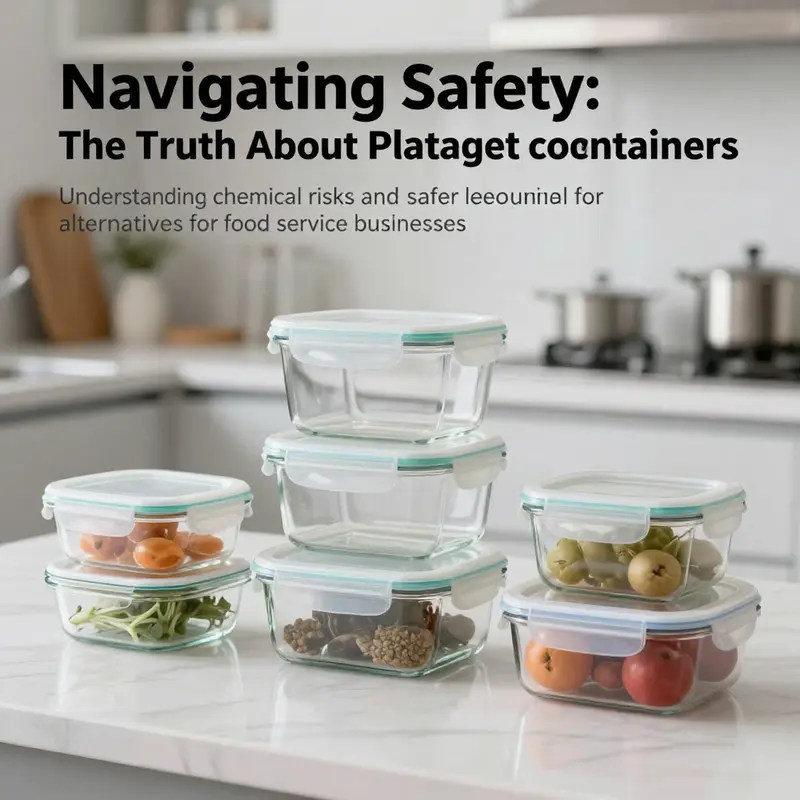
In the food service industry, safety and quality are paramount. As Bubble Tea Shops, Restaurants, Food Trucks, and Catering Services aim to provide the best for their customers, they must also be mindful of food storage practices that align with health standards. Plastic food storage containers, while convenient, pose risks due to chemical leaching. This article will explore the dangers of using these containers, examine concerns related to BPA and its alternatives, and compare the safety of plastic versus glass storage solutions. Through this investigation, businesses will gain actionable insights and strategies to enhance their food safety protocols, ensuring the wellbeing of their patrons and the sustainability of their operations.
Reducing Chemical Leaching from Plastics in Food Storage
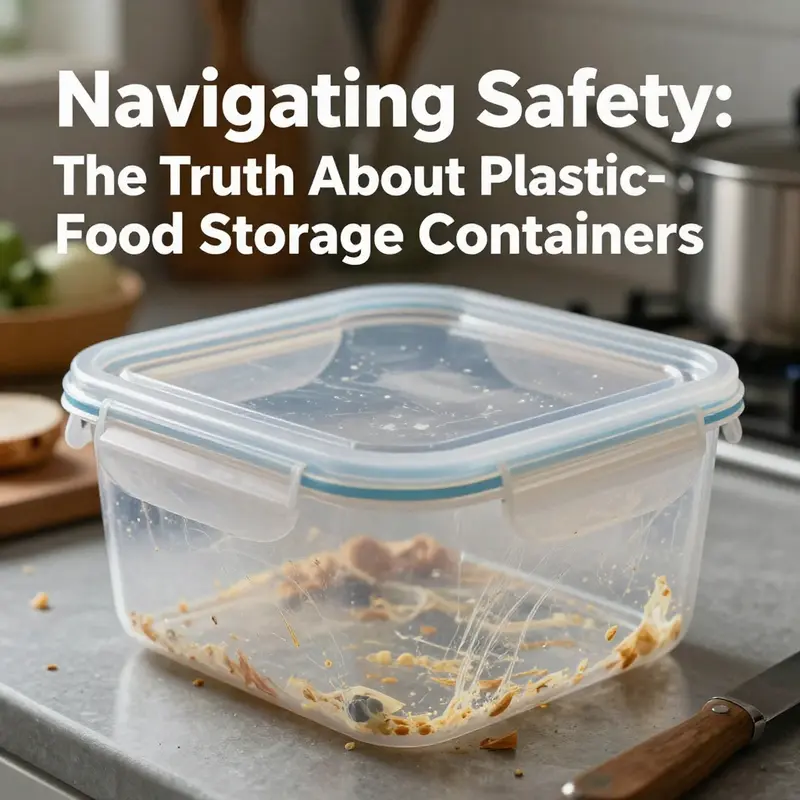
Plastics in contact with food can release chemicals, especially when heated, acidic, or fatty foods are stored in them. This chapter explains how leaching happens and what you can do to reduce risk. Practical steps include using glass or stainless steel for hot foods, choosing plastic containers designed for reuse, avoiding microwaving in plastic, and inspecting containers for scratches or cracks. By understanding the factors that drive migration, you can make safer storage choices without sacrificing daily convenience.
null

null
Glass as the Gold Standard: Reclaiming Safe Food Storage in a Plastic-Driven Kitchen
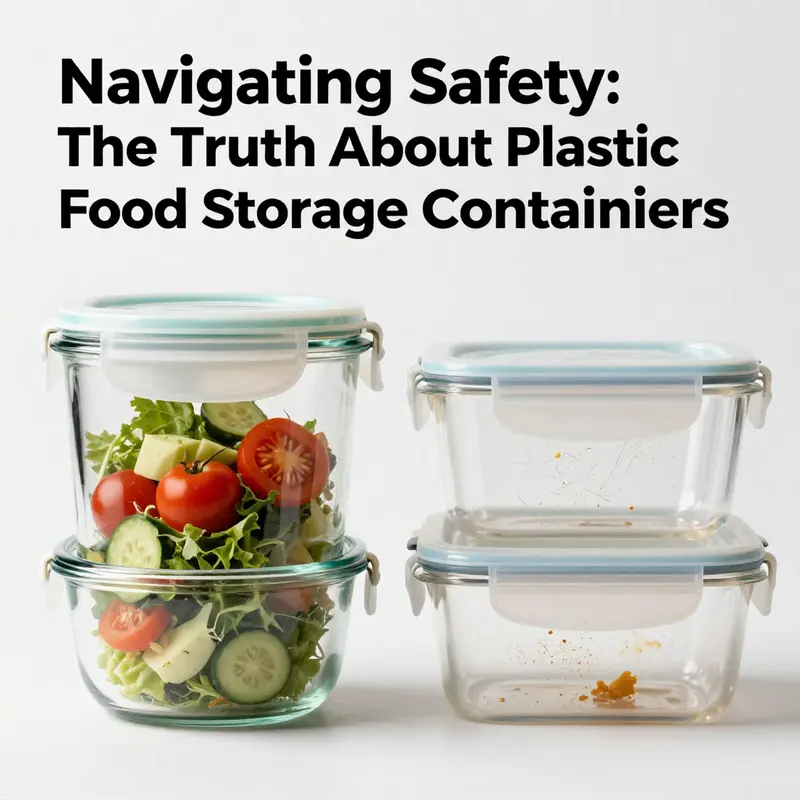
Every kitchen holds a quiet conversation between convenience and caution when it comes to how we store the food that fuels our days. Plastic containers have become ubiquitous because they are lightweight, affordable, and seemingly practical for everything from leftovers to portable meals. Yet beneath that everyday practicality lies a set of safety questions that have grown louder as the science around chemical migration deepens. The core concerns revolve around additives used to make plastics pliable or sturdy—substances such as bisphenol A (BPA), phthalates, and other plasticizers—that can migrate into food, especially when heat, acidity, or time press these materials into closer contact with meals. Even as regulatory bodies tighten certain uses, the broader landscape remains nuanced. The U.S. Food and Drug Administration (FDA) has banned BPA in specific products like baby bottles and sippy cups, but BPA can still be present in some polycarbonate plastics used for general food storage. The story doesn’t end there, because the newer substitutes marketed as BPA-free—such as BPS or BPF—have shown potential endocrine-disrupting properties in research published in Environmental Health Perspectives. These realities compel a careful appraisal of what it means to store food safely in plastic as opposed to other materials that may offer more stable chemical profiles over time.
The risk is not limited to the presence of certain chemicals at the point of purchase. The conditions in which plastics are used can amplify leaching. Heat is a particularly potent driver: microwaving plastic containers or placing hot foods into plastic can change the equilibrium of how additives migrate into the edible contents. Acidic ingredients, such as citrus, tomato sauces, or vinegar-based marinades, can further accelerate this process. Phthalates, routinely used to soften plastics, are widely recognized for their capacity to migrate into food during microwaving or high-temperature dishwashing, especially when containers are scraped or scratched. The picture grows more complex as containers age. Over time, plastics develop micro-scratches and surface wear that create microhabitats for food particles and for residual residues that are harder to remove with routine washing. Staining, often treated as a cosmetic issue, can actually signal deeper polymer changes that are associated with greater leaching potential. In other words, a container that looks worn may also be one that behaves differently under heat and over repeated uses, offering a greater opportunity for chemicals to migrate into the next meal.
Scholars and clinicians alike have cautioned that no plastic is truly inert under all conditions. Some plastics labeled with resin identification codes, such as #2 (HDPE), #4 (LDPE), and #5 (PP), are often cast as safer because their baseline migration rates are comparatively lower. Yet the absence of universal inertness does not grant a green light for perpetual reuse or unguarded exposure to heat, oil-rich foods, or acidic contents. The point is not to demonize plastic across the board but to acknowledge the conditional nature of risk and to recognize that safer practices can make a meaningful difference in daily life. The broader takeaway from scientific and regulatory conversations is clear: while plastics can be managed to reduce risk, the safest path for long-term health is one that minimizes chemical migration wherever possible.
In this context, glass emerges as a material whose properties align more closely with a risk profile focused on chemical stability. Glass is widely regarded as inert; it does not react with most foods, nor does it off-gas or degrade in a way that would introduce contaminants into meals during heating, freezing, or storage. High-quality borosilicate glass, a variant celebrated for its resistance to thermal shock, stands out for home use because it tolerates transitions from cold to hot without cracking or releasing additives. In practical terms, glass containers can often go from freezer to oven or be used directly in microwaves without the same concerns about chemical migration that can accompany plastic. The consensus among researchers and environmental health scientists supports this conclusion. Dr. Lena Peterson, an environmental health scientist at the Center for Safe Materials, has summarized the prevailing view by calling glass the gold standard for chemical safety in food storage. She emphasizes that, unlike many plastics, glass does not degrade or off-gas over time, even after repeated heating. Complementing this perspective, Dr. Sarah Thompson from Johns Hopkins Bloomberg School of Public Health highlights a crucial nuance: even so-called BPA-free plastics can exhibit estrogenic activity, underscoring the importance of choosing non-reactive materials whenever possible. Taken together, these expert voices frame glass as the material that minimizes the potential for chemical migration, particularly for foods that are hot, acidic, or oily and for containers that will be heated and cooled repeatedly over their lifetimes.
Yet the argument for glass comes with practical caveats. Glass is heavier and more fragile than most plastics, a combination that elevates the risk of breakage and the potential for injury during handling or transport. This fragility is not merely an inconvenience; it translates into real-world considerations about storage in smaller, high-traffic kitchens or in households with children or frequent travel. The heft of glass can also influence how people manage space in refrigerators, cupboards, or lunch-packing routines, and it can affect costs over time when compared with the lower upfront price of plastic options. These are not frivolous concerns; they shape whether households make the switch to glass, even when the health case for doing so is strong. For some families, the reality is a calculus that weighs convenience, durability, and the risk profile of different materials against budget and lifestyle.
There is also a need to address historical and quality-based risks in glassware. While modern food-grade glass is largely free of contaminants, older or less regulated glassware can pose problems. Lead-based glazes or coatings were common in certain vintage or imported glass products, and while rare in contemporary, food-grade items, they nonetheless merit attention from those who encounter older kitchen items or unusual sources. The risk, though small, is nonzero and underscores a broader safety principle: high-quality, food-grade glass is essential, and diligence about the provenance and condition of glassware matters just as much as the material’s intrinsic properties. In short, glass is safer in terms of chemical stability, but it requires careful selection and responsible handling to avoid physical hazards.
In weighing the practical recommendations that have emerged from medical and public health guidance, it is useful to anchor the discussion in a consistent set of best practices. Health professionals increasingly advocate transitioning away from plastic for long-term food storage, especially for scenarios that involve hot temperatures, prolonged storage, or repeated heating. This guidance does not suggest that every plastic product is inherently dangerous; rather, it calls for prudent use and informed selection. When choosing any container—whether plastic, glass, or stainless steel—consumers are advised to look for clear indicators of food safety: explicit labeling that identifies the container as food-grade, absence of visible damage, and materials known to be stable under the anticipated conditions of use. Regular cleaning and sterilization are equally important, regardless of material, to mitigate bacterial growth that can accompany wear or damage. Hot water and steam-based cleaning play a central role in maintaining safe storage ecosystems, helping to prevent contamination and preserve the integrity of the container’s surface.
The upshot of the current evidence is a coherent one: for long-term safety, particularly when hot, acidic, or oily foods are involved, glass—preferably high-quality, food-grade borosilicate glass or stainless steel—offers the most stable baseline against chemical migration. Plastics, by contrast, invite a more conditional risk profile. They may perform well under certain conditions and for certain foods, but their history of additives, potential for leaching under heat or chemical exposure, and susceptibility to scratching and staining means there is no universal assurance of safety over many years of ordinary use. The choice becomes a matter of balancing risk with practicality, and then applying rigorous handling and cleaning practices to minimize that risk over time.
For households prioritizing health and longevity of use, the recommended approach is clear. Invest in glass or stainless steel for the bulk of long-term storage needs, especially for hot foods, oils, or acidic sauces that can heighten migration potential in plastic containers. Keep a separate set of plastic containers for dry, cool storage if needed, but use them with an awareness of their limitations and replace them when wear becomes evident. Above all, ensure that any container marketed as food-safe carries explicit labeling, and pay attention to the container’s condition over time. If a container is scratched, cracked, or discolored, it’s prudent to retire it from regular use, given the potential for harboring contaminants and facilitating micro-bridges that could harbor bacteria or promote chemical migration. While no material is without its drawbacks, the trade-off tends to favor glass in terms of chemical inertness and predictable performance across a wide range of everyday conditions.
The dialogue around safe storage is not only about the technical properties of materials but also about practical stewardship. A household that commits to glass or stainless steel for regular use can still practice mindful behaviors that minimize risk. For instance, not microwaving in plastic, avoiding long-term storage of acidic sauces in plastic, and refraining from heating containers that show wear are prudent steps that align daily routines with a safety-first philosophy. Similarly, using tempered or borosilicate glass for direct oven-to-table applications can enhance safety by reducing the risk of thermal stress, a factor that becomes increasingly relevant as families cook and reheat meals more frequently in home kitchens. These practices, while seemingly subtle, can compound over years of use to reduce cumulative exposure to potentially harmful substances.
Ultimately, the core message from the science and expert voices is both practical and hopeful. The safest option for minimizing chemical migration and safeguarding long-term health is to favor non-reactive materials such as glass (and, where appropriate, stainless steel) for most food storage needs. This stance acknowledges the reality that plastics are convenient and versatile but emphasizes the importance of reducing exposure to additives and potential leaching through informed choices and careful handling. The conversation is not about abandoning plastic entirely but about recognizing when a switch to glass or stainless steel can meaningfully lower risk—especially for foods that are heated, stored for extended periods, or subjected to repeated cycles of freezing and reheating. In the end, safety in the kitchen is best understood as a continuum, one shaped by material properties, usage patterns, and ongoing attention to the condition and labeling of the containers that hold our daily nourishment.
For readers seeking a concise synthesis of these perspectives, the broader medical and policy discussions converge on a straightforward takeaway: for optimal safety, use food-grade glass or stainless steel containers instead of plastic. This guidance aligns with a growing consensus that glass offers a higher degree of chemical stability and resilience across a range of conditions, while plastics remain practical in some contexts but require careful management to minimize leaching and contamination risks. As households translate these insights into daily routines, the goal is not to prescribe a single perfect choice but to empower informed decisions that prioritize long-term health, food quality, and ease of use. The conversation continues to evolve as new research sheds light on the nuances of material science, consumer behavior, and environmental considerations. In the meantime, the practical path forward remains clear: choose glass or stainless steel when safety and longevity matter most, and use plastic with awareness and caution where it remains necessary.
External resource: For a concise synthesis of these perspectives, see the American Council on Science and Health overview on plastic versus glass food storage safety at https://www.acsh.org/news/2025/10/14/plastic-vs-glass-food-storage-safety-13847
Final thoughts
The safety and quality of food storage solutions carry significant importance in the food service industry. As the research highlights, the potential dangers linked to plastic food storage containers—such as chemical leaching—cannot be overlooked. Understanding the risks associated with additives like BPA and its alternatives is crucial for business leaders. By transitioning to glass containers, food service operations can significantly enhance food safety and consumer satisfaction. Ultimately, choosing the right materials helps ensure a safe dining experience while promoting sustainable practices. Your commitment to safety not only benefits your customers but also strengthens the integrity of your brand.