

在巴耶-马绍尔,塑料食品包装容器是餐饮业、零售及食品服务行业的重要组成部分。随着消费者对于食品安全与便利性的关注持续提升,这类产品的市场需求不断增强。然而,环保问题也随之而来,推动了行业的变革与供应链的重塑。本文将探讨巴耶-马绍尔地区的塑料包装食品容器的市场需求、环境影响、供应商情况以及未来趋势,以帮助商家和采购团队做出知情决策。
Carrying Flavor, Containing Footprint: Plastic Food Container Demand in Baie-Mahault Within France’s Packaging Landscape
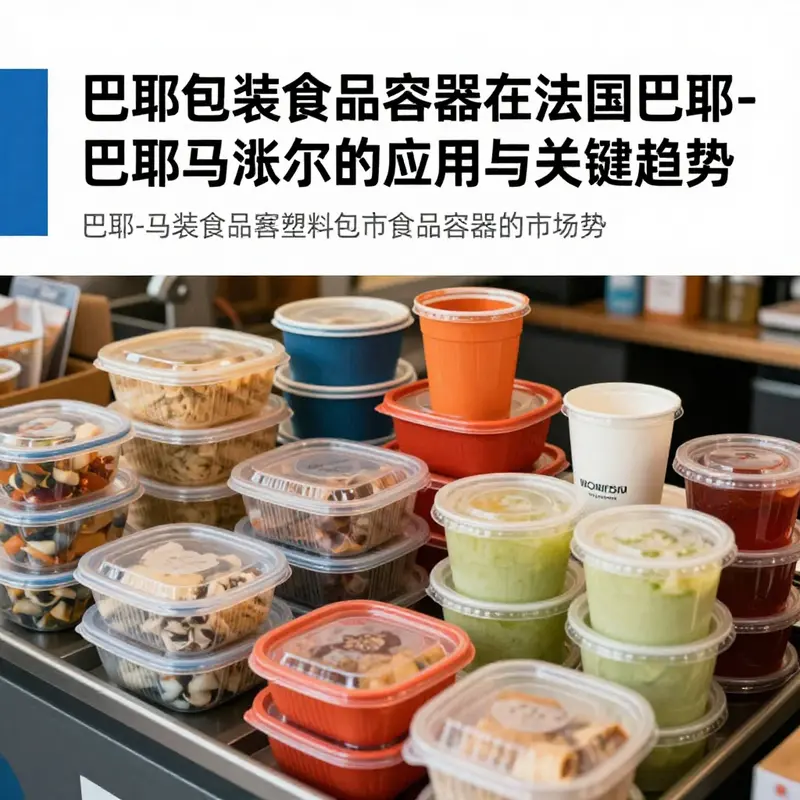
Baie-Mahault sits at a crossroads of Caribbean immediacy and continental regulation, a place where everyday meals, from fresh fruit to ready-to-eat dishes, move through a web of small retail stalls, neighborhood markets, and quick-service points. The city itself is not defined by a single packaging impulse, but by a practical reality: food needs to be transported, displayed, and consumed with minimal risk of leakage, while also traveling across borders—often by ferry, air, or road networks that link the island to larger trade routes. In such a setting, plastic food containers are less a niche product than a core infrastructure. They enable portion control, preserve freshness, and support the fast turnover that keeps local eateries and shops viable in a market where time and reliability matter as much as price. Across Baie-Mahault and the broader French packaging ecosystem, the story of plastic containers is thus a chapter about balance—between convenience and environmental responsibility, between lightweight design and robust performance, and between local demand patterns and national or European policy directions that push toward smarter, more sustainable packaging futures.
The broader French market provides a useful lens for understanding Baie-Mahault’s dynamics, even if city-level data remains scarce. France’s packaging sector, as a whole, has shown both resilience and adaptation in recent years. Industry forecasts place the France Packaging Market value at around USD 32.88 billion in 2026, with a projected compound annual growth rate (CAGR) of roughly 3.72% through 2031. This trajectory signals steady demand for packaging that safeguards food, supports logistics efficiency, and aligns with consumer expectations for convenience. Plastic containers, in particular, continue to play a dominant role in many segments of food storage and transport because they offer durability, cost efficiency, and compatibility with a wide range of product types—from fresh fruit and salads to cooked dishes and snacks. In Baie-Mahault, where small businesses and food-service operators often operate with tight margins and rapid service models, these attributes translate directly into everyday choices about packaging formats, materials, and supply sources.
The national momentum toward more sustainable packaging does not exist in isolation from practical realities. The European Union, and by extension France, has been actively encouraging a transition away from single-use plastics, promoting recyclable and biodegradable alternatives, and fostering innovations that improve the recyclability of containers and the incorporation of recycled content. Yet, the appeal of plastic remains strong for many food applications because its barrier properties, light weight, and lower cost per unit continue to support efficient handling, transport, and display—especially in a market where logistics on an island can elevate the importance of reliable, low-cost packaging. The tension between environmental policy goals and the operational benefits of plastic is not resolved in a single moment; instead, it unfolds through gradual design optimization, regulatory compliance, and the gradual maturation of recycling infrastructure that makes recycled-content plastics a more viable option for food containers. In Baie-Mahault, this tension reveals itself in both procurement decisions—where buyers weigh upfront costs and performance—and in long-term supply chain planning, where distributors and retailers consider how packaging choices affect waste streams, disposal costs, and potential take-back or recycling initiatives.
From a supply-chain perspective, Baie-Mahault’s position within the French and broader Caribbean market means packaging decisions are often shaped by a mix of imported inputs and locally served needs. Overseas departments like Guadeloupe rely heavily on imports for many consumer goods, including packaging coming from continental France and beyond. This reality elevates the importance of reliable suppliers who can ensure consistent quality, timely deliveries, and compliance with local and EU regulations. It also underscores the value of packaging designs tailored to regional usage patterns: containers that perform well in warm, humid climates; that resist grease and moisture from popular fried and greasy foods; and that maintain clarity for display purposes in markets where fresh appearance can drive sales. The design brief includes a demand for containers that are slim and stackable to save space in small kitchens and shops, while remaining robust enough to withstand transport and handling during busy service periods.
The regional context, while not always captured in municipal dashboards, is reinforced by a recognizably national pattern: a sustained appetite for plastic food containers across sectors—retail, catering, street food, and packaged foods. The demand is not simply for a single container type but for a spectrum of forms, sizes, and barrier performances that can accommodate everything from delicate salads to hot, saucy dishes. In such a market, suppliers are continually refining designs to optimize material efficiency, reduce weight without compromising integrity, and introduce recycled-content options that satisfy increasingly stringent environmental expectations. The ongoing dialogue between regulators, manufacturers, and end users pushes the market toward smarter packaging that can be more easily integrated into recycling streams, while still delivering the convenience and affordability that local businesses rely on every day.
For practitioners eyeing Baie-Mahault specifically, the absence of granular city-level statistics should not obscure the clear signals coming from the national scene. The local demand is driven by food service activity, grocery retail, and micro-producers who rely on packaging to protect, present, and transport products efficiently. The island geography intensifies the importance of packaging choices that support extended shelf life, lower spoilage, and predictable performance across the distribution chain. It is not only about keeping food safe; it is about ensuring that containers can travel from market stalls to homes with minimal waste and minimal cost, a factor that weighs heavily in procurement negotiations and supplier selection.
The innovation landscape in this space is encouraging. Across Europe, and by extension in France, there is momentum around recycled-content plastics, mono-material designs to simplify recycling, and packaging geometries that reduce material use while preserving barrier properties. In practice, these advances translate into containers that are lighter yet sturdier, more transparent for product visibility, and more compatible with automated sorting and recycling infrastructure. Companies operating in Baie-Mahault can benefit from such innovations by choosing packaging options that not only meet current performance needs but also align with evolving waste-management capabilities in Guadeloupe and the broader French system. The market dynamics suggest that retailers and food-service operators may increasingly favor containers that demonstrate clear environmental credentials, with verifiable recycled content and end-of-life compatibility that fits into established or emerging recycling streams.
The practical reality for Baie-Mahault businesses is that packaging decisions are rarely theoretical. They hinge on real-world trade-offs: cost against performance, convenience against sustainability, and local supply certainty against global market volatility. To navigate these tensions, operators can draw on national market intelligence while staying attuned to local supply capabilities. One practical entry point is to observe how nearby markets and regional distributors adapt to regulatory shifts and consumer expectations, then translate those learnings into procurement strategies that suit the island’s logistics and consumer base. For instance, a takeaway-focused retailer might seek packaging that balances lightweight construction with grease resistance, while a fruit and salad seller could prioritize clear, leak-resistant containers that preserve appearance and freshness. In this context, the breadth of the French packaging market offers a menu of options, but adaptability remains key for Baie-Mahault’s specific climate, logistical constraints, and consumer preferences.
To illustrate how the packaging conversation translates into design and procurement considerations on the ground, consider the evolving role of take-away packaging in similar markets. For a practical sense of how take-away packaging is evolving in related contexts, see custom-takeaway-packaging-supplies-disposable-tableware-for-theme-party. This example points to a broader trend: operators search for combinations of customization, disposability, and environmental responsibility that help them stand out while maintaining efficient operation. While the Baie-Mahault ecosystem has its own peculiarities, the underlying drivers—cost control, product protection, and consumer appeal—resonate across the region and beyond. The channel dynamics that govern supplier choice in such contexts—regional distributors, importers, and local service providers—will increasingly favor partners who can deliver reliable supply, compliance with evolving standards, and packaging that aligns with local waste-management practices.
The external horizon likewise frames Baie-Mahault’s packaging opportunities. France’s packaging market is projected to continue its growth trajectory, reflecting steady demand for plastic containers alongside a more pronounced commitment to recyclability and circularity. The regulatory and policy environment will shape product development cycles, with innovation oriented toward containers that are lighter, easier to recycle, and capable of incorporating higher recycled-content fractions. For stakeholders, this means planning that looks beyond the immediate price point to include long-term supply stability, end-of-life outcomes, and alignment with imported goods’ handling in Guadeloupe. In practice, this translates into stronger relationships with distributors who understand regional customs, shipping schedules, and regulatory expectations, coupled with a willingness to invest in packaging solutions that perform reliably in humid, warm climates while remaining compatible with the island’s waste-management infrastructure.
The broader market outlook—sustained demand for plastic food packaging containers across France and its overseas departments—suggests continued opportunities for Baie-Mahault. It also implies that local operators should remain attentive to regulatory signals that favor recyclability, recycled content, and design-for-disassembly approaches. At the same time, the island context will demand careful attention to logistics, supplier reliability, and the need for packaging that protects food integrity during transit to homes and markets. In short, Baie-Mahault’s packaging decisions sit at the intersection of practicality and policy, tradition and innovation, local habits and global supply chains. As the market evolves, the best path forward will be one that keeps food safe and accessible while progressively reducing the ecological footprint of the containers that carry it.
External reference: https://www.grandviewresearch.com/industry-analysis/france-packaging-market
Tides, Trash, and Trade: The Environmental Footprint of Plastic Food Packaging in Baie-Mahault, Guadeloupe
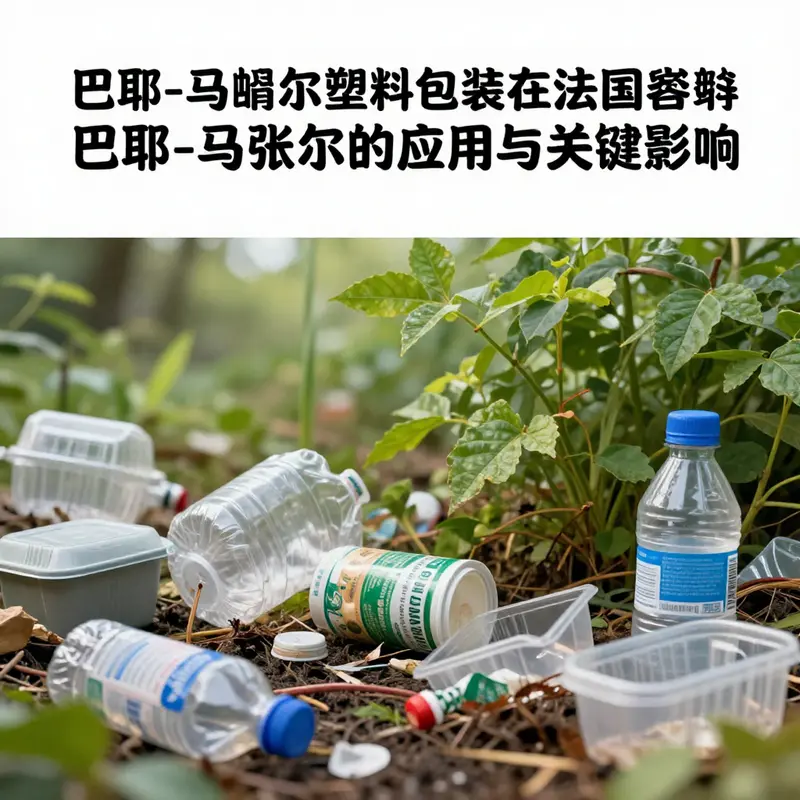
Baie-Mahault sits at a crossroads where daily life, commerce, and coastal realities collide. In a place where markets pulse with fresh produce, street-side meals, and busy logistics hubs, small but persistent echoes of a global packaging system travel from supply lines to kitchens and back to the sea. The chapter that follows stitches together the broad trajectory of plastic food packaging with the very local rhythms of Baie-Mahault, offering a lens on how a seemingly ordinary commodity becomes an environmental issue when scaled by ocean currents, weather, and human behavior. What happens here reflects a wider truth about plastics: their utility often outpaces the systems designed to manage them, and the consequences are felt most acutely where land and sea meet. Environmental considerations are not abstract here; they are part of daily life, from the way a fruit carton is disposed of after a market run to how a neighborhood beach becomes a screening ground for distant plastic legacies.
Global data frame the concern with stark clarity. Annually, millions of tons of plastic enter marine environments, a mass of pollution that grows even as recycling rates remain stubbornly low. The oft-cited global figure—billions of pounds permeating the oceans—translates locally into shoreline litter, stormwater runoff, and wind-borne debris that travels far from its original source. In Baie-Mahault and similar coastal zones of France’s Caribbean territories, the process is visible in microcosm: plastic fragments and packaging waste wash onto beaches, snag in mangroves, and drift along tidal channels that ferry them toward the Atlantic. The visible symptoms of the problem—tangled sea grass, litter-streaked shorelines, and plastic bags snagged in coastal vegetation—are the easy tells. The more troubling signals run deeper, into the bodies of marine life that intersect with these materials every day.
If one imagines the Atlantic as a living system, the plastic streams feeding into it are like an unseen tributary network. A widely cited line of research from the Proceedings of the National Academy of Sciences highlights a stark trend: a vast majority of seabirds, estimated at 90%, have ingested plastic, a figure projected to rise toward 99% by 2050 if current currents persist. While Baie-Mahault is not the sole theater for this warning, the locality embodies the mechanism by which global packaging flows translate into ecological risk. Plastic packaging used for fruit, salads, pre-prepared meals, and other ready-to-eat foods leaves a chain of custody from producer to consumer that almost inevitably ends in waste. In a region already navigating climate-impacted weather patterns and vulnerable coastal ecosystems, the cumulative effect of this waste is more than a static issue of litter; it is a dynamic force that can alter microbial communities in shorelines, shift feeding behavior in coastal fauna, and stress integrated waste-management systems that are tasked with capturing what storms and tides sweep ashore.
To understand Baie-Mahault’s position, it helps to consider the local waste management landscape alongside global production rhythms. European and French governance has long pursued a policy arc that questions single-use plastics and promotes reduced consumption, material substitution, and increased reuse and recycling. Yet the practical application of these principles in Baie-Mahault is tempered by logistical realities: demand for affordable, lightweight packaging remains high in local markets, and the economics of alternative materials, collection, and processing infrastructure do not always align with immediate cost or convenience. In other words, plastic packaging remains a dominant tool in the local food economy because it offers low cost, durability, and familiarity to retailers, markets, and small producers who need packaging that protects products during transport and on display. The tension between these practical needs and environmental ambitions is not a theoretical dilemma; it plays out in every open-air market stall, every delivery route, and every curbside cleanup effort on a windy afternoon along Baie-Mahault’s coastline.
This tension is reinforced by the practical realities of waste transport and dispersion. In a climate where rainfall patterns can be intense and episodic, stormwater systems may not fully contain plastic fragments that originate from markets, restaurants, or homes. The wind, a persistent force along the Caribbean coast, can lift lighter packaging and push it between streets and canals, guiding bits of refuse toward drainages that feed into larger water bodies and, ultimately, the ocean. The result is a sediment of packaging waste that exists not only as visible debris but as an enduring component of the coastal environment’s material memory. The Baie-Mahault story thus sits at the intersection of consumer behavior, municipal policy, and the physical realities of an open, wind-swept coastline. In this sense, the chapter extends beyond a simple critique of plastic waste; it asks how a community can reconcile a necessary packaging system with a growing imperative to protect adjacent marine habitats and global ocean health.
There is a clear urgency for action, not as a distant political ideal but as a local practical imperative. The global fact that only a small fraction of plastics are recycled underscores the scale of the challenge for Baie-Mahault’s waste-stream management. The European push toward more sustainable and circular packaging—favoring recyclability, reuse, and alternative materials—offers a policy framework, yet the translation of these frameworks into local practice requires community engagement, investment in collection and processing, and a shift in consumption patterns. In Baie-Mahault, a concerted move toward sustainable packaging options could unfold along several converging paths. First, retailers and food-service operators can favor packaging that is easy to recycle and that aligns with established local recycling streams, reducing contamination and improving material recovery rates. Second, municipal authorities can support extended producer responsibility schemes, which incentivize suppliers to design packaging with end-of-life recovery in mind. Third, consumer education campaigns can nudge households toward more deliberate choices about how packaging is disposed of, reused, or refilled. Each of these steps maintains the essential role that plastic packaging plays in ensuring food safety, shelf-life, and affordability, while also building resilience in the local waste-management system.
In practical terms, Baie-Mahault—and, by extension, Baie-Mahault’s surrounding communities—can look to small, scalable changes that mirror broader European trends. One notable approach is to broaden the adoption of reusable or recyclable packaging in takeout and ready-to-eat sectors. Such moves are not only environmentally prudent but can also offer cost savings or brand differentiation for forward-thinking local businesses. The shift toward recyclable or compostable packaging resonates with global narratives around the environmental impacts of plastics, yet it requires a deliberate alignment of supply chains, consumer expectations, and waste streams. A useful dimension of this shift is the growing availability and visibility of sustainable packaging options, including packaging that minimizes material use while preserving product safety and freshness. In the local market, this translates into a spectrum of choices—from lightweight, recyclable containers to design innovations that enable easy separation of components for recycling. To illustrate how businesses can begin integrating these ideas, one can imagine packaging options that emphasize clarity for product visibility, while ensuring that the materials remain compatible with local recycling infrastructure and composting programs where relevant. The effect would be to reduce the influx of contaminant-laden packaging into waste streams and to improve the efficiency of material recovery.
For readers seeking practical pointers that connect theory to daily practice, consider exploring sustainable packaging options that align with local realities. A relevant, accessible avenue is the adoption of takeout packaging that is designed for reuse or easier recycling. Such options can be introduced gradually in markets and eateries, allowing consumers to acclimate to new norms without disrupting the essential logistical functions of food service. In this regard, one can observe a broader trend toward packaging that emphasizes both functionality and environmental responsibility. The transition, while gradual, holds promise for reducing the environmental footprint of food packaging in Baie-Mahault, particularly when paired with enhanced waste collection, better litter control, and community stewardship of coastal zones.
Of course, any discussion of packaging’s environmental footprint must also confront the broader reality that the problem is not isolated to Baie-Mahault alone. The Caribbean, like many coastal regions, bears a disproportionate share of plastic waste escaping into the ocean due to a combination of population density, tourism, trade activity, and variable waste-management capacity. The local case study thus reflects a larger pattern in which economic activity and packaging design intersect with ecological vulnerability. In this context, the conversation about packaging becomes a conversation about resilience—how a community can maintain the benefits of plastic-based food packaging while strengthening its ability to capture, recover, and reuse plastics before they reach the sea. Through coordinated action—improved waste management, targeted policy measures, and public engagement—Baie-Mahault can contribute to a regional improvement that resonates across the Atlantic.
The practical path forward involves both systemic changes and everyday decisions. On the systemic side, municipalities can pursue improvements to stormwater controls, litter abatement programs, and convenient recycling points that discourage illegal dumping and reduce the opportunities for packaging to escape into waterways. On the everyday side, residents can adopt habits that minimize plastic leakage: properly sealing bags, using reusable containers for leftovers, and supporting retailers that participate in take-back or reuse programs. In this context, even small acts—like returning a container for reuse or choosing packaging that is widely accepted by local recyclers—accumulate into a meaningful reduction in the amount of packaging that ultimately becomes marine litter. The synergy between policy, business practice, and consumer behavior is what makes a local shift feasible and durable.
In Baie-Mahault, the dialogue around plastic packaging’s environmental footprint thus hinges on recognizing the location-specific realities while embracing the broader scientific and policy-driven arguments for change. The marine environment does not respect municipal boundaries, and the sea’s health reflects the cumulative outcomes of countless markets, kitchens, and households. As the region navigates this shared challenge, it can draw inspiration from practical packaging innovations and community-led waste-management initiatives that align with local culture and economy. This alignment is crucial because sustainability, when it feels relevant to daily life and market needs, becomes a more persuasive and enduring choice rather than a distant regulatory ideal. In this way, Baie-Mahault can become a model of how a coastal community negotiates the trade-off between the undeniable benefits of plastic packaging for food security and safety and the urgent imperative to protect its waters, shores, and living creatures.
For readers who want to see a tangible connection between packaging choices and environmental outcomes, consider the broader ecosystem of packaging solutions evolving in response to global pressures. The availability of alternatives—whether reusable systems, more recyclable formats, or compostable materials—offers a menu of options that communities can adapt to their own infrastructure. In Baie-Mahault, the adoption of such solutions benefits from leadership that couples policy clarity with practical pilot programs in markets, schools, and local eateries. By prioritizing packaging that travels lighter on the environment and by building the social and physical infrastructure to recover and repurpose materials, Baie-Mahault can move beyond the paradox of needing packaging to protect food while not compromising the health of its coastline and its seas. This is not merely a local excursion into environmental ethics; it is a necessary recalibration of how a coastal economy functions in a world where plastic footprints are increasingly legible and where collective action determines whether those footprints become stepping stones toward a sustainable future.
In sum, Baie-Mahault’s environmental narrative around plastic food packaging is a microcosm of a global crisis and a local opportunity. The sea’s testimony is clear: plastics should not be allowed to dictate the health of marine ecosystems or the well-being of coastal communities. The path forward demands a blend of policy framework, business adaptability, and citizen participation that reshapes how packaging is designed, used, collected, and reused. The aim is not to demonize plastic packaging but to reimagine its role in a way that preserves the essential benefits of modern food systems while reducing ecological harm. As Baie-Mahault continues to balance commerce with stewardship, the chapter of local action will increasingly inform neighboring islands and coastal regions throughout the region, contributing to a broader, more resilient Atlantic narrative.
For those who want to explore a concrete example of sustainable packaging solutions in practice, consider how modern takeout systems can be reimagined to reduce waste while preserving food safety and convenience. See an option such as eco-friendly takeout boxes to visualize how lightweight, recyclable, and reusable designs can fit within the needs of local markets without compromising performance. This kind of shift—supported by policy, refined by business models, and embraced by consumers—offers a practical pathway from the coastal edge of Baie-Mahault toward a cleaner, more sustainable ocean and shoreline. The evidence and the urgency are clear, and the opportunity to translate global knowledge into local action has never been more tangible.
External resource: The Proceedings of the National Academy of Sciences study on plastic ingestion in seabirds (2026) provides a rigorous scientific backdrop for understanding why reductions in plastic packaging leakage are essential for marine life conservation. https://www.pnas.org/doi/10.1073/pnas.2519875123
Sourcing and Suppliers for Plastic Food Containers in Baie-Mahault: Local Names, Practical Steps, and Compliance

Local suppliers shape how food businesses in Baie-Mahault access plastic packaging. Baie-Mahault sits on Guadeloupe, an overseas region of France with island logistics that affect procurement. Businesses here rely on a mix of local distributors, regional importers, and international manufacturers. Two names commonly found in local supply listings are Impec Zac. Guadeloupe and Socarimex. These companies act as gateways: they stock inventory, handle small-batch orders, and bridge the gap between international producers and island buyers. For restaurants, retailers, and small food processors, this combination of local availability and import capability matters more than brand alone.
Understanding the supplier landscape starts with roles. Local distributors carry ready-to-use items for immediate needs. They offer quick restock, local warranties, and often a hands-on relationship. Regional importers bring larger variety and scale. They consolidate shipments, reducing per-unit cost, but require longer lead times. Direct foreign manufacturers, reached through global trading platforms, deliver lower unit prices on large orders. However, these options involve shipping delays, customs paperwork, and minimum order quantities that may not fit every small business.
Buyers in Baie-Mahault must match supplier type to business priorities. If speed matters, local distributors are preferable. If cost-per-unit is crucial and storage space exists, regional importers or direct international purchases make sense. For niche packaging types, such as specific windowed salad boxes or specialized clamshells, combining a local supplier for emergency stock and an importer for planned bulk orders is often optimal.
Food safety and regulatory compliance are non-negotiable. Because Guadeloupe is part of France and the EU, food-contact packaging must meet European food safety standards. Suppliers should demonstrate conformity with EU food contact regulations. When items might circulate beyond EU borders, buyers should also consider international standards, such as those recognized by North American regulators. Always request documentation. Certificates, material declarations, and test reports provide assurance about migration limits and safe additives. A reliable supplier will supply these transparently and swiftly.
Material choice influences both functionality and compliance. Common plastics used for food containers include polyethylene terephthalate (PET), polypropylene (PP), and polystyrene (PS). PET offers excellent clarity and is widely recyclable. PP resists heat and suits hot-fill or microwave applications. PS is economical and rigid but less suited for reheating. Emerging bio-based materials aim to reduce fossil feedstock, but they carry trade-offs. Bioplastic alternatives may not be accepted by local recycling streams. Confirm with the supplier whether materials suit local waste management. Also verify temperature limits, sealing compatibility, and shelf-life considerations for the packaged food.
Sustainability and regulation are shifting buyer decisions. The EU’s policies encourage reduced use of disposable items. Local waste infrastructure and consumer expectations in Guadeloupe reflect these shifts. Suppliers increasingly offer containers that are recyclable or designed for reuse. Yet availability and cost remain barriers. When evaluating suppliers, ask about recycled content, recyclability in local streams, and any take-back or circular programs. Some distributors partner with regional recyclers to ensure specific polymer streams are processed locally.
Logistics on an island influence supplier choice more than many assume. Freight schedules, customs clearance, and seasonal demand spikes can create vulnerability. Local suppliers mitigate risk by keeping inventory on hand. Importers reduce price risk by using consolidated shipments and scheduled deliveries. When ordering from overseas manufacturers, factor in port handling, import duties, and inland transport time to Baie-Mahault. Also plan for storage: humidity and temperature on the island can affect both packaging performance and shelf life. Work with suppliers who understand these constraints and can advise on safe storage practices.
Quality control is essential and achievable with a practical approach. Ask for material samples and production photos. Request small trial orders before committing to large volumes. For long-term relationships, schedule periodic quality audits. If testing is needed, request third-party lab reports or arrange local testing for migration and contamination. Reliable suppliers will offer traceability and batch information, enabling faster response to issues.
Pricing discussions should consider total landed cost, not just unit price. Include freight, customs fees, local distribution charges, and waste disposal costs. For reusable or higher-quality containers, amortize the cost over their expected number of uses. For single-use items, calculate disposal and compliance implications. In many cases, slightly higher initial investment in a better container reduces food waste, improves customer perception, and lowers disposal costs.
Practical procurement tips for businesses in Baie-Mahault:
- Build a two-tier supplier plan: one local partner for urgent needs; one regional or international source for bulk purchasing.
- Maintain a simple stock buffer to absorb shipping delays.
- Standardize container types across menus and products. Consolidation reduces SKUs and simplifies ordering.
- Insist on food-contact documentation before purchase.
- Test sealing and stacking in real operating conditions, not just on a supplier’s bench.
- Explore take-back or recycling programs where available.
For operators exploring alternatives to traditional plastics, a gradual approach works best. Trial compostable or fiber-based containers on limited menu items. Ensure local composting facilities accept those materials. If not, customers may mistakenly send them to landfill, negating benefits. Some suppliers offer hybrid options: paper structures with a minimal inner lining. These reduce plastic content while preserving functionality. Regional partners can advise which options align with local waste processing.
Local suppliers such as Impec Zac. Guadeloupe and Socarimex often understand these local realities. They can propose blends of products suited to island storage, transport, and waste systems. When approaching these suppliers, be ready with specific requirements: container dimensions, fill volumes, sealing methods, and expected shelf life. This specificity speeds quotations and ensures accurate samples.
International sourcing remains accessible for buyers needing specialized shapes or competitive pricing. Online trade platforms list manufacturers who supply food-grade containers in various materials and finishes. When dealing with distant suppliers, focus on lead times, sample approval processes, and clear incoterms. Use a logistics partner experienced with Caribbean shipping. For single orders, grouping items into consolidated shipments reduces costs.
A simple operational checklist helps buyers in Baie-Mahault make responsible choices. Verify material and food-contact certificates. Confirm recyclability or compostability in local streams. Check minimum order quantities against storage capacity. Test containers for fit and durability. Negotiate return or replacement terms for defective batches. Finally, track total cost, including disposal and customer feedback, to refine future orders.
Some businesses supplement their package lineup with smaller ancillary items like disposable sauce pots. These small containers affect portion control, presentation, and cost. For suppliers offering such items, confirm lid compatibility and leak resistance. For a practical look at typical sauce container options, consider reviewing available designs for portioned condiments and lids for small containers such as those used in local takeout operations. See disposable sauce containers for a visual and specification reference.
Choosing the right supplier in Baie-Mahault means balancing responsiveness, compliance, cost, and sustainability. Local distributors provide speed and support. Regional importers supply scale and variety. International manufacturers offer price advantages on large volumes. The best procurement approach blends these options. Focus on clear specifications, documented compliance, and operational testing. Over time, build partnerships with suppliers that understand island logistics and local regulations. These relationships reduce risk, improve packaging performance, and help businesses adapt as regulations and consumer expectations evolve.
For buyers who want to compare typical international product offerings and pricing, a global B2B platform illustrates standard product types and bulk pricing. Refer to an international trade listing for transparent market pricing and baseline specifications: https://www.alibaba.com/product-detail/Plastic-Clear-Food-Container-Packaging-for-Fruit_1600745328181.html
Shifting Currents: Navigating the Emerging Landscape of Plastic Food Packaging in Baie-Mahault, Guadeloupe
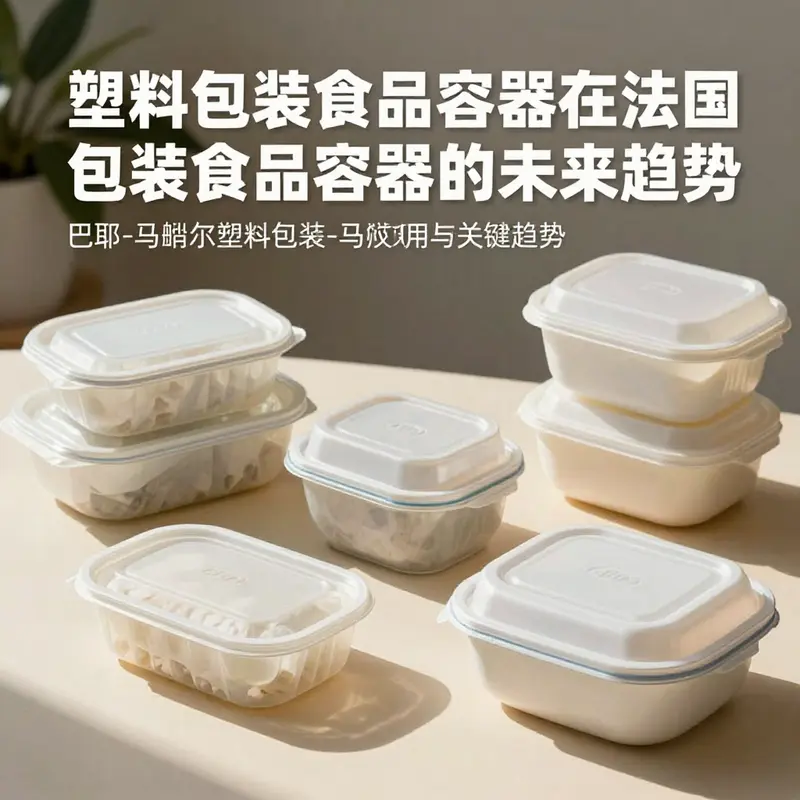
Baie-Mahault sits at a strategic crossroads in the Caribbean arc of Guadeloupe, a French overseas department where local commerce meets continental policy. The town functions as a nexus for distribution, hospitality, and daily life, and its plastic packaging choices for food containers ripple outward to retailers, street vendors, and small-scale producers across the archipelago. In this setting, the future of plastic packaging is not solely a matter of material chemistry or factory efficiency; it is a test of how global trends bend to local routines, how regulatory frameworks translate into everyday practice, and how design can harmonize convenience with responsibility. The broader European push toward sustainability clearly touches Baie-Mahault, even as the region grapples with its own infrastructural realities, recyclability challenges, and consumer expectations shaped by a diverse mix of residents and visitors. As in mainland France, the packaging sector here is reframing itself around durability, cost-effectiveness, and end-of-life considerations, while aspiring to maintain the speed and reliability demanded by a busy food service ecosystem and a retail sector prone to rapid turnover of goods.
The trajectory outlined by recent industry analyses places Baie-Mahault within a French and European market that expects growth in flexible plastic packaging, driven by demand for lightweight, transparent, and robust containers suited to fruits, salads, ready meals, and other convenient formats. The figures cited for the broader French market show a robust expansion: the flexible plastic packaging segment has been projected to reach a significant scale in the mid-2020s, with ongoing momentum through 2030. This growth is not just about larger production volumes; it reflects a shift in consumer behavior toward on-the-go meals, more frequent takeaway, and the continual need for packaging that preserves product integrity from shelf to table. The circular economy narrative—reduced waste, improved recyclability, and designs that favor reuse—looms large in policy discussions and industry roadmaps alike. For Baie-Mahault, these developments translate into concrete opportunities to adopt more efficient packaging systems that align with both regulatory direction and local market demands.
From a materials perspective, the industry conversation has begun to emphasize polymers that balance performance with recyclability. In practice, suppliers and manufacturers in or serving Baie-Mahault are increasingly turning to materials such as polypropylene and polybutylene terephthalate, not only for their barrier performance and lightness but for their compatibility with sorting streams that European programs are trying to optimize. The shift toward these polymers resonates with a broader European trend toward more recyclable plastics and fewer persistent contaminants in waste streams. Yet the local reality must be acknowledged: overseas departments often confront unique logistical constraints, including access to recycling infrastructure, collection frequency, and consumer participation in take-back or separation programs. Packaging solutions in Baie-Mahault thus need to be adaptable, not only to European standards but to the practical rhythms of daily life in a tropical climate, where product freshness and temperature stability matter as much as appearances and price.
In this context, the design philosophy behind plastic food containers is evolving. Designers and manufacturers are exploring ways to extend the life of containers through better seals, clearer visibility of contents, and modular formats that can be repurposed for multiple uses. The circular economy narrative has begun to inform product development, with an emphasis on designing for disassembly, facilitating sorting at the end of life, and enabling potential reuse in community or institutional programs. While single-use formats remain widely used due to their low cost and convenience, there is a growing appetite in Baie-Mahault for packaging that supports reusability, resale, or safe return, especially in the food service and takeout segments. This is partly driven by customer expectations, which increasingly favor brands and suppliers that demonstrate clear commitments to waste reduction and responsible sourcing. The practical implication is that local players are experimenting with packaging that, while still economical, carries the potential for improved end-of-life outcomes, such as easier separation of polymer types or compatibility with recycling streams that are gradually being expanded in the region.
A key driver of change is the balance between cost and capability. For many retailers and small producers in Baie-Mahault, the allure of a lightweight, transparent container is strong because it reduces shipping weight, lowers material costs, and showcases product quality. Yet this same logic can clash with waste management realities. A container that is easy to manufacture and inexpensive may prove harder to recycle if it uses blends or additives that complicate sorting. Consequently, suppliers are increasingly offering options that align with established sorting practices while maintaining performance. In practice, this often means emphasizing materials that can be separated from paper, metal, or other polymers at end-of-life facilities, or at least routed into recycling streams that are already in operation in the French marketplace. The result is a packaging landscape where material choice, design features, and waste management compatibility are considered in tandem, rather than as separate optimization problems.
The conversation about innovation in Baie-Mahault also nods to the potential for nearshore and regional manufacturing configurations. While global supply chains remain an influential force, the ability to source packaging locally or regionally can reduce lead times, soften price volatility, and support more responsive product development cycles. Local producers are thus positioned to experiment with small-batch runs that test new materials, barrier technologies, or recycling-friendly geometries without the risk inherent in long-distance logistics. This approach dovetails with the broader French and European emphasis on circular solutions, where the emphasis shifts from purely minimizing material usage to optimizing the entire lifecycle of packaging—from design to end-of-life handling. In practice, that means more collaborations between food producers, packaging designers, waste management organizations, and policymakers to align incentives, ensure safety and regulatory compliance, and promote consumer confidence.
One practical implication of these trends for Baie-Mahault is the growing importance of documentation and labeling that clarifies material composition and end-of-life pathways. Consumers and small businesses alike benefit from straightforward guidance about whether a container is recyclable, compostable, or reusable within local systems. Transparent labeling supports sorting accuracy and reduces the incidence of contamination in recycling streams. It also helps food service operators in Baie-Mahault plan procurement more strategically, choosing containers that fit both their branding goals and their waste management capabilities. In this sense, the future packaging ecosystem in Baie-Mahault will likely rely less on a single perfect material and more on a portfolio approach: a mix of plastics optimized for different applications, complemented by paper-based alternatives where feasible, all designed with clear lifecycle information.
For buyers and suppliers seeking to navigate this evolving terrain, the takeaway is not to chase a single “best” material but to build capabilities around adaptability and transparency. This includes understanding how end users interact with packaging—from the moment a product leaves a store shelf to the moment it is disposed of or returned. It also means recognizing the role of policy in shaping demand. France’s and the European Union’s ongoing efforts to reduce single-use plastics, promote recyclability, and encourage safer, more sustainable packaging options influence what is prioritized in Baie-Mahault. Industry players are responding by investing in more recyclable resins, testing biobased or compostable options where appropriate, and exploring designs that simplify sorting. These steps, while not without cost and operational considerations, are gradually becoming standard practice as markets respond to both regulatory signals and consumer expectations.
In thinking about the link between local practice and global trends, it helps to consider how Baie-Mahault can view its packaging choices as a microcosm of a larger transition. The town’s retailers and food-service providers operate within a supply chain that must manage perishability, freshness, and convenience while contending with environmental scrutiny. The shift toward recyclable or reusable packaging does not happen in a vacuum. It requires investments in supplier knowledge, compatible equipment, and robust waste collection and processing networks. It also invites a broader dialogue among local authorities, industry groups, and the community about how to facilitate responsible packaging without sacrificing the speed and affordability that shoppers rely on. When these elements come together, Baie-Mahault can model a pragmatic version of circular economy principles that respects local realities while aligning with continental expectations.
In short, the future trends in plastic packaging for food containers in Baie-Mahault, and across Guadeloupe, are shaped by a dynamic blend of market growth, material innovation, design philosophy, and policy influence. The sector is moving away from a purely linear, cost-focused mindset toward a more holistic approach that considers the entire lifecycle of packaging. It remains a landscape of balancing acts—between speed and sustainability, between low cost and recyclability, between local realities and EU standards. Yet the momentum is unmistakable. With retailers’ demand for reliable, visually appealing, and safe containers, and with consumers increasingly aware of waste implications, Baie-Mahault stands to benefit from a packaging ecosystem that blends practical performance with responsible stewardship. As regional producers collaborate with packaging engineers, waste managers, and policymakers, the region can cultivate a repertoire of packaging solutions that meet today’s needs while laying groundwork for tomorrow’s innovations. This is not simply a regional trend; it mirrors a broader, ongoing recalibration of how modern food packaging is imagined, produced, and disposed of across a connected world.
For those seeking deeper context on these broader trajectories, a broader industry perspective on future trends in the global plastic food container market provides a complementary lens and underscores how Baie-Mahault’s experience fits into a wider pattern of transformation. See the discussion on future trends in the global plastic food container market.
Internal references and further reading can illuminate practical paths forward. For example, if you are exploring how to source eco-conscious takeout packaging that aligns with design-for-reuse principles while maintaining cost efficiency, a selection of online options demonstrates how these goals can be achieved in parallel with strong usability and food-safety standards. The specific online resource referenced here offers examples of multi-compartment, food-grade packaging that supports safe, convenient, and attractive presentation for a variety of foods, including ready meals and fresh fruit assortments. The takeaway is simple: packaging development in Baie-Mahault will increasingly hinge on materials and designs that not only perform in the short term but also fit within a clear, practical end-of-life pathway that local stakeholders can support and sustain.
As Baie-Mahault continues to grow as a logistics and consumer hub in the Caribbean, its packaging choices will increasingly mirror the complex demands of a modern economy. The path forward invites collaboration across sectors, investment in recycling and waste management capacity, and a willingness to experiment with material platforms that balance performance with responsibility. In doing so, Baie-Mahault can help set a practical standard for how small economies within larger political unions navigate the tension between convenience and environmental accountability, turning the challenge into an opportunity to shape packaging that is both fit for purpose and mindful of the world it inhabits.
External resource for broader context: https://www.linkedin.com/pulse/future-trends-global-plastic-food-container-market-12345/
Final thoughts
通过探索巴耶-马绍尔地区塑料食品包装容器的市场需求、环保影响、供应商及未来趋势,我们可以看到这一行业面临的挑战与机遇并存。企业必须在满足市场需求的同时,重视环境可持续发展的理念。通过选择合适的供应商和材料,商家能够提升自身的竞争优势,同时有助于环保。希望在未来,巴耶-马绍尔的塑料包装行业能以更可持续的方式发展,为社会与环境共同作出贡献。