
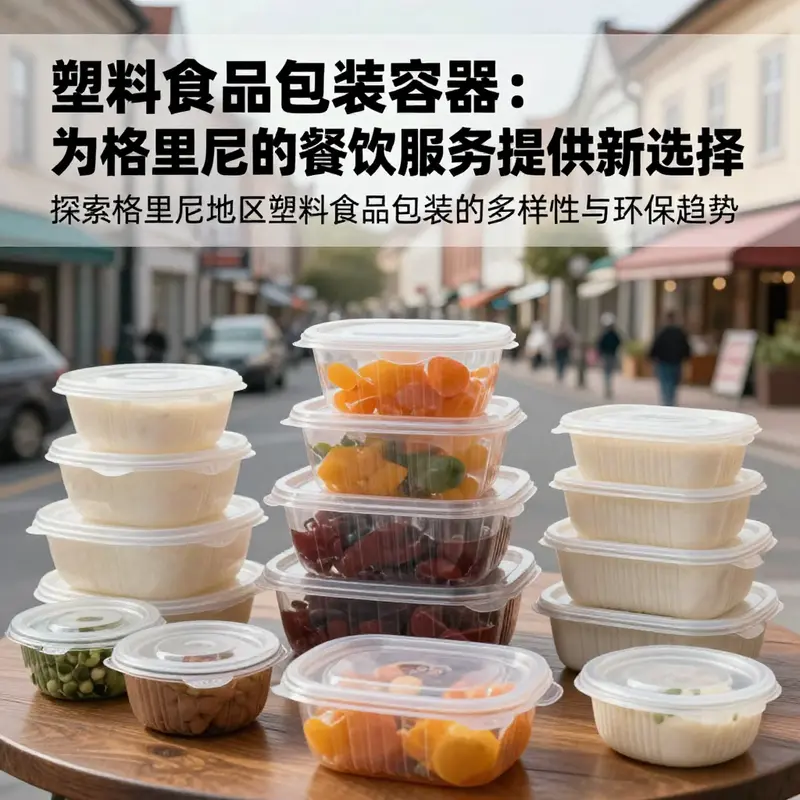
在格里尼,塑料食品包装容器的应用正变得越来越普遍。从泡泡茶商店到餐厅、外卖食品卡车,再到活动策划团队,这一包装方式由于其轻便性和低成本,推动着当地商业发展。随着环保法规的加强,了解不同类型的塑料包装、采购渠道和相关法规变得尤其重要。本文将详细探讨格里尼地区塑料食品包装容器的类型与应用、本地采购渠道以及必须遵循的环保法规。
From Tray to Table: The Role of Plastic Food Packaging Containers in Grigny’s Food Circuit
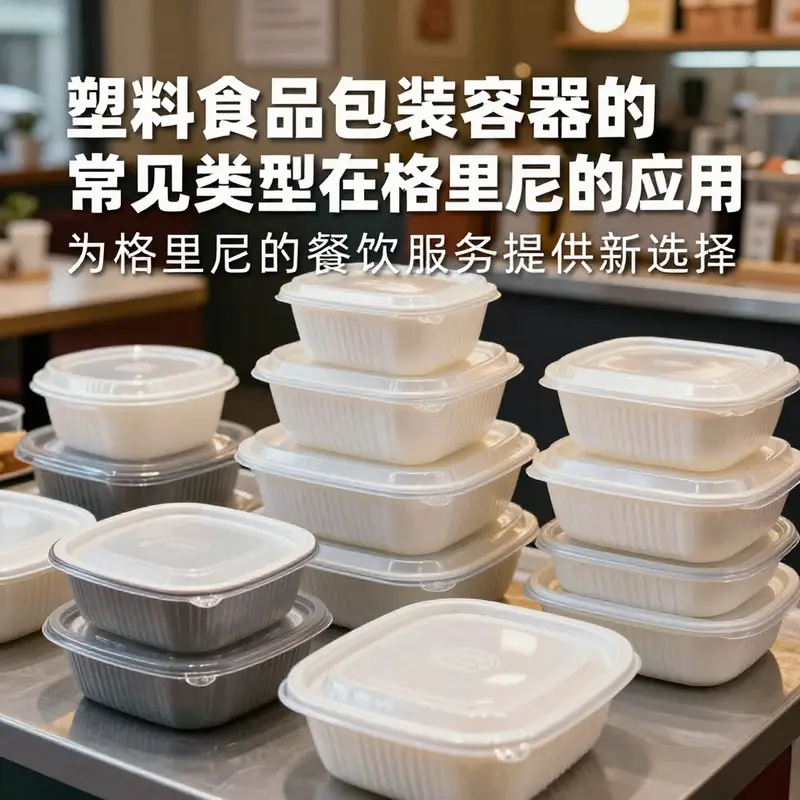
In Grigny, as in many urban and peri-urban pockets across France and Europe, plastic food packaging containers are not just packaging; they are integral to the daily choreography of dining, delivery, and retail. The story extends beyond mere material choice to encompass speed for kitchens, safety for customers, and a shifting set of expectations about the environmental footprint of every bite that travels from a cook’s station to a plate, or from a warehouse to a doorstep. Although the evidence specific to Grigny’s current suppliers and menus is not exhaustively documented in one fixed source, the broader patterns observed in nearby urban economies illuminate how packaging decisions unfold in such settings. These decisions hinge on the familiar triad of performance, cost, and governance, with a growing emphasis on recyclability and, where feasible, compostability, in line with broader European regulatory trajectories.
At the core, plastic food containers come in a family of formats that map directly onto the needs of Grigny’s diverse food economy. The most widely used category in delivered and takeout meals remains the heat-tolerant, impact-resistant containers made from polypropylene. These PP containers can withstand temperatures close to the upper limits of typical takeout use, including reheating in consumer microwaves, and they do so while remaining relatively light and affordable. The practical implication is a practical reliability for kitchens that ride the tempo of busy lunch and dinner rushes, especially in districts near dense residential clusters and transport hubs where delivery and dine-in services converge. In a town like Grigny, where meal distribution is not only local but also connected to the wider Île-de-France region, this reliability translates into lower breakage rates, reduced waste, and faster turnover of orders. Yet even as PP remains a workhorse, the story of plastic packaging cannot overlook the continued presence—and the evolving status—of other common formats used in the same locales.
One such format is the classic polystyrene container, which historically filled the role of convenient, lightweight packaging for quick-service boxes and bowls. Increasingly, however, PS containers face rising scrutiny due to environmental concerns and evolving regulations. In Grigny, as in many French municipalities, there is a clear push to transition away from materials with questionable end-of-life pathways toward options with clearer recyclability or compostability. This push resonates with local operators who must balance the need to keep menus accessible and affordable with the rising demand from customers and local authorities for packaging that aligns with a circular economy vision.
Beyond the rigid, microwavable PP boxes and the simpler PS alternatives lie a spectrum of options that reflect both recycling realities and the taste for more sustainable, sometimes even reusable, packaging workflows. In this context, the category of recyclable and degradable plastics has gained prominence. Materials such as PET and PLA are increasingly favored when they can meet the performance criteria of barrier properties, heat tolerance, and food safety standards. The appeal of these materials for Grigny’s caterers and retailers is twofold. First, PET and PLA offer pathways for more straightforward end-of-life processing within European recycling streams or composting systems. Second, they enable brands and vendors to articulate a clear sustainability narrative, a factor that increasingly resonates with customers who weigh the environmental implications of their food experiences as part of their everyday choices.
The packaging ecosystem also includes multi-use and semi-durable formats, which, though less common for single meals, play a role in the broader logistics and retail landscape. Boxes and bins fashioned from rugged yet recyclable plastics support warehousing, inventory management, and the back-of-house flow that underpins Grigny’s markets and food supply networks. In many cases, these containers are designed for multiple reuses, with lids and dividers that facilitate organization and portion control. They are particularly relevant to the distribution side of Grigny’s food economy, where cross-docking, batch processing, and cold-chain integrity require containers that do more than simply hold food. They must also withstand stacking, temperature fluctuations, and repeated handling across several stages of the supply chain.
In parallel with these core plastics, the thinner, flexible packaging sometimes used to wrap, wrap-and-raid, or enclose ingredients and snacks has its own set of considerations. Film bags and soft packaging, often composed of polyethylene or polypropylene blends, serve as critical complements to primary containers. They provide moisture barriers, portion delineation, and tamper-evident features that help maintain quality during transport. Yet, the environmental calculus for flexible films is nuanced. Recycling infrastructure for flexible plastics continues to evolve, and municipal programs in and around Île-de-France have become more discerning about what they accept and how. As a result, operators in Grigny face a practical need to align packaging choices with both the technical realities of their deliveries and the administrative realities of local waste streams.
The consumer-facing side of Grigny’s packaging story is inseparable from regulatory developments that now shape the entire field. France’s 2024 enforcement of the Loi d’orientation sur la transition énergétique marks a turning point, codifying expectations around recyclability and compostability for single-use plastic packaging. In practical terms, this translates into a checklist for Grigny’s operators: containers must be labeled to indicate recyclability with the universal “R” symbol or carry a compostability claim such as “OK Compost.” Materials used should be within the approved material families—PP, PET, and PLA are commonly referenced due to their recognized pathways in recycling or composting streams. A corollary is the prohibition of additives or microplastics that could compromise a product’s end-of-life fate or safety profile. The effect of these rules is not abstract. They push suppliers to design packaging with end-of-life in mind, push buyers to verify labeling during procurement, and push waste managers to ensure that what is collected actually re-enters a meaningful recycling loop rather than ending up in landfills or incinerators.
For Grigny’s food businesses, compliance also means paying attention to the labelling and documentation that accompany packaging purchased from suppliers. The labeling must communicate clearly the recyclability status and the material class, avoiding ambiguous certifications that may not align with EU or national recycling streams. The end user—whether a consumer in a Grigny café or a delivery rider handing off a meal at a door—benefits from packaging that is unambiguous about its disposal pathway. In practice, this fosters trust: customers feel confident that the packaging they see at the storefront or upon arrival corresponds to the environmental promises made by the establishment. And, as is often the case, clearer signaling of recyclability can reduce contamination in recycling streams, enabling higher rates of material recovery and a more efficient waste management process across the town and the surrounding region.
From the kitchen to the curb, the choice of plastic packaging in Grigny is also shaped by procurement channels that help translate regulatory ambitions into everyday practice. Local wholesalers and regional distributors play a central role in supplying containers that meet performance needs while aligning with regulatory constraints. In the Grigny area, as in many other French suburban zones, buyers typically rely on a mix of traditional distributors and online B2B platforms to source a broad range of packaging. The former offers the advantage of physical presence, local stock, and the ability to negotiate bespoke terms, including customized counts, branding opportunities, and reliable delivery schedules that fit a restaurant’s operating rhythm. The latter provides access to a broader portfolio of options, including materials that emphasize recyclability or compostability, and often enables smaller operators to place orders without large minimums. This hybrid approach mirrors a broader trend across European urban economies, where the need to balance cost, speed, and sustainability drives flexible, multi-channel sourcing.
In practical terms, a Grigny-based food business evaluating packaging options tends to start from core functional requirements: heat resistance, barrier performance to preserve flavor and freshness, stiffness for stacking and transport, and leak resistance. It then expands to a sustainability screen, looking for recyclability labels, the presence of post-consumer recycled content, and third-party certifications where applicable. The end-to-end supply chain, from raw material extrusion to packaging assembly and finally to waste management, forms a closed loop that must be navigated with care. The packaging choice, in this sense, becomes a decision not only about preserving a product’s integrity but also about aligning with a community’s broader environmental goals and the municipality’s waste treatment capabilities. In Grigny, there is a growing expectation that packaging suppliers can demonstrate transparent material provenance and consistent labeling to avoid the pitfalls of “greenwashing” and to support a credible, traceable sustainability story.
To illustrate how these ideas translate in real-world terms, consider the notion of a multi-compartment, takeout-ready packaging option. The need for portion control, sauce separation, and heat retention can be served by specialized containers that are designed to work in tandem with utensils and lids. A product like a three-compartment takeout container, designed to keep components distinct while maintaining microwave compatibility, serves as a practical example of how a single box can support a complete meal. For readers seeking a concrete reference point within the broader packaging ecosystem, this example is discussed in supply channels that emphasize eco-friendly choices, local delivery considerations, and the ability to tailor packaging to the type of cuisine and portion sizes common to Grigny’s restaurants and retailers. In this context, the packaging choice becomes a coordinating tool that helps a business deliver consistent quality, a positive customer experience, and a credible sustainability profile across orders of varying size and complexity.
A crucial facet of this narrative is the relationship between packaging design and the urban logistics that deliver meals to Grigny’s neighborhoods. The packaging must endure the rigors of multi-stop delivery, stay intact through the transfer between kitchen and rider, and perform reliably under varying weather and handling conditions. The consequence is a preference for containers with robust sealing, reliable lids, and clear visual cues about recyclability. The cultural and regulatory environment in Grigny therefore encourages a holistic approach: procurement teams analyze the life cycle of each packaging option, kitchens test the performance under realistic service conditions, and waste streams are monitored to assess actual end-of-life outcomes. In this ecosystem, the most successful packaging decisions are those that reduce waste, lower costs, and simplify logistics while ensuring safety and consumer satisfaction. As the municipality continues to refine its waste management infrastructure and as suppliers adapt to tighter environmental standards, Grigny’s packaging landscape will likely tilt further toward materials and configurations that emphasize recyclability, clear labeling, and compatibility with local sorting facilities.
For readers seeking a tangible example of a packaging option designed with these priorities in mind, a representative model exists in the realm of ready-to-use, multi-compartment takeout packaging. This option demonstrates how design, material science, and supply chain logistics converge to deliver a practical solution for fast-paced food service environments. It embodies the balance between performance and sustainability that defines modern packaging decisions in Grigny and similar communities. It is worth noting that the broader industry supports such advances with online catalogs and regional distributors that cater to both large-scale operations and smaller, local establishments. The growth of online procurement platforms—where one can filter for European deliveries and compliance credentials—further enhances the ability of Grigny’s businesses to source appropriate packaging without sacrificing efficiency or budget.
As Grigny continues to evolve, so too does the dialogue among restaurateurs, retailers, waste managers, and regulators. The conversation centers on how to maintain the trust of customers who expect safe, convenient, and affordable meals while also honoring a shared commitment to environmental responsibility. This tension is not a contradiction but an opportunity to optimize packaging choices in ways that support a cleaner, more efficient, and more resilient local economy. The path forward invites collaboration across the supply chain: designers and engineers who optimize material performance; procurement professionals who align choices with regulatory compliance and cost objectives; and community stakeholders who monitor waste outcomes and champion better recycling practices. In this sense, the story of plastic containers in Grigny is not merely about plastic versus alternatives; it is about a systems approach that treats packaging as a critical interface between food, people, and the city’s environmental ambitions.
For readers who want to explore a concrete example of multi-compartment packaging options that align with sustainability goals, consider this example: eco-friendly disposable 3-compartment packaging box for fast food. This kind of option illustrates how a single package can accommodate diverse food components, support on-the-go consumption, and maintain a clear path toward end-of-life processing when sourced from suppliers that emphasize recyclable or compostable materials. It also highlights the potential for local procurement partners to tailor packaging configurations to the distinct demands of Grigny’s restaurant clusters, grocery stores, and delivery operations. In short, the modern plastic packaging portfolio available to Grigny’s food economy is defined not by a single material choice but by a flexible ecosystem that blends performance, cost, and responsible waste management.
To close this circuit of ideas, it is essential to acknowledge that the move toward recyclability and compostability does not happen in a vacuum. It depends on an ecosystem of standards, certifications, and practical know-how that enables businesses to translate policy into practice. Suppliers must clearly label materials and provide documentation that supports end-of-life sorting. Buyers must verify these claims during procurement and work with local waste managers to ensure that the chosen packaging follows a viable pathways. Municipal programs and regional facilities increasingly prefer packaging that can be sorted, recovered, and reused in a closed loop, and Grigny’s food businesses have strong incentives to align with these expectations. The result is a responsive, adaptive packaging culture that can keep pace with evolving consumer preferences and regulatory requirements while supporting the town’s economic vitality and environmental health. The challenge and opportunity lie in choosing packaging that protects the product, respects the customer, and enables a transparent, practical route to reuse or recycling after the meal is enjoyed.
External resource: For a broader industry reference on recyclable plastic food containers and end-of-life labeling, see the product detail page on a major global supplier platform, which provides an overview of recyclable container options and associated labeling guidance. https://www.alibaba.com/product-detail/Recyclable-Plastic-Food-Container-with-Lid_1600579348453.html
From Local Aisles to Global Standards: Navigating Grigny’s Plastic Food Container Supply Chain
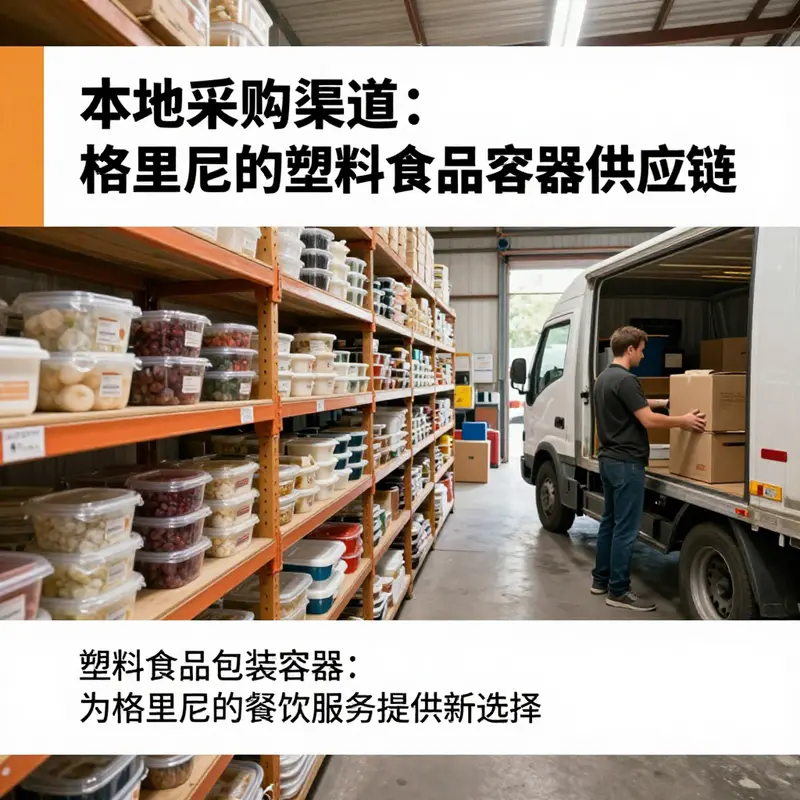
Grigny, a town in the Île-de-France region, sits at a crossroads where everyday commerce meets sweeping environmental policy. The plastic food container supply chain serving Grigny’s cafés, takeout shops, and small grocers is more than a logistical map; it is a living system that braids local procurement routines with European standards, urban waste streams, and shifting consumer expectations. In this context, the sourcing of packaging becomes a strategic decision that touches price, reliability, safety, and the ability to keep pace with evolving rules while still delivering a compelling dining experience. The story in Grigny mirrors a broader European arc: a move away from single-use convenience toward packaging that can be traced, recycled, or composted, without compromising the practical demands of high-volume food service. It is a narrative of adaptation, where kitchens learn to pair heat resistance and leak protection with clear labeling and end-of-life clarity, all within a network of suppliers, distributors, and digital platforms that make procurement more predictable and resilient.
To understand the local dynamics, it helps to begin with the core material and format choices that shape day-to-day decisions. Polypropylene, with its notable heat resistance and structural integrity, remains a backbone for hot meals and takeout boxes. Its performance in the face of high temperatures and its balance of weight and cost keep it central to Grigny’s foodservice operations. Yet the story does not end with raw performance. In the market, every polypropylene container is increasingly expected to carry clear sustainability signals and material declarations. Recyclability labels or compostability certifications have moved from a niche consideration to a baseline expectation, aligning with a broader policy environment that prizes transparent material science and responsible waste management. It is not simply about whether the container can withstand a sauce or a steam-filled bike ride; it is about whether the packaging is legible to municipal sorting systems and understood by customers who want to participate in recycling or composting programs.
Alongside polypropylene, polystyrene—once a staple in fast-food formats for its lightness and cost—has faced intensifying scrutiny. In Grigny’s urban context, where waste reduction targets and litter prevention are part of municipal dialogue, the push toward alternatives—whether more robust PP options or newer bio-based materials—has grown stronger. This transition is not merely a moral preference but a strategic shift anchored in regulatory expectations and the realities of end-of-life processing. The packaging mix, therefore, often reflects a compromise: containers that offer reliable performance in service and storage, while incorporating labels and material formulations that satisfy both the letter and the spirit of environmental requirements. In practice, this means supplier deliberations focus not only on price and lead times but also on the ease with which a container can be sorted, recycled, or composted after use.
The pathway from supplier to kitchen in Grigny is rarely a straight line. A typical supply chain rests on a tiered structure that begins with local wholesalers and regional distributors who keep a broad catalog of containers, lids, and trays ready for quick fulfillment. They serve as a practical bridge between large-scale manufacturers and the day-to-day needs of a neighborhood-based food economy. For small and medium operators in Grigny, this arrangement matters because it provides predictable delivery cycles, reasonable minimums, and a buffer against stockouts during peak periods. It also introduces a degree of flexibility; when menus pivot to meet seasonal demand or new promotions, a reliable local distributor can adjust quickly, providing the right formats in the right quantities. The role of these intermediaries becomes especially important in a town where urban logistics patterns, traffic, and last-mile delivery constraints can influence a restaurant’s ability to respond promptly to customer demand.
In today’s procurement reality, digital platforms have become indispensable even when physical proximity remains a strength. A growing number of Grigny operators use B2B e-commerce tools and regional marketplace portals to compare formats, assess environmental credentials, and place bulk orders with a few clicks. The value proposition is twofold: it saves time and augments transparency. Operators can examine the packaging’s temperature range, grease resistance, and barrier performance, while also verifying whether a given item carries the recyclability symbol or compostability claim, and whether it aligns with local waste-stream capabilities. The capacity to access data sheets, test results, and supplier declarations through a single interface reduces the cognitive load on procurement teams and helps ensure consistent quality over time. In such a system, the packaging itself becomes a verifiable part of the service experience rather than a hidden backend detail.
Within this evolving environment, the regulatory framework exerts a continuous shaping force. France’s energy transition law, reinforced by EU-level directives, has steadily tightened expectations for single-use plastic packaging. For Grigny operators, compliance translates into several practical requirements: packaging must be made from food-grade materials, and the materials must be documented as safe for contact with food. The labels on containers must clearly indicate recyclability or compostability, especially for items intended for hot or fatty foods that could influence end-of-life handling. Microplastics and toxic additives have become a critical line of inquiry; suppliers are increasingly obliged to demonstrate that their products are free from questionable substances and have passed relevant physical and chemical safety tests. In this regime, a container is not merely a passive vessel; it is a piece of a regulated ecosystem that influences how a business markets its packaging and how customers participate in waste management.
For Grigny’s food businesses, the sourcing decision often rests on balancing performance with responsibility. A kitchen that handles hot meals must prioritize leak resistance and heat endurance, while also considering whether the packaging can be safely used in microwaves or subjected to reheating in a consumer’s home. A section focusing on cold or room-temperature items may demand stackability and quick, clean disposal, as well as clear labeling for recycling. The practical effect is a spectrum of packaging solutions that can be tailored to each concept without abandoning compliance. This is where the local supply chain becomes a strategic ally: it allows operators to optimize for performance and sustainability in concert, rather than chasing a single metric at the expense of another. When a business pairs containers with a transparent end-of-life plan, customers are more likely to feel confident about choosing takeout or pre-packaged goods, reinforcing brand trust and promoting a sustainable dining culture in Grigny.
The procurement landscape in Grigny is as much about relationships as it is about specifications. The most effective partnerships are built on mutual reliability: steady stock visibility, predictable delivery windows, and a shared understanding of the local waste ecosystem. Partners who can present robust documentation—material safety data sheets, certification attestations, and third-party test results—reduce the administrative burden and increase the speed with which a business can respond to opportunities or constraints. This is especially important in a market where regulatory sensitivity is high and customers expect consistent quality across many dining occasions. The best suppliers become more than vendors; they are collaborators who help operators preempt challenges, whether those challenges arise from supply chain disruptions, sudden regulatory updates, or evolving consumer preferences.
A practical way for Grigny operators to leverage these conditions is to engage with dedicated packaging platforms that serve the French market and align with EU standards. These platforms function as centralized hubs where catalogues, compliance data, and logistics options cohere into an accessible interface. In a busy urban setting, such as Grigny, the advantage is clear: a platform can reduce administrative overhead, minimize translation or interpretation errors, and provide a consistent pathway to compliant packaging. An example of this approach is the emergence of France-based platforms that emphasize local delivery capabilities and EU conformity across a range of packaging formats. When a buyer uses a platform that prioritizes conformity and traceability, the process of vetting a container’s safety profile becomes simpler, and the ability to compare options—across temperature tolerance, barrier properties, and labeling—becomes more straightforward. This is not mere convenience; it is a strategic capability that helps restaurants manage costs, stay compliant, and maintain customer trust in a concerted, data-driven way.
Within the broader urban economy, the choice of materials and the structure of the supply chain are inseparable from Grigny’s ambitions for sustainable growth. The preference for recyclable or compostable options, the insistence on clear labeling, and the aspiration to minimize the environmental footprint of the packaging life cycle all feed into a circular economy narrative. In practice, this means the packaging decisions support waste-diversion goals, enabling a higher rate of material recovery and reducing the risk of contamination in sorting streams. It also means that operators must consider the total cost of ownership, including the potential for waste reduction discounts, the benefits of reliable end-of-life processing, and the reputational value of demonstrating responsible packaging choices to customers who increasingly weigh sustainability in their purchasing decisions. The synergy among procurement, waste management, and consumer education is what makes Grigny’s local supply chain more than the sum of its parts; it becomes a system that reinforces safe food handling, clear communication, and environmental stewardship.
To navigate this ecosystem effectively, Grigny operators may adopt a practical playbook that begins with forecasting. Mapping annual demand by format and temperature range helps identify the appropriate mix of container types and the expected cadence of restocking. Then comes due diligence: verifying the packaging’s labeling and certifications to ensure compatibility with the city’s sorting streams and the consumer’s expectations. Third, appointing a small cadre of trusted suppliers who can deliver consistent service—stock availability, timely communication, and accessible technical data—reduces risk and supports operational continuity. Fourth, testing logistics with delivery windows and route optimization helps streamline procurement cycles to fit the restaurant’s operating rhythms, including late-night cooking or weekend surges. Finally, alignment with the local waste management guidelines, accompanied by digital documentation and audit trails, ensures that each container travels through a transparent chain of custody from production to post-consumer disposal.
In this light, Grigny’s local procurement channels are not merely transactions. They are part of a broader strategy to integrate safety, sustainability, and efficiency into everyday operations. The town’s packaging choices reflect a broader European direction that favors materials that can be safely used for food contact, are clearly labeled for end-of-life processing, and can be traced through a documented supply chain. They also demonstrate how smaller urban centers can leverage digital procurement tools to access compliant products with speed and reliability, while still supporting regional logistics and local employment. The resulting system is one of resilience: a network capable of sustaining a vibrant food scene in Grigny while remaining faithful to environmental commitments and to the practical realities of high-volume food service.
Looking ahead, the Grigny model points to several developmental horizons. First, continued refinement of the end-of-life infrastructure—such as more efficient municipal sorting or expanded composting capacity—could amplify the effectiveness of recyclable and compostable packaging, making it easier for businesses to choose higher-performing, more sustainable options without sacrificing operational practicality. Second, the growth of digital procurement ecosystems could yield richer data about supplier performance, enabling more granular comparisons across material classes and certifications. Third, the industry could see deeper collaboration between packaging manufacturers, waste management entities, and municipal authorities to align labeling, testing, and certification schemes with local capabilities, ensuring that a container’s stated recyclability or compostability is realized in practice. These directions would not only support Grigny’s immediate needs but also strengthen the city’s standing as a model for sustainable urban food procurement, where the container becomes a trusted partner in delivering food safely, efficiently, and with a clear environmental conscience.
In the end, what matters in Grigny is not a single packaging decision but a coherent, continuous practice that connects front-of-house customer experience with back-end compliance and waste streams. The local procurement channels—whether through trusted regional distributors, digital platforms, or a synthesis of both—form the backbone of this practice. They enable operators to balance cost, performance, and sustainability while staying compliant with the fast-evolving regulatory landscape. The packaging choices, once governed by instinct or habit, increasingly hinge on data, transparency, and environmental responsibility. For Grigny’s foodservice ecosystem, the objective is simple to state but demanding in execution: to provide containers that safeguard food quality, support efficient service, and help the community move toward a lower-impact, more circular packaging system. As the city continues to evolve, its supply chain will likely deepen in sophistication—more digital, more traceable, and more aligned with both local ambitions and global standards. The result will be a packaging story that is not only about the container itself but about the quality of the entire dining experience and the health of the urban environment it helps sustain.
For readers seeking a concrete gateway into this ecosystem, one practical touchpoint is the French packaging platforms that bridge local demand with compliant supply. These platforms offer a curated range of containers designed to meet European standards, deliver within France, and support small- to mid-sized operators in Grigny and the surrounding areas. By leveraging such platforms, operators can access standardized documentation, ensure consistency across orders, and maintain the ability to pivot quickly as regulations or consumer preferences shift. The net effect is a more predictable procurement experience, enabling restaurants to focus on what they do best: delivering satisfying meals with packaging that performs and communicates responsibly. Packaging choices, when made with an informed, compliant lens, become an integral part of a sustainable urban economy rather than an afterthought in the drive for cost efficiency.
Internal hyperlink: a practical example of this approach is available through a France-based packaging platform offering localized delivery and regulatory-conscious options. Packaging-Online.fr provides a model of how a regional platform can support Grigny’s packaging needs by integrating product variety, compliance assurances, and reliable logistics into a single, user-friendly interface.
External reference: https://www.foodsafetynews.com/2026/01/updated-food-contact-materials-standards-for-plastic-utensils-and-containers/
Regulatory Currents in Grigny: Aligning Plastic Food Containers with EU Rules and Local Green Ambitions
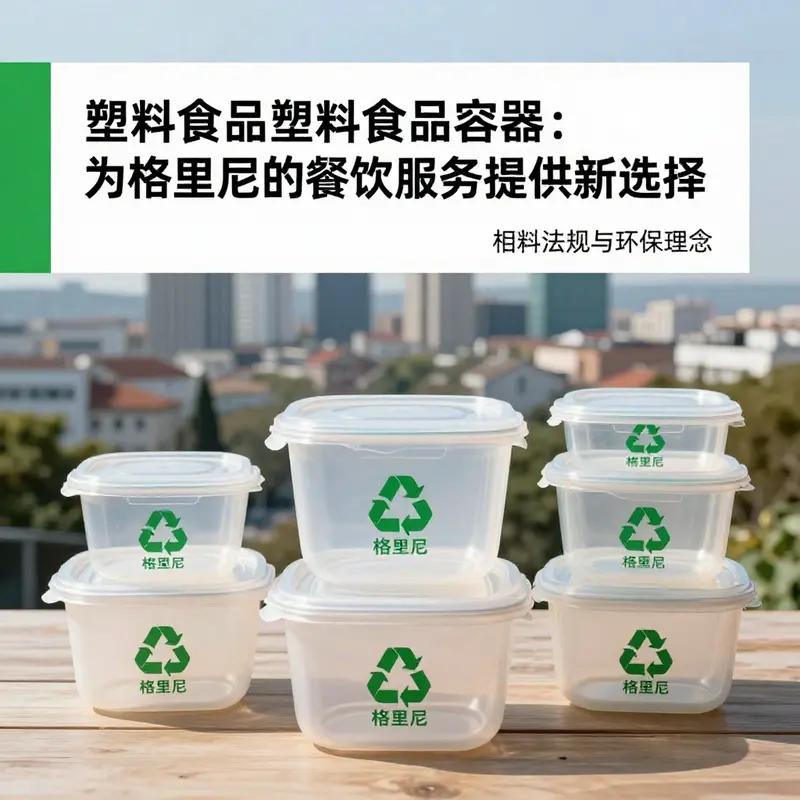
In Grigny, plastic food containers are part of a wider regulatory and logistical landscape across the EU and France. The core safety rule is straightforward: packaging must not release harmful substances into food and must be compatible with food safety standards across uses and temperatures. Practically, containers should be made from food-grade resins approved for contact with food, and total migration limits must be respected, especially for hot foods or high-temperature service. This safety regime has evolved with advances in material science and better traceability across supply chains. It also drives demand for transparent documentation so authorities and customers can verify compliance.\n\nSimultaneously, the EU is tightening rules around single-use plastics and promoting a circular economy. Transparency matters: when a container uses recycled content or is designed to be compostable, labeling and documentation must reflect those characteristics and be actionable for waste processors. Local municipalities in Grigny depend on clear signaling to route materials correctly and prevent contamination.\n\nFrance reinforces EU standards with national measures. Since 2024, the energy transition law pushes single-use packaging to be recyclable or compostable where feasible, and it pressures suppliers to offer alternatives that fit local waste streams. In Grigny, operators should verify that packaging can be recycled in the local stream or composted where industrial facilities exist, and that labels meet the national framework.\n\nMaterial choices in Grigny mirror EU and French guidance. PP remains common for heat resistance and microwavable use; PET offers clarity and barriers; PLA appears mainly in compostable packaging when industrial facilities exist; Styrene-based containers are seeing tighter restrictions due to sustainability concerns.\n\nIn practice, translating rules into action means clarifying end-of-life paths, considering reuse where viable, and demanding robust documentation from suppliers. If a batch of containers is for cold foods, recyclability in the local stream is key; for reusable systems, the economics and logistics must be weighed against environmental gains. Procurement platforms that aggregate EU-compliant packaging can help Grigny businesses compare materials, verify labeling, and trace certificates of conformity.\n\nThe regulatory outlook is set to tighten further on recycled-content claims and end-of-life integrity. The EU and France are moving toward clearer disclosures and stronger supply-chain reporting, with potential benefits for operators who can demonstrate verifiable compliance and circularity. For Grigny, the practical takeaway is to partner with suppliers who provide robust documentation, reliable local delivery, and clear labeling, and to design packaging that performs in use while staying compatible with local waste streams.\n\nExternal resources can deepen understanding, including EU plastics-in-contact guidance and national recycling infrastructure information. For procurement, platforms focused on France-based delivery and certification support can translate regulatory expectations into concrete sourcing options.
Final thoughts
塑料食品包装容器在格里尼的餐饮行业中扮演着越来越重要的角色。无论是泡泡茶商店、餐厅,还是外卖服务,选择合适的包装容器不仅能提升服务质量,还能遵守日益严格的环保法规。了解各种包装容器的特性与优势、掌握本地的采购渠道以及合规要求,将帮助您更好地满足顾客需求,同时推动业务可持续发展。