
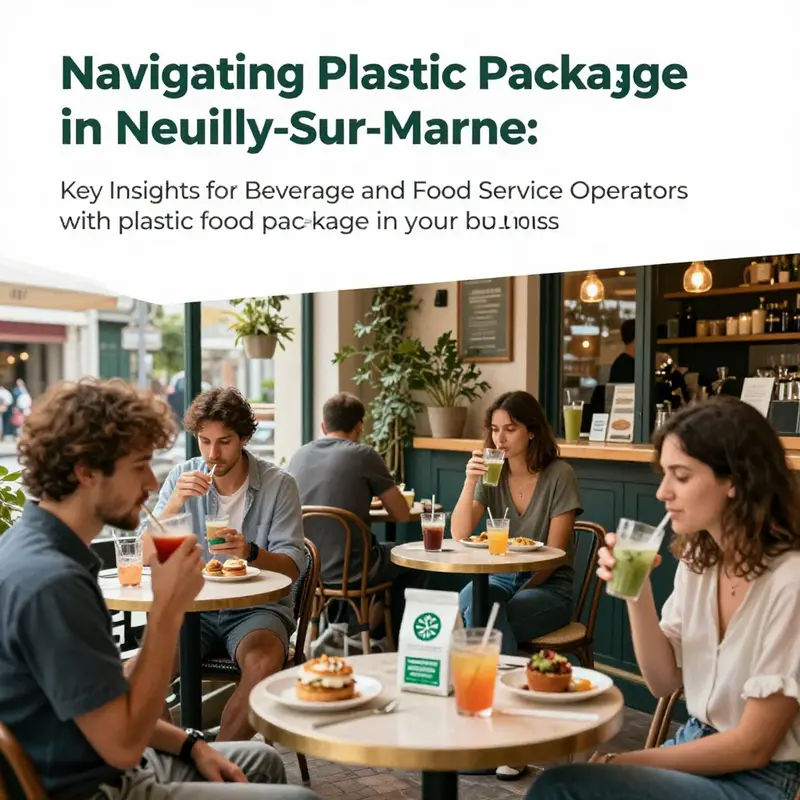
In Neuilly-sur-Marne, the food service industry is thriving, and with it comes the responsibility of selecting the right plastic packaging. As bubble tea shops, restaurants, food trucks, catering services, event planners, and corporate procurement teams navigate the regulatory landscape, understanding safety standards and environmental impacts becomes critical. This article provides a comprehensive overview of the regulatory framework governing plastic packaging food containers, examines the environmental implications of their widespread use, and highlights the importance of consumer awareness in driving sustainable practices. By fostering knowledge in each of these areas, stakeholders can make informed decisions to support their operations while adhering to the guidelines set forth by the European Union and contributing to a healthier planet.
Guarding Health and Habitat: The Regulatory Landscape of Plastic Food Containers in Neuilly-sur-Marne
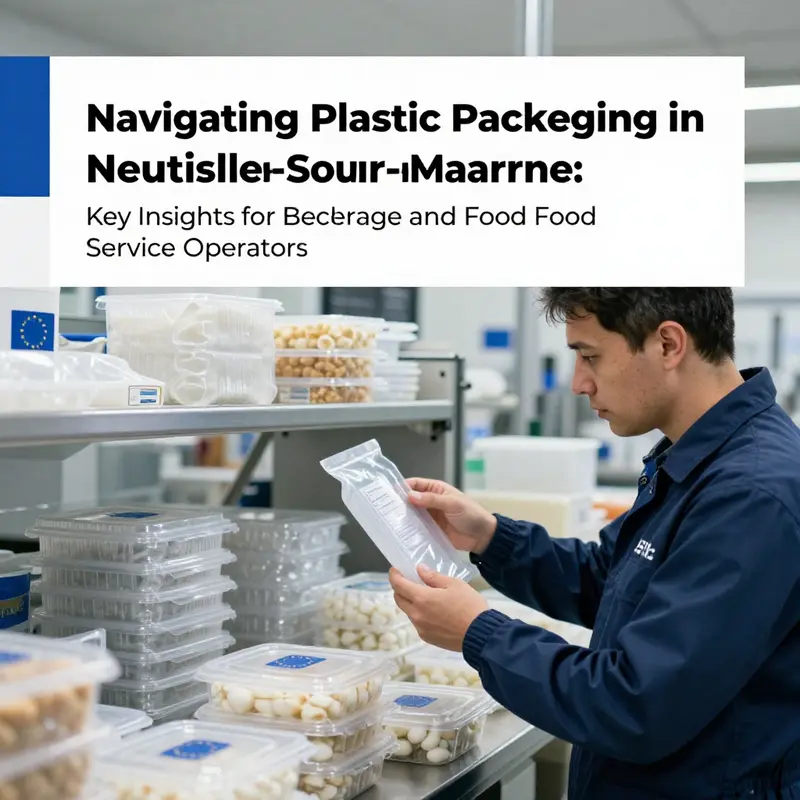
In Neuilly-sur-Marne, as in every corner of the European Union, the regulation of plastic packaging used for food is not a single rule but a layered, living system. It binds manufacturers, distributors, retailers, and regulators in a shared commitment to safety, quality, and increasingly, sustainability. At the core lies a simple, consequential idea: materials that come into contact with food must not release substances in ways that could threaten human health, alter the food’s composition, or change its sensory qualities. This principle, enshrined in Regulation (EC) No 1935/2004, provides the overarching safety architecture. It transcends national borders and creates a common standard for Neuilly-sur-Marne’s plastics packaging landscape. When a new batch of plastic film, a takeout container, or a sealable tray is designed, the first questions are not about aesthetics or cost alone, but about compliance with a framework that ensures safety from raw material sourcing through production to consumer use and eventual disposal. The French authorities implement this framework in ways that reflect local realities, while staying fully aligned with EU-wide rules. The result is a system that expects traceability, robust quality management, and a continual readiness to adapt as science and policy evolve.
The following layers build on that foundation. Regulation (EU) No 10/2011 specifies, with granular detail, the rules for plastics used in contact with food. It defines the universe of authorized substances that may be used in the manufacture of plastic food contact materials (FCMs) and sets Specific Migration Limits (SMLs) for those substances. SMLs establish the maximum amount of a given chemical that may migrate into a food from a packaging material under defined conditions. This precise accounting is essential because it translates complex toxicology into actionable manufacturing limits. The regulation also recognizes Non-Intentionally Added Substances (NIAS). NIAS are not pre-authorized in the same way as deliberate additives, but they cannot escape risk assessment. In practice, this means that even when a material is deemed acceptable, any NIAS present—often arising from recycling, contaminant carryover, or degradation products—must be scrutinized to ensure they do not pose a health risk. The approach reflects a precautionary, evidence-based mindset toward materials in contact with food.
A significant recent evolution concerns recycled plastics, under Regulation (EU) 2023/876. The circular economy logic is now formalized in the safety calculus for recycled materials used in food contact. The regulation requires demonstrations that the recycling process reliably removes contaminants and that the final material is safe for its intended use. This has immediate implications for producers and distributors in Neuilly-sur-Marne who source recycled polymers or offer recycled-content packaging. It pushes for heightened process controls, validated decontamination steps, and rigorous documentation that can be traced back along the supply chain. In practical terms, this means that a recycled-content container must be accompanied by evidence of the recycling process’s decontamination efficacy and a clear description of its end-use safety. The changes are not merely administrative; they affect material selection, supplier qualification, and plant hygiene practices. They also influence the public’s perception of recycled materials, which now rests on a stronger, more transparent safety narrative.
France implements the EU framework through national legislation and enforcement mechanisms. The French Ministry of Agriculture and Food, together with other competent authorities, translates EU rules into national regulations, guidelines, and inspection protocols. Local environments, such as Neuilly-sur-Marne, see inspections that verify GMP—good manufacturing practices—and the integrity of the entire production and handling chain. For businesses, this translates into concrete expectations: hygienic production environments, appropriate staff training, documented quality assurance programs, and traceability across every stage of the packaging life cycle. When non-conformities appear, authorities can require corrective actions, product recalls, or even temporary plant suspensions. The objective is not punishment for its own sake but the preservation of consumer safety and public trust in food packaging systems.
The ongoing scientific assessments conducted by EFSA continually reshape the regulatory canvas. EFSA’s work on substances used in FCMs, including ongoing reviews of bisphenol A (BPA) and styrene, informs updates to the regulatory framework. The 2023 EFSA opinions, or related risk assessments, may tighten restrictions, drive reductions in the use of certain substances, or encourage safer alternatives. In Neuilly-sur-Marne, this means manufacturers and retailers must stay attuned to EFSA guidance and be prepared for regulatory adjustments that could alter permissible substances, migration limits, or testing requirements. The dynamic nature of science and regulation is not an abstract concern; it translates into practical steps such as supplier audits, updated migration testing protocols, and revised product specifications.
Beyond the safety science, the regulatory fabric in Neuilly-sur-Marne is also shaped by the EU’s growing emphasis on environmental performance. The Single-Use Plastics Directive and related policy instruments aim to reduce the prevalence of disposable plastics, encourage reusable and recyclable packaging, and promote environmentally sound end-of-life management. For the local packaging ecosystem, this means a tension and an opportunity: while safety remains paramount, packaging choices increasingly reflect environmental criteria, recyclability, and circularity. In practice, this drives innovations in material design, such as mono-material formats that simplify recycling, as well as improved labeling to support sorting and correct recycling pathways. The regulatory and policy environment thus binds health, industry, and the environment into a coherent, forward-looking narrative.
For Neuilly-sur-Marne’s businesses, these layered requirements translate into a practical, if sometimes demanding, operating reality. The general rule is that every packaging component that could contact food must be traceable to its materials, additives, and their origins. Documentation must cover raw materials, manufacturing processes, packaging integrity, and end-of-life considerations. When audits occur, inspectors will look for GMP compliance, appropriate hygienic controls, and the integrity of the storage and handling chain to prevent contamination. The migration testing that underpins SMLs cannot be skipped. Even if a supplier provides data for a particular polymer, a manufacturer still bears responsibility for validating that data within the context of their intended use, product lot, and regulatory jurisdiction. This is particularly salient for recycled content, where NIAS and potential contaminants require careful risk assessment and robust chain-of-custody documentation.
The internal logic of these rules emphasizes prevention, traceability, and safety. It starts at the source: the choice of material and the additives that will be used, and the way in which those materials are processed. If the packaging is designed to be exposed to heat, fats, acids, or moisture, the migration scenarios multiply, and so do the checks. The manufacturing floor becomes a locus of compliance as much as a site of production. Employees must understand critical control points, cleaning regimes, and how deviations could affect food safety. In this context, the concept of good manufacturing practice extends beyond mere hygiene; it encompasses the governance of the entire materials pipeline—from resin suppliers and compounders to printers and lamination houses, to the bagging and palletizing operations in the plant.
This regulatory architecture has tangible implications for Neuilly-sur-Marne’s stakeholders. Small and medium-sized enterprises (SMEs) face the challenge of aligning with EU and national standards without losing competitiveness. Comprehensive supplier qualification, ongoing testing, and robust documentation demand resources and expertise. Yet the framework also serves as a powerful platform for consumer confidence. When residents see that local packaging complies with EU safety standards, and when businesses can demonstrate traceable and verifiable practices, trust grows. In a marketplace increasingly colored by questions about safety, transparency, and environmental responsibility, the Neuilly-sur-Marne packaging ecosystem stands to gain from clarity and accountability that EU standards foster.
The environmental dimension, in particular, is influencing material choices and design strategies. The Single-Use Plastics Directive has pushed the industry toward designs that favor reuse, recycling, and reduced environmental footprint. In practice, this translates into packaging formats that are easier to recycle, such as mono-material acrylics or polyolefins that are compatible with established recycling streams. It also means better end-of-life labeling so that households can separate materials correctly, reducing contamination in recycling facilities. For municipalities and local authorities in Neuilly-sur-Marne, the implication is a broader commitment to waste management infrastructure, educational campaigns, and enforcement that rewards compliance with environmental objectives while maintaining food safety. The interplay between environmental policy and food-contact regulation thus shapes a more holistic approach to packaging—one that protects health while honoring the obligations to minimize environmental impact.
From a consumer perspective, the regulatory landscape matters in everyday ways. Packaging that proves safe for food contact translates into fewer concerns about flavor alteration or health risks due to migration. It also means that when a consumer reads packaging labels or certifications, there is a trustworthy basis for those claims. Yet the complexity of regulations is rarely visible to the everyday shopper. What they experience is consistency: food that tastes the same, packaging that behaves as expected, and a sense that the products they buy come from a system that prioritizes safety and stewardship. The public dialogue that accompanies these regulations—about where plastics come from, what they become after use, and how responsibly they are recycled—remains essential. In Neuilly-sur-Marne, that dialogue is supported by regulatory transparency, official guidance, and the ongoing involvement of agencies that monitor and adapt to new science.
For researchers, policymakers, and industry professionals, the Neuilly-sur-Marne case offers a microcosm of how EU-level rules become local practice. The migration limits, NIAS considerations, recycled-content safeguards, GMP expectations, and environmental directives coalesce in everyday decision-making: what polymers to select, how to validate a recycling stream, which suppliers to audit, and how to document compliance across the supply chain. When these elements align, the outcome is not only regulatory compliance but a packaging system that safeguards health, respects the environment, and remains resilient to evolving scientific assessments.
In continuing to navigate this regulatory landscape, Neuilly-sur-Marne’s packaging community has a practical ally in the shared EU framework that unites member states in a common vision. The emphasis on safety, traceability, and environmental responsibility provides a stable yet adaptable platform for innovation. It invites manufacturers to pursue safer substance profiles, facilitates the adoption of recycled materials under rigorous safeguards, and encourages smarter product design that facilitates recycling and reduces waste. The result is a packaging ecosystem that can meet today’s safety standards while preparing for tomorrow’s environmental and scientific challenges. In this sense, the regulatory framework is not a static gate but a dynamic conversation—one that ensures that plastic packaging for food remains compatible with health protections and with a world that seeks to conserve natural resources for future generations.
To illustrate a practical pathway through this landscape, consider how a local producer might approach a new packaging project in Neuilly-sur-Marne. Begin with a materials assessment aligned to Regulation (EU) No 10/2011, ensuring that all additives and contact substances are either explicitly authorized or subjected to a robust risk assessment if NIAS are present. If recycled content is part of the design, plan for the documentation required by Regulation (EU) 2023/876, including evidence of the decontamination process and its efficacy. Build GMP into every step of production, from receiving materials to the finished container, with clear records of processes, testing results, and corrective actions. Establish a supplier management program that includes audits and verification of migration data under realistic use scenarios. And maintain an open line of communication with local health authorities to ensure that any changes in EFSA guidance, or revisions to national regulations, can be integrated swiftly. In parallel, explore packaging formats and materials that align with environmental directives, prioritizing recyclability, reusability, and minimal environmental footprint, while still delivering the required performance for food contact and consumer experience.
For readers who want to connect this landscape to broader resources, the European Commission maintains a comprehensive portal on Food Contact Materials that provides the official framework, guidance, and updates relevant to Neuilly-sur-Marne and beyond. External resource: https://ec.europa.eu/food/safety/foodcontactmaterials_en
Regulated by Rules, Framed by Waste: The Environmental Footprint of Plastic Food Packaging in Neuilly-sur-Marne
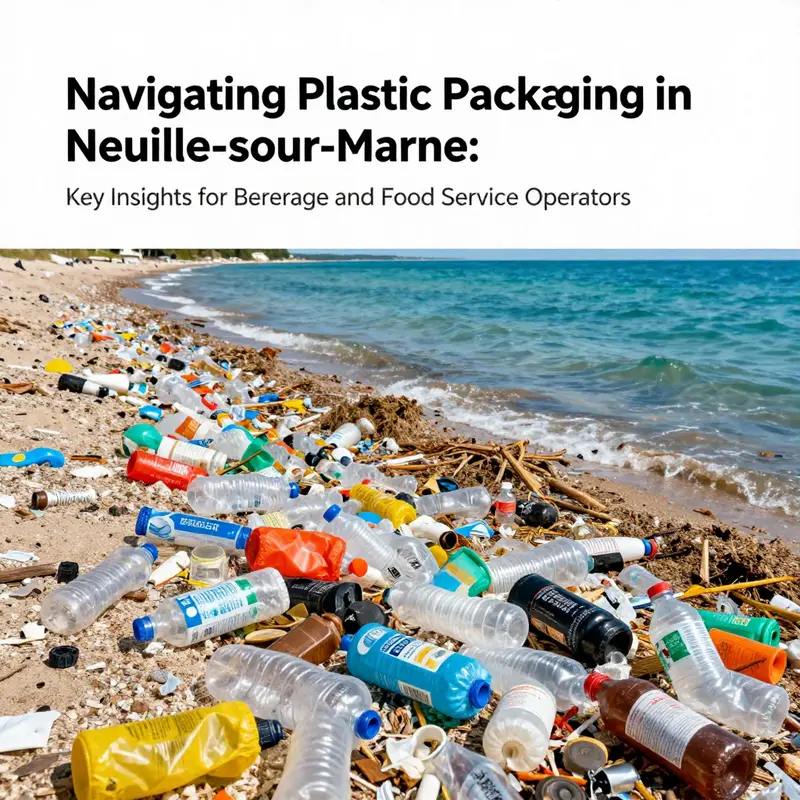
In Neuilly-sur-Marne, a commune on the northeastern edge of Paris, the story of plastic food packaging sits at the intersection of regulation, waste systems, and everyday choices. The wider European framework that governs materials intended to contact food shapes what is allowed, how products are tested, and how risks are managed. This chapter traces how rules become routines, and how local practice reflects, adapts to, and sometimes challenges continental policy.
At the core is a recognition that plastic packaging serves essential purposes: protecting safety and freshness, extending shelf life, and enabling efficient distribution. Yet its safety, environmental footprint, and end-of-life fate are governed by a web of standards and assessments. The European Commission sets the guardrails for safety, while agencies such as the European Food Safety Authority and the European Chemicals Agency provide the scientific basis and risk assessments that inform those rules. In Neuilly-sur-Marne, this translates into local compliance programs that require manufacturers and distributors to document the full lifecycle of their packaging—from resin procurement and formulation to production, use, and disposal. Inspectors verify that products on the market meet safety and labeling requirements, and municipal campaigns translate complex requirements into practical guidance for residents.
The lifecycle perspective is essential. It frames plastic packaging not as a static product but as a stream of materials whose environmental impact lives through every stage: production energy, transport, use, and end-of-life processing. While studies often place the packaging portion of life-cycle emissions as a smaller slice compared with farming and processing, the footprint still matters. Contamination of recycling streams, loss of materials to litter, and the potential for microplastics to enter ecosystems are real concerns that practitioners in Neuilly-sur-Marne monitor through local data and regional cooperation.
European policy aims to curb the most problematic items, increase recyclability, and promote reuse where feasible. The Single-Use Plastics directive and related measures guide national and regional implementations, while the region of Ile-de-France supports shared infrastructure and data-driven improvements. In Neuilly-sur-Marne, this manifests as coordinated waste-management planning, improved sorting at the source, more transparent labeling about recyclability or compostability, and smoother interfaces between households and the waste-system operators. The focus is not only on reducing waste volume but also on maintaining the safety and practicality that modern meals require.
The local dimension is crucial. Residents experience regulation through everyday routines: how to sort packaging, which containers are accepted at drop-off points, and what alternatives are available when single-use items are discouraged. The interplay between policy and behavior is visible in public information campaigns that emphasize clear guidelines, the importance of reducing contamination, and the benefits of high-quality recycling streams. Regional cooperation within Ile-de-France accelerates progress by sharing best practices, aligning targets, and pooling resources for advanced sorting and processing facilities.
A central question for Neuilly-sur-Marne is substitution: when a city moves away from certain single-use plastics, what replaces them? Are alternatives more resource-intensive to produce, and do they offer genuine environmental benefits through reuse or compostability? The local approach promotes reusable solutions where feasible, supports the expansion of recycling infrastructure, and encourages packaging designed for high reuse, recyclability, or compostability while preserving safety standards. The strategy recognizes that no one solution fits all foods or contexts, and it aims to align packaging choices with the capabilities of the local waste-management system and the preferences of residents.
In practical terms, the environmental footprint of plastic packaging in Neuilly-sur-Marne becomes clearer when focus shifts to end-of-life outcomes. Better sorting at source, higher recycling rates, and improved infrastructure for compostable packaging can yield tangible environmental dividends. At the same time, the city acknowledges that packaging remains a necessary tool for food safety, transport efficiency, and waste reduction in many contexts. The challenge is to balance these benefits with environmental responsibilities, guided by data, continuous improvement in materials science, and ongoing community engagement.
For readers seeking actionable points, Neuilly-sur-Marne offers concrete steps: communicate clearly about recyclability and end-of-life options, invest in user-friendly, well-signed recycling and composting infrastructure, and support the design and procurement of packaging that prioritizes reuse and recyclability without compromising safety. The cultural shift toward viewing packaging as a resource rather than a disposable burden is as important as the technological one. When households choose reusable containers for take-away meals, prefer items that are widely recyclable or compostable, and practice strict separation of packaging from organic waste, emissions and litter can be reduced over time.
The broader takeaway is that Neuilly-sur-Marne’s experience mirrors a European project in action: policy and practice continually negotiate, test, and refine one another in pursuit of a safer food system and a healthier ecosystem. The city’s story is not a single policy moment but an ongoing process of aligning regulation, industry, infrastructure, and daily life. It invites residents to participate in shaping a more sustainable food packaging ecosystem—one that preserves safety and convenience while elevating environmental responsibility across the life cycle of every container.
Beyond the Aisle: Consumer Awareness, Regulation, and Sustainable Practice in Neuilly-sur-Marne’s Plastic Food Packaging
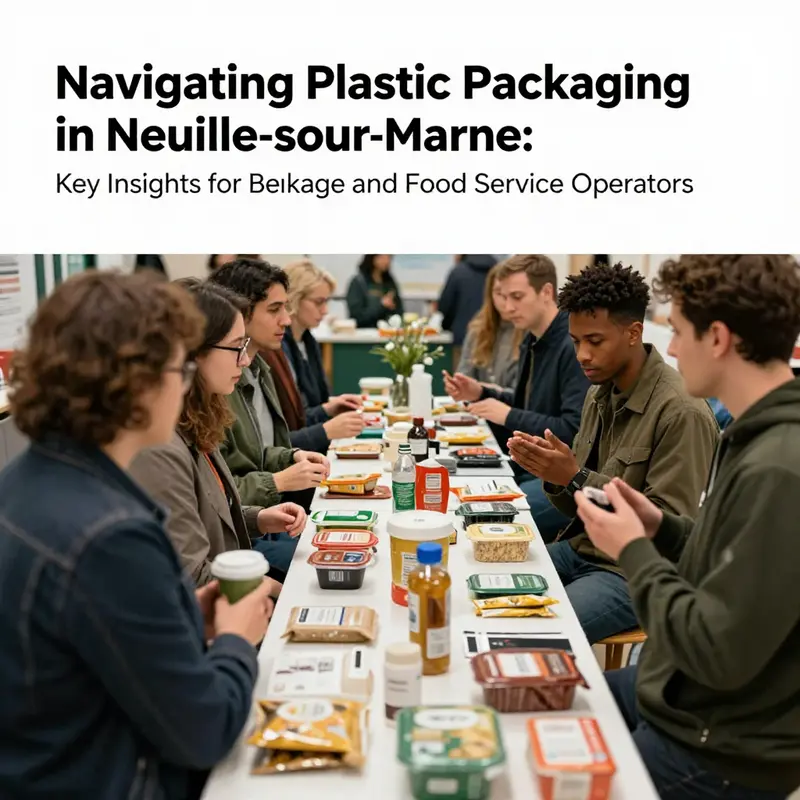
In Neuilly-sur-Marne, a suburban town just outside the bustle of Paris, plastic food packaging and containers function as both infrastructure and interface: they enable exchanges in markets, schools, hospitals, and homes, while carrying the regulatory and environmental responsibilities that come with modern consumption. At the center of this story is a regulatory framework that travels across Europe and lands in local logistics, manufacturing floors, and everyday purchase decisions. European food-contact safety rules demand that materials destined for contact with food meet stringent migration limits, with oversight spanning from resin suppliers through to finished packaging. This means traceability, robust testing, and clear documentation so that households can have confidence that the packaging they see does not introduce hazards into meals. In practice, Neuilly-sur-Marne’s packaging operations translate these requirements into day-to-day routines—supplier audits, migration testing, quality controls, and transparent labeling—so that safety is verifiable at the point of sale and in the consumer’s kitchen.
The broader European architecture also anchors this local reality. Bodies such as EFSA, which provides risk assessments for possible substances used in plastics, and ECHA, which regulates the registration and evaluation of chemicals, shape what is permissible in packaging formulations. For Neuilly-sur-Marne, this creates a practical imperative: packaging must be traceable from resin to final product, its constituents defined, and its potential to release substances assessed under typical use conditions. Retailers and manufacturers translate these expectations into documentation that can be shared with customers, whether through product labeling, certificates of conformity, or accessible in-store guidance. When residents understand that safety evaluations are designed to minimize health risks without limiting innovation, they are more likely to engage with packaging choices that reflect both protection and accountability.
Environmental considerations sit alongside safety in the policy dialogue, especially as Europe implements the Single-Use Plastics Directive and tightens waste-management expectations. The directive aims to reduce the life-cycle impact of disposable plastics and to promote reuse, recycling, and the adoption of alternative materials where feasible. France and its regional partners have aligned national and local practices with these objectives by encouraging designs that enhance recyclability, by supporting collection and sorting systems, and by nudging consumer behavior toward more sustainable habits. In Neuilly-sur-Marne, the practical expression of this alignment is visible in municipal recycling programs, procurement criteria that favor recyclable or reusable packaging, and consumer education efforts that demystify what “recyclable” means in everyday shopping. The result is not only cleaner streets and lower litter, but a different market calculus for manufacturers and retailers, who must balance safety, performance, cost, and environmental credentials in a transparent way.
Yet, as in many communities, the evidence base on consumer awareness and sustainable practice is not comprehensive at the local level. Data specific to Neuilly-sur-Marne—how aware households are of food-contact safety requirements, how widely sustainability considerations influence everyday packaging choices, and how these dynamics translate into purchase behavior—remains limited. The strongest signals often come from broader North American and European studies that probe motivations to avoid single-use packaging, willingness to pay for sustainable options, and the tradeoffs people accept between convenience and environmental care. While these studies do not map perfectly onto Neuilly-sur-Marne’s unique cultural and economic context, they illuminate themes that local planners and businesses can translate into targeted actions: clear information about safety and sustainability, accessible labeling, and products that align with residents’ values around health, affordability, and ecological responsibility.
For local stakeholders, these dynamics raise a sequence of practical questions. How can Neuilly-sur-Marne’s authorities, retailers, and schools illuminate the link between migration controls and everyday choices without oversimplifying the science? What information do residents need to assess whether a plastic container is appropriate for a given food use, or whether it is designed for reuse or recyclability? How can local businesses communicate their packaging decisions in a way that respects safety requirements while also supporting environmental goals? The answers lie in transparent labeling, accessible guidance, and procurement practices that reward packaging with credible data on migration, recyclability, and end-of-life options. Retailers and restaurants can play a pivotal role by presenting clear disposal instructions, demonstrating how to sort packaging for recycling, and explaining the benefits of reusable formats where feasible.
If consumer awareness is to mature, it must be understood as a spectrum rather than a single attribute. At one end is basic literacy about what makes a material safe for a particular food—knowing, for instance, which plastics are more suitable for refrigeration or how heat can influence migration. At the other end lies environmental literacy—the ability to interpret labeling, to understand the difference between packaging that is labeled recyclable and what fraction of that packaging actually becomes recycled, and to recognize opportunities for reuse. When residents engage with this spectrum, they become partners in a system that values both health protections and environmental stewardship. Local action can amplify this engagement: schools can integrate age-appropriate lessons on food-contact safety, markets can highlight clearly labeled recyclable or reusable options, and municipalities can provide clear, consistent guidance on disposal and reuse pathways.
From a policy perspective, the Neuilly-sur-Marne story shows how European aims are realized at the street level by local interpretation and communication. The safety regime remains non-negotiable, with migration testing, compliance documentation, and supplier accountability as everyday expectations. Simultaneously, sustainability moves from a peripheral concern to a central criterion in procurement, retailing, and consumer decision-making. To empower residents, information must be accessible: labeling should explain safety considerations and end-of-life options in plain terms; guidance should connect migration limits with practical choices about reuse and recycling; and communities should support pilots and data collection that illuminate how people actually respond to packaging changes. The loop between regulators, industry, and households becomes more constructive when transparency and dialogue are constant, not episodic.
In practical terms, what does this mean for Neuilly-sur-Marne today? Packaging for food continues to be evaluated for migration under realistic usage scenarios, and local businesses should be ready to provide documentation or verifiable assurance to customers. Sustainability should guide procurement and product design, favoring formats that are easier to recycle or reuse and that reduce overall material intensity. Education and outreach should translate complex regulatory concepts into actionable steps for families and small businesses alike. The local data gap invites a collaborative approach: universities, municipal offices, retailers, and consumer groups can co-create surveys, waste audits, and pilot programs that illuminate how residents perceive risk, how much value they place on recyclability or reuse, and how price and convenience influence choices. Until precise metrics exist, the path forward is to pursue practical, evidence-informed steps that honor safety and responsibly push for environmental improvement.
For readers seeking a concrete sense of how packaging choices can be framed around sustainability within this regulatory landscape, the conversation benefits from translation into everyday terms. Reusable or easily recyclable formats that meet migration criteria, paired with explicit consumer guidance on disposal and reuse, demonstrate a commitment to health and the environment. Innovations in lighter-weight designs, materials with lower environmental footprints, or design-for-disassembly that simplifies recycling can be powerful if accompanied by trusted certification paths and transparent information. In Neuilly-sur-Marne, as across the EU, success hinges on combining rigorous safety data with accessible communication and a sense of shared responsibility among producers, retailers, and households. The ultimate objective is a packaging ecosystem that protects meals, respects the environment, and maintains the trust that a modern community expects from its food system.
To close this portrait, perpetually improving data and local insight are essential. Local surveys, waste audits, and pilot programs can generate actionable knowledge about risk perception, labeling trust, and the value residents place on recyclability or reuse. This information should feed practical changes in procurement, product design, and consumer guidance, always grounded in safety and environmental accountability. The Neuilly-sur-Marne experience offers a compact example of how European standards can translate into concrete improvements in daily life when communities participate—translating policy into practice through transparency, education, and collaborative problem-solving.
Final thoughts
As the landscape of food service in Neuilly-sur-Marne evolves, the implications of using plastic food packaging cannot be understated. By understanding the regulatory environment, being mindful of environmental impacts, and engaging in sustainable practices, businesses can not only comply with laws but also resonate with consumers who prioritize responsibility. Taking these steps can lead to a competitive edge in a market increasingly focused on health, safety, and sustainability.