

In the busy world of food service—from bubble tea shops to catering operations—the reliability of storage solutions directly impacts efficiency and quality. Rubbermaid plastic food storage containers offer durability, secure sealing, and versatile design to support a wide range of operations. This article examines how these containers perform under real-world conditions, highlighting features that enhance portability, ease of use, and scalability for businesses of all sizes. Let’s explore how Rubbermaid storage solutions can help you maintain freshness, streamline prep, and deliver consistent service.
Guardians of Freshness: Durability, Sealing, and Everyday Reliability in Plastic Food Storage Containers
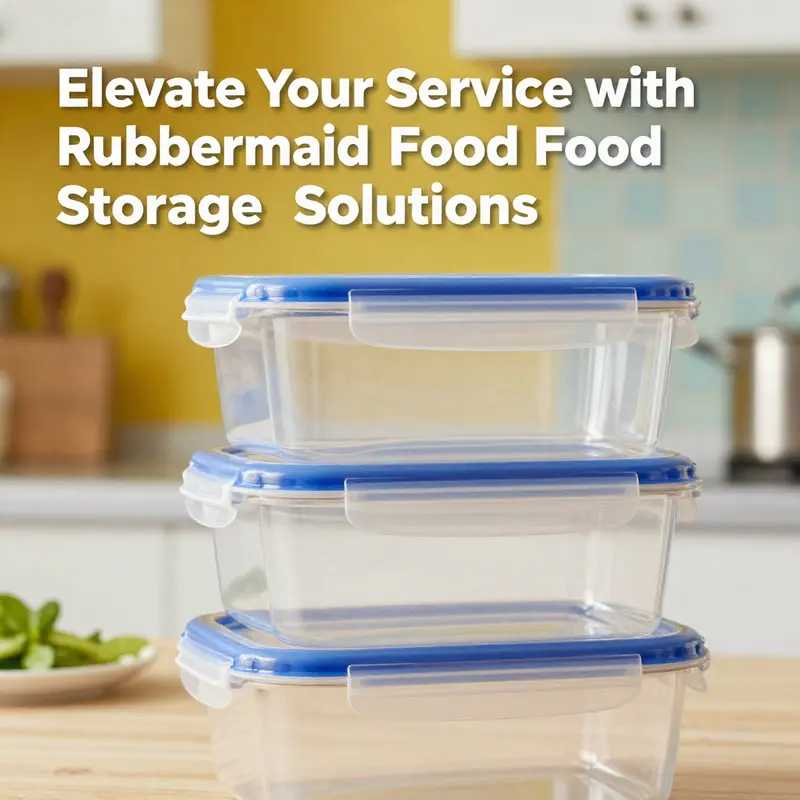
A kitchen lives or dies by its containers. The best storage solutions disappear into the background, doing their job without demanding attention. In the realm of plastic, the intersection of durability and sealing performance often marks the difference between a cupboard full of stale odors and a fridge that reliably keeps its contents fresh. The heart of this dynamic lies in the materials and the sealing systems that shape how everyday meals, batch-prepped lunches, and precooked ingredients behave from pantry to plate. When we examine high-quality, BPA-free options built around a tough, clear plastic like Tritan, we see a practical philosophy at work: transparency that invites confidence, coupled with structural resilience that extends the life of the container through the rough-and-tumble realities of daily use. Clarity matters because it lets you see what’s inside at a glance, which reduces the temptation to forget foods at the back or to misjudge shelf life. But clarity without durability would be merely cosmetic; the real test is how well the container endures heat, cold, and occasional drops, all while maintaining a seal that keeps flavors where they belong and keeps liquids from escaping where they shouldn’t. In this sense, durability and sealing are not luxury features. They are daily essentials that shape how often a container is reused, how safely leftovers travel to work, and how reliably a meal-prep routine stays clean and efficient across weeks and seasons.
The material story behind these containers centers on BPA-free Tritan. Tritan is celebrated for its toughness, its ability to resist staining and odors, and its clear, glass-like appearance that won’t yellow with time. This combination matters beyond aesthetics. When you store tomato sauce, curry, or garlicky dishes, you want a container that won’t absorb the color or scent, so the next item stored doesn’t carry last week’s flavors. Tritan’s resilience helps keep the container looking new even after frequent wash cycles and repeated exposure to kitchen heat. It also contributes to a lightweight design that is easier to handle during busy mornings or when you’re juggling a child’s lunch and your own. The glossy surface isn’t just about appearance; it’s part of a finish that resists staining and odor retention, which translates into better long-term hygiene and easier cleaning, especially when you’re balancing weekday routines with weekend meal prep.
Yet material strength is only part of the equation. A true anchor of durability in these systems is the lid—its mechanism, its fit, and its ability to create an airtight, leak-proof seal under real-world conditions. A well-engineered lid system operates like a hinge in a well-composed instrument: precise, dependable, and intuitive. In many premium lines, the lid system integrates secure latches that work in concert with the container’s walls to form a complete seal around the entire opening. The result is a container that resists leaks even when transported on a bumpy commute or tipped during a kitchen misstep. This airtight quality matters not just for preventing spills, but for preserving moisture content and the intended texture of stored foods. When soups, sauces, or smoothies are sealed properly, they stay fresher longer, and that freshness translates into less waste and more predictable meal planning. The seal also helps prevent the ingress of air, which slows the oxidation process that can dull flavors and speed up staling. In practical terms, that means a bowl of rice and vegetables stored properly remains appealing and ready to reheat for a quick lunch rather than turning gray and soggy in the fridge.
An often overlooked but critical feature of these sealing systems is the built-in venting mechanism under the latches. When microwave reheating is on the agenda, the ability to vent steam safely without removing the lid is a small but transformative detail. It allows you to reach that perfect reheating point without risking moisture loss or the chance of a sudden boil over when the lid is left closed. The venting design reduces the need for awkward, post-heating transfers to new dishes and minimizes the mess that can occur when steam escapes in a hot kitchen. This thoughtful feature is especially valuable for busy households with multiple meals cooking at once or for workers who need to reheat a portion during a compact lunch break. It also supports a more resilient daily routine: you can reheat, reseal, and store without sacrificing the container’s structural integrity or cleanliness. The practical upshot is straightforward: a lid that vents at the right moments extends the container’s usefulness and makes microwave use smoother and more reliable.
The story of durability would be incomplete without acknowledging the realities of everyday handling. No plastic container is immune to accidents, and drops onto hard surfaces can stress the walls or the lid connection. The risk of impact damage is a reminder that even the most robust materials admit limits. The takeaway is not to cultivate paranoia but to practice mindful use: avoid slamming containers onto counters, and when stacking multiple containers, align them carefully so the lid edges and latch mechanisms aren’t forced into misalignment. Misalignment can compromise the seal, reducing its effectiveness and encouraging wear on the gasket over time. This is particularly relevant when the dishwasher is used frequently. While dishwashers offer convenience, prolonged exposure to high heat and aggressive water jets can gradually wear away seals and gaskets. The seals are designed to endure typical domestic use, but over time, especially with frequent dishwashing on higher heat cycles or on the upper rack where water splashes more, there can be gradual degradation. In practice, this means a routine of inspecting seals for cracks, tears, or misshaping and replacing lids or seals when wear becomes visible. It also invites a broader truth about durable storage: it’s about predictable performance, not just raw toughness. You want a system that maintains its integrity across use cycles—reheating, storing, freezing, and transporting—so you aren’t surprised by leaks or dampness when you reach for leftovers.
That predictability is reinforced by the overall construction quality. The body’s shape, the tolerance between lid and rim, and the way the lid’s latching mechanism engages with the container’s mouth collectively determine how well a seal endures. A well-designed system will tolerate a reasonable amount of user error—slightly misaligned lids, minor over-tightening, or the occasional misfit—without immediately compromising the seal. The best configurations, in practice, offer intuitive feedback: you know when the lid is fully engaged because the latches align with a satisfying, tactile click, and you know the seal is complete because there is no give when you press near the lid edge. These cues are not cosmetic; they are confidence builders. They tell you that the container will perform as expected in the fridge, when you move it in a bag, or when you carry it to the office during a busy week.
A long-term perspective on durability also invites a note about sustained aesthetics. Tritan’s stain- and odor-resistance helps the container maintain a clear appearance that remains inviting after months of use. People often store deeply colored foods, spices, or sauces—ingredients with strong aromas—and the right combination of material and seal minimizes the chance that those scents linger in the plastic. That smell control matters for future meals, especially when you’re juggling several containers in a single day or week. It matters when you’re preparing for a family, packing for school, or simply keeping a well-organized kitchen. The more a container resists staining and odor retention, the more likely it is to stay usable and attractive across a broad range of foods. The cumulative effect is a system that remains visually legible and clean, which, in turn, supports a healthier, more efficient kitchen workflow.
This durability plus sealing dynamic is especially valuable for those who rely on portioned meals and meal prep. A common workflow involves separating main dishes, sides, and sauces to prevent flavor mingling and to ease reheating. In such contexts, the preservation of moisture and the integrity of flavors become essential. The 100% leak-proof seal prevents embarrassing spills in a bag or a lunchbox, even when you’re on the move. And because many of these containers are designed to nest or stack tightly, they also save valuable cabinet and refrigerator space. This stacking efficiency becomes a practical advantage when you’ve built out sets for a large family or when you want a broad range of sizes for different storage needs, from fruit to leftovers. The overall value is a blend of peace of mind and pragmatic design that makes these tools part of a reliable routine rather than a recurring source of frustration.
In this light, durability and sealing performance are not separate features but a single, integrated promise to the user. They speak to how a container handles heat and cold, how it behaves when it’s carried around, and how it performs in the dishwasher over time. They describe a system that helps you reduce waste, keep flavors intact, and maintain a tidy, efficient kitchen environment. The seal’s integrity helps preserve vitamins and texture in leftovers, while the durable Tritan body keeps the container looking fresh and easy to clean. Taken together, these attributes support a kitchen culture that values thoughtful design, longevity, and everyday reliability. The goal is not merely to store food but to create a dependable system that can be counted on from Monday to Sunday, across seasons, and through countless meal-prep sessions.
For readers who want to see the broader landscape of durable, airtight storage designs, a related resource offers a deeper dive into how premium lid systems and plastic formulations contribute to long-term usability. internal link to a related takeout packaging resource appears here as a practical reference: eco-friendly-disposable-3-compartment-food-grade-packaging-box-for-fast-food-high-quality-takeout-boxes-for-fried-chicken-french-fries-packaging.
The chapter’s core takeaway centers on a simple truth: when you combine a rigorous material choice with an intelligent sealing system and a lid that breathes safely, you obtain a storage solution that respects both your time and your food. It’s a design ethic that values durability without compromising usability, letting you reheat, refinish, and reuse with confidence. In everyday practice, that means fewer leaks, fewer wasted leftovers, and fewer moments of misplacement—no small gains in a busy kitchen where every minute saved translates into more time for the people and meals that matter most.
From a user’s perspective, this durability and sealing logic translates into concrete, repeatable benefits. You can plan a week of lunches with confidence because you know the containers will stay sealed during transit and reheating. You can prioritize healthy meals by preparing in advance, then reheat directly in the same container without moving the food into another vessel. You can organize the refrigerator by size and shape because the containers stack neatly. And you can trust that the same container you bring to work on Monday will still function well on Friday, provided you follow basic care guidelines—avoiding aggressive dishwashing cycles when possible, inspecting seals, and replacing worn components as needed. This is the essence of durability in practical terms: a dependable system that remains performing close to day one, month after month, year after year.
On a practical note, it is worth acknowledging that no material or lid design is immune to every possible scenario. Accidents happen, and even the most robust systems can be compromised if a lid is forced out of alignment or if a container is dropped onto a hard surface in a way that misaligns the seal. In such cases, a quick inspection of the lid’s clearance, seal integrity, and latch alignment is the best first step. If the seal shows signs of wear or cracking, a direct replacement of the gasket or lid is warranted. Similarly, if the walls show stress marks or deformation, it is prudent to retire the container to avoid a future leak. These maintenance steps, while straightforward, reinforce a proactive approach to longevity. By staying vigilant and treating the system with respect, you can keep it performing at a high level for longer and avoid the disappointment of sudden leaks or odor transfer during the week’s busy moments.
In sum, the durability and sealing performance of these plastic storage solutions rests on three pillars: the toughness and inert nature of the material, the precision of the lid’s secure latch system with its protective venting mechanism, and the careful user practices that reduce wear and prolong life. When these elements align, you gain a storage companion that can be relied upon across a wide range of foods, temperatures, and daily routines. You gain less waste, better meal planning, and a kitchen environment that feels calmer and more organized. That is the practical reward of investing in a system designed with attention to durability and sealing in mind. It is a reminder that the true value of a storage container is measured not by its price tag but by how consistently it helps you keep food safe, fresh, and ready for the tastiest, most efficient days ahead.
External resource for further context on material choices and sealing concepts can be found here: https://www.rubbermaid.com/products/brilliance-food-storage-containers.html
Sealed for Freshness, Styled for Space: The Ingenious Design of Plastic Food Storage Containers
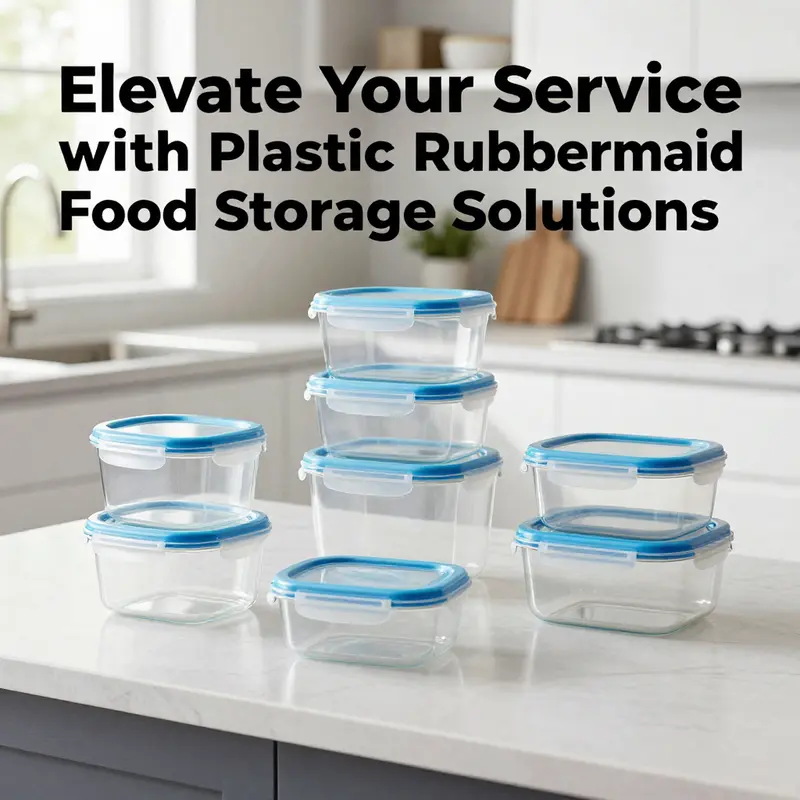
In the quiet rhythm of a well-used kitchen, a set of plastic storage containers often goes unnoticed until a busy morning, a careful meal-prep session, or a chaotic week of leftovers brings them into sharp relief. Yet the science of these everyday tools runs deeper than their ability to hold a chunk of fruit or a spilt sauce. Behind their clean lines and sturdy exterior lies a deliberate marriage of engineering, materials science, and humane design—an approach that balances safety, convenience, and sense of order in a space where efficiency translates into time saved and less waste. The most successful designs treat storage not as a passive receptacle but as an active contributor to daily routines. They anticipate what a user might need, and they deliver with a simple act: a lid clicks shut with confidence, a container stacks securely in the cabinet, and contents stay as fresh as possible from fridge to table.
One of the core innovations in these containers is a leak-proof sealing system that makes the leap from a thought experiment to real-world reliability. When a sauce or a soup needs to be moved to school lunches or packed for a commute, the risk of spills follows close behind. A well-engineered seal locks in moisture while offering a dependable barrier against leaks, even when the container is carried or jostled during transit. This is not just about preventing messes; it is about preserving texture, flavor, and nutrients. The result is a practical confidence that allows families to portion meals ahead, transport them without hesitation, and ultimately reduce the waste that comes with spoilage or leakage. The idea is simple in appearance but sophisticated in execution: a gasket, a precise groove, and a resilient lid that work in harmony to create a stable microenvironment for whatever lives inside.
Safety and longevity sit at the heart of these designs through the use of durable, BPA-free plastics. This choice serves two fundamental goals: it protects the consumer and it enhances the product’s lifespan. Plastic that is safe for food contact minimizes concerns about chemical transfer, even with repeated cycles of freezing, reheating, or washing. At the same time, the material resists wear and tear, resisting cracks or discoloration that can occur with frequent use. The resulting containers become trusted workhorses in the kitchen, capable of enduring daily wear and tear without sacrificing performance. Because the material is selected with care, it remains relatively easy to clean and maintain, resisting stubborn staining or lingering odors that can compromise food safety or the sensory quality of stored items.
Aesthetics matter as well. The modern, streamlined silhouette of these containers adds a sense of order to a crowded fridge or a busy pantry. Neutral tones and clear elements blend with a wide range of kitchen decors, so the containers feel integrated rather than obtrusive. Clear or translucent materials in particular offer a practical benefit: you can identify contents at a glance without pulling lids and removing seals. This visibility reduces the frequency of unnecessary openings, which in turn helps to preserve freshness and minimize temperature fluctuations that can hasten spoilage. The overall design language respects the user’s desire for a calm, organized space, where function does not come at the expense of style.
Lids play a pivotal role in the everyday usability of the system. High-clarity lids make the contents easy to recognize while preserving a minimalist look that reduces visual clutter. But the clarity is more than aesthetic; it streamlines daily decisions. When you’re rummaging through a crowded fridge, being able to confirm what’s inside your container without popping the lid speeds up meal planning and reduces the temptation to over-warm or reheat items unnecessarily. A well-crafted lid also contributes to the seal, with precise tolerances that prevent gaps where heat, moisture, or odors might escape. Clean lines and snug fits translate into less effort spent cleaning and more time enjoying meals or focusing on other tasks.
Space efficiency is another hallmark of thoughtful design. A stackable, nestable form helps to maximize storage in cabinets, pantries, and even the refrigerator. The containers are shaped to sit flush with one another, creating a compact tower that doesn’t topple or slide when shelves are accessed. This efficiency matters beyond visual appeal; it is a practical response to modern living, where kitchens are leaner and storage spaces are often at a premium. A stackable profile also encourages people to keep a wider range of sizes on hand, knowing that each piece will consolidate into a neat, stable package when not in use.
Versatility underpins much of the design philosophy. The capacity to go from freezer to microwave to top-rack dishwasher makes the containers suitable for a broad spectrum of cooking and storage practices. Freezing foods preserves nutrients and reduces waste, but it demands containers that can withstand ice-cold temperatures without becoming brittle or leaking. Microwave compatibility enables quick reheating, enabling a practical workflow for meal-prep enthusiasts and busy households alike. Top-rack dishwasher safety adds convenience, offering an almost routine, no-fuss cleaning process. Each function—freezing, heating, cleaning—has its own set of precautions, but the design strives to keep these guidelines straightforward and consistent, so users can rely on one baseline practice across a family of products.
Interchangeability is a subtle yet powerful feature that reduces clutter and simplifies organization. Instead of a one-to-one correspondence between a base and its lid, many designs offer lids that can be matched with other bases, shortening the process of hunting for a compatible cover. This modular approach reduces wasteful misplacements and speeds up everyday workflows. It also invites a flexible approach to meal prep. For example, you might prepare a main dish in a larger base, portion a side in a mid-size container, and keep a dipping sauce in a compact unit, all within a coherent system that you can rearrange as needed. This flexibility is not a mere convenience; it speaks to how design can support varied routines—lunch packing for school days, batch cooking for the week, or a simple, spontaneous snack for a child’s after-school craving.
There is also a narrative about compatibility with diverse kitchen tasks that underlines the design’s pragmatism. For many families, a single set of containers must cover a spectrum of uses—from storing raw ingredients to housing leftovers to transporting meals to work or school. The ability to withstand cold and heat, to resist staining and odors, and to maintain a clean, neutral aesthetic contributes to a longer lifespan for the containers and a more sustainable approach to kitchen habits. The emphasis on durability goes beyond mere ruggedness; it is a commitment to long-term value. Containers that resist dulling, staining, and sour smells over repeated cycles reduce the need for frequent replacements and support more mindful consumption—an important consideration in today’s conversations about waste and environmental impact.
A crucial aspect of the design story is how it responds to real-world needs that extend beyond cooking and storage. Families often seek solutions that simplify day-to-day routines, keep meals organized, and minimize risk when transporting food. A reliable seal makes the difference between a product that is merely adequate and one that earns trust. When a container performs consistently—keeping soup from leaking, preserving a salad’s texture, and maintaining an aroma-free interior after microwaving—the user experience shifts from cautious handling to confident everyday use. In turn, that confidence ripples outward: it encourages batch cooking, helps families align meals with health goals, and supports the portability that many modern schedules demand.
The lifecycle of these containers also reveals a careful attention to cleaning and maintenance. Materials are chosen to withstand dishwasher cycles without degrading, yet users are reminded that heat, prolonged exposure, or aggressive detergents can affect seals or clarity over time. Clear lids that resist staining reduce the persistent problem of lingering color or scent after repeated use, a common complaint in less thoughtfully designed options. The design, then, balances resilience with practical care instructions, ensuring that households can incorporate the containers into a regular cleaning routine rather than treating them as fragile or high-maintenance items. This balance between durability and ease of care reinforces the sense that the containers are reliable allies rather than fragile accessories.
In translating these features to everyday practice, it helps to imagine a typical week in a busy household. A family might batch-cook several meals on Sunday, portion them into a variety of sizes, and then place them in the fridge for quick lunches and dinners. The leak-proof seal protects the contents during transit to school and work, while the clear lids let everyone quickly identify leftovers without unnecessary openings. The stackable form keeps the fridge organized, so even a modest refrigerator can accommodate a week’s worth of meals without becoming a tangle of mismatched lids and bases. The top-rack dishwasher compatibility means cleanup after a long day is straightforward rather than a chore. And the interchangeable lids reduce the cognitive load of keeping track of the lids that belong to which containers, turning a potential headache into a streamlined, almost intuitive routine. The result is not simply hardware for storing food; it is a design system that supports healthier eating, less waste, and a calmer, more efficient kitchen workflow.
Another layer of the design conversation concerns how the user experiences scale. In a home with growing children, lunches may include multiple small components—fruit, dip, and a main item—requiring a modular approach that keeps flavors discrete while fitting within a compact, portable footprint. A compartmentalized design or the ability to pair separate containers into a single, organized bundle makes it possible to create balanced meals that travel well and reheat evenly. This is not just about convenience; it is about enabling a practical approach to meal planning that encourages healthier choices by making them simpler and less messy. When a user can assemble, transport, reheat, and serve with a few straightforward steps, the daily routine gains a degree of predictability that reduces stress and fosters consistency in nutrition and portion control.
Throughout this narrative of form meeting function, attention to consumer needs remains a guiding principle. The most successful storage systems do not rely on novelty alone; they blend materials science with user insight to anticipate how a family actually uses containers. They reflect an understanding that containers live in a kitchen where spills happen, temperatures swing, and time is scarce. They acknowledge that beauty matters not for its own sake but because it reinforces a sense of care and order in daily life. They recognize that simplicity is not a retreat from sophistication but a deliberate outcome of thoughtful engineering—where every edge, every curve, and every seam has a purpose that improves the user’s life.
To that end, the chapter’s design story is less about a single feature and more about an integrated system in which seal, material, visibility, stackability, and versatility converge. The result is a family of containers that can be trusted to perform across the cycle of freezing, reheating, and washing, while maintaining a clean, contemporary look that complements modern kitchens. It is a reminder that good design does not shout; it harmonizes with the routines of everyday life and quietly elevates the small, constant act of choosing what to store, how to store it, and when to reuse it. As households continue to evolve toward more planned, healthier, and more efficient eating patterns, these containers stand as a practical embodiment of design thinking—one that respects safety, supports organization, and makes the kitchen feel a little less like a battleground and a little more like a well-tuned workspace.
For readers curious about how these principles of leak resistance and modularity translate to real-world packaging choices beyond the kitchen, a recent overview of eco-friendly takeout packaging offers a practical example of how designers apply similar ideas to ensure durability, ease of use, and space efficiency in diverse contexts. eco-friendly takeout boxes for food packaging
External resources and further reading can provide deeper context on the specific materials and tests that underpin these claims. For a more detailed look at a market-leading solution that embodies the design philosophy described here, consult the official product information page on the maker’s site, which outlines the intended performance characteristics, care guidelines, and certification highlights: https://www.rubbermaid.com/en-us/product/brilliance-food-storage-containers-14-piece-set
On the Move: Portable Plastic Food Storage Solutions for Everyday Meals
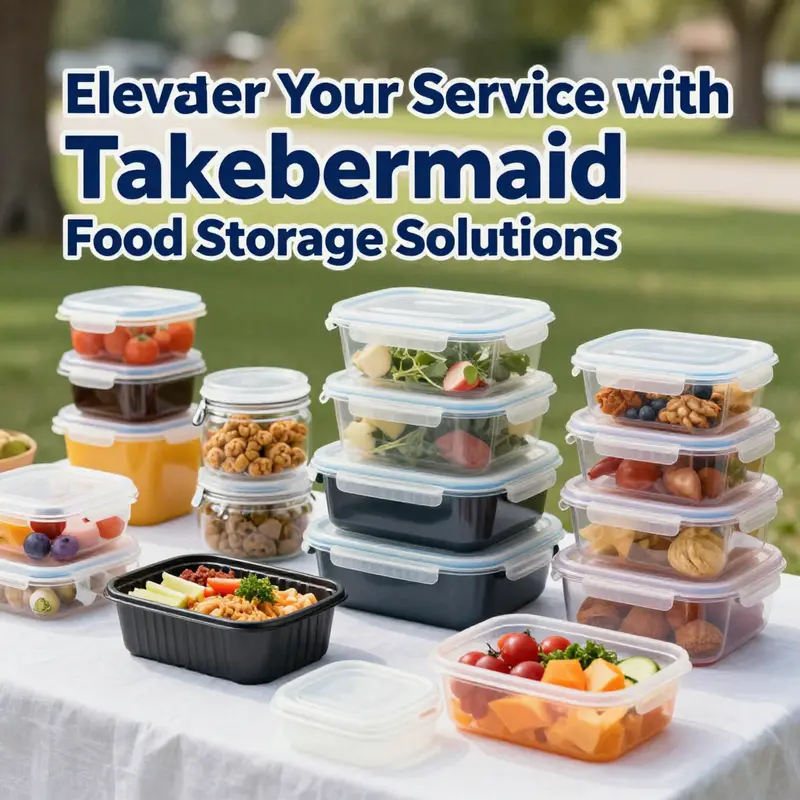
Portability is not a feature you add at the end of a design brief; it is the through line that shapes the entire user experience. When plastic food storage containers are purposefully designed for movement, they become tools that translate meal planning, family logistics, and even spontaneous picnics into smooth, reliable routines. The core idea is simple: containers should travel as easily as the foods they hold, with a blend of durability, lightweight construction, and smart ergonomics that reduce friction from kitchen waste to lunchbox. In practice, this means materials chosen for resistance to drops and general wear, paired with forms that invite easy handling and stacking. The most widely used materials in this space—high-density polyethylene and other BPA-free plastics—deliver a balance of strength and flexibility. They resist cracking when bumped in a car trunk, survive the jostle of busy school or work days, and endure for years of use without becoming fragile or cloudy. The emphasis on safety is equally important because portability often takes food on the go. Containers designed for travel must be compatible with microwave reheating, freezer storage, and dishwasher cleaning without compromising the integrity of the seal or the clarity of the container’s body. A BPA-free promise becomes a reassurance that food tastes and smells stay true, even after multiple journeys from fridge to office desk to table at a weekend picnic. The practical reality is that portable storage is judged not only by what it can hold but by how easily it travels with you. This is where integrated handles, light weight, and thoughtful geometry come together to form a seamless transport system. Handles are not mere embellishments; they distribute weight evenly and reduce the awkward grip that often accompanies mid-commute bag checks or a quick grab before sprinting to a train. Lightweight design matters, but not at the expense of durability. A container that tips in a crowded backpack or rainstorm can compromise meals and mess up plans. The best portable solutions use materials and wall thicknesses that strike the right balance—enough heft to survive daily use, yet light enough to slip into a tote or briefcase without strain. The packaging that accompanies these containers often reinforces the same principle: compactness in storage, but not at the cost of accessibility. Stackability becomes a quiet performance feature, allowing several containers to nest or snap neatly into one another when not in use. This reduces the volume that a kitchen cabinet or a lunch bag must occupy, which is a major win for households juggling limited storage space and growing meal-prep routines. In practice, this means modular configurations that let you customize a portable system for the day’s needs. A single, compact option may be enough for a quick work lunch, while a set of stackable containers with interchangeable lids offers a full week of meal-prep versatility. The ethos of portability extends to the design of lids themselves. A dependable seal is essential, but it should also be easy to manage with one hand, even when the other arm is full of groceries or a backpack strap pulls taut. A robust sealing system keeps liquids contained, preventing leaks in transit and protecting lunch bags from stains and odors. The benefit is clear: soups, stews, and dressings stay contained, while the container remains easy to open and close through the ebbs and flows of a busy day. With this trusted reliability, containers become partners in daily routines rather than obstacles. They transition from the pantry to the fridge, from the kitchen counter to the car’s cup holder, and finally to the desk at work or the park bench on a sunny afternoon. A transparent body adds another layer of portability value. When you can see what’s inside at a glance, you waste less time rummaging through bags and drawers. Clear visibility reduces the chance of forgetting items during a rushed departure, which in turn minimizes food waste and the scramble to replace forgotten lunches. Odor resistance remains a critical factor for portability. A container that absorbs lingering scents from last week’s curry or last night’s fish can degrade the user’s experience of future meals. A material that resists staining and odor helps maintain confidence in the container’s performance and in the healthiness of stored food, especially when meals are planned for a few days ahead or shared among family members. The portability narrative is also about adaptability across contexts. For families, a large set of containers in assorted sizes covers everything from fruits to leftovers, enabling efficient meal preparation and single-trip grocery runs. For solo travelers or remote workers, collapsible or nesting designs offer a different type of relief. When empty, these containers compress significantly, reclaiming shelf or cabinet space and reducing the bulk that would otherwise accompany portable meals. The ability to flatten or nest containers is a practical superpower for those who carry salads, pasta, or meals in small bags or lunch totes with limited real estate. The benefits are not merely spatial; they are experiential. When meals travel well, the process of packing, reheating, and enjoying them becomes more predictable and more enjoyable. People regain time that would have been spent on repacking, reorganizing cold items, or cleaning up leaks. In this sense, portability is a form of reliability—a promise that meals will be ready when needed and will arrive intact, no matter the route from kitchen to destination. The user experience expands beyond the kitchen and into the rhythms of everyday life. At work, a well-designed container can be a personal ritual: a dependable vessel that doubles as a compact lunch station, a reliable cold or reheated option, and a portable measure for portion control. At home, portability reduces the friction of cleanup. A set of containers that stack neatly on a shelf takes less time to reach for when preparing a lunch or a snack, and the same design language makes it simple to transition from using containers for fruit storage to meal-prep compartments that prevent flavor mingling. The design language itself becomes a quiet, almost invisible guide to better habits. It shapes how meals are planned, how groceries are portioned, and how leftovers are saved with confidence. The simplicity of a well-fitting lid and the clarity of a transparent body can have surprising ripple effects: less food waste, fewer trips to the store, and more consistent meal routines that support healthier eating habits and budget discipline. Beyond individual routines, portability scales to family dynamics and social occasions. A family kitchen benefits from a collection of containers that can be filled with lunches for school, snacks for sports practice, and portions for adults who work late. A well-organized stack of portable containers makes the process of packing a family’s meals almost automatic, turning what could be chaos into a predictable rhythm. On weekends, portability opens up possibilities for picnics, road trips, and camping adventures where durable, leak-proof, and easy-to-carry food storage can be the quiet anchor of a day’s plans. The containers do not merely carry food; they transport the story of a meal—from planning and preparation to sharing and savoring. The practical reality behind these portability benefits is a careful attention to materials and manufacturing choices. The use of high-density polyethylene (HDPE) or similarly robust plastics yields containers that can withstand the bumps and vibrations of travel while resisting the wear of repeated washing. A robust, integrated handle is not an afterthought; it is a functional design element that improves everyday use. When you need to carry multiple containers, a design that accommodates stacking and nesting reduces the sense of clutter. The ability to nest without friction also minimizes the risk of warping or sticking lids, ensuring a smoother experience for repeated use. The lifecycle impact is worth noting, too. Durable, reusable containers reduce the reliance on disposable packaging and single-use plastic bags. They encourage a shift from “one-off” convenience to a sustainable habit of repurposing and refilling. In this sense, portability becomes a driver of responsible consumption, aligning practical needs with environmental considerations. The narrative of portability also invites attention to the details that often go unseen but matter in real life. Lid design must consider ease of use with one hand, a situation common when juggling a bag, car keys, or a child’s backpack. Clear lid indicators help users identify the correct match for each container, speeding up the process of packing and reducing the cognitive load during busy mornings. For those who value speed, interchangeable lids and modular configurations enable a quick swap from a large family-sized container to smaller portions, preserving a sense of order even on tight schedules. The practical realities described here connect back to everyday moments—packing a lunch for a hectic workday, preparing snacks for a weekend excursion, or simply reorganizing a pantry to keep items accessible while on the move. When you can rely on containers to keep foods secure, clean, and easy to locate, you free mental bandwidth for other priorities. This is the essence of portability as a lifestyle choice rather than a mere feature set. A chapter about portable plastic storage would be incomplete without acknowledging how these designs intersect with the broader ecosystem of home organization and meal planning. The portability narrative is not limited to physical attributes; it incorporates how people think about food throughout the day. The most successful containers become extensions of daily routines, forming a quiet infrastructure that supports healthier eating, reduced waste, and more predictable meal timing. To illustrate this idea in a practical light, consider how a single integrated system can scale from a packed lunch to a family picnic. A careful selection of sizes and configurations makes it possible to assemble a portable kit that satisfies diverse needs: a compact box for a fruit snack, a larger, seal-tight container for soups or sauces, and a modular set of day-to-day meal portions that fits neatly into a carry bag. In many households, the discipline of meal prepping and portion control is a direct beneficiary of a well-thought-out portable system. Containers that seal reliably curtail the risk of leaks, a feature especially valuable for travelers and for busy families who are juggling multiple foods at once. The cognitive ease of knowing that liquids stay put in transit cannot be overstated; it reduces the anxiety that often accompanies food storage on the move. The portability story, then, is not merely technical. It is about confidence—confidence that foods will stay fresh, that meals can be assembled quickly, and that the kitchen routine will not derail a day’s schedule because of a spill, a misfit lid, or a bulky carry case. A stronger emphasis on portability also nudges design toward inclusivity and accessibility. Easy-to-grip lids, clearly marked measurements, and intuitive stacking all support users with varying levels of dexterity or those who must manage bags, strollers, or other everyday obstacles. This inclusive approach aligns with broader goals of making home life more manageable for families, students, and caregivers who often perform many tasks in parallel. In weaving together durability, convenience, and portability, container designers create more than just containers. They provide a resilient framework for everyday meals, a reliable ally for busy schedules, and a practical instrument for reducing waste while promoting healthier eating habits. The end result is a portable system that feels effortless, even as it embodies thoughtful engineering. For readers who want to explore practical ways to extend portability beyond the kitchen, these containers readily adapt to diverse contexts, from the simple act of packing a lunch to the more adventurous plan of sharing a homemade meal on a short trip. And while the design details of handles, lids, and nesting options may seem small, they are the quiet foundations of a larger habit: the habit of prepared, organized, and portable meals that travel with purpose. For those who want a direct path to broadening their portable kit, a convenient starting point is to consider a take-away or meal-prep collection that emphasizes stackability and secure sealing. You can explore options like take-away food packaging boxes to see how such designs translate into everyday use.
Pantry Precision and Portable Peace: Exploring the Variety and Versatility of Plastic Storage Sets
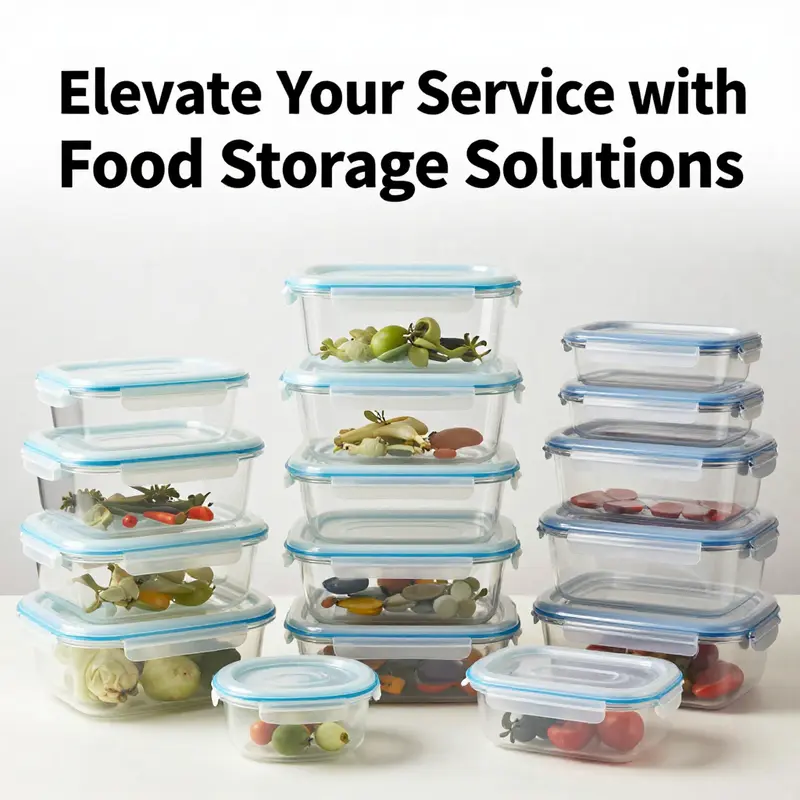
A well-organized kitchen begins with a thoughtful collection of plastic storage containers, but the real advantage comes from recognizing how a single, versatile system can adapt to a wide range of routines. In many homes, the attainable promise of a robust set lies not in a single perfect size but in a spectrum of sizes, shapes, and sealing options that together form a cohesive workflow. The most compelling storage systems aren’t just about keeping food safe; they are about transforming how you approach cooking, shopping, and mealtime. When you open a drawer or a cabinet that houses these containers, you glimpse a practical library of possibilities, where every piece has a specific job that supports a busier, more intentional life. The sets described in contemporary catalogs and shelves today are designed to cover everything from the daily produce drawer to the weekly meal-prep marathon, from quick lunches to freezer-stable batch cooking. This is not merely a collection of boxes; it is a modular approach to domestic organization that scales with your needs and persists through the rhythms of a busy household.
Across the spectrum of these plastic storage systems, the most salient features are clear and purposeful. The material itself is typically BPA-free, a baseline criterion that keeps safety front and center while maintaining a light, durable profile. The plastic used is chosen for heat resistance and cold tolerance, enabling a smooth transition from refrigerator to microwave to dishwasher in many cases. The sealed design—an airtight, often leak-proof interface between lid and base—ensures that moisture and odors stay contained, liquids don’t slosh across the shelf, and the risk of flavor mingling between compartments is minimized. In practice, this means a batch of soups can be stored without fear, overnight leftovers can be reheated without a mess, and a week’s worth of lunches can stay fresh and portable. The transparent, see-through walls of these containers offer more than aesthetic appeal; they empower quick inventory checks without opening each lid, a small but meaningful time-saver that compounds as the number of containers in use grows.
A defining strength of these storage sets is their versatility in shape and capacity. You’ll find configurations designed for specific tasks—compact units that cradle fruits and vegetables for the crisper, flatter trays that slide onto a pantry shelf, and elongated rectangles that accommodate long leftovers like rice, grains, or casseroles. A typical range includes an array of options—from compact 4-piece bundles aimed at produce preservation to substantial 26-piece or even larger collections intended to cover meal-prep needs, lunch packing, and pantry organization. The variety is not merely fashionable; it’s functional. With multiple sizes, you can tailor your storage to what you actually cook, store, and transport, reducing the likelihood of awkward mismatches with tall shelves or awkwardly shaped groceries. Even the medium-sized pieces, such as a common 4.7-cup container, are versatile enough to hold staples like grains, cut vegetables, or snacks, proving that a balanced set is less about having more boxes and more about having the right boxes for the job.
The design language across these sets often emphasizes ease of use and long-term practicality. A hallmark is a lid system designed to stay with its partner, or at least to be easy to match up quickly, which eliminates the frustration of hunting for lids after every washing cycle. Many lines feature lids with built-in handles and clear labeling areas, a touch that seems minor until you experience the mornings when you’re trying to assemble lunches in a rush or when you’re tidying the kitchen after a long day. The labeling space becomes a quiet assistant, letting you stamp days, contents, or portions right onto the lid so you can pick the right box without opening several candidates. The lids themselves often snap onto bases or nest securely within each other, enabling clean, efficient stacking on top of each other or inside a cabinet. The result is a storage ecosystem that takes up less real estate while expanding your capacity to plan ahead. In a home where space is a premium, that stacking and nesting capability translates into tangible gains in organization and accessibility.
Portability is another thread that runs through the narrative of versatility. A subset of these containers is specifically fashioned to support meals away from home—the classic take-along format. These portable designs typically emphasize a rectangular or square footprint with a secure, multi-compartment approach that helps separate a main dish from sides and dips. The compartments are not merely about containment; they serve a practical purpose by preserving flavors and textures, so what you pack remains appetizing when you arrive at school, the office, or a friend’s house. The capacity often aligns with practical meal portions, such as around 3.7 cups for a typical lunch, which is large enough to be satisfying yet compact enough to carry without bulk. The careful partitioning within such containers minimizes cross-flavor mingling and makes it easier to transport sauces or dressings separately if needed. This portability aspect resonates with families and individuals who value both healthful meals and the flexibility to eat well outside the home, as it aligns with on-the-go routines without demanding specialized equipment or costly add-ons.
In discussing sets that span both the affordable and the premium ends of the market, it’s important to recognize how price signals value and durability. A budget-friendly 26-piece assortment offers a compelling balance of essential workhorse capacities and reliable sealing, making it possible for more households to assemble a relatively complete system without a heavy upfront investment. On the other hand, higher-end ensembles, often marketed as premium lines, pair enhanced sealing technology with sleek aesthetics, offering superior leak resistance and a visually satisfying presence on the shelf. The difference between the two isn’t solely about glossy finishes or a larger number of pieces; it’s about the quality of the seal, the ease of lid retrieval and replacement, and the confidence that the system will withstand daily use, including frequent dishwasher cycles and repeated freezer-to-microwave transitions. For families managing a larger number of meals, the logic of these sets becomes appeals to reliability and convenience: you’re buying not just containers, but a durable framework that can shoulder a week’s worth of cooking, storage, and transport without breaking down.
These practical benefits naturally extend into the kitchen’s organizational logic. The transparent walls, combined with a predictable lid system, support a straightforward workflow: you see contents quickly, you know where to find the right size, and you can return containers to their places with minimal friction. This ease translates into less time spent hunting for matching lids or scavenging for the right box in the back of the cabinet. Some lines bring additional efficiency through labeling surfaces, which help you establish a shared language within a household. A mom or a college student can coordinate meal prep with a clear system of tags and dates, turning a once-chaotic pile of leftovers into a reliable library of meals awaiting reheating. And because these containers are designed for the refrigerator, freezer, microwave, and dishwasher (with top-rack guidelines in mind), the entire cycle of cooking, storing, and reheating becomes more seamless. The predictability of this approach helps reduce food waste, as you’re more likely to know what’s in the fridge and how long it will stay fresh.
To someone charting a kitchen’s efficiency, the question is not simply “which set should I buy?” but rather “how can a collection of containers align with my cooking frequency, the way I shop, and the number of mouths I feed?” A smaller kitchen might lean toward a few flexible, multi-purpose shapes that fit inside a compact fridge and can be used for both produce storage and reheating leftovers. A larger family may prefer broad, tiered sets that offer a full range of capacities and the portability options that support lunches for multiple people. The affordances of the system—sturdy construction, reliable seals, and the capacity to adapt over time—mean that a well-chosen set remains useful long after the initial impulse to purchase has faded. It becomes a backbone for routine cooking, a tool that makes meal prep feel less burdensome and more deliberate, creating a sense of control in daily life that is often hard to come by in a busy household.
The conversation about variety and versatility also intersects with ideas of sustainability and mindful consumption. Durable plastic storage sets can reduce reliance on disposable containers by offering a long service life. They are designed to withstand repeated use, which means they can lower the cumulative waste produced by a family over the years. The BPA-free construction is part of a safety conversation that is increasingly important in modern kitchens, offering reassurance that the containers won’t impart unwanted chemicals into food. The ability to re-seal, re-use, and re-organize as needs shift supports a lifestyle that prioritizes longevity and thoughtful planning over constant upgrading. In this sense, the narrative of variety becomes a narrative of resilience—the idea that a versatile system can grow and adapt with you, rather than forcing you to chase new gadgets every season.
Choosing a system is rarely about chasing the largest set or the most visually striking option. It’s about calibrating a collection to your life: the foods you cook, the meals you prepare, how you store week-by-week, and how you move food from storage to table. For example, a household that prioritizes fresh produce may value a few produce-saver shapes designed to extend the life of fruits and vegetables in the refrigerator. A family that relies on batch cooking might lean toward larger rectangles and deeper containers that can hold grains, soups, stews, and casseroles, while a separate take-along lineup could support school lunches and workday meals. The beauty of a well-considered set lies in its ability to address these different moments without requiring a separate storage system for each task. A single, cohesive collection can handle everything from the family dinner to a solo lunch, from the fridge to the road, with minimal friction and maximum reliability.
Within this broader landscape, it’s useful to keep an eye on a few practical cues that guide smarter purchases. First, consider the frequency and volume of use: are you storing small portions or large batches? Second, assess the real estate available in your kitchen and fridge; narrow, stackable shapes nearly always win in tighter spaces. Third, reflect on how you cook and reheat: if meals frequently require microwave reheating, confirm that the set’s lids and bases tolerate warm temperatures without warping or compromising seals. Fourth, think about the cleaning routine you prefer. Top-rack dishwasher compatibility is an easy win if you want to minimize washing by hand, but you may also want to avoid metal lids or components that could degrade after repeated heating. Finally, value is a function of longevity and versatility. A mid-range collection that covers core needs can deliver more long-term satisfaction than a larger, flashier set that only sometimes fits your real-world tasks.
For readers who are curious about how these considerations translate into real-world choices, a handy parallel exists in the broader world of takeaway packaging. The modular, lid-focused approach that underpins portable meal containers resonates with the way many households think about on-the-go solutions. If you are drawn to the idea of interchangeable lids and visible contents, you may also appreciate the philosophy behind customizable takeaway packaging, which emphasizes practicality, portability, and the avoidance of waste through reusability. To explore a related approach to packaging that embraces the same principles of flexibility and reuse, you can find a useful reference here: custom takeaway packaging supplies.
As this chapter moves toward a close, a larger pattern emerges. The variety found in plastic storage container sets is not an assortment of random pieces. It is a deliberately engineered system designed to reduce morning friction, streamline meal-prep, and extend the life of the foods you prepare. It invites you to reimagine kitchen space as a flexible workspace rather than a static cabinet. It encourages you to think beyond the moment of purchase and toward a workflow that honors efficiency, safety, and sustainability. In practice, this means a few well-chosen shapes arranged in a logical grid—containers that slide cleanly into the fridge, lids that snap into place without a chase through the drawers, and a few portable options that keep your meals intact when you’re away from home. The result is a kitchen that feels calmer, more predictable, and better suited to the rhythms of real life. It is the everyday magic of a well-built storage system: a quiet partner that helps you cook less, waste less, and enjoy meals more, without fuss or fanfare.
External resource: for a practical glance at a real-world listing of assorted storage containers that highlights the durability and configurations people look for in these systems, see this external reference: https://www.ebay.com/itm/Rubbermaid-Assorted-Food-Storage-Container-Set-Case-of-1/395247552488
Final thoughts
Rubbermaid food storage containers offer an exceptional blend of durability, innovative design, portability, and variety, making them an excellent choice for bubble tea shops, restaurants, food trucks, catering services, and event planners. Their performance in maintaining food safety, alongside user-friendly features, enhances efficiency in any food service operation. Investing in Rubbermaid means ensuring that your food storage needs are met with reliability and style, ultimately elevating your service quality. Embrace these solutions to streamline your operations and keep your food fresh and appealing.