
Introduction
In the fast-paced world of food service, from bustling bubble tea shops to catering teams, the convenience of plastic containers is undeniable. However, an important question looms: is it safe to store hot food in these ubiquitous vessels? As we explore the thermal properties of various plastics and their potential health implications, we’ll uncover whether certain materials can leach harmful chemicals when exposed to high temperatures. This article will discuss the types of plastics suitable for hot food, the risks associated with using inadequate containers, and best practices for ensuring food safety. Equipped with this knowledge, businesses can make informed choices that protect both their customers and their brand reputation. If you’re interested in understanding the impact of plastic on food quality, learn more about the plastic containers used in the food industry and discover why food-grade safety is essential.
Safety Concerns of Hot Food in Plastic Containers
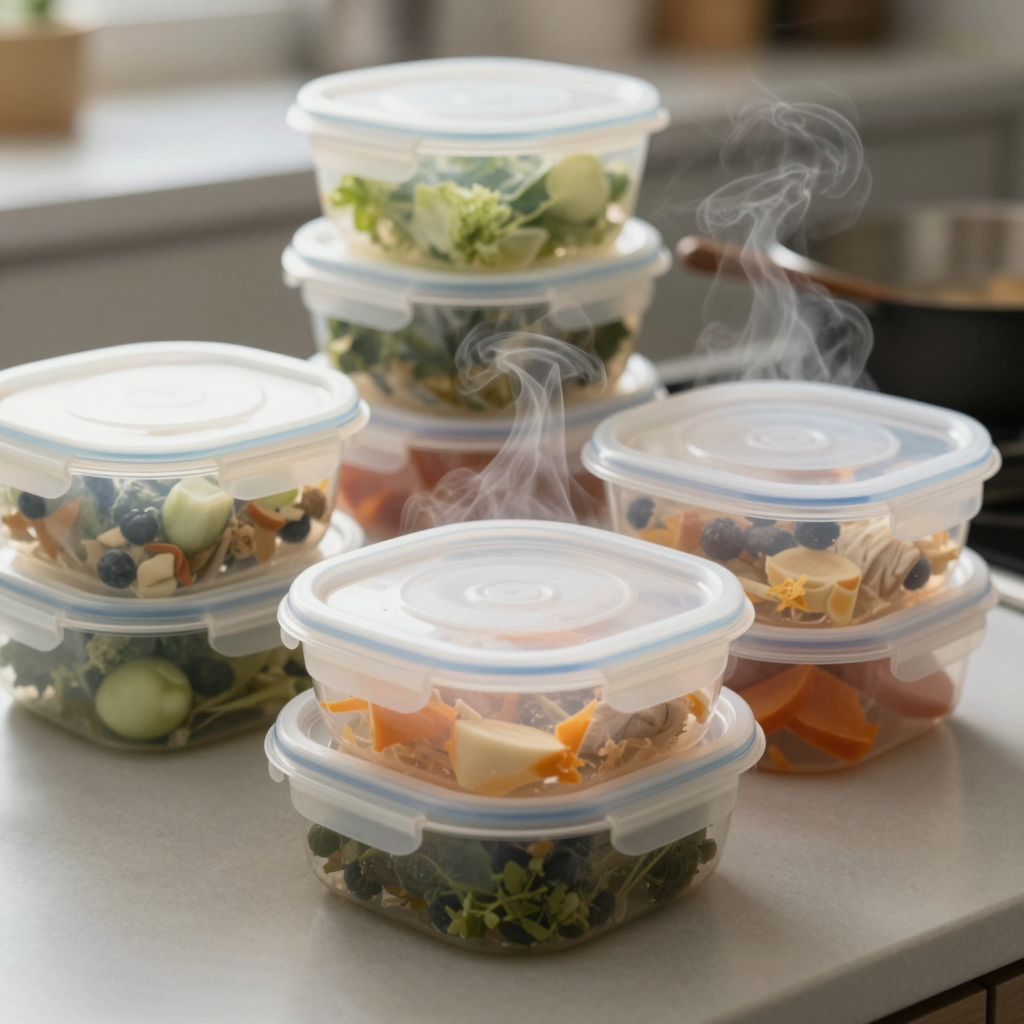
Storing hot food in plastic containers raises significant health concerns largely due to the leaching of harmful chemicals. When plastic is heated, especially with oily or fatty foods, there is a risk of harmful substances migrating into the food. For instance, a 2026 study by Zhejiang University found that heating oily foods in plastic containers can significantly elevate the release of microplastics-up to 125 times more than when heating water. This heating process can also release heavy metals like lead and copper, posing further health risks such as potential damage to gut cells and increased risks associated with chronic conditions including cancer and heart disease.
Moreover, many common plastics may contain toxic additives that are not safe for food consumption. A report by the China CDC highlighted that over 40% of plastic bags fail to meet food safety standards and can leach phthalates and organic dyes when exposed to high temperatures (above 60°C). These substances can accumulate in the body over time, leading to serious long-term health issues.Learn more about toxicity in plastic containers
Alternatives such as glass or stainless steel containers are preferable for storing hot foods, as they do not carry the same risks of chemical leaching. Opting for safer materials can help mitigate these concerns and protect your health better than conventional plastic options.
When it comes to placing hot food in plastic containers, safety remains a pivotal concern. As highlighted by food safety experts, the release of harmful substances can pose significant health risks. For instance, a study from Zhejiang University reveals that even polypropylene (PP) containers, often labeled as microwave-safe, can release microplastics when heated with fatty foods. They found that the release rate can increase dramatically, posing potential health hazards. An expert emphasizes, “Heating food in plastic containers, especially those containing fats, can result in the migration of harmful chemicals like phthalates and microplastics into the food. It is advisable to use glass or ceramic containers for hot foods to minimize health risks.” This serves as a powerful reminder for food businesses to carefully consider the materials they use for food storage, particularly for hot items, to ensure consumer safety. Learn more about plastic containers in the food industry.
Safe Alternatives to Plastic Containers
Switching from plastic containers to safer, biodegradable, or heat-resistant alternatives is beneficial for both the environment and food safety. Here’s a list of some great options:
-
Glass Containers
Glass containers are incredibly durable and can withstand high temperatures, making them perfect for storing hot food. They are non-toxic, do not leach chemicals, and are recyclable. They also provide excellent visibility of contents, which is great for food service operations. -
Stainless Steel Containers
Stainless steel is another heat-resistant option. It is non-reactive, making it safe for all types of food, including acidic ingredients. It’s also highly durable and will last for years when properly maintained. -
Bamboo Containers
Made from natural bamboo, these containers are biodegradable and can be utilized for a variety of food types. They are lightweight, making them suitable for food trucks and catering services. -
PLA (Polylactic Acid) Containers
Derived from cornstarch, PLA containers are compostable and suitable for both hot and cold meals. They are a great choice for businesses looking to enhance their sustainability practices while maintaining food quality. -
Sugarcane Bagasse Containers
Leftover from sugar production, bagasse is a biodegradable material that works well for holding hot foods without compromising structural integrity. These containers are durable and aesthetically appealing. -
Cardboard and Paper Containers
These containers, especially those treated for moisture resistance, can support a broad range of food items while ensuring biodegradability. They are excellent for takeout services, reducing plastic waste significantly.
By embracing these alternatives to plastic, food service providers can not only safeguard public health but also champion sustainability efforts. Check out our detailed resources on biodegradable options to find the best fit for your needs!
Types of Plastics
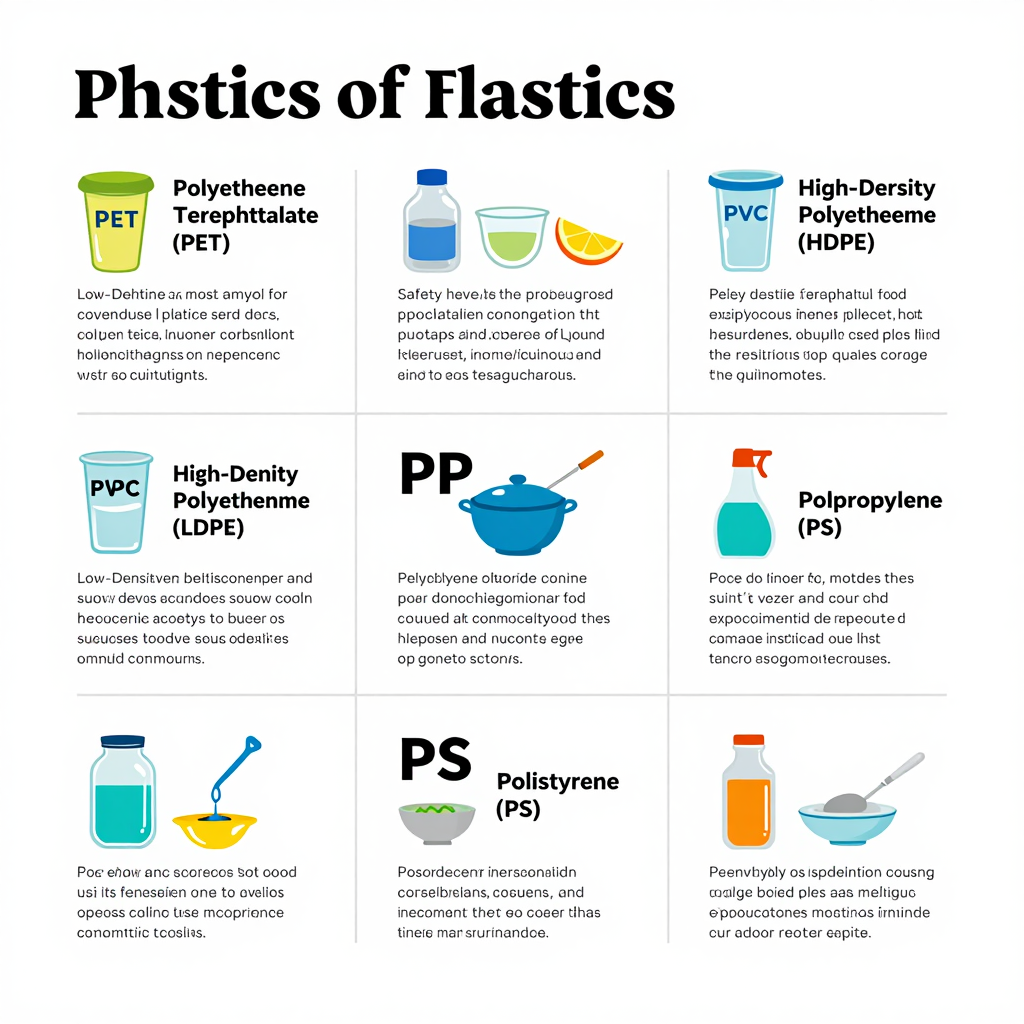
Understanding the types of plastics is essential, especially in the food industry, where safety and health are paramount. Here’s a simple infographic showcasing various plastic types and their safety levels for hot food storage.
Key Points:
- PET: Safe for cold foods but not recommended for hot items.
- HDPE: Generally safe for hot foods.
- PVC: Not suitable for food; can leach harmful chemicals.
- LDPE: Usually safe; great for storage but avoid heat.
- PP: Good for hot foods; heat resistant.
- PS: Not recommended for hot items due to risk of leaching.
For more details on safe food storage containers, read our guide on plastic containers in the food industry.
Understanding Food Safety Regulations for Storing Hot Food in Plastic Containers
When it comes to storing hot food, business owners in the food and beverage industry-such as bubble tea shops, restaurants, food trucks, and catering services-need to be aware of the current food safety regulations regarding plastic containers. Recent guidelines emphasize the importance of material selection to ensure safety and compliance.
Key Regulations and Guidelines
1. FDA Regulations in the United States
The U.S. Food and Drug Administration (FDA) sets stringent regulations for food contact materials. According to FDA guidelines:
- Approved Plastics: Only food-grade plastics listed under the Federal Food, Drug, and Cosmetic Act may be used for storing hot food. Commonly approved plastics include polypropylene (PP), which can withstand temperatures up to 212°F (100°C). Containers should be labeled
microwave-safeorhot food safe, indicating they have been tested for safety under heat; avoiding unclear or non-compliant plastics is crucial to preventing harmful chemical leaching. For detailed information, visit the FDA Food Contact Materials page.
2. EU Regulations
In the European Union, food safety is governed by Regulation (EU) No 1935/2004 and its implementing regulation for plastics. Key points include:
- Migration Limits: All plastic materials used to store hot food must not release harmful substances into the food. Manufacturers must conduct risk assessments based on intended use, especially concerning temperature conditions. Containers must also meet specific migration limits (SMLs). Regular inspections ensure compliance. More details can be found on the EU Food Contact Materials page.
3. UK and China Regulations
As of October 2023, the UK has banned single-use plastic containers intended for hot food, although some exemptions exist. Containers used for pre-packed meals are still allowed if not intended for direct consumer use. This ban aims to reduce plastic pollution and promote environmentally friendly alternatives.
- China has enacted regulations under the National Standard GB 4806.7-2023, which mandates that plastic containers used for high-temperature food must be made of polypropylene and clearly marked for high-temperature applications. The standard ensures consumer safety by preventing unknown plastic migrations into food products. Find more about plastic container safety on the China National Market Supervision Administration website.
Practical Recommendations for Food Businesses
- Material Selection: Always opt for containers made from polypropylene (PP) as they are the safest for hot food storage. Avoid using polystyrene (PS) or unmarked plastics, as they can leach harmful substances when exposed to heat.
- Label Compliance: Ensure all food storage containers are clearly labeled regarding their temperature limits and use cases to avoid health risks associated with high-temperature storage.
- Consumer Awareness: Train staff to understand the importance of proper container selection based on current regulations to ensure customer safety and compliance.
Storing hot food correctly not only meets legal requirements but also helps maintain food quality and consumer safety, creating a win-win situation for food service operators and customers alike. For more insights on food safety standards, read our article on plastic containers in the food industry.
The Impact of Storing Hot Food in Plastic on Flavor and Quality
Storing hot food in plastic containers can significantly compromise both flavor and quality, an issue of paramount concern for culinary professionals. When hot food is placed in plastic, the heat can cause certain chemicals within the plastic-such as BPA and phthalates-to leach into the food. This chemical migration not only poses potential health risks but can also alter the taste of the food, lending it a plastic or off flavor that detracts from the overall dining experience.
Flavor Alteration
Various studies indicate that plastic containers are more likely to absorb and retain flavors of food stored within them, especially when dealing with acidic or oily dishes. The interaction can create a harmonious or clashing flavor profile, depending on the food. When high-fat foods, like sauces or dressings, are stored in plastic, the oils can react with the plastic, resulting in undesirable flavors or odors. Quick, high-temperature applications exacerbate these risks, especially when the food temperature exceeds 70°C (158°F).
Quality Degradation
Furthermore, repeated heating and cooling cycles contribute to the degradation of plastic’s molecular structure. This breakdown can lead to surface changes that impact the container’s integrity, potentially causing it to become brittle or discolored. Over time, and with repeated use, the quality of the stored food can deteriorate, leading to inconsistencies in texture and taste.
If you’re looking to maintain the highest culinary standards, it’s advisable to opt for alternatives like glass or metal food storage containers, which do not interact adversely with hot food and help maintain the intended flavor and aroma. For more information on plastic containers in the food industry, you can explore various guidelines and recommendations that can safeguard the quality of your culinary creations.
Conclusion
In conclusion, for culinary professionals, avoiding the use of plastic for hot food storage will ensure that the flavor and quality of dishes remain intact, ultimately enhancing customer satisfaction.
Consider reviewing packaging choices to ensure they align with best practices for food safety and quality.
Learn more about the safety of plastic food storage containers.
Comparison of Food Container Materials for Hot Food Storage
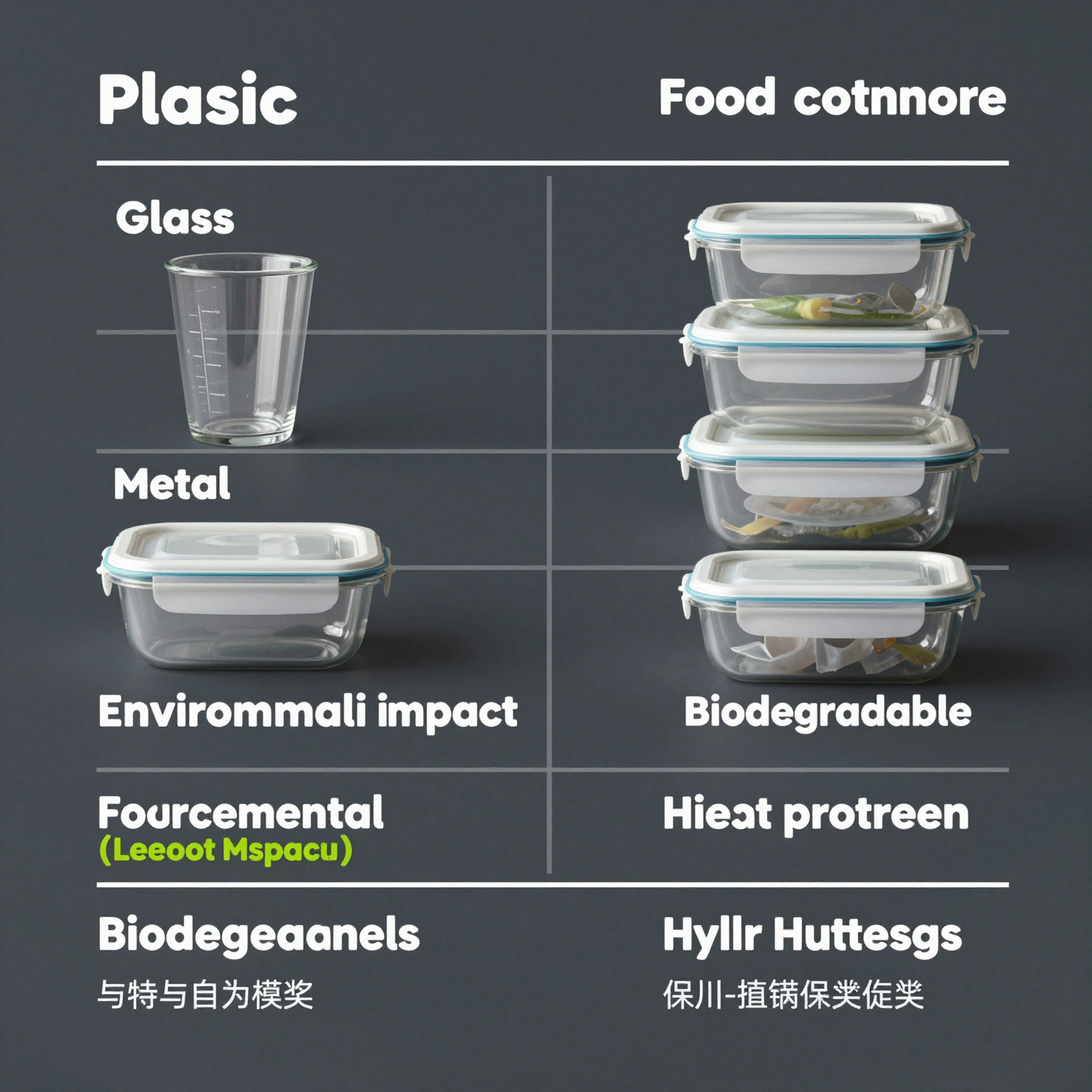
When it comes to storing hot food, the choice of container material is crucial. Here’s a concise comparison of the most common materials used:
| Material | Pros | Cons |
|---|---|---|
| Plastic | – Lightweight and flexible – Affordable |
– Limited heat resistance – May leach harmful chemicals when heated – Not eco-friendly |
| Glass | – Non-reactive and durable – Safe for microwaves |
– Heavy and can shatter easily – More expensive than plastic |
| Metal | – Highly durable – Good heat retention |
– Can be heavy – Production is energy-intensive |
| Biodegradable | – Eco-friendly – Made from renewable resources |
– Often weak under heat – Limited durability for repeated use |
For more on the implications of using plastic containers, check out our article on plastic containers in the food industry as well as disposable plastic bowls for hot food.
In conclusion, the choice of food storage solutions is crucial for maintaining food quality and safety. Using plastic containers for hot food can lead to chemical leaching, posing potential health risks. Research from reputable sources like Harvard and Consumer Reports highlights the necessity of opting for safer materials such as glass or stainless steel. Moreover, proper food storage practices not only prevent waste but also contribute to better food safety standards in your establishment. By investing in the right food storage solutions, businesses can support their health, reduce costs related to food spoilage, and ultimately enhance customer satisfaction.
🌟 Elevate Your Food Service with Eco-Friendly Solutions! 🌟
Are you ready to take the next step in safe and sustainable food storage? At EcoCupBowl, we understand the unique challenges faced by bubble tea shops, restaurants, food trucks, and catering services. That’s why we offer a comprehensive range of disposable tableware and packaging solutions designed with your needs in mind.
Our products not only ensure the safe storage of your hot and cold foods but also promote eco-conscious practices that resonate with today’s environmentally aware consumers.
✅ Explore our innovative disposable products today:
- Learn more about food container safety
- Discover our versatile disposable food packaging options!
Let us help you impress your customers while caring for the planet. Choose EcoCupBowl for your next order!