
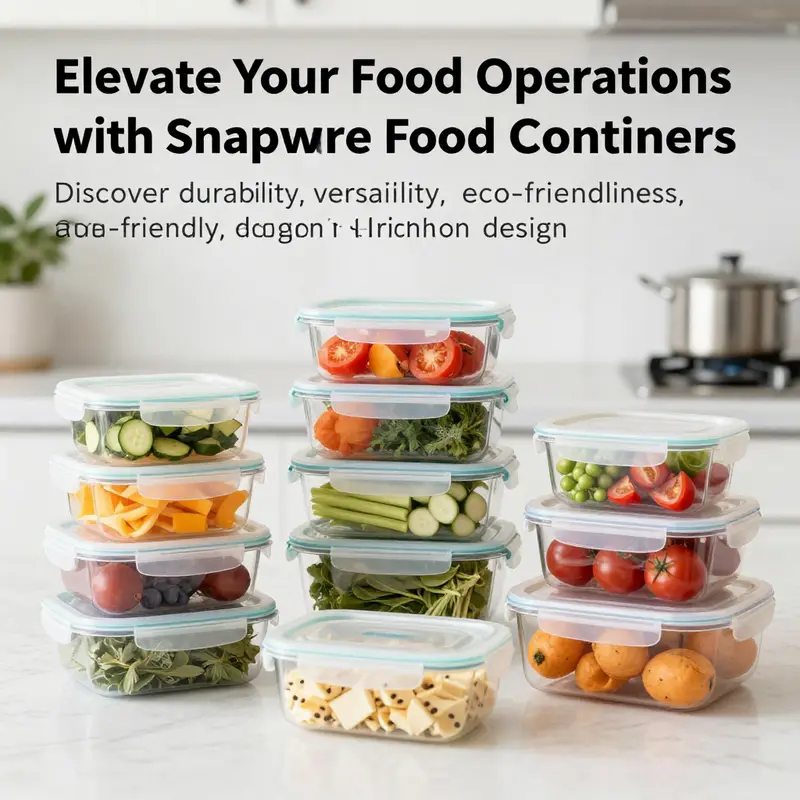
For businesses in the food and beverage industry, maintaining the quality and freshness of products is paramount. Snapware Airtight Plastic Food Containers offer an optimal solution, allowing for efficient storage and organization tailored for bubble tea shops, restaurants, food trucks, and catering services. Each chapter delves into key aspects such as durability, versatility, eco-friendliness, design functionality, and consumer feedback, giving you a comprehensive understanding of why these containers are a valuable investment for your business. Let’s explore how they can contribute to seamless operations in your culinary pursuits.
Durability Under Pressure: The Hidden Strengths of Airtight Plastic Food Storage
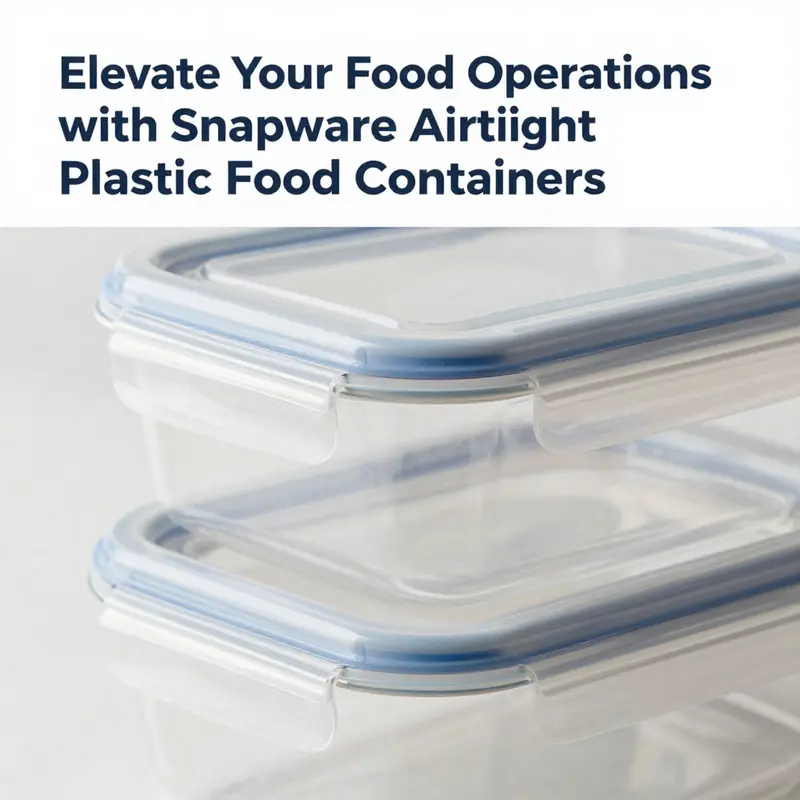
Durability is the quiet workhorse of a well-designed kitchen. It is not the flash of color or the promise of speed, but the steady reliability that allows a family to store leftovers, meal-prepped staples, and snacks with minimal fuss. When we consider airtight plastic food storage, durability unfolds across several intertwined dimensions: material resilience, lid integrity, seal reliability, and the way a container behaves through repeated cycles of use. The core idea is simple yet powerful: a durable container maintains its shape, protects its contents, and remains functional after countless trips through the dishwasher, freezer, microwave, and back into the pantry. This reliability reduces waste, supports consistent portioning, and makes everyday cooking more convenient. The materials chosen for these containers are engineered to withstand the bumps and tugs of daily life, from accidental drops to the rough handling that often accompanies family kitchens. The plastic itself is formulated to be tough and forgiving, resisting the kind of microcracks that can appear after repeated contact with metal racks, cold drafts, or heat bursts from a hurried microwave session. In practice, that means a container can survive the journey from fridge to lunchbox, still snap securely shut, and still show a clear, unobstructed view of what’s inside. The transparency of the plastic isn’t just a cosmetic feature. It is a practical advantage that supports a disciplined approach to food management. When you can see everything at a glance, you waste less time and energy digging through cupboards, and you’re less likely to repurchase items you already have but have forgotten. This visibility translates into better inventory control and less impulse buying, which are themselves forms of durability—durability of your kitchen routine as much as the container itself. The material’s safety profile matters too. BPA-free plastics have become a standard expectation in modern storage solutions, designed to minimize the risk of unwanted chemical exposure as food sits inside a container for hours or days. That safety foundation underpins the confidence you need to store acidic sauces, citrus-marinated leftovers, or school-day lunches without worrying about off-flavors or minor chemical migration. Yet safety does not come at the expense of strength. A tough, BPA-free polymer can withstand the rigors of everyday use, including frequent cycling through a microwave, refrigerator, and freezer. In this sense, durability is not merely about avoiding breakage; it is about maintaining functional integrity across temperature swings, mechanical stress, and repeated cleaning. Consider the lid system, a critical element in the durability equation. A well-engineered airtight container relies on a secure locking lid that forms a robust seal while remaining easy to operate. Four-way or multi-point locking mechanisms distribute the stress evenly around the edge, resisting warping and lid misalignment that can lead to leaks or a compromised seal. When a lid locks firmly, the container’s walls experience less strain during transport, which in turn helps prevent cracking at the corners and along the seams. This is not just about keeping liquids in; it is about preserving the container’s overall geometry so that its seal stays aligned after hundreds of uses. The seal itself is a small but decisive factor in durability. An airtight gasket or elastomer ring can withstand repeated compression and relaxation without losing its elasticity. Over time, a gasket that maintains its resilience prevents the need for frequent replacements and reduces the chance that the container will fail to keep odors, moisture, or air at bay. For households that rely on meal-prep and bulk storage, this reliability matters more than the initial purchase price. A durable seal means leftovers stay fresher longer, a feature that in turn minimizes waste and the emotional toll of throwing away good food. The durability story extends to the container’s performance across environments. In a busy kitchen or on a packed desk at school or work, containers endure a wide range of conditions. They might sit in a hot car during summer, dip into the freezer, or glide through the dishwasher after a week of use. A well-designed plastic container resists the micro-damages that heat and cold can cause, so it does not become brittle in cold storage or warp under the heat of a microwave. It also resists staining and odor absorption that can cling to some plastics over time. When a container resists stains and lingering odors, it remains visually appealing and ready for reuse, reinforcing the habit of sustainable storage rather than discarding items that have become discolored or pungent. In practical terms, this durability translates into a durable routine. People who prepare meals in advance often juggle containers of different sizes for different foods. Durability in this context includes the ability to stack securely without slipping, to nest for compact storage, and to be cleaned thoroughly without harboring hidden residue. A thoughtful design addresses these needs with thick-walled walls, reinforced corners, and precise tolerances between lid and body. The result is a system that can be repeatedly assembled, disassembled, and reassembled without the inefficiencies that accompany looser-fitting lids or misshapen containers. Because the exterior is clear and the interior honest about what it holds, users can quickly assess functionality and plan their next steps—whether portioning a week’s worth of meals, rationing snacks for a family road trip, or organizing pantry staples for a streamlined morning routine. Even the everyday tasks of washing and drying contribute to the durability narrative. Durable plastics are chosen not only for their ability to survive heat and cold but also for resistance to stains and odors, which helps keep containers looking and smelling clean after repeated use. This is not about perfection but about sustained performance. When a container looks clean after several dishwasher cycles and retains its seal through many openings and closings, users gain confidence in the equipment and in their own food-handling practices. The broader implication is clear: durability is a multiplier of value. A single container can replace multiple short-lived options, reducing clutter and waste while offering consistent performance day after day. This has a ripple effect on how households plan meals, store leftovers, and manage groceries. It aligns with a practical philosophy of kitchenware that emphasizes longevity, safety, and ease of maintenance over novelty. In the larger landscape of packaging and storage, durability is a bridge between practical function and sustainable living. Even though premium options like glass storage or oven-safe variants exist for certain applications, the enduring appeal of durable plastic storage lies in its lighter weight, resilience to drops, and ease of maintenance. Plastic offerings that combine clarity, safe materials, and a reliable locking system deliver a package that can handle the rhythm of a hectic household without sacrificing performance. For readers contemplating a broader perspective on packaging durability, a related discussion on durable, eco-conscious packaging options can be explored here: eco-friendly disposable packaging box for fast food. This perspective helps situate the durable plastic option within a spectrum of storage and packaging solutions, highlighting how design choices influence lifespans and usability across contexts. While the details vary by use case, the core principles remain consistent: a container that resists wear, keeps its seal, and remains easy to clean and repurpose will outlast more fragile alternatives, reducing waste and supporting smoother daily routines. The practical takeaway is straightforward. Choose containers with a well-engineered lid system, a robust seal, and walls that resist impact and temperature changes. Look for materials that are BPA-free and designed for repeated cycles in microwave, freezer, and dishwasher environments. Prioritize transparency for quick identification and inventory management, and favor stackable designs that optimize space in cupboards and refrigerators. In doing so, you invest in a durable backbone for your kitchen—one that keeps food fresher longer, preserves flavor, and stands up to the daily pressures of modern life. For those who appreciate the balance between practicality and safety, durability becomes not just a feature, but a promise that the container will perform as needed long after it’s first used. External reference for further reading on durability in storage solutions can be found here: https://www.amazon.com/dp/B07ZPC9K6J
Airtight, Adaptable, Everyday: Redefining Kitchen Storage with Sealed Plastic Containers
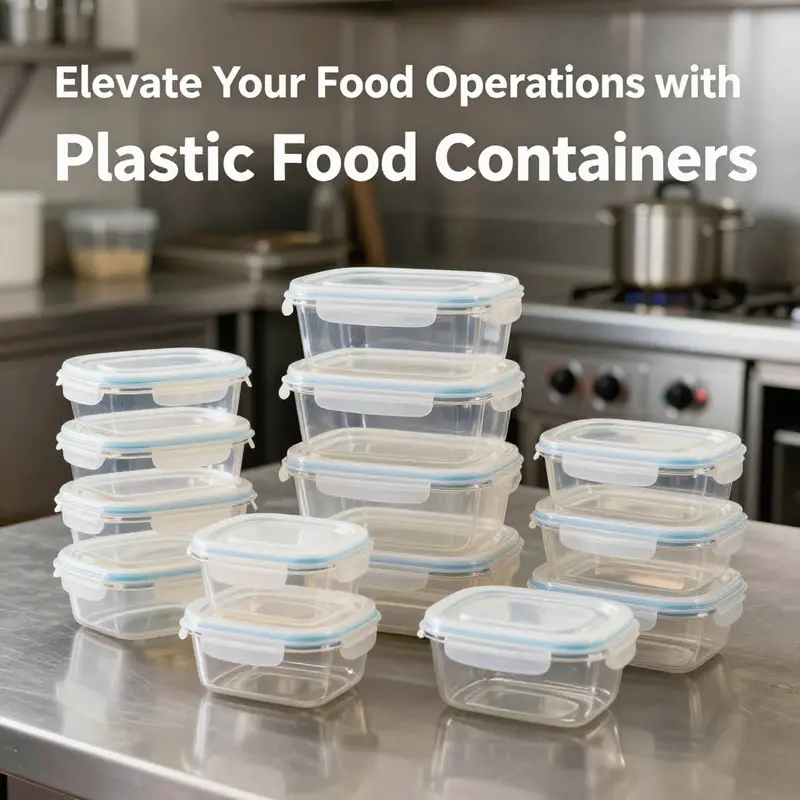
Every kitchen thrives when its storage system disappears into the routine, quietly supporting the flow of meals from planning to plate. Airtight plastic containers do more than hold food; they shape how households approach freshness, organization, and waste. The essence of their value lies in versatility. They handle dry staples such as cereals, pasta, and nuts with minimal fuss, yet they rise to the challenge of liquids, sauces, and leftovers without surrendering performance. When a container can seal securely, it becomes a guardian of texture and taste, a dependable partner whether a family is stashing a week’s worth of lunches, prepping meals for busy workdays, or portioning snacks for growing kids. The real strength shows up not only in what is stored, but in how easily the system integrates with daily life. A well-chosen set reduces rummaging through opaque boxes, makes inventory visible at a glance, and supports portion control with clarity rather than guesswork. In this sense, the storage solution becomes less a single product and more a framework for consistent kitchen practice, an engine that powers healthier choices and less measureless waste.
The practicality of these containers emerges most clearly in the seal itself. An airtight, leak-resistant lid means cereals stay crisp, nuts stay fresh, and decorative sauces do not migrate into the neighboring items. The ability to store both dry goods and moist foods within the same family of containers—without switching containers or compromising on cleanliness—transforms shopping habits as well. When a pantry holds items in uniform, stackable shapes, stacking becomes a strategy rather than a chore. The simple act of lining shelves in neat rows nudges toward mindful buying: you see what you have, you use what you see, and you make room for what matters next. This is not merely about neatness; it is a practical approach to reducing waste, trimming food spoilage, and extending the usable life of the ingredients that fuel daily meals.
From the standpoint of everyday use, the design informs behavior as much as the material does. Clear, durable plastic with generous visibility lets you identify contents without opening lids—an important detail when time is tight and decisions must be quick. The ability to view portions and label contents directly on or near the lid supports consistent meal planning across a family’s roster of cooks. Whether you are prepping a week’s worth of lunches or organizing baby-food portions, a system that makes it obvious what’s inside saves minutes that accumulate into hours over a month. The adaptability extends to size variety as well. A thoughtfully curated range of capacities—from compact 2–3 cup equivalents to larger multi-cup options—lets you parcel snacks, grains, and soups with a minimum of gaps. Each size can slot into a larger, interlocking family of containers, which multiplies the ways you can arrange a fridge, a freezer, or a pantry shelf. The result is a storage ecosystem that behaves like a single, coherent unit rather than a collection of mismatched pieces.
A core strength of airtight plastic storage is its compatibility with common kitchen tasks. These containers are designed to withstand the rhythms of daily cooking and cleaning: they microwave for reheating, they tolerate the freezer for extended storage, and they are safe for the top rack of a dishwasher for easy cleanup. This multi-functionality is a powerful time-saver. It means you can reheat directly in the same vessel you used for preparation, avoiding the transfers that multiply washing and reduce overall efficiency. The transparent bodies not only aid visibility but also encourage a minimalist approach to labeling and markings. When you can see what’s inside, you are less likely to overbuy, less likely to overlook forgotten jars, and more likely to follow through with planned meals. This practical visibility translates into real-world benefits: fewer spoiled ingredients, steadier meal routines, and a kitchen that runs with the predictability of a well-rehearsed routine.
The lids themselves deserve attention as a cornerstone of everyday reliability. In many modern designs, lids interlock securely with the bases, often featuring a four-way snap system that distributes pressure evenly and resists leaks during transport. This is a meaningful enhancement for households that pack lunches, commuters who bring their meals to work, or families that rely on prepared components for busy evenings. A secure lid means fewer spills when a container slips from a hand or a lunch box slips from a backpack, and fewer worries about messes in the car, in school bags, or in the tote. It also means fewer wasted food and less scrubbing of stubborn stains after a meal that travels well. The design language here—the combination of a robust seal, a clear body, and a lid that nests neatly when not in use—speaks to a philosophy of everyday efficiency: simple, sturdy, and dependable.
Another practical thread is the labeling and organization functionality that often accompanies these storage systems. Built-in labeling areas or space for removable labels empower you to annotate contents, dates, or portion sizes. For meal-prep enthusiasts, this simple feature becomes a quiet productivity tool, enabling faster assembly lines in the kitchen and more predictable portions at the table. In households with fluctuating schedules, consistent labeling helps ensure that leftovers are consumed before they drift to the back of the fridge. This capacity for rapid recognition—paired with the crisp clarity of the container walls—fosters a culture of mindful consumption rather than impulsive cooking or wasteful thawing.
The environmental and economic logic behind a reusable, durable storage system is compelling. BPA-free construction and resin choices that resist staining and odor transfer are not mere marketing assurances; they are practical commitments to longevity. A container that resists warping, cracking, or clouding after repeated cycles of heating, cooling, washing, and stowing will outlast cheaper alternatives and preserve its appearance and performance longer. In real terms, a resilient system lowers the cost-per-use over time, reduces the need for frequent replacements, and supports a more sustainable approach to cooking and eating. For families that navigate the calendar around school lunches, weekend meal-prep marathons, and spontaneous snacks, such reliability becomes a kind of quiet stability—an everyday luxury that costs less than it saves.
The question of how to choose the right set for a given kitchen is less about a single best option and more about a thoughtful balance of size variety, lid reliability, and ease of cleaning. A practical approach is to start with a core group of medium to large containers for leftovers, soups, and bulk pantry items, then add a handful of smaller units for snacks, sauces, and child-friendly portions. When possible, seek out designs that maximize stacking and interlocking features, so you can make the most of vertical space in a pantry or on a shelf in the fridge. If you plan to use the containers for infant or toddler meals, prioritize lids with secure closures and easy-to-clean rims to foster independence and maintain hygiene. The broader takeaway is that a well-considered system does not impose rigidity; it adapts to how you cook, shop, and live, encouraging you to prepare ahead without feeling constrained by your tools.
For readers exploring related packaging choices beyond the kitchen, this resource provides a broader lens on sustainable storage and transport options. eco-friendly takeout boxes for food packaging.
In summary, airtight plastic storage redefines how a modern kitchen operates. It blends protection with accessibility, durability with ease, and organization with flexibility. It is a system designed not just to preserve food, but to simplify the daily act of feeding oneself and others. By prioritizing clarity, secure sealing, and thoughtful size variety, households gain a universal tool that supports healthier choices, less waste, and a calmer, more efficient cooking routine. An investment in such a system pays dividends in every meal—less time spent searching for what’s in the fridge, more confidence in planning and portioning, and a kitchen that works with you rather than against you. External resource: https://www.fda.gov/food-packaging-guidance
Preserving Freshness and Reducing Waste: The Eco-Logic of Airtight Plastic Food Containers
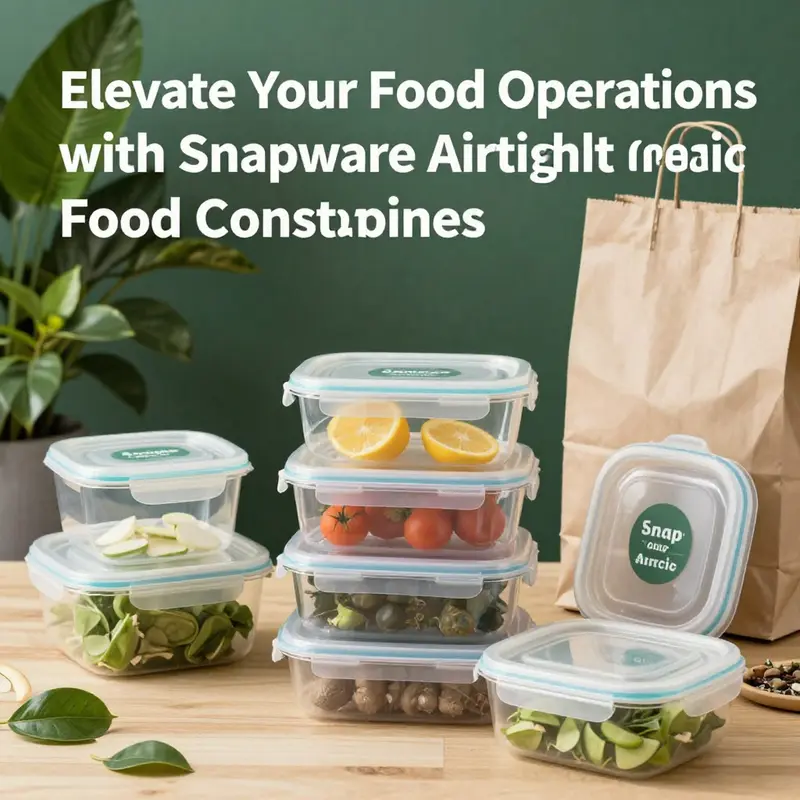
Airtight plastic food containers have become a quiet pillar of modern kitchen hygiene and daily sustainability, a simple technology that compounds into meaningful ecological benefits when used with intention. The core idea is straightforward: by shielding food from air, moisture, and contact with odors, these containers extend shelf life, preserve texture, and minimize spoilage. The practical upshot is a reduction in waste—the kind of waste that often begins in the crisper or the fridge and spirals into thrown-out leftovers and spoiled produce. When this protective seal is paired with a durable, reusable build, the environmental payoff stretches far beyond the tabletop. Each cycle of reuse compounds the benefit, not merely by keeping food fresher but by avoiding the disposable clamshells, bags, and wraps that accompany casual meals and grocery trips. In other words, the value is both culinary and ecological: fewer spoiled meals, less plastic litter, and a more efficient use of resources across the entire cycle of food storage, transport, and consumption.
A defining feature of these containers is their BPA-free construction. Consumer safety and environmental responsibility often travel hand in hand, because materials engineered to be free of certain chemicals tend to be developed with longer lifespans and safer disposability in mind. BPA-free plastics are designed to reduce the risk of chemical migration into foods, which is a consideration for households that repeatedly reuse containers day after day. Yet the environmental argument extends beyond safety alone. Reusability remains at the heart of the sustainability case. Unlike single-use packaging, these containers are built for the long haul, designed to withstand repeated cycles of washing, microwaving, freezing, and stacking without cracking, warping, or losing their seal. This durability matters because it translates into fewer replacements over time and less waste in homes that commit to a reuse mindset.
The ecological narrative becomes clearer when one considers the broader waste statistics surrounding plastic. The U.S. Environmental Protection Agency has highlighted a sobering reality: a small fraction of all plastic ever produced is recycled. In that context, durable, reusable storage solutions function as practical pivots toward circularity. They provide a pathway to reduce the daily dependence on new plastic while still delivering the convenience people expect from a well-sealed container. Of course, the environmental footprint of any plastic product depends on the end of its life as well. When disposed of properly through designated programs, the materials can re-enter the recycling stream, contributing to a loop rather than a single-use end. In other words, a well-made, reusable storage system becomes a small but meaningful piece of a larger, ongoing effort to close the loop on plastics.
The design language of these containers also reinforces their eco-advantage. A reliable airtight seal minimizes not just leakage but unintended spoilage. Four-way locking lids provide a secure fit that resists spills during transport and days in the fridge or freezer. That seal extends beyond the kitchen, influencing how much food is wasted during meal prep and how confidently leftovers can be saved for future meals. The containers are typically transparent, letting you see contents at a glance. That visibility reduces the impulse to open multiple containers or discard items that might otherwise be saved, guiding portion control and inventory management with a simple, everyday cue: “What do I have on hand?” When you can quickly assess what remains, you’re more likely to use what you’ve bought and prepared, rather than letting food languish unseen in the rear of a shelf.
From a practical standpoint, the containers’ versatility reinforces the ecological argument. Microwave-safe, freezer-friendly, and dishwasher-safe capabilities mean users can go from storage to heat to cleanup with minimal fuss and without needing to transfer contents to other vessels. The ability to withstand repeated washing cycles without losing seal integrity speaks to a lifecycle that many households value—and a lifecycle they can justify financially. The initial investment in a sturdy, reusable set can be recouped not just in the money saved by cutting down on disposable packaging, but in the diminished nuisance of dealing with spoiled leftovers and the abundance of plastic wrap, foil, and single-use bags that once characterized weekly meal routines.
Beyond the practicalities, there is a philosophical dimension to the use of reusable, airtight containers. They encourage a shift in mindset from convenience to stewardship. It’s easier to plan meals when you know you can store portions safely and reheat them without compromise. It’s also easier to minimize waste when you can see, at a glance, what you have and what you need to cook. The stackable design, a feature frequently cited by users, aids in optimizing storage space in pantries, cabinets, and even refrigerators. A tidy, organized system reduces the cognitive load associated with meal planning, which, in turn, minimizes impulsive purchases and discardable leftovers. When organization translates into reduced waste, it becomes part of a broader, daily practice of responsible consumption.
While plastic storage is frequently marketed as budget-friendly, the ecological calculus invites a balanced view. A premium option exists in glass variations that offer non-reactive, oven-safe properties, adding choices for households with specific culinary or environmental preferences. The glass route can appeal to those who prioritize inert materials and a longer glass-life under certain conditions, even as plastic options retain their indispensable role for everyday use, particularly when weight, cost, and durability are weighed against the need for microwave and freezer compatibility. The key is recognizing that both paths serve the same overarching purpose: to provide reliable, reusable containment that safeguards freshness while reducing the footprint of daily food storage. In the grand scheme, the decision rests on which attributes a family values most—durability, versatility, ease of cleaning, or the perceived environmental impact of the material—without sacrificing the core benefit of longevity and reuse.
Critically, even as the discourse around eco-friendly packaging expands to embrace biodegradable or compostable alternatives, it remains essential to evaluate performance claims carefully. Not every product labeled “eco-friendly” delivers the same level of seal integrity, leak resistance, or long-term usability. The hallmark of a successful storage solution lies in its reliability over many cycles: a secure lid, a tight seal, clear visibility, and a design that tolerates the dishwasher without fading or warping. In that sense, reusable plastic containers that are designed for repeated use occupy a pragmatic middle ground, offering tangible environmental advantages when used thoughtfully and disposed of through appropriate channels at the end of their life. The choice, then, is not simply between plastic and non-plastic; it is about aligning usage patterns with material capabilities to maximize longevity and minimize waste—one meal at a time.
For readers seeking a wider frame on sustainable choices in food storage that actually seal well, an external overview is worth a look. It situates the topic within a broader landscape of eco-conscious options and helps separate marketing promises from practical performance. You can explore a comprehensive range of alternatives and their sealing capabilities here: https://www.realsimple.com/health/food-nutrition/green-living/best-eco-friendly-food-storage-containers.
In the meantime, the practical takeaway remains clear. A well-designed airtight container system offers a simple, repeatable method to protect freshness, support efficient meal planning, and reduce waste in everyday life. It transforms how households think about leftovers, dry goods, and even snacks, turning a routine storage task into an opportunity to conserve resources. The combination of durability, safety, and seal reliability makes these containers not just convenient but genuinely sustainable when integrated into a thoughtful kitchen workflow. And as with any sustainable choice, the effect compounds: fewer spoiled meals, less disposable packaging, and a steady, measurable improvement in how a household manages both food and waste over time.
For readers who want a concrete bridge between theory and practice, consider extending this approach to complementary storage options that complement the core container system. For instance, using seal-worthy, eco-conscious takeout and snack packaging for on-the-go meals can harmonize with the home storage philosophy, keeping freshness intact while honoring environmental considerations. A practical example is exploring flexible packaging options designed for transport that still emphasizes leak resistance and recyclability, such as the following example of eco-friendly takeout boxes for food packaging: eco-friendly takeout boxes for food packaging. This kind of pairing allows households to extend the same logic of airtight, reusable storage to every step of the food lifecycle, from kitchen to desk to picnic, without losing sight of the larger goal: reducing waste and protecting the planet for future meals.
Seal, Stack, and See: The Subtle Engineering Behind Airtight Plastic Food Containers
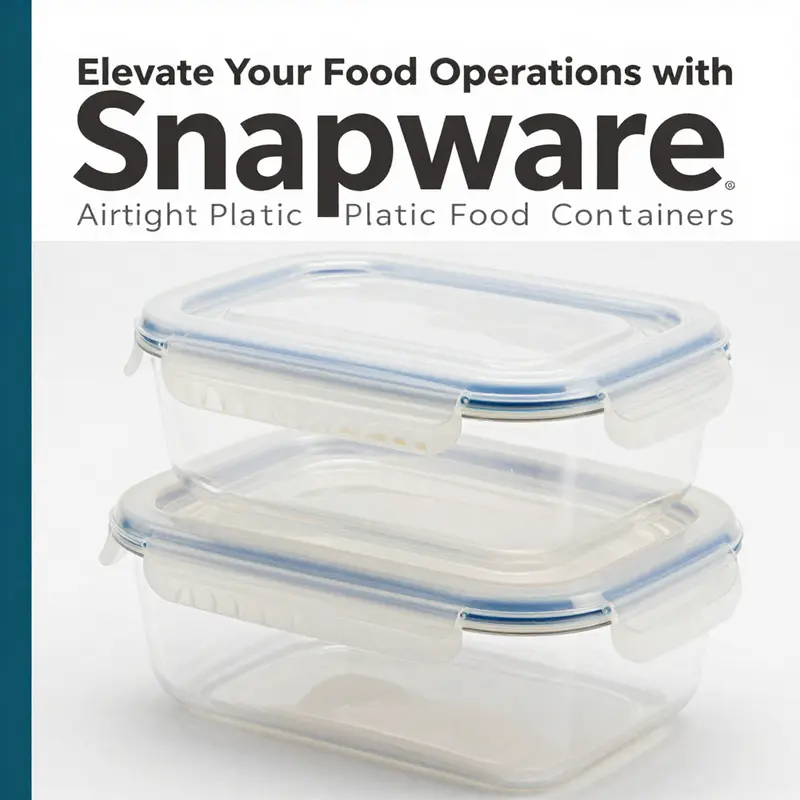
Storage design has matured into a disciplined blend of science and everyday practicality. Airtight plastic containers with a dependable seal do more than hold food; they manage time, reduce waste, and simplify routines in busy kitchens. The core design principle is simple yet exact: an airtight, leak-proof lid that locks securely around a wide mouth or deep body, creating a chamber where air, moisture, and odors stay out while the contents stay in. In this lineage, four locking tabs on the lid provide redundant engagement points, distributing pressure evenly and preventing flex that could compromise the seal. The effect is immediate: leftovers stay fresh longer, liquids stay contained during transport, and dry goods stay crisp in the pantry. The four-way lid system makes a tangible difference in real life, offering peace of mind when a container travels from fridge to office desk, from kitchen counter to grocery bag, and back again. This is not merely hardware; it is an ecosystem for better meal planning and kitchen hygiene.
Material choice matters as much as the locking mechanism. A safe, BPA-free plastic forms the backbone of many of these containers, balancing durability with lightness and transparency. BPA-free means less worry about imparted flavors or lingering odors, a consideration that grows in importance as families store everything from cooked grains to sauces and baby foods. The transparency of the material is more than cosmetic; it is functional, letting you scan shelves and quickly identify what is inside without opening multiple containers. This visibility supports portion control and reduces the constant rummaging that leads to waste. When the container meets the eye, it also meets the mind—the ability to see a neat lineup of meals or ingredients encourages smarter meal planning and reduces the impulse to over-prepare or misplace items in the fridge or freezer.
A practical virtue often highlighted by everyday users is the versatility of these containers. They are designed to perform across a spectrum of storage needs, from dry goods such as pasta or cereals to liquids such as soups, sauces, or broths. The seal must handle both moisture and air exposure, making it robust enough for freezing without becoming brittle, yet safe enough for gentle reheating when the time comes to repurpose leftovers. The same lid that keeps a broth secure in a lunch bag can also be pressed into service for pantry organization, helping households tidy shelves and create clear zones for grains, snacks, and prepared components. The value here is not only in keeping food fresh but in enabling a workflow: pre-portion meals for the week, assemble ingredient kits for quick dinners, or stage a day’s snacks in clearly labeled compartments. A thoughtful labeling feature, or even a marker that accompanies certain sets, can turn a simple container into a planning tool, letting you date contents and track freshness with minimal fuss.
Space efficiency is another cornerstone of the design philosophy. Containers are built to be stackable, with uniform shapes that form neat towers in pantries, cabinets, or refrigerators. This geometry matters because it translates into real-world gains: fewer wasted inches on shelves, easier access to what you need, and a perception of order that reduces the mental load of meal planning. The stackable design often goes hand in hand with a modular approach, where sets include a range of sizes that nest together when not in use and lock securely when in use. The result is a cohesive system rather than a loose collection of mismatched boxes. In homes where every square foot counts, such efficiency can influence which organizing strategy feels sustainable over months and years. The transparency that helps with visibility also reinforces this order—seeing contents clearly reduces the need to pull apart stacks to check what’s inside, which in turn minimizes temperature fluctuations caused by repeated openings.
Durability is a recurring measure of value for any storage solution. The longevity of a well-made plastic container hinges on its ability to resist warping, staining, and odor absorption after years of frequent use. The most dependable designs tolerate repeated cycles of washing, freezing, microwaving, and eventual dishwasher loading without losing their seal integrity or clarity. This resilience matters not only for budgets but for trust: households rely on these containers to preserve the quality of their meals and ingredients through the week, month, and season. When a set remains airtight after dozens of cycle tests, it becomes a staple in the kitchen repertoire, deserving a place of honor on the shelf for meals that stretch beyond a single day or a single recipe. The procurement decision, for many families, hinges on this balance between price and performance—the peace of mind that a container will not warp, crack, or leak after months of use often weighs more than the initial cost.
Care and maintenance follow naturally from such expectations. To sustain performance, it helps to keep lids clean and gaskets free of residue that could impair a seal. Mild washing, careful drying, and avoidance of harsh abrasives preserve clarity and prevent micro-scratches that could harbor odors. Proper stacking also reduces stress on the corners and rims, helping to maintain the shape that supports a reliable seal. While these containers are designed to be microwave, freezer, and dishwasher safe, the most durable practice is to treat them as part of a daily routine rather than a disposable convenience. When a family plans meals and portions with these containers, they become not just a storage solution but a system that supports healthier eating habits, reduces waste, and streamlines grocery budgeting. The ease of seeing contents quickly, along with the confident seal that guards freshness, makes it possible to cook in advance and reheat with confidence, turning what could be a chaotic week into something orderly and predictable.
For those exploring alternatives that address different needs, the same design language often extends to glass-based options. Glass storage provides non-reactive, oven-safe advantages for cooks who bake, reheat, or store acidic ingredients in bulk. Yet for many households, a robust, BPA-free plastic option remains the more accessible and economical choice, especially when transport and daily commuting are part of the equation. The plastic variant also offers meaningful weight advantages and more forgiving impact resistance, which matters in households with small children or busy parents who move containers between car seats and desks. In the end, the choice boils down to a balance of safety, convenience, and the specific routines that prevail in a given kitchen. The core principles—airtight sealing, durable materials, clear visibility, and space-saving design—remain constant across options, guiding consumers toward a solution that feels customized to their lives.
As you consider next steps in building or refining a storage system, you might explore related packaging designs that illustrate similar ideas about containment, labeling, and transport. An example of related packaging design is found in foldable cake boxes with window bakery boxes. This reference helps illuminate how structure, visibility, and portability work together in different kinds of containers, underscoring the shared logic behind smart storage solutions that extend beyond the pantry. Such cross-pollination of ideas can inspire families to think creatively about how they prepare, package, and transport meals and treats across the week.
For readers seeking a broader, shopper-facing context on storage containers and their practical testing, a detailed product collection page from a major retailer offers a useful benchmark. See the external resource here: Wayfair container page. This page provides a sense of how many households compare dimensions, seals, and stacking options when selecting a storage system that can keep pace with daily life.
Stability, Seals, and Sentiments: Mapping Consumer Trust and Market Position for Airtight Plastic Food Storage
Stability, seals, and sentiments shape how consumers evaluate airtight plastic food containers. When a container maintains a secure seal through transport and temperature changes, prevents leaks, and offers clear visibility of its contents, buyers reward it with high ratings and repeat purchases. Key strengths include seal reliability, durability, versatility, and cleanliness. A four-way locking lid reduces spills; liquids stay contained; dishwasher and freezer cycles do not degrade performance; containers are microwave-safe and stackable; the transparent body simplifies inventory and portioning. Market positioning favors a blend of reliability and value. Plastic storage remains popular due to affordability and light weight, while a brand that emphasizes safety certifications and easy maintenance earns trust. Consumers look for practical benefits: minimizing waste, easy meal prep, and clear stock checks. Reviews reinforce that everyday use—prep, storage, reuse—drives loyalty more than flashy marketing. The competitive landscape sees premium options in glass or nonreactive materials, but plastic dominates for daily tasks. In sum, a well-designed, easy-to-use system with a secure seal, clear visibility, and dishwasher-friendly lifecycle tends to perform best in the market.
Final thoughts
Investing in Snapware Airtight Plastic Food Containers not only supports the freshness and quality of your products but also enhances your operational efficiency. Their durability, versatility, eco-friendly attributes, innovative design, and positive consumer feedback position them as the go-to choice for food service businesses. Embracing these containers will streamline storage and reduce waste, making them an indispensable asset in any culinary operation. Explore the benefits of Snapware to elevate your service standards and meet the demands of your customers effectively.