

In the bustling world of food service, presentation and practicality are paramount. For Bubble Tea Shops, Restaurants, Food Trucks, Catering Services, and Event Planners, utilizing efficient and visually appealing disposable solutions can significantly enhance customer experience. Enter Solo® clear plastic cups, renowned in the disposable food service industry. Their key features ensure you can maintain cleanliness and style, while their common applications fit seamlessly into dessert servings, condiment dispensing, and event catering. This article will navigate you through Solo’s standout features, practical applications, sourcing methods, comparative advantages, and sustainability considerations, demonstrating precisely why these portion containers are invaluable to your business.
Transparent Portion Cups: Design, Safety, and Efficiency in Modern Food Service
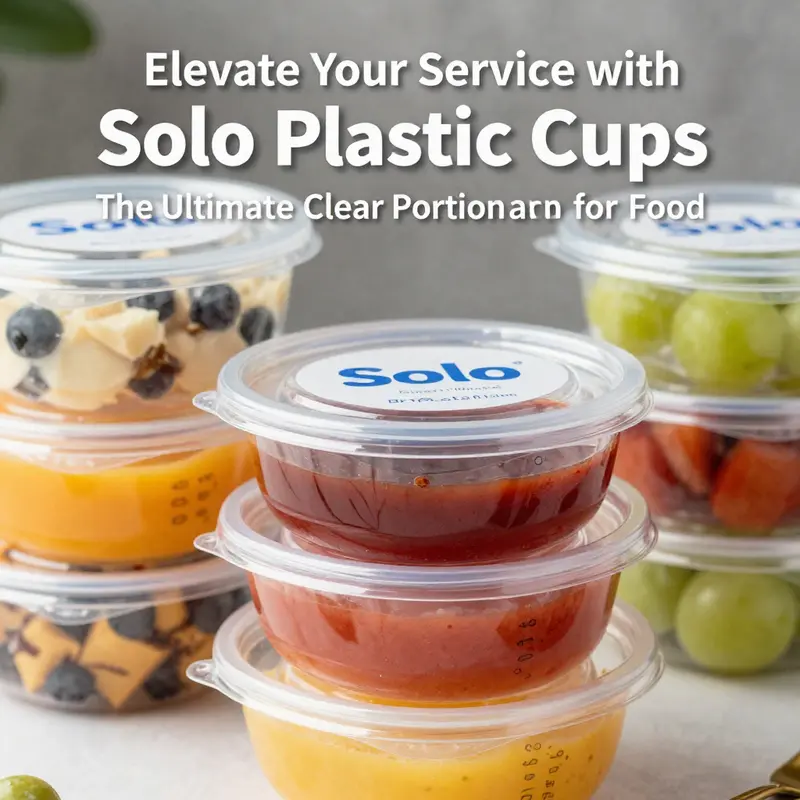
In kitchens, cafeterias, and event venues, the humble clear portion container does more than hold a dab of sauce. It communicates cleanliness, enforces portion control, and sustains the flow of service from prep counter to guest hand. Across a spectrum of settings from fast casual to festival kiosks, these containers help staff maintain hygiene while offering guests a transparent view of what’s inside. The shape, material, and lid design work together to minimize mishaps and maximize speed, a quiet algebra of design that translates to better margins and a better guest experience. In this context, the clear plastic cup becomes more than a disposable vessel; it becomes a quiet, reliable partner in everyday food service.
Material and safety form the backbone of trust in any disposable container. The most common choice for clear portion cups is a food-grade polypropylene, a plastic known for strength without heaviness. This material is typically BPA-free and formulated to meet broad food-contact standards, including those recognized by major regulatory bodies in both the United States and the European Union. The implication is practical: these cups can touch a wide range of contents—from acidic sauces to oily condiments—without leaching flavors or compromising safety. The polypropylene also keeps contents visually identifiable. When a guest glances at a cup in line, the transparency makes the content legible at a glance, a small but meaningful enhancement to the ordering and serving rhythm.
Clarity is not merely an aesthetic attribute. It is a functional advantage in fast-paced service where decisions at the counter must be quick and accurate. A clear container lets staff verify what’s inside without removing lids or opening cups, reducing cross-contact and exposure while speeding up assembly and restocking. For guests, the visibility carries implicit reassurance: you can see the portion, the texture, and sometimes even the density of a sauce or dessert. This transparency aligns with broader expectations of hygiene, cleanliness, and control over the dining experience. In addition to being clear, the lids and seals are designed to preserve that visibility while delivering practical functionality for transportation and storage.
Portion control sits at the heart of these cups’ purpose. Sizes are engineered for precise servings, a feature that helps restaurants, delis, and catering teams standardize portions and reduce waste. Common capacities include half-ounce and one-ounce servings for dips and condiments, four-ounce portions for modest samples or dessert accoutrements, and larger eight-ounce cups for single servings of yogurt, gelato, or pudding. The ability to dial in exact portions supports menu pricing, inventory planning, and waste minimization. When every guest receives a consistent amount, the operation becomes more predictable, which in turn reduces the need for over-prepping and repackaging.
Lid design and leak resistance are critical for takeout, catering, and event settings where cups move through crowded spaces. Most clear portion cups employ secure snap-on or press-fit lids that resist leaks during transport and handling. A robust seal prevents accidental spills on trays, in delivery bags, or during loading and unloading at venues. This reliability is essential for maintaining a clean service area, protecting other ingredients, and ensuring that condiments and samples remain pristine from kitchen to customer. The combination of a snug lid and a stable base supports a smoother service flow, particularly in high-volume environments where every second counts.
Stackability and space efficiency further define the practical value of these cups. Many models feature a round, compact footprint and a design that stacks neatly, reducing the surface area needed in storage and on counters. Storage-space savings vary by model and configuration, with some designs offering significant gains over non-stackable options. While early designs promised dramatic space savings, contemporary iterations typically provide a more modest yet meaningful improvement—often cited as a range from around 30% up to one-half in particularly space-constrained operations. This variation reflects differences in lid design, cup taper, and stacking geometry, yet the overall effect remains clear: more cups per bin, faster reloading, and less clutter behind the line.
Stability is another practical consideration, especially on crowded buffets or mobile food setups. Some versions incorporate a dome-shaped base or other stability-enhancing geometries that help reduce tipping. In environments where customers might carry cups across uneven surfaces or bustling service lines, improved stability translates into fewer spills and more confident handling by both staff and guests. A stable cup reduces the need for continuous catching and re-capping during service, allowing more attention to the creative aspects of the menu and less time spent managing breakage.
Despite differences in shape and lid style, these containers share a core trait: they are lightweight yet durable. The polypropylene formulation keeps the cups about 20% lighter than some traditional alternatives, without compromising crack resistance or rigidity. The lighter weight matters in high-volume settings where thousands of cups may travel through a shift. It also contributes to lower transport costs and easier handling for staff who set up sampling stations, dessert carts, or condiment stations. Durability remains essential, since cups must withstand the rigors of everyday use—from tipping at edge-of-counter scenes to occasional rough handling during restocking and cleaning. A well-made cup resists cracking under typical loads, preserving the appearance and integrity of the presentation.
The versatility of clear portion containers is remarkable. They cross boundaries between different service models and content types. Restaurants that offer tasting flights or samples can present tiny portions with clarity and confidence. Dessert and ice cream venues use them for single portions of yogurt, gelato, pudding, or fruit cups. Deli counters and fast-casual concepts frequently employ these cups for individual sauces, dressings, or dips, which supports a consistent, hygienic presentation. In event spaces, these cups become practical for weddings, parties, and corporate occasions, where clean aesthetics and predictable service contribute to a polished guest experience. In many settings, a single container can be used across multiple service moments—from sampling to dessert to condiment dispensing—adding to the efficiency of the operation.
Sourcing and availability widen the practical reach of these containers. They are widely accessible through major business platforms and bulk suppliers, with options available for immediate purchase or long-term procurement. The typical supply chain centers on bulk orders, with manufacturers and distributors offering a range of sizes, lid styles, and packaging configurations designed to optimize inventory management. In practice, buyers often source from suppliers based in regions with strong plastics manufacturing ecosystems, enabling cost-effective procurement for large-volume needs. At a practical level, a single container type can support a broad spectrum of service scenarios, from a food truck lineup to a large wedding reception, reinforcing the value of standardization across operations.
For a concrete example of a clear, disposable cup suitable for events and everyday use, consider this practical reference disposable clear plastic cup for parties and events. The model shown in this example mirrors the core attributes described above: transparent visibility, reliable lid closures, and a design conducive to stacking and transport. This type of cup embodies how form and function align to support efficient service and consistent guest experiences.
From a decision-making perspective, operators should consider several factors when selecting clear portion containers. Start with the content profile: what sauces, dips, or desserts will be served, and which capacities align with standard portions or sampling goals? Next, evaluate lid compatibility and seal reliability, especially for takeout or mobile settings where spills are more likely. Then assess stackability in relation to storage space, shelving, and the pace of restocking. Finally, consider weight and durability, because every gram saved in packaging translates to tangible improvements in handling efficiency and waste reduction. The right combination of material integrity, clarity, and lid performance can turn a routine container into a strategic asset for the entire service operation.
External reference: https://www.alibaba.com/product-detail/1oz-4oz-disposable-plastic-PP-mini-soy_1601782519252.html?spm=a2700.19135227.0.0.79c148d4KjU2JW&productId=1601782519252
Clear Portions, Broad Possibilities: The Everyday Role of Transparent Portion Cups in Food Service and Home Use
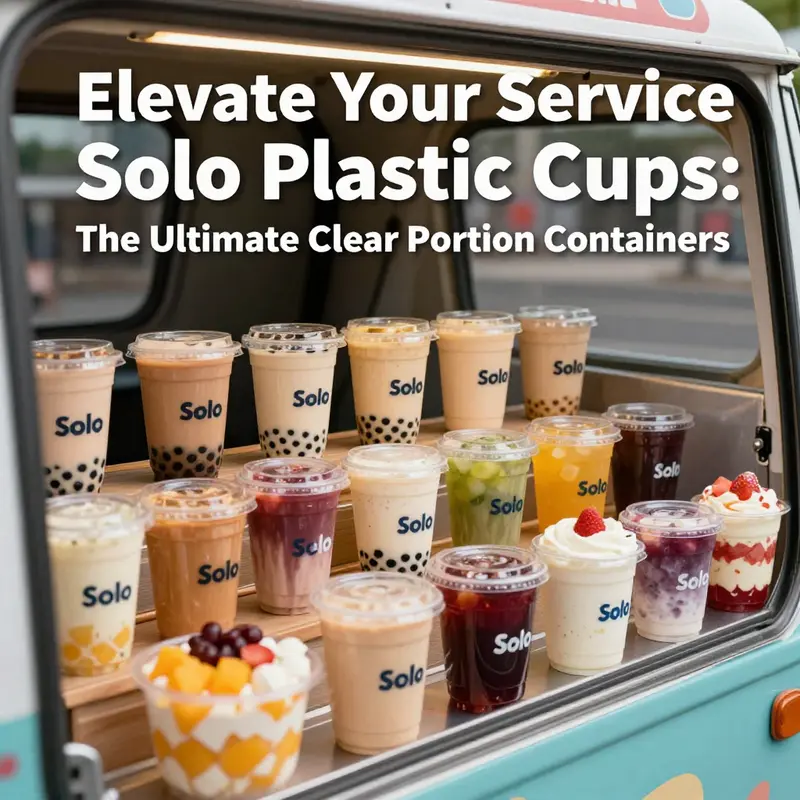
Clear plastic portion cups are a quiet workhorse in kitchens and event spaces. Designed to hold modest amounts of sauce, dessert, or sampler portions, these lids-on, top-off containers combine transparency with a firm boundary against contamination. They are typically molded from a food-grade polypropylene that is BPA-free, able to withstand chilling, gentle heating, and the rigors of transport. The strength of this design rests on three linked advantages: clarity, reliable containment, and compatibility with a broad ecosystem of lids, labels, and dispensing stations. The transparent walls invite quick recognition of contents, accelerating assembly lines and reducing mis-pours, while also helping staff maintain consistent portioning across shifts. The packaging thereby becomes more than container; it becomes a design element that supports hygiene, speed, and consistency in service and home use alike.
Within food service and takeout settings, these cups shine as versatile vessels. They can hold side dishes, small desserts, or dipping sauces, but their true power is in their role as compact, pre-portioned servings. A secure lid seals in moisture and prevents leaks during transport, while the clear walls give guests a quick view of contents without opening the cup. This reduces handling time at grab-and-go counters and helps kitchen staff maintain portion control. For sauces, dressings, or dips, 0.5 oz and 1 oz options are common, while 4 oz servings suit more generous tastes or sampling stations. Dome-base designs, when used, contribute to stability on line carts and trays, lowering the risk of tipping. In busy service, these features translate into fewer spills, cleaner packaging, and a more predictable experience for customers.
Meal preparation at home also benefits. Batch cooks portion ingredients into these cups for quick reheating or grab-and-go meals. A simple, transparent container lets a cook see what’s inside at a glance, saving time when assembling weekly lunches. They are handy for snack packs and for keeping components separate—grains, vegetables, proteins—until mealtime. Space efficiency matters in smaller kitchens; the stackable design makes cabinets and refrigerators feel less crowded. Snap-on lids minimize leaks in lunch bags and car trunks, while the material’s temperature tolerance supports both chilled sauces and room-temperature snacks. The cups’ hygienic profile helps families avoid cross-contamination when packing multiple components in a single bag, and the uniform shapes support straightforward labeling with marker or adhesive labels.
Events and catering demonstrate how a simple, clear container can streamline service at scale. At weddings, conferences, or community gatherings, guests encounter visually simple displays that emphasize content rather than packaging. The cups support buffet lines and tasting stations by enabling pre-portioned portions that guests can pick up quickly, with lids kept closed until service or transport. For sampling, their small footprint invites experimentation without waste. A quick glance through a tray reveals flavors and textures, which speeds decision-making and reduces line pressure. Operators appreciate the hygienic, single-use design that minimizes handling during peak moments, while still permitting quick replenishment when the queue grows. In short, the cups harmonize practicality with presentation in environments where tempo and clarity are essential.
Branding and promotions also ride on the clear aesthetic. Retailers and brands use these cups to offer tiny tastings of sauces, dips, or condiments, often pairing with a label or sleeve that communicates flavor notes or usage ideas. The transparency turns the product into its own advertisement, inviting consumers to touch, sniff, sample, and decide without removing a lid. In such contexts, the cup becomes a canvas for simple, low-cost marketing that suits pop-up shops, farmers markets, and in-store demos. The compact form encourages repeat sampling and can help track customer interest across different flavors. The result is a low-friction path from exposure to trial to purchase, which aligns with the practical, cost-conscious logic of everyday foodservice.
Beyond food, the same clear cups lend themselves to crafts and organization. Crafters reuse them as tiny molds or storage for beads, glitters, and other small components. In classrooms or studios, they help manage experiments and art projects by keeping components discrete yet visible. The transparent wall makes color, texture, and quantity immediately apparent, reducing the chance of mix-ups. In a home workshop or gardening setting, they serve as small planters or seed starters, though care should be taken about disposal after use. The capacity to repurpose aligns with a broader desire to minimize waste and maximize reuse, especially when paired with lids that keep contents clean between uses.
Size, fit, and logistics matter when turning a concept into daily practice. The most common options—0.5 oz, 1 oz, 4 oz, and 8 oz—cover sampling, dressings, sauces, and small desserts. The smallest sizes are ideal for tasting menus and promotions; mid-sized cups support condiments and side servings; larger sizes accommodate more substantial portions for desserts or meals. A tapered or flat-top geometry improves stackability, saving space on counters and in storage rooms—an important consideration for busy kitchens and event setups. Lid designs that snap or press on further reduce the chance of leaks during transport, while a dome-based base can enhance stability on uneven surfaces. With these features, operators balance portion control, waste reduction, and service speed, ensuring consistency across shifts and venues.
Supply chains describe a similar discipline. Bulk procurement through wholesale channels enables predictable pricing and consistent quality, which matters when every cup is a small but critical link in a larger service flow. The ability to source lids, labels, and compatible seals in one ecosystem simplifies inventory and reduces the risk of mismatched parts. In practice, teams plan by menu, venue, and season, selecting a mix of sizes to match expected guest flow and the types of foods offered. The result is a scalable, repeatable system that supports both daily service and special events, while preserving the clean, minimal aesthetic that helps food present its best face. For a quick reference to bulk sizing and safety documentation, see a typical supplier listing that frames these features, pricing, and bulk options.
To connect these practical points with real-world choices, you can explore an example for outdoor service. The single cup-and-lid combination is a dependable companion for mobile counters, picnics, and festival tastings. See how a typical listing frames features, pricing, and bulk options, and use that model to estimate your own needs: Disposable Clear Plastic Cup for Outdoor Events.
External resource: https://www.alibaba.com/product-detail/Disposable-Plastic-Cups-4-oz-Solo-Style-Transparent_1600379874927.html
Clear by Design: The Global Journey of Transparent Plastic Portions in Food Service
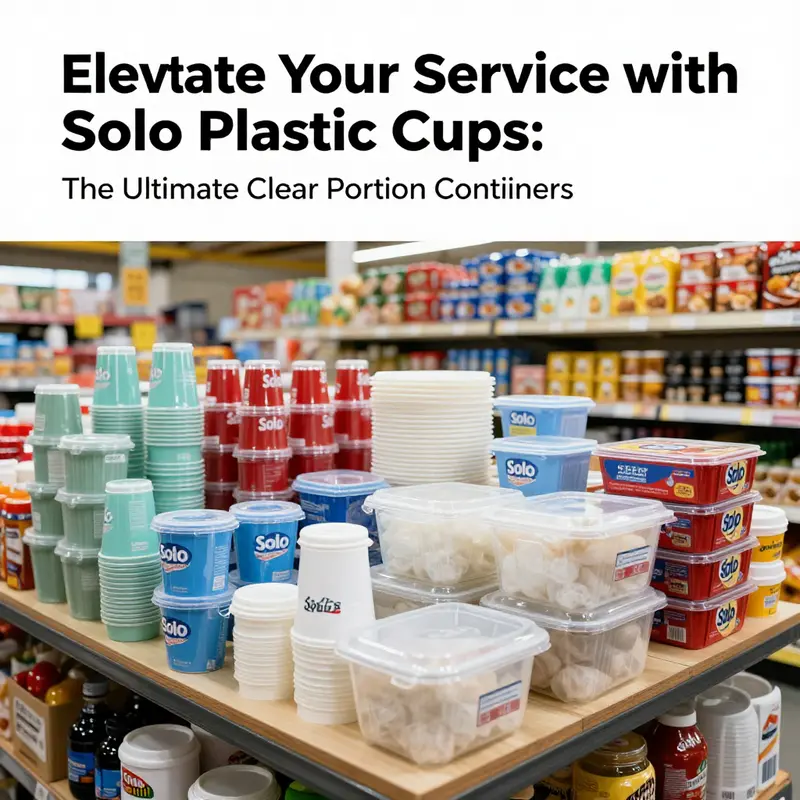
The humble clear plastic portion cup is more than a single-use wrapper. It sits at the intersection of practicality, hygiene, and precise service, a small vessel that enables chefs, caterers, and retailers to control portions without sacrificing visibility. In kitchens and at events, the cup acts like a tiny billboard for what sits inside: a glossy window into sauces, dressings, dips, or desserts. That transparency matters as much as the material’s strength, because staff and customers alike rely on quick recognition to speed up service and reduce errors. A well-made clear cup is not only about a clean appearance; it is about predictability in handling, stacking, and transport. When these cups are designed with the right balance of rigidity and flexibility, they become a reliable workhorse in a crowded, fast-paced workflow.
From a materials perspective, the most common workhorse for these containers is a food-grade polymer, chosen for its safety, clarity, and resilience. polypropylene, a sturdy thermoplastic, has established itself as a preferred option for many applications that demand direct contact with edible items. Its clarity remains high enough for easy content identification, while its chemical resilience helps resist the minor strains of everyday use—bagging, stacking, and light temperature changes that occur during service, delivery, and display. The BPA-free nature of these plastics is particularly important, since the cups are designed for repeated handling, sample tasting, or single-serving use in venues where guest turnover is rapid. The safety assurances attached to the material complement the practical benefits of a lid or cap that seals tightly, reducing the risk of leaks when cups travel from kitchen to counter or from event table to guest plate.
Size variation sits at the heart of the portion-control function these cups are built to fulfill. Options in common service range from small, 0.5 or 1 ounce servings to larger 4 ounce and 8 ounce capacities. In practice, these sizes map onto a broad spectrum of applications. A 0.5 or 1 ounce cup can hold condiments, dressings, or tasting portions that invite sampling without commitment. The 4 ounce version is ideal for side dips, small portions of gelato, or a single-serving dessert, while the 8 ounce size offers a practical cup for composed samples, yogurt, pudding, or a layered dessert. The consistent geometry of these cups—the tapered profile that stacks neatly, the flat or slightly domed lid that locks in place—contributes to a workflow that minimizes mess and maximizes throughput. A dome-based base can also improve stability, reducing tipping risk during transport or while guests handle the container at a tasting station. In environments where space is at a premium, the stackability and space efficiency of these designs matter a great deal, sometimes delivering significant space savings over non-stackable alternatives. A supplier’s insistence on tight tolerances and robust lids translates into reliable performance across a wide range of handling conditions—from a crowded buffet line to a high-volume catering setup.
The everyday utility of these clear cups also rests on their ability to support a clean, uncluttered presentation. In retail takeout or catering, the transparent surface allows staff to confirm color, texture, and portion size without opening the cup. This is particularly valuable for sauces, dressings, and dips, where customers may need to identify the product quickly or assess its condition at a glance. The lid design, whether snap-on or press-fit, is more than a closure; it is a shield against leaks and contamination and a facilitator of transport. The combination of a secure seal and clear visibility makes the cup a dependable part of a food-service system that prioritizes hygiene and speed. At the same time, the option to customize lids or inner liners, even graphic printing on the cup or lid, supports branding and portion control in environments where speed must not compromise presentation.
Beyond the kitchen, the sourcing and availability of these cups shape how foodservice operators scale up or pivot to new menus. The global supply chain for clear portion containers is mature, with manufacturing and distribution networks that extend across continents. In recent years, the dominant production hubs have concentrated in large regional clusters where integrated ecosystems support everything from raw material procurement to mold development, high-speed thermoforming or injection-molding, and export logistics. Proximity to major ports is an important factor, because swift transit to North American, European, or Asian markets reduces lead times and freight costs. In practice, a factory cluster near a major port can offer short-turnaround cycles, flexible production schedules, and the capacity to handle rapid design changes as menus evolve or seasonal promotions demand new configurations.
Strategic sourcing in this space goes far beyond price per unit. Buyers increasingly demand evidence of technical capability, scalable capacity, and robust quality governance. Third-party test reports are a cornerstone of supplier credibility, verifying that the cups are BPA-free, that inks used for any decoration meet heavy-metal restrictions under standards such as REACH or RoHS, and that any compostability claims meet recognized criteria like ASTM D6400 or EN 13432 for eco-friendly variants. The ability to provide in-house tooling and automated production lines is another significant advantage, because it enables quick iteration—essential when a restaurant chain or caterer tests new portion sizes or new event-themed packaging. The end-to-end service can include design, prototyping, graphic printing, packaging, and even drop-shipping, which is especially important for buyers who manage large seasonal campaigns or multi-site operations.
Pricing and ordering dynamics reflect the scale of modern foodservice needs. For large operators, bulk pricing structures emerge with modest unit costs when orders move into tens of thousands of units. Commonly, small-size cups are sold in bulk packs, with discounts tied to quantity and the breadth of the SKU set. Minimum order quantities vary by supplier, but the market tends to accommodate high-volume procurement, sometimes with thresholds that align with production run sizes and logistic planning. Buyers should expect to negotiate lead times, ensuring that supply aligns with seasonal demand cycles while maintaining consistent quality across batches. In this context, the science of supply becomes as important as the art of maintaining a clean presentation. The supplier’s ability to deliver consistent quality at scale—without compromising the clarity of the cup or the integrity of the lid—defines the reliability of the entire service channel.
As buyers map out their sourcing strategy, it is useful to anchor decisions to regional capabilities and regulatory expectations. In practice, the most reliable suppliers reside in regions that balance cost with quality control, often in manufacturing belts that span several cities, including those near port hubs. For international buyers, exporting capabilities, documented certifications, and transparent supplier audits can dramatically reduce risk. This is particularly true for small- or mid-sized operators who need to balance cost with delivery reliability and safety assurances. A careful evaluation of vendors’ technical capacities—such as whether they can support rapid changes in cup sizes, the speed of molds, and the ability to print on cups or lids—helps ensure that a buyer can respond quickly to evolving menus and event concepts while keeping waste under control and customers satisfied.
To illustrate how a buyer might navigate this landscape without naming specific brands, consider the following scenario: a mid-sized food-service operator seeks a set of clear, leak-resistant cups in 0.5, 1, 4, and 8 ounces. They evaluate suppliers first by material safety, confirming BPA-free plastics and inks that comply with RoHS; then they review certifications and available test reports. They examine the supplier’s tooling capabilities and in-house automation, seeking evidence of a scalable operation that can keep up with promotional bursts. They check MOQs and price breaks, balancing them against the need for on-time delivery to multiple locations. They also consider end-to-end services, such as the option to customize lids or to coordinate packaging for multi-site distribution. In this way, the decision becomes a blend of safety, efficiency, and strategic practicality rather than a single transaction.
For readers who want a practical snapshot of how the market looks in the wild, a representative reference point can be found in widely available wholesale listings that show the range of sizes, lids, and bulk pricing that buyers encounter. While those listings are part of a broader commercial ecosystem, they underscore the essential takeaways: clear plastic cups offer precise portion control, a hygienic presentation, and reliable performance when paired with secure lids and thoughtful packaging. The combination of a transparent cup and a trustworthy seal translates to confidence for the operator and satisfaction for the guest—an outcome that, in turn, supports higher throughput, reduced waste, and a cleaner dining experience at events, takeout counters, and casual dining venues alike. For further reading on how these products are positioned in the market, a practical resource detailing wholesale options and availability can be accessed here: disposable-clear-plastic-cup-outdoor-picnic-pet-cup-drinking-cup-for-parties-birthdays-weddings-camping-utensils.
External resource: https://www.alibaba.com/product-detail/Wholesale-1-oz-Plastic-Cups-with-Lids_1600892736842.html
Clarity in Service: How Clear Portion Containers Drive Control, Presentation, and Efficiency in Food Service
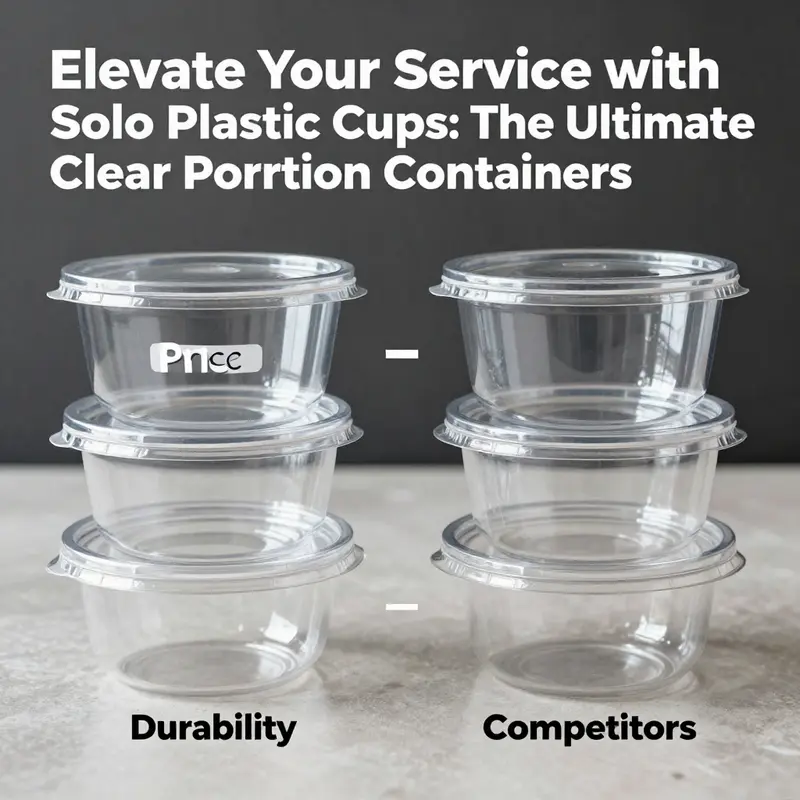
Clear plastic portion containers have evolved from simple single-use accessories to essential tools in the modern food service landscape. They embody a precise intersection of visibility, containment, and portability that many operators rely on to streamline service, enhance hygiene, and elevate guest perception. When a server can glimpse the exact contents at a glance, orders move faster, miscounts shrink, and the risk of cross-contamination diminishes. This is not mere aesthetics; it is a practical alignment of form and function that supports better portion control, more accurate upselling opportunities, and cleaner workspaces. The transparency of these cups is their defining feature. It allows cooks and managers to verify the fill level, identify toppings, and confirm freshness without removing a lid or opening a seal. In a bustling cafe, buffet line, or festival setting, such clarity translates into fewer mistakes, shorter service times, and a more confident guest experience. The plastic used in these containers is typically a food-grade polypropylene, chosen for its clarity and durability. The material is designed to resist cracking under normal handling, while remaining light enough to be carried in bulk. Importantly, it is BPA-free and approved for direct contact with food, which helps reassure health-conscious customers and regulatory bodies alike that practicality does not come at the expense of safety. The combination of a clear shell with a robust interior makes these cups suitable for a surprisingly wide array of applications, from condiments and sauces to desserts and bite-size samples. The lids, often snap-on or press-fit, provide a reliable seal that minimizes leaks during transport and on crowded tables. A well-sealed cup reduces cross-contamination risks and preserves product quality, which matters not only for taste and texture but also for shelf life in cases where cups are prepped ahead of service. The utility of such containers expands as one considers the shapes and sizes available. Common options range from tiny 0.5-ounce and 1-ounce cups to larger 4-ounce and 8-ounce variants, roughly translating to 50 milliliters for the mid-range cup, with a simple, scalable system for portioning. The presence of a dome-shaped bottom in some designs is more than a stylistic flourish. It contributes to stability, helping to keep cups upright on carts, in display cases, and during transport. In fact, performance data from industry benchmarking indicates that this dome geometry can cut tipping incidents by as much as forty percent compared with flatter, traditional bottoms. Such stability matters in busy service contexts where plates and trays are shuffled, napkins and garnishes are added on the fly, and speed is paramount. Conversely, a flat-top design is prized for its stacking efficiency. When cups nest securely, storage space multiplies, enabling warehouses and back-of-house areas to store more inventory in the same footprint. In a world where space is a scarce commodity, this advantage translates into tangible cost savings over time and smoother logistics for both large-scale caterers and neighborhood bistros. The practice of stacking-friendly design is complemented by the simplicity of portion control. With multiple sizes, operators can tailor servings to the guest’s needs or the event’s format, whether it is a tasting flight, a dip cup at a self-serve station, or a dessert sampler. The transparent wall is also an invitation for branding and customization. While many venues opt for a clean, unbranded look to maintain a cohesive aesthetic across courses, others leverage the opportunity to imprint logos, colors, or thematic artwork on the containers or lids. Customization can help reinforce branding at events, differentiate product lines, and provide an extra layer of marketing in displays or take-away contexts. This variety in design and application is matched by broad suitability across channels. In everyday food service, these cups support sampling programs, allowing guests to try a small portion of new items without committing to a larger plate. They prove popular for sauces, dips, hummus, seeds, and toppings at delis or fast-casual counters, where a precise, individual serving helps regulate costs and reduce waste. The same vessels serve desserts and beverages, from single-serve yogurts and jelly cups to tiny iced desserts or cream-based samples. For event catering, their compact form and professional appearance enable elegant presentation at weddings, corporate gatherings, and casual parties alike. Importantly, the utility of the containers extends beyond the plates or trays they accompany. Food safety and hygiene benefit from the combination of a secure lid and the clarity to monitor the product visually. A shelf-stable, leak-resistant cup helps ensure that dressings remain separate from toppings, sauces stay fresh, and flavors stay true to form from prep to table. The practical economics of these cups also deserve attention. They are widely available in bulk, with suppliers offering various minimum order quantities and competitive per-unit pricing that scales with volume. Manufacturing hubs in mid- to southeastern manufacturing corridors enable tight production cycles and consistent quality. The global supply chain for these cups benefits from streamlined thermoforming processes, reliable material inputs, and an established network of distributors who can deliver to restaurants, schools, stadiums, and event organizers. In a procurement strategy, the combination of transparency, leak resistance, and stackability translates into lower handling costs, reduced spoilage, and simplified inventory management. The shelf presence of a clear cup makes monitoring stock easier, as staff can see both the container and its contents at a glance. This reduces the need for frequent handlings to verify quantities and contents, and it speeds up the replenishment process during peak service times. For those who manage branding in a tight hospitality ecosystem, the ability to customize cups—whether through color-tinted lids or printed graphics—offers a way to transform a simple portion cup into an element of the guest experience. It can align with a restaurant’s personality or an event’s theme without sacrificing the clean, professional look that the clear container conveys. Of course, any assessment of disposable packaging must address sustainability concerns. While these cups deliver convenience and performance, there is ongoing scrutiny of disposable plastics in environmental discussions. The current trajectory sees advances in recyclability and broader adoption of recyclable polypropylene in the disposable segment. Operators who balance ease of use with responsible disposal strategies often pair these cups with recycling programs, composting where feasible, and education for staff and guests about proper disposal. The conversation around environmental responsibility is evolving, but it does not negate the practical advantages of a clear, leak-resistant, stackable container for controlled portions and clean presentation. For buyers and operators, the decision often boils down to a balance: the need for quick, hygienic service and clear portion control against the evolving expectations surrounding waste and sustainability. In many contexts, these cups emerge as a pragmatic choice that supports operational precision, guest satisfaction, and efficient inventory management without compromising on the visual clarity that helps guests identify contents instantly. The sourcing landscape is broad, with wholesale options available through several major marketplaces and distributors. A representative product page from a supplier reference highlights sizing options, lid compatibility, material certifications, and bulk pricing, illustrating how a standardized system can simplify procurement while catering to diverse needs—from a tasting menu to a self-serve dessert station. For a look at a representative variant from a supplier, you can explore a page such as this one: disposable-clear-plastic-cup-outdoor-picnic-pet-cup-drinking-cup-for-parties-birthdays-weddings-camping-utensils. This kind of link demonstrates how retailers and event organizers translate the same core design into many practical configurations, depending on the setting, the guest experience, and the required level of branding or customization. Looking ahead, the market’s trajectory suggests a continued refinement of the balance between clarity, durability, and sustainability. While the core advantages of transparency, secure sealing, and stability will remain central, manufacturers may explore new materials and finish options that further improve recyclability and reduce environmental impact without sacrificing performance. In the meantime, the clear portion container stands as a dependable workhorse for presentation and portion control, a small but mighty tool that helps chefs, caterers, and venues deliver consistent, attractive, and safe servings with every guest interaction. For readers seeking deeper technical details on performance and procurement, consider the external resource linked here: https://www.alibaba.com/product-detail/56mm-40ml-disposable-clear-sauce-container_60589995547.html
Clear Cups, Complex Choices: The Sustainability Journey of Clear Portion Containers in Food Service
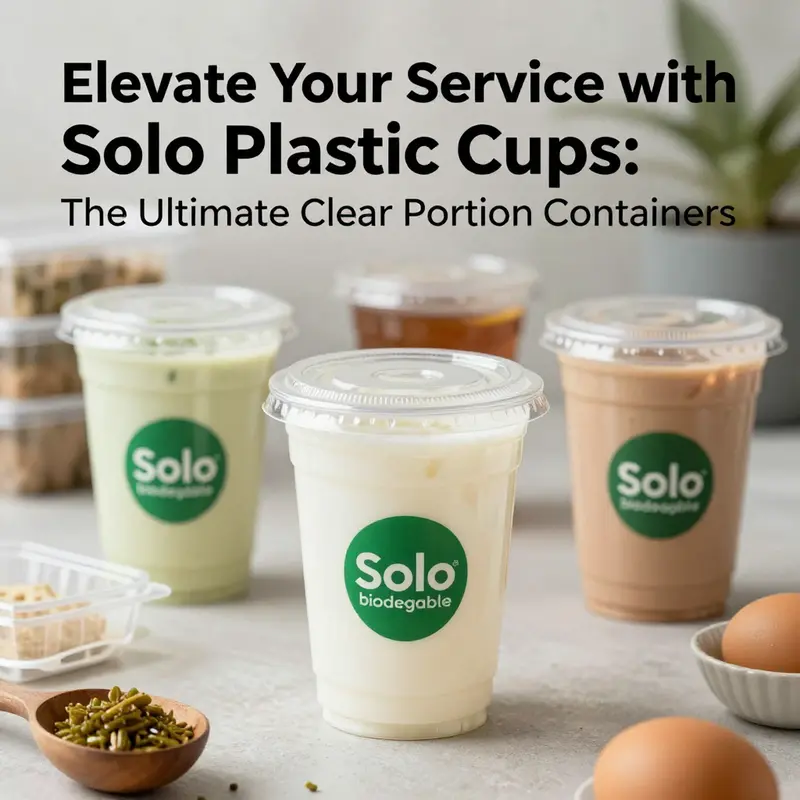
Clear cups serve two core roles in modern food service: visibility of contents and controlled portions. Their transparency invites trust, letting guests see sauces, dips, or desserts without removing a lid. In fast-paced settings, this clarity speeds decision-making and reduces contact, while pre-portioned servings help operators manage inventory and waste more predictably. The appeal is practical, especially when presentations rely on clean lines and uniformity at events, in catering, and on café counters. Yet every clear cup also navigates a set of sustainability choices, from the base material to disposal pathways, and those choices reverberate through both cost and environmental impact.
Material choices for these cups have long been straightforward: a durable, food-grade plastic such as polypropylene or polystyrene. These polymers provide clarity, rigidity, and heat tolerance useful for sauces, jellies, or cold desserts. However, they are not biodegradable in typical landfills, and their persistence contributes to litter and resource depletion. The industry is increasingly shifting toward eco-friendly alternatives that promise at least partial compostability. Plant-based options, notably polylactic acid derived from corn starch and other bio-based polymers, are marketed as compostable in theory. A 2025 guide on sustainable cup options notes that these materials can break down naturally in properly operated industrial composting facilities, reducing long-term environmental harm when waste streams are well managed.
Performance and function must meet sustainability with integrity. Clear portion containers must preserve appearance while resisting temperature extremes, sealing securely to prevent leaks during transport, and stacking efficiently between uses. Innovations have started to blend sustainability with user experience, such as inks and materials that respond to temperature changes. Thermochromic elements can indicate when food is near serving temperature or when a product has cooled, adding a visual cue that can drive better handling and reduce mishandling waste. Yet every performance enhancement can come with trade-offs: some bio-based cups may lose clarity faster or require controlled moisture and oxygen barriers that increase cost or complicate recycling.
Limitations of current solutions also guide decision-making. Biodegradable cups with industrial compostability depend on a waste system that can separate and process them correctly. If disposed of in regular landfills or discarded as litter, many bio-based cups behave like conventional plastics, persisting for years. Reusables offer another path, but their higher initial cost and logistical demands can negate long-term gains in many service contexts. A study cited in lifecycle analyses shows that reusable glass containers often carry 12 to 64 percent higher environmental impacts than reusable plastics because of energy use in production and transportation. In other words, a perfect solution rarely exists, and context matters as much as technology.
Design details influence sustainability as much as material choice. A leak-resistant lid prevents spills that would otherwise lead to waste, and secure seals save product and packaging from premature loss during transit. Stackability and space efficiency matter in crowded kitchens and during large events; tapered or flat-top designs can save significant storage space, reducing handling energy and storage area requirements. A dome-shaped base can enhance stability and cut tipping risk, a practical feature in busy service lines where occasional bumps occur. These features affect the entire lifecycle: from how many units a venue can stock to how easily waste streams can be sorted and processed after use.
Sizes that cover sampling, dessert servings, and condiment portions have become commonplace, with common options ranging from fractional ounces to several ounces. For sampling and flight experiences, smaller cups invite a tasting culture that encourages experimentation without committing to a larger portion. For desserts and ice creams, mid-sized cups support a dessert-counter experience that feels premium while still being economical for event catering. For sauces and dressings, single-serve portions align with the trend toward individualized service that reduces cross-contamination and waste. Each size embeds a different set of waste-stream realities: a smaller cup creates less material per unit, but more units per event; a larger cup increases the chance of uneaten product and becomes more challenging to compost or recycle if not properly separated.
From a supply-chain perspective, many of these products are sourced at scale through global manufacturing, with a mix of local and offshore suppliers. The decision to adopt compostable or recyclable variants depends on regional waste infrastructure and the expected lifecycle of use. The decision to adopt compostable or recyclable variants depends on regional waste infrastructure and the expected lifecycle of use. In practice, businesses weigh the upfront price against the long-term value of waste reduction, space savings, and customer perception. When used at scale, the difference between a standard clear cup and an eco-friendly variant can hinge on whether the waste stream is managed properly. For those looking for a concrete example of a clear, disposable cup designed for events and everyday service, see this product page: Disposable Clear Plastic Cup – outdoor picnic.
Ultimately, the sustainability equation for clear portion containers rests on lifecycle context. In single-use, certified compostable PLA versions, environmental gains accumulate only if the facility infrastructure exists to separate and process compostable materials promptly. If waste ends up in a landfill, resources invested in producing a compostable cup do not translate into faster degradation. Reusable pathways, meanwhile, require robust systems for cleaning, inspection, and return logistics; without those, the environmental costs can rival or exceed those of single-use plastics over the same period. Good design also means designing for recyclability where possible: reducing dyes, maximizing clear polymer purity, and avoiding multilayer laminates that complicate sorting. Taken together, these choices shape the practical footprint of each serving and color both brand reputation and operational risk.
Looking ahead, the sustainability equation for clear portion containers rests on a careful blend of material, form, and waste-management alignment. The sweet spot is not simply the greenest material but the one that fits the venue’s capabilities, the event’s scale, and the community’s waste streams. In foodservice, this means selecting a cup that preserves product integrity and appearance while minimizing energy, water, and material use over its entire life. The conversation extends beyond the product itself to the systems that handle disposal, recycling, and composting after service. The next chapter will explore how consumer behavior, vendor policies, and municipal infrastructure intersect to create actual outcomes for these clear portion containers in practice.
External resource: The Fundamentals of Eco Friendly Solo Cup: Characteristics, Standards, and Performance
Final thoughts
Solo clear portion containers are not merely practical; they represent an essential element in the modern food service landscape. Whether you’re operating a bubble tea shop, a food truck, or coordinating catering for an event, these cups offer a blend of functionality and visual appeal that can elevate your service. Their features—including durability, transparency, and excellent stackability—make them a smart choice for maintaining efficiency while enhancing food presentation. By integrating these containers into your operations, not only do you stand to improve customer satisfaction, but you also align your brand with convenient, eco-friendly practices, securing a competitive edge.