
In the bustling food landscape of Ottawa, where take-out culture thrives, sourcing the right food containers becomes vital for bubble tea shops, restaurants, food trucks, and catering services. This article delves into the benefits of wholesale take out food containers, starting with local suppliers like Ottawa Fastener Supply, who offer eco-friendly options. We’ll also explore international sourcing avenues that can fulfill large-scale needs, and finally, highlight the importance of sustainability in today’s market. Each chapter builds a comprehensive understanding of how to effectively meet your business’s take-out container requirements.
Sourcing Sustainable Take-Out Containers in Ottawa: A Strategic Guide to Wholesale Packaging for Food Operators
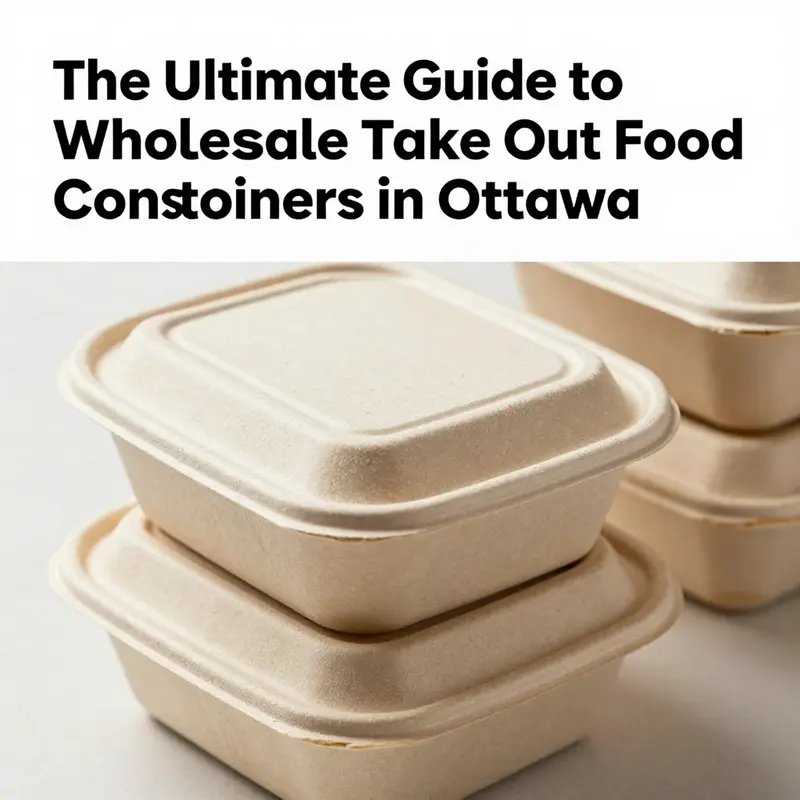
Ottawa’s take-out scene has grown into a dynamic mix of diverse cuisines, delivery platforms, and consumer expectations. Operators here face a simple but powerful challenge: how to source packaging that aligns with brand values, protects food quality, accommodates a variety of menus, and fits within a sustainable, cost-conscious supply chain. The choice of containers is not merely a cosmetic decision; it shapes the consumer experience, influences waste streams, and can become a tangible reflection of a restaurant’s or caterer’s commitment to responsible operations. In practice, this means weighing material options, evaluating supplier networks, and designing a procurement approach that balances short-term price with long-term value. The Ottawa market, with its mix of local wholesalers and international bulk channels, offers a spectrum of options that can be tuned to the needs of small independents and larger multi-location operations alike. At the heart of this spectrum lies a category of take-out packaging that promises both performance and sustainability: compostable hinged containers with compartments, often crafted from bagasse, the fibrous pulp left after extracting juice from sugarcane. These containers, in their square form and their tri-compartment layouts, embody a practical response to the modern menu, one that supports portion control, helps prevent cross-contact of sauces and sides, and presents a clean, professional appearance that reinforces a restaurant’s eco-friendly message. The decision to pursue wholesale procurement of such containers starts with a recognition that packaging must travel well—from kitchen to courier, from shelf to doorstep, and from customer hands to the eventual disposal stream. It requires materials that resist grease and moisture, lids that seal securely, and a design that keeps different components separate without sacrificing speed of service. In Ottawa, as in many markets, the path to wholesale success involves a careful mapping of supplier landscapes, a willingness to test samples, and a clear alignment between packaging choices and the operational realities of a given menu. A local wholesale option today might feature compostable hinged containers with compartments crafted from bagasse, offered in a white finish that projects a crisp, professional look. The advantages are tangible: a container that can handle hot or warm foods, a structure that supports multi-item meals, and a finish that photographs well for online menus and delivery photos. Yet the story does not end with a single product; the real value emerges when operators blend local sourcing with careful consideration of international bulk channels for scale, customization, and resilience. In the Ottawa context, many operators also explore international wholesale marketplaces that provide volume options and customization capabilities. These platforms commonly offer take-out containers in a range of capacities—from compact 500 ml bowls to larger 1500 ml bowls—and often feature customization services, such as branded lids or specific lid-to-container fit. This combination of local speed and global reach allows a business to pilot packaging options in a small, controlled way, then scale up quickly as demand grows or as menu changes demand different configurations. However, the decision to pursue international suppliers should be guided by a careful assessment of lead times, minimum order quantities, payment terms, and quality assurance processes. A thoughtful procurement plan recognizes that cost is not the only driver. While unit price matters, total cost of ownership—considering storage space, waste streams, customer satisfaction, and the potential for packaging-related promotions—carries substantial weight. In the Ottawa market, many operators find it prudent to pursue a two-pronged approach: establish a reliable local supply line for core, consistently used containers, and maintain a flexible relationship with international suppliers for seasonal menus, event catering, or promotional campaigns that require larger runs and customization. This dual approach helps reduce the risk of stockouts during peak periods, maintains consistency in the customer experience, and supports sustainable operations by limiting last-minute rush orders that increase shipping costs and payroll pressure. The design of a wholesale program, in turn, necessitates a careful look at material science and performance. Bagasse-based containers, particularly those with hinged lids and multiple compartments, have gained traction because they couple compostability with functional performance. Bagasse is a byproduct of the sugarcane industry, which means choosing bagasse-based packaging can support a circular economy by turning agricultural waste into value-added packaging. The material’s natural properties—stiffness, rigidity, and a certain level of heat resistance—make it well suited for take-out use. When combined with a hinged mechanism and three separate compartments, the result is a container that can accommodate a complete, multi-item meal without mixing sauces and sides. The white color, often seen in these designs, provides a clean, professional look that aligns with brand standards across different cuisines and price points. It also helps with food photography and branding across digital channels, which is increasingly important as more customers rely on online ordering and social media to decide where to eat. A key insight for Ottawa operators is that packaging decisions ripple through the business: they affect labor, waste management, consumer perception, and even the speed and reliability of the delivery experience. A well-chosen container reduces the time staff spend on packing and labeling, minimizes the need for extra liners or separators, and improves the odds of a successful first impression when the customer opens the bag. From a kitchen workflow perspective, the compartments in a hinged box can be a boon for menu items that feature multiple components—rice or potatoes on one side, proteins on another, vegetables or sauces in a third section. This arrangement supports portion control, which is not only a cost control measure but also a consistency tool that helps ensure every customer receives a uniform experience. In practice, the right container design eliminates much of the guesswork that comes with multi-item orders, especially as menu complexity grows during events, weekend celebrations, or holiday periods. For operators who manage a broad menu, such as a restaurant that combines casual fare with specialty dishes, the versatility of a three-compartment hinged box offers a practical solution to keep sauces separate, protect delicate garnishes, and maintain the intended texture of each item during transit. There is a growing ecosystem of packaging options that resonates with Ottawa’s sustainable priorities. A local wholesale supplier may offer a compostable hinged container with three compartments in a square footprint, designed to fit neatly into common take-out bags while stacking securely for storage and transport. The material, a byproduct-driven pulp, can break down under industrial composting conditions, which makes it a preferred option for businesses that want to promote responsible disposal. A broader view reveals that while local options deliver immediacy and lower freight costs, international channels provide breadth in terms of customization, scale, and price flexibility. A business can negotiate higher minimums with international suppliers in exchange for bespoke branding, a specific lid style, or tailored moisture resistance. The trade-off centers on lead times and the reliability of the supply chain. During a large catering event or a high-volume period, having a backup supplier—whether local or international—reduces risk and helps maintain service levels. In Ottawa, this kind of risk management is increasingly treated as a core operational discipline. Managers and procurement teams develop contingency plans that include alternative packaging configurations, stock buffers for the most frequently used sizes, and clear communication protocols with suppliers about anticipated demand, seasonal fluctuations, and potential disruptions in raw material supply. The decision framework often includes a few practical steps: first, assess the most menu items that will travel, and identify which items require the same container configuration; second, determine the minimal viable order quantities that unlock cost efficiencies without tying up excessive capital in inventory; third, sample several options to assess performance, including heat retention, moisture resistance, and lid fit; and fourth, establish a routine for monitoring waste streams and customer feedback to guide future changes. It’s also helpful to think about packaging beyond disposal. The container you choose carries your brand message. A white, compostable hinged container with compartments can signal a commitment to sustainability, while a sturdy, leak-resistant design signals reliability in the face of delivery pressures. The perceived value of this packaging has a direct bearing on customer satisfaction, repeat orders, and the likelihood that customers will engage with sustainability messaging on your menus, receipts, or post-delivery surveys. The practical value extends to labeling and compliance. For any business operating in Ottawa, understanding the landscape of local regulations and certifications around compostable materials is essential. Some facilities require industrial composting for bagasse-based products, while others may offer municipal or community-based programs that accept certain types of compostable packaging. Aligning packaging choices with the availability and accessibility of composting streams can significantly influence the environmental footprint of take-out operations. In this sense, a wholesale program that favors bagasse-based three-compartment hinged containers aligns with a trend toward circular economy thinking, where packaging materials return to the waste stream as compost rather than lingering in landfills. To operationalize these concepts, many Ottawa operators maintain a mixed sourcing strategy. They rely on a stable, local supply line for core containers that represent the everyday needs of the business while preserving the flexibility to access customizable options for events, seasonal menus, or co-branding opportunities via international channels. The balance is delicate and requires careful supplier relationship management. Clear communication about expected volumes, lead times, and quality expectations helps ensure that suppliers can forecast demand and allocate capacity accordingly. It also invites feedback on product performance, which is critical for continuous improvement. A practical practice is to establish a small set of testing criteria before ordering large runs. Criteria might include lid integrity after shaking during delivery, dimensional compatibility with common bag sizes, heat tolerance without deformation, grease resistance under typical sauce loads, and ease of stacking without crushing the contents. Documenting results from pilot tests helps refine the selection process and reduces the risk of investing in packaging that does not meet real-world needs. It is also important to consider the environmental narrative that packaging supports. Consumers increasingly respond to brands that demonstrate responsibility not only in the ingredients or sourcing of food but also in the packaging lifecycle. In Ottawa, a thoughtfully chosen wholesale option can contribute to a brand’s storytelling by showcasing a commitment to compostable materials, local procurement, and waste reduction. The final decision often blends three core elements: performance, cost, and sustainability. A container that performs well under the rigors of delivery and the realities of kitchen operations—while also aligning with a budget and providing a clear environmental message—emerges as a powerful differentiator. An important practical note concerns the relationship between packaging and menu design. If a restaurant’s menu features many sauces or gravies, a three-compartment design can help prevent cross-contact and maintain the integrity of each component. If a café focuses on lighter fare, a compact, three-compartment option can keep pastries, fruit, or side salads organized and visually appealing. In this context, the choice of container becomes a design element in the overall customer experience. For operators exploring these options, it can be valuable to look beyond the immediate price per unit and consider the broader implications. A container with a strong lid that resists leaks reduces the need for additional outer packaging, which can cut waste and labor costs at the point of delivery. A well-designed container can also reduce the time customers spend transiting the product to eating, which in turn supports a more positive perception of the brand and reduces the probability of a messy dining moment that might discourage repeat orders. The Ottawa market supports a flexible procurement culture, where local relationships anchor day-to-day packaging while flexible access to international capacity supports growth and event-driven needs. To capture this flexibility, many operators build a small, curated portfolio of container options. They categorize containers by their primary use—hearty meals with multiple components, lighter fare with a single main item and a sauce pack, or dessert-focused take-out that benefits from moisture-resistant lids. Within this portfolio, the three-compartment hinged design often stands out as a versatile default, capable of handling a wide range of dishes with predictable performance. As businesses map their packaging strategies, they often incorporate feedback loops that close the gap between kitchen reality and supplier capability. Staff input about lid fit, stacking reliability, and ease of labeling can drive incremental improvements in the packaging specification. Customer feedback—especially about presentation and ease of disposal—can shape future decisions about materials, colors, and branding opportunities such as lids with embossed logos or printed disposal guidance. The conversation around sustainable packaging also intersects with broader supply-chain considerations. For example, choosing a bagasse-based product aligns with agricultural byproduct utilization and corporate sustainability goals. But it is essential to recognize the dependent infrastructure: industrial composting facilities, clear labeling about compostability, and consumer education about disposal. Some municipalities in the region have robust composting programs, while others rely more heavily on curbside recycling or waste streams with limited compostable acceptance. In Ottawa, a practical approach is to select packaging that aligns with the most reliable composting options available to the customer base, while ensuring the product maintains performance in transit. For many operators, this means establishing a plan that communicates to customers how to dispose of the container properly. It can also involve training staff to explain disposal details at checkout or in-delivery communications. It is this combination of practical performance, cost awareness, and sustainability storytelling that positions wholesale take-out container sourcing as a strategic function, not a purely tactical one. A robust approach also contemplates the possibility of dynamic menu changes, seasonal promotions, and event-driven demand spikes. When a business anticipates a surge in orders, it may choose to secure additional stock of the most versatile container type from a local supplier, while maintaining a broader range of options through international channels to meet specific event needs. This strategy reduces the risk of stockouts, lowers last-minute expedited freight costs, and supports smoother operations during peak periods. In closing, Ottawa’s wholesale packaging landscape invites operators to integrate design thinking with supply chain discipline. By prioritizing materials that support compostability, such as bagasse, and pairing them with a reliable, multi-channel procurement strategy, businesses can deliver on the promise of sustainable, high-quality take-out experiences. The right containers do more than hold food; they communicate values, reinforce brand standards, and contribute to a more responsible approach to waste and resource use. For readers seeking a tangible starting point in this journey, there is a growing catalog of eco-friendly takeout packaging options that emphasize grease resistance, microwave suitability, and practical design for three-compartment meals. To explore a concrete example of this kind of packaging, you can browse a catalog of options that highlights the features described here. eco-friendly-takeout-boxes-for-food-packaging-stylish-food-containers-safe-microwave-craft-paper-lunch-boxes-leak-grease-resistant. This resource provides a practical glimpse into the look and feel of contemporary eco-friendly containers and can help inform a first pass at selection criteria for a local Ottawa operation. For those seeking an external reference to understand supplier dynamics and material choices in this space, consider reviewing the compostable hinged container family that combines bagasse-based construction with a square, hinged design and three compartments. This example helps anchor the conversation in real-world options while keeping the focus on sustainability, performance, and procurement strategy. External resource: Compostable Hinged Food Containers with Compartments (Bagasse Square) — https://www.ottawafastenersupply.com/products/compostable-hinged-food-containers-with-compartments-bagasse-square
Cross-Border Packaging: Sourcing Wholesale Take-Out Containers for Ottawa’s Food Economy
In Ottawa, the demand for take-out food containers has grown into a careful balance of reliability, cost efficiency, and environmental responsibility. The city’s vibrant dining scene—spanning urban bistros, campus eateries, and late-night delivery hubs—creates a constant appetite for packaging that protects food quality, communicates a brand’s values, and aligns with strict food-safety expectations. The conversation around wholesale sourcing in this market often travels beyond the walls of a single supplier. It stretches across local distributors, national networks, and international platforms, knitting together a multi-layered procurement strategy built on risk management, supplier collaboration, and a keen eye for landed costs. This chapter traces the arc of that strategy, highlighting how wholesale buyers in Ottawa think about container materials, manufacturing standards, logistics, and the long arc of sustainability that increasingly guides every packaging decision. The narrative that follows is not about chasing the lowest price alone. It is about constructing a resilient, scalable chain of supply that preserves product integrity, delights customers, and respects the environment as the city continues to grow and diversify its food economy.
A central tension in Ottawa’s wholesale packaging scene is the push-pull between local immediacy and global scale. Local suppliers can offer quick lead times, easier communication, and the comfort of proximity. They also provide a pathway for smaller restaurants and caterers to access MOQs that are practical for their volumes, while still delivering dependable performance in busy service windows. On the other hand, international suppliers can deliver economies of scale, access to a wider spectrum of materials, and the chance to source innovative packaging solutions that reflect evolving consumer expectations—especially around compostability, recyclability, and grease resistance. The challenge for buyers is to design a sourcing mix that leverages the strengths of both approaches while keeping a clear view of total cost and risk exposure.
The practical implications of material choice are immediate and tangible. In recent years, bagasse, recycled fiber, plant-based bioplastics, and other compostable or biodegradable materials have moved from niche products into mainstream menu packaging. In Ottawa, these trends reflect a broader shift in consumer preference and municipal waste programs that increasingly incentivize or require compostable options for food service. But material choice is never merely a sustainability checkbox. It is a determinant of customer experience, operational efficiency, and regulatory compliance. Compostable or biodegradable claims must be underpinned by credible certifications and transparent testing that demonstrates performance under real-world conditions. Containers used for multi-item meals must withstand grease and moisture, maintain shape through transport, and survive reheating if customers reheat at home. Some materials offer superb stiffness and heat tolerance, while others excel in moisture mitigation but require careful handling to prevent leakage or deformation during transit. The result is a spectrum of trade-offs in which buyers weigh barrier properties, heat resistance, stackability, and storage footprint against price and supplier reliability.
Within this spectrum, design considerations often shape the procurement path more than any single price point. For example, a three-compartment box might be favored for multi-dish orders because it minimizes cross-contamination and reduces pack-out time for delivery vans. The white, neutral backdrop of such containers can also harmonize with a wide range of branding strategies, allowing operators to create cohesive takeout experiences without frequent repackaging or rebranding. But even in this seemingly simple decision, there is complexity. The three compartments must be shaped to prevent cross-flow of sauces, the lid must seal reliably under varying temperatures, and the overall footprint must fit common takeaway bags and trunk space in delivery fleets. In Ottawa’s market, these design realities drive supplier conversations about tolerances, testing procedures, and the balance between standardized designs and custom branding.
Custom branding, in particular, has emerged as a potent differentiator for restaurants and catering services in Ottawa. A container that carries a logo or a color palette associated with a brand can reinforce customer recall and signal quality. Yet branding incurs MOQs, setup fees, and minimum print runs that may strain smaller operators. The procurement path often includes a phased approach: begin with neutral, widely available containers to establish service quality and logistical rhythms; then layer in branded options as business scales and demand stabilizes. The advantage of a phased approach is clear. It reduces risk, provides time to validate supplier capabilities, and yields tangible data on pack-out rates, return on branding investment, and the impact of packaging on customer satisfaction.
When a buyer contemplates the broader sourcing ecosystem in Ottawa, the conversation naturally expands to the realities of import processes and landed costs. Internationally sourced containers carry a price that may appear attractive at first glance, but the true economics reveal themselves only after freight, duties, currency fluctuations, and import taxes are accounted for. The landed cost picture also includes packaging-specific costs such as outer cartons, pallets, and the potential need for climate-controlled storage if materials are sensitive to humidity or temperature. For high-volume operators, the ability to forecast demand and secure stable supply at predictable intervals becomes crucial. Conversely, domestic suppliers can offer more predictable lead times and a shorter path to quality assurance, but may have higher unit costs or more limited material options. The optimal sourcing strategy, therefore, often looks like a hybrid: a domestic backbone for reliability and quick-turn orders, augmented by selective international sourcing to access innovative materials, volume discounts, and broader customization capabilities.
Lead times, minimum order quantities, and the ability to sample before committing to a large purchase are common parameters buyers navigate. A practical, risk-managed approach to sourcing begins with a detailed specification brief. This brief defines the exact performance criteria the packaging must meet: heat tolerance, grease resistance, leakage prevention, compatibility with microwave or oven reheating, and, where relevant, compostability or recyclability claims accepted by municipal programs. It also enumerates branding requirements, packaging dimensions, and tolerances for wall thickness and lid fit. With these criteria in hand, buyers can solicit samples from a mix of suppliers—local distributors who can deliver within days and international manufacturers who can provide a broader set of materials and design options with longer lead times. A well-structured sampling plan serves as a bridge between theoretical specifications and real-world performance. It enables QA teams to run leak tests, stacking tests, and endurance tests that simulate the jostling and temperature shifts that occur in daily operations.
The procurement journey also hinges on risk assessment and continuity planning. A robust sourcing strategy includes contingency provisions for supply interruptions, whether caused by port delays, strikes, natural disasters, or shifts in the regulatory landscape. Ottawa buyers often diversify across suppliers and geographies to prevent single points of failure. They also negotiate flexible terms related to returns, replacements, and quality disputes. The legal framework underpinning these arrangements, including terms around incoterms, payment security, and warranty provisions, becomes a core component of supplier relationships. In practice, this means contracts that specify lead times and delivery windows, clear criteria for non-conforming shipments, and transparent processes for issuing credits or replacements. It also means ensuring that suppliers maintain appropriate food-contact certifications and documentation that can be provided upon request, a factor that can streamline audits and regulatory reviews.
A key area where Ottawa’s wholesale buyers invest time is in assessing the sustainability profile of packaging options. The city’s restaurants and hospitality venues have become more vigilant about life-cycle impacts. The materials chosen for containers now influence waste sorting, composting viability, and even the carbon footprint associated with a meal’s journey from kitchen to customer. This has driven demand for compostable materials derived from agricultural byproducts or plant-based fibers, as well as materials that can be effectively routed through municipal recycling streams where composting isn’t available. Yet sustainability is not a monolith. It involves nuanced decisions about when compostable or certified recyclable options deliver real environmental benefits versus when they may require specialized waste streams that aren’t universally available in every neighbourhood. For buyers, this means weighing certifications such as third-party compostability claims and ensuring that suppliers can verify the end-of-life behavior of the packaging in the markets where they operate. It also means staying aware of evolving local waste-management policies and how they intersect with packaging choices.
Beyond materials and sustainability, the physical design and branding potential of containers play a significant role in supplier selection. Consider the advantages of modular packaging systems that enable operators to scale up or down without changing the core supplier network. A modular approach means a restaurant can shift between a two-compartment layout for a simple lunch option and a three-compartment arrangement for family meals, all using the same base line of container bodies and lids. For takeaway operators who aim to protect food integrity during delivery, a reliable lid seal and robust edge protection become as important as the container’s inner surface and its resistance to staining. In hot-day deliveries and rush-hour services, the ability of packaging to maintain its shape and resist leaks under pressure can translate directly into customer satisfaction and repeat business. The sourcing decisions, then, are not simply about price per unit; they are about how packaging behaves under real service conditions and how it contributes to a restaurant’s brand story.
The procurement narrative in Ottawa also intersects with the role of digital platforms and marketplaces in shaping supplier access. Online B2B channels can dramatically broaden the range of available materials and enable more transparent comparison shopping. They provide a frictionless way to request quotes, review supplier certifications, and negotiate bulk pricing. At the same time, these platforms require a disciplined approach to supplier verification. Buyers must evaluate the credibility of vendors, confirm that they can meet Canadian food-safety requirements, and verify that samples reflect actual production runs. The best buyers use a staged evaluation process that includes a pre-qualification check, a formal sample review, and a pilot order before committing to extended procurement. This staged approach minimizes the risk of misalignment between the product reality and the words of a supplier’s marketing materials. It also supports smarter budgeting, as pilots yield actionable data on product performance, packaging waste, and costs associated with returns or replacements.
With these considerations in mind, an Ottawa-based buyer might begin a sourcing project by mapping the operational needs of their client restaurants or delivery partners. The map would include the typical meal configurations, the standard packaging sizes required for those configurations, and the service levels expected in peak periods. It would also reflect the waste-management infrastructure of the city’s neighborhoods, because the ability to recycle or compost packaging can affect the perception of a brand’s sustainability commitment. Once the map is drafted, the next step is to translate it into a set of technical specifications that can be communicated to potential suppliers. This ensures that when a supplier responds to a request for quote, the offer aligns with the actual needs in terms of dimensions, material properties, and compatibility with the operator’s equipment—think of the way a box must stack neatly with the lid on, or how a deep-dish container behaves when wrapped in insulation during transit. The precision of these specifications reduces the likelihood of costly miscovers and helps buyers build a transparent, auditable supply chain.
In the practical workflow of sourcing, the role of a clear, ongoing supplier relationship cannot be overstated. Great suppliers become partners who anticipate demand cycles, provide timely notifications of price movements, and support product development that aligns with a buyer’s regulatory and branding objectives. For Ottawa operators, this often means developing a core supplier base that can cover baseline packaging needs with consistent quality, while maintaining a flexible, responsive secondary network to handle spikes in demand or to experiment with new materials. The preferred arrangement typically includes regular performance reviews, collaborative product development sessions, and shared risk management plans that address packaging defects, supply delays, and changes in waste-management policies. The resulting ecosystem is less about winning a single price battle and more about constructing a dependable capability that supports a growing city’s food economy.
To illustrate how a well-considered packaging choice translates into everyday operations, imagine a typical weekday in a mid-sized Ottawa restaurant that offers both dine-in and takeout. The kitchen needs containers that can hold a trio of items—rice or noodles, a protein, and a side—without cross-contamination and with a lid that seals securely. The order flow requires packaging that stacks efficiently on pallets and fits into standard delivery totes. The brand relies on a neutral aesthetic for certain lines but also seeks opportunities for subtle branding in others. The financial calculus weighs unit costs against the cost of packaging waste management and potential impacts on delivery times. The sustainability goal nudges the team toward compostable or recyclable options, but the team also accounts for whether customers have access to home composting or city-provided facilities. The procurement process unfolds with procurement specialists comparing a handful of suppliers across local and global networks, requesting samples of two or three container designs, and evaluating the samples for performance in grease-rich sauces, temperature retention, and leak resistance. A pilot order follows, enabling the restaurant to gauge supplier reliability across a two-week cycle, capturing feedback from kitchen staff, delivery drivers, and customers, and validating the branding execution. If the pilot is successful, the restaurant scales up, integrating the chosen packaging into its standard operating procedures, updating its inventory management system to track usage and waste, and adjusting its pricing to reflect packaging costs.
In addition to the practicalities of material and design, Ottawa’s wholesale buyers increasingly weigh the potential for customization and branding, especially as takeout continues to grow as a preferred service channel. Custom labeling, recyclable or compostable certification marks, and even tamper-evident seals can enhance trust and product integrity. The negotiation with suppliers often includes not just the cost per unit but the costs associated with setup and color runs, the minimums required for customization, and the timelines for achieving a consistent print quality across mixed lots. For operators managing multiple brands or franchise networks, the ability to standardize packaging across locations while still accommodating local customization becomes a strategic advantage. Yet the practical realities of customization—longer lead times, higher MOQs, and increased inventory risk—mean that buyers must carefully align customization goals with operational capacity and demand forecasts.
As the Ottawa market continues to evolve, many buyers are embracing a blended sourcing strategy that preserves the advantages of domestic responsiveness while tapping into the breadth of international options. This approach requires careful prioritization: identify which packaging categories benefit most from global scale, which can be reliably supplied locally, and which could be best served through regional distributors that sit between international manufacturers and local restaurants. The decision framework for this blend rests on several pillars: cost competitiveness, lead-time predictability, quality consistency, and the ability to respond quickly to changes in demand or waste-management policies. It also depends on the degree to which suppliers can provide documentation that proves food-contact compliance, environmental claims, and performance under pressure. In this context, the procurement process becomes a continuous cycle of specification refinement, supplier performance monitoring, and adjustment of the supplier mix as market conditions shift.
To connect this strategic thinking with concrete resources, consider the role of digital shopping channels as a bridge between Ottawa’s local needs and international manufacturing capacity. A buyer can leverage these channels to compare materials, request samples, and obtain quotes from a broader pool of manufacturers, including those that specialize in eco-friendly options. The key is to translate the visual appeal of a packaging design into objective benchmarks: material integrity, barrier performance, and real-world usability. A careful sample-focused approach allows kitchen teams to evaluate not just the look of a container but the way it behaves in real service scenarios—whether it resists oily foods, whether it maintains shape after stacking, and how well it performs in the cold chain or during reheating at home. The deeper benefit is building a portfolio of tested, trusted options that support a bakery, a curry house, and a campus canteen alike, all while maintaining a clear pathway to sustainability and cost containment.
Within this evolving landscape, a practical pointer for readers is to recognize the value of established packaging ecosystems that can shorten the path from concept to execution. A robust supplier network reduces the risk of stockouts, streamlines the ordering process, and enables more accurate forecasting. For a deeper sense of how wholesale containers are being positioned in a broader market, you can explore how a well-curated product page conveys the practical realities of take-out packaging and the partitioned compartments that make multi-item meals feasible in a single box. For a sense of how a wholesale take-away box is designed and marketed, see this product page: Take-away food packaging boxes product page. This resource illustrates how a container’s form factor, material choice, and branding options come together in a single, scalable package, offering a glimpse into the decision-making logic that Ottawa buyers apply when evaluating alternatives across a large supplier base.
The path forward for Ottawa’s wholesale purchasers is neither linear nor isolated. It is a continuous negotiation among cost, performance, sustainability, and brand alignment that unfolds across time as markets shift and municipal waste programs evolve. Buyers who succeed in this space tend to adopt a disciplined yet flexible approach: they maintain a living set of technical specifications, a dynamic supplier rotation to guard against disruption, and a sustainability plan that evolves with the city’s waste-management policies. They also cultivate relationships with packaging manufacturers and distributors who are willing to iterate, test, and refine products in close collaboration with kitchen teams. In practice, this means establishing joint development cycles, sharing feedback on performance in real-world service, and aligning product updates with the changing needs of Ottawa’s food economy. The result is not a single perfect container but a resilient ecosystem of packaging options that can adapt to the city’s restaurants, caterers, and delivery services as they scale and diversify.
With these insights in mind, practitioners can approach wholesale sourcing in Ottawa as a strategic, dynamic discipline. The choices made at the beginning of a sourcing project set the trajectory for months or even years of operation. A careful specification, aligned with sustainability goals and coupled with a diversified supplier base, can deliver predictable service quality and manageable costs. The real skill lies in turning a broad understanding of materials, manufacturing, and logistics into a concrete procurement road map that accounts for seasonality, demand variability, and evolving waste-management policies. That road map will include clear milestones, from initial supplier outreach and sample validation to pilot orders and eventual scale-up. It will also include a plan for ongoing optimization—regular reviews of supplier performance, continuous testing of new materials, and a readiness to adjust packaging choices in light of customer feedback and regulatory developments. The Ottawa market rewards those who can think in terms of total cost of ownership rather than sticker price alone and who can maintain flexibility without compromising consistency or brand integrity.
For readers seeking a touchpoint inside the local economy, Ottawa’s packaging ecosystem offers a compelling vantage point. It demonstrates how a city can balance the immediacy of local supply with the advantages of global sourcing, all while supporting a growing food culture that values sustainability, reliability, and smart design. The path to mastering wholesale take-out container sourcing in Ottawa is not simply about finding a cheaper box; it is about building a robust, scalable packaging program that elevates every bite customers take and reinforces a brand’s commitment to quality and the environment. The journey engages procurement teams, kitchen staff, operations managers, and vendors in a shared endeavor to move food from the kitchen to the customer with care, efficiency, and a clear sense of responsibility for the world we share. It is, in short, a process of thoughtful sourcing that recognizes packaging not as a mere vessel but as a critical component of the food experience itself, one that can shape perceptions, influence waste streams, and support the city’s ambitions for sustainable growth.
External resource note: For a broader view of local supplier networks and packaging directories that can support Ottawa-based buyers, see the Ottawa Business Directory’s packaging and supplies listings: https://www.ottawabusinessdirectory.com/
Sourcing Sustainable Take-Out Containers in Ottawa: A Practical Guide
In Ottawa, the move toward sustainable take-out packaging is driven by environmental expectations, municipal programs, and practical operations. Operators must balance performance, certifications, supply reliability, and total cost of ownership. Wholesale channels offer bagasse, plant-based, and other compostable options, with varying end-of-life credentials. The best practice is to verify which programs their products are certified for, and to ensure local waste streams can accept those materials. Local distributors can provide inventory visibility, flexible minimums, and bundled pricing for bulk orders. When evaluating options, focus on leak resistance, grease resistance, and compatibility with standard lids and sleeves, as well as the ability to scale during peak periods. Brand customization can often be arranged at the wholesale level, but plan for minimum order quantities and setup fees. A robust due diligence process should include documentation on material composition, certifications, and expected end-of-life outcomes.
A pragmatic Ottawa sourcing plan includes mapping typical order profiles, vetting suppliers for transparency, piloting packaging with a subset of customers, and implementing a waste-education plan. Consider a modular program with a core set of sizes that covers most orders, plus a branded batch for promotions that preserves recyclability. End-of-life clarity matters: ensure suppliers indicate whether materials are suitable for local industrial composting or require commercial facilities. This transparency strengthens customer trust and reduces disposal confusion.
In practice, selecting a wholesale partner is about reliability as much as material choice. Local wholesalers who can guarantee predictable lead times, stable stock, and clear documentation reduce risk and support a sustainable narrative. Third-party marketplaces can expand options, but due diligence is essential to verify certifications and facility-acceptance statements. The ultimate measure is how the packaging integrates into the restaurant’s waste stream and brand story: clear disposal guidance, accurate labeling of contents, and a demonstrated commitment to minimizing environmental impact.
For a concrete entry point, many Ottawa operators begin with a three-compartment, plant-based or bagasse-based option that fits a range of meals while remaining compatible with standard lids. Capacity planning should balance typical order sizes with the menu’s variability, ensuring there is a scalable solution for catering and holiday spikes. When possible, collect feedback from customers and waste-management partners to refine the program over time. The result is a packaging strategy that aligns operational practicality with environmental responsibility, strengthens the brand, and supports Ottawa’s broader sustainability goals.
Final thoughts
Selecting the right take out food containers is essential for the success of food and beverage businesses in Ottawa. By exploring local suppliers like Ottawa Fastener Supply, tapping into international sourcing options, and prioritizing sustainability, businesses can not only meet customer expectations but also contribute positively to the environment. Keeping abreast of these developments enhances your operational efficiency and brand reputation. Therefore, consider these avenues to elevate your service and ensure you stand out in the competitive landscape.