
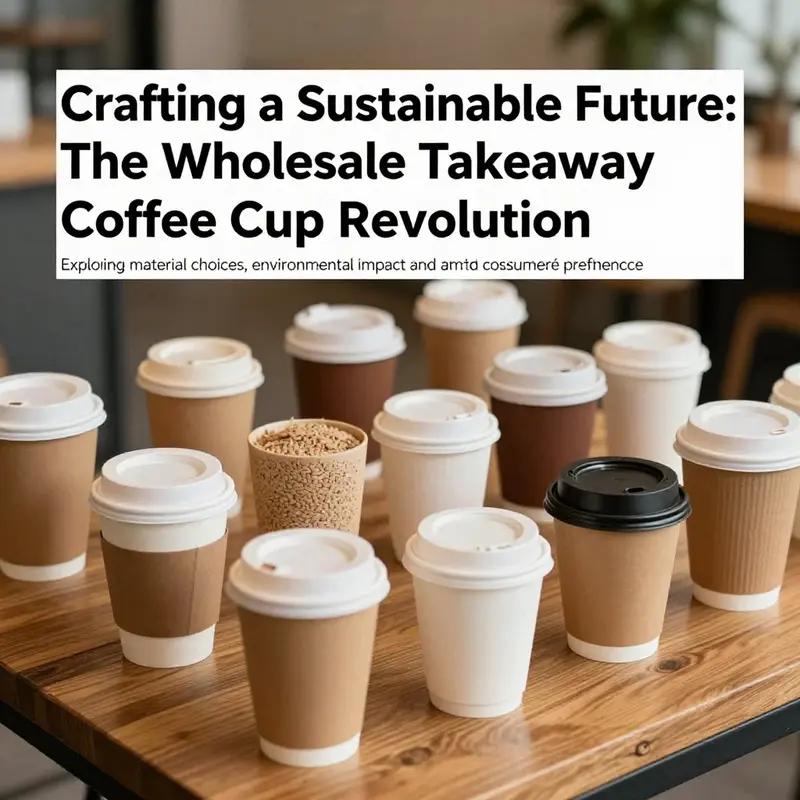
As the coffee culture continues to flourish, takeaway coffee cups have become essential for establishments like bubble tea shops, restaurants, and catering services. These cups serve not only as vessels for beverages but also as a reflection of a brand’s commitment to quality and sustainability. Understanding the nuances of takeaway coffee cup wholesale—from material impact on pricing to consumer preferences—is vital for businesses striving to meet modern demands. This article delves into the critical aspects of the takeaway coffee cup industry, covering material choices, environmental considerations, market trends, supplier options, and evolving consumer expectations to inform strategic decisions for your business’s future.
Pricing Under Pressure: How Material Choices Shape Wholesale Costs for Takeaway Coffee Cups
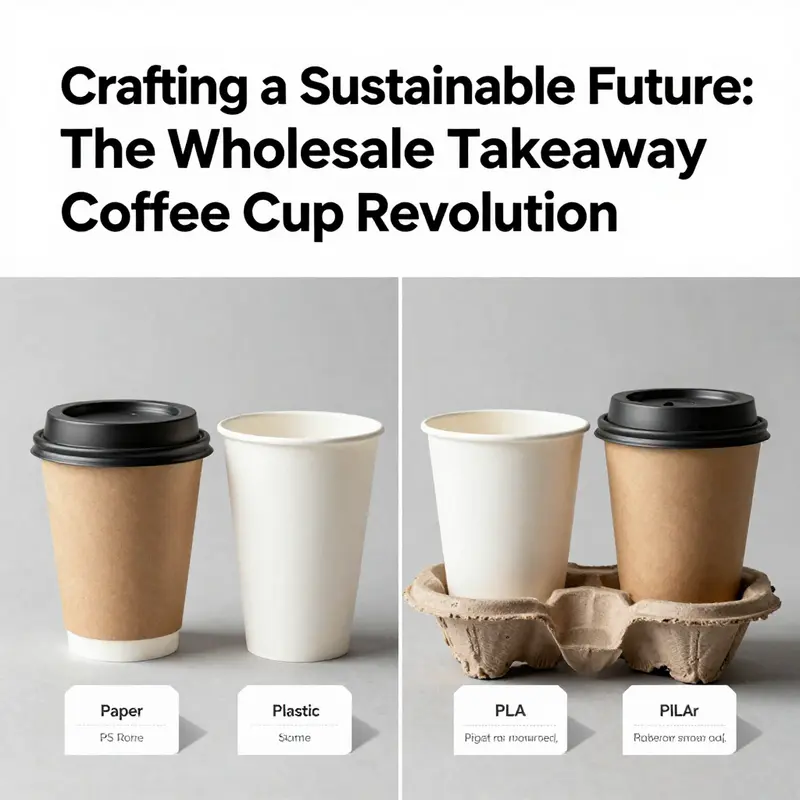
The wholesale pricing of takeaway coffee cups is not a simple reflection of material cost alone. It is a braided equation where feedstock price, manufacturing complexity, and environmental compliance intersect with brand positioning, customer expectations, and regulatory landscapes. For procurement teams and packaging managers, the material choice becomes a strategic lever. It can tilt the overall cost structure, affect lead times, and determine how a brand is perceived in a crowded market. As consumer demand tilts toward sustainability, suppliers are forced to innovate, and that innovation often carries a premium. Yet there is a logic to those price differentials. When buyers understand the drivers, they can align procurement to both cost efficiency and responsible packaging, creating a wholesale program that remains competitive while signaling a brand’s values to customers who increasingly scrutinize packaging alongside coffee quality.
Paper-based cups represent the most widely used option in the sector, largely because they hold cost advantages and can be sourced from responsibly managed forests. The appeal is straightforward: a renewable feedstock, a natural look, and a weight that helps keep logistics efficient. The market has moved toward paper cups lined with polyethylene or other polymers to provide a moisture barrier and leak resistance. This lining, while essential for performance, complicates recycling streams and can elevate the total cost when sustainability reporting, end-of-life processing, and compliance come into play. In markets with strong recycling infrastructure, the additional processing requirement can be managed; in others, it becomes a cost driver that companies must absorb or pass along to buyers. The economics of paper cups therefore hinge on local waste management realities as well as the cost of sustainable forestry certifications and the branding value attached to a renewable origin. The result is a stable baseline pricing scenario for standard, unlined or lightly lined paper formats, with modest premiums attached to more rigorous sustainability claims or enhanced printing capabilities.
Move to the compostable spectrum, and the cost story shifts markedly. Compostable cups, including those made from polylactic acid (PLA), are positioned as the premium choice for brands signaling zero-waste credentials or ambitious sustainability milestones. The higher price tag reflects several factors: the more expensive feedstocks (derived from renewable biomass rather than fossil-based inputs), specialized production lines capable of handling bioplastics, and the need for certified industrial composting infrastructure for end-of-life processing. These cups typically perform well in high-visibility or high-end environments where the brand promise of responsible packaging can elevate the overall value proposition. Yet the cost premium cannot be ignored. Industrial composting facilities are not universally available, and the logistics of separation and processing add layers of coordination for the buyer. In regions with robust composting ecosystems, the premium may be offset by brand loyalty and the potential for premium positioning. In areas where composting infrastructure remains nascent, the premium may price out a portion of the market, limiting adoption to sustainability-forward segments or events with dedicated waste streams.
The conversation turns toward custom and insulation-enabled options, where material and structural complexity drive wholesale costs in distinctive ways. Double-wall cups, created with two layers of paperboard and an intentional air gap, deliver superior insulation, often removing the need for a secondary sleeve. The engineering behind these cups contributes to a noticeable uptick in both material use and production steps. The result is a tangible premium on the wholesale price, justified by heat retention performance, a smoother consumer experience, and a more premium brand association for beverages such as lattes and cappuccinos. The additional weight and slightly reduced inner printing space are tradeoffs buyers weigh against the perceived value and the savings gained by eliminating sleeves. In many cases, the premium design aligns with upscale beverage offerings, where the customer willingness to pay and brand premium can more readily absorb higher packaging costs. For buyers seeking a balance between performance and price, modular insulation concepts offer a route to customize heat retention levels without fully committing to the cost of a bespoke, fully engineered cup system.
To illustrate the pricing logic behind these choices, consider the material input and manufacturing equation a buyer faces. Paper cups, particularly those sourced from responsibly managed forests, provide a cost-effective canvas for brand messaging through printing and color branding. When the production line includes an inner PE coating or alternative barrier layers, the cost curve bends upward not only due to the raw material expense but also to the need for coatings and machinery capable of applying the barrier consistently at scale. The marginal cost of adding printing capacity, color depth, and finish quality becomes a determinant of wholesale pricing, especially for suppliers who operate in highly competitive markets where margins are thin and volume must be high to sustain profitability. The same logic governs compostable options. PLA cups impose a premium at the front end, and the price premium compounds when the feedstock is imported, when there are traceability requirements for certifications, and when the production cycle must align with industrial composting standards. In environments where end-of-life facilities are well established, the premium can be recaptured through customer acceptance and potential waste-reduction credits, but that is not universal, and the pricing must reflect the regional waste-management reality.
As the market moves toward more sophisticated or eco-forward packaging, suppliers are investing in research and new material combinations. The impact on pricing goes beyond raw material costs; it touches design, supply chain resilience, and environmental compliance. For instance, a market segment that emphasizes sustainability might accept a higher upfront price in exchange for an easier recyclability profile, stronger consumer trust, or a certification that can unlock premium shelf space or event partnerships. In this context, the pricing conversation becomes a negotiation about total cost of ownership rather than a single price per cup. Buyers must consider disposal costs, recycling or composting fees, potential government incentives for sustainable packaging, and the reputational benefit captured through better waste scores or lower life-cycle footprints. These factors can, in aggregate, swing a decision from a purely cost-focused choice to one that favors long-term brand equity and customer loyalty.
The decision matrix for wholesale buyers thus shifts toward a portfolio view. A mixed approach—standard paper cups for routine runs, PLA or other compostable options for campaigns with explicit sustainability goals, and insulated or custom formats for premium beverages—can optimize total cost while maintaining alignment with brand promises. In practice, this requires a careful balance of demand forecasting, supplier capability, and asset utilization. Ordering strategies, such as batching for longer production cycles, negotiating multi-year contracts, and aligning carton weights with transport efficiency, can help stabilize costs and reduce volatility. In markets with high demand for eco-friendly packaging, suppliers may offer tiered pricing structures or volume discounts that reward early commitments or longer-term partnerships, effectively smoothing the upfront cost spikes associated with premium materials.
From a procurement perspective, the ability to compare apples to apples is essential. Buyers should request clear disclosures on material composition, barrier technologies, and end-of-life processing options. They should seek evidence of third-party certifications and traceability that can support sustainability claims and regulatory compliance. In parallel, a close assessment of supplier capabilities—ranging from scale, lead times, and geographic diversification to quality control processes and contingency planning—helps reduce risk and improve price predictability. While the traditional cost-per-cup metric remains relevant, more nuanced indicators such as total packaging cost per liter of beverage, waste-diversion performance, and brand impact scores provide a more accurate picture of value. For teams evaluating options that mix performance with environmental impact, the price tag attached to an insulated or compostable cup should be weighed against the potential for higher customer satisfaction scores and the strategic advantage of offering a packaging story that resonates with eco-conscious customers.
In the end, the wholesale price of takeaway coffee cups reflects more than the sum of raw materials. It encapsulates the cost of advanced barrier technologies, the premium attached to sustainability, the added value of insulation and premium design, and the risk management embedded in a supplier’s ability to deliver consistently under complex regulatory and waste-management conditions. As consumer demand for responsible packaging grows, suppliers will continue to innovate, and those innovations will carry price implications. The savvy buyer understands that price is not simply a function of immediate material cost but a signal of performance, sustainability, and brand alignment that can determine a product’s success on crowded shelves and in busy coffee lines.
For readers exploring concrete options that illustrate these principles, consider insulated options that pair performance with a clean, minimal footprint. The practical takeaway is not to chase the cheapest price but to map a holistic value proposition—cost, usability, and end-of-life clarity—across the entire lifecycle of the cup. This approach helps ensure procurement decisions support both operational efficiency and a credible sustainability narrative, which increasingly matters to customers who judge brands by the sustainability of their packaging as much as by the taste of their coffee. As markets evolve and waste-management infrastructure expands, the pricing architecture will continue to shift, rewarding those who price for value, resilience, and responsible design. For deeper context on the material and pricing trends, see the external reference below, and for a related product example that demonstrates how insulation changes the consumer experience, explore the linked internal product page on insulated cups.
To further explore the concrete product idea tied to insulation and branding, you can read about the insulated cup option here: insulated double-layer paper coffee cups. This page highlights how the double-wall approach translates into heat retention, grip comfort, and an elevated feel that can justify premium pricing in suitable market segments. The broader takeaway remains simple: material choice is a strategic lever that shapes cost, sustainability performance, and the perceived value customers receive from their coffee experience. In a world where packaging choices mirror a brand’s ethics and ambitions, wholesale pricing becomes a reflection of an organization’s clarity about what it stands for and how it wants to be seen in the marketplace. For readers seeking a broader industry perspective on eco-friendly packaging and pricing dynamics, an external resource provides a comprehensive overview of current trends and developments: https://www.sustainablepackagingalliance.org/eco-friendly-coffee-cup-materials-and-pricing-trends.
Material Choices, End‑of‑Life Realities, and How Wholesalers Can Drive Genuine Sustainability
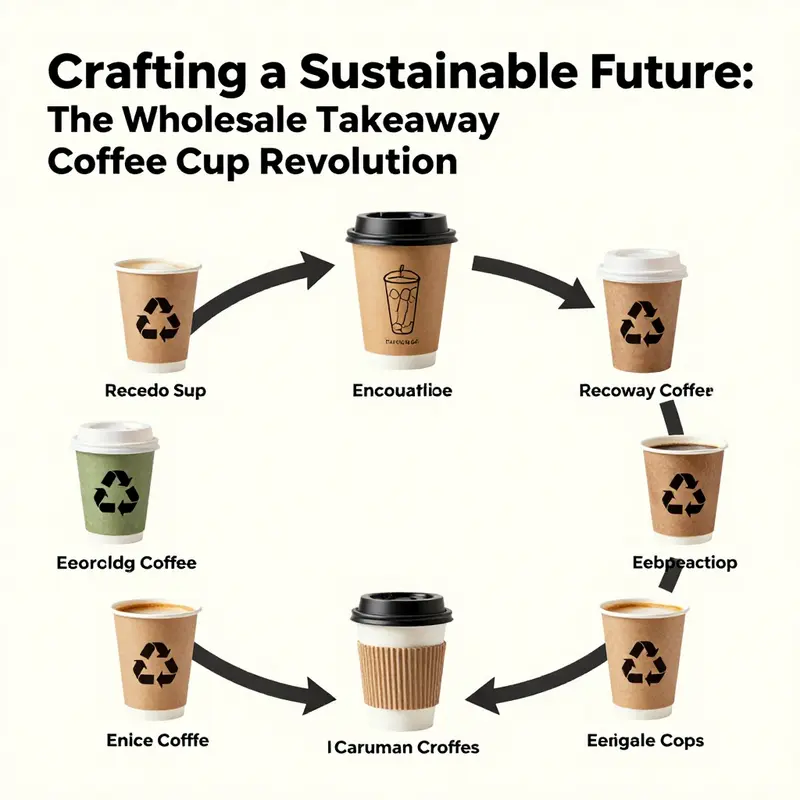
When buyers and suppliers discuss takeaway coffee cup wholesale, environmental claims are often central. Selecting the right material changes more than cost and appearance. It shapes the cup’s lifecycle, waste stream behavior, and a brand’s environmental credibility. For wholesalers, responsibility begins before the product ships. It continues through design decisions, procurement, customer guidance, and partnerships with waste managers. This chapter explains the trade-offs among popular materials, the limits of current waste systems, and practical steps wholesalers can take to ensure environmental promises hold up in practice.
Paper cups are widely perceived as the default eco choice. They are made from a renewable feedstock and carry a natural look customers expect. In reality, most paper takeaway cups include a thin polyethylene lining. That lining stops leaks and protects hot liquids, but it also prevents the cup from entering standard paper recycling streams. Facilities that can separate and process lined cups are uncommon. As a result, many paper cups end up in landfill despite a veneer of sustainability. For wholesalers, that gap between perception and reality is critical. Sourcing unlined paper cups is possible, but unlined versions sacrifice liquid resistance. Double-wall constructions or external sleeves help, but add material and manufacturing complexity. Double-wall options increase insulation and can avoid linings, but they raise per-unit costs and weight.
Plastic cups, typically polypropylene or polystyrene, offer durability and predictability. They perform well for both hot and cold drinks and often cost less at scale. From an environmental perspective, however, conventional plastics are persistent in the environment. They typically survive landfills for decades and fragment into microplastics if mismanaged. Where recycling systems capture and reprocess these plastics, they can be part of a circular stream. That requires local recycling capacity, clear labeling, and consumer compliance. Wholesalers that supply plastic cups should assess local recycling rates and advise clients on disposal practices. A plastic cup sold into a market without effective recycling will likely become long‑term waste.
Biobased alternatives, such as polylactic acid (PLA), present a promising narrative. PLA comes from renewable biomass like corn starch or sugarcane. It is industrially compostable under controlled conditions, and it can reduce embodied fossil carbon if produced responsibly. The caveat is infrastructure. PLA requires industrial composting facilities that maintain high temperatures and controlled moisture. In municipalities lacking this infrastructure, PLA may contaminate recycling streams or fail to biodegrade rapidly. From a wholesale perspective, PLA can be marketed responsibly only where composting access exists. Otherwise, sellers risk misleading customers about the end‑of‑life benefits.
End‑of‑life realities are the weak link in most sustainability stories. Compostable cups need composting; recyclable cups need compatible recycling facilities. Reusables require user adoption and cleaning logistics. The environmental performance of any cup must be judged on that full lifecycle. Wholesalers can influence outcomes by mapping waste infrastructure in target markets. That mapping shows where certain materials deliver real benefits. It helps wholesalers align product lines to regional realities rather than universal claims. A stratified offering—paper in regions with lined‑cup recyclers, PLA where industrial composting exists, and durable reusable solutions where washing logistics are viable—beats a one‑size‑fits‑all approach.
Procurement decisions by wholesalers also shape upstream impacts. Opting for pulp from certified sustainable forests reduces pressure on ecosystems. Choosing suppliers that disclose production energy, water use, and chemical inputs helps control hidden environmental costs. Certification schemes exist, but they vary in rigor. Wholesalers should demand transparent chain‑of‑custody documentation and independent third‑party audits. Buying in bulk reduces per‑unit shipping emissions, but it increases the risk of overstocking. Smarter inventory practices, such as demand forecasting and lean ordering, cut both waste and storage emissions.
Design for recyclability and clarity of labeling make a measurable difference in diversion rates. Cups designed to be easily separated or to avoid mixed materials are more likely to be processed correctly. Clear, prominent disposal instructions reduce contamination. Labels should state whether a cup is recyclable, compostable, or intended for landfill, and specify the disposal context required. A “compostable in industrial facilities only” label prevents customers from discarding PLA in home composts or recycling bins. Wholesalers should make such labels standard on packaging. They should also provide digital resources or QR codes that link to local disposal guidance.
An overlooked lever is the relationship between wholesalers and retailers. Training retail staff to communicate disposal steps encourages correct consumer behavior. Point‑of‑sale signage and bin placement are powerful nudges. For example, placing a compost bin near the café exit improves compost capture when cups are compostable. Without corresponding collection systems, even the best cups will fail their environmental test. Wholesalers can invest modestly in point‑of‑sale materials and staff training resources to support clients. These investments often pay back in improved brand perception and compliance with local waste policies.
Transport and packaging are additional considerations. Lightweight cups reduce transport emissions but can be less durable. Minimizing secondary packaging and using recycled or recyclable cartons decreases waste. Pallet optimization and consolidated shipments lower per‑unit freight emissions. Wholesalers should weigh the carbon cost of faster freight against the benefits of reduced inventory risk. Where possible, sourcing regionally reduces transport distances and helps align materials with compatible waste systems.
Cost matters. Sustainable options can command higher upfront prices. Reusable systems require investment in washing infrastructure and deposit models. PLA typically costs more than traditional paper or plastic. However, lifecycle thinking often shifts the economic picture. For example, a reusable cup program run in partnership with wholesale and retail partners can reduce long‑term procurement volumes. Similarly, avoiding mislabeling by buying materials matched to local infrastructure prevents reputational cost and regulatory risk. Wholesalers can present clients with comparative scenarios that show total cost across time, including waste fees, potential landfill taxes, and brand impacts.
Beyond material and cost, wholesalers have a role in market nudges and system change. Aggregating demand for composting or recycling services can alter local infrastructure economics. When multiple buyers create predictable volumes of compostable or recyclable material, municipal processors find new business cases. Wholesalers can also participate in take‑back schemes or coordinate with waste haulers. These activities require coordination, but they amplify the value of sustainable materials.
Practical steps for wholesalers include: auditing client markets for disposal infrastructure; offering regionally tailored product lines; requiring transparent supplier environmental data; applying clear labeling; providing disposal guidance and retail training; optimizing transport and packaging; and testing pilot programs for reusables or take‑back systems. Each step reduces the chance that a sustainability claim will fail at the disposal stage. Combined, these steps move the industry from greenwashing risk to measurable impact.
Wholesalers must also watch emerging regulations. Many jurisdictions are tightening rules on single‑use items and setting recycling or composting targets. Staying ahead of policy reduces sudden compliance costs. It also creates opportunities to develop supply lines for materials that meet new standards. Engaging with trade associations and policymakers helps shape feasible regulations and gives wholesalers early signals to adjust sourcing.
Finally, consumer communication should be honest and practical. Marketing that emphasizes careful sourcing and clear disposal requirements builds trust. Avoid absolute statements about biodegradability unless backed by local waste compatibility. Instead, explain the cup’s material, the intended end‑of‑life route, and any infrastructure needs. Consider linking to product pages with detailed disposal maps and guidance. For example, a supplier product list of bulk kraft paper cups can include local disposal recommendations and instructions for retailers to follow. Such transparency reduces customer confusion and supports correct disposal behavior. (Internal reference: bulk kraft paper cups)[https://ecocupbowl.com/product/20-50-200pcs-disposable-paper-cups-kraft-paper-cups-coffee-milk-cup-paper-cup-for-hot-drinking-party-supplies-8-10-12-16oz-cups/].
Environmental performance in takeaway coffee cup wholesale is not a single choice. It is a chain of aligned decisions. The material must match local waste systems. Labels and retailer practices must guide consumers. Procurement must prioritize verified sustainability data. Logistics must minimize emissions and waste. When wholesalers align these levers, their product lines stop being isolated commodities. They become components of functioning circular systems, delivering both commercial value and genuine environmental benefit.
External resource about lifecycle and waste management considerations
How Market Forces and Material Choices Are Reshaping Takeaway Coffee Cup Wholesale
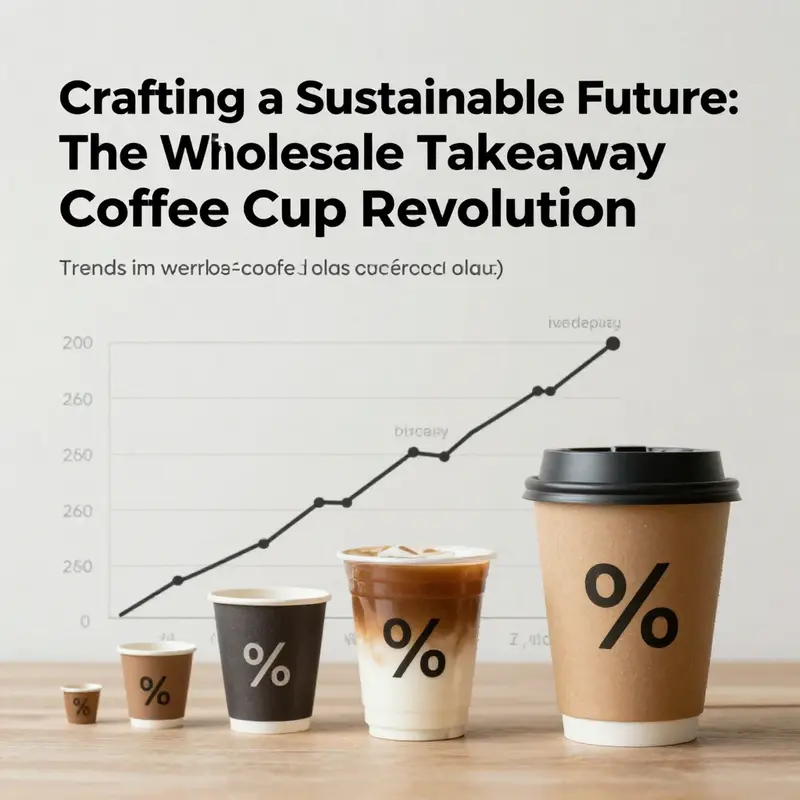
The wholesale market for takeaway coffee cups is shifting from commodity transactions to strategic sourcing. Buyers now evaluate material science, regulatory risk, branding impact, and lifecycle costs together. This evolution stems from several converging forces: clearer waste policy, vocal consumer preferences, and rapid innovation in biodegradable polymers and paper engineering. The result is a market where product selection must balance functional performance, cost-efficiency, and environmental credibility.
At the center of decisions is material choice. Paper remains the default for many buyers, largely because of its renewable fiber base and established supply chain. Paper cups project an eco-conscious image with relative ease. Yet the prevalent interior PE lining undermines that very narrative. Polyethylene liners prevent leaks and maintain structural integrity, but they complicate recycling. Most municipal recycling streams cannot separate PE from paper fibers. That technical gap forces wholesalers and their customers to make trade-offs between perceived sustainability and practical recyclability. The market response has been twofold: investment in alternative linings and stronger communication about end-of-life handling.
Bioplastics are the most visible alternative. Polylactic acid (PLA) made from corn or other starches offers a compostable pathway when processed in industrial facilities. PLA cups dissolve under controlled heat and microbial conditions. For brands pursuing zero-waste programs, PLA is attractive despite higher unit costs. However, PLA’s benefits depend on compost infrastructure that many regions lack. The mismatch creates confusion among consumers and operational headaches for buyers. Some wholesalers now offer hybrid systems—paper cups with clear labeling that instructs customers where to compost the cups. This additional layer of information supports circularity but adds complexity and cost.
Insulation and user experience drive another strong trend: double-wall and double-layer cup constructions. These designs deliver real thermal performance. They allow hotter beverages to be handled without sleeves and elevate perceived quality. Many cafés switch to double-layer options to reduce sleeve waste and improve customer comfort. Double-wall cups also provide a better printing surface, enhancing brand presentation for premium outlets. Given these benefits, demand for thicker, insulated paper cups continues to grow. Wholesalers who stock insulated options or who can supply custom-printed double-wall runs gain a visible advantage. For those seeking bulk insulated stock, exploring proven suppliers of double-layer paper cups can be a pragmatic step.
Durability and spill resistance still tip some buyers toward plastics. Polypropylene and certain engineered PET blends remain cost-effective for high-volume cold drink operations and for environments requiring high durability. Plastic cups boast low leak rates and often support repeated use, especially when marketed as reusable. But plastic choices bring reputational risk. Public scrutiny and municipal bans in many jurisdictions make pure plastic offerings a liability in some markets. Smart wholesalers therefore present plastic only as part of a portfolio, pairing it with communication strategies and recycling take-back options when feasible.
Cost dynamics in wholesale sourcing are changing. Raw material prices have become more volatile, influenced by agricultural yields, oil markets, and geopolitical shifts. Paper pulp costs fluctuate, affecting paper cup margins. Corn prices influence PLA pricing. Buyers with flexible sourcing strategies gain pricing resilience. Long-term contracts, staggered procurement schedules, and diversified supplier lists reduce exposure to single-source disruptions. Meanwhile, economies of scale still matter; manufacturers in major production regions deliver lower per-unit costs for large orders. But for small and medium businesses, minimum order quantities and logistics costs can offset those savings. The smart buyer calculates landed cost, not just factory price.
Supply chain geography also matters. Key manufacturing regions maintain specialized capabilities. Some hubs excel at rapid prototyping and short-run customization, enabling fast turnarounds for branding tests. Other regions are optimized for large-scale volume output. These differences affect lead times, minimum order sizes, and the feasibility of custom finishes like hot stamping and full-wrap printing. Wholesalers that match the right production region to a buyer’s needs offer a distinct advantage. They can recommend prototypes from agile factories or switch to high-volume producers for established SKUs.
Regulation and certification are now procurement factors, not afterthoughts. Waste bans, composting standards, and labeling laws require careful attention. Certifications that prove compostability or recycled content strengthen a product’s marketability and reduce legal risk. However, certification landscapes differ by country. A cup certified as industrially compostable in one nation may not qualify under another jurisdiction’s rules. Wholesalers must curate documentation proactively and present it to buyers in plain language. Transparent supply chains and up-to-date certificates help retailers and foodservice operators comply with local legislation and avoid costly missteps.
Packaging is becoming part of the brand story. Custom prints, colorways, and tactile finishes convey quality. For chains and boutique cafés, the cup is a mobile billboard. Wholesalers who provide creative flexibility—low MOQ printing, short-run color changes, or branded sleeve options—enable clients to run seasonal campaigns or test new designs without committing to large inventories. At the same time, buyers should weigh the incremental cost of customization against the lifetime marketing value it produces. Often, modest investments in distinctive cups yield outsized returns through enhanced customer perception.
Logistics and storage are pragmatic considerations that shape purchase choices. Some high-insulation cups are heavier and take more pallet volume. Compostable materials may have shelf-life constraints if they are sensitive to moisture or heat. Proper warehousing prevents quality degradation and avoids returns. Wholesalers who provide clear storage guidance and flexible logistics options reduce downstream waste and cost. Bulk buyers increasingly prefer supplier-managed inventory programs, where replenishment is automated against consumption metrics. Such programs minimize stockouts and limit over-ordering, improving cash flow.
Education and communication close the loop between product design and end-user behavior. Consumers often conflate terms like “biodegradable,” “compostable,” and “recyclable.” That confusion damages brand trust when expectations go unmet. Clear labeling, consumer-facing FAQs, and staff training materials alleviate misunderstandings. Wholesalers add value when they supply these assets alongside product shipments. Guidance on disposal routes—whether municipal recycling, industrial composting, or return-to-store schemes—reduces contamination and improves actual end-of-life outcomes.
Looking ahead, innovation will continue to compress technical boundaries. Advances in barrier coatings promise truly recyclable paper cups. Novel fibers and agro-waste feedstocks will sharpen the sustainability case for paper-based options. Hybrid designs that mix structural fiber with thin compostable layers could balance performance and circularity. For wholesalers, staying ahead means monitoring material science and maintaining agile supplier relationships. It also means helping buyers plan for regulation changes and changing consumer expectations.
In practice, a robust wholesale strategy combines material variety with supply-chain intelligence. Offer paper options that suit different waste infrastructures. Stock compostable lines where industrial processing exists. Provide plastic for applications that demand durability, but pair it with recycling programs. Supply insulated double-wall choices for premium experiences. Support buyers with clear certificates, storage instructions, and consumer-facing messaging.
These shifts make wholesale more consultative. Successful suppliers are not just vendors; they are advisors. They navigate certifications, recommend materials by use case, and align lead times with campaign calendars. They also help buyers calculate total cost of ownership, not merely unit price. In a crowded market, that consultative approach differentiates one wholesaler from another.
For buyers sourcing takeaway coffee cups in bulk, the critical question is simple: which combination of material, certification, and logistics best fits your market, price expectations, and brand values? Answer that, and you align procurement with both commerce and conscience. If you want to explore insulated options suitable for premium service, consider examining a dedicated supplier of double-layer paper cups to compare specifications and lead times.
External sourcing reference: https://www.made-in-china.com/products/wholesale-takeaway-coffee-cups-2026
Choosing the Right Chinese Supplier Cluster for Takeaway Coffee Cups: Practical Paths for Wholesale Buyers
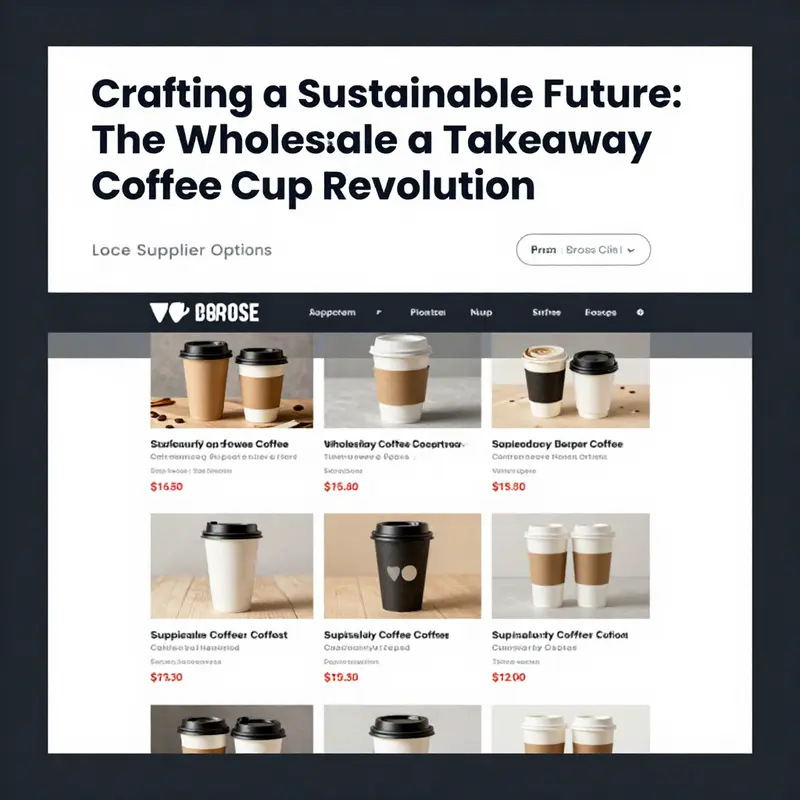
Supply decisions shape costs, brand perception, and sustainability outcomes for wholesale takeaway coffee cups. Choosing a supplier in China means balancing speed, scale, material compliance, and long-term partnership potential. This chapter walks through the practical options across China’s major manufacturing clusters, and it explains procurement levers buyers use to control quality, compliance, cost, and lead time without losing brand control.
Guangdong, Zhejiang and Fujian each offer distinct advantages. Guangdong is logistics- and innovation-focused. Zhejiang delivers scale and mature printing capacity. Fujian specializes in sustainable fibers and compostable options. Understanding these regional strengths helps align supplier choice to your strategic priorities. That alignment reduces costly surprises in production, shipping, or product claims.
Start by defining the functional and brand needs for the cups. Ask if the priority is rapid design iterations, short lead time, and premium finishing. Or is it low unit cost at high volumes, with straightforward prints and predictable supply? Maybe the brand needs verified compostable cups or alternative fiber options. Clear decisions here narrow the supplier search and set realistic minimum order quantities and pricing expectations.
If speed and aesthetics matter, shard production with Guangdong partners. Suppliers in Shenzhen, Dongguan and Guangzhou specialize in fast prototyping and decorative finishes. They offer flexible runs, commonly handle small orders, and can accelerate sample cycles. Guangdong factories are experienced with quick-turn custom prints, hot stamping, and specialty laminations. They are near major export ports, which speeds ocean freight when time counts. For brands that rotate seasonal designs or run test markets, this agility translates into lower inventory risk and faster market feedback.
When predictable unit cost and large volumes dominate the brief, Zhejiang panels are ideal. Zhejiang-based manufacturers, including clusters around Wenzhou and Hangzhou, operate dense supplier networks for paperboard, coatings, and printing. Their economies of scale mean stable pricing on standard and complex printed cups alike. They maintain high-capacity printing presses and automated forming lines. For chains or distributors that need steady replenishment, Zhejiang suppliers deliver consistent output, lower per-piece pricing, and mature quality-control systems that handle high throughput.
Fujian’s value is in alternative materials and environmental technologies. Regions around Fuzhou and Quanzhou have invested in PLA processing, bagasse molding, and bamboo pulp conversion. Suppliers here often develop compostable liners and full plant-fiber cup bodies. If your brand must demonstrate credible eco-credentials, consider factories that provide third-party compostability certifications and material compliance reports. Be aware many compostable solutions require industrial composting infrastructure. Confirm local disposal options in your major markets before committing to a biodegradable cup program.
Price and MOQ expectations vary by region and product type. Basic single-wall paper cups can reach very low unit prices at extreme volumes. Insulated double-wall cups and heavy-gauge or printed specialty cups command higher pricing and larger minimums. Transparent cold-cup PETs and molded bagasse cups will sit at mid-to-high price points depending on raw material costs. Expect suppliers to quote based on quantity bands, print complexity, and liner type. Negotiate shipment terms and packaging standards to avoid hidden costs later.
Certifications matter. Insist on documentation proving food-contact safety compliance. That includes FDA acceptance for U.S. markets and EU regulation conformity for European sales. For compostable claims, require recognized third-party verification such as ASTM D6400, EN 13432, or regional equivalents. Also ask for recent test reports showing migration and composition limits. Certificates can expire, so request current reports tied to the lot or production batch when possible.
Quality assurance must be systematic. Review a supplier’s inspection workflow and ask for routine test evidence. Key checks include dimensional accuracy, leak resistance at target temperatures, print alignment, and liner adhesion. Water and hot-fill tests are simple checks an initial sample must pass. For larger programs, require a pre-shipment inspection (PSI) and a third-party laboratory spot test to validate liner materials and compostability claims. Inspections reduce costly defects on arrival and protect end-customer experience.
Samples and pilot runs are essential. Start with physical samples for tactile assessment and a small pilot production run for process validation. Test cups in real-world service conditions, not just on the factory bench. Evaluate heat retention, lid fit, user comfort, and stackability. For custom prints, check color proofing under natural light. A well-run pilot surfaces issues like inconsistent lamination, print bleed, or lid misfit before large payments or container shipments.
Logistics and lead time considerations change total landed cost. Suppliers near major ports reduce inland transit time. Guangdong manufacturers often offer faster departures due to proximity to Shenzhen and Guangzhou ports. Zhejiang plants move high volumes steadily through Ningbo and Shanghai. Consolidate forecasts to secure priority slots in peak shipping seasons. Discuss buffer inventory or rolling production plans if you run a time-sensitive operation.
Payment terms and risk mitigation should be negotiated. Typical structures include a deposit with balance before shipment or a letter of credit for larger orders. For new suppliers, stage payments across milestones—design approval, pre-production sample, and shipment—mitigates financial exposure. Maintain clear contractual terms for quality disputes, rework costs, and acceptable defect rates. Build clauses for intellectual property protection when cups carry distinctive designs or patterns.
Sustainability claims require extra scrutiny. Ask suppliers for raw material provenance, fiber certification, and liner composition. For plant-based plastics, confirm feedstock origin and industrial composting certification. Many suppliers will offer compostable or plant-fiber options. Validate these claims through third-party test reports and check local waste infrastructure. For accessories like sleeves or lids, assess whether suppliers use recycled content or recyclable polymers.
Build supplier relationships around transparency and continuous improvement. Frequent communication, predictable ordering, and collaborative troubleshooting improve outcomes over time. Schedule regular audits and performance reviews. Track metrics such as on-time delivery, defect rates, and responsiveness. Incentivize improvements through longer contracts or larger volume commitments when quality and delivery meet expectations.
If a supplier fails to meet standards, have a clear escalation path. First request corrective action reports and temporary remediation. If issues persist, pivot to an alternate supplier within the same cluster. Maintain a vetted secondary source to avoid production gaps.
Finally, factor in complementary packaging supplies when negotiating. Many suppliers can source or co-pack sleeves, lids, carriers, and stirrers. Consolidating these items with a single partner reduces administrative complexity. For example, a supplier can include kraft corrugated cup sleeves as part of a bundled order, lowering logistics costs and simplifying inventory. Explore options to co-pack lids, sleeves and carriers to achieve better rates and consistent branding across touchpoints. See an example of kraft corrugated cup sleeves here: 50pcs brown coffee cup sleeves kraft corrugated paper insulation cardboard holder.
Selecting a wholesale supplier in China requires a clear brief, rigorous verification, and an operational plan. Match regional strengths to your priorities: Guangdong for speed and finishes, Zhejiang for scale and cost efficiency, and Fujian for sustainable materials. Use staged payments, pilot runs, and independent testing to control risk. With the right approach, procurement becomes a strategic advantage rather than a compliance burden.
For broader sourcing options and product comparisons when starting supplier conversations, refer to external wholesale listings for paper cups and packaging to identify baseline specifications and market pricing: https://www.alibaba.com/showroom/paper-cups.html
How Consumer Values Shape Wholesale Choices for Takeaway Coffee Cups

Balancing Consumer Values and Wholesale Decisions
Consumer preferences now play a central role in wholesale purchasing decisions for takeaway coffee cups. Buyers no longer choose on price and availability alone. They weigh functionality, visual identity, and environmental impact. These three priorities intersect. The outcome shapes what retailers order in bulk and which suppliers they trust. This chapter unpacks those dynamics and explains how wholesale strategies adapt to shifting demand.
Many consumers expect disposable cups to perform like reusable vessels. They want reliable heat retention. They want spill resistance and a comfortable rim. They also want a tactile experience that matches a brand’s promise. For example, a customer who values craftsmanship will notice flimsy walls. They will prefer a heavier paper, a double-wall design, or a corrugated sleeve. These features may add cost, but they reduce complaints and increase perceived value. On the wholesale side, buyers must balance unit cost with customer satisfaction metrics that affect sales and loyalty.
Environmental concern is now a decisive factor. A growing segment of coffee drinkers prioritizes cups with lower lifecycle impacts. They favor renewable feedstocks, compostability, and recyclability. However, consumer expectations can conflict with practical reality. A paper cup with a polyethylene lining is lighter and inexpensive. Many consumers view it as “paper” and inherently eco-friendly. Yet that lining creates recycling challenges. Wholesale buyers must navigate this nuance and manage expectations through clear labeling and staff training.
Material choice remains the fulcrum of these decisions. Paper-based cups offer a familiar look and excellent printability for branding. They communicate sustainability when sourced from responsible forestry. Yet their standard PE lining impedes recycling in many regions. Compostable alternatives like PLA reduce fossil fuel use and can be industrially composted. But they demand proper infrastructure. Plastic cups, often polypropylene, provide durability and low cost. They serve high-volume outlets well but carry environmental baggage that can alienate some customers. Wholesalers face questions about which trade-offs are acceptable for their clients.
Wholesale buyers increasingly ask suppliers for transparency on material provenance and end-of-life pathways. Certifications and third-party verification become powerful differentiators. When a supplier can present evidence of certified feedstock or compostability testing, decision-makers feel more confident. These claims must be backed by documentation, not just marketing language. Retailers depend on that proof when communicating with customers and when making operational choices, like whether to participate in compost collection schemes.
Beyond materials, functional design shapes consumer perception. Double-wall and corrugated designs reduce the need for separate sleeves. That convenience can sway choices at scale. Lids that snap securely and vent correctly improve satisfaction. Printed branding must resist heat and condensing liquids. For wholesale buyers, small product details matter because they multiply across hundreds or thousands of cups. A seemingly trivial defect can create large returns or negative customer feedback.
Price sensitivity varies by channel. Independent cafés often accept a modest premium for a cup that aligns with their values. Chains and convenience outlets prioritize cost per unit and supply stability. Institutional buyers, like corporate cafeterias and large events, focus on predictable pricing and compliance with procurement rules. Wholesalers who offer tiered options—standard economy lines and premium sustainable alternatives—catch a broader market. Strategic packaging choices help maintain margins while meeting diverse customer demands.
Minimum order quantities (MOQs) and lead times are critical for wholesale workflows. Smaller operators need flexible MOQs to test new cup types. Larger buyers require consistent supply over months and seasons. Supplier agility therefore becomes a competitive advantage. Manufacturers who can scale quickly, offer customization, and provide samples reduce friction in the decision cycle. Color, print runs, and custom sleeves often define a brand’s identity. Wholesale partners capable of short runs and quick turnarounds earn repeat business.
Branding and communication also influence consumer acceptance. Clear labeling about compostability versus recyclability matters. Staff training at point of sale is essential to guide customers on disposal options. When buyers can show how a cup should be discarded, consumers feel more confident in their choices. Wholesale suppliers who provide educational collateral or stickers supporting correct disposal make it easier for retailers to communicate the message.
Logistics and regional infrastructure determine what sustainability claims actually mean. A compostable cup is only beneficial if an industrial composting facility exists and receives the cup. A recyclable paper cup is only recyclable when local facilities accept lined paper. Wholesale buyers should map disposal systems in their key markets. They must align product selection with available waste streams. Otherwise, well-intended purchases may still end up in landfills, undermining brand credibility.
Retailers are experimenting with mixed approaches. Reusable cup incentives and loyalty programs reduce single-use volume. Yet wholesale orders remain necessary for peak demand and takeout needs. Many businesses select a primary cup type for everyday use and maintain an alternative for special circumstances. For example, a compostable cup may be the default for in-store purchases during certain events. High-insulation paper cups or plastic options might be held in reserve for deliveries and hot-weather shifts.
Consumer psychology also affects wholesale strategy. Visual cues like kraft finishes and earthy colors signal sustainability. Tactile cues such as thicker walls or embossed logos convey quality. Wholesale selections that incorporate these sensory elements often perform better in customer-facing settings. Packaging can thus act as a silent salesperson. Buyers who appreciate these subtleties can derive outsized benefits from small design upgrades.
Wholesale buyers must also consider regulatory trends. Policy changes on single-use plastics are proliferating. Some regions require compostable products to meet specific standards. Others impose landfill diversion targets that affect what retailers can accept. Forward-thinking wholesalers monitor regulatory developments closely. They anticipate shifts by stocking compliant alternatives and advising clients on transitional strategies.
Supplier selection criteria have expanded. Reliability, price, and lead times remain critical. But sustainability credentials, customization capabilities, and post-sale support now rank highly. Wholesalers that offer audits, proof-of-certification, and education deliver more value. They minimize buyer risk and foster long-term relationships. In practice, this means prioritizing manufacturers who can provide test results, source-chain traceability, and flexible production lines.
Finally, effective wholesale strategies translate consumer preference into scalable procurement. Successful buyers use data to refine choices. They gather feedback, track returns, and measure disposal outcomes. They pilot new materials in controlled runs. They partner with suppliers who invest in product testing and continuous improvement. Over time, this iterative approach reduces risk and aligns bulk purchasing with consumer expectations.
A practical example illustrates these dynamics. A café chain replaced its standard cups with a heavier paper double-wall option. They accepted a higher unit cost. Customer complaints about scalds dropped. Perceived quality rose. The chain also introduced a compostable option for events, paired with clear signage and a local compost pickup service. The shift required careful supplier selection, a modest MOQ negotiation, and a small marketing campaign. The result was higher customer satisfaction and a stronger brand position.
For wholesalers, the takeaway is clear. Consumer preferences are not monolithic. They combine functional demands with environmental values and brand expectations. Meeting these varied demands at scale requires strategic product portfolios, verified sustainability claims, and strong supplier partnerships. Attention to design details, labeling, and regional waste systems turns product selections into credible commitments. Buyers who master this balance will secure more resilient, future-ready wholesale programs.
For more insight on the enablers and obstacles influencing green consumption choices, consult this peer-reviewed analysis: https://doi.org/10.1016/j.jclepro.2020.125271
You can also view a practical wholesale accessory that supports heat comfort and brand presentation: 50pcs brown coffee cup sleeves.
Final thoughts
The takeaway coffee cup wholesale industry is at a crossroads, with material choices and sustainability becoming more critical than ever. As businesses navigate these waters, understanding the impact of packaging decisions on pricing, environmental considerations, and consumer dynamics will be crucial. With rising consumer awareness, selecting the right supplier and product line is essential for maintaining a competitive edge. By prioritizing sustainable options and staying attuned to market trends, businesses can not only meet customer expectations but also contribute to a more sustainable future.