
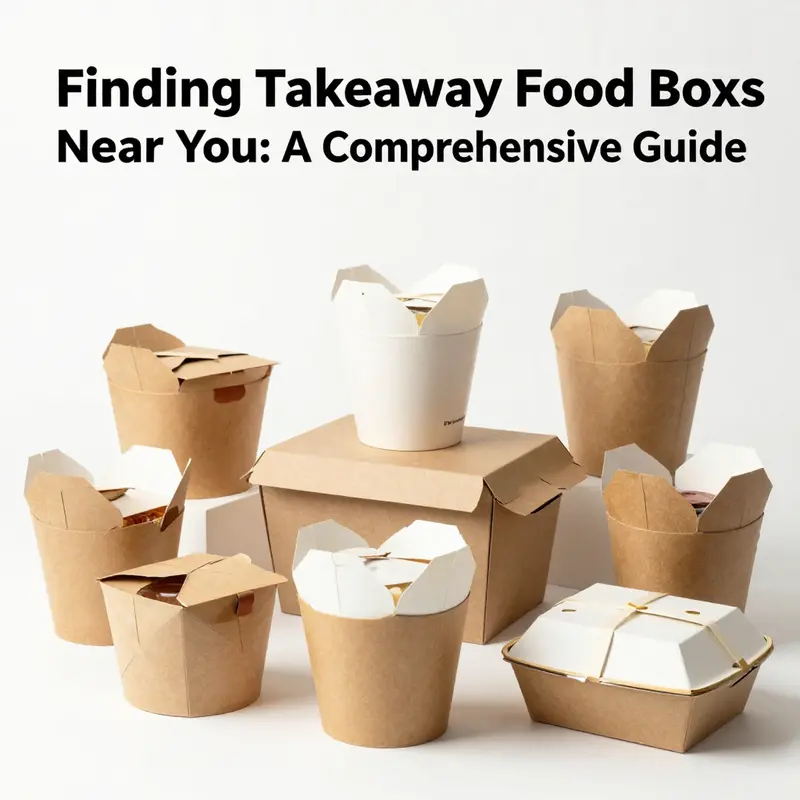
Navigating the world of takeaway food boxes is no small task, especially for bubble tea shops, restaurants, food trucks, catering services, and event planners. As the demand for takeaway options skyrockets, so does the necessity to find the right packaging that meets both functionality and sustainability. This guide dives into local stores, online retailers, sustainable options, and tips for finding affordable takeaway boxes that resonate with your unique business needs. Each chapter will pave the way for making informed and strategic choices in the competitive takeaway market.
Nearby Stores, Ready-to-Go Packaging: A Practical Guide to Local Takeaway Boxes Near Me
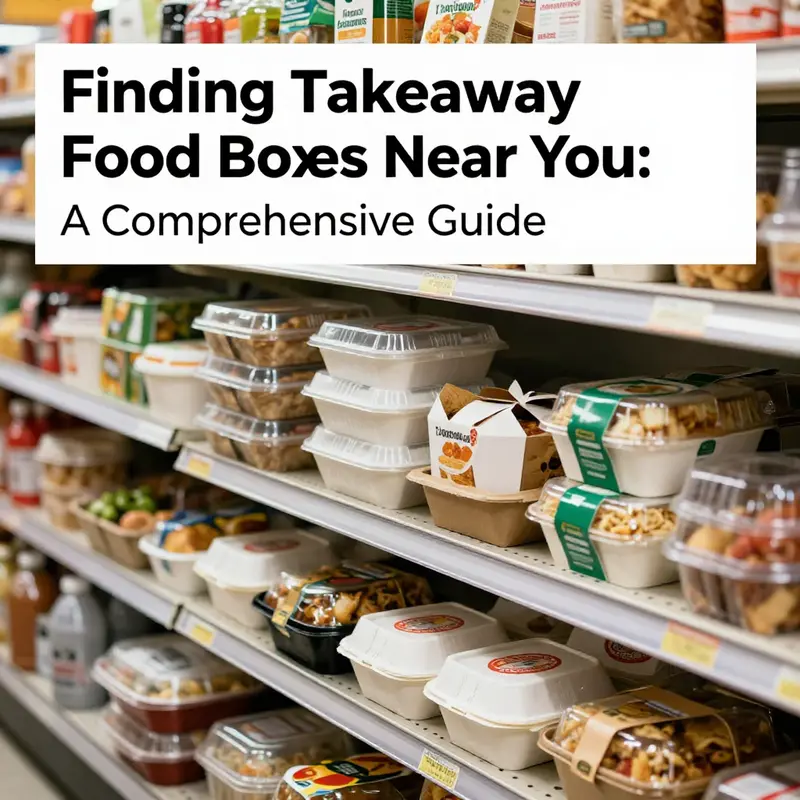
Choosing the right takeaway boxes near you is more than a quick grab from a shelf. It is a decision that touches quality, sustainability, and even branding. When you start from the premise of local availability, you gain advantages that online catalogs cannot fully convey: immediate pickup, reduced lead times, and the chance to feel the product before you buy. This chapter explores how to navigate local stores—from corner shops and supermarkets to specialized kitchenware outlets—so you can secure takeaway boxes that fit your needs, your budget, and your values, all without wandering far from home. The path begins with a simple premise: the stores near you are more than a convenience; they are a living ecosystem of packaging options that respond to the patterns of your neighborhood, your business scale, and the kinds of food you serve. As you move through this landscape, you will see that the best local supply isn’t merely about proximity. It is about a web of options—materials, sizes, features, and services—that you can tailor to specific meals, events, or storefronts. The more you understand the local marketplace, the better you can forecast inventory, compare costs, and avoid surprises when you need boxes the most.
First, consider the range of store types that stock takeaway food boxes. Convenience stores in many neighborhoods carry a basic lineup that covers everyday needs: small kraft or paper boxes for snacks, grease-resistant cups for hot drinks, and a few sandwich or wrap containers that travel well. These shops are valuable for spur-of-the-moment restocks or testing new formats without committing to large orders. Supermarkets, on the other hand, usually offer a broader assortment, including larger takeaway boxes, snack containers, and sometimes specialty shapes that fit specific menus, like french fry boxes, burger clamshells, or dessert boxes with built-in windows. When you browse in person, you can quickly evaluate thickness, sealing quality, and how well a box handles heat or moisture. You can also check whether the packaging is microwave-safe or if it’s intended only for takeout and short-term display. The tactile experience matters: you notice how the box feels in hand, whether the lid seals firmly, and if the grease barrier stands up to long durations of delivery.
Beyond general stores, specialty kitchenware shops deserve a closer look. These outlets tend to stock more diverse materials and sizes, from reinforced paper to sturdy plastic and composite options. You may find boxes designed for bakery boxes with windows, or multi-compartment containers that separate sauces, sides, and entrees. The advantage of these stores is not just breadth but depth: you can compare finishes, lid designs, and locking mechanisms that help contents stay intact during transit. If you are running a bakery, coffee shop, or casual dining concept, you might discover packaging lines that emphasize presentation as much as containment. A premium box can elevate the experience of unboxing a pastry or a gift-ready dessert, which matters for branding and repeat business.
Online platforms can still play a role, even when you prefer local pickup. Apps and search tools often reveal nearby retailers and wholesalers that stock takeaway packaging. Real-time inventory indicators can be particularly helpful when you’re planning a rush order or coordinating a seasonal menu. In practice, a quick lookup in a maps app or a delivery service may show you nearby options you hadn’t considered, including smaller neighborhood shops that stock niche items. The key is to verify the details—whether the store carries the exact size you need, the material you require, and if they can source bulk quantities on short notice. This blend of physical scouting and digital discovery can yield a flexible, resilient supply chain right in your own neighborhood.
When you begin your local search, use a straightforward approach. Start with a query like takeaway boxes near me, and then refine by material, size, and purpose. If you operate a bakery or dessert-focused business, you might search for boxes with windows that showcase the product inside. Such boxes not only protect the contents but also act as a silent salesperson, inviting customers to pick up and share their treats with friends and family. For those who run a broader food operation, you may prioritize leak resistance and heat retention. You will often find that the boxes rated as grease-resistant or leakproof are the ones most trusted for hot items like fried chicken, burgers, or loaded fries. As you compare options, consider how a given box aligns with your service model: quick-service pickup, dine-in-to-go, or event catering. Local stores frequently tailor their stock to neighborhood demand, so you may discover formats that perfectly suit your market, even if they aren’t the same as national catalogs.
A practical way to evaluate local options is to physically inspect a few contenders side by side. Look at the wall thickness, the snugness of the lid, and whether the material feels sturdy enough for the typical journey from kitchen to customer. Bend the box gently to test its rigidity; press the sides to see if they buckle under moderate weight. Check if the surface is greaseproof and whether the coating is food-safe if you plan to reheat in a conventional oven or microwave. If you serve pastries, the windowed bakery boxes can be a compelling choice because they combine visibility with protection. For items that require multiple compartments, you may want to look for partitioned boxes that help keep components separate and prevent sogginess. There is a delight in discovering a local option that checks several of these boxes at once, reducing the need for additional packaging layers and simplifying inventory management.
In this local context, presentation matters as much as protection. A well-chosen box enhances not only the customer experience but also your brand’s perception. Even small details, such as a clean fold, a secure seal, and a packaging finish that doesn’t smear or bleed, contribute to a sense of reliability. If you are building a business with a visual identity, you may want to consider the potential for future customization. The path from store shelf to storefront can include branded labels, printed designs, or color accents that align with your menu and your mood for the season. Local stores frequently provide basic customization options or can guide you to a local supplier who can add your logo or color scheme to boxes, inserts, or lids. While extensive branding programs might require online suppliers or regional distributors, local shops can still offer practical tweaks, such as choosing a specific box size to balance portion control with packaging waste. The result is a packaging system that fits your scale today and remains adaptable as you grow.
To anchor this exploration in a concrete example, imagine you are planning a weekend pop-up featuring a bakery lineup and a small savory platter. You want a box that can hold a cupcake or two, a pastry, and a small savory item without crushing the more delicate elements. A windowed cake box could be a strong option for the bakery portion, allowing customers to glimpse the assortment while keeping products neatly secured. When you consider the rest of the menu, you may opt for a couple of kraft-paper trays or a grease-resistant takeout container that can handle both sandwiches and sides. The key is to test a few samples from nearby stores, comparing how they perform in real-world conditions—whether they survive the trip from kitchen to curbside and whether they maintain temperature and presentation.
Beyond the tangible aspects, it helps to align your search with a broader understanding of packaging materials. Paper-based boxes, particularly those lined with compostable or grease-resistant coatings, offer a sustainable path for many eateries. They decompose more readily in municipal programs than traditional plastics, and they can be sourced from local suppliers who emphasize responsible sourcing. Kraft paper options often convey a rustic, artisanal vibe that pairs nicely with bakery items and casual menus. In contrast, plastic or composite containers may provide superior moisture resistance or heat retention for certain items, but they can complicate recycling streams and raise end-of-life concerns for environmentally minded consumers. When your goal is to minimize waste, you can prioritize boxes that are compostable or that can be repurposed by customers at home, such as boxes that double as storage containers for leftovers. A thoughtful balance between sustainability and practicality emerges when you weigh material choices against the typical transit time, weather exposure, and customer expectations in your locale.
Another dimension that local options bring into relief is the availability of multi-purpose packaging solutions. In many neighborhoods, a store will stock both single-use and reusable options, along with accessories like lids, liners, and dividers. For some operators, a partial shift toward reusable or returnable packaging makes sense, especially for events, catering, or loyalty programs. Local retailers can often provide guidance on how to integrate these systems with minimal disruption to daily operations. They may offer bundles that include compatible lids, dividers, and liners, or suggest models that scale up when demand rises. When you consider the potential for reusability, you might even design a small stewardship program for customers who attend frequent events, encouraging them to return boxes for cleaning and reuse. While this approach requires coordination with staff and customers, it can reduce ongoing costs and push your business toward a more circular packaging model.
If you are balancing cost with quality, remember that local stores sometimes offer tiered pricing or volume discounts that are not immediately apparent in online catalogs. A local supplier may provide samples, friendly advice, and a willingness to negotiate on bulk orders, which can be decisive when you are launching a new menu or expanding to a second location. The real-time feedback you receive from store staff—about what works best in your neighborhood, how items travel during peak hours, and what customers respond to in terms of packaging aesthetics—can be invaluable as you refine your packaging strategy. And because these stores exist within your community, you can follow up quickly if you encounter a defect, a shortage, or a need for last-minute replacements. The relationship between a business and its nearby packaging suppliers often translates into better service, more flexible terms, and quicker adjustments to seasonal demands.
In the spirit of practical exploration, consider this blended approach: test a few boxes from nearby shops, compare them with a small selection of online orders, and speak with a local packaging expert if the neighborhood stores seem to lack a preferred option. Such an approach helps you avoid overstocking on a single style while ensuring that you have reliable backups. When it is time to choose a specific product for a broader rollout, you can draw on your in-store notes, your inventory metrics, and customer feedback to decide whether you should standardize on a particular box size, a specific lid design, or a particular material. The beauty of starting with local stores is that you are not committing to a single supplier; you are building a flexible, responsive supply network that can evolve alongside your business needs.
For a bakery-focused example that highlights how presentation and practicality converge, the following option has been a popular reference for many shops seeking an attractive yet functional solution: Pure Color Foldable Cake Boxes with Window. These boxes blend visibility with protection and can be an elegant way to present baked goods during pickup or delivery. If you want to explore this particular option, you can learn more about it here: Pure Color Foldable Cake Boxes with Window. This is just one example among a broad array of local offerings, but it illustrates how a well-chosen package can complement your products and enhance the customer experience without requiring a complicated supply chain.
As you round the corner toward implementation, keep two guiding questions in mind: How does the packaging help me deliver the best possible food experience, and how easy is it to source boxes locally when I need them most? Answering these questions often reduces the friction that can slow a food business during busy periods. The goal is not merely to stock boxes; it is to cultivate a packaging ecosystem that aligns with your menu, your service style, and your community’s expectations. Local stores can be partners in that ecosystem, offering immediacy, hands-on evaluation, and responsive service that national catalogs may struggle to match. With a little curiosity and practical testing, you can build a reliable, scalable, and sustainable packaging program that keeps pace with the flavors you bring to your customers.
For those who want a practical map to begin their local hunt, real-time results are often best accessed through a simple search on a maps platform. You can quickly identify nearby retailers, compare hours, read reviews, and gauge which stores stock items that fit your line. This approach helps you feel confident in a last-minute restock or a planned expansion. If you are curious to explore further, start by searching for takeaway boxes near you in your preferred maps app to see what stores pop up in your neighborhood. For immediate assistance and a quick sense of nearby options, you can begin with a Google Maps search here: https://www.google.com/maps/search/takeaway+food+boxes+near+me. The neighborhood you know best can become a trusted source of packaging you can rely on, season after season.
Digital Aisles, Local Doors: Navigating Online Retailers to Find Takeaway Boxes Near You
Finding the right takeaway boxes near you no longer means wandering through crowded aisles or guessing what will survive a delivery ride. Online retailers have turned a local problem—how to package hot, greasy, or delicate foods—into a precise search that matches durability, size, material, and price to your specific needs. The modern shopper starts with a simple question and ends up with a tailored supply chain: which online retailer can deliver the right box quickly, at the right cost, in the right material, and with the least impact on the environment? That question is not merely logistical; it shapes customer experience, influences menu presentation, and frames a business’s sustainability story as much as its bottom line. When you search for takeaway boxes near me, you are not just hunting for a container. You are selecting a partner that can help you control food quality, container performance, and impression—all at a distance that can still feel surprisingly close to your storefront or kitchen. The digital landscape makes proximity a function of inventory visibility and shipping speed rather than physical distance alone. A retailer two time zones away may still feel “near me” if they can promise next-day delivery, clear product specs, and reliable service. This shift from proximity to performance is one of the most consequential shifts in how food businesses source packaging today, and it deserves a careful, strategic approach rather than a quick impulse purchase.
The first layer of savvy in this landscape is material and design choice. Takeaway packaging comes in a palette of options: paper and pulp boxes, corrugated cartons, compostable or recyclable plastics, and hybrid or coated papers designed to resist grease and moisture. Each material carries its own profile of strength, heat retention, and environmental footprint. Paper-based and compostable options often appeal to brands that want to spotlight sustainability, yet they come with considerations about strength, leak resistance, and barrier properties. Plastic containers can offer higher durability and excellent crowd-pleasing performance for hot or oily foods, but they invite scrutiny around recyclability and end-of-life disposal. Packaging that includes windowed designs or inserts may enhance product storytelling but can complicate leak protection or heat management. Online retailers typically present a spectrum of sizes and configurations—from single-compartment boxes for sandwiches to multi-compartment trays for combos, sides, and sauces. As you scroll through options, the decision is rarely about price alone; it is about the predictable behavior of the box under real-world conditions: a burger still intact after a 15-minute ride, fries that stay crisp, or a dessert that travels without a soggy crust. A careful reading of product specifications is essential. Look for grease resistance ratings, microwave suitability, and whether a container is approved for direct contact with hot foods. If you run a delivery service that crosses state lines, material certifications and supplier quality assurances become more than technicalities; they become assurances to your customers that their meals will arrive as intended, every time.
Second comes the logistics of the online marketplace itself. Digital shelves can be crowded. The best retailers distinguish themselves not only by the breadth of their catalog but by how they present it: clear measurements, unambiguous material descriptions, and transparent lead times. When you search for takeaway boxes near me, you might encounter options that promise next-day delivery or bulk discounts for restaurants, cafés, or caterers. Those promises are only as good as the supply chain behind them. Real-time inventory indicators, predictable shipping windows, and robust customer service standing behind those claims matter because you are often placing orders that impact your daily operation. Some retailers tailor their offerings to business customers. They provide bulk pricing, simplified reordering, and easy-to-navigate catalogs that let a manager place a full month’s worth of packaging with a single click. Others cater to smaller buyers, offering flexible minimums, sample sets, and customization opportunities that allow a new takeout brand to test designs and sizes without overcommitting capital. Finding the right balance between flexibility and scale is the art of negotiating online procurement for takeaway boxes near you.
Customization, too, plays a pivotal role in online procurement—especially for brands that want packaging to echo their menu philosophy, color scheme, or seasonal promotions. Some online retailers extend simple printing or decal options on the exterior, while others offer complete blank canvases for branded artwork. The possibility of customization can redefine what qualifies as “near me” in practical terms: you may discover a supplier a few hundred miles away whose lead times and minimums align perfectly with your business plan, making them a practical local partner despite the distance. When contemplating customization, ask about minimum order quantities, turn times, and color accuracy. Check whether the supplier can provide proofs or digital simulations, which reduces risk before you commit to a large run. The net effect of thoughtful customization is a packaging experience that reinforces your brand identity during the moment your customer first touches the box, amplifying perceived value and quality. This is not merely cosmetic; it can influence continued patronage and even shared social feedback about your food, which is why many businesses treat packaging design as an extension of their menu.
A practical approach to locating and selecting takeaway boxes near you online blends search strategy with critical evaluation of serviceability. Start with a geographic filter in your search engines and map services to identify vendors within practical driving or delivery radius. Then broaden the scan to include reputable national platforms that show real-time stock and delivery estimates to your locale. The objective is to convert a simple proximity query into a reliable procurement channel—one that can respond to sudden surges in demand, seasonal promotions, or menu changes without sending your operations into a tailspin. The most reliable online retailers provide a clear, itemized catalog with precise dimensions, material notes, and usage guidelines. They also publish straightforward return policies and documented safety standards, so you can recover quickly if a shipment arrives with a mismatch or defect. This is especially important for food packaging, where a misfit container can lead to spillage, leaks, or compromised presentation, all of which reverberate through a guest’s experience more quickly than the packaging itself.
Beyond product details, there is the matter of delivery logistics. For many operators, the ability to time deliveries to align with kitchen production and peak service periods is a major competitive advantage. Fast shipping, predictable transit windows, and options for local pickup can transform an online purchase into a seamless extension of the restaurant floor. Some vendors offer expedited packaging shipments with guaranteed arrival windows, while others provide more economical shipping that is well-suited to non-urgent replenishment. The choice between these options often comes down to your service model: a high-volume lunch crowd may require more precise inventory management and faster restocking, while a boutique bakery might benefit from small, customizable batches and more relaxed replenishment cycles. In all cases, the ability to track orders, access updated stock statuses, and receive proactive alerts about delays is an underappreciated facet of online retail for takeaway packaging. A business that can anticipate stockouts before they occur can adjust operations in time to avoid service gaps or unintended substitutions that might disappoint customers.
A third layer of consideration concerns sustainability and end-of-life handling. Online retailers today frequently present a spectrum of environmental options, from compostable and recycled-content containers to grease-resistant coatings that are compatible with existing waste streams. The choice of packaging reverberates through the broader sustainability narrative of a food brand. Customers increasingly evaluate not just the taste and price of a meal but the entire lifecycle of the container that carries it. Selecting a near-me retailer who prioritizes responsible materials can help a business demonstrate tangible environmental stewardship. It also invites a pragmatic conversation about waste streams, recycling capabilities, and local composting options. The reality is that circular economies depend on consistent product specifications, standard sizes, and reliable supplier practices—factors that are all amplified when you shop online. If your community has robust composting programs or dedicated recycling streams, you may be able to optimize packaging choices for both performance and sustainability. When evaluating options online, request documentation on material composition, certifications, and recycling guidance. A reputable supplier should be able to share test results, vendor certifications, and compliance statements that reassure you and your customers that the packaging chosen is suitable for the intended use and end-of-life handling.
The role of digital tools in this decision is not merely about finding a box; it is about building a dependable procurement rhythm. A reliable supplier can become a predictable part of your daily workflow, reducing the friction that often accompanies packaging decisions. The best online retailers offer robust product descriptions, interactive catalogs, and customer support pathways that function like a behind-the-scenes kitchen liaison. They provide technical data sheets, which help your operations team assess whether a given container meets your food safety and logistics requirements. They also provide guidance on compatibility with your existing branding, printing capabilities, and customization capacity. When you combine these practical details with the immediacy of online ordering, you have a powerful toolkit for managing takeaway packaging as a strategic element of guest experience rather than a mere operational afterthought.
For businesses that want to explore specific examples without committing to a purchase, many online retailers provide sample programs, small-pack offerings, or starter kits designed to minimize risk while you test fit, feel, and performance. This approach is especially valuable for startups or seasonal businesses that must adapt quickly to changing menus and promotional campaigns. A test-run can reveal how a particular box behaves under transportation stress, whether a particular lid design seals reliably, or how a packaging color interacts with the lighting in your dining area or on social media photography. In this way, online retailers do more than sell containers; they enable experiential feedback—information you can use to refine both product choices and operational workflows. The end result is a more resilient takeout program that can respond to demand with fewer hiccups and a greater sense of continuity for your guests.
In practice, navigating toward the right online retailer for takeaway boxes near you often culminates in a single, well-informed decision: you choose a supplier who can balance accuracy, speed, sustainability, and customization within your geographic and budgetary constraints. The search action morphs into a sourcing partnership when you recognize that the container is not a standalone item but a component of your brand’s narrative and service delivery. The best suppliers empower you to place consistent orders with predictable outcomes, while also offering the flexibility to adapt to special events, seasonal menus, or fluctuations in food volume. They acknowledge that your packaging is as much about performance as it is about presentation—and they design their catalogs and service models accordingly. When you finally click that purchase, you are not simply paying for a box; you are investing in a reliable conduit that preserves food quality, protects your brand’s reputation, and supports a smoother guest experience from kitchen to doorstep.
To bring these ideas into a concrete, real-world frame, consider this practical path: begin with a quick online audit of local and national suppliers that ship to your area. Note delivery windows, stock indicators, and minimum order requirements. Compare the material options side by side, paying particular attention to grease resistance, moisture barriers, and heat tolerance for your most common menu items. If customization matters, request proofs or digital simulations and check the turnaround times. Review the sustainability profiles, including any certifications or end-of-life guidance. Once you’ve narrowed the field, place a small initial order to verify performance in your own delivery environment. Track the shipment, test the containment of hot foods, and assess whether the packaging maintains presentation after transit. This iterative approach helps ensure that your choice truly serves as a reliable link between your kitchen and your customers’ hands.
As you refine your approach to finding takeaway boxes near you online, remember that the best options are not necessarily the cheapest or the flashiest. The strongest fit is a supplier who understands your operational rhythms, accommodates your branding ambitions, and—crucially—supports your commitment to responsible packaging. The online marketplace can be an accelerator for quality, consistency, and sustainability when approached with a clear set of criteria and a patient, data-informed process. In this light, proximity becomes a function of reliability, transparency, and alignment of values between your business and the supplier you choose. Whether you operate a bustling lunch spot, a boutique bakery, or a catering service, the path to the right takeaway box near you flows from a thoughtful blend of material knowledge, logistical realism, and a brand-centered approach to packaging that turns every preparation into a confident, repeatable guest experience.
For further ideas on packaging aesthetics and practical options, you can explore a selection of related articles and product listings on a trusted packaging supplier page. This resource demonstrates how a single internal product line can span from elegant pastry boxes to sturdy takeout cartons, all designed with grease resistance, tastiness preservation, and consumer convenience in mind. The emphasis on clear specifications, sample availability, and customization capabilities provides a useful blueprint for evaluating other suppliers in your vicinity or online. custom-takeaway-packaging-supplies-disposable-tableware-for-theme-party. While your exact needs will vary by business type and location, the underlying principles of reliability, clarity, and sustainability stay constant across options and borders.
In closing, the question of finding takeaway boxes near you online is less about locating a single container and more about curating a dependable, efficient, and responsible packaging ecosystem. The right online retailer will not only supply the boxes but will also become a partner in ensuring your food arrives in excellent condition, your brand is properly presented, and your customers feel valued from the moment they lay eyes on the package. Through careful evaluation of material choices, shipping logistics, customization opportunities, and sustainability commitments, you transform a routine procurement task into a strategic advantage. The digital aisles are long, but they can lead you straight to a local, performance-minded, and values-aligned packaging supplier who understands the unique demands of takeaway foods in your market. And that, in turn, helps you deliver on the promise that your restaurant, café, or bakery makes to every guest—a consistently superior, thoughtfully packaged meal, delivered with care.
External resource: https://www.ecoenclose.com/
Finding Truly Sustainable Takeaway Food Boxes Near Me: Materials, Sourcing, and Practical Choices
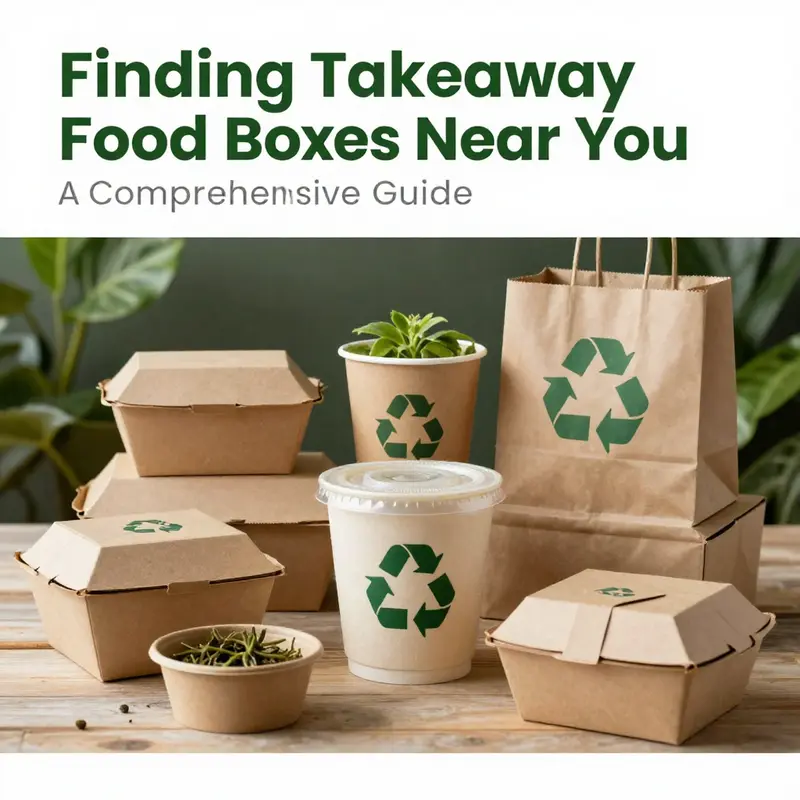
When you search for takeaway food boxes near me, the options can feel overwhelming. Choices range from simple paper cartons to containers made from plant-based plastics, bamboo, and molded fiber. Making a responsible selection means looking beyond appearance and price. It requires understanding the materials, how they break down, which local systems accept them, and how suppliers deliver both small and large quantities. This chapter guides you through the practical path from identifying genuinely sustainable materials to sourcing them locally or ordering in bulk, so your takeaway packaging aligns with environmental goals and daily operational needs.
The first step is to recognize what “sustainable” actually means for food boxes. Sustainability combines the source material, manufacturing impact, in-use performance, and end-of-life outcome. A material sourced from rapidly renewable fibers but coated in non-recyclable plastic may fail the sustainability test. Likewise, a compostable box is only beneficial if it reaches a composting facility capable of processing it. Prioritize containers made from certified compostable fibers, uncoated or coated with compostable barriers, and materials with clear recycling pathways in your community. Certifications such as industrial composting verification are strong indicators that a supplier has taken steps to meet recognized standards.
Paperboard that is labeled compostable has become a leading option for many takeaway uses. It offers stiffness for stacking, printable surfaces for branding, and effective insulation for warm foods when combined with appropriate barriers. Unlike traditional coated cartons that use petroleum-based plastics, compostable paperboard uses natural fiber layers and bio-based coating technologies. These coatings resist grease and moisture yet break down under industrial composting conditions. When seeking local sources, ask suppliers about the specific certifications their paperboard carries, and request sample documentation to confirm compliance. Samples also let you test grease resistance, structural integrity, and closure reliability before committing to large orders.
For a more premium aesthetic, bamboo and molded fiber containers present attractive alternatives. Bamboo is fast-growing and requires less chemical input than many hardwoods. Containers carved or formed from bamboo offer a strong, natural finish and are fully biodegradable in the right conditions. Molded fiber—made from recycled paper, agricultural residues, or other plant pulps—provides rigid forms suitable for plates, bowls, and clamshell boxes. Both bamboo and molded fiber are robust for hot and cold foods and often perform well with sauces and moist dishes when designed with a suitable inner layer. When sourcing these materials locally, check if the supplier uses post-consumer recycled content and ask about the supply chain to ensure the bamboo or fiber is harvested and processed responsibly.
Bioplastics such as polylactic acid (PLA) can be useful when visibility or clarity is needed. PLA is derived from plant starches and is biodegradable in industrial composters. Transparent windows made from PLA allow customers to see contents without compromising on compostability—provided the window and the box are both compostable. Avoid materials that mix non-compostable plastics with compostable elements; they complicate sorting and contaminate recycling streams. If you consider bioplastic windows or full containers, verify the compatibility with local composting facilities and clarify whether the entire package is accepted as a compostable unit.
Design choices matter as much as material selection. Simple, foldable flap-top boxes save material and reduce waste. Compartments can help prevent cross-contamination of flavors but increase complexity for composting and recycling if made from mixed materials. A balanced approach favors modular designs where compartments are formed from the same compostable material as the main body to keep disposal straightforward. Clear closures and sturdy stacking features support transit efficiency and reduce the chance of customers needing secondary packaging, which undermines sustainability efforts.
Practical sourcing strategies for finding sustainable takeaway boxes near you blend local discovery with selective online ordering. Start with local packaging suppliers and wholesale kitchen stores that list eco-friendly categories. Many regional distributors now label products as compostable, recyclable, or made from recycled content. Look for suppliers that offer small sample packs; samples let you assess fit, strength, and finish without a major investment. If your operation requires consistent branding, request custom printing options and minimum order quantities up front so you can compare cost per unit across different materials and suppliers.
When your needs scale up, reach out to manufacturers or larger distributors who support local fulfillment or regional warehouses. Bulk purchasing delivers cost savings, and many suppliers provide tiered pricing that drops significantly as quantities rise. Before placing a large order, confirm lead times, whether the products are stored in humidity-controlled environments, and the warranty or replacement policies for damaged goods during transit. Also inquire about the supplier’s capability to provide certificates proving material composition and compostability to meet procurement standards or local regulations.
Cost considerations should be balanced with lifecycle thinking. While compostable paperboard or bamboo boxes can cost more per unit than conventional plastic or coated paper, the avoided environmental disposal costs and improved brand perception often justify the investment. Batch pricing examples show price declines with volume, and many suppliers offer sample or trial pricing so you can test performance in real-world conditions. Factor in shipping, storage, and potential savings from reduced secondary packaging when comparing total cost of ownership.
End-of-life logistics are critical to delivering real sustainability outcomes. A compostable box only helps if it is collected properly. Coordinate with your local composting facilities and municipal waste programs to confirm which materials they accept. Encourage customers to return boxes in marked compost bins if you offer pickup, or include clear disposal instructions on the packaging. Some businesses partner with local composting services to set up drop-off or collection arrangements, turning packaging into a closed-loop flow that returns nutrients to soil. If composting isn’t available in your area, emphasize recyclable materials and designs that make recycling easy: single-material constructions, removable labels, and absence of mixed plastic windows.
Branding and customer communication are simple levers that increase sustainability impact. Clear on-package symbols indicating compostability, recyclability, or recycled content reduce confusion. Short disposal instructions, icons, or a QR code linking to local disposal guidance can significantly increase correct disposal rates. Use customer-facing language that focuses on action—where to dispose, whether the box goes in compost or recycling, and any simple preparation steps like removing leftover food or separating liner materials.
Sourcing locally supports faster replenishment, lower transport emissions, and easier quality control. When evaluating local suppliers, ask about their logistics footprint and warehouse locations. Suppliers with regional distribution centers can reduce delivery times and environmental impact compared to imports. If a supplier is overseas, factor in shipping method and frequency: consolidated shipments reduce per-unit emissions versus expedited air freight. For many businesses, a hybrid approach works well—stock staple sizes and materials from local distributors while sourcing specialized or custom-printed runs from larger manufacturers with clear sustainability credentials.
Operationally, integrate packaging selection into menu planning. Choose boxes that match the types of dishes you serve to avoid unnecessary inserts and reduce the number of SKU variants you must manage. Train staff on proper packing techniques that maximize insulation and minimize leaks so boxes can be lighter and less material-intensive. Consider offering incentives for customers who bring their own containers or participate in a reusable container program; combining reusable options with compostable disposables provides flexibility while reducing single-use demand.
Finally, validate suppliers and materials through testing and documentation. Ask for composting certifications, material safety data, and independent lab results for grease resistance or heat tolerance. Conduct in-house trials to assess stacking, transport behavior, and customer experience. A short trial period will reveal whether a material performs under your specific conditions and whether customers respond positively to the change.
If you want a place to start exploring sustainable product options and supplier listings, one comprehensive resource catalogs eco-friendly takeout packaging suitable for businesses seeking verified suppliers and sample channels. For a direct view of available sustainable takeaway packaging options and supplier pages, see this external reference: https://www.made-in-china.com/products-search/hot-selling/sustainable-takeout-food-packaging-box.html?utm_source=chatbot
For a local, customer-facing example of the types of compostable and stylish boxes discussed here, explore the eco-friendly takeout boxes collection referenced in this supplier catalog. It demonstrates practical designs such as compartmentalized boxes, kraft paper clamshells, and clear-window bakery boxes that balance visibility with compostability: https://ecocupbowl.com/product/eco-friendly-takeout-boxes-for-food-packaging-stylish-food-containers-safe-microwave-craft-paper-lunch-boxes-leak-grease-resistant/
Choosing sustainable takeaway food boxes near you is a deliberate process. Focus on certified materials, simple single-material designs, and end-of-life compatibility with local recycling or composting systems. Combine local sourcing for speed and reduced transport emissions with selective bulk ordering for cost efficiency. Communicate disposal guidance clearly, test samples in real service conditions, and align packaging design with your menu to minimize waste. These steps turn the act of packaging into a practical contribution to sustainability rather than a symbolic gesture.
Smart Sourcing for Takeaway Boxes: Finding Affordable Packaging Near You
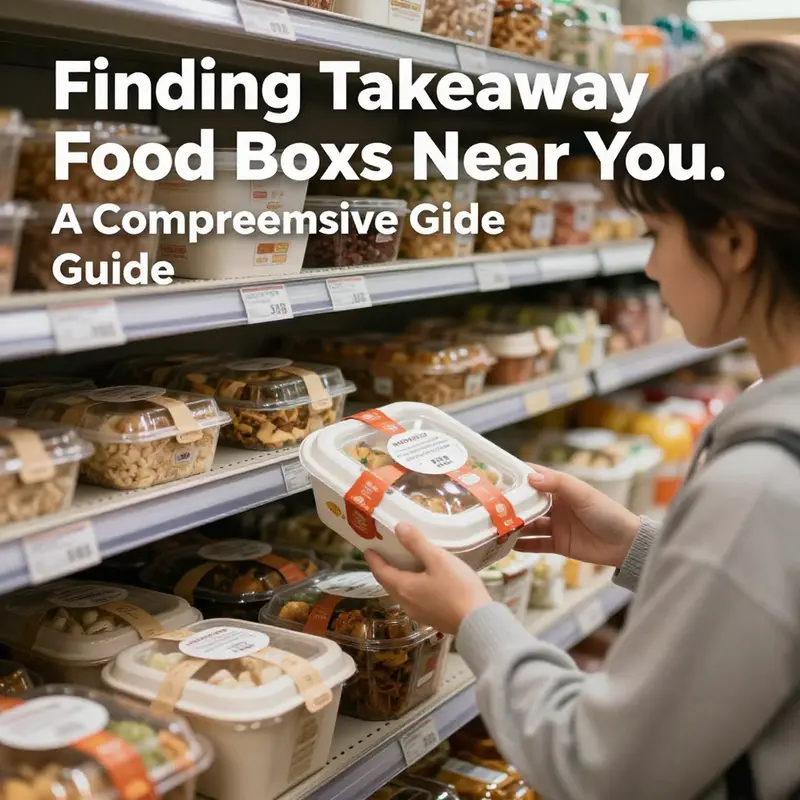
Every plate, parcel, and pastry you hand over to a customer rides on packaging that is not only sturdy and hygienic but affordable enough to keep margins healthy. When you operate a takeout concept—whether a bustling kitchen, a weekend pop-up, or a small neighborhood cafe—your choice of takeaway boxes can shave pennies or pounds from your bottom line. The challenge is balancing price with performance: a box that keeps sauces contained, heats evenly, resists leaks, and presents your food in a way that feels worth the price. The answer lies in a thoughtful sourcing approach that starts with the geography of supply and ends with a plan you can scale. The path to affordable, reliable takeaway boxes near you is less about chasing a single low price and more about building a sourcing strategy that combines direct access to manufacturers, smart use of online marketplaces, and disciplined price comparison across several vetted suppliers. When you stitch these elements together, you create a sourcing rhythm that reduces cost per box without sacrificing quality or sustainability.
A core principle is to look beyond the showroom price and examine how a supplier’s workflow translates into total cost. Direct-from-manufacturer sourcing can yield dramatic savings, especially when you buy in volume. By bypassing middlemen, you remove markups that accumulate as your order size grows. The most favorable deals often begin with a conversation about needs rather than a one-off purchase. If you know you’ll run through hundreds of boxes weekly, a manufacturer can discuss tiered pricing, minimum order quantities, and lead times that fit your operation’s cadence. They can also tailor options to your menu’s realities—whether you need grease resistance for fried items, microwave-safe materials for reheat-friendly meals, or transparent windows to showcase desserts. The practical reality is that you can secure robust pricing when you negotiate directly, align on quantities, and build a recurring purchase plan that reduces per-unit costs over time. In this approach, the purchase is less about chasing a single bargain and more about cultivating a stable supply chain that protects quality while trimming expenses. The notion of direct access also means you can request samples, test fit boxes with your current packaging workflow, and validate whether the material choice—plastic, paper, or compostable options—meets your customers’ expectations and your sustainability goals. For readers who want a concrete jumping-off point, the best starting move is to explore direct-from-manufacturer channels that explicitly offer a wide range of materials and sizes, with pricing that scales as volumes increase. This path emphasizes efficiency and long-term savings, rather than a one-time discount that may compromise long-term reliability.
If you are not ready to commit to a direct-manufacturer relationship, or you want to pilot a few options before locking in a longer-term contract, online marketplaces present a complementary route to affordable boxes. These platforms aggregate suppliers, display real-time inventory, and often provide favorable terms like low minimum order quantities and fast, contactless delivery. The strength of this route is flexibility: you can order smaller lots to test a box’s performance with your menu, then scale up with confidence if the packaging performs as needed. When browsing, aim for vendors who clearly list material specs, grease resistance ratings, stacking strength, and microwave compatibility. In many cases, these marketplaces also reveal shipping estimates and stock status in real time, which helps you plan purchasing around kitchen throughput and peak service periods. The trade-off to watch for is total landed cost: a low per-unit price may be offset by higher shipping or longer lead times. A practical strategy is to set a price ceiling per unit that includes expected freight and tax, then filter results to suppliers that hit or beat that target within your region. The online marketplace advantage extends to reliability in delivery. Even for small orders, several platforms now offer fast, contactless delivery and centralized payment options, which minimize touchpoints in a busy takeout operation. This can be a meaningful improvement for small teams juggling prep, packaging, and pickup at once.
Another vital avenue is tapping bulk suppliers and retailers that specialize in eco-friendly or specific packaging types. If your brand prioritizes sustainability, you’ll find a growing number of biodegradable and compostable options—such as cornstarch-based meal boxes or kraft paper packages—that fit a range of budgets. The key is to evaluate total cost of ownership, not just unit price. Grease resistance, leak prevention, and heat retention all affect portion integrity and customer satisfaction, which in turn impact refunds, misorders, and brand perception. When you look at bulk suppliers, request material certification where available, such as compostability or safety standards, and compare certifications across options that look similar on paper. This diligence helps ensure your eco-friendly choice actually aligns with your operations and end-of-life goals. It also guards against greenwashing, where boxes appear sustainable but fail under real-world use or disposal guidelines. For teams aiming to minimize environmental impact while controlling cost, the market is moving toward smarter, more accessible compostable and recyclable packaging, with suppliers offering tiered pricing for bulk orders. The result is that sustainable choices no longer require a premium, but rather a disciplined approach to supplier selection and long-range planning.
Beyond direct and online routes, local business networks and trade shows can be surprisingly fertile ground for uncovering affordable packaging options. Local associations often host vendor days where manufacturers and regional distributors showcase a range of products, sometimes accompanied by introductory deals, bundle offers, or closeout pricing that isn’t advertised online. Attending these events is as much about human connection as it is about price comparison. When you speak face-to-face with suppliers, you can discuss your specific needs—like box sizes that fit standard menu portions, or the need for leak-proof seals for saucy dishes—and receive candid feedback on which materials perform best in your climate and kitchen workflow. Trade shows also enable you to request samples, compare several contenders in one sitting, and negotiate terms that aren’t always visible in online listings. The net effect is a more informed shortlist and access to wholesale channels that reward early commitments with favorable pricing. If travel to a show is impractical, many vendors publish seasonal promotions or regional distribution programs that mirror the same advantages you’d gain at a live event, though with the added convenience of doorstep delivery.
Once you’ve identified a handful of credible sources, the next stage is disciplined price comparison across multiple platforms. A pragmatic approach is to run parallel searches for terms like “multi-compartment disposable meal boxes” or “kraft paper take-away boxes with lids,” then compare price-per-unit, minimum order quantities, and shipping costs. In practice, the breadth of results matters more than the first page of listings. A broad sweep often reveals suppliers that offer a lower unit price when you place larger orders or commit to a recurring weekly shipment. It also helps to evaluate the total cost picture: some vendors offer free shipping above a threshold, or reduced rates for quarterly orders, which can substantially tilt the economics in favor of a longer-term plan. To stay efficient, set up a simple scoring rubric: price per unit (including estimated freight), material quality, leak resistance, heat tolerance, and supplier reliability. Weigh these factors against your operational realities. If the box you choose is too light for your fried items, you may end up paying more in remakes or refunds. If it doesn’t hold up in the microwave, customers may opt for alternatives that erode repeat business. In essence, the cheapest option is worth little if it compromises the customer experience. The goal is a stable, scalable supply chain that remains within a realistic budget and supports your brand promise.
To reinforce the practical mechanics of this process, consider the following synthesis: prioritize direct manufacturer channels for major volume, blend in online marketplaces for flexibility, and incorporate regional bulk suppliers for sustainability-conscious choices. When used in combination, these avenues create a resilient sourcing fabric that reduces per-unit costs while safeguarding performance. A simple rule of thumb is to start with a robust baseline sample from at least two or three different suppliers, then measure performance against your service metrics—how quickly you can pull boxes from stock, how well they protect food during transit, and how they hold up to your most demanding menu items. If you approach it this way, your packaging choice becomes part of your operational strength rather than a cost line you cross your fingers over. The process is iterative, but the payoff is consistent availability, predictable pricing, and a packaging suite that aligns with both your menu and your customers’ expectations.
The practical discipline of packaging procurement also invites a nuanced consideration of materials. Plastic remains widely used for its barrier properties and price points, while paper-based options can offer compostability and a more brand-friendly aesthetic. In the consumer space, many operators now balance grease resistance with the desire for sustainability, acknowledging that a growing segment of customers values responsible packaging. A cost-conscious approach can still accommodate this shift: you may experiment with a polyethylene-coated paper box for certain fried items that require higher moisture resistance, paired with a compostable, biodegradable option for salads or baked goods where grease resistance is less critical. This balancing act often pays dividends in both cost management and customer perception. Workflow considerations are essential here too. Boxes that nest efficiently during prep and packing stages reduce handling time, minimize warehouse space, and lower the incidence of mispacks. If your kitchen runs on tight margins, a packaging solution that simplifies your line, reduces waste, and speeds up service translates directly into a stronger bottom line.
As you assemble your long-term sourcing plan, it helps to map out the roles different channels will play in your operation. A practical map might designate direct-manufacturer procurement for high-volume core items, online marketplaces for backup stock and rapid replenishment, and eco-friendly bulk suppliers for occasional campaigns or seasonal menus. This triad keeps your options flexible while preserving negotiating leverage with each supplier. It also buffers you against disruptions in any single channel, such as a sudden supplier delay or a spike in demand that shortens lead times. Such resilience is especially valuable for businesses that rely on predictable service during peak periods or special events.
In short, the affordable takeaway box landscape is increasingly accessible to small and mid-sized operators who are willing to apply a structured sourcing approach. You don’t need to settle for sticker-price compromises or opaque supply terms. By combining direct manufacturer relationships, online marketplaces with transparent inventories, and targeted bulk suppliers, you can secure reliable, cost-effective packaging that meets your performance standards and aligns with your sustainability goals. The process is iterative, but the payoff is clear: steadier supply, better price predictability, and packaging that reinforces the quality of the food you deliver. For teams ready to take the next step, a practical move is to begin by exploring direct-manufacturer channels and requesting samples, then widen the search to online marketplaces and regional bulk suppliers to build a well-rounded list of vetted options. If you embrace this approach, you will discover that affordable, dependable takeaway boxes near you are not a distant dream but a routine part of a well-managed operation.
For readers who want a concrete starting point, consider exploring a catalog that emphasizes eco-friendly, take-away packaging with robust, leak-resistant designs. Such catalogs often present a spectrum of sizes and materials that accommodate everything from fries to noodle bowls to dessert portions, enabling you to tailor your purchase to your menu without overstocking or waste. When you finally settle on a supplier or two, treat the relationship as a partnership: share your forecast, provide feedback on performance, and negotiate terms that reward consistent orders. This collaborative approach tends to yield better pricing, shorter lead times, and reliable stock at the moments you need it most.
Finally, if you want to explore real-time, proximity-based options while you plan your next order, you can search for takeaway boxes near you on Google Maps for location-based results and delivery options. This practical step can help you identify nearby suppliers, benchmark pricing, and verify whether a local vendor can meet your lead-time requirements during busy periods. External resource: https://www.google.com/maps/search/takeaway+food+boxes+near+me
Within the broader ecosystem of packaging options, one practical, embedded example you can explore is a category of eco-friendly takeout boxes that emphasize both style and function. For a comprehensive look at the kinds of packaging that align with modern dining trends, you can browse a selection that includes durable, portable, and visually appealing options designed for professional use, all while keeping sustainability in focus. This kind of reference can help you think beyond price alone and consider how your packaging communicates your brand and supports your menu. When you pair such considerations with disciplined supplier selection and strategic purchasing, you’ll find that affordable takeaway boxes near you are more accessible than ever, enabling you to deliver consistently excellent experiences without compromising your financial goals.
For further reading and to see a representative range of eco-conscious packaging choices that align with a practical budgeting mindset, you can explore a catalog focused on sustainable, take-away packaging solutions. This resource provides context on material choices, price ranges, and the real-world trade-offs between cost, performance, and environmental impact, helping you make informed decisions that support both your business and your values.
Internal resource link: eco-friendly-takeout-boxes-for-food-packaging-stylish-food-containers-safe-microwave-craft-paper-lunch-boxes-leak-grease-resistant
Final thoughts
As the takeaway food business continues to expand, finding the right packaging is crucial for success. Local stores offer immediate options, while online retailers can provide convenience and variety. Considering sustainable materials not only benefits the environment but can also appeal to eco-conscious customers. With the tips provided, you can find affordable solutions that align with your budget and operational needs. Prioritizing quality and safety in your takeaway packaging can enhance customer satisfaction and drive repeat business.