

Turquoise clear plastic cups stand out as an exceptional choice for a variety of beverage services, from bustling bubble tea shops to elegant catering events. Not only do they enhance the aesthetic appeal of your offerings, but they also serve practical purposes that align with the demanding standards of the food and beverage industry. This article delves into the diverse applications, safety standards, and pricing strategies associated with these delightful cups, helping businesses make informed decisions that elevate customer satisfaction and service efficiency.
色彩与应用的交响:Turquoise Clear Plastic Cups 在现代场景中的多重角色
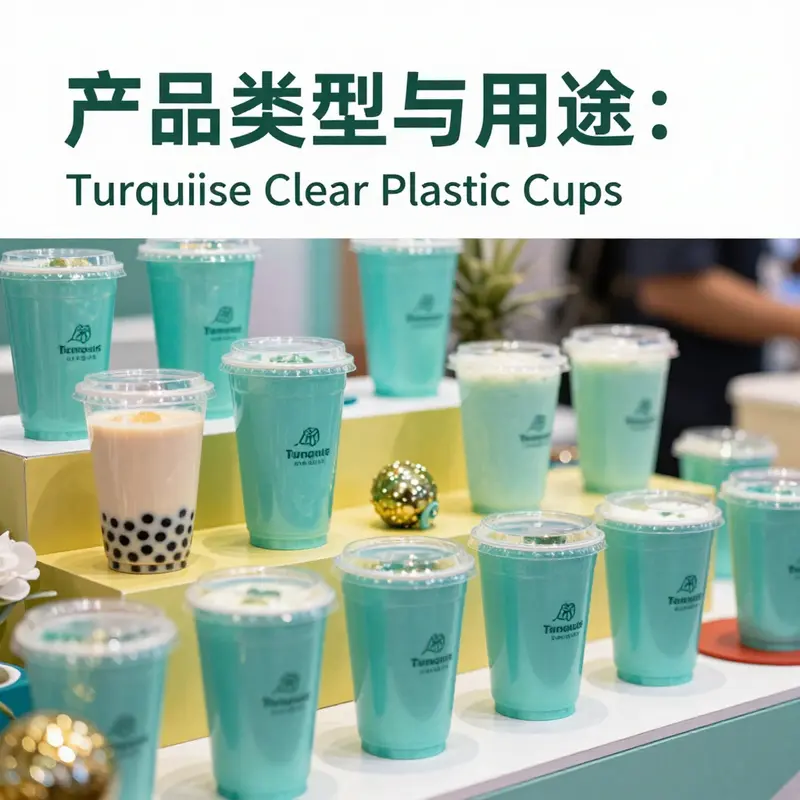
Turquoise Clear Plastic Cups 以其清澈的体态与活泼的色彩,在日常饮品与特殊场景之间搭起一座桥梁。它们不仅仅是盛放饮品的容器,更是视觉叙事的元素——当光线穿过杯身,饮品的颜色在透明的材料中层层呼应,青绿色的底色仿佛为每一口冷饮注入一抹清新与活力。从餐饮服务的前台到派对现场的舞台灯光,透明、明亮、易观察的特性让杯身成为场景设计的一部分,帮助品牌在第一时间传达清新、现代和友好的情绪。这样的杯子在多种场景中都能实现从功能到美感的无缝转变,成为现代饮品体验中不可或缺的一环。
在材质与安全性方面,市场主流的 Turquoise Clear Plastic Cups 多数采用食品级PP(聚丙烯)或PET(聚对苯二甲酸乙二醇酯)材料。这些材料在食品接触性能方面经过严格筛选,确保在与酸性、碱性以及不同温度的饮品接触时,也能保持稳定性与安全性。最重要的一点是,它们通常标注为 BPA-free,即不含双酚A,这在消费者对健康和环境关注日益增强的背景下,成为一个重要的信号。对于日常使用者而言,这意味着无论是冷饮、果汁还是热饮,杯子在与饮品的短时接触中都尽量减少对健康的潜在影响。
容量方面,常见的选择覆盖从小到大、从单人饮用到多人共享的场景。12盎司(约355毫升)的小杯,最适合单份冷饮、小份果汁或浓缩咖啡的搭配;16盎司(约473毫升)则能妥善盛放冰沙、奶昔或冷萃咖啡,给饮品留出足够的视觉空间与口感预期;20盎司(约591毫升)的大杯则在长时间活动、户外聚会或多人聚餐的场景中显得尤为实用。透明杯身的设计让饮品的颜色、层次和气泡状态一目了然,这对于餐饮服务而言,是提升顾客信任与饮品展示效果的关键。
从外观设计的角度看,Turquoise Clear Plastic Cups 常在杯底或杯身以青绿色为基调,辅以金属光泽的星纹、光泽涂层或微妙的纹理处理,营造出一种现代感与节日氛围的结合。此类设计并非纯粹的装饰,而是一种传达情感与场景主题的方式。杯身的流线型轮廓、平滑的握柄以及防滑设计,确保握感舒适并降低操作过程中的滑落风险,在忙碌的服务环境中尤其重要。对于追求场景统一的活动组织者来说,这类杯子的视觉与手感并行,能够在不增加额外装饰成本的前提下,提升整体体验的专业度。
在餐饮与饮品服务的应用场景中,杯子的容量与外观往往决定了它在店铺与活动中的定位。12盎司的杯子是日常冷饮、果汁与小份热饮的理想载体,而16盎司的版本更符合冰饮、调味奶茶等消费需求,20盎司则更贴近需要较高饮用量的聚会与外出场合。对于派对与活动策划者而言,颜色的选择成为强调主题的一种策略。青绿色的透明杯子能与鲜花布置、桌面布景以及餐具风格形成对比或呼应,帮助现场氛围从平凡过渡到参与感更强的体验场景。
户外与休闲场景则更强调杯子的耐用性与便携性。轻量、抗摔的特性使它成为露营、野餐、音乐会等场景的常备品。带盖或可密封设计的杯型,进一步提升了携带的安全性与卫生属性,避免尘埃进入、液体泄漏,以及在运输过程中的意外溢出。对于旅行者和家庭日常使用者而言,这样的设计不仅方便,还传达出对安全与安心的关注。
在商业与促销领域,企业往往将杯子视为移动的品牌载体。通过在杯面进行简单但显眼的定制,例如在杯身区域加入企业标识、口号或色彩元素,杯子成为品牌传播的一个小型但高效的渠道。可重复使用的杯型在传递品牌环保承诺方面尤为重要,因为它们与当下消费者日益关注的循环利用与可持续性议题高度契合。即便是一次性杯,只要在材料选择与回收设计上做出清晰标识,也能提升消费者对企业的信任度。
设计的多样性也体现在更为独特的元素上,如金属星纹、光泽涂层、或特殊的半透明纹理等。这些设计元素不仅提升杯子的视觉吸引力,也使其成为某些场景的装饰要素,甚至成为限量版商品的一部分。艺术展、主题餐厅、婚礼或礼品市场等场景中,这类杯子能够为整体体验增加“戏剧性”,使饮品成为记忆点而非单纯的饮用行为。通过颜色、光影和材质的互动,杯子成为讲述场景故事的一种媒介,帮助顾客在头脑中建立起对某一活动的情感关联。
在采购与使用的现实层面,性价比、耐用性与环保考量往往并存。对于需要大量采购的机构与活动方,批量采购通常以单位成本计价,颜色和容量的组合也会带来不同的价格梯度。对于小批量购买者,灵活的订购选项则提供了试探市场的入口,降低了门槛。对想要在市场中建立试验性场景的团队而言,先以小规模购入测试顾客反馈,再决定是否扩大采购规模,是一种稳妥的策略。若需要了解与活动场景高度相关的透明杯选项,可以参考这里的聚会用透明塑料杯的选购信息。
在材料与安全性方面,食品级 PP 与 PET 的使用不仅确保了物理稳定性,也在化学兼容性上提供了较好的抵抗力。因此,它们在冷饮、果汁、热饮、甚至含有果酸成分的饮品中都能保持形态与口感的稳定。关键的是,这些杯子往往明确标注为 BPA-free,回应了公众对化学物质潜在风险的关注。这类信息的透明披露,帮助消费者在购买时更清楚地了解产品的安全属性。
与此同时,市场上对可持续性也有新的要求与创新。可重复使用的杯型开始成为家庭日常与户外活动的主流选项。带盖的结构不仅提升了便携性,还方便在餐后清洗和重复使用的流程中保持卫生。通过耐用材料与回收方案的协同设计,杯子的生命周期被延长,最终减少一次性塑料的使用量。这种做法与越来越多的消费者的环保意识相互呼应,形成对品牌与商家的正向激励。
在未来趋势方面,透明青绿色系杯子的吸引力与日渐成熟的表面处理技术相结合,可能带来更多高端设计的空间。设计师们可以在保持材料安全性的前提下,探索更丰富的纹理效果、光泽变化和色彩深浅,以增强视觉冲击力,同时保持对饮品可视性的尊重。品牌在定制化方面也有机会通过色彩策略来强化主题,例如在婚礼、庆典或企业活动中,与场景色调相呼应的杯子能够成为统一视觉语言的一部分。这种策略不仅提升了场景的一致性,也增强了用户的记忆点。
总体而言,Turquoise Clear Plastic Cups 在现代生活中展示出超越单一用途的价值。它们的多样性、材料安全性、容量灵活性以及设计的可塑性,使其成为餐饮服务、活动策划、户外休闲和商业营销中都值得关注的工具。通过对场景需求的理解与对材料特性的把握,杯子不再是被动的盛器,而成为驱动体验、传递信息、塑造记忆的积极元素。对于追求高效、可控且具有美学价值的饮品体验者而言,这种杯子所承载的意义正在逐渐扩展,成为将颜色、情感与使用行为融为一体的综合性载体。
若想进一步了解透明杯在实际采购与使用中的具体选项与价格走向,可以访问相关零售与批发信息页面,以获得更直接的市场直观。外部资源方面,了解更多关于透明杯材质与使用细节的权威信息,可参阅以下资源:https://www.amazon.com/dp/B0CQKZJ8XV
材料背后的守护:解码 Turquoise Clear Plastic Cups 的食品安全标准与日常使用边界
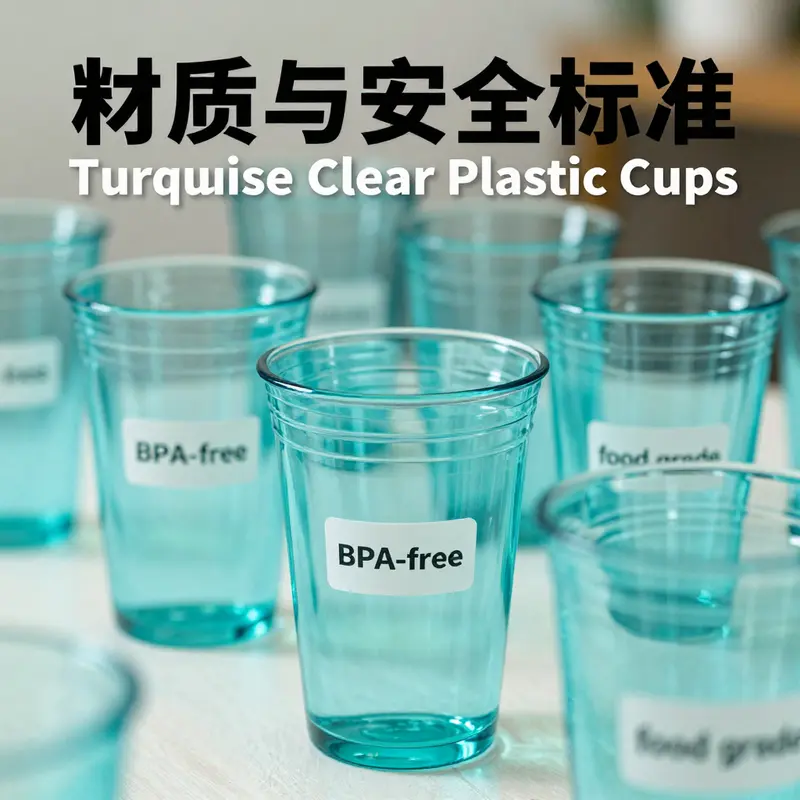
当我们谈论 Turquoise Clear Plastic Cups 的食品安全时,首要关注点通常来自标签与材料。是否标注为 BPA-free?常见的基材如 PET、PP、PLA,各有优缺点:PET 透明且适合冷饮、耐热性较差;PP 耐热且更易于重复使用,但制造商需明确标注耐热温度和清洗指南;PLA 环保但耐热性有限,需配套的回收或堆肥体系。除了材料本身,涂料与颜色也需具备食品级认证,可能影响微量物质迁移,尤其在高糖、果汁或香精饮品中。此外,包装上的使用指示(冷饮/热饮、是否可微波、可否清洗机等)应被严格遵循。对活动组织者与餐饮者而言,理解温度、时间与接触介质对材料迁移的影响,是评估安全边界的关键。重复使用场景下的清洁与耐久性也极为重要,需遵循合适的清洗与干燥流程以防交叉污染。标签信息、材料代号与法规框架共同构成判断的核心,消费者应关注材料在食品接触区域的化学稳定性,避免盲目追求“看起来安全”的杯具。环境与可持续性也是不可忽视的维度,某些材料的可降解性只有在特定堆肥条件下才实现,因此在采购时应结合现场的回收体系进行综合评估。最终,透明度与明确的使用指南是提升现场安全与用户信任的关键。
Capacity, Form, and Market Rhythm: The Design Logic Behind Turquoise Clear Plastic Cups
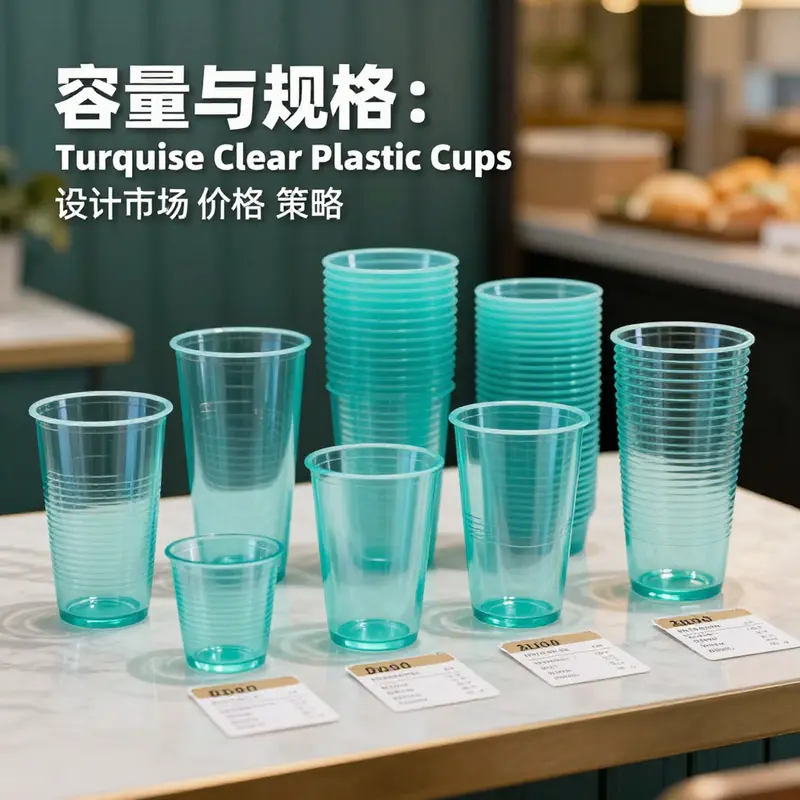
The turquoise clear plastic cup sits at a curious intersection of aesthetics, practicality, and supply-chain discipline. It is not merely a vessel for a beverage; it is a modular element in event design, a cue in a menu of rituals, and a data point in a price-assembly that stretches from bulk manufacturing to consumer checkout. In a market where color and clarity can define a moment, the capacity and physical design of these cups carry more weight than they might first appear.
Most turquoise clear plastic cups converge on a standard baseline: a 12-ounce capacity that dominates the disposables market. This volume is a practical middle ground. It comfortably accommodates cold beverages—water, soda, fruit juice, iced tea—and small- to medium-sized servings that appear at casual gatherings and more formal functions alike. The 12-ounce format often pairs with a light, semi-rigid wall that provides enough stiffness to resist cracking under a modest squeeze while keeping the weight of a full cup low. In practice, this combination supports quick service, a smooth hand-off, and reliable stacking for storage or transport. The color—turquoise—adds a visual cue that is both refreshing and contemporary. The hue helps the cup stand out in a sea of clear plastics, yet because the material remains mostly transparent, it preserves the drink’s color, which matters for beverages with distinct hues and for moments when the visual composition of a table setting matters as much as the taste of the drink.
But the landscape of capacity is not static. The same family of turquoise cups often expands into larger formats, most commonly a 16-ounce and, less frequently, a 20-ounce option. The 16-ounce version is a natural choice for iced coffees, smoothies, and fountain beverages that invite a longer conversation with a single cup. It is tall enough to convey a sense of value without becoming unwieldy in service lines or at social gatherings. A 20-ounce cup, with its greater volume, becomes a practical solution for extended events or groups that rely on self-serve stations. This larger option also necessitates attention to structural integrity. A thicker wall and a more robust base help prevent warping under heat exposure or when cups are stacked in crowded cupholders or transit totes. The decision to offer multiple capacities is not purely about meeting divergent consumer needs; it also supports a pricing strategy built on tiered value. Retailers and event planners can curate assortments that range from economical starter sets to mid-range collections that emphasize a more substantial, presentable feel for photos and social sharing.
Inside the material family, the choice of plastics—food-grade PP (polypropylene) or PET (polyethylene terephthalate)—is a clarifier that goes beyond safety. Both materials are commonly used for disposable drinkware because they combine clarity with ruggedness. PP tends to be a bit more forgiving in terms of heat exposure and stiffness, while PET offers crisp clarity and excellent barrier properties that help preserve cold drinks and prevent quick color shift from fruit juices or iced tea. In contexts where safety standards are emphasized, many manufacturers label cups as BPA-free, underscoring a commitment to consumer health and regulatory compliance. The absence of bisphenol A in these cups aligns with broad consumer expectations and the increasing demand for safer, recyclable packaging. This framing—safety and recyclability—has become a performance metric in its own right, informing how retailers price units, what marketing language they adopt, and how they structure packaging for both bulk and individual sale.
A subtle but increasingly important design feature is the potential for a double-wall construction in some models. Double-wall cups create an insulating barrier that helps maintain beverage temperature longer, whether the drink is icy or hot, and they reduce exterior condensation that could dampen hands or tables. For parties and outdoor events, this can translate into a more comfortable drinking experience and a cleaner, drier surface on tabletops. It also adds a touch of sophistication to a disposable product, allowing the cup to function with a sense of durability that audiences might associate with higher-end glassware, at least in the moment of use. The function-driven appeal of a double-wall design is a reminder that even a simple cup can carry complex performance expectations. When the goal is to maintain a cold drink in a turquoise-tinted frame, the engineering choices behind the cup—wall thickness, lid compatibility, and base stability—become part of a coherent narrative about quality that customers can feel even before they notice the color shift or the clarity of the plastic.
The visual language of turquoise, when paired with transparent clarity, creates a versatile stage for event design. The turquoise hue can harmonize with a range of palettes, from airy pastels to bold jewel tones, and it often signals a festive mood without overpowering the drink itself. In practical terms, this means a single cup design can cross categories—from birthday parties to weddings, from festival booths to casual café counters—without demanding a different vessel for each context. The color acts as a unifying thread that makes inventory simpler for organizers and easier to photograph for social media, which in turn supports a broader marketing feedback loop. This is where capacity and design intersect with price strategy: the ability to deploy a single family of cups across multiple functions reduces procurement complexity, lowers logistical costs, and enhances perceived value when viewed as a cohesive, theme-aware collection rather than a scattershot assortment of disposables.
From a market standpoint, the capacity choices feed directly into pricing strategies that balance mass production economics with customer expectations. In bulk, a typical unit cost can be driven down to a few cents per cup, especially when producers leverage large run sizes and standardize on common dimensions. The economics are straightforward in principle: higher volumes dilute fixed production costs, tactical packaging, and distribution overheads, allowing sellers to offer lower unit prices while preserving margin through scale. For buyers, this creates a spectrum of options—bulk buys for large venues, mid-sized bundles for mid-level events, and smaller consumer packs for households or quick-service locations. The pricing logic is not merely a function of the amount purchased; it is also shaped by material choices, packaging configurations (for example, bulk 50- or 100-count cases versus retail sleeves), and the channel through which the cups are sold. In other words, capacity and material selection establish a framework for value perception. They influence how customers assess the cost per serving, the perceived reliability of a product, and the likelihood that a beverage will be served without leaks or spillages in a busy service line.
Beyond the numbers, there is a functional dimension that often guides buyers toward turquoise clear cups: the need for clarity in service logistics. Transparent walls let staff quickly verify fill levels, which speeds up service and reduces the chance of over-pouring or waste. They also enable a simple color-language at a crowded event. For instance, staff can quickly pair turquoise cups with complementary napkins or tableware without running into color clashes, because the cups themselves carry the strongest optical cue—the turquoise tint that frames the drink while preserving its natural hue. The clarity is also practical for guests who want to identify flavors or ingredients at a glance, a factor that matters at buffets, family gatherings, and self-serve drink stations when visual cues help reduce queuing and confusion. In the context of capacity, then, design becomes a toolkit for efficiency as well as mood.
From the procurement side, the equation tightens around supply channels, minimum order quantities, and the ability to test options before committing to a full run. Buyers often rely on bulk suppliers for large-scale needs and turn to consumer-facing channels for smaller batches or one-off events. Bulk providers typically emphasize price-per-unit and the flexibility of packaging options—great value when a single event calls for hundreds of boxes or more, but they may require longer lead times and larger storage spaces. Retail-focused avenues emphasize convenience, immediate availability, and the ability to mix and match colors with compatible tableware. In either path, the decision rests on aligning the capacity and durability profile of the cups with the expected beverage load, the consumption duration, and the logistical realities of the event or venue. Central to this is the idea that the turquoise clear cup must perform as a dependable, easy-to-handle, visually appealing, and price-conscious piece of the larger party ecosystem.
For those who plan events with a strong emphasis on sustainable sourcing, the capacity story becomes intertwined with environmental narratives. A cup that is BPA-free and recyclable aligns with broader goals around responsible consumption, even when the cup is designed for single use. The environmental storytelling can be subtle yet influential: customers are increasingly sensitive to the lifecycle of disposables, to whether a cup can be recycled after a party, and to whether the product can be returned to a supplier for reuse or repurposing in some capacity. In this context, the turquoise clear cup transcends its function as a simple beverage holder. It becomes a note in a sustainability ledger, a signal that organizers are mindful of waste, energy use, and the materials that travel from factory to table to trash bin. The confluence of capacity, material choice, and disposal considerations informs not only price but also the brand voice of the suppliers who offer these cups. It shapes how they market in bulk to event planners and how they describe the tangible benefits to individual consumers who are staging gatherings at home.
In practical terms, the connections between capacity, design, and price manifest in how products are packaged and sold. A common retail pattern is the 20-pack or 50-pack option that suits small gatherings or temporary needs, followed by larger bundles that reduce per-unit costs for ongoing operations such as cafés, catering outfits, or event rental services. The 12-ounce format frequently appears in mixed-color assortments, where retailers encourage buyers to mix turquoise with other hues to craft a themed display. The 16-ounce variant often appears in multi-pack configurations aimed at households or venues that want a margin of extra capacity without stepping into a full bulk order. These packaging strategies, sized for different contexts, reflect a broader pricing architecture that rewards scale, accelerates fulfillment, and provides predictable, easy-to-compare options for buyers who are balancing event budgets with guest experience. The overall effect is a market that rewards both functional precision—the right capacity for the right beverage—and aesthetic clarity—the turquoise hue that makes the cup feel intentional rather than incidental.
To bring this into a practical frame, consider how a planner might integrate turquoise clear cups into a themed event without overcomplicating procurement. A project could start with a baseline selection of 12-ounce turquoise cups for everyday service, then layer in 16-ounce options for premium beverage stations or late-night gatherings. A limited quantity of 20-ounce cups could anchor a self-serve zone for longer celebrations or larger groups. The design and capacity choices then feed into a pricing model that rewards early bulk purchases and offers flexible packaging—50+ box increments in a bulk tier and smaller, consumer-friendly sets for quick purchases. In a well-structured supply chain, this means a single turquoise glass-like moment can be repeated across multiple scenes: a breakfast reception that uses 12-ounce cups for juice stations, a lunch service that layers in 16-ounce cups for iced tea and sodas, and a late-evening event where 20-ounce cups become the go-to choice for craft mocktails. The cups thereby become a scalable design language, a physical form that travels easily from kitchen to table, from storefront shelf to event venue, carrying a consistent color story and a predictable performance envelope.
For readers seeking direct, practical guidance on sourcing and usage, one can begin with a simple, real-world entry point that blends convenience with reliability. Consider exploring options for plain turquoise clear cups that offer the 12-ounce baseline with compatible lids for on-the-go service, or a double-wall version for service stations that need to manage condensation and insure compartments at crowded events. These choices, paired with flexible packaging options and a range of bulk-to-retail pricing, can help planners curate a coherent set of drinkware that aligns with event themes, guest expectations, and budget constraints. The turquoise hue can act as a unifying accent across different service stations, helping guests navigate the beverage offerings with a sense of coherence that mirrors the overall event design. It is not merely about what is in the cup but about how the cup contributes to the moment of gathering—the moment when a drink becomes part of memory and a simple plastic cup becomes a small but meaningful piece of the experience.
To connect the practical with the visual and to anchor these considerations in real-world choices, readers can explore options through bulk suppliers that offer flexible minimums and color selections, along with consumer channels that provide ready-to-ship quantities for smaller events. A practical way to approach this is to test turquoise cups in a small, manageable setting—an intimate gathering or a weekend café pop-up—before committing to a broader rollout. This approach allows evaluators to observe how the capacity and design perform in context: how stable the base feels when the cup is full of iced tea, how the double-wall version manages condensation in a hot environment, and how the turquoise color reads in different lighting. The feedback from such trials can feed back into a pricing decision, shaping discounts for bulk purchases and highlighting the value proposition that resonates most with customers—whether it is the safety appeal of BPA-free materials, the convenience of recyclable packaging, or the simple elegance of the turquoise hue that elevates the drinkware experience.
Finally, the story of capacity and specifications is also a story about adaptation. Manufacturers adapt to trends in drink preferences, shifts in event formats, and evolving consumer expectations around sustainability and convenience. Retailers adapt by curating assortments that balance color variety with predictable performance, while planners adapt by selecting the right cup for each moment—knowing that a 12-ounce turquoise cup can anchor a children’s party, a 16-ounce version can elevate a mid-day café service, and a 20-ounce option can sustain guests through a long evening. The interplay between capacity, design, and price becomes a practical roadmap for achieving a cohesive, memorable beverage experience that is affordable, reliable, and aesthetically compelling. In that sense, turquoise clear plastic cups are more than a disposable item. They are a small but essential element of the modern event ecosystem, a tool that helps people gather, enjoy, and remember with clarity and ease.
For readers seeking direct, practical guidance on sourcing and usage, one can begin with a simple, real-world entry point that blends convenience with reliability. Consider exploring options for plain turquoise clear cups that offer the 12-ounce baseline with compatible lids for on-the-go service, or a double-wall version for service stations that need to manage condensation and insure compartments at crowded events. These choices, paired with flexible packaging options and a range of bulk-to-retail pricing, can help planners curate a coherent set of drinkware that aligns with event themes, guest expectations, and budget constraints. The turquoise hue can act as a unifying accent across different service stations, helping guests navigate the beverage offerings with a sense of coherence that mirrors the overall event design. It is not merely about what is in the cup but about how the cup contributes to the moment of gathering—the moment when a drink becomes part of memory and a simple plastic cup becomes a small but meaningful piece of the experience.
Final thoughts
Turquoise clear plastic cups are not just a functional element; they embody a stylish choice that enhances the visual appeal of any beverage service. From ensuring safety and compliance with food safety standards to offering diverse designs and sizes for a variety of applications, they are a smart investment for beverage establishments and event planners. By integrating these cups into your service offerings, you not only meet customer expectations but also elevate their overall experience. With an array of options available, there’s a perfect turquoise cup waiting to enhance your brand.