
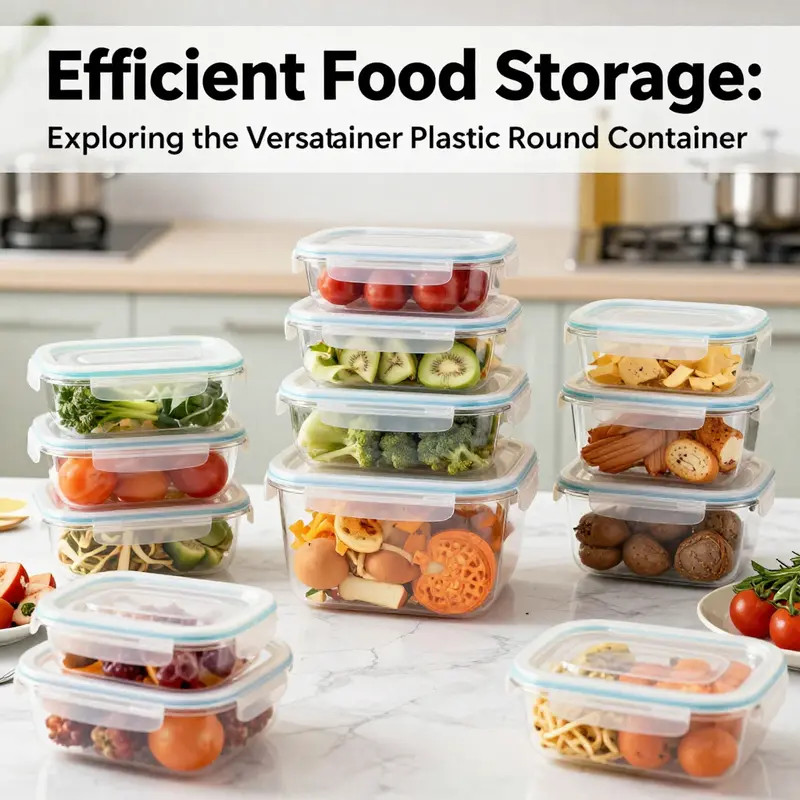
Food storage is a crucial aspect of running a successful food and beverage business. Choosing the right container can directly impact food safety, ease of use, and sustainability efforts. The Versatainer Plastic Round Food Container stands out as an ideal solution for bubble tea shops, restaurants, food trucks, and catering services. This article delves into the materials and construction, capacity and dimensions, safety features, environmental considerations, and usage and care instructions related to this versatile container. Each chapter offers essential insights that highlight why this container should be a staple in your food storage inventory.
Rethinking Round Plastic Containers: Material Craft and Design for Microwave- and Dishwasher-Safe Performance
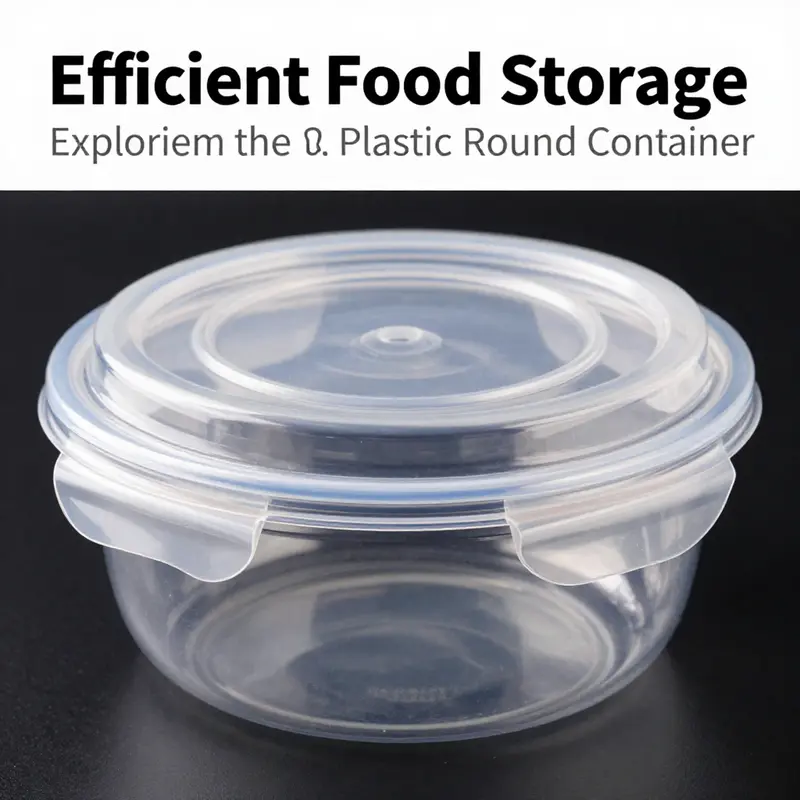
A round plastic container designed for everyday food storage carries responsibility as well as practicality. Its circular geometry supports even energy distribution in microwave heating, and its polypropylene construction provides light weight, strength, and heat tolerance. A BPA-free designation reassures that the container will not leach bisphenol A when used as intended, while a smooth interior helps cleaning in dishwashers and resists staining from fats and sauces. The lid locks on with a secure seal, forming a leak-resistant enclosure that travels well and reheats safely. The interior surface is non-porous and easy to wipe, which aids sanitation after meals. With a typical footprint of about 6 inches by 6 inches and a height chosen to maximize usable capacity, the 16-ounce size sits between small portions and larger servings, making it versatile for a variety of leftovers. Nestable lids and bases save cupboard space, and durable construction supports many dishwasher cycles and microwave uses without warping or cracking. Proper use – avoiding extreme temperatures, avoiding sharp abrasives, and following care instructions – extends the product’s life and keeps it safe for repeated reheating and washing. In the broader context, focusing on reusability and safe materials aligns with trends toward lower waste and safer kitchen tools, while keeping everyday tasks convenient.
Round, Safe, and Ready: Capacity, Dimensions, and Durable Design in a Versatainer-Style Plastic Round Container for Microwave and Dishwasher Use
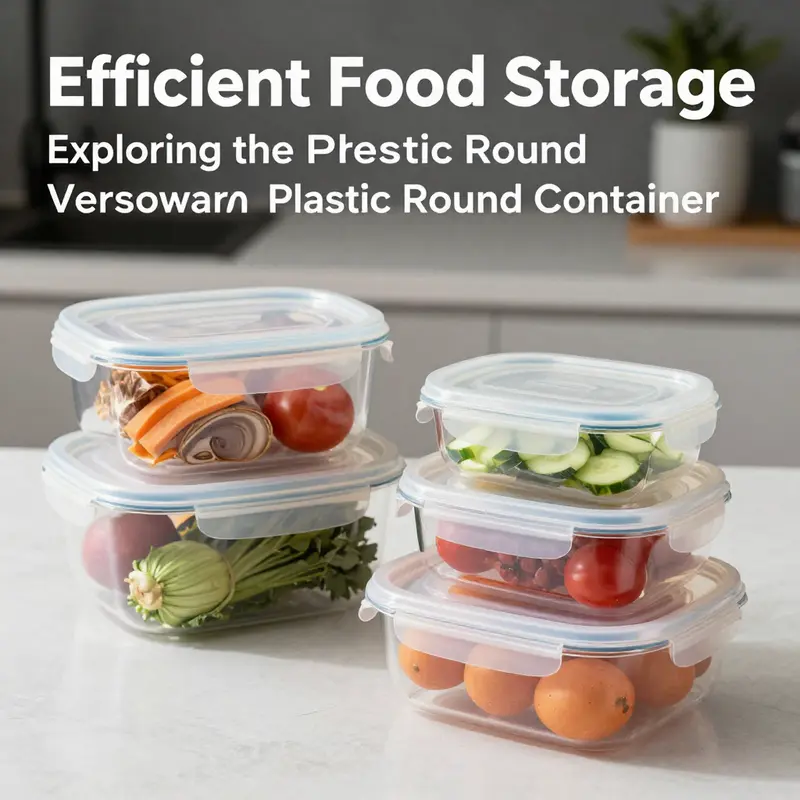
Round, safe, and endlessly adaptable, a versatainer-style plastic round container that is both microwave- and dishwasher-safe represents a practical pillar of modern kitchens. Its circular shape is not mere aesthetics; it optimizes how food is stored, reheated, and cleaned, reducing the frictions that often accompany leftovers and meal prep. The container in focus is built from BPA-free polypropylene, a material chosen for its balance of clarity, rigidity, and heat tolerance. This choice matters because it allows the contents to be seen at a glance, while resisting the warp that can occur under repeated exposure to microwaves and the rigors of dishwasher cycles. In everyday use, the ability to go from refrigerator to microwave to table—and then into the dishwasher—minimizes waste and simplifies routines that otherwise fragment cooking and cleanup into separate tasks. A thoughtful design begins with the basics: capacity and dimensions, then expands into sealing performance, material safety, and real-world versatility. At the heart of any container’s usefulness lies its capacity, expressed here as 16 ounces, or roughly 473 milliliters. This is a pragmatic size for leftovers, pre-portioned meals, or snack-sized portions that travelers and students often rely on. The 16-ounce measure aligns well with typical restaurant portions, enabling consumers to portion meals into a single container rather than juggling multiple smaller ones. Size matters not only for portion control but also for thermal behavior. A container that is 6 inches long, 6 inches wide, and 1.5 inches high presents a compact footprint that fits comfortably inside most home microwaves and dishwashers, while still affording ample surface area for even heating. The 6-by-6 base is a practical footprint that also supports stable stacking in a crowded pantry or fridge. The exact geometry provides predictable stacking with other similarly sized units, which is not a mere convenience but a practical advantage in busy kitchens and school dorms where space is at a premium. The layout also translates into portioning discipline, a quiet ally for meal-prep routines that aim to reduce food waste by offering consistent, easily reheated servings. The height of 1.5 inches strikes a balance between a generous interior volume and a shallow profile that minimizes heat loss and helps keep reheating times reasonable. The overall footprint also means the container nests efficiently with other round or square containers of comparable size, simplifying rotation and storage when multiple meals are prepared ahead of time. The net effect is a container that feels compact in the hand and generous in the pantry, offering a reliable home for a wide range of foods without monopolizing shelf space. The capacity and dimensions, however, only become meaningful when matched by a robust lid and seal. The material choice—BPA-free plastic—speaks to a broader concern about safety and long-term reuse. BPA, historically linked to certain hormonal effects when leached into food, is avoided by choosing polypropylene, a polymer known for stability under heat and repeated washings. The clear or translucent appearance of this plastic is more than cosmetic; it helps users monitor the state of the meal inside, spotting condensation or separation before they attempt to reheat. The microwave safety of the container is anchored in its ability to withstand brief to moderate heating without deforming or releasing undesirable compounds. Yet space and time in a microwave are always a negotiation between heat penetration and the integrity of containers. For this reason, cooks and busy people alike are often advised to keep the lid loosely vented or to remove it entirely during heating, allowing steam to escape and reducing the risk of pressure buildup that can compromise seals or cause spillage when the container is removed from the oven. The dishwasher-safe claim complements everyday hygiene. A durable rim, a robust lid, and a well-designed seal work together to resist detergents, water jets, and cycles that reach high temperatures. This triad of resilience—material, seal, and lid geometry—ensures that the container stands up to repeated use without losing clarity or structural integrity. Seal design deserves attention because the lid is more than a cap; it is the safeguard that keeps foods contained during transit, on the shelf, and in the microwave. A secure seal reduces leaks and spills, a feature especially valuable for sauces, soups, or multi-ingredient meals. When this safety feature is well executed, it also helps preserve flavor and texture by limiting air contact and preventing rapid evaporation. In everyday practice, however, seal performance must be matched by thoughtful user behavior. Gentle pressing to engage the closure and avoiding over-tightening can prolong gasket life, while avoiding the heat damage that can make lids stiff or brittle over time. The combined effect is a system that is easy to operate, easy to clean, and reliable enough to justify keeping a few containers of varied sizes in rotation for different meals. With a fixed-height profile and a rigid base, the container resists tipping when carried with one hand and remains steady on a flat surface when opened for serving. The practical reality is that a well-sealed round container becomes a reliable workhorse for leftovers, lunchboxes, and batch-prepared meals, reducing the temptation to transfer food to questionable containers or to rely on single-use options. From a user’s perspective, the dimensions and the capacity together inform decisions about what foods are best stored inside. For a chunk of lasagna, a lake of curry, or a mound of rice with a protein, this container can be the right size to minimize wasted space in the refrigerator while keeping the item easy to reheat in a single session. Leftover vegetables, sauces, and mixed dishes fit this form factor well, enabling clean portioning and straightforward reheating. The ability to safely switch from freezer to fridge to microwave without removing the contents from their vessel is a pragmatic advantage for families managing busy schedules. Its transparent material adds value here by letting cooks quickly confirm what’s inside, from the presence of sauce to the approximate level of remaining food, reducing the need to unlatch lids and rummage through cabinets in search of the correct storage option. The container’s design language—that is, how the curves meet the lid, how the base interacts with the heat source, and how the profile remains compact yet substantial—speaks to a philosophy of everyday resilience. The days of fragile, dishwasher-averse plastics are behind us. Modern variants are built to resist warping, to retain their shape after dozens of cycles, and to stay clear enough to encourage regular use rather than disposal. In the context of home and work kitchens alike, this is a practical realization of a broader trend toward reusability, simplicity, and design that respects the realities of daily meals rather than creating additional inconveniences. In considering the broader ecosystem of food packaging and storage, this kind of round container is a versatile node connected to many other options and uses. It sits at the crossroads of personal convenience and collective sustainability. Reusability matters because it reframes the economic calculus of everyday meals. Instead of treating containers as disposable, users can wash and reuse them, contributing to fewer single-use plastics and less waste. The BPA-free promise tightens the safety narrative, offering reassurance that reheated meals stay within environmentally responsible boundaries. At the same time, the ability to place the container in a dishwasher reduces the energy and water overhead associated with hand washing, and by simplifying cleanup, it makes it easier for people to adopt better storage habits. The balance between compactness, safe heating, and reliable cleaning is not incidental; it is the result of thoughtful engineering that anticipates how households actually cook, store, and heat foods in real life. The consequence is not merely convenience; it is a practical invitation to rethink small-scale packaging as part of a sustainable kitchen workflow. The special value of such a container is not that it solves every storage challenge but that it offers a dependable instrument for routine tasks. A simple, sturdy round form can become the backbone of a weekly meal-prep ritual, a dormitory lunchbox kit, or a transport-safe container for commuter meals. It optimizes the relationship between the packable size and the practical realities of reheating, ensuring that heat penetrates the food evenly and that the container itself survives the cycle of use, wash, and reuse with little fuss. For readers who want to explore related packaging options, a related line of eco-friendly takeout boxes for food packaging can be a useful adjunct to this discussion. See more here: eco-friendly takeout boxes for food packaging. The shared threads across these choices are the importance of safe materials, the reliability of seals, and the practicality of everyday handling. People want containers that can go from fridge to microwave to dishwasher with minimal fuss, while also letting them see what’s inside at a glance and without the risk of leaks. In sum, the capacity and the dimensions of a versatainer-style plastic round container set the stage for a lifecycle of storage, reheating, and cleaning that is simpler, safer, and more sustainable. The 16-ounce capacity meets a broad spectrum of daily needs, while the 6-by-6-inch base and 1.5-inch height provide a balanced footprint that works in a crowded kitchen or a compact office break room. The BPA-free polypropylene formulation, combined with a robust sealing lid, makes this unit a practical choice for home cooks and meal-prep enthusiasts alike. The ability to microwave safely and to withstand dishwasher cycles is not merely a marketing claim; it is a reflection of how thoughtful material selection and precise engineering intersect to support real-world routines. Whether you are portioning a week’s worth of lunches, stashing snacks for a road trip, or storing leftovers for a quick reheat, this round container stands as a small, reliable component of a larger cooking and cleaning system—an unsung hero that quietly regularizes the rhythms of daily life. External resource: https://www.amazon.com/dp/B08LZQW9XK
Round, Ready, and Safe: How a BPA-Free, Microwave- and Dishwasher-Safe Plastic Container Reshapes Everyday Food Storage
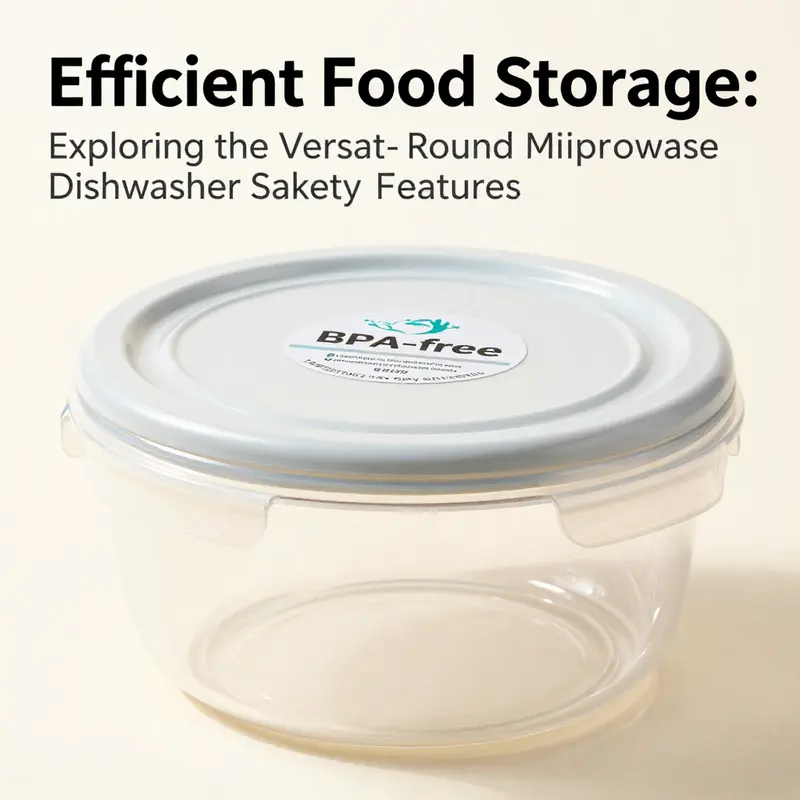
In kitchens around the world, the round, transparent plastic container has become a quiet workhorse. Its shape, size, and unassuming simplicity make it a staple for storing everything from a quick weekday lunch to the last spoonful of soup that lingers in the fridge. The value of such a container hinges not on flash or novelty but on a careful blend of safety, practicality, and durability. A round, 16-ounce capacity container crafted from a food-grade, BPA-free polypropylene offers a clear example of how well-designed plastic can meet modern needs without compromising health or everyday usability. It is the kind of tool that disappears into daily routines, letting cooks focus on meals rather than containers. Its dimensions—roughly six inches in length, six inches in width, and about an inch and a half in height—strike a balance between compact storage and sufficient space for a full portion. The container’s transparency makes it easy to identify leftovers at a glance, reducing food waste and the time spent rummaging through the fridge. When people think about reliable storage for reheating, they want something they can trust not to warp, leak, or degrade after a few uses. This is where the material choice matters most. Polypropylene, chosen for its chemical stability and heat resistance, is widely regarded as a sound option for food contact. The BPA-free designation matters not just as a technical label but as a practical reassurance. In a time when concerns about certain plastics and their chemical resonances in food are taken seriously, a BPA-free construction signals a deliberate effort to minimize risk. The material’s safety profile is reinforced by its performance in everyday tasks: it can withstand the heat of a microwave and the cleansing rigors of a dishwasher, enabling a seamless cycle of heating and cleaning that suits a busy life. The promise of safety rests not only on what the plastic is made of but also on how it is engineered to interact with food and heat. The container’s lid—tight-sealing and leak-resistant—embodies that philosophy. A secure lid can keep soup from sloshing during a commute and ensure sauces or stews stay contained when stored in the refrigerator. For families and individuals who juggle multiple containers, a dependable seal reduces the likelihood of spills on the car seats, in bags, or on the kitchen counter. The lid’s design acknowledges a simple truth: containment matters as much as containment’s safety. If a container leaks during transit, it can contaminate other foods, create a mess, and disrupt plans for a meal. A reliable, leak-resistant lid mitigates these risks while preserving the aroma and moisture of the contents. Such features matter most when reheating leftovers, a daily ritual that blends practicality with frugality. Reheating in the original container eliminates transfers and minimizes the number of dishes that require washing, a small but meaningful convenience. Yet convenience should never trump safety. The microwave-safe labeling—backed by the material’s thermal tolerance—offers reassurance that the container can be warmed directly, reducing the time from fridge to table. Likewise, dishwasher safety means cleanup is simple and thorough. In a busy household, the ability to place containers directly in the dishwasher translates to real-world value: less time scrubbing, more time for cooking, family meals, or a moment of rest. The durability of the container completes the trio of safety, convenience, and longevity. Repeated heating and cleaning can take a toll on some plastics, leading to warping, discoloration, or cracks. A well-made container resists these fate lines, maintaining its shape and integrity even after many cycles of use. This durability matters not only for safety but for economic and environmental reasons. Repeated reuse reduces the need for disposable alternatives and the volume of waste that ends up in landfills. The environmental argument for reusable storage is not merely about avoiding waste; it is about responsible cooking itself. A container that retains its form and function over time supports better portion control and reduces the risk of spoiled food, since contents remain visible and contained. The 16-ounce capacity is a practical middle ground. It accommodates a modest meal for one person or portions for several food items—leftover grains, a cup of sauce, sliced fruit, or a small pasta dish. It offers enough space to prevent crowding, which helps food heat evenly and avoids the uneven reheating that can occur in larger, more cumbersome vessels. The container’s compact footprint also means kitchen storage remains uncluttered. Stacking compatibility becomes a subtle but meaningful advantage: a well-designed round container can nest with others, making pantry and fridge organization more efficient. This efficiency translates to everyday life: less time spent searching for the right vessel, fewer mismatched lids, and a calmer cooking environment. The safety narrative is not isolated to the product’s materials and mechanical design; it also touches on broader practices of handling and heating. While the container is labeled for microwave use, prudent cooks know that attention to heating etiquette yields the best results and preserves the container’s integrity. For example, removing or loosening the lid slightly during heating can prevent steam from pressing the lid down and compromising the seal, a situation that could otherwise risk leaks or uneven heating. Some foods benefit from being heated with a vented lid or with the lid cracked just enough to allow steam to escape. This small habit can extend the life of the seal and maintain the container’s hygiene, while still delivering a warmed, appetizing meal. In parallel, dishwasher safety invites a few practical habits that safeguard the container’s material and clarity. Placing the container on the upper rack, away from the heating element, and avoiding aggressive detergent formulations can help prevent surface dulling or clouding that sometimes accompanies frequent dishwasher cycles. The objective is not only to keep the container looking clear but also to preserve the transparency that makes contents easy to inspect. A clear vessel supports mindful eating, revealing what’s inside and prompting timely consumption of leftovers. The material’s safety claims rest on a foundation of standards and certifications, a reminder that even everyday objects deserve scrutiny. While the explicit labeling on consumer products can vary by region, the underlying principles are consistent: a material that does not release harmful chemicals, a design that resists heat and cleaning stress, and a construction that remains leak-tight under typical domestic conditions. For those who want to explore these safety assurances in more depth, the official product page provides a concise overview of the features discussed here, including the BPA-free composition and the dual microwave and dishwasher compatibility. Beyond the specifics of a single container, these considerations point to a broader practice of selecting kitchen tools that align with health, efficiency, and sustainability goals. In this light, it becomes clear how a well-made, round storage option can support a practical, health-conscious approach to everyday meals. For readers who want to see how this kind of container fits into a wider ecosystem of reusable packaging and safe reheating solutions, exploring related packaging resources can offer valuable context. For instance, a look at eco-friendly takeout boxes designed for microwave use demonstrates how recyclable and reusable options can coexist with convenience, while still meeting safety standards and performance expectations. This kind of cross-pollination between homeware and takeout packaging underscores a broader trend toward thoughtful, low-wuss consumption that suits modern life. If you wish to dive into related packaging ideas, an example resource focusing on eco-friendly takeout boxes can be a helpful complement to this chapter. eco-friendly takeout boxes for food packaging.
For a deeper look at safety standards and material certifications behind these claims, you can consult external references that discuss the material properties and consumer guidance for microwave-safe plastics. External resource: https://www.amazon.com/dp/B07VX3LJ4C
Between Convenience and Conservation: The Environmental Footprint of the Versatainer Round Microwave-Safe Container
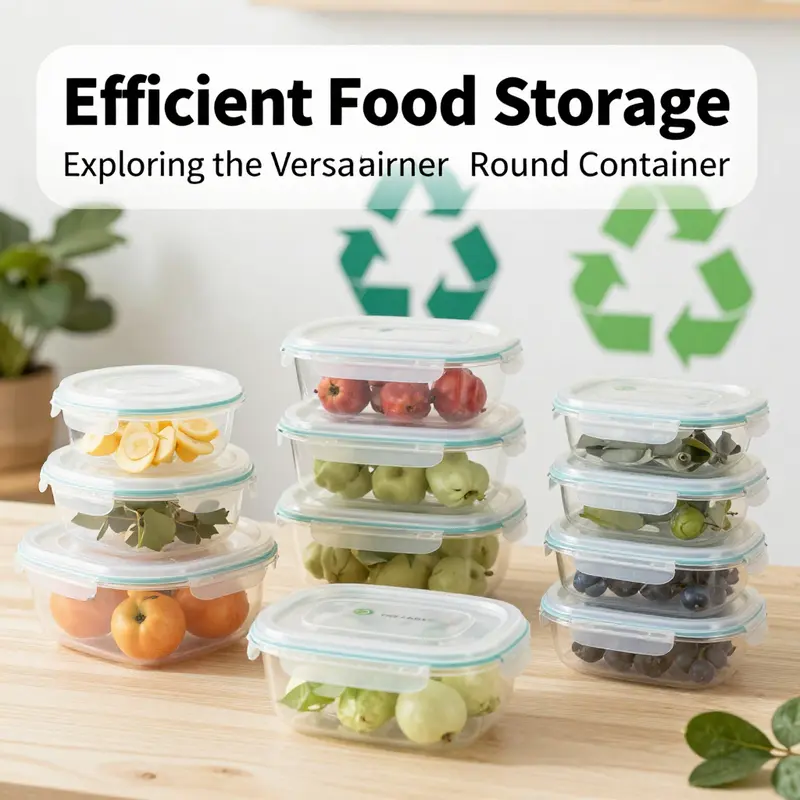
The Versatainer plastic round food container, designed to be microwavable and dishwasher safe, embodies a practical response to modern meal routines. It is crafted from a transparent polypropylene (PP) that is marketed as BPA-free, and it carries a 16-ounce (473 milliliters) capacity with a compact footprint of 6 by 6 inches and a height of 1.5 inches. The inclusion of a secure sealing lid addresses a core need for transport and reheating, keeping contents from leaking or splashing during movement and in the microwave. The combination of reusability and dishwasher suitability positions this container as a staple in many kitchens, offering a tangible alternative to disposable packaging and a convenient vessel for reheating leftovers. Yet, the environmental questions that accompany any plastic product—even one labeled BPA-free and microwave-safe—are not incidental. They sit at the center of how households balance immediate convenience with longer-term ecological considerations, and they invite a careful look at the entire lifecycle of the item from production to potential end-of-life.
The environmental calculus begins with the material choices and what those choices imply for the container’s performance over time. Polypropylene is valued for its clarity, rigidity, and resistance to heat, but it is still a plastic derived from fossil fuels. The BPA-free designation is important for consumer confidence, yet it does not automatically guarantee inertness in all conditions. Dr. Sarah Thompson, an environmental toxicologist, cautions that “Just because a plastic is BPA-free doesn’t mean it’s biologically inert. Heat, wear, and acidity can cause other additives to migrate into food.” This observation is not just about hypothetical risk; it speaks to real-world scenarios where repeated heating, aging, or contact with acidic foods can alter the composition of what’s in contact with meals. The upshot is that even containers designed with safety in mind may participate in a subtle exchange with their contents, a dynamic that becomes more pronounced as the container endures through multiple cycles of use and washing.
From the environmental perspective, the discourse expands beyond immediate safety to consider what happens after the container’s useful life ends. A central challenge with many plastic food-storage options is their recyclability within municipal systems. Even when a container is labeled as recyclable, it often encounters a process that does not recognize the plastic type as a readily reclaimable feedstock. In practice, plastics frequently downcycle rather than return to a high-quality material, limiting the number of times they can re-enter production streams. The production of virgin plastic, anchored in fossil fuels, carries downstream consequences for greenhouse gas emissions and resource depletion. The overall lifecycle footprint, therefore, depends not only on how many times the container is reused but also on how thoroughly it is recycled at the end of its life and whether the recycling stream actually accepts this specific resin.
Against this backdrop, alternatives such as glass or stainless steel emerge as points of comparison. Glass is inert, does not degrade with repeated heating or washing, and possesses a remarkable recyclability profile—featuring a virtually closed loop in many systems when properly collected and processed. Stainless steel shares durability and resistance to heat, yet its greater weight, potential for dents, and higher upfront cost present tradeoffs. In practice, households often face a balancing act: plastic containers can be light, affordable, and convenient for quick reheating and transport, while glass and steel offer long-term resilience and arguably more favorable lifecycle outcomes when used intensively or repeatedly over many years. The decision is not merely about functional performance but about long-range environmental stewardship, a process that benefits from clarity about how often reheating occurs, how carefully items are cleaned and stored, and how diligently end-of-life programs are pursued.
Consumers must navigate a nuanced spectrum of choices. For those who rely on plastic for its pliability and lightness yet want to minimize environmental harm, the message is not to abandon plastic altogether but to optimize how it is used. Short- or medium-term storage, portioning meals, and careful, gentle washing can extend the container’s usable life. The demand for microwave and dishwasher compatibility should be understood as a practical convenience rather than a guarantee of sustainability. When a container begins to show wear—scratches, cracks, or clouding—its risk of micro-abrasions that harbor microbes increases, and its likelihood of material migration under heat or acidic contact may rise. In such cases, retirement from service is prudent, and recycling pathways should be explored. Storing and reheating in a container that is in good condition reduces the chance of food contamination and decreases the need for replacing items prematurely, a factor that compounds environmental costs over time.
The broader message for readers who value sustainable storage is to engage in lifecycle thinking. The Versatainer’s design responds to a need for reusability and ease of care, and its non-BPA content seeks to minimize certain risks associated with chemical leaching. Yet lifecycle thinking asks us to scrutinize the entire chain—from material extraction and manufacturing to usage patterns and end-of-life processing. Even with a secure lid and a transparent body, the container’s fate hinges on whether it is eventually recycled into a high-quality feedstock or ends up in modes of disposal that contribute to landfill waste or microplastic pollution through degradation. The environmental calculus becomes clearer when households diversify storage strategies, reserving heavy, frequently reheated uses for more durable, non-plastic options, and reserving lighter, short-term storage for plastic when appropriate, always mindful of proper care to extend lifespan.
For readers seeking broader context on packaging and sustainability, the topic intersects with ongoing debates about how best to balance convenience, safety, and ecological integrity in everyday meal practices. A resource that expands this conversation examines glass versus plastic for meal preparation, safety, and convenience, offering a perspective that can inform personal decisions about material choices in the kitchen. eco-friendly takeout boxes for food packaging presents an accessible glimpse into how packaging design and material selection can align with sustainable workflows, an angle that resonates with households weighing frequent reheating and transport needs. The internal link anchors the discussion in a real-world database of packaging options that emphasizes stewardship as much as convenience.
Ultimately, the environmental footprint of any single container is a function of how it is used and how thoughtfully a household engages with disposal and recycling. The Versatainer’s promise of microwave and dishwasher safety is a practical asset, yet it is not a panacea for environmental responsibility. The overarching aim is to cultivate informed habits: reuse where feasible, clean with care to preserve integrity, and choose materials whose end-of-life trajectory aligns with local recycling capabilities. In the absence of universal recycling solutions that capture all plastics efficiently, diversifying storage materials and directing stronger attention to end-of-life choices can collectively reduce environmental harm without sacrificing the everyday benefits that come from a well-designed, reusable container.
For readers who want a deeper dive into material choices and safety beyond BPA-free labeling, exploring independent analyses that compare glass and plastic in meal prep can be enlightening. See the external resource linked above for a broader, evidence-based perspective on how material properties influence safety and sustainability in real-world use.
Round, Reusable, Ready: Mastering the Microwave-and-Dishwasher-Safe Plastic Round Container for Everyday Food Storage
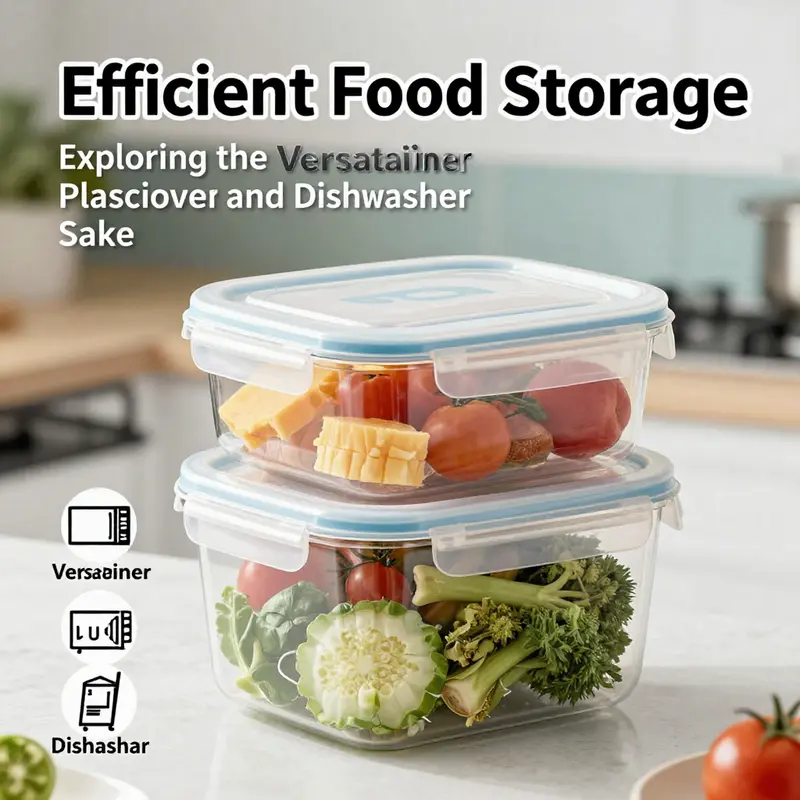
In kitchens today, a round plastic container that is both microwave-safe and dishwasher-safe can feel like a quiet pillar of everyday efficiency. Built from transparent polypropylene, the container blends safety with practicality. It is BPA-free, which means the everyday worry about chemicals seeping into meals is minimized. The round shape isn’t just a matter of aesthetics; it supports even heating, predictable stacking, and easier portioning for meal-prep routines. With a 16-ounce capacity, this compact vessel holds a generous portion for leftovers, a prepared lunch, or a snack that travels well. The six-by-six inch footprint, paired with a shallow height of roughly one and a half inches, manages to be space-conscious without sacrificing usable volume. A secure lid completes the package, providing a leak-resistant seal that makes it dependable for fridge storage, pantry organization, and on-the-go transport. In a world where kitchens double as tiny offices and meal-prep studios, such a container becomes less a novelty and more a reliable habit that supports both health and efficiency.
Using this type of round container for reheating is straightforward but worth a moment of mindfulness. When you move food from the fridge to the microwave, the lid should either be slightly ajar or removed entirely. Steam needs a clear path to escape; without venting, pressure can build inside and affect the seal or even the integrity of the lid. The design’s emphasis on venting is not about sacrificing containment but about protecting the quality of the meal. The material itself tolerates microwave heat well, but it is not intended for conventional ovens or direct flame. This distinction is important for cooks who experiment with finishing sauces or browning techniques; the container’s strength lies in reheating, not high-heat baking.
Beyond reheating, the container’s leak-resistant lid earns its keep during storage and transport. Sauces, soups, and stews can be portioned out with confidence, reducing the risk of splatter or spills in a bag or tote. The round form makes it easy to nest with other containers when empty and to stack in the pantry or cabinet until the next use. When empty, these vessels nest neatly, saving space in kitchen drawers and on shelves—a small but meaningful benefit in homes where every square inch counts. The glass-clear plastic base and lid also offer quick visual checks for cleanliness and contents, a feature that matters when you’re juggling weeknight dinners, lunchboxes, and the occasional batch of meal-prep bowls.
Care routines reflect both the material’s resilience and a practical philosophy: reuse, simplify cleanup, and avoid unnecessary waste. The container is dishwasher-safe, meaning both the base and the lid can withstand repeated cycles without losing clarity or seal integrity. This ease of cleaning matters deeply in households that emphasize hygiene and convenience. Keeping the surfaces free from stubborn residues is aided by simple practices—rinsing away sauces before loading, placing the lid on the top rack if the dishwasher has a heavily soiled cycle, and avoiding abrasive scrubbers that could dull the clarity of the plastic over time. The BPA-free composition reinforces a broader consumer preference for safer food-contact materials, a choice that resonates with health-forward kitchens seeking to minimize exposure to endocrine-disrupting chemicals.
That safety profile, however, does not translate into universal permission for all high-heat applications. Oven use remains off-limits, and direct flames should be kept away from any plastic that is not explicitly rated for such exposure. A helpful rule of thumb is to respect temperature boundaries and to rely on the microwave’s built-in power controls and timing to guide reheating. The same restraint guides storage practices: do not store containers in conditions that could subject them to sudden, extreme temperature shifts or direct sources of heat. A cabinet or refrigerator is a far safer home for these containers than a stove’s edge or an open flame. Taken together, these cautions create a practical framework for enjoying the container’s benefits without compromising safety or longevity.
In everyday use, the round container proves its versatility in ways that align with modern routines. It is ideal for leftovers that would otherwise be forgotten at the back of the fridge, giving them a second, convenient life. It also lends itself to meal prep, where a batch of ingredients can be portioned into multiple containers for quick lunches throughout the workweek. The secure lid ensures that even liquids and sauces stay put, which is especially valuable when carrying meals in a tote or lunchbag. Cold foods—fruit, yogurt, salads—perform just as well, and the clear construction helps you monitor freshness at a glance. The compact form also makes it a friendly option for kids’ lunches, where predictable reheating outcomes help maintain flavor and texture without surprising heat on arrival. This combination of features—capacity, heat tolerance, leak protection, and space efficiency—makes the container a reliable companion for a broad spectrum of kitchen tasks.
From a sustainability standpoint, repurposing plastic containers with long lifespans contributes meaningfully to reducing disposable waste. Each reuse extends the time before a container would otherwise enter the waste stream, and the dishwasher-friendly design makes routine cleaning straightforward enough to support daily use rather than occasional, high-effort maintenance. The transparency of the material adds another layer of practicality: you can see when the container is clean, and you can quickly assess whether it still carries the right shape and seal. These everyday cues—clarity, reliable lids, and sturdy construction—translate into better long-term value, particularly for households balancing budgets with a desire to minimize environmental impact. The gentle engineering behind such a round container is a reminder that small, well-executed design choices can accumulate into meaningful changes in how families store, heat, and transport food without compromising safety or convenience.
As these containers integrate into broader kitchen ecosystems, they often pair with other packaging forms that share a similar emphasis on safety, ease of use, and sustainability. For instance, drawers and cabinets can be organized by size and function, with the round containers occupying a consistent niche that makes it easy to plan meals, portion out ingredients, and assemble plates with less mess. The nesting feature becomes more valuable as the collection grows, since empty vessels can be tucked away without occupying excess space. In addition, pairing the round containers with lids designed to seal tightly without chipping gives families a durable, everyday kit they can rely on from week to week. The feel of quality is evident in the way the lid aligns with the base, the ease with which it snaps into place, and the confidence that the seal will hold during a commute or a quick trip to the office.
For readers who want to tailor this pantry module to their own routines, the key is to view the container not as a single tool but as a flexible element within an organized system. A single, well-chosen round container can become the anchor of a meal-prep routine, a transport solution for takeout or leftovers, and a reliable vessel for reheating in a busy week. The simple act of choosing a BPA-free, microwave- and dishwasher-safe option with a leak-resistant lid can transform how you approach leftovers, hot lunches, and cold snacks alike. And because the design is built to be reusable over many cycles, this choice aligns with broader values of thrift, responsibility, and mindful consumption. In short, this unassuming round container demonstrates how practical details—material safety, heat tolerance, sealing performance, and storage efficiency—work together to empower better habits around food, time, and waste.
If you’re exploring ways to broaden the reach of safe, convenient packaging in your home or business, consider how a well-designed round container can anchor your approach. Its combination of clarity, resilience, and ease of cleaning makes it a natural fit for a kitchen that values predictability and safety. The real strength lies in how these small choices accumulate: fewer spills, less waste, and more opportunities to prepare meals with attention rather than hurry. When you add the capacity to reheat directly in the same vessel, you reduce the need for additional cookware and extra cleaning—an efficiency win that’s especially meaningful on busy days. And because the container is compatible with both refrigeration and freezer storage, you can stage meals in advance, then thaw and heat without transferring contents to another vessel. In a world where time is precious and food safety remains paramount, a dependable round container can quietly transform daily routines into something more organized, more sustainable, and distinctly more satisfying.
For those who want to explore related packaging options that share similar safety and convenience features, a related category often emphasizes microwave-safe materials and leak-resistant designs intended for frequent use. The broader ecosystem includes containers, lids, and lids-with-seals designed to work together across meals, snacks, and sauces. This approach supports a coherent, low-friction workflow: grab a container, reheat with confidence, and store without worry. And with the right accessory ecosystem, you can build a small, resilient kit that covers everything from hot lunches to cold-bite snacks, all while keeping the kitchen clear of clutter and the fridge organized. As you assess your own needs, consider how the round container might fit with a broader philosophy of safe, sustainable food storage that respects both health and the planet.
Internal link note: To see a closely related packaging option that emphasizes microwave safety and leak resistance in a practical, everyday context, explore this resource: eco-friendly takeout boxes that are microwave-safe.
External reference: Official product page
Final thoughts
The Versatainer Plastic Round Food Container is more than just a storage solution; it embodies quality, safety, and sustainability. Its durable construction and thoughtful design assure that it meets the diverse needs of food and beverage businesses. Whether you’re looking to enhance your food safety practices, prioritize sustainable solutions, or just get the job done efficiently, the Versatainer stands ready to meet your demands. This container not only facilitates safe food storage but also encourages responsible environmental stewardship, making it a smart choice for modern businesses. Embracing such solutions can greatly enhance your commitment to quality service.