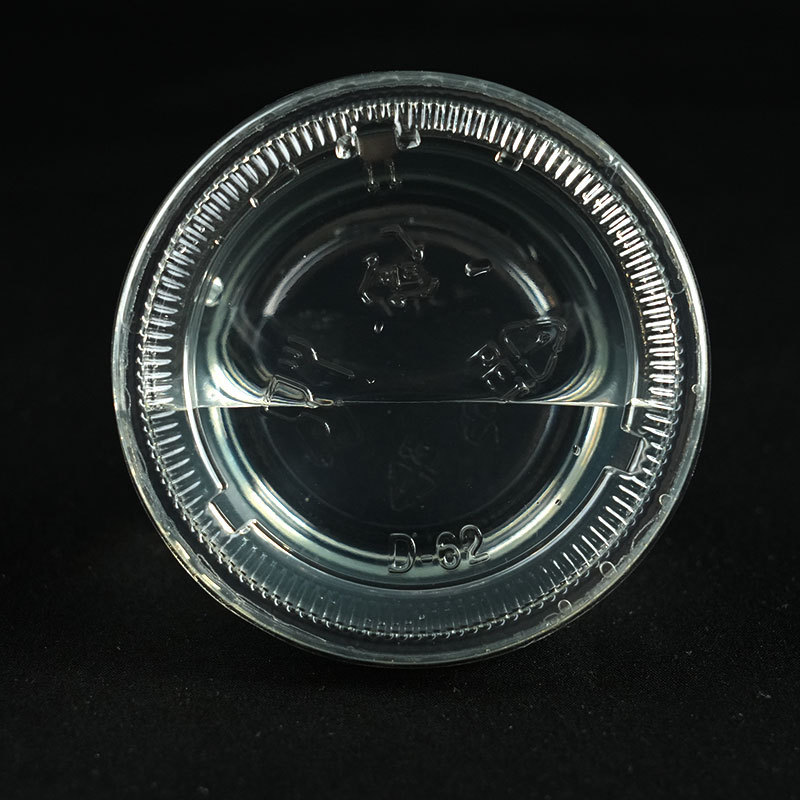
How Disposable Food Container Machines Are Transforming the Food Industry

In the dynamic world of the food industry, packaging plays a crucial role that extends beyond mere aesthetics. It serves as a protector, ensuring that food remains safe and fresh while influencing consumer decisions and experiences. The rise of food delivery services and the growing demand for convenience have made effective food packaging solutions an essential component for businesses ranging from bubble tea shops to large-scale catering services. As consumers increasingly lean toward disposable tableware for hygiene and convenience, the market for wholesale disposable plastic food container making machines is seeing remarkable growth. This surge is driven by the industry’s shift towards automation and sustainable practices, with manufacturers aiming to meet both quality standards and environmental regulations. Companies are investing heavily in advanced machinery designed to produce innovative, high-quality disposable packaging that satisfies the changing preferences of consumers. By integrating technology with sustainable materials, businesses can streamline their operations while contributing to a more eco-friendly future. Explore a variety of packaging solutions that cater to your needs and ensure you stay ahead in this competitive landscape.

Benefits of Using Wholesale Disposable Plastic Food Container Making Machines

For bubble tea shops, catering services, and restaurants, having a reliable and efficient way to create disposable plastic food containers can significantly enhance operational efficiency and customer satisfaction. Here are some key benefits:

1. High-Speed Production

Disposable plastic food container making machines are designed for high-speed continuous production, which translates to more containers produced in less time. This is crucial for catering services that experience high demand during events or peak service hours.

2. Cost-Effectiveness

Investing in wholesale disposable plastic food container making machines can lower production costs over time. By producing containers in-house, businesses save money on procurement and benefit from bulk production, further reducing material costs.

3. Consistency and Quality

These machines ensure that each container is produced with consistent quality and safety standards. This reduces the risk of human error during packaging, which is vital for maintaining food safety and compliance with health regulations.

4. Sustainability

Modern disposable plastic food container machines support the trend towards sustainability by enabling the production of recyclable and eco-friendly packaging options. Businesses can meet consumer demand for environmentally responsible practices, helping to align with decarbonization goals.

5. Flexibility and Customization

These machines offer options for customizing the container design, size, and specifications. Catering services can create unique, brand-specific packaging that stands out in a competitive market.

6. Enhanced Safety Features

Many modern machines come with integrated safety sensors that minimize workplace accidents. This feature allows for a safer operation, especially in high-paced environments like food trucks and catering services.

7. Scalable Production

Wholesale food container making machines support scalable production, allowing businesses to quickly adjust output based on demand. This is particularly advantageous during peak seasons, helping businesses respond effectively to market fluctuations.

To explore different types of disposable food containers, check out our range of takeaway boxes or food trays. Investing in these machines not only streamlines the packaging process but also enhances the overall customer experience, ensuring that bubble tea shops, catering services, and restaurants can deliver quality products efficiently.

Machine Type Production Speed Materials Supported Price
LITAI Fully Automatic Disposable Plastic Takeaway Food Containers Machine Up to 300 containers/hour HIPS, PP, PET, PS $120,000
Wholesale White Card Boxes Packaging Making Machine Up to 300 containers/hour Paper-Plastic Hybrid $85,000
Automatic Disposable Plastic Food Sandwich Box Container Forming Machine N/A PP $144,000
Disposable Container Machines 30-40 containers/minute PP, PS, Paper $60,000

For a deeper dive into specific product options, feel free to visit our conveniently in-stock boxes or explore our takeaway options for food service.

Client Testimonials

At EcoCup Bowl, we pride ourselves on not just providing high-quality disposable tableware and packaging solutions, but also creating meaningful relationships with our clients. Here’s what some of them have to say about their experiences with our products:

“Switching to EcoCup Bowl’s biodegradable tableware was a game changer for our restaurant. Not only did we find a reliable supplier, but we also felt good knowing that we are making a positive impact on the environment. Our customers appreciate it too!”

  • Sarah J., Owner of Green Plate Restaurant

“As an event planner, I constantly need dependable packaging that can make my clients happy. EcoCup Bowl’s products are not only durable but also aesthetically pleasing, making every event a bit more special. The team is always supportive, and I can count on them to deliver on time.”

  • Mike L., Event Coordinator

“Using EcoCup Bowl has transformed my food truck business. Their range of disposable containers suits every culinary creation I have. I love that I can offer eco-friendly options, and my customers love it even more. It’s quality and sustainability rolled into one!”

  • Jenna T., Food Truck Owner

Our commitment to quality and sustainability resonates deeply with our clients, which is reflected in their returning business and positive feedback. For more details on our product line, check out our takeaway boxes or explore our disposable cutlery offerings!

Join the EcoCup Bowl family and experience the difference today!

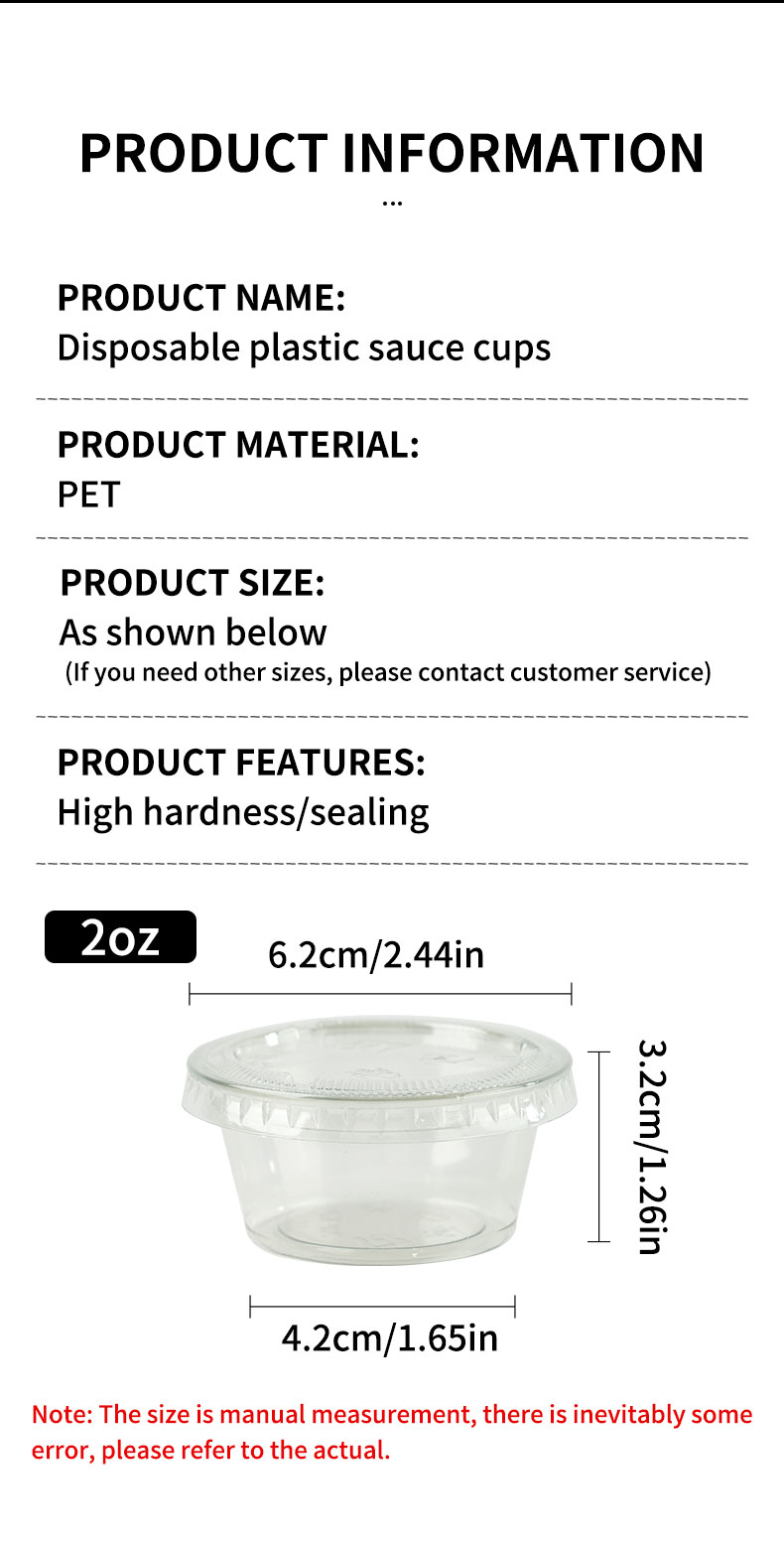
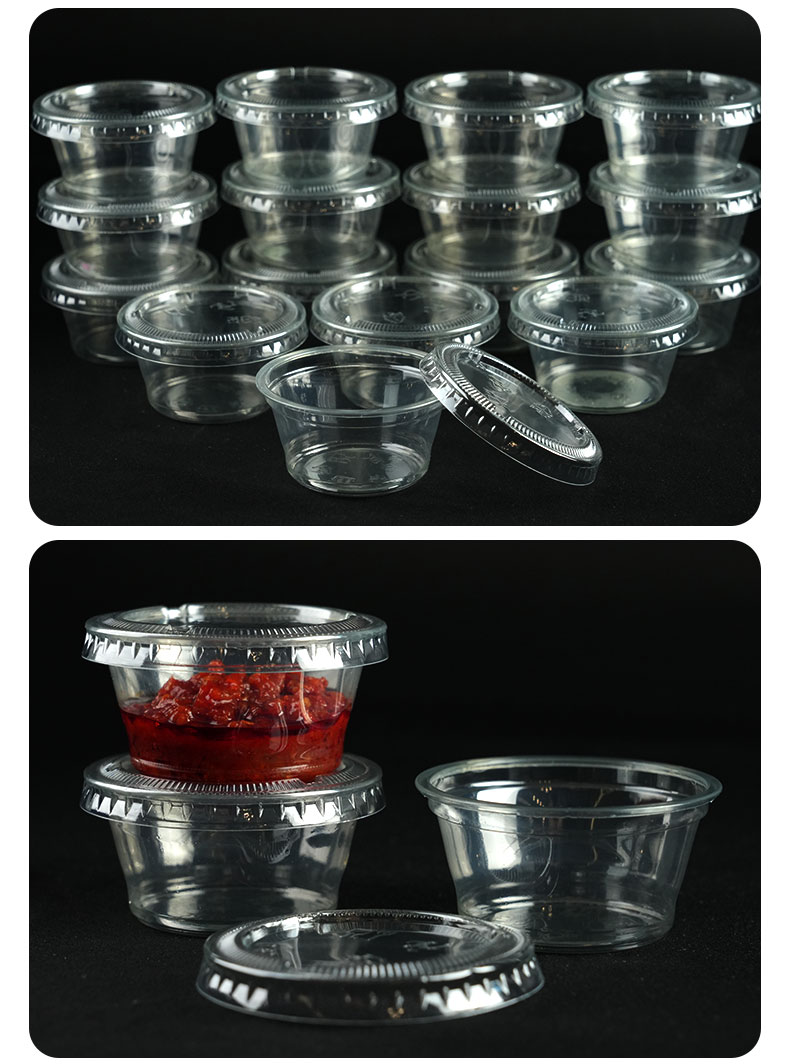
Various disposable plastic food containers in use

DIY Production vs. Purchasing Wholesale Disposable Plastic Food Container Making Machines

When it comes to producing disposable plastic food containers, businesses today face a crucial decision: should they manufacture their products in-house or purchase wholesale machinery? Each option carries its own set of advantages and disadvantages. Let’s delve into the pros and cons of both DIY production and buying wholesale machines.

Advantages of In-House Production

  1. Quality Control: Manufacturing in-house allows businesses to maintain stringent quality control measures. This means that every container can meet specific standards, reducing the risk of inferior quality items reaching the market. Companies can customize and adjust their processes based on the material used-as indicated in a study from the Environmental Science & Technology Journal-which pointed out that in-house production can enhance quality if managed properly.

  2. Customization and Flexibility: In-house production gives businesses the ability to design unique plastic containers tailored to their needs. This customization can differentiate a brand from competitors. Furthermore, the agility to change production specs quickly is invaluable when responding to customer preferences or market trends.

  3. Supply Chain Resilience: By producing in-house, businesses can reduce their dependency on external suppliers, minimizing the risks associated with supply chain disruptions. This control can be vital for companies with seasonal demands or specific product requirements.

  4. Long-Term Cost Efficiency: While the initial investment is substantial, the long-term potential for savings can be significant, particularly for bigger operations needing high volume. Studies indicate that after reaching a break-even point, companies producing over 50,000 units per day can achieve higher ROI compared to wholesale purchasing (Packaging Digest).

Disadvantages of In-House Production

  1. High Initial Investment: Setting up an in-house operation requires substantial financial investment in machinery, equipment, and labor. This can be prohibitive, especially for small businesses or startups.

  2. Technical Expertise Required: Operating and maintaining production equipment also demands specialized technical skills. Companies may need to hire additional staff or provide training for existing employees.

  3. Maintenance Costs: Continuous production operations incur ongoing maintenance costs, which can add to the overall expenditure and affect profitability if not properly managed.

Advantages of Wholesale Procurement

  1. Lower Initial Costs: Purchasing wholesale machinery significantly lowers the initial costs, making it more accessible for startups. According to a report from Grand View Research, wholesale purchasing allows for bulk pricing at rates as low as $0.03 to $0.15 per piece depending on the minimum order quantities.

  2. Quick Scalability: For businesses with fluctuating demands, wholesale procurement offers the flexibility to scale operations without making a permanent investment in machinery. This aspect is particularly beneficial for food trucks, catering services, and event planners.

  3. Access to Expertise: When sourcing machines from suppliers, companies can leverage the expertise and technology of established manufacturers. This often means less operational risk and better access to customer service support.

Disadvantages of Wholesale Procurement

  1. Less Control Over Quality: Opting for wholesale products can sometimes lead to inconsistent quality, as businesses must rely on suppliers to meet their quality standards. Poor supplier performance can impact a company’s brand reputation.

  2. Dependency on Suppliers: Relying on wholesale procurement can create vulnerabilities, as companies become dependent on supplier availability, which can lead to production delays if there are shortages or shipping issues.

  3. Higher Long-Term Costs: Though initial costs are lower, per-unit prices can add up, leading to increased costs over time. As demand stabilizes, wholesale options may prove less economical compared to in-house production.

Visual Comparison

To provide a clearer picture of the differences, refer to the following chart that outlines the key aspects of in-house production versus wholesale procurement:

In-House vs Wholesale Comparison

Conclusion

Choosing between in-house production and purchasing wholesale disposable plastic food container making machines depends on various factors, including business size, demand stability, and available capital. Larger, established businesses may benefit more from in-house production, while startups and seasonal operations might find wholesale procurement a more practical solution. Regardless of the choice, it’s essential for organizations to evaluate their unique needs and long-term goals before making a decision.

Comparison of Manual vs Automated Methods

Overview of Production Efficiency in Disposable Food Container Manufacturing

This chart illustrates the stark contrast between manual production methods and automated systems in manufacturing disposable food containers. Key metrics are shown below:

Metric Manual Methods Automated Methods
Output (units/hour) 50-80 units/hour 300-600 units/hour
Production Time Reduction 78% reduction

Understanding these efficiencies can help your business move towards more streamlined operations, ultimately saving time and costs. [Learn more about our disposable food container choices].

Frequently Asked Questions (FAQ) about Disposable Plastic Food Container Making Machines

As the demand for efficient catering solutions rises, many businesses are turning to disposable plastic food container making machines. Here are answers to some of the most common questions regarding these machines and the safety standards associated with them.

1. What types of materials can these machines process?

These machines are versatile and can work with various materials such as HIPS, PP, BOPP, PVC, PET, and PS. This allows manufacturers to produce a wide range of containers suitable for different food types. You can explore our range of plastic food containers for more information.

2. How do I ensure the safety of the containers produced?

It’s crucial to use machines that comply with safety standards like CE and ISO certifications. Such certifications confirm that the machines meet the international standards necessary for food safety and production quality. Most reputable manufacturers provide full documentation of compliance with food safety regulations.

3. What features should I look for in a disposable plastic food container making machine?

When choosing a machine, consider the following features:

  • Automation Level: Higher automation leads to increased production efficiency.
  • Energy Efficiency: Machines employing servo motors tend to consume less energy.
  • Durability: Look for machines constructed from corrosion-resistant materials like stainless steel.
  • User-Friendliness: A user-friendly interface can simplify operation and maintenance.
    For options tailored to your needs, check out our bakery and sushi boxes.

4. What are the ongoing maintenance requirements for these machines?

Regular maintenance is essential for the longevity of the machines. Key maintenance tips include:

  • Routine Cleaning: Ensuring the machine is cleaned regularly to avoid contamination.
  • Component Checks: Regularly check and replace worn parts as needed to ensure optimal performance.
  • Calibration and Testing: Periodically calibrate the machine to maintain accuracy in production.

5. Are these machines suitable for all types of food packaging?

Yes, disposable plastic food container making machines cater to a broad spectrum of food packaging needs, including takeaway and catering services, making them ideal for various businesses like restaurants, food trucks, and corporate events.

6. Can these machines help in reducing waste?

Using high-quality disposable containers can significantly reduce waste compared to traditional materials, as they are typically designed for single-use. This is particularly important in settings like food trucks or large festivals where cleanliness and convenience are paramount.

7. Are training and support available when purchasing a machine?

Most suppliers offer training sessions to help you understand and effectively operate the equipment. Additionally, after-sales support is usually available to address any issues that may arise post-purchase.

By addressing these frequently asked questions, we hope to provide clarity and confidence in your journey towards integrating disposable plastic food container making machines into your business operations! If you have more questions or need detailed guidance, feel free to reach out.

Eco-friendly practices in manufacturing disposable tableware

Let’s Empower Your Business with Tailored Solutions!

Are you ready to elevate your service with eco-friendly disposable tableware and packaging solutions? At EcoCup Bowl, we understand that every business has unique needs. That’s why we offer customized quotes, ensuring that you receive just the right products for your specific requirements.

Whether you’re a bubble tea shop, a bustling restaurant, a food truck, or an event planner, you can trust us to deliver high-quality, reliable disposable containers that will meet the demands of your customers. Our commitment to sustainability and exceptional service makes us the preferred choice for businesses looking to make a positive impact.

Contact us today to discuss your needs, and let us provide you with a quote that reflects your unique requirements! Explore our product range and let’s start your journey towards sustainable packaging.

Shopping Cart