
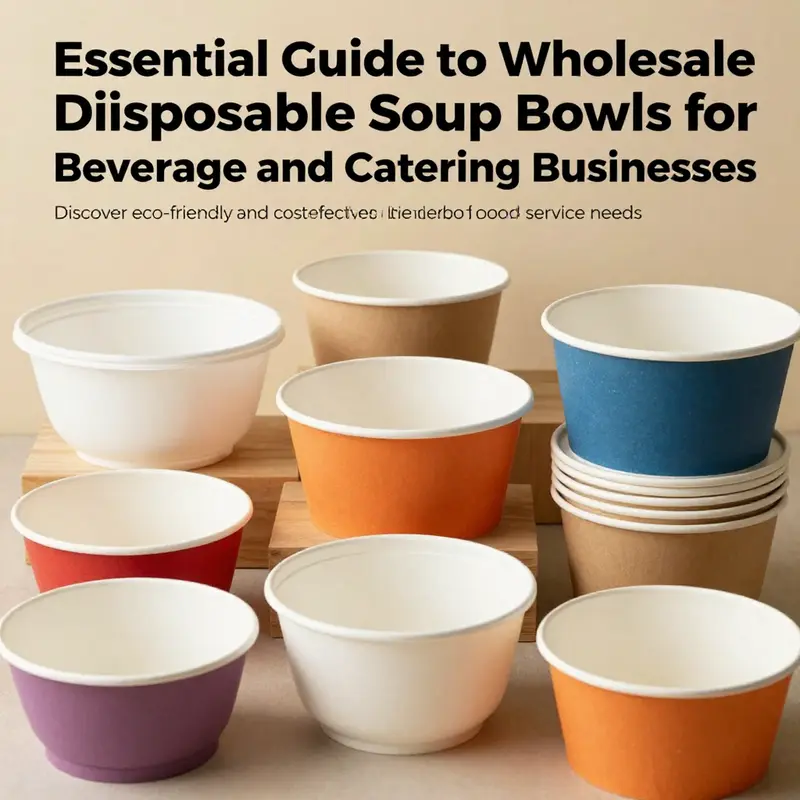
In the dynamic landscape of food service, having the right disposable soup bowls can enhance your operational efficiency and customer satisfaction. For bubble tea shops, restaurants, food trucks, catering services, event planners, and corporate procurement teams, choosing high-quality, affordable soup bowls that align with your brand values is paramount. This article delves into various options available in the market, from durable plastic to eco-friendly paper solutions, examining key considerations for sourcing these essential items. Additionally, we will explore market trends influencing demand and highlight reliable suppliers to ensure your business can thrive in today’s competitive environment.
Wholesale Disposable Soup Bowls: Balancing Quality, Cost, and Sustainability Across the Supply Chain
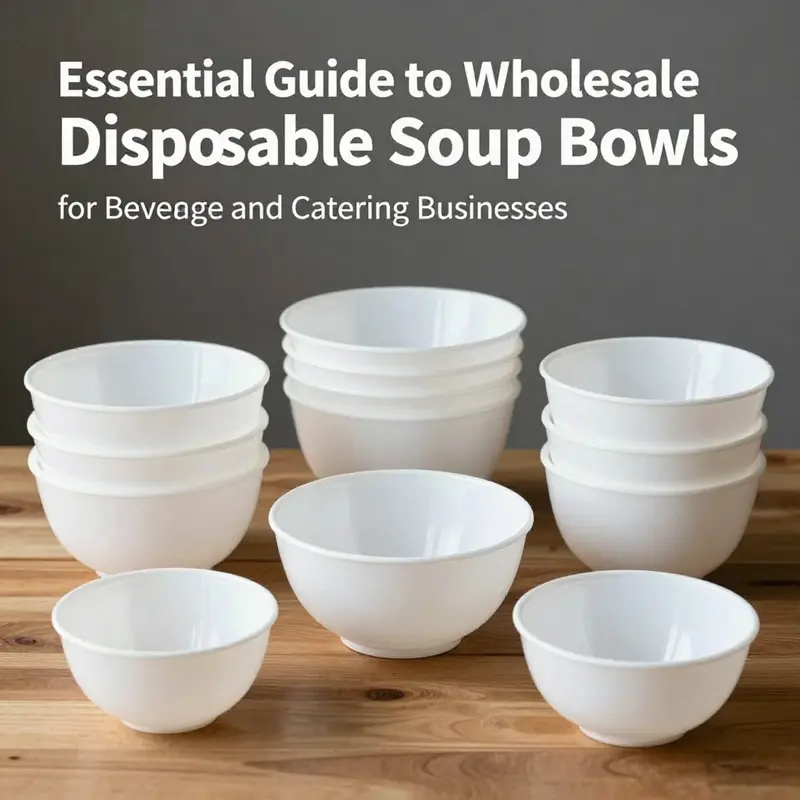
A wholesale market for disposable soup bowls sits at the intersection of practical necessity and evolving responsibility. In kitchens, takeout windows, and delivery fleets, these bowls must perform under heat and transit, resist leaks, stack neatly, and arrive in predictable quantities at predictable times. Buyers evaluating wholesale options quickly learn that material choice shapes nearly every other decision: it dictates heat tolerance, durability, whether the item is microwave-safe, and how it aligns with environmental goals or certifications. The spectrum runs from transparent, sturdy plastics to paper-based options designed to be compostable. Each material class carries its own logic for costs, MOQs, and supplier reliability, and the best choice is rarely a single ideal but a deliberate balance tailored to the operator’s scale, menu, and values.
At the core of material choice are three familiar categories. The first is plastics that offer strong performance in both hot and cold applications. Polypropylene, for instance, is valued for heat resistance and durability. It holds its shape when filled with hot soups, resists warping, and remains comfortable to handle. Polypropylene is also widely compatible with microwaves and freezers, which helps operations that shift from hot meals to cold desserts or icy beverages without swapping containers. A second plastic class, PET, brings clarity and rigidity. PET bowls can showcase soups with a premium look, and their clarity makes them ideal for cold or room-temperature offerings where presentation matters. Yet PET’s strength is in visibility rather than heat endurance, so hot soups often rely on either PP or reinforced designs. A third plastic class, polystyrene in its foam forms, has long played a role in insulation. While it has strong thermal properties, its environmental footprint and lack of microwave safety make it less favored in markets prioritizing sustainability and modern disposal streams.
Beyond material identity, several quality standards define the reliability of wholesale bowls. Food safety certifications are non-negotiable for direct food contact. Regulatory compliance with bodies governing food contact materials helps ensure that the plastics or papers meet baseline safety expectations. Durability is similarly essential; a well-made bowl resists leaks, maintains integrity when filled with hearty stews or thick chili, and stacks without collapsing during long shipments. Heat resistance is often tested to benchmark temperatures around 100°C (212°F) to prevent warping or softening during hot service. In this light, a heavy-duty PP option can be valuable for bustling kitchens and catering where portion sizes grow and spill risk increases. For markets that emphasize premium presentation, clear PET bowls can enhance the visual appeal of soups and broths while still delivering dependable performance for shorter service windows.
Environmental considerations increasingly guide wholesale decisions. While many plastic bowls are not biodegradable by default, a growing subset of suppliers advertise recyclable or compostable options, including bioplastics derived from plant-based sources. These choices align with sustainability goals for brands that want to minimize landfill impact and appeal to eco-conscious customers. The practical challenge, however, is cost parity. Compostable or bioplastic bowls typically command higher unit prices and may require dedicated waste streams to achieve the intended environmental benefit. This reality shapes procurement strategies, especially for large-volume operators who must weigh incremental costs against the benefits of aligning with customer values or corporate social responsibility programs.
Pricing and order quantities in wholesale contexts reflect both material choice and the level of customization. In broad terms, bulk orders benefit from meaningful volume discounts, and the price per piece often drops as order size climbs. Customization—such as logo printing or color branding—adds a premium because it requires setup and production steps that scale with volume. A typical approach is to separate the baseline cost from customization fees: the base bowl’s price depends on material and size, while printing incurs an additional per-unit charge that becomes more economical at higher quantities. For operators planning large rollouts, this means negotiating a tiered price structure that rewards scale rather than chasing the lowest possible unit price on small runs. The wholesale market also introduces practical terms like minimum order quantities. Depending on material and supplier, MOQs can range from several thousand to tens of thousands of units, with higher MOQs often tied to customization or premium materials. These thresholds influence a buyer’s timing and storage planning, particularly for enterprises coordinating multiple menus or seasonal promotions.
The role of size and capacity cannot be overstated. Soup bowls in wholesale settings span a range from smaller, 500–750 milliliter portions used for lighter soups or side servings to larger 1-liter designs aimed at heartier meals or noodle bowls. Size directly affects packaging needs, including whether lids are required to preserve freshness in delivery contexts. Lids become especially important for catering and meal-prep services that depend on spill-free transport and on maintaining temperature during transit. When choosing a size, operators must consider not only portion control but the logistics of stacking and space in storage rooms or delivery routes. In this ecosystem, the supplier’s capacity to produce at scale and ship on tight timelines is just as important as the bowl’s raw materials. A daily production capacity, if stated, gives retailers and foodservice buyers confidence that demand spikes—such as weekends or event weeks—can be met without backlogs.
On the customization front, branding through container design is a meaningful driver of wholesale decisions. A simple, unbranded vessel delivers speed and cost efficiency, but many operators seek branding opportunities to reinforce their identity and improve customer recall. Flexo printing and other inline methods can add crisp logos and palette branding to the exterior of bowls without sacrificing too much in terms of thickness or heat resistance. The cost of customization tends to scale with volume and complexity, so planners should evaluate whether a branded approach aligns with their merchandising goals and whether the expected returns justify the added expense. In a market where customers judge quality by first impressions, the combination of clear material and thoughtful branding can enhance perceived value and differentiate a menu in crowded delivery spaces.
For operators seeking a broader packaging ecosystem, the wholesale bowl does not exist in isolation. It often forms part of a larger packaging strategy that includes paper-based or kraft alternatives, especially in markets that prize sustainability. Paper bowls—crafted from kraft paper or sugarcane pulp—offer compostability and a strong environmental story. They can handle hot soups and noodles and may include lids to prevent spills during transport. While paper options typically command higher prices in wholesale scenarios, their appeal grows with restaurant concepts that emphasize eco-friendliness and closed-loop waste programs. The choice between plastic and paper becomes a balancing act among cost, regulatory preferences, target audience, and the ability to participate in composting or recycling streams. Buyers often consider whether their local waste infrastructure supports compostable packaging and whether customers are likely to perceive a tangible value in choosing one option over another.
From a sourcing perspective, reliability is the backbone of wholesale success. The supply chain must accommodate consistent lead times, predictable shipping windows, and clear communication about any production bottlenecks. For wholesale buyers, this means evaluating supplier capabilities such as daily output, the ability to scale during peak seasons, and the flexibility to adjust orders as demand shifts. It also means confirming packaging compatibility—whether the supplier can deliver compatible lids, sleeves, or sleeve-free designs, and whether the bowls fit standard cold- and hot- foodservice packaging systems. In addition, buyers benefit from verifying certifications such as FDA compliance for food contact and any region-specific regulations that affect the import and use of disposable tableware. These checkpoints help prevent last-minute shortages or quality issues that disrupt service quality and customer satisfaction.
An important, sometimes overlooked, facet of wholesale decision-making is the synergy between bowls and the rest of the packaging landscape. For instance, a broader packaging strategy might pair a durable, microwave-safe PP bowl with a complementary line of paper takeout boxes or recyclable packaging solutions that preserve temperature and minimize leaks. The goal is a coherent system that supports efficiency, guest experience, and brand messaging across delivery and dine-in channels. When evaluating options, operators should not only compare unit costs but also the total cost of ownership, including disposal considerations, potential sustainability credits, and the logistics of returning or reusing packaging components where possible. This broader view reduces the risk of choosing a technically suitable bowl that becomes a bottleneck in the delivery chain due to misaligned lids, incompatible sleeves, or slow replenishment cycles.
To illustrate how this thinking translates into practice, consider the end-to-end journey of a large foodservice operator evaluating wholesale bowls. The team starts by defining needs: a 32–35 ounce capacity for heartier soups and stews, a material that performs under high heat, and a price point that aligns with bulk ordering. They weigh PP against PET and consider whether a compostable bioplastic option could satisfy environmental goals without eroding margins. They then examine MOQs, seeking a supplier capable of delivering across multiple SKUs in a synchronized schedule. Custom branding enters as a separate line item, with a defined cost per unit that decreases as quantities rise. Finally, they review the packaging ecosystem, ensuring lids and compatible takeout containers align with their service model. In parallel, they assess risk factors such as supplier reliability, currency exposure, and transit conditions, recognizing that a single supply disruption can ripple through menus, staff schedules, and guest experiences. This holistic approach—where material science, economics, and operations converge—defines the essence of wholesale success for disposable soup bowls.
Within this framework, a relevant example of how buyers anchor decisions can be observed in the broader online wholesale marketplace. For operators seeking current pricing and material options, a principal reference point is the market’s breadth, which includes a mix of standard polypropylenes and more specialized bioplastics, each with its own price bands and MOQs. While the specific numbers evolve with raw material costs and regional demand, the pattern remains clear: volume unlocks profitability, customization adds value, and environmental considerations increasingly influence both supplier selection and consumer perception. The most successful wholesale programs treat these factors as an integrated system rather than a series of standalone choices. They establish predictable minimums, build a catalog of compatible accessories, and maintain flexibility to adjust orders in response to seasonal shifts or promotional campaigns. In doing so, they create a reliable backbone for foodservice operations that depend on efficient takeout, consistent quality, and the ability to scale when demand spikes.
As the field continues to evolve, operators should also stay mindful of external trends that shape buyer expectations. The demand for sustainable packaging items, particularly in markets with strict environmental regulations or highly engaged consumer demographics, continues to grow. Yet the affordability gap between conventional plastic and eco-friendly alternatives remains a practical concern for many buyers. This tension fuels ongoing innovation in material science and process optimization, as manufacturers seek to produce greener options that deliver comparable performance at a lower cost. In the meantime, buyers can mitigate risk by selecting suppliers with robust quality assurance programs, transparent certifications, and clear documentation on material composition and waste-management guidance. The result is a wholesale program that not only serves the immediate functional needs of serving hot soups but also reinforces brand stewardship and long-term resilience in a world of shifting consumer preferences and regulatory landscapes.
For readers exploring adjacent packaging opportunities, a linked resource on the site offers a concise look at foldable, windowed bakery boxes that illustrate how packaging design can harmonize with a soup bowl strategy. pure-color-foldable-cake-boxes-with-window-bakery-boxes-pastry-box-for-cake-chocolates-cupcakes-gift-packaging-paper-boxes provides a sense of how flexible, branded packaging can extend a foodservice concept beyond bowls alone. While not a direct substitute, this linkage highlights the importance of a cohesive takeout ecosystem, where bowls, lids, and outer packaging contribute to a seamless guest experience across channels.
External resource: https://www.aliexpress.com/w/wholesale-disposable-soup-container.html
Greener by Design: The Wholesale Rise of Paper Disposable Soup Bowls and the Fuel Behind Sustainable Takeout
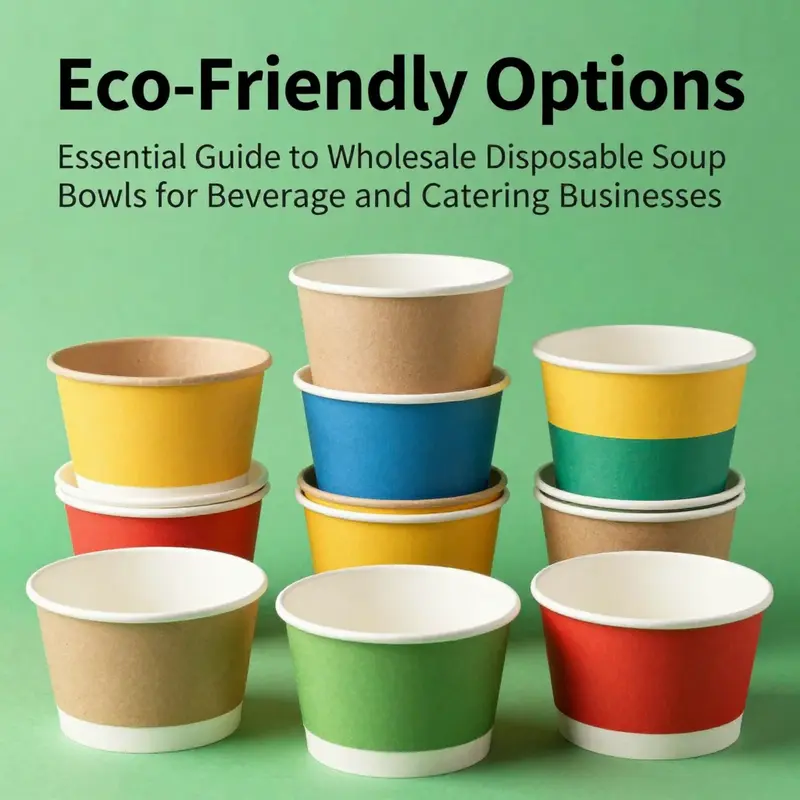
A wholesale shift is underway in the world of takeout containers, and at its core sits a simple, unglamorous shape: the paper soup bowl. The transition from plastic to paper is not a rash fad but a deliberate rethinking of how food is packaged, delivered, and disposed of. In the wholesale channel, operators expect a container that holds up under heat, resists grease, travels reliably, and, ideally, folds into a broader sustainability story that appeals to customers who are increasingly mindful of waste streams. Paper bowls, especially those crafted from kraft paper or from ethically sourced plant fibers like sugarcane pulp, are stepping into that role with credibility. They offer a way to fulfill the practical demands of hot soups, noodle dishes, and stews while aligning with longer-term environmental targets. The result is not a single benefit but a system of advantages that ripples through branding, operations, and the economics of takeout.
The material choices behind these paper bowls matter as much as the bowls themselves. Kraft paper and sugarcane fiber bring renewability to the table, and when designed for compostability, they help close the loop in a circular economy. This is particularly important in wholesale procurement, where volume, consistency, and environmental claims must be verifiable across large orders and extended supply chains. The coatings that enable grease resistance and heat tolerance—often plant-based in origin—are central to this balance. A coating like PLA or CPLA can deliver the necessary barrier properties without compromising compostability, provided the product enters the appropriate processing stream. That nuance matters for foodservice operators who want to reassure customers that their meals stay intact and leak-free, even when a lid is off for a moment or when sauces are mixed with steam from a hot bowl. Yet the sustainability claim hinges on more than a coating; it depends on the entire lifecycle, from raw material sourcing to recycling or industrial composting facilities that can accept the end product.
In practice, this means looking beyond just the bowl and into the packaging ecosystem that surrounds it. Paper bowls designed for hot foods must handle expansion and moisture without sogging, while still stacking neatly for storage and transport. They must survive the rigors of a busy kitchen—rapid filling, immediate labeling, and consistent packaging quantities that meet the day-to-day rhythms of a catering event or a campus dining hall. For wholesalers, the appeal lies in a reliable, scalable supply. A single supplier may offer a daily production capacity that scales to hundreds of thousands of pieces, a level of throughput that can sustain multi-location chains or large festival operations. The numbers matter because in wholesale, price is inseparable from volume, and a predictable delivery schedule is a competitive differentiator.
Size variety is another critical consideration. The market now accommodates a spectrum from small 8-ounce bowls to large 32-ounce portions, with lids designed to seal in heat and prevent spills during transit. The option to choose bowls with flat lids or vented designs provides operators with flexibility for different service formats—quick-service lines, noodle shops, and catering deliveries all benefit from a compatible lid system. The right combination of bowl size and lid type reduces waste, minimizes spillage, and enhances the consumer experience even before the customer peeks inside the container. In a wholesale context, that translates into more uniform order profiles, smoother packing processes, and clearer branding opportunities across large fleets of containers.
Branding and customization are not afterthoughts in today’s wholesale market; they are integral to value. Paper bowls are well-suited to customization through color, branding, and even texture. Color branding can be applied to exterior surfaces, while inner liners or coatings can be selected to maintain operation performance. Customization matters for operators who want to convey a cohesive dining experience from the moment the customer sees the container. A consistent look strengthens brand recognition in a crowded takeout landscape and can differentiate a vendor in a competitive market. The practical side of customization is equally important: branding should not compromise the performance attributes of heat resistance, grease barrier, or microwave compatibility. While not every paper bowl is designed for home composting, many are certified for industrial composting streams, which aligns with larger scale waste management goals that wholesalers and distributors increasingly emphasize to clients.
From a procurement perspective, the wholesale path to sustainable paper bowls involves a careful evaluation of materials, coatings, and certifications. Buyers look for bowls made from renewable or recycled content where possible, with coatings that preserve the integrity of the product during service but leave a clear, verifiable end-of-life option. Certifications—whether for compostability, recyclability, or responsible sourcing—provide a frame of trust that can be translated into customer confidence. The presence of credible certifications matters because it signals that the product has been tested against recognized standards and that the supplier is committed to maintaining those standards across large production runs. In sum, sustainability in this space is a multi-layered achievement: material choice, barrier performance, end-of-life pathways, and third-party validation all converge to create a compelling value proposition for wholesale buyers.
Another layer of complexity arises in the logistics and packaging architecture of wholesale orders. Paper bowls with lids are often sold in bulk quantities that reflect the operational tempo of large institutions, catering businesses, and multi-site restaurants. Typical packaging configurations may involve hundreds of pieces per carton or case, with cartons designed to protect the bowls during transit and to streamline unloading at kitchens and service points. This packaging efficiency is a practical advantage, reducing handling time and minimizing breakage risk—an essential consideration when millions of units move through a distribution network over the course of a year. In addition, wholesalers frequently offer a range of accessory options, from compatible insulated cup carriers to compatible lids that seal tightly and resist leaking when carried in bags or backpacks. Such synergies simplify procurement for operators who want a turnkey solution rather than a mosaic of compatible components.
The environmental and economic logic of paper bowls is reinforced by consumer expectations. As more diners become aware of waste streams and recycling options, they increasingly favor brands and venues that demonstrate a commitment to reducing plastic use. But the market must be careful not to overstate environmental benefits. Paper does not automatically guarantee a smaller footprint if the sourcing is not responsible or if industrial composting infrastructure is lacking. The most credible wholesale stories weave together responsible sourcing, real-world end-of-life outcomes, and a transparent supply chain. When a restaurant or campus can say that its disposable bowls are produced from renewable fibers, use a plant-based barrier that does not hinder composting, and are delivered through a supplier who can back up capacity and on-time delivery, the result is a robust business case for switching away from plastic in many contexts.
To exemplify how operators evaluate options, consider the practical link between product design and service format. A bowl designed for hot soups must resist heat without warping or leaking, yet the coating should not compromise the ability to process waste through the appropriate disposal stream. A lid that seals securely reduces spill risk during transit, while stacked packaging minimizes storage space in warehouses and storefronts. The interplay between material properties and logistical needs defines the total cost of ownership, an equation that wholesalers and operators continuously optimize. In the end, the choice becomes a balance: the right paper bowl reduces waste, preserves food quality, and supports brand narratives, all while fitting neatly into the operational tempo and capacity constraints of wholesale procurement.
For readers exploring the practical avenues of sourcing, a focused example in the industry highlights how a specific product family can be leveraged in wholesale programs. The offering emphasizes a combination of grease resistance, heat tolerance, and compatibility with flat lids suited for quick-service environments. For deeper details on a related category, you can explore a dedicated range that centers on kraft paper soup containers with lids, which exemplifies how a single product line can meet multiple service needs while maintaining a clear environmental narrative. kraft paper soup containers with lids. This reference illustrates how wholesalers align material science with practical packaging requirements to deliver reliable, scalable solutions.
The wholesale pathway also invites ongoing dialogue about regional waste infrastructure. Not all municipalities possess the same composting capabilities, and some industrial facilities are better suited to handle certain coatings and fiber compositions. The best wholesale programs acknowledge these realities and provide clarity about end-of-life options available to customers. They may offer guidance on how to separate bio-based packaging from traditional recyclables, or partner with waste haulers who can responsibly process compostable packaging. This collaborative approach strengthens the perceived value of choosing paper bowls and helps ensure that environmental commitments translate into tangible outcomes for communities and customers alike.
Industry observers note that mainstream retailers are increasingly stocking compostable paper bowl options in response to consumer demand. The presence of deskside or aisle-forward packaging in large retail environments serves as a barometer of market normalization. It signals a broad-based acceptance that sustainable packaging can coexist with practical performance and cost effectiveness. Wholesale buyers, in turn, gain confidence from this broader market signal. They see that the supply chain is maturing, with more suppliers offering scalable production, consistent quality, and credible environmental claims across large volumes. This maturation, in turn, lowers risk for operators and makes it easier to standardize packaging across multiple locations, ensuring a consistent customer experience regardless of where a meal is purchased.
For those seeking concrete market perspectives, the literature and retail listings reveal a measurable trend: compostable, paper-based soup bowls are becoming a practical centerpiece of many foodservice programs. To ground this discussion in a widely accessible reference, the broader retail narrative emphasizes that this category has moved beyond novelty into mainstream availability, with packaging designed to meet the demands of modern takeout operations while aligning with growing sustainability expectations. The wholesale chain can thus offer a compelling combination of reliability, performance, and environmental stewardship that resonates with operators who must manage both guest satisfaction and responsible waste management.
External resource for broader market context: https://www.walmart.com/ip/Stack-Man-Sturdy-16oz Paper Bowls – Compostable Eco-Friendly Soup Bowl [125-Pack]. This listing illustrates how mainstream retailers are incorporating compostable, paper-based bowls into bulk assortments, providing a real-world reference for scale, packaging, and consumer acceptance.
In sum, the wholesale adoption of paper disposable soup bowls rests on balancing material science with practical service requirements, and aligning a sustainability narrative with verifiable outcomes. When operators invest in bowls that resist grease, withstand heat, and fit into a cohesive end-of-life plan, they unlock a chain of benefits that extend from the kitchen to the curbside recycling or composting stream. The result is a packaging choice that not only protects the food inside but also reflects a broader commitment to responsible sourcing, thoughtful design, and a more sustainable takeout economy.
Bulk Sourcing of Disposable Soup Bowls: Materials, Compliance, and Supply Chain Strategy
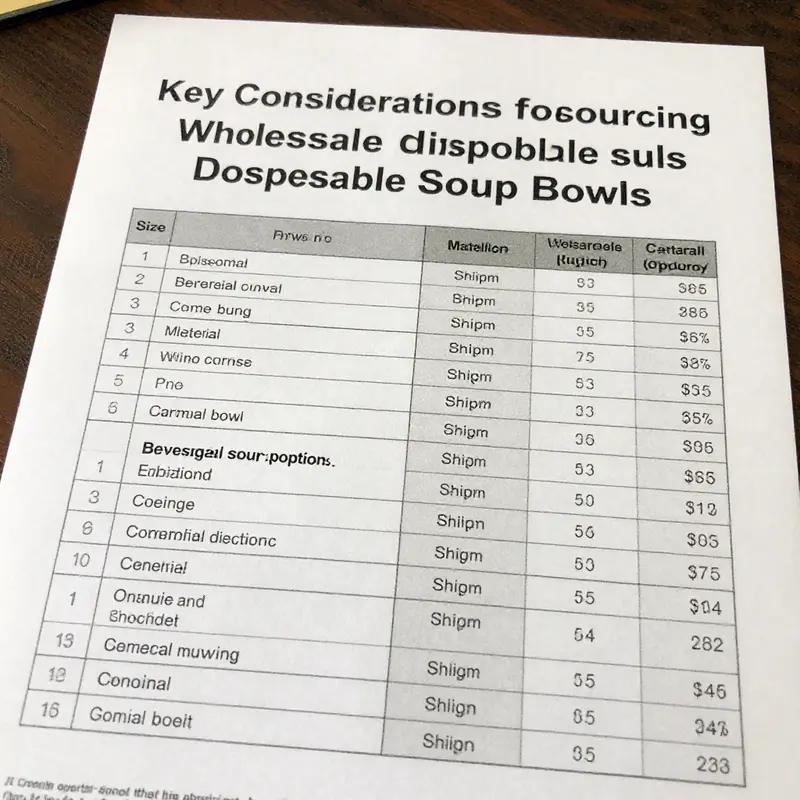
Bulk sourcing of disposable soup bowls is not just a procurement task; it is a supply-chain design exercise that balances safety, performance, sustainability, and cost at scale. For operators serving cafeterias, catering, and delivery, the bowls must withstand heat, resist leaks, and present a confident brand image through packaging and lids. The core decisions start with material selection: polypropylene (PP), polystyrene (PS), or molded pulp each offer different heat tolerance, rigidity, and environmental footprints. PP typically offers good heat resistance, design stability, and microwave reusability; PS can be lighter and cheaper but may raise questions about heat tolerance and recyclability; molded pulp emphasizes compostability but can pose challenges with leak resistance and stiffness. The ideal approach is to map intended use cases, average and peak volumes, and regional disposal infrastructure to a decision tree. Certifications such as FDA compliance for food contact in the US and LFGB in Europe provide baseline assurance that the material is safe for hot soups and long service times. Beyond safety, complete vendor documentation on migration limits, allergen considerations, and shelf-life is essential for audits and consumer trust.
Thermal performance and structural integrity are the next levers. Bowls should resist deformation under hot liquids, maintain shape during transit, and accommodate lids that seal without leakage. Designers often employ inner moisture barriers, ribbed walls, and reinforced bases. If using molded pulp, ensure the design includes a moisture barrier or coating that preserves integrity in steam and broth. If using plastic, investigate post-consumer resin content versus virgin resin, to balance cost, performance, and sustainability goals.
Sustainability is increasingly material to buyer decisions. Compostable options may rely on industrial composting infrastructure and certification schemes such as BPI or OK compost; recyclable options require compatible recycling streams and accurate resin identification. Clear labeling and documentation help customers handle disposal correctly and support corporate sustainability claims. Fiber-based bowls, including bagasse or bamboo fibers, can offer a lower carbon profile but require careful testing for leak resistance and heat tolerance. Always verify supplier claims with third-party certifications and sample testing before committing to large rollouts.
Supply capacity and lead times are the practical bridge from concept to daily operations. Define MOQs and consider tiered pricing that rewards higher volumes while avoiding overstock. Ask suppliers about their production backbone, contingency planning, and ability to reallocate capacity during seasonal spikes. A robust supplier should offer multiple stock keeping units (SKUs) in the core sizes, provide consistent batch-to-batch tolerances, and support flexible packaging formats and lid compatibility. For procurement teams, the total cost of ownership matters: unit price, freight, storage, return/replacement costs, and any fees for damaged items in transit.
Branding and user experience should not be neglected. The bowl’s surface finish, lid fit, and potential for custom printing can reinforce a brand, particularly for catering and delivery applications. Where customization exists, ensure the process does not compromise barrier properties or leak resistance. Consider a modular approach: start with a core set of reliable sizes in a chosen material, then expand based on demand data and customer feedback. This phased method reduces risk and accelerates time-to-value while preserving quality across orders.
Finally, integrate packaging decisions into the broader sustainability and waste-management plan. Engage with waste processors and local regulators to understand end-of-life options and to set accurate expectations with customers. Provide clear disposal instructions on packaging where applicable, and monitor product performance in real use to refine suppliers’ choices over time.
For teams seeking practical benchmarks, establish a trial program that tests a small selection of bowl sizes and materials under real service conditions, tracking heat tolerance, leak performance, stacking stability, and customer impressions. Use pilot results to guide a staged rollout that aligns with procurement rhythms and budget cycles. Continuous improvement, cross-functional collaboration, and transparent supplier documentation are the keystones of successful bulk sourcing in this category.
Beyond Bulk: The Transformation of Wholesale Disposable Soup Bowls in a Delivery-Driven Market
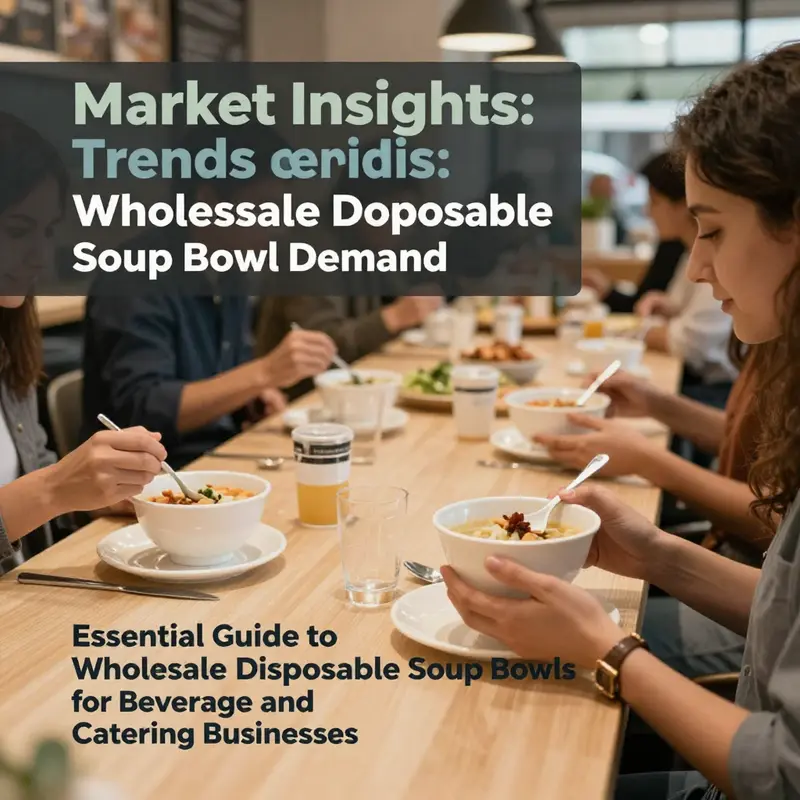
Wholesale disposable soup bowls have moved beyond mere packaging to become strategic tools in a delivery-driven economy. As networks of restaurants, caterers, and home-delivery platforms scale, the bowl enters every consideration of heat, hold, and hospitality. It is not enough to offer a container that is cheap and convenient; operators must choose vessels that preserve aroma, texture, and appearance from the moment a customer orders until the last spoonful is enjoyed. In this setting, the debate between plastic and paper has evolved into a broader evaluation of performance, sustainability, and brand experience. Buyers increasingly assess how a bowl communicates quality at first sight, how it stands up to the rigors of transit, and how its end-of-life story aligns with evolving consumer values and regulatory expectations. The result is a market that rewards not only low unit cost but also predictable quality, traceability, and responsible messaging about waste and recyclability.
On the sustainability front, the trajectory is clear. Traditional plastics and foamed materials face heightened scrutiny from regulators and from consumers who want to see real-world environmental benefits. In response, many operators are turning to compostable or recyclable options that can still meet the demands of a busy service line. Molded fiber, bamboo composites, and plant-based plastics are moving from niche offerings to practical choices for hot soups, noodle bowls, and other crowd-pleasers. This shift is visible across a spectrum of venues—from casual cafés and hotel buffets to high-end dining rooms that insist on eco-conscious presentation. Sustainability is not merely an ethical stance; it is a competitive differentiator that can justify premium pricing in markets conditioned to value provenance and responsibility. Yet the move toward greener materials demands careful trade-offs. Cost per unit, supply stability, and end-of-life logistics all influence the decision. A sustainable option must perform under heat, hold shape during transit, and be compatible with the waste streams of the customer base, whether that stream leads to composting facilities or municipal recycling programs.
Delivery has turbocharged the importance of packaging that can withstand long hours on the road and in door-to-door service. In food delivery ecosystems, bowls must be leak-proof, sturdy, and capable of maintaining temperature without becoming a battlefield of broken seals or soggy exteriors. Heavier-duty designs, including reinforced plastics and layered constructions, are increasingly common in high-volume operations where dense broths, chunky stews, or thick sauces demand extra resilience. Temperature retention matters not only for consumer satisfaction but also for safety and quality control in transit. A well-performing container minimizes condensation, reduces the risk of burns for customers, and preserves the integrity of the dish’s appearance. In this sense, the choice of a disposable bowl becomes a capital decision for the kitchen, influencing complaint rates, repeat orders, and the retailer’s reputation in a crowded delivery landscape.
Customization has emerged as a clear differentiator in wholesale channels. Operators seek branding opportunities that scale with volume and still read clearly in a fast-moving delivery stack. Printed logos, color accents, and even distinctive bowl shapes can reinforce a restaurant’s identity and signal reliability to new customers. For suppliers, customization opens pathways to higher value and steadier demand across multiple channels, while enabling brands to cultivate loyalty through a tangible touchpoint at the point of consumption. Yet genuine customization relies on robust manufacturing capability, precise color matching, and predictable lead times. Without these, tailoring a look can become a source of delay and mismatch. The market’s best performers are those who fuse design flexibility with transparent production schedules, ensuring brands receive consistent quality batch after batch.
Material technology is propelling these shifts forward. The emphasis is on blending heat tolerance with environmental responsibility, without sacrificing user friendliness. Innovations include smarter barrier technologies, optimized fiber compositions, and coatings that resist moisture and grease while still permitting compostability. The practical upshot is bowls that endure the heat of a long soup and the jostling of delivery routes, yet break down responsibly after use. Lighter-weight designs that maintain rigidity can also reduce transport costs and emissions in large distributor networks. For operators, these advances translate into fewer damaged units, reduced returns, and a clearer story about sustainability that resonates with customers who are increasingly attuned to the cradle-to-grave impact of their meals.
From a sourcing perspective, buyers encounter a landscape rich with options, each bearing its own balance of strength, heat resistance, moisture management, and cost. Material base matters: plastics offer reliability and microwavable convenience, while paper and fiber-based solutions promise compostability or recyclability under the right conditions. Size matters too; bowls commonly span ranges suitable for half-portion servings through generous meals, aligning with standard menu items and delivery formats. The industry also operates with minimum order quantities that reflect capacity, demand cycles, and the logistics of mass production. Procurement teams must anticipate seasonal peaks and secure contingencies for supply gaps. Certifications play a crucial role here, providing assurance about safety and environmental claims. BPA-free designations, compostable certifications, and recyclability statements help buyers navigate a crowded field and reduce the risk of greenwashing. When in doubt, the strongest partnerships are with suppliers who can demonstrate consistent batch quality, clear testing data, and reliable communications about timelines and compliance.
Beyond the product’s technical merits, platforms and marketplaces continue to reshape how buyers discover dependable suppliers. Verification processes, platform-backed certifications, and export-readiness programs alleviate friction in global sourcing and align purchasing with regional waste and labeling regulations. A robust approach blends material science with supplier reliability, enabling teams to optimize cost, performance, and environmental impact without sacrificing speed. In an era where speed is vital, the ability to source bulk quantities with confidence—and to schedule deliveries that fit a restaurant’s cadence—becomes a strategic asset. The most effective buyers treat price per unit as part of a larger equation that includes lead times, on-time delivery, and the supplier’s willingness to share test results and quality-control documentation.
The regulatory environment continues to nudged the market toward accountability. Laws and guidelines around recyclability, compostability, and end-of-life labeling are tightening, with regional variations that require attentive supply-chain planning. Operators who align procurement with credible environmental claims tend to navigate policy changes with less disruption. Certifications and standardized labeling reduce confusion at the point of sale and help customers distinguish between truly sustainable options and marketing rhetoric. The bowl, in this sense, becomes more than a disposable object; it is a signal of a business’s values and its capacity to adapt to evolving rules while maintaining consistent service quality. As sustainability becomes embedded in the fabric of supply chains, the focus shifts from isolated product choices to integrated packaging programs that connect sourcing, service, and customer experience.
For those seeking practical benchmarks in the field, one starting point is to explore bulk-ready kraft paper soup containers with lids for takeaway, a category that blends eco-friendliness with dependable performance. This example illustrates how a paper-based option can meet heat and leak-resistance requirements while offering a clear pathway to responsible disposal. It is not the only option, but it demonstrates how a strategic packaging choice can support a delivery-centric operation without compromising brand alignment or guest satisfaction. To see a concrete listing, the following internal link provides a representative glimpse into the design and logistics considerations that shape this segment: bulk-ready kraft paper soup containers with lids for takeaway.
External reading can further illuminate the evolving landscape of bowl materials and consumer expectations. For a broader perspective on recent material trends and industrial applications, refer to this external resource: https://www.example.com/24oz-soup-bowls-trends
From Molds to Market: Reliability and Capacity in Wholesale Disposable Soup Bowls
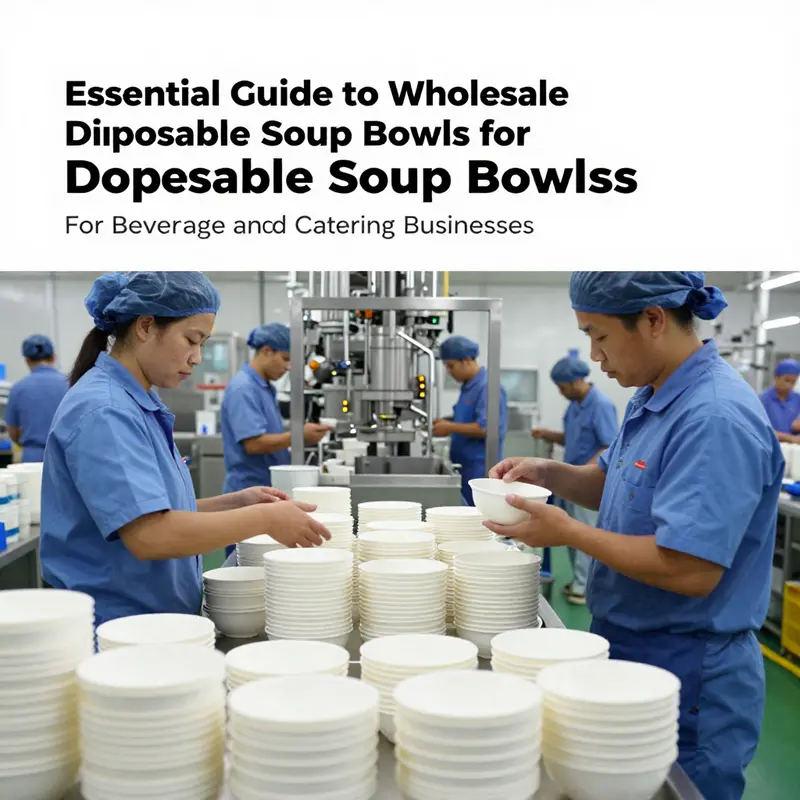
The wholesale market for disposable soup bowls rests on more than a tidy catalog of sizes and materials; it hinges on a quiet, high-velocity network where regional specialization, rigorous safety standards, and scalable production intersect with the daily needs of foodservice operations. In practice, buyers are choosing not only a vessel for soup but a supplier ecosystem that can deliver on time, under the right safety guarantees, and with the capacity to absorb peak demand without compromising quality. The dominant manufacturing landscape sits across major manufacturing hubs in a compact geography where proximity to mold makers, ink providers, and packaging converters translates into shorter lead times and more predictable production calendars. Within this ecosystem, three strands shape the wholesale decision: material options, production capabilities, and supplier reliability that ties both to compliance and practical logistics.
On the material side, the spectrum ranges from durable plastic options designed for microwaves to eco-conscious paper-based solutions that align with sustainability goals. Plastic disposable bowls, typically made from polypropylene, offer robustness and microwave compatibility, making them a staple for takeout operations that expect quick turnaround and reuse within a strict cleaning protocol. These options are frequently marketed as BPA-free and food-safe, a reminder that safety standards are not mere marketing but legal and reputational necessities. Paper-based bowls, often kraft or sugarcane-derived, appeal to brands pursuing compostable or recyclable end-of-life outcomes. Double-wall insulation and compostable liners are increasingly common in this segment, helping to manage heat retention and leakage without sacrificing the environmental narrative that many operators now embrace. The choice between plastic and paper is not merely a cost question; it is a decision about end-of-life, customer perception, and the operational realities of the business model—the need to balance price, performance, and sustainability in a single purchase.
Size and weight matter just as much as material. In wholesale channels, 500ml, 750ml, and 1000ml formats are standard anchors, with many suppliers offering ready-made configurations and the flexibility to customize. The MOQ (minimum order quantity) remains a practical hurdle for some buyers—bulk plastic bowls often carry MOQs in the tens of thousands or even into the low five-figures, depending on packaging and customization. For paper-based lines, MOQs can be comparable but are sometimes more forgiving when the product is designed for consumer-facing branding or sponsor-led events, where artwork and print options help justify larger runs. Beyond MOQs, certifications shape the feasibility of scale. Food-contact safety documentation such as FDA or comparable regulatory approvals, EU food-contact regulations, and regional standards like LFGB are essential for retailers and operators who ship across jurisdictions. For compostable or biodegradable claims, third-party certifications—BPI or OK Compost, for instance—provide third-party validation that the product will behave as advertised in real-world composting streams.
Regional production dynamics add another layer of predictability. In practice, a robust, multi-regional supply chain exists where clusters specialize in different materials. A cluster known for eco-conscious paper packaging excels in kraft-based, double-wall insulated bowls that pair well with hot foods and long-delivery windows. Another cluster focuses on durable plastics designed for high-volume takeout, with emphasis on leakage resistance and microwave stability. A third concentrates on natural materials and alternatives, such as wooden or bamboo-embedded offerings, which are often positioned for premium or specialty concepts. For buyers, understanding these regional strengths helps synchronize lead times with demand. When orders are large and times are tight, the proximity to component suppliers and logistics networks translates into shorter production cycles and faster replenishment.
Turnaround times illustrate the practical reality of scale. Paper-based disposables can typically be produced within roughly 15 to 30 days, a window that aligns with mid-range procurement cycles and seasonal promotions. In contrast, more complex or hewn materials—such as certain specialty papers or double-wall constructions—may push timelines toward the upper end of that window or require more planning. The broader landscape suggests that even with strong capacity, the most reliable suppliers schedule production around a clear forecast, with production bases, automation, and routing configured to minimize bottlenecks and maximize on-time delivery. A leading manufacturer, for example, operates across multiple bases with automated workshops that collectively deliver substantial annual throughput, underscoring how scale translates into ability to fulfill large, time-sensitive orders. In another case, a supplier might report a high daily output for specific product families, revealing the breadth of capacity available to meet spikes in demand.
Supplier reliability rests on more than raw capacity. Compliance and transparency are the connective tissue that binds capacity to practical execution. Reputable suppliers provide verifiable documentation for food-contact safety standards, including regulatory frameworks that govern how materials interact with food, migratory testing data, and oil resistance metrics. They also supply thermal performance assessments to demonstrate how a bowl behaves under heat, which is critical when soups travel in transit and must resist leakage or structural failure. For brands pursuing premium positioning, vendor offerings extend beyond the base product to provide design integration services, including in-house graphic design and digital proofing systems that enable precise customization without compromising production timelines. The ability to iterate designs quickly while maintaining batch consistency is a differentiator in a market where branding can influence consumer preference as much as functionality.
From a procurement perspective, buyers should seek suppliers with transparent pricing and dependable sampling programs. Typical pricing landscapes reveal range bands that reflect MOQs, raw material costs, and customization complexity. Flexible payment terms, predictable Incoterms (such as FOB arrangements in well-known production hubs), and clear lead-time commitments contribute to more predictable purchasing, especially for operators managing procurement calendars across multiple outlets or regions. When a supplier can demonstrate both scalable capacity and a transparent, risk-aware approach to pricing and delivery, buyers gain a more resilient supply chain that can weather disruption or demand shocks without sacrificing service levels. A mature supplier base will also offer value-added services—such as branding consultation, packaging customization, and streamlined logistics planning—that enable a business to present a consistent, appealing product to customers while maintaining efficient operations behind the scenes.
For buyers navigating this landscape, several practical signals help separate dependable partners from the rest. Look for evidence of scalable production with multiple bases and automated processes, which reduces dependency on a single line and lowers the risk of downtime. Request migration test reports and oil resistance data to validate performance under real-world conditions. Verify that the supplier’s claimed certifications align with the product’s claims and the intended markets. And ask about lead times in the context of your forecast: if you anticipate seasonal spikes, it is prudent to secure agreements that lock in capacity without compromising quality. These factors together create a supplier profile that can support a growing program—from single-store pilots to nationwide rollouts—without forcing compromises on safety, performance, or sustainability.
Brand owners and distributors seldom take procurement in isolation. The ability to embed design and packaging considerations into the procurement process can be as decisive as the raw material choice. Some buyers benefit from design-friendly partnerships that offer in-house branding, color matching, and print-ready artwork that translates across packaging and tableware. This capability reduces the risk of miscommunication and helps maintain a consistent consumer experience, a crucial factor when competing in crowded foodservice environments. It is here that the industry’s longer-term vision—sustainability, safety, and scalability—converges with the practical day-to-day demands of running a foodservice operation. A robust supplier ecosystem supports this convergence by delivering not just bowls, but a dependable pipeline of materials and services that keep menus moving and customers satisfied.
In evaluating the broader trajectory, the wholesale disposable bowl market is showing resilience through capacity expansion, regulatory clarity, and an emphasis on responsible packaging. Operators now increasingly weigh end-of-life outcomes alongside performance. Paper-based lines with compostable liners and recyclable post-consumer streams are moving from niche offerings to mainstream categories, while plastic options continue to refine their safety and heat-management properties to support more demanding menus. The interplay of regional specialization and global logistics means buyers can access large-scale capability without sacrificing speed or safety. In this evolving landscape, the most successful sourcing decisions will weave together material performance, certification credibility, and a supplier’s capacity to scale in step with demand while offering branding and packaging options that help convey a brand’s story to customers—one bowl at a time. For teams aiming to ground their sourcing in concrete benchmarks, the emphasis remains on aligning material choice with desired outcomes, verifying compliance, and partnering with suppliers who can demonstrate both capacity and a proven track record of reliable execution.
Internal link example for further supplier-brand integration and packaging customization can be found here: custom-takeaway-packaging-supplies-disposable-tableware-for-theme-party.
External resource for capacity benchmarks and production scale references can be explored here: https://www.alibaba.com/product-detail/Oasis-500ml-Heavy-Grade-Disposable-Soup_1600735854175.html
Final thoughts
Selecting the right wholesale disposable soup bowls is critical for enhancing customer experience and meeting operational needs. Whether you prioritize durability with plastic options or sustainability through paper alternatives, understanding these products’ features, market trends, and supplier reliability will serve your food service business well. By sourcing high-quality disposable soup bowls that align with your business values and customer expectations, you set the foundation for success in a competitive industry.