
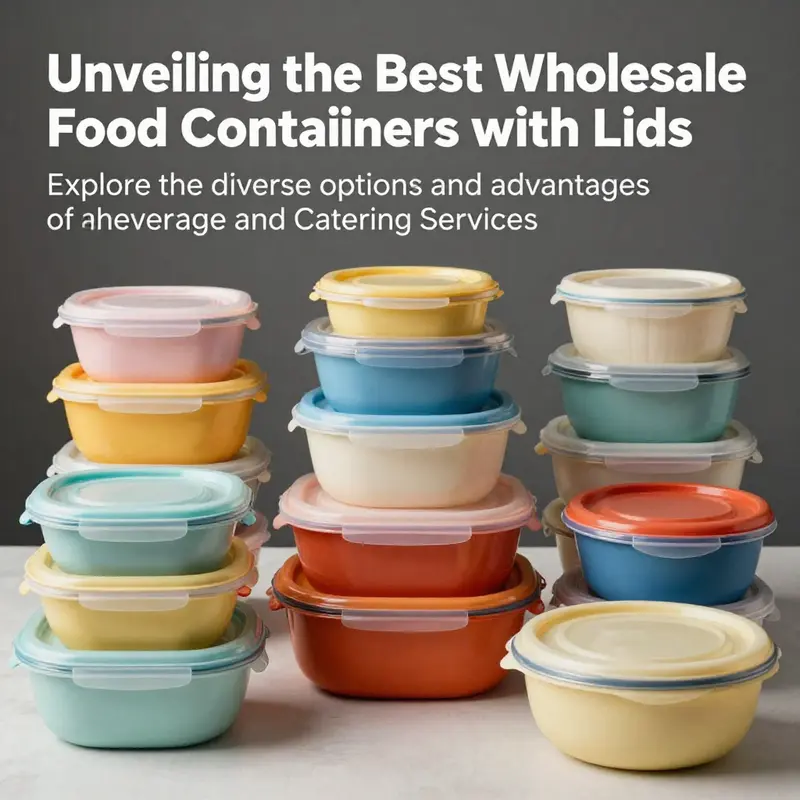
Food containers with lids play a pivotal role in the food and beverage industry, providing essential solutions for storage, transport, and presentation. As businesses seek reliable ways to manage their offerings—from bubble tea shops to catering services—the demand for quality containers is growing rapidly. This article will delve into the different types and materials available, highlight their benefits in various applications, and outline key purchasing considerations for discerning buyers. Additionally, we will introduce reputable suppliers and explore sustainability trends shaping the future of food packaging.
多材质、多场景的批发食品容器带盖:在选择与应用中构筑供应链优势
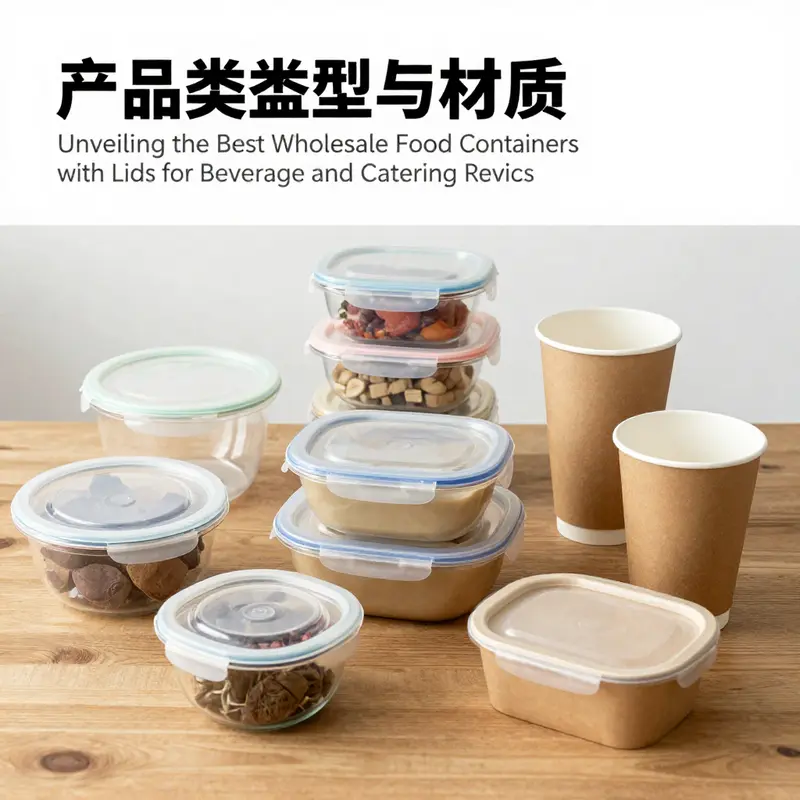
在批发食品容器带盖的市场中,企业采购并非单纯的价格比对,而是一次对功能性、耐久性、品牌表达与可持续性的综合考量。容器的材质与设计决定了内容物的保鲜效果、运输中的安全性,以及门店或餐企对顾客体验的把控。不同的应用场景往往对应不同的材料偏好与结构优化,只有在全链条中实现材料、加工工艺与供应链协同,批发商才能实现规模化采购的真正优势。透过材料与类型的全景视角,我们可以理解为何市场上会出现 Glass、Plastic、Paper 等多元选择,以及它们在定制化、批量生产与长期运营中的不同价值。
从基材层面看,透明玻璃容器长期占据储存类外观呈现的高端位置。玻璃的无味性、耐腐蚀性以及易清洁的特性,使其在糖果、干果、香料等相对固态、对气味敏感的内容物中具有天然优势。玻璃容器通常以圆柱或方形体积存在,配合螺纹盖体与密封圈结构,能实现较好的密封性和防潮效果,方便重复使用,且在门店陈列或高端餐饮中具备更强的视觉冲击力。尽管如此,玻璃的重量、易碎性以及相对更高的制造成本,决定了它更适合中高端市场与长期存储场景,而非高频次的外卖一次性使用。
塑料容器则以其灵活性与成本效益成为批发市场的主力军。常见的材质包括聚丙烯 PP、聚苯乙烯 PS、聚对苯二甲酸乙二醇酯 PET 以及双向拉伸聚苯乙烯 BOPS 等。这些材料在耐热性、透明度和耐用性方面各有侧重,能够满足从固态到半固态食品的多样需求。与玻璃相比,塑料容器在重量、成本与可塑性方面具有显著优势,便于大规模注塑成型、轻量化运输以及复杂的结构设计,如带硅胶密封圈的盖、锁扣式盖合等,以提升防漏性能。需要强调的是,批发采购时并非所有带盖塑料容器都天然具备防漏功能。若液体/汤汁类食品需要更高的密封性,需特别选用带密封圈或专用锁扣结构的容器,并在采购前与供应商确认实际的防漏能力与测试方法。
纸质容器则代表另一条重要的可持续路径,尤其在一次性外卖场景中广泛使用。Kraft 材质、纸盒与纸碗等产品以低成本、易回收和可降解的优势满足高周转需求。它们的应用往往强调单次使用与低成本,因此在环保法规趋严、以及消费者对绿色包装关注度提升的背景下,纸质解决方案会继续扩展到更多场景。尽管如此,纸质容器对内容物的湿润度、油脂渗透及结构稳固性有更高要求,通常需要通过涂层、内膜或设计优化来提升耐用性。这使得纸质容器在外观设计上也趋向多样化,如分层结构、带盖的组合设计,甚至与可堆肥材料结合的新型复合材料,以在成本与环境影响之间取得平衡。
在实际采购与应用中,技术参数不仅限于材料本身,还包括密封性、耐温范围、耐压与耐油性等关键指标。密封性常常是购买决策的核心之一。并非所有带盖容器都具备防漏功能,因此在选择时需明确食品性质:是否需要防漏、是否会盛放高汤类或油脂丰富的食品,以及在运输中对挤压、撞击的耐受性如何。若需要更强的防漏性,供应商往往会提供带硅胶密封圈、或具有锁扣结构的盖体设计,并可能提供密封性测试数据以供企业认证与合规评估。同时,耐热性也是不可忽视的考量,尤其对需要微波加热、冷藏或冷冻存放的食品容器而言,材料的耐温曲线将直接影响到食品安全与容器的循环使用率。
关于加工与定制,OEM/ODM 服务成为提升供应链灵活性的重要途径。许多制造商愿意接受客户自有设计,进行材质选择、盖体结构、印刷与标签、包装设计等一体化服务。这种定制能力不仅帮助品牌在市场上实现独特性,也有助于统一采购流程、降低更换成本,并通过统一的包装语言提升门店陈列的整齐度与顾客认知。对于大规模连锁餐饮或活动配送,批量采购的优势尤其明显——多数供应商愿意接受低 MOQ 以覆盖从小批量到大规模的不同客户需求,帮助企业在测试阶段快速迭代,在上线前完成反复验证。
在采购流程与供应链管理层面,沟通效率与物流成本同样是决定性因素。行业报告指出,快速、准确的供应商响应时间对订单变更、规格确认及问题解决具有直接影响。一个更加高效的供应链往往也伴随更具竞争力的定价结构,因为长期合作能够通过货代及运输成本的协商折扣来分摊,总体采购成本得以显著下降。对于长期合同,双方在运输安排、交付周期与退换货机制上达成一致,将使企业在大规模采购时的稳定性与可预测性大幅提升。
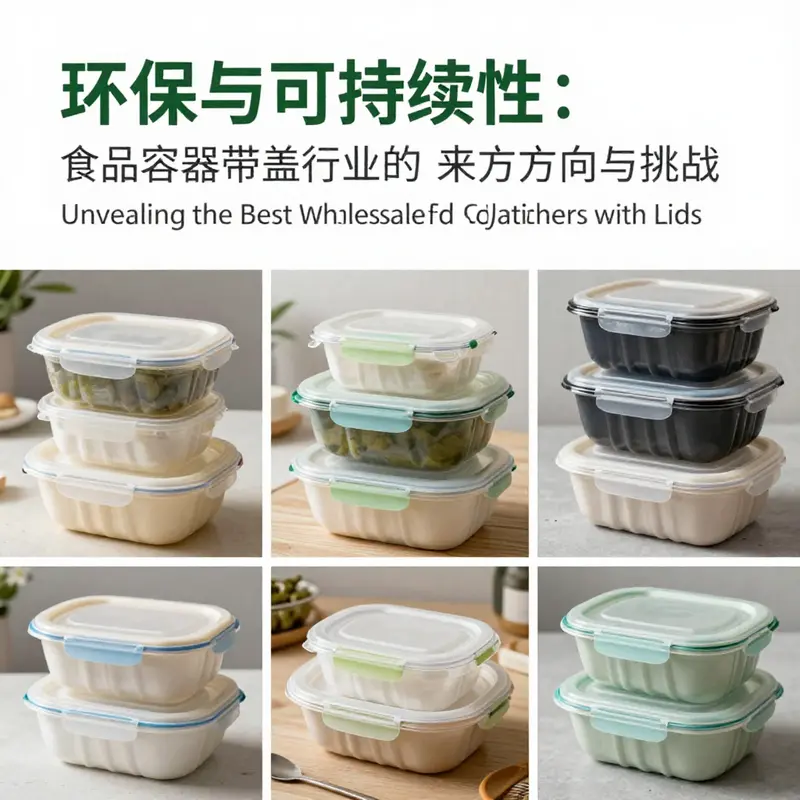
在材料选择与应用的过程中,品牌还需要关注环境与可持续性趋势。全球对塑料污染的关注促使越来越多企业转向可重复使用的塑料或玻璃容器,或探索更可持续的纸质与生物基材料解决方案。这里的核心在于找到一个在成本、耐用性与环境影响之间的最佳平衡点。对批发商而言,建立对不同材料生命周期的认知、掌握适配的销售与服务策略,是在竞争激烈的市场中获得长期竞争力的关键。
在本章的讨论中,关于具体的纸质包装解决方案与设计示例,可以参考带透明盖的纸质盒类产品的展示方式与应用场景。这类盒型的透明盖设计在提升内容物可视性的同时,也有助于快速识别与分拣,尤其在外卖与零售场景中具有显著价值。paper-sandwich-box-square-food-box-with-transparent-lid 的示例便是此类设计的典型体现,若要进一步拓展到品牌化展示,可以在印刷、标签与包装设计层面开展深度定制,以强化统一的视觉识别和用户体验。
从趋势角度看,未来的食品容器带盖设计将更加关注材料的可持续性、回收体系的完善、以及对食品安全的严格把控。设计会趋向多功能性与模块化,以便在不同场景中实现快速替换与快速组装;同时,材料科学的进步也将推动可堆肥、可降解或生物基材料在更多场景中的应用落地。这些趋势要求批发渠道具备更灵活的采购策略与更高效的供应链协同,以适应快速变化的市场需求。
在结束本章的讨论时,重要的是认识到材质的选择并非孤立决定,它需要结合食品类型、运输路径、存储条件、外观期望及品牌定位来综合评估。通过对材料、结构与应用场景的深入理解,批发商可以更精准地为客户提供匹配的解决方案,降低总成本并提升循环使用率,从而在竞争激烈的市场中实现可持续的经营模式。有关更广泛的设计趋势与材料应用,外部资源提供了有价值的视角,供进一步研究与选型参考。
带盖容器的批发风向标:需求、材料革新与可持续转型

带盖食品容器批发市场的语言,远比单纯的包装更具层次。它连接了供应链的前台与后厨的日常操作,承载着食品安全、保鲜效果、运输效率与品牌叙事的多重需求。在快速变化的餐饮与外卖格局中,带盖容器不仅是存放食物的容器,更像是一座微型的物流节点,决定了为何某个商家能以稳定的成本、可靠的交付速度,以及清晰的视觉呈现,赢得顾客的信任与回头率。核心逻辑并不难理解:多功能性、耐用性与安全性共同驱动批发端的采购决策,而材料与设计的升级则往往预示着市场趋势的走向与消费者偏好的转变。
在产品类型与材料的棋盘上,批发领域的选择远比零售市场要丰富。塑料容器仍以PP、PS、PET等材料为主,具备耐热、透明度高、可重复使用的特性,尤其在一次性外卖与日常分装场景中表现突出。然而,行业对“密封性”的要求从未真正降低:并非所有带盖容器都具备防漏能力,只有带有显著密封设计、卡扣结构或硅胶密封圈的型号,才能在盛放汤汁、含汁液体等场景中维持稳定性。此类细分在供应商的OEM/ODM服务中尤为关键,因为品牌方往往需要在零售端或外卖包装上实现统一的视觉与功能性——这就要求供应商提供从模具到印刷、从包装袋到现场组装的一体化服务。
材料方面的选择呈现出更明显的分野。透明塑料容器以PP为代表,因其耐热、可回收性与重复使用潜力成为批发市场的基石;玻璃容器尽管重量和成本更高,但在高端市场的稳定性与口碑效应上具备独特优势。玻璃带盖的批发价格在市场数据中有明确的区间,但它的成本结构也要求购买方在使用场景上设定清晰的定位——例如针对中高端餐饮、礼品包装或高保鲜需求的零售场景,玻璃的无味、抗腐蚀与高端外观往往能转化为品牌升级的机会。相比之下,纸制/ Kraft 纸材的带盖容器则以成本优势和一次性便捷性著称,成为外卖与聚餐活动中广泛采用的选择。某些 kraft 纸碗的批发价极低,适合大规模、低成本的外卖配送,但这类材料往往以一次性使用为前提,耐用性与重复利用性需与场景需求精准对接。为了解决不同场景的保鲜与防漏需求,市场上也出现了多样化的混合材料解决方案,如带有隔层、分格设计的容器,或在盖子与盒体之间通过结构性锁扣实现更强的密封性。
在趋势层面,行业正在从单纯的“可用性”转向“可持续性”的综合考量。环保与可重复使用的理念正在渗透到批发端的决策中,越来越多企业强调“零废弃午餐包装”的目标,推动对可重复使用塑料、玻璃及金属材质的关注上升。对品牌而言,定制化服务(OEM/ODM)成为在同质化市场中脱颖而出的重要手段。供应商通过提供更灵活的模具设计、印刷、标签和包装设计等一体化方案,帮助品牌实现个性化表达与市场推广的叠加效应。就批量采购而言,大多数供应商愿意以较低的起订量满足不同规模的客户需求;而对于大型餐饮连锁或活动赛事,纸制容器的最低订量可能高达数万甚至数十万件,这一差异直接影响企业的采购节奏与库存管理。
采购端的关键考量往往落在四个字上:密封性、响应速度、物流成本与品牌联动。密封性是底线,不同材料的密封性体验差异很大。即便是带盖容器,也需要评估其在运输中的防漏能力,尤其是汤品、汤羹、酱汁等高液体场景。对于需要更强防漏的客户,常会被引导选择带有硅胶密封圈或专用锁扣的型号,并在合同中强调在特定温度、运输振动与潮湿条件下的性能表现。响应速度在快节奏的采购环境中尤为关键。行业报告显示,平均响应时间低于4小时的供应商更可能高效处理订单变更、规格确认及问题解决,帮助买家在临时需求波动中保持敏捷。物流成本则是长期合作的实际收益点。通过与货代签订大合同,批发商往往获得批量折扣与运输优化方案,从而降低单位成本,提升总成本竞争力。这些因素共同塑造了带盖容器在批发端的真实价值:不是单一的成本考量,而是一套由材料、设计、供应链协同与品牌策略共同驱动的综合系统。
应用场景的广度,是带盖容器批发市场最直观的证据。家庭日常使用方面,带盖容器被视为“分装神器”,用于食材分装、剩菜保存、儿童便当、健康饮食管理等。疫情后的家庭饮食习惯与对食品卫生的关注,使得带盖容器在家用市场的渗透进一步加深。商业餐饮与外卖服务方面,一次性带盖塑料容器仍是主流,成本低、生产效率高,且能保障配送过程中的卫生与完整性。随着消费者对包装美观度与品牌认知的提升,越来越多企业开始定制带有品牌标识的透明盖容器,实现品牌传播与产品差异化。零售与礼品场景则以糖果罐、糕点盒等带盖容器为核心,透明展示提升购买欲望,同时通过定制化设计承载情感与文化价值。办公与旅行场景强调模块化、可堆叠、便携性,适合上班族和户外活动的需求。最后,电商与定制化消费的崛起,使“开箱体验”成为核心卖点,企业通过AI设计平台与柔性生产线,实现按需生产与小批量多品种的快速响应。
市场趋势与数据的支撑也在向我们传达同一个信号:全球午餐盒及带盖容器市场正处于稳步增长阶段。报告对未来十年的规模与结构变化给出清晰预测,金属与玻璃等材料因健康及环保属性持续获得关注,功能性升级(防潮、防氧、隔热、分隔式设计)成为主流,生物降解塑料与植物纤维等绿色材料正在加速渗透,数字化赋能使产业链各环节实现更高的灵活性与效率。上述趋势在批发环节的具体体现,是供应商对小批量、多品种、快交付需求的快速响应,以及对品牌定制能力的持续强化。全球市场研究机构的相关分析,为批发端的策略调整提供了透视镜。外部参考可以帮助读者从宏观层面理解这一领域的增长逻辑与竞争要点。参照权威市场研究资料可见,全球食品包装市场在未来十余年将以稳定的CAGR增长,带盖容器在不同材料之间的切换、升级与创新,将成为市场竞争的关键变量。
在批发供应链层面,值得关注的一点是可持续性带来的实际成本与机会成本。可重复使用容器在餐饮企业的回收、清洗和再利用环节,需要建立高效的回收体系与清洗流程,才能真正实现“零废弃午餐包装”的愿景。对供应商而言,这不仅是技术难题,也是服务能力的考验。以OEM/ODM为核心的定制化能力,将成为制造商在价格压力与品牌竞争中突围的关键武器。通过提供印刷、标签、包装设计的一体化服务,供应商可以将产品从单纯的容器转变为品牌传播的载体,帮助客户在市场中实现更高的识别度与消费者黏性。
在纵深的供应链交互中,某些材料的批发定价弹性也逐渐成为企业决策的重要因素。对于纸质与木材等可回收材料,价格波动往往与原材料供给、季节性需求及运输成本相关联。因此,批发方在进行大宗采购时,往往会以锁定价格、签订长期采购协议等方式降低价格波动带来的风险。与此同时,数字化工具的应用正在改变设计到生产的整个流程。快速原型、柔性生产线、数字化印刷与物料追踪系统,能够缩短新品开发周期,提升小批量生产的经济性,使“按需生产”成为可能。这些变化共同绘制出一个更为清晰的产业蓝图:带盖容器的批发市场,将在材料选择、设计创新、供应链协同与可持续性实践之间找到更高效的平衡点。
若要在章节末尾提供一个实际的内部探索入口,读者可以关注某些可用于定制化与大宗采购的Kraft纸材带盖容器的批发选项。相关内容可通过以下内部链接获取更多信息:disposable kraft paper bowls with lids bulk。该类产品在批发市场上以成本效率与多样性著称,能够为品牌在不同场景下实现差异化包装提供实惠的解决方案。与此同时,关于全球市场的宏观洞察与材料趋势,读者可参阅外部权威资料,在理解行业全局与区域差异时,获得更全面的框架支持。外部资源链接如下,供进一步参考: https://www.grandviewresearch.com/industry-analysis/food-packaging-market 。
这一章的叙述并非意在孤立地描绘某一种材料或某一类产品,而是揭示批发端在需求驱动、材料创新与可持续转型三者之间的动态关系。随着消费者对食品安全、保鲜效果与环境影响日益关注,批发市场的竞争力将更多地来自于对灵活性、品牌化能力与全链条解决方案的综合提升。带盖容器的未来,将以更高的透明度、更强的密封性能,以及更灵活的定制能力,回应多样化的市场需求。
From Material to Momentum: A Cohesive Guide to Wholesale Food Containers With Lids

Selecting containers with lids in a wholesale context is less about picking a single best option and more about aligning material properties, sealing performance, and design with the realities of scale. For buyers who serve kitchens, cafes, and event logistics, the decisions ripple through cost, safety, efficiency, and the customer experience. The decision space spans plastic, glass, and paper equivalents, each with distinct advantages and caveats. Plastic containers, often available in PP, PS, and PET, remain a workhorse for many operations. PP offers a useful balance of heat resistance, stiffness, and affordability, making it a common choice for solid foods that need to travel or be portioned in advance. PS, with its clarity and crisp edge, can showcase layered meals or vibrant ingredients, but its brittleness under certain temperature swings and its limited long-term durability mean it is not always ideal for repeated use. PET extends the option set with good clarity and a stronger barrier against moisture, yet it too faces limitations when faced with repeated microwaving or aggressive handling in high-volume environments. In wholesale scenarios, the takeaway is not simply “plastic equals cheap.” It is about selecting a baseline material that fits the menu, the transit time, and the expected reuse cycle. It is also prudent to be mindful of leakage claims. Some clear plastic containers can carry solid foods well, while others, especially those lacking a dedicated gasket or locking mechanism, may not be suitable for liquids or sauces. Vendors increasingly offer options that incorporate silicone seals or snap-lock features for enhanced leak resistance, yet the user should verify performance claims in the context of actual usage: how full the container is when sealed, how heat affects expansion, and how transport shakes might loosen a cap over long distances.
Glass containers present a different calculus. They convey a high-end appearance and are prized for being non-reactive, odor-free, and easy to clean. In markets where presentation matters as much as practicality, glass can command a premium price that translates into a premium customer perception. Wholesale data from procurement platforms indicates glass-with-lids often starts at a higher per-piece price point than most plastics, reflecting its durability, reusability, and perceived quality. For operations targeting mid-to-upper range segments, glass can be an effective differentiator, particularly for items like salads, side dishes, or heat-retaining takeout that benefits from a premium feel. The trade-off is weight, fragility, and a higher total landed cost. In high-volume settings where breakage translates into waste, the risk-adjusted cost may tilt toward plastic or coated paper alternatives. Glass also introduces considerations around recycling streams and supply chain resilience, especially in markets with fluctuating shipping costs or limited glass production capacity. The key is a clear cost-benefit analysis that accounts for breakage rates, return or reuse programs, and the spatial footprint of bulk glass storage in the warehouse.
Paper and paper-based containers, including kraft trays and paper bowls, offer a distinctly different cost curve and environmental narrative. In wholesale environments, paper options play a critical role for one-time-use takeout and dessert packaging. The initial purchase price is typically lower, which can be advantageous for large events, quick-service restaurants, or operations seeking a lighter capital outlay. However, the lifecycle considerations are crucial: while some paper containers are marketed as grease-resistant and compostable, their durability is generally limited to single-use scenarios. For bulk orders, the trade-off lies in waste management, landfill impact, and customer expectations for sustainability. In markets that prize quick turnover and disposable convenience, a well-chosen paper solution can support aggressive pricing and high-volume throughput, while still aligning with corporate sustainability goals if paired with responsible waste programs.
Beyond the material choice, the shape and structural design of wholesale containers with lids influence how efficiently a kitchen operates and how well products travel. Square or rectangular configurations can pack more tightly in stacking storage and shipping crates, reducing space and transport costs. The aesthetic of a tight, reinforced lid—where the edge of the lid seats with a detectable snap or click—communicates reliability and reduces the risk of mid-transport leakage. Strong corner treatments and thicker sidewalls are not cosmetic details; they translate into lower breakage rates and longer service life in environments characterized by frequent use and re-stocking. Lids with integrated rims or silicone seals can offer genuine leak resistance for certain products, yet they must be matched with the right seal geometry and material compatibility. For hot contents, vented lids that release steam during microwaving or heating can prevent “suction” that makes lids difficult to remove and reduces the risk of burns or spills. These design attributes, while seemingly minor, accumulate into meaningful differences in operator efficiency and customer satisfaction over thousands of transactions.
Capacity planning is another critical axis in wholesale procurement. For individual servings, containers in the 800–1500 milliliter band tend to cover a broad spectrum of meals, soups, and layered items without forcing frequent portion changes. When catering or bulk takeout is involved, higher-capacity options become essential for soups, noodle dishes, or multi-item bundles. The aim is to match container size to actual menu needs, while also preserving a buffer for peak periods. The cost-per-use metric improves when a container supports multiple functions or when the same lid works across several shapes or sizes in a line. Retailers and caterers increasingly seek versatility, where a lid might fit both a rectangular box and a compatible round pot, enabling a single SKU to handle a range of dishes. This flexibility can simplify purchasing and reduce the complexity of stock-keeping units while maintaining consistency in service.
The procurement workflow for wholesale containers is inseparable from safety standards and regulatory expectations. Food-grade materials, transparent labeling, and chemistry-free interactions with hot foods are non-negotiables in most markets. Plastics should be checked for compliance with recognized safety standards and for the absence of restricted substances such as BPA in the relevant product category. For ceramic or glass-based options, ensure that there is explicit labeling regarding leaching and heat tolerance, particularly when products are heated in microwaves or exposed to rapid temperature changes. When ceramic-based or glass options are considered, a warning against thermal shock can guide usage policies, especially in environments where reheating protocols are inconsistent. The research material suggests a standard to watch for in ceramic or other non-plastic components is the presence of “no lead, no cadmium” or explicit “food-grade” certifications. These assurances help prevent elevated health risks associated with high-temperature contact or re-heating scenarios.
In the realm of plastics, while many options meet national food-safety standards such as GB 4806-series equivalents, buyers should confirm the absence of additives of concern for their particular use. The plastics market offers a wide spectrum of performance, from dishwasher-safe resilience to high-heat tolerance for brief microwaving. The practical takeaway for wholesale buyers is to conduct a short, rigorous assessment of the intended use-case: Will liquids be carried? What are the typical transit times? Will the container be reused, or is it strictly single-use? Answers to these questions should guide not only the material choice but also the sealing mechanism and the overall lifecycle plan. A leak-proof or leak-resistant claim deserves validation in the context of full-load conditions, transport jostling, and repeated heating or cooling cycles.
In addition to the physics of the container itself, the supplier’s capabilities matter as much as the container’s technical specs. Efficient procurement relies on a vendor ecosystem capable of delivering consistent quality at scale. The ability to accommodate various customizations through OEM/ODM channels can be a decisive factor for brands seeking a unique culinary packaging identity. The wholesale narrative benefits from suppliers who can offer branding opportunities, consistent color and logo replication, and packaging design support that aligns with a brand’s identity. A credible supplier should also demonstrate a robust quality control framework, clear communication channels, and a logistics strategy that mitigates freight and handling costs. In fast-moving procurement environments, a supplier that responds swiftly to specifications, sample requests, and order changes reduces cycle times and supports agile menu development. Industry reports indicate that vendors whose response times average under four hours are more likely to navigate changes efficiently and keep production aligned with demand, a practical consideration when menus shift with seasons or promotions.
For decision-makers who must balance sustainability with performance, a blended approach can offer meaningful value. A growing segment of wholesale buyers integrates durable, reusable plastics or glass with paper-based options for one-time-use components. Such a strategy can deliver a greener footprint for portions of the portfolio while preserving the reliability and cost advantages of plastics or glass where they matter most. A well-planned lifecycle approach—defining reuse targets, end-of-life disposal, and recycling pathways—helps ensure that the packaging system supports long-term business goals rather than a quick, one-off solution.
To navigate this landscape with confidence, buyers can explore practical starting points that align with their current scale and future ambitions. For those prioritizing cost-efficient takeout for high-volume sales, kraft paper bowls with lids offer an economical pathway to rapid growth, while ensuring straightforward handling in busy kitchens. For operations seeking a premium impression and longer-term reuse potential, glass-with-lids can serve as a flagship option that elevates the brand’s perceived quality. Plastic containers, when selected with attention to seal integrity, material safety, and compatibility with heating and washing cycles, furnish a reliable backbone for everyday meals and durable, multi-use service. The intersection of material science, design engineering, and logistics underpins a wholesale strategy that can adapt to a supplier base that grows with the business, not just a single season.
For readers exploring concrete product options within this landscape, a bulk kraft-paper takeout solution may represent a practical starting point for many menus. See this bulk Kraft paper bowls with lids for takeaway packaging as a relevant reference: https://ecocupbowl.com/product/disposable-kraft-paper-bowls-food-containers-with-lids-bulk-500ml-to-1000ml-rectangular-bowls-for-takeaway/ . While this link points to a specific category, the underlying considerations—cost, leakage performance, and disposal profile—remain widely applicable as you evaluate broader supplier catalogs. As you weigh options, keep in mind the broader goal: choose a packaging system that reliably preserves the integrity of the food, projects a consistent brand image, and scales with demand.
An external perspective on choosing food storage containers can provide a structured framework for your assessment. For a comprehensive, independent guide on material safety, leakage testing, and durability, consult established consumer-focused resources that translate lab testing into practical guidance for buyers. External research highlights that evaluating material safety, leak resistance, and durability through standardized tests yields the most meaningful comparisons when selecting wholesale containers with lids. External resource: https://www.consumerreports.org/food-storage-containers/best-food-storage-containers-a2025779/
From Source to Shelf: Navigating the Wholesale Landscape of Lidded Food Containers
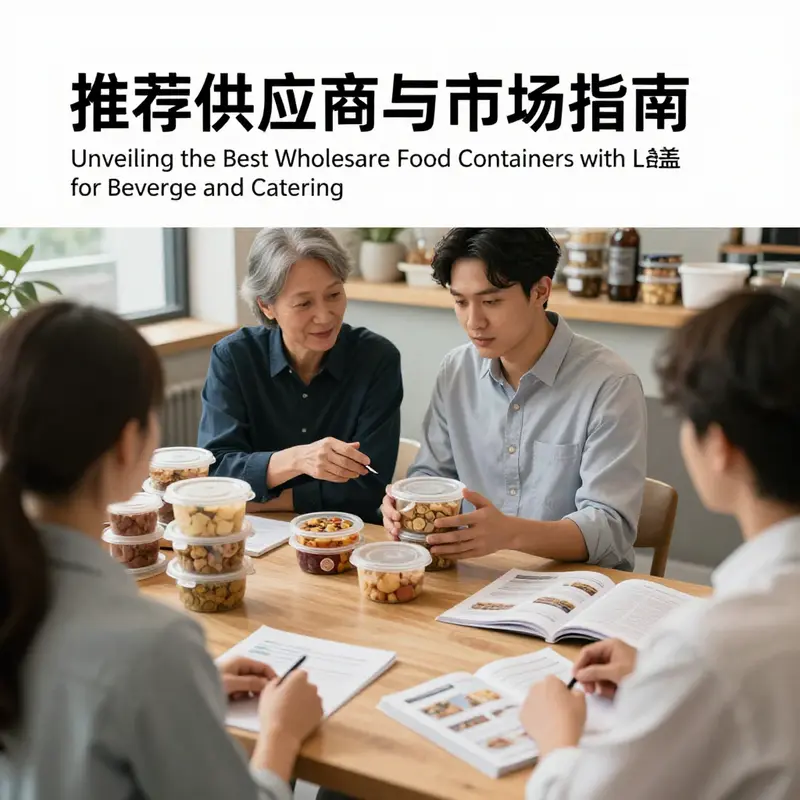
A wholesale market for lidded food containers sits at the intersection of material science, supply chain logistics, and brand storytelling. Buyers range from large caterers to growing brands, seeking plastic, glass, or paper-based options that fit performance, cost, and sustainability goals. The path from source to shelf emphasizes alignment of material properties, closure integrity, and logistics with end-use context.
Plastic containers balance weight, durability, and versatility. Common families like polypropylene and certain polyethylenes offer a wide size range and good stackability, but not all plastics provide true leak resistance without a proper gasket or locking mechanism. The choice of lid—snap-fit, screw cap, or tamper-evident seal—often matters as much as the body.
Glass containers convey premium appearance and inertness, with excellent odor control and cleanability, but heavier and pricier, which narrows the market to premium segments and controlled environments. Lid compatibility and thermal tolerance are critical for hot-fill or microwaving use cases.
Paper-based and fiberboard containers offer low unit costs and strong compostable credentials for single-use contexts, but end-of-life outcomes depend on local recycling streams. For wholesale buyers, matching service models to operating needs is key: single-use paper for fast turnover, or durable plastics and glass where reusability or perceived quality matters.
Across material families, sustainability and lifecycle considerations guide purchasing. Buyers seek suppliers with clear lifecycle and cleaning guidance, and customization options that align with branding and logistics. OEM/ODM capabilities—branding, labeling, tailored dimensions, and closure features—enable scalable packaging ecosystems that support marketing and efficiency.
To translate these insights into action, buyers map use-case spectra (dry storage, ready-to-ship meals, hot-fill), specify lifecycles (single-use vs multi-use), and verify certifications, traceability, and lead times. Transparent pricing, reliable freight, and consistent performance help ensure a smooth path from supplier catalogs to shelf-ready products.
null
null
Final thoughts
In conclusion, selecting the right food containers with lids is crucial for any food service business looking to optimize efficiency and maintain product quality. From understanding the various materials and their applications to recognizing important procurement factors, each aspect contributes to a successful operation. As sustainability continues to rise in importance, businesses must also prioritize eco-friendly solutions to meet consumer demands. By partnering with trusted suppliers and embracing innovative packaging options, food service providers can not only enhance their offerings but also lead the industry toward a greener future.