
As the world becomes increasingly aware of environmental issues, businesses are proactively seeking eco-friendly alternatives. World Centric’s NoTree Paper Hot Cups, available in a convenient 20-count pack, represent a significant step towards sustainability in disposable tableware. These compostable hot cups, crafted from renewable sugarcane fiber, are tailored for businesses in the beverage industry, such as bubble tea shops, restaurants, food trucks, catering services, event planners, and corporate procurement teams. In this exploration, we dive into the environmental benefits, material composition, practical applications, purchasing options, and a comparative analysis with other disposable cups, highlighting why these innovative cups should be an essential component of a planet-conscious operation.
From Renewable Fiber to Circular Waste: The Environmental Promise of 20-Count Compostable Hot Paper Cups
A steady shift is taking place in the world of single-use drinkware. Cafés, offices, and event spaces are increasingly considering what happens after the last sip, not just what happens in the cup’s brief moment of use. This is more than a trend; it is a rethinking of material choices, end-of-life pathways, and the broader systems that connect consumer behavior to environmental outcomes. At the heart of this shift is a class of hot cups designed to replace plastics and foams with materials drawn from renewable sources and engineered to rejoin natural cycles after a moment of service. In practical terms, these are cups made from rapidly renewable, unbleached plant fibers and lined with a plant-based coating. They are designed to perform well with hot beverages, to be comfortable in hand, and to offer a pathway toward a more circular waste system. The significance of this design lies not in one attribute alone but in the way the combination of feedstock, manufacturing choices, and end‑of‑life options align to reduce environmental impact across the cup’s lifecycle.
Material choices matter in ways that are easy to overlook. The core of these cups is a renewable feedstock—unbleached sugarcane fiber—that grows quickly in tropical climates and can be harvested with relatively low inputs compared to some traditional timber sources. This fiber forms a strong, heat-tolerant structure capable of handling hot liquids while remaining lightweight. The interior lining, a plant-based coating, typically derives from polylactic acid (PLA) or other bio-based polymers. The result is a product that performs like a conventional hot cup but rests on a different energy and resource paradigm. The move away from forest-derived pulps toward non-tree-based materials reduces the direct demand for timber in beverage ware. In practice, this can translate into lower fossil fuel consumption during manufacturing, as well as reductions in the greenhouse gas emissions associated with long-distance storage and supply chains when the materials are sourced locally or regionally where possible.
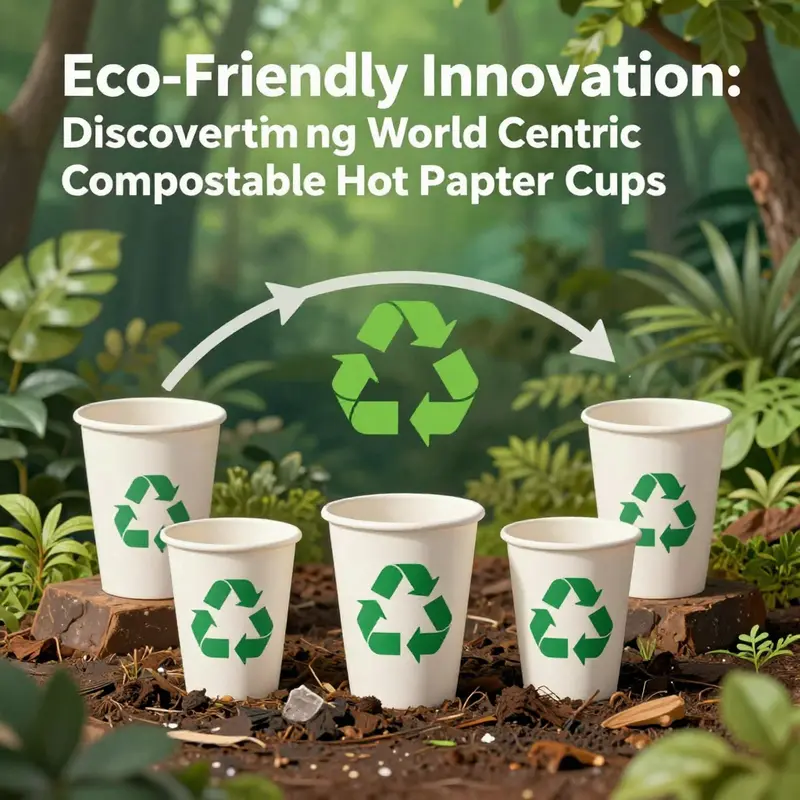
The environmental story extends beyond the raw materials. When these cups reach the end of their service life, the design intent is not to seed another problem in a landfill, but to close a loop. Compostability is the central feature that elevates them from a disposable option to a potential contributor to soil health. In an industrial composting setting, the cups break down into nutrient-rich organic matter within a matter of months. This closed-loop aspect is the linchpin of their environmental appeal. Rather than occupying valuable landfill space for decades, the cups are transformed into compost that can support plant growth and soil structure. This is the practical embodiment of circular economy principles: materials are designed to be reused or transformed rather than discarded, and they re-enter natural systems in a way that reduces the need for newly extracted virgin resources.
It is important to acknowledge the realities of current waste infrastructure. Industrial composting facilities are the intended end-of-life destinations for these cups. Home composting generally does not reach the temperatures or processing conditions required for reliable breakdown, so the household waste stream cannot be assumed to deliver the same environmental benefits. The success of this approach depends on clear labeling, consumer understanding, and access to appropriate composting facilities or municipal programs. When these cups enter the right kind of facility, the environmental advantage compounds: less waste, less contamination of landfills, and a more efficient return of organic matter to the soil. The closed-loop potential becomes tangible when businesses integrate compostable cups into a broader packaging strategy that includes composting partnerships, consumer education, and clear guidance on disposal.
The lifecycle perspective casts a broader light on the tradeoffs and benefits. Compared with conventional disposable cups, the renewable feedstock path and plant-based lining can lower reliance on fossil fuels and reduce emissions associated with plastic production and resin processing. Even when a direct reduction in emissions is difficult to quantify in isolation, the systemic benefits are clearer. Materials that deposit nutrients back into the soil can support urban agriculture, green spaces, and soil health, while reducing the environmental burden of waste management. In this sense, the 20-count format often chosen by small businesses, offices, or events becomes more than a convenience—it serves as a controllable unit within a waste-avoidance and soil-enrichment system.
Practically speaking, brands and retailers adopting compostable hot cups also navigate the reality of consumer perception and operational logistics. Clear communication about what happens after the cup is used helps customers connect their daily choices with planetary health. Labeling, educational signage, and staff training become part of the product’s value proposition. In turn, this can influence customer expectations and drive broader conversations about waste streams, composting participation, and the alignment of product design with community waste management capabilities. The packaging ecosystem, in which the cup sits, matters as much as the cup itself. A well-integrated approach—where the cup, the lid, and the associated takeout packaging are designed for compatible disposal pathways—amplifies the environmental dividend.
The internal logic of this approach lends itself to practical exploration for any business seeking to refresh its beverage service. Consider the balance between performance and sustainability: the cup must withstand hot liquids, resist leakage, and offer a comfortable grip while standing up to the rigors of delivery or in-store service. This is where plant-based coatings and carefully chosen fiber blends come into play. They provide the necessary barrier properties and heat tolerance without resorting to traditional petrochemical resins. The 20-count format adds a layer of operational practicality. For small teams, a compact, predictable quantity per shipment or per event simplifies inventory, reduces overstock, and supports more precise waste planning. In settings like office break rooms, cafes, or small food-service operations, small-format packs can be a sensible entry point for pilots that test composting participation and consumer engagement without overwhelming the waste stream.
From an architectural viewpoint, integrating this cup type into a broader sustainability strategy means aligning procurement with waste management capabilities. A company might pair the cups with recycling or composting partners and with signage that clearly communicates disposal options. The goal is to minimize contamination, which is a practical barrier to optimal composting outcomes. Contamination can undermine the quality of the resulting compost and complicate facility operations. Therefore, user education, clear compostability certifications, and consistent labeling are essential components of success. In this sense, the cup becomes not only a consumer-facing product but a focal point for a supply chain that celebrates responsibility, transparency, and measurable environmental performance.
For organizations exploring compatible containers that extend the same circular logic into other food-service applications, there are related takeout packaging solutions worth examining. A representative option in the wider ecosystem offers similar principles of renewability and end-of-life clarity. This example highlights how the packaging family can work together to maintain performance while reducing environmental impact. It is not merely about one product; it is about a coherent set of choices that enable a business to deliver on sustainability promises with integrity. eco-friendly-disposable-3-compartment-food-grade-packaging-box-for-fast-food-high-quality-takeout-boxes-for-fried-chicken-french-fries-packaging
The story of these cups, then, rests on three pillars. First, renewable resources and plant-based coatings reduce the lifecycle fossil fuel footprint and can lower greenhouse gas emissions during manufacturing. Second, the material and design support a compostable end of life that redirects organic waste from landfills and nourishes soil in industrial facilities designed for such processing. Third, the combination of a manageable pack size and clear disposal pathways helps integrate sustainable expectations into daily practice, making it easier for a business to scale its environmental commitments as it grows. This triad—renewable feedstock, compostable end-of-life, and practical packaging design—forms a coherent approach to reducing the ecological footprint of beverage service without compromising user experience.
Against this backdrop, it is useful to keep sight of the broader social and policy contexts that shape adoption. Municipal and regional waste programs increasingly prioritize compostable packaging as part of waste diversion goals and climate action plans. Businesses that align with those goals often find additional benefits in stakeholder engagement and community perception. The potential for these cups to contribute to a circular economy depends not on the cup alone but on the infrastructure and the social will surrounding disposal habits. When communities invest in accessible composting facilities and when businesses communicate disposal options in ways that resonate with customers, the environmental advantages multiply. In that sense, the 20-count cup becomes a practical, replicable unit within a larger system that values resource stewardship and soil health, rather than a disposable abstraction that fades into a landfill narrative.
As this narrative unfolds, the reader is invited to imagine the cup not as a single-use object but as a participant in a living system. Its fiber comes from a renewable harvest, its coating embodies a plant-based chemistry, and its afterlife is intended to enrich composted soil rather than contribute to waste. The promise is measurable through changes in material sourcing, manufacturing energy profiles, and end-of-life outcomes when composting is accessible and properly utilized. Yet the more subtle gains—consumer awareness, corporate accountability, and community resilience—often travel alongside the tangible metrics. They are the undercurrents that push many businesses toward a more deliberate, transparent, and responsible approach to everyday packaging. By placing a small cup within a broader sustainability conversation, practitioners can illuminate pathways toward reduced environmental impact, stronger local waste-infrastructure partnerships, and a culture that treats waste as a resource rather than as an inevitable byproduct of consumption.
External resource: For more detailed information on the compostable hot paper cup design and end-of-life considerations, see the official page. https://www.worldcentric.com/products/compostable-hot-paper-cups-20-12-oz
Material Composition of Hot Paper Compostable Cups
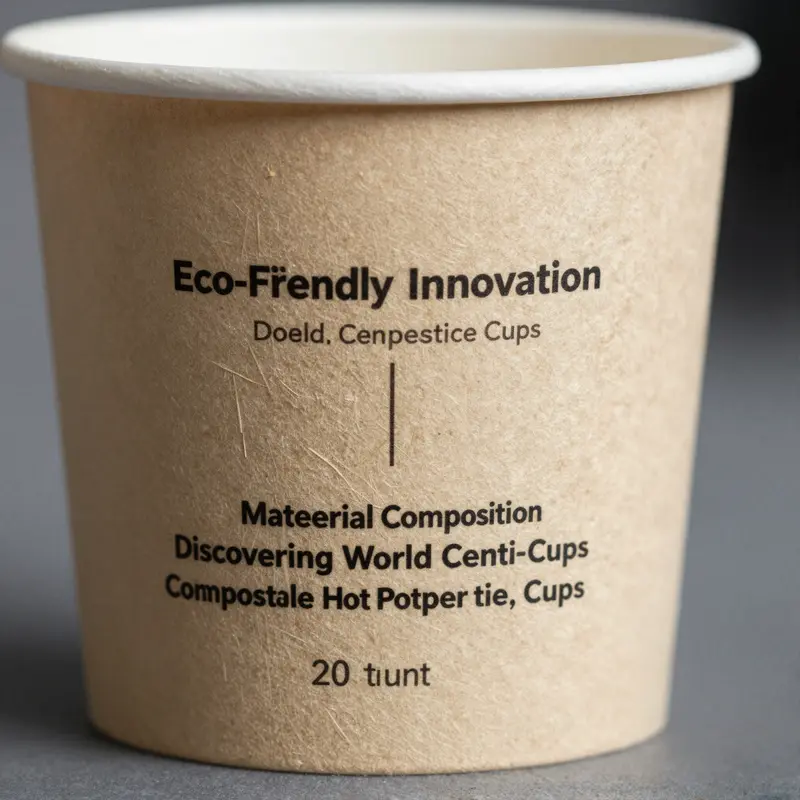
This chapter examines the material makeup of hot paper compostable cups, focusing on the fiber body and the barrier lining. It explains how post-consumer recycled paper can reduce virgin fiber use while PLA-based coatings enable heat resistance and moisture control. It also discusses compostability in industrial facilities, limitations of home composting, and the importance of certifications in validating environmental claims. The chapter notes the tradeoffs between rigidity, heat tolerance, and end-of-life pathways, and highlights how packaging scale, supply chains, and waste infrastructure influence real-world outcomes for these cups.
null
null
Sourcing the Planet-Friendly Heat: Availability and Purchasing Pathways for 20-Ounce Compostable Hot Cups
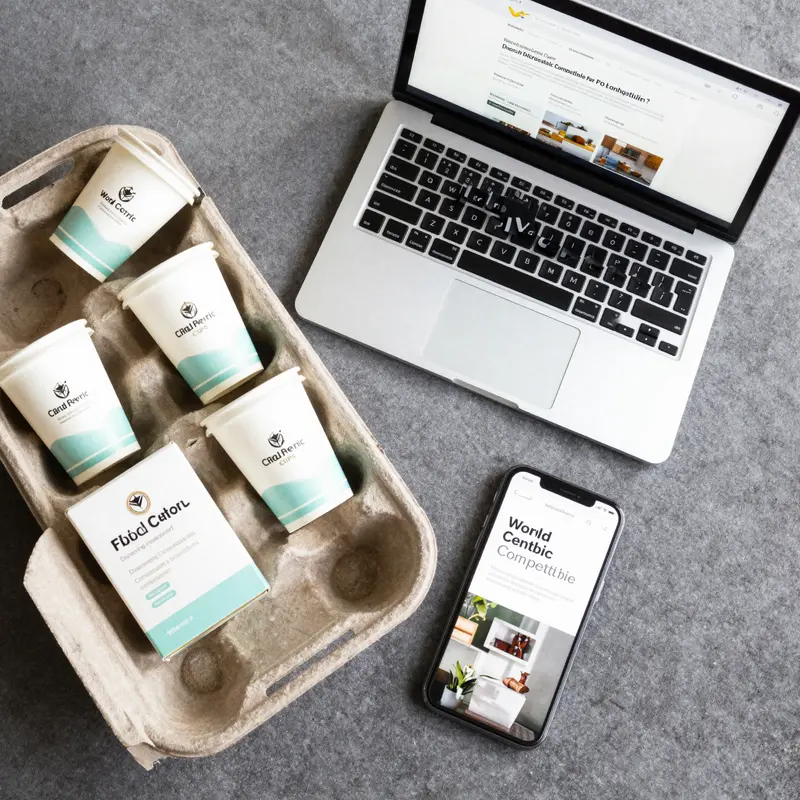
A shift is underway in how hot beverages are served and disposed of, especially for cafés, offices, and events that aim to reduce waste without sacrificing user experience. The availability of compostable hot cups in a 20 oz size, packaged in modest 20 cup counts per case, reflects a growing expectation that single use items can be both functional and responsible. These cups are designed to perform under the heat of coffee and tea, while aligning with a broader ambition to divert waste from landfills. The material story is straightforward but meaningful: cups crafted from rapidly renewable fibers sourced from plant materials, with a lining that keeps contents in check and temperatures comfortable for the user. The emphasis is on materials that avoid tree-based fibers and opt instead for agricultural byproducts and similarly renewable feedstocks. In practice, this combination creates a product that not only holds a hot beverage but also carries a message about stewardship for the planet. The practical reality for buyers is that availability hinges on a network of producers and distributors who manage the complexities of sourcing, manufacturing, and delivering packaging that is certified as compostable in the right facilities. For businesses that want to try a different approach to waste, this category of cups presents a tangible option that can fit into existing beverage programs with minimal disruption, provided the procurement path is clear and reliable.
In terms of purchasing pathways, the common routes include direct-from-manufacturer channels, specialized wholesalers, and major online marketplaces that frequently carry a range of compostable foodservice items. When evaluating these routes, buyers weigh factors such as lead times, minimum order quantities, packaging densities, and the consistency of supply. A typical case size for a 20 oz compostable hot cup is 20 cups, a format that supports controlled inventory management and predictable usage. This arrangement helps businesses keep a steady flow of cups on hand without overcommitting storage space or capital. Another practical consideration is heat tolerance. Because these cups are intended for hot drinks, they must maintain structural integrity under elevated temperatures and resist leakage while still providing a user friendly experience. A plant based lining contributes to the sustainability story, but it also requires a careful match with the intended beverages and any potential interactions with sleeves, lids, or add ons used in service settings. Vendors frequently highlight the compostability claim as a key differentiator, noting that the cups are designed to break down in commercial facilities that process compostable packaging. This distinction matters for operators who want to ensure that their waste streams align with municipal or third party composting programs.
Pricing, of course, matters. A current price point for this kind of product can be found in the market as approximately three hundred eighteen dollars per case. That translates to a cost per cup that must be weighed against the environmental benefits and the operational realities of a given business. For some operations, the premium is justified by a credible sustainability narrative, the credibility of the composting claim, and the opportunity to communicate a clear environmental commitment to customers. For others, price sensitivity may steer choices toward slightly different packaging configurations or combinations with other compostable items to optimize overall waste reduction. In practice, buyers often perform a simple calculation: the incremental cost per cup versus the value of diverting a portion of waste from landfills, plus the reputational gain of offering greener options to a base of regular customers who increasingly seek responsible choices.
Availability is not uniform across all regions. While large markets often have faster access to a broad array of compostable hot cups, smaller cities and rural areas may experience longer lead times or more limited supplier options. This disparity stems from the breadth of distribution networks, the capacity of facilities to handle compostable products, and the cadence of shipments from producers to distributors. For the buyer, this means that planning matters. Anticipating peak periods such as back-to-school seasons, holidays, and resort seasons can reduce stockouts. It also means that establishing a preferred supplier relationship, with clear expectations around order cycles, lead times, and return or exchange policies, can smooth out the procurement process.
Education also plays a role in optimizing availability. Even when a supplier can deliver, customers benefit from understanding the proper downstream handling of these cups. The compostability claim is strongest when end users actually place items in the correct facilities rather than in municipal streams that do not process compostable packaging. This is not a reflection on the product alone but on the ecosystem in which it operates. Operators who take the time to inform staff, customers, and facilities partners about composting requirements often notice improved diversion rates and a more consistent feedback loop with their waste haulers. The result is a more reliable waste management outcome and a stronger sustainability narrative that accompanies the product’s practical use.
From a purchasing perspective, the availability and purchasing options for a 20 oz compostable hot cup are shaped by the relationship between material composition, certification status, and the realities of distribution. A dependable supply chain will articulate the product’s material sourcing in terms of renewable feedstocks, the process by which the plant based lining is applied, and the steps that ensure performance under hot beverage conditions. Certification to compostability, when clearly defined, gives buyers a framework to communicate with facilities and customers about what is expected at end of life. The best vendor partnerships provide transparency about minimum order quantities, packaging configurations, and the ability to tailor packaging to match a business’s service models, whether operating in a high-volume cafe, a campus dining hall, or a corporate office setting.
For readers who want to explore a concrete example of the kind of purchasing pathway that aligns with the broader article topic, a practical option is to regard a 20 oz compostable hot cup as part of a broader assortment of single-use items designed to reduce waste and simplify service. The key is to connect product specifications to operational realities: hot beverage compatibility, reliability during service, and compatibility with lids and sleeves commonly used in the sector. When these elements align, availability becomes less about chasing a single item and more about entering a reliable supply arrangement that can scale with growth. In that sense, the journey from supplier to service counter becomes a coordinated effort that supports a more sustainable hospitality or workplace experience.
To illustrate a concrete example within this availability framework, consider exploring the broader ecosystem of disposable cups that share similar material and performance traits. For buyers curious about packaging density and unit economics, a practical reference point is a disposable paper cup lineup offered in various counts and sizes. The 20 oz format remains a popular choice for hot beverages and often sits alongside other sizes that suit different beverage volumes. Asterisks of information such as case count, material composition, and end-of-life pathways should be reviewed together to build a procurement plan that is coherent across all beverage service touchpoints. The aim is not merely to secure a single product but to assemble a reliable portfolio of compostable options that can be integrated into daily operations with minimal friction and maximal environmental impact.
For ease of exploration, readers can look into a representative product page that showcases this packaging category. The page provides details on size, count per case, material makeup, and the compostability framework. It can serve as a useful touchstone for evaluating what to expect from similar offerings and how to align procurement with sustainability commitments. In this context, the purchasing journey becomes a structured process, one that combines product knowledge with supplier reliability, logistical practicality, and a clear sense of the environmental value being pursued. In practice, a well-planned procurement approach preserves operational flow, supports waste diversion goals, and communicates to customers that the business is serious about reducing its footprint without compromising the experience of enjoying a hot drink.
As you consider long-term sourcing strategies, remember that availability is not merely about stock on a shelf. It is about the ability to maintain a consistent service standard and to demonstrate a credible, verifiable commitment to sustainability. This means selecting suppliers who can provide consistent product quality, transparent material sourcing information, and reliable delivery timelines. It also means building relationships that support scalability, so as demand grows or shifts, the supply can follow without major price fluctuations or disruption. The result is a procurement framework that sustains both business needs and environmental responsibilities, allowing a cafe or office program to offer hot beverages with confidence that the end life of the cup aligns with composting goals and the broader aims of circular economy thinking.
For those seeking a starting point within the ecosystem, an internal reference point can be found in a catalog of disposable cups that highlights common sizes, materials, and packaging configurations. This resource can help buyers compare options and frame discussions with suppliers. A practical step is to identify a preferred supplier who can provide a clear breakdown of the product’s compostability certifications, expected performance under heat, and the logistics that support timely deliveries. With these pieces in place, availability ceases to be a hurdle and becomes a reliable component of a sustainability oriented beverage program.
If you want to see a user friendly example of packaging options in action, you can explore related offerings that accompany disposable cups in the same family. The browsing experience can reveal how a given container integrates with lids, sleeves, and other accessory items, creating a seamless service workflow. The overarching objective is to ensure that the purchasing pathway supports responsible consumption, clear end-of-life practices, and a memorable user experience that does not compromise convenience. The procurement narrative then becomes not just about buying cups, but about embedding a sustainable practice into daily operations.
Internal link for quick reference to a practical packaging option in this space can be consulted here: 20-50-200pcs disposable paper cups. This resource offers a snapshot of the scale and format that many buyers find workable for test runs or ongoing programs, illustrating how packaging density influences both cost efficiency and waste management outcomes.
In summary, availability and purchasing options for a 20 oz compostable hot cup revolve around a few core themes: renewable material composition that supports heat resilience, credible compostability framing that aligns with commercial facilities, practical case quantities that support steady service, and a procurement approach that prioritizes reliability and transparency. When these threads are woven together, buyers gain a clear path from consideration to service counter, enabling more venues to offer hot beverages with a reduced environmental footprint without sacrificing quality or customer satisfaction.
External resource for further context on compostable cup options and certification guidance can be found here: https://www.worldcentric.com/products/notee-paper-hot-cups-20-oz-natural/
Rethinking Hot Paper Cups: Compostable, Renewable Fiber Solutions for 20-Count Packaging
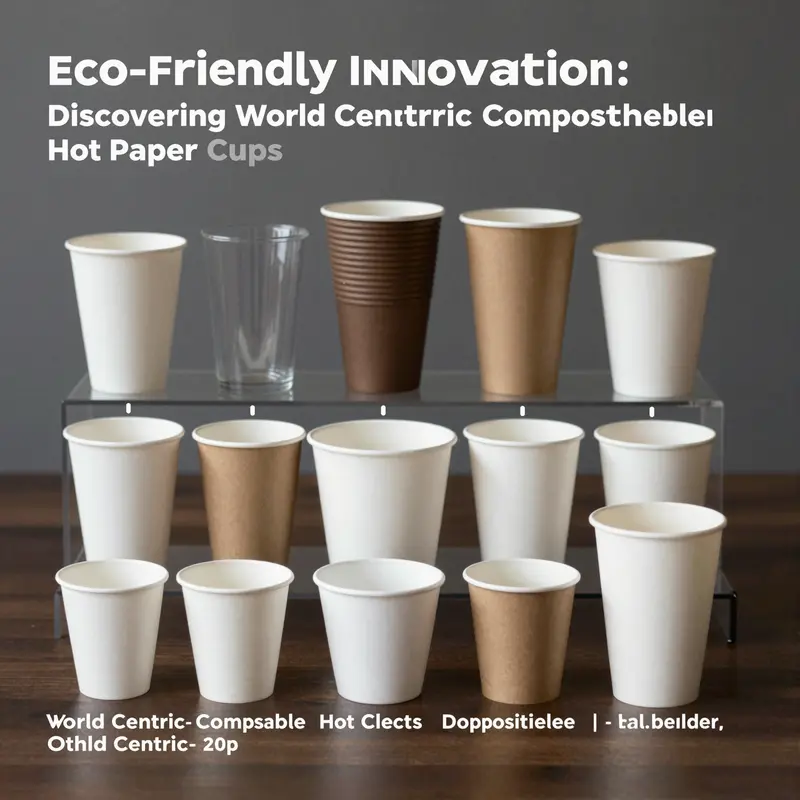
The shift away from traditional disposable cups toward compostable, renewable-fiber options has become a central thread in conversations about how to serve hot beverages with a lighter environmental footprint. In environments that rely on takeout and on-premise service, the 20-count box of hot cups represents more than a simple supply item. It is a tangible decision point about whether a business will invest in materials that can re-enter natural cycles after use, rather than linger in landfills for decades. The case for renewable-fiber, plant-based-lined cups rests on several interlocking advantages: they start from rapidly renewable resources, they use a barrier layer derived from plant chemistry rather than fossil fuels, and they promise a coherent end-of-life path when processed in the right facilities. In practical terms, these cups offer a credible path to shorten and de-risk the lifecycle of a common service item—hot beverages—without forcing concessions on performance or safety. They are designed to accommodate the heat of coffee and tea, while remaining sturdy enough to manage the movement and handling typical of bustling cafes and busy offices. The core concept is straightforward: replace tree-derived materials and petroleum-based linings with a composition that begins with a renewably sourced pulp and ends with compostable residues under properly managed conditions. This is not merely an ethical aspiration; it is a design choice grounded in material science, supply-chain transparency, and a nuanced understanding of end-of-life infrastructure. The 20-count packaging format is particularly important here because it is a size frequently chosen by offices, events, and small to mid-sized venues. It signals a balance between inventory practicality and environmental ambition. In many customer environments, a 20-count tray of cups aligns with typical service runs, reducing waste from overstock while still enabling quick replenishment during peak periods. The disruption to conventional usage patterns—where plastic-lined cups burn through energy-intensive plastics and create long-lived waste—can be mitigated by selecting alternatives built from plant-based, compostable streams. The fundamental materials story matters because the cup’s performance is inseparable from its composition. A modern hot cup made from unbleached sugarcane fiber, reinforced with a plant-based lining, can deliver reliable heat resistance, lid compatibility, and leak prevention without relying on petroleumbased coatings. The sugarcane fiber supply, often a byproduct of a broader agricultural cycle, contributes to a lower net environmental impact by avoiding tree harvesting. The plant-based lining, often derived from polylactic acid (PLA) chemistry, creates a functional moisture barrier and grease resistance without resorting to traditional fluorinated or petroleum-based barriers. In practice, this combination allows the cup to be composted industrially, where high temperatures accelerate the breakdown process, ultimately yielding water, carbon dioxide, and organic matter that can enrich future soil. Yet the end-of-life story is not universally simple. Industrial composting facilities vary by region and capability, and not every curbside program accepts compostables. The health of the composting stream depends on proper separation, consistent feedstock, and public willingness to participate in composting programs. When a consumer tosses a hot cup into a general waste bin, the opportunity for composting is lost. For this reason, education and clear labeling matter as much as the material chemistry itself. A properly designed compostable cup can travel through a well-managed system and complete its loop within a timeframe of months, rather than lingering for years in a landfill. The difference is meaningful in the decision calculus of a business, where the cost of disposal, the company’s branding story, and the anticipated environmental impact influence procurement and supplier selection. As a result, a 20-count hot cup crafted from renewable resources with a plant-based bio-lining represents a strategic intersection of practicality and responsibility. It answers the basic questions most buyers ask: Will it hold up under heat and handling? Will it create a reliable seal with our lids? Will it break down in a way that supports a circular approach to packaging? And crucially, will it fulfill a consumer expectation that the business is investing in better materials rather than merely lowering upfront costs? To address these questions, many suppliers emphasize a few non-negotiables: heat tolerance and leak resistance must be robust enough for long pours and busy service; the product must avoid harmful coatings or additives that could migrate into drinks or soils; and it must be verifiably compostable under a recognized standard. The Biodegradable Products Institute (BPI) is a common reference point for certification, a signal that a product has demonstrated compatibility with industrial composting processes. Such third-party verification helps remove ambiguity between marketing claims and real-world behavior. It is a crucial detail for buyers who want to compare compostable options across brands, particularly when evaluating the performance of hot cups intended for high-demand environments. In addition to certification, the material story itself is persuasive: the full lifecycle—from rapidly renewable feedstock through to end-of-life outcomes—should align with an organization’s sustainability narrative. The choice to use unbleached sugarcane fiber reduces the reliance on chlorine-intensive pulping and supports a more transparent supply chain. The plant-based lining keeps the barrier functional without recourse to petroleum-based plastics, which have become a focal point in discussions about microplastic leakage and long-term pollution. From a consumer safety perspective, formulations free from PFAS and similar fluorinated compounds are increasingly expected for grease resistance and heat resilience. While no packaging material is entirely without impact, a careful balance can be struck where the performance envelope is preserved, and the end-of-life impact is minimized when facilities exist to process the material efficiently. The overall performance narrative for these cups tends to emphasize practical equivalence with conventional hot cups in everyday use. They must be leak-proof enough to prevent mishaps, rigid enough not to collapse under the weight of a hot beverage, and easy to grip. A well-executed design achieves all of this while using a barrier system that is chemically compatible with the composting stream. The 20-count format supports operational efficiency and visibility in the supply chain. It enables cafés and offices to manage inventory in consumable quantities, reducing overstock and the possibility of obsolete stock. It also simplifies analytics for sustainability teams who track waste streams and supplier performance. The upstream choices—renewable materials, plant-based linings, and certifications—couple with downstream realities, which include consumer behavior and local composting capabilities. A truly sustainable cup is not just about manufacturing; it is about a chain of decisions that begins with sourcing and ends with soil. In this sense, the material story becomes a business case as well. When buyers articulate a clear strategy around compostable service ware—one that includes employee training, signage, and customer education—they unlock opportunities to improve waste diversion rates. They can align with broader sustainability goals, demonstrate accountability to stakeholders, and position their brand as a thoughtful participant in a circular economy. The consumer experience matters as well. A cup that performs consistently in hot and mobile contexts reduces the friction that can derail composting efforts. If a cup fails to deliver predictable performance, it can erode trust in the entire category. Conversely, a reliable cup supports a seamless service experience, where customers enjoy a hot beverage without concern for leaks, spills, or compromised quality. In many fleets and cafés, the transition to renewable-fiber cups is accompanied by a broader shift toward responsible packaging ecosystems. This includes better labeling, clearer disposal instructions, and sometimes partnerships with local composting programs. The net effect is a small but meaningful improvement in how a business speaks to environmental stewardship in the crowded landscape of disposable service ware. For buyers evaluating options, it is worth remembering that the most effective solution often involves more than a single product line. It is about how the cups fit into a holistic packaging strategy that prioritizes renewables, recyclability where possible, and robust end-of-life pathways. Within that framework, the 20-count hot cup can become a reliable workhorse for venues that need durable, safe, and compostable service ware. It is a tangible example of how material science and supply-chain ethics intersect in everyday procurement decisions. To explore related packaging options that share a similar philosophy—active in the same space of sustainable takeout and service ware—readers can examine further resources on eco-friendly takeout boxes for food packaging, which illustrate how design principles translate into practical, scalable packaging systems. eco-friendly takeout boxes for food packaging. While this chapter centers on cups, the broader takeaway is that sustainability in single-use service ware is a system problem. It involves materials, processes, disposal infrastructure, consumer habits, and corporate responsibility working in concert. As more facilities expand their composting capabilities and more brands disclose lifecycle data, the path toward truly circular packaging becomes clearer. The 20-count format, with its renewables-based composition and plant-based barrier, embodies a practical step along that path. It is not the final answer, but it is a credible and increasingly common component of sustainable beverage service. External references and real-world demonstrations can often reinforce the value proposition for organizations considering this transition. For a broader look at how retailers and restaurants balance performance with responsibility, see the external resource linked here as a reference point for ongoing conversations in the packaging space: https://www.amazon.com/dp/B08X7ZQJH6
Final thoughts
In striving for a sustainable future, the choice of disposable tableware can significantly influence a business’s environmental impact. World Centric’s NoTree Paper Hot Cups offer an innovative and compostable alternative that aligns with eco-conscious goals. As we explored, these cups not only provide practical solutions for various beverage applications but also demonstrate a commitment to reduce waste. Businesses across sectors can take pride in their contribution to the planet’s well-being by adopting these sustainable cup options.