
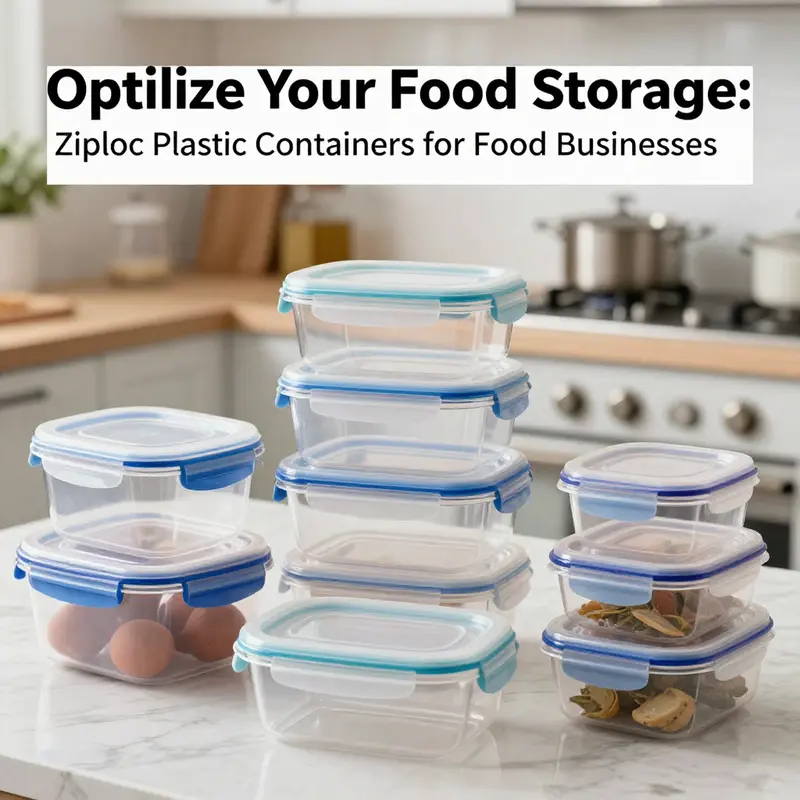
Food service providers such as bubble tea shops, restaurants, and catering services prioritize efficient food storage solutions for maintaining quality and safety. The Ziploc Plastic Food Storage Container Set (Clear Pack of 2) offers a practical and versatile choice tailored to meet these needs. This article delves into the product’s features, usability, safety, and consumer preferences, providing an in-depth understanding of how these containers can enhance food storage practices in various culinary settings.
Clarity, Capacity, and Convenience: A Deep Dive into the Clear Square Storage Duo

A kitchen is a space that rewards order, and a good storage solution acts as both a quiet helper and a silent partner in daily routines. When the containers you reach for every day are transparent, square in shape, and built to seal with confidence, they become more than mere receptacles; they become a system. The clear square storage duo, as described in the product line, embodies this idea with a clean, unobtrusive design that sits calmly in the refrigerator, the freezer, and even the dishwasher. Its understated simplicity masks a thoughtful approach to how we store, identify, and reuse food items week after week. At the core, these containers are defined by three promises: visibility, capacity, and resilience. Each container offers a generous 3-liter capacity, a size that is versatile enough for leftovers, meal-prep portions, or bulk items that would otherwise cling to air and waste space in the back of a shelf. The 3-liter standard is not just about volume; it’s about a practical sweet spot that fits the realities of modern kitchens—typically enough to hold a couple of meals for a family of four or a substantial batch of ingredients for a week’s lunches, while still remaining compact enough to slide into a standard fridge or cabinet without crowding the way larger, bulkier options often do. The dimensions—6 inches in length, 6 inches in width, and 5 inches in height—contribute to this balance. They are square and uniform, allowing these containers to stack securely and neatly, forming a tidy column along a shelf or nesting inside one another when not in use. The result is a storage system that encourages smart planning without demanding more space than a typical home has to spare. The focus on a clear, transparent design matters in two practical ways. First, visibility reduces the number of times you open and close containers just to check what’s inside. It cuts down on handling and helps you make quicker decisions about what to eat, what to plate, and what to freeze for later. Second, translucence makes it easy to assign a quick label if needed, or to notice condensation and moisture that could signal the need for a check on storage conditions. This clarity translates into less guesswork and less waste, because you can see at a glance whether leftovers are still good or should be moved to a different container for safer storage. The second core promise is capacity—the 3-liter size isn’t revolutionary on its own, but its execution matters. The square silhouette optimizes space efficiency. In the typical kitchen, every inch of shelf and fridge space counts, and a uniform, square profile helps you arrange containers in neat rows, like little architectural blocks. This is especially valuable in refrigerators and communal storage areas where height constraints and the existing layout can restrict how you organize food. The square shape also contributes to stability. When you stack, you want a solid base and a lid that aligns cleanly with precision. The lids in this system lock into place with a snap closure that ensures a secure seal, mitigating spills and reducing the chances of cross-contamination from leaks. A good seal matters not only for flavor and freshness but for safety. When food stays contained, it also stays out of reach of the damp, odorous air that can creep through the kitchen. The closure system is designed to be user-friendly, enabling quick access during busy mornings and calm evenings alike. The third pillar—resilience—draws together material choice, construction, and everyday usage. The containers are made from food-grade plastic designed to withstand the daily rhythms of a busy family kitchen. The material choice emphasizes durability and ease of maintenance, while the shatterproof claim asserts a level of toughness that matters when containers are pulled from the fridge, knocked by a cabinet door, or stacked into a dishwasher. It’s a practical reassurance: even when a container takes a tumble, it’s less likely to crack or shatter compared with lower-grade options. This resilience dovetails with convenience in two important ways. First, it makes the set more reliable for households with energetic children or busy schedules where minor accidents happen more frequently than the perfectly staged kitchen scene would suggest. Second, it supports the long-term value of a reusable system. A durable, easy-to-clean container encourages ongoing use, which, in turn, foregrounds sustainability by reducing dependence on single-use alternatives. The practical features extend beyond the basic shell. The design is explicitly intended to simplify everyday tasks. The snap closure provides a reliable seal with tactile feedback—an audible click and a firm press that reassures you the container is properly sealed. The containers are dishwasher safe, which saves time and effort. After meals, you can load them into the dishwasher’s racks without worrying about removing lids or disassembling components beyond the obvious. The lid remains part of the same secure system, minimizing loose parts and the risk of misplacing elements that often plagues cluttered kitchen drawer spaces. In addition to everyday dishwashing, the clean lines and smooth surfaces of the containers make them forgiving to clean by hand when needed. Food particles can be stubborn, but the simplicity of the design means there are few crevices for residue to hide, which supports good hygiene and makes maintenance less of a chore. The note about safety and versatility is important here. While the core specification highlights dishwasher safety, the broader product family to which these containers belong commonly includes microwave and freezer compatibility as well. This combination broadens the use cases from simply storing leftovers to active meal preparation and quick reheating. It’s not just about keeping food fresh; it’s about enabling efficient kitchen workflows. For instance, a batch of roasted vegetables can be portioned into several 3-liter containers, sealed, and stored in the refrigerator until the week’s meals are planned. On days when time is tight, the same containers can be heated to reheat portions directly, with the caveat that the user should follow standard microwave guidelines, such as removing lids and using appropriate reheating practices to ensure even heating and to protect the container’s integrity. The practical value of this design rests on small, cumulative benefits. A kitchen that uses a clear storage duo like this gains speed and predictability. You can scan shelves and quickly identify what’s available, which reduces the tendency to double-store or waste items that have faded into the back of the fridge. For meal-preppers and families who cook in batches, the ability to allocate 3 liters per container becomes a reliable rule of thumb. It’s enough for a couple of servings of a main dish, a few servings of grains or legumes, or a partial batch of chopped fruit for a week’s breakfasts. The system’s ease of use means it becomes a default habit rather than a mental load. In practice, the value rests not only in what the containers can hold but in how they integrate into daily life. The clear exterior means you don’t need to label every container with tape or markers if you don’t want to. Yet, for those who prefer precision, a simple labeling strategy can be implemented on the lid or the side—made easy by the absence of busy patterns that might interfere with legibility. The design also supports a calm, organized kitchen aesthetic. When storage solutions are cohesive and predictable, the entire space feels more manageable. This is not about luxury; it’s about reducing friction and enabling better choices. The absence of unnecessary complexity in the set—two identical containers and two matching lids—means fewer parts to lose and fewer decisions to contend with during a chaotic morning. While the specifics here come from a representative product line, the underlying principles apply broadly to consumers seeking practical, durable, and adaptable storage that can handle real-life rhythms. If you’re reorganizing your fridge, creating a dedicated leftovers row, or building a weekly meal-prep routine, a pair of clear, square containers stands as a versatile core tool. They complement a wide range of ingredients, from dairy and cooked proteins to vegetables and grains, making it possible to transpose a menu from day to day with minimal friction. As with any storage solution, it is worthwhile to reflect on your own routines. Consider how often you need to reheat meals, how many portions you typically prepare at once, and the amount of space you have in your fridge and freezer. A system that matches those realities will be the most effective in the long run. In this sense, the clear square storage duo offers more than a capacity rating or a closure type. It embodies a thoughtful approach to everyday cooking, planning, and provisioning. It invites a disciplined yet flexible practice of how we handle food from prep to plate. And the transparency of the design—literally and metaphorically—serves as a visual reminder that organization, yes, can be simple, efficient, and even a little elegant. For details that confirm these general impressions, interested readers can review the official product listing, which provides additional context on materials and compatibility with common kitchen tasks: https://www.amazon.com/dp/B07V1W8KQJ
Clear-View Efficiency: How a Two-Piece Plastic Storage Set Elevates Everyday Kitchen Organization

Clear-View Efficiency: How a Two-Piece Plastic Storage Set Elevates Everyday Kitchen Organization
A kitchen often runs on the quiet rhythm of small, reliable tools. Among these, a modest two-piece set of clear plastic containers quietly anchors daily routines. It isn’t flashy, but it makes a tangible difference in how food is stored, found, and used. The beauty of this simple pair lies in its clean design, its predictability, and its ability to transform messy cabinets into organized spaces. When you can see what’s inside without opening every lid, you spend less time searching and more time enjoying meals. This is the essence of practical kitchen efficiency: visibility, reliability, and ease wrapped into a compact, versatile package.
The containers in question are designed to hold a generous three-liter capacity apiece, a size that hits a sweet spot for leftovers, meal-prep portions, and everyday staples. The dimensions—roughly six inches in length, six inches in width, and five inches in height—are not arbitrary. They fit neatly on standard refrigerator shelves and inside most drawers or cabinets, allowing a stackable, modular approach to storage. The clarity of the plastic means you can tell at a glance whether you’re looking at yesterday’s curry, a batch of chopped vegetables, or a portion of reheated grains. With frequent use, this visual advantage becomes a powerful ally in reducing food waste and supporting consistent meal planning.
Beyond visibility, the containers are built with a thoughtful seal that preserves freshness and guards against leaks. An airtight lid locks securely, creating a reliable barrier against external odors and moisture while keeping contents contained during transport. This is especially valuable for families on the go, for packed lunches, and for weekend trips when spill-proof confidence matters as much as content quality. The locking lids contribute to a calm, predictable routine: you know your meals are sealed, safe, and ready when you are. The result is less waste, less mess, and fewer reminders to clean up after a small kitchen disaster.
A key virtue of the design is its stackable nature. When not in use, the two containers nest neatly, and their lids align with the bases in a way that minimizes footprint. This is not just about saving space; it’s about enabling better organization. In a kitchen where every inch counts, the ability to stack containers vertically frees shelf or fridge real estate for other essentials. When you have a compact system that grows with your needs, you’re more likely to actually store, portion, and reuse rather than defaulting to single-use options. Over time, that simple practice contributes to a more mindful approach to eating and waste reduction, turning a small storage investment into a habit that pays off in the long run.
In terms of daily usability, these containers are designed to glide into several core activities that define modern home cooking. Leftovers are reimagined as ready-to-eat components rather than forlorn remnants. A plate of roasted vegetables or a bowl of pasta can be portioned into uniform servings that reheat evenly and maintain texture, thanks in part to the stable, rigid sides of the container. This uniformity is a quiet but meaningful advantage for meal-prepping rituals, where predictability is as valuable as taste. You’re less likely to snag a half-empty, awkwardly shaped box in the back of the fridge; instead, you reach for a tidy, transparent vessel that invites you to reheat, mix, or simply enjoy.
The versatility of the set extends to its capacity to hold liquids, dry goods, or solid foods with consistent results. Liquids stay contained when the lid is closed, while the airtight seal helps keep sauces from separating and odors from permeating other items nearby. Dry goods like chopped onions, herbs, or grains find a stable home, protected from moisture and clumping. Solid foods, from cut fruits to cooked proteins, benefit from the rigid walls that help preserve form and portion integrity during storage. In this sense, the two-piece set isn’t just a container pair; it’s a compact system that adapts to the rhythms of a busy kitchen.
From a practical perspective, the care and maintenance of these containers are straightforward, reinforcing their role as everyday workhorses rather than occasional accessories. They are microwave-safe when the lid is removed, which aligns with common reheating steps in many households: heat the meal, not the lid. They are freezer-safe, an essential feature for longer-term planning and bulk cooking. They are dishwasher-safe for easy cleanup, with the caveat that the top rack is recommended to preserve the integrity of the seals and the plastic over time. The combination of microwave and freezer compatibility, along with dishwasher ease, creates a flexible toolkit that supports both quick lunches and batch cooking sessions, without demanding a dedicated cleaning routine or special care.
A further layer of practical value comes from the confidence these lids inspire during transport. Whether you’re packing snacks for school, preparing lunches for a workweek, or taking meals on a weekend trip, the secure locking lids are designed to minimize leaks and spills. That assurance matters as much as the contents themselves. It translates into fewer worries about unfortunate messes in bags, backpacks, or car trunks. The same lid that keeps contents contained during transit also helps preserve the integrity of flavors and textures. You won’t have to compromise on freshness because of a compromised seal.
Every kitchen benefits from having a few core, dependable tools that can be called upon quickly. A two-piece clear set like this one fulfills that need by offering a simple, repeatable process for storage, reheating, and organization. The clear construction is not merely aesthetic; it’s functional, enabling a quick inventory check without disrupting the flow of cooking or cleaning. You can tell at a glance if a container contains leftovers, a prepped ingredient, or a bagged snack. This immediacy reduces the cognitive load of meal planning, freeing mental bandwidth for other decisions about what to cook, what to pack, or what to restock.
The journey from storage to plate is often a short one, but it benefits from consistency. A predictable container size encourages consistent portioning, which in turn supports balanced meals and efficient grocery shopping. When portions are uniform, it becomes easier to estimate how many containers you’ll need for the week, how much you’ll eat, and how many servings you’ll generate from a given recipe. This modularity is a quiet form of kitchen intelligence—an unglamorous but highly effective way to align daily habits with longer-term goals, whether those goals are saving money, reducing waste, or simply enjoying a smoother cooking routine.
There is also a broader design ethos at play here. The two-piece set embodies a philosophy of minimalism and resilience: a compact footprint, a durable material, and a system that scales with household needs. The simplicity of selecting two transparent containers with two lids reduces decision fatigue. You don’t have to wade through a spectrum of shapes and sizes to find something that will work; you have a reliable baseline that serves a wide range of tasks. This is particularly valuable for households with varied rhythms—families with school-day schedules, roommates coordinating meals, or individuals who batch-cook on weekends. In each case, the same pair of containers acts as a dependable anchor, allowing routine to form around clear containers that reveal their contents at a glance.
From an everyday practicality standpoint, the value is also in the quiet feedback loop these containers create. When you see a nearly empty container in the fridge, you’re reminded to plan meals around what you have left, which helps reduce impulse buys and waste. The easy cleanup reinforces this loop as well; the ability to place them in the dishwasher on the top rack makes maintenance low-effort and routine. Clean, visible, and ready-to-use containers lower the barrier to healthier meal choices and more thoughtful food management. In the context of a busy life, such small efficiencies accumulate, shaping habits that last beyond a single cooking session.
If you consider the lifecycle of a kitchen tool, these containers offer a favorable balance of cost, utility, and longevity. Their clear plastic construction reduces visual clutter and makes contents obvious, which encourages frequent use and careful inventory. Their airtight design and secure lids protect flavors and textures, ensuring meals taste as intended when reheated or enjoyed later. Their compatibility with microwaves, freezers, and dishwashers adds a level of versatility that supports diverse cooking styles and lifestyles. While the two-piece set may seem modest, it fulfills a broad spectrum of storage needs with reliability and quiet reserve.
For readers seeking a practical sense of how such a system fits into real-world kitchen workflows, consider how this two-piece, clear collection complements a broader approach to meal planning and organization. It invites you to treat leftovers as ingredients rather than waste and to view meal prep as a routine rather than a chore. The result is a more resilient kitchen—one that respects both time and nourishment. If you want to explore a concrete example of how such containers are used in everyday kitchens, you can refer to this external resource that illustrates how compact storage solutions integrate with modern cooking and shopping habits: https://www.amazon.com/dp/B07ZPC9J8F
Clear Value, Secure Seal: A Comprehensive Look at the Safety and Endurance of a Two-Pack Clear-Design Food Storage Solution
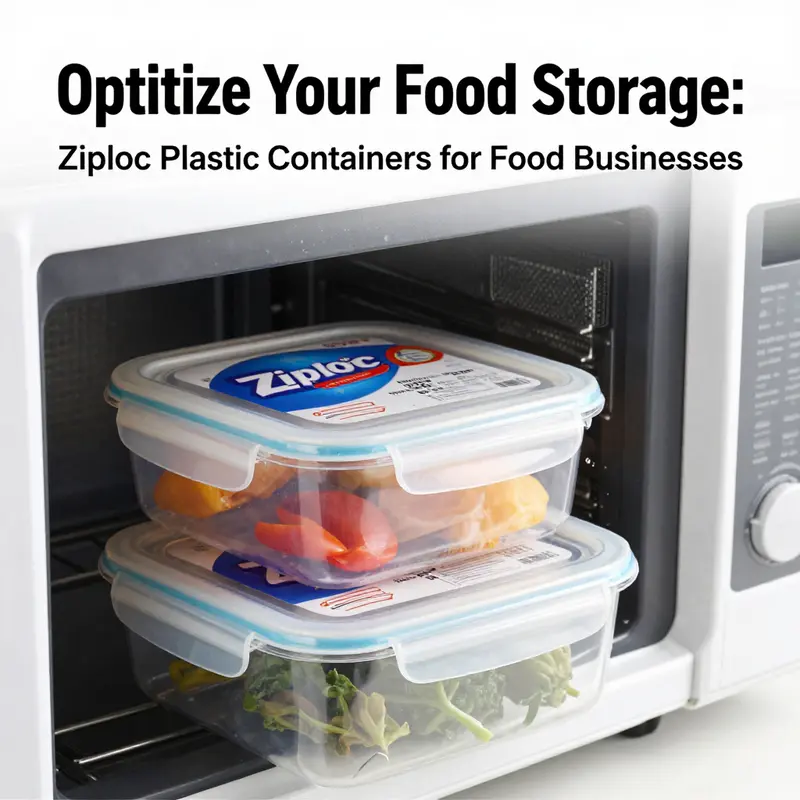
In every kitchen, the everyday act of storing tomorrow’s meals is a quiet ritual that carries far more weight than its simple appearance suggests. The goal is not merely to hide leftovers away; it is to preserve flavor, nutrition, and safety while keeping the process of cooking and eating as efficient as possible. A clear two-pack of plastic food storage containers embodies this ambition by marrying visibility with practical engineering. The clear walls invite quick recognition of what lies inside, a small but meaningful advantage when a busy week demands speed and accuracy in meal planning. When you slide a container from the fridge, you want to know at a glance whether a dish is a tomorrow’s lunch, a reheated dinner, or a backup snack. The design provides that instant clarity, reducing the occasional, time-wasting rummage through a sea of opaque bowls and lids that never quite match up. The ability to see content from the outside also supports healthier habits by making it easier to monitor portions and keep track of leftover staples that might otherwise disappear into the back of a shelf, forgotten until a late night craving reminds you of their presence.
Safety and durability begin with the material choice, a foundation that influences every interaction with the containers. These containers are constructed from BPA-free plastic, a specification that translates into a safer experience for daily food storage. BPA, a chemical once common in certain plastics, raised concerns about potential leaching into foods, especially when the containers are used repeatedly or exposed to heat. By choosing BPA-free materials, the set minimizes this risk, offering peace of mind for households that store everything from soft fruits and grains to sauces and soups. It is not just about compliance or marketing, but about a practical commitment to safe food handling that endures as long as the containers themselves are used. The durability of the material is complemented by a thoughtful build. The walls resist warping and cracking under typical kitchen conditions, and the corners are reinforced to withstand the bumps and jostles of daily life. This durability is particularly meaningful for families and meal preppers who rely on repeated use rather than single meals. When a family kitchen becomes a cycle of cooking, portioning, refrigerating, reheating, and cleaning, a sturdy set of containers can save time, reduce waste, and minimize frustration.
Leak resistance is another cornerstone of the design. The locking lids create a secure seal that helps keep contents contained, which matters whether you are storing a delicate vinaigrette, a thick soup, or a summer fruit compote. The seal minimizes the chance of spills, a small feature with a disproportionate impact on overall cleanliness and confidence when transporting foods to the office, school, or a potluck. It also protects against cross-contamination by reducing exposure to other smells and flavors in the refrigerator or freezer. In practical terms, that means you can stash liquids or high moisture foods with less worry about leaking into neighboring containers or onto shelves. The combination of a clear, durable body and a reliable locking lid translates into a practical benefit: more predictable storage outcomes and fewer kitchen chaos moments.
The design language of the set speaks to organization as well as safety. The transparent body enables quick identification of contents without the need to remove lids or open containers. This is especially valuable in a busy household, where time is a precious resource and misplacing meals can derail a whole day. A quick glance tells you if you have leftovers to reheat, a portion ready for a midday meal, or a batch of prepped ingredients waiting to become tomorrow’s dinner. The visual clarity is not merely aesthetic; it is a functional feature that reduces waste by promoting better inventory awareness and smarter shopping decisions. In a broader sense, this visibility supports a kitchen culture that values order, reduces anxiety around meal planning, and encourages more deliberate use of ingredients rather than defaulting to takeout or last minute improvisation.
Size and capacity matter, too. Each container in the set holds a generous 3 liters, a size that accommodates a wide range of foods while still fitting comfortably in most refrigerator shelves and cabinets. The dimensions, roughly 6 inches in length by 6 inches in width by 5 inches in height, are deliberately balanced to maximize storage efficiency without creating awkward, oversized containers that waste space. This makes the two-pack particularly versatile: it can store bulk leftovers from a weekend cook, portion out meals for the work week, or hold batch-prepped ingredients for a dinner rotation. The scale also makes them adaptable for children’s lunches, ensuring that snacks or meals can be portioned in an uncomplicated, predictable way. Because the containers are not so large as to dominate a shelf, they encourage a neat and accessible system where every item has a defined place.
Versatility is not limited to what can be stored inside. The functional trio of microwave-safe, dishwasher-safe, and freezer-safe design expands the ways a family can interact with the containers across a typical week. For reheating, the ability to heat directly in the container simplifies the transition from cooking to eating, trimming steps and reducing the number of dirty dishes at the end of a meal. This convenience becomes particularly valuable for busy days when a quick lunch or dinner is essential. Dishwasher safety further reduces maintenance time, letting the dishwasher shoulder the task of cleaning both the containers and their lids. In addition, freezer compatibility allows for long-term storage of batch-cooked meals, prepped ingredients, and even frozen sauces that would otherwise need to be portioned into smaller, more specialized packaging. The combined effect of these features is a storage system that grows with the user’s needs, from daily lunches to weekly meal prep and occasional long-term freezing.
Care is a quiet partner in durability. To get the most out of the set, users should consider a few practical practices. The transparent material can be prone to scratching if aggressively scrubbed, so a gentle approach to washing helps preserve clarity over time. The locking lids should be kept clean and free of residue to maintain an effective seal; periodic inspection of the gasket or sealing edge ensures that the lid continues to function as intended. When stacking or nesting the containers, it helps to align lids and bodies properly to avoid undue stress on the rims or seals. By treating the containers with the same care given to other durable kitchen tools, households can maximize their lifespan and maintain performance across cycles of use and cleansing. In turn, this reliability translates into real-world value: fewer replacements, less waste, and a sense of confidence that the containers will behave consistently, even as they move from refrigerator to microwave or freezer.
From a broader perspective, the appeal of a two-pack with clear design lies in its balance of safety, durability, and everyday practicality. The materials are chosen with health and longevity in mind, not merely to meet a passing preference for a certain aesthetic. The sturdy construction provides resilience in the face of the typical kitchen routine—open lids, slips from hands, and the occasional fall. The clear body makes it easy to monitor the condition of stored foods, while the seal protects freshness and flavor across time. The 3-liter capacity per container is spacious enough to be useful, yet compact enough to fit within the average fridge and cabinet layout. Coupled with microwave reheating, dishwasher cleaning, and freezer storage, the set becomes a flexible backbone for meal management, whether one is cooking for one or feeding a larger household.
In the end, what matters most is not a single attribute but how the various elements work together to support safer, smarter, and more enjoyable kitchen routines. The two-pack clear design offers a coherent answer to common storage challenges: it safeguards safety through BPA-free construction, provides durability for regular reuse, ensures leaks are contained with reliable locking lids, and delivers clarity that keeps organization intuitive. It supports a healthy relationship with food by making leftovers easier to handle and meals easier to portion. It supports a practical, sustainable approach by enabling reuse, reducing waste, and simplifying cleanup. It offers the kind of dependability that families, individuals, and serious meal preppers want when building a kitchen system that just works day in and day out. For readers weaving this into a broader exploration of storage optimization, the pattern is clear: safety and durability are not afterthoughts but the core of a design that remains useful across many seasons of cooking and eating.
For more details on safety certifications and official specifications, you can consult the official storage safety resource.
External resource: official storage safety resource.
Clear Confidence: How a Two-Container Set Aligns with Modern Meal Prep and Everyday Storage

In kitchens that juggle busy schedules, the simplest choices often determine how smoothly a day unfolds. A clear plastic storage set consisting of two bowls, each with a generous 3-liter capacity, sits at the heart of a practical approach to food storage. The clear design makes contents instantly recognizable at a glance, a small but meaningful advantage that saves minutes spent rummaging through the fridge or the pantry. When you see leftovers stacked neatly, you gain confidence that your meals are still within reach and safe to enjoy. The dimensions—roughly six inches in length and width, and five inches in height—fit comfortably on refrigerator shelves and inside most cabinets, a quiet reminder that efficiency begins with adaptable, unobtrusive hardware. This two-pack isn’t just a solution for today’s meals; it’s a foundation for a storage system that adapts to the rhythms of home life, from weekly meal prep to spontaneous lunch packing for work or school. The two containers and their matching lids are designed to work together as a cohesive unit, so the act of storing, reheating, and cleaning remains a single, uncomplicated routine rather than a shifting set of steps that disrupts the day.
At the core of consumer appeal is the promise of a leakproof experience. The primary driver for choosing a storage set in this category is a lid that keeps its seal under pressure. Consumers want to know that what they pack for the commute or for a child’s school lunch will stay put, even when the vehicle hits bumps or the bag tips into a tote bag. In the realm of clear storage, the lid’s reliability is not a luxury; it is a fundamental expectation. The concept of a secure seal translates into practical benefits: fewer spills on countertops and in the car, less waste from accidental leaks, and greater peace of mind when transporting sauces, soups, or dressings. This is where the idea of a “smart snap” seal becomes more than a marketing phrase. It represents a design philosophy that emphasizes receptivity to real-world use—the way a lid snaps into place with an audible, reassuring click, the way it remains taut through repeated openings, and the way the container remains leak-resistant even after multiple cycles through the dishwasher.
The appeal of such a system extends beyond the initial purchase. Convenience and functionality sit at the intersection of user behavior and product design. Reusability and recyclability are not afterthoughts; they are integral to how the modern consumer evaluates value. The two-container kit is built to be reused again and again, offering a durable option that reduces the need for disposable packaging and keeps plastics in circulation rather than in landfills. The materials chosen are intended to be food-safe, appropriate for direct contact with meals and snacks, and resilient enough to withstand the daily grind of a busy family’s routine. This aligns with a broader shift toward sustainability that many shoppers actively consider when choosing a kitchen solution. The design makes it possible to prepare meals in advance, portion them out, and keep them in a single vessel for reheating, thus limiting the number of containers that accumulate in the dishwasher and the cabinet.
Versatility is another pillar of appeal. A storage set that can transition from fridge to microwave to freezer offers a streamlined workflow that many households crave. The ability to move directly from cold storage to the microwave reduces the number of steps required to heat foods and minimizes handling, which in turn lowers the risk of cross-contamination. In practical terms, you can portion a week’s lunches, store them, reheat them when needed, and even stack the containers in the freezer for longer-term storage. The value here is not merely in the container’s capacity but in the seamless arc of use—prep, store, reheat, and clean—without needing to switch vessels or transfer contents to another dish for warming. This kind of all-in-one functionality resonates with meal-prep enthusiasts, busy professionals, and families who want to maximize time without sacrificing food quality.
Material quality and safety underpin the trust that sustains long-term consumer relationships. The containers are constructed from a robust plastic that is designed for regular contact with food. The emphasis on food safety is not limited to the moment of purchase but extends to the consumer’s ongoing experience of use. The containers are designed to be reusable, and their recyclability aligns with a growing consumer expectation that everyday products should contribute to a more sustainable lifecycle. The sight of a clear, clean interior is more than aesthetic; it is a cue that the product is simple to inspect for cleanliness and free from opaque residues. This transparency—literally and figuratively—helps users feel confident about the quality of the storage solution and the safety of the meals it safeguards.
The practical merits of a clear, two-container kit extend into the physical realities of kitchen space. The compact footprint—two bowls that fit neatly into standard refrigerator shelves and many kitchen cabinets—means less clutter and more organization. Clarity of contents is a recurring theme in consumer narratives: visible staples, leftovers, and portioned ingredients reduce waste and support mindful eating. When you can quickly identify what’s inside without opening each container, you invest less time in decision-making and make space for more deliberate meal planning. In households where every minute counts, such efficiency translates into tangible benefits: less meandering through aisles of leftovers, reduced food waste, and more predictable meal timing for the family.
From a market perspective, the category in which this two-container set resides has established a clear position for itself as a reliable, everyday solution. Market positioning is driven by a combination of trust, practicality, and demonstrable value. The product stands out through its combination of a leakproof lid, a seal system that feels intuitive in daily use, and a design that accommodates multiple cooking and storage routines. This is not merely a container with a lid; it is a thoughtfully engineered system that addresses the most common household pain points—leaks, spills, inconvenient transfers, and the need for versatile, space-saving storage. The result is a product that is perceived as dependable in a crowded market, earning a reputation as a best seller in its category. Such market strength is reinforced by the alignment of features with the realities of modern eating patterns: meal prep, on-the-go consumption, and the ongoing balancing act between convenience and sustainability.
The two-container kit also targets specific use cases that reflect contemporary lifestyles. For families, there is a clear desire for solutions that support mealtime routines, school lunches, and quick, nourishing options after practice or work. The 3-liter capacity is generous enough to hold substantial portions, while the compact shape keeps storage efficient. For individuals who meal prep, the set offers a reliable, bite-sized platform for portion control and routine planning. In both scenarios, the ability to reheat directly in the container is more than a convenience; it is a practical, time-saving habit that supports consistency—an important factor for people who rely on predictable routines to manage busy days. For travelers and office workers, the containers offer a portable, compact solution that travels well in bags, coolers, or briefcases. The clear design further enhances these use cases by making it obvious when a portion needs to be consumed or replenished, contributing to a smoother, more mindful approach to eating away from home.
Pricing considerations and availability are part of the practical calculus that customers weigh when selecting a storage solution. A pack that includes two containers plus two lids is often perceived as a sensible starting point for individuals or small households. The pricing logic typically reflects the value of a durable, all-purpose system that reduces the need for multiple separate purchases and minimizes the risk of spillage and waste. In a market where numerous alternatives compete on price, performance, and reliability, a best-selling option tends to attract buyers who want confidence in the product’s longevity and a straightforward, no-nonsense user experience. The two-pack configuration resonates with the way many households operate: a core, dependable set plus a backup or complementary piece for a second storage need, which makes the purchase feel both practical and scalable over time.
Ultimately, what makes this two-container set compelling is how it encapsulates a practical philosophy of storage. It is not just about keeping food fresh; it is about empowering everyday routines with clarity, control, and convenience. The clear visibility of contents reduces the friction of decision-making and helps manage portion sizes with minimal effort. The leakproof seal and smart snap mechanism translate into everyday reliability, turning a mundane act—the act of sealing a container—into a moment of confidence. The microwavable, dishwasher-safe, and freezer-safe attributes extend that confidence across the full spectrum of food handling, from prep to reheating to long-term storage. When you combine these elements with a design that respects space in a crowded refrigerator, the result is more than a container set. It is a small ecosystem that supports healthier eating habits, reduces waste, and fits into the busy tempo of modern life with grace.
As this topic continues to unfold in the broader article, the focus remains on how such a storage solution meets real user needs while articulating the broader market dynamics that shape consumer choice. The two-container kit serves as a concrete example of how thoughtful design translates into everyday practice. It demonstrates that success in this category comes not from flashy features alone but from a coherent blend of reliability, versatility, and user-focused simplicity. The narratives of households, workplaces, and kitchens converge here, revealing how a well-made, clear storage set can contribute to a steadier rhythm in daily life. In the end, the true value lies in the quiet confidence of knowing that a well-sealed, clearly labeled, and easily reheated meal can be stored, transported, and enjoyed with minimal fuss—and that is a practical goal worth pursuing in any well-loved kitchen.
Final thoughts
Ziploc Plastic Food Storage Container Set (Clear Pack of 2) is thoughtfully designed to cater to the demands of food service providers across various sectors. Its features and specifications make it an essential tool for optimal food storage and organization. By prioritizing safety and durability, Ziploc reinforces its position as a reliable choice in the catering and restaurant industries. The overarching consumer trends and preferences further highlight the necessity of having quality storage solutions in any food business. Investing in such containers can significantly enhance operational efficiency and customer satisfaction, paving the way for business growth.